Tag: content strategy

  • Top 5 Most Read Search Influence Blogs of October

    Between Halloween, the World Series, and Election Season, a few Search Influence blogs may have fallen through the cracks. Don’t worry! Here’s the top 5 most read blogs from October to get you caught up!

    #1. The Importance of Content Marketing to Your SEO Strategy

    create-compelling-content meme

    Did you know that businesses with websites of 401–1000 pages get 6x more leads than those with 51–100 pages? Find out exactly what content marketing is and how it can help your business with this informative blog post.

    #2. Search Influence Adds 8 New Employees

    Welcome to the Search Influence family, Ann, Rosie, Amy, Joel, Roane, Sabian, Sam, and Trace! Get to know these friendly faces a little better, and discover which one of them dances Bachata.

    #3. What Happened to Facebook’s 20% Text Grid Tool?

    Originally published in March, this post is still holding onto its rank as one of our most popular blog posts ever! Learn exactly what changed with the update and how it might affect your business.

    #4. A Day in the Life of an Account Manager at Search Influence

    Ever wondered what it’s like to be an Account Manager? Ever wondered what it’s like to take over the Search Influence Twitter for a day? This engaging blog post lets you experience both through the eyes of Account Manager Presley Brouillette.

    #5. Like Our Facebook Page and Help a Worthy Cause

    Search Influencers wear pink for Likes for Lives campaign

    Read all about the #Likes4Lives campaign, our October fundraiser for Breast Cancer Awareness! We’d like to thank everyone who made it a great success! Discover the campaign’s outcomes in our recent results blog.

  • The Importance of Content Marketing to Your SEO Strategy

    content-marketing-is-important-for-SEO image

    A few weeks ago, I wrote about the basics of link building and how content is crucial to any editorial link building strategy. Today, I want to talk about exactly why it’s so important and what you can do to start writing great content, not only for SEO, but also for your overall content marketing strategy.

    What Is Content Marketing?

    Content marketing is the strategic creation, distribution, and promotion of content to generate leads, sales, and brand awareness. This could be anything from a social media post or a webpage to a regularly updated blog or news section of your website.

    Really it applies to any piece of content that a consumer could see.

    Content for SEO

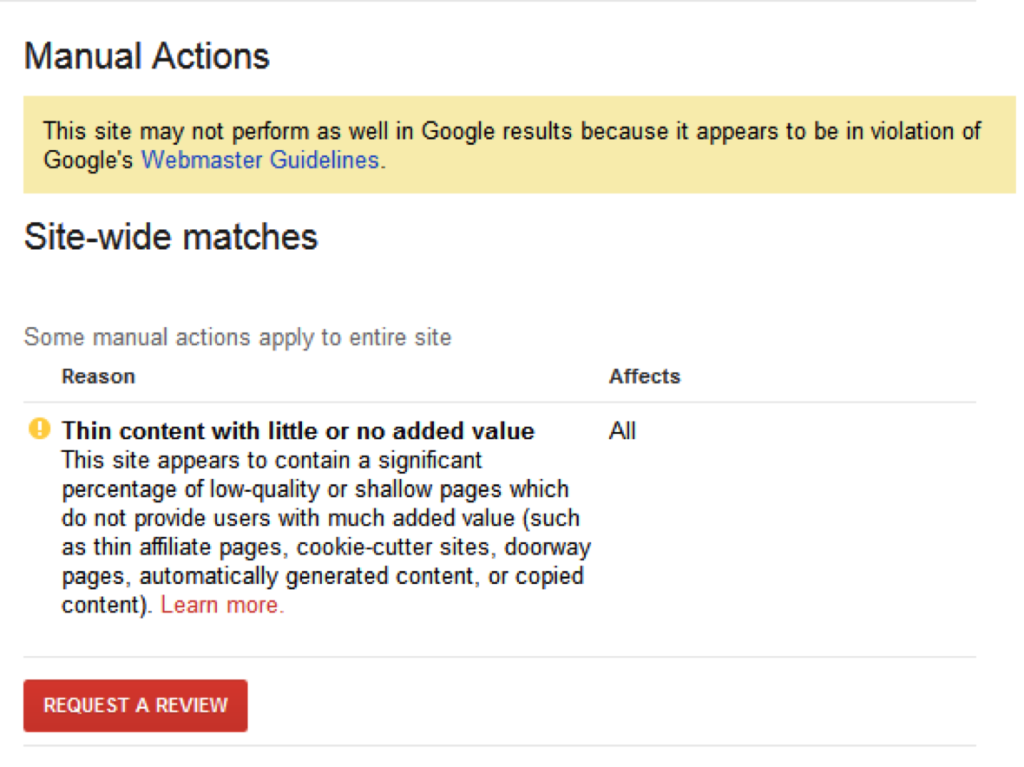
    That’s why, when it comes to SEO, content is one of the most important factors in search engine algorithms and the basis for multiple other factors that affect search visibility and traffic. It is also why SEO factors into your content marketing strategy.

    Did you know:
    – 75% of consumers use search engines regularly when doing product/service research (CMI)

    – 60% of consumers purchase a product/service based on that research (UpScribed)

    Well, search engines like Google do. That’s why they include specific guidelines for creating content:

    screen-shot-2016-10-11-at-1-40-40-pm

    Because content is the foundation of the consumer experience, search engines have placed a premium on its value as a ranking factor.

    Consumer-Focused Content

    Like any foundation, you need to build upon your website’s existing content to really reap the benefits. More valuable content equals more visibility and more links. It’s not enough just to have a website with good content. You need to keep creating more new and germane content to maintain your relevance in the eyes of search engines and to continuously provide opportunities for references, backlinks, and lead generation.

    Did you know:
    – 86% of consumers stated that using a search engine allowed them to learn something new or important that helped them increase their knowledge. (Pew Research Center)

    – 95% of B2B buyers are willing to consider vendor-related content as trustworthy. (Curata)

    – Businesses with websites of 401–1000 pages get 6x more leads than those with 51–100 pages. (Hubspot)

    It all loops back to user experience. Search engine algorithms are developing to incorporate user experience as a ranking factor.

    Content Creation Strategies

    So, how can you create a content marketing strategy with search engines in mind?

    1. Create custom topical content. One of the major rules in SEO is to avoid duplicate content, so let’s start there. Your content should be completely unique and each page should have one main topic or focus, ideally centering on something potential customers would search.
    2. Utilize titles and headings. By organizing your content with descriptive titles and headings that focus on the topic you’ve picked, you’re more clearly indicating to search engines and users what the page is about.
    3. Reference products and services by name. Don’t skirt around the subject with euphemisms and colorful language. While advanced, search algorithms aren’t the best at gleaning information that’s not explicitly stated.
    4. Create new pages. Like I said before, each page should have a topic of its own so if there’s something you want to talk about, make a new page or post for it. Locations, products, and services are all examples of things that warrant their own pages, as long as there’s enough to say about them.
    5. Which leads me to my last tip: Fill up your pages. If you can’t come up with at least 300-ish words on a subject, it probably doesn’t actually deserve its own page.

    Did you know:
    – The average length for content ranking in the top 10 results of Google is at least 2000 words. (Quicksprout)

    Just remember, search engines are ever-developing to match user intent. So, when in doubt, write for your potential customers and make sure your content is reaching them.

    Image Sources:
    Image 1 (Keyboard Graphic): Google Photos
    Image 2 (Screenshot): Google Support
    Image 3 (Office Space Meme): Relatably


  • #NOLATech Week 2016: How To Drive More Traffic To Your Site

    In conjunction with NOLATech Week 2016, Search Influence hosted a workshop to help support small businesses in their online marketing efforts. Paula Keller and Mary Silva presented on how to boost your local search rankings and ways to drive traffic to your website respectively.  

    Paula Keller’s “How To Boost Your Local Search Rankings”

    Paula’s “How To Boost Your Local Search Rankings” presentation took the audience through what types of businesses benefit from local SEO efforts. It also detailed the different types of Google My Business pages and how to use them. With the insight from Paula’s presentation, business owners can better understand how to optimize their business both onsite and offsite to gain better local search rankings.

    search-influence-university-how-to-boost-your-local-rankings-10-11-2016


    Mary Silva’s “10 Ideas To Drive Traffic To Your Website”

    Mary’s “10 Ideas To Drive Traffic To Your Website” presentation tackled concepts that influence your site’s user experience and actionable ways to help improve traffic to your site. It covered topics ranging from highly technical concepts like Schema markup and Google Search Console Analysis to less laborious efforts like directory and authoritative link earning. She explained how to use Schema.org rich snippets to create more engaging search results for your website on Google. Her presentation also went into detail on how to use social media efforts effectively to not only post but also promote engaging content like infographics. “Think of your online marketing efforts as a service,” said Mary, Internet Marketing Team Lead at Search Influence. “We know our users, and we’re getting them closer to their end goal faster. Make your overall goal to give users a cleaner, better experience and make users lives easier. ”

    search-influence-university-10-ideas-to-drive-traffic-to-your-website-5-26-2016

    In utilizing some of the tips and tools explained in these two presentations, guests could help increase their business’s online success in many ways including, but not limited to, improved visibility in local search results and increased traffic to their sites.

    For more information on the event, visit townsend.bunksite.com/ or contact the office directly at 504-208-3900 or Search Influence, 935 Gravier St #1300, New Orleans, La. 70112.


  • Link Building: How to Develop a Winning Link Profile

    The Basics of Link Building

    Backlinks are a significant factor in a website’s search visibility. When a site links back to your website, it signals to search engines that it’s authoritative enough to be an information resource for other websites. That’s why it’s so important to any SEO strategy.

    However, SEO’s and businesses alike walk a thin line when it comes to generating backlinks for their sites. Each backlink has a different value depending on that source site’s own authority and trustworthiness. The goal is to develop a diverse but high-value link profile of authoritative links from a variety of source types. This process is called link building.

    I like that your backlink profile's so natural image

    Link building can be categorized into two different types of work: manual link building, where a link is submitted to directories or included in profiles, and editorial link earning, where a site links to your website organically because they want to share or refer to your content.

    Manual Link Building

    It may seem like this is not the preferred method for link building. However, don’t forget that we want a diverse link profile. The character of your link profile reflects the character of your business to search engines.

    It’s natural to place your website and information on sites that potential customers may use to find a business like yours (i.e. directories) or in your social profiles. This is the same as adding your business’s information to a phone book or business card that you share with people.

    When doing manual link building, just remember that you want the sources of your links to make sense and reflect the authority and relevance you’d like your website to have. Ideally, these links come from sources like your social profiles, local directories like Google Maps or Yelp, and niche directories that apply to your industry (Healthgrades.com for doctors, for example).

    Editorial Link Earning (aka Link Attraction)

    It’s a little more difficult to build out the other side of your link building strategy—editorial link earning. You can’t control these links like those that you manually build. However, link earning is a great opportunity to show the internet just how great you are at what you do and can result in some of the most valuable links out there. It should also already fit into your overall branding strategy.

    So, what are editorial backlinks? These are links that people have shared on their own websites or social media back to your website. For example, if someone read a blog post that you wrote for your business and thought the content was so engaging and noteworthy, they shared it on Facebook or wrote their own blog referring to yours, you’ve just received an editorial backlink.

    Social interaction vector image

    This type of link building starts with creating great content and ends with sharing and strategically placing that content for the most relevant and influential users to see and engage with it.

    That’s it, the basic composition of any good link building strategy. Link building definitely takes some thinking but it is immensely valuable to your overall SEO. Directory and social profile links are important in building brand awareness, and creating and sharing great content is highly integral to exhibiting your business’s overall value and capabilities both on- and offline.

    To find out why link building is important for dentists, click here.

    Image 1 Credit

  • Happy Working Parents Day: 10 Influencers On Lessons From Their Working Parents

    As someone who grew up with working parents, I learned a lot through my parents’ experiences.

    My dad was the “troubleshooter” at the automated and environmental control systems company he worked for. So, his ability to solve problems at work and around the house was something I learned. He always approached things with a can-do attitude and would just sit down and get what needed to be done, done. I’m definitely a problem solver at work, and I love to empower my team members to solve problems they encounter, too.

    My mom was a VP of a publishing company. While I can’t think of anything that sticks out that I learned from her growing up, other than a general hardworking attitude, she’s been an invaluable resource to me for general work best practices and how to do well in interviews in the past. I’ve also gotten a lot of management tips from her as I’ve grown in my career.

    So, in honor of Working Parents Day on September 16th, I sat down with 10 of my fellow influencers across our company to find out more about their experiences having working parents growing up. Here’s what they had to say.

    [youtube https://www.youtube.com/watch?v=NRGR-owCFm4&w=640&h=360]
    Gabrielle Benedetto - Search Influence

    Gabrielle Benedetto, Partner Relationship Manager

    Parent(s) And Their Jobs:
    Susan Benedetto – High school English teacher and Teach For America mentor turned Librarian who is now back in the classroom teaching high school English!
    Tim Benedetto – Self-employed contractor

    A Memorable Experience Visiting Your Parent(s) On The Job:
    Visiting my dad on the job usually meant I was sick.

    Since my dad was self-employed, it was easier for him to leave work and pick us up from school when we weren’t feeling well. But, instead of going home, we would go on the job with him. He would make a little bed for us by flipping over two 5 gallon mineral spirits buckets, laying a piece of plywood on top, and covering us with a paint splattered drop cloth for a blanket.

    Depending on how bad you felt, you would be asked to pick up a piece of sandpaper or a caulk tube. The smell of fresh paint still reminds me of a sick day. I would complain, but in that moment, I was being taught work ethic.

    What Having A Working Parent Taught You:
    After being on her feet and teaching hormonal teenagers for 8 hours, Mom would come home and cook a full course meal for us. Dinner was on the table every single night at 7. We would sit and eat as a family every night and homework was never an excuse to skip. After dinner, we would clear the table and Mom would sit right back down and start grading papers and preparing for the next day’s lesson plan.

    While she did bring work home, like many working parents, I think one of her favorite parts of the day was cooking and serving dinner for her family. For just a few hours she was Mom and not “Mrs. Benedetto.” Seeing her work all day long, and then come home to transform into a different role, was pure dedication. She taught me how to balance work and family, which may be one of the hardest tasks any working parent faces, but she made it look easy—even though I know it wasn’t.

    Memorable Advice From Your Parent(s):
    “Work as if you are being filmed and speak as if you are being recorded” Meaning—don’t do or say anything you wouldn’t want anyone to see or hear. It sounds a little mafiosa… but it stuck with me!
    Michelle Boyd - Search Influence

    Michelle Boyd, Internet Marketing Team Lead

    Parent(s) And Their Jobs:
    Cyndi – Store Manager for Kroger
    Carl – Worked for the state as the Director of Budget

    A Memorable Experience Visiting Your Parent(s) On The Job:
    I remember one time when the power went out from a snowstorm during the holidays. We all went as a family to check on the freezers and coolers at the store. At the time, I thought it was crazy that my mom had to worry about that kind of stuff when she wasn’t even working. Even at an early age, through her actions, my mom taught me that your individual success is directly dependent upon the success of the company you work for.

    What Having A Working Parent Taught You:
    Many people tell you not to bring your work home with you. What my parents taught me was the exact opposite. It is important to have a good work/life balance, and oftentimes, these two things will intermingle. What’s more important is to strive to do your best every day, learn from your mistakes, and celebrate your successes.

    Memorable Advice From Your Parent(s):
    My parents told me to hire people whose creativity and ingenuity exceed my own. They said I should want to work with people who will challenge me to be better and who will help the company to succeed, and therefore, help me succeed.
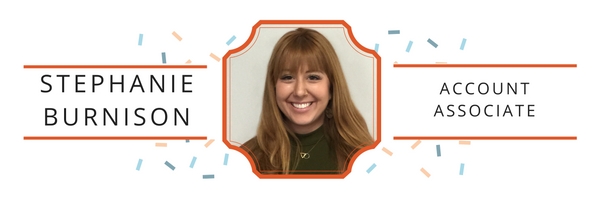
    Stephanie Burnison - Search Influence

    Stephanie Burnison, Account Associate

    Parent(s) And Their Jobs:
    Debbie Alexanian – Clinical Neuropsychologist
    Gary Burnison – CEO Korn/Ferry International

    A Memorable Experience Visiting Your Parent(s) On The Job:
    I used to visit my dad’s office a lot out in LA—it was so cool to see how everyone interacted with him, and also to see him in that light versus how I saw him every day: the swim-trunk-wearing, chill Southern California dude I knew him to be.

    What Having A Working Parent Taught You:
    It taught me to be independent, confident, determined, a hard worker, a fast learner, and to not accept failure.

    Memorable Advice From Your Parent(s):
    Attitude is Altitude.
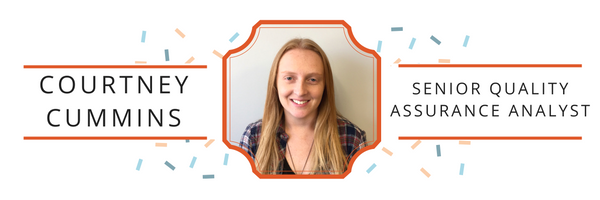
    Courtney Cummins - Search Influence

    Courtney Cummins, Senior Quality Assurance Analyst

    Parent(s) And Their Jobs:
    Jack – Distribution Manager for a grocery store and later for Revlon
    Catherine Cummins – Security Guard for a distribution store

    A Memorable Experience Visiting Your Parent(s) On The Job:
    I remember being about eight years old and going into work with my dad on a Saturday morning. I was so excited that I even picked out what I was going to wear the night before (It was a basketball jumpsuit. It wasn’t great.). He worked at a distribution warehouse and I remember him giving me some product transportation logs to highlight. It was probably just busy work, but at the time, it felt like the greatest responsibility in the world.

    What Having A Working Parent Taught You:
    One of the biggest lessons I learned growing up with working parents was the importance of having a strong work ethic. It isn’t enough just to have a job and show up for it. They stressed the importance of giving your best to everything you do in life, and how determination and perseverance can go a long way.

    Memorable Advice From Your Parent(s):
    I can’t remember an exact piece of advice my parents gave to me when I started working; there was just an understanding of “you have a job that you are physically and mentally able to perform, so make sure you do so to the best of your ability.”

    Ryan Eugene - Search Influence

    Ryan Eugene, Senior Account Associate

    Parent(s) And Their Jobs:
    Jennifer – Specialty Sales Manager at a natural gas company
    Ronald – A contractor for Verizon

    A Memorable Experience Visiting Your Parent(s) On The Job:
    I visited my mother at work a few times, and it was great to see her with a high position in the company and see her co-workers’ respect for her.

    What Having A Working Parent Taught You:
    Work ethic and the importance of being prompt.

    Memorable Advice From Your Parent(s):
    Be prompt and don’t be afraid to ask questions.
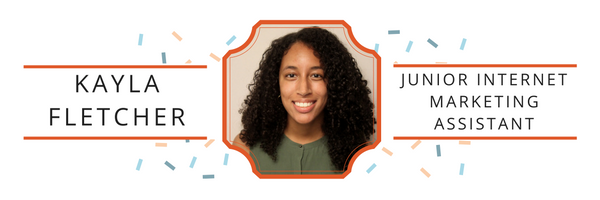
    Kayla Fletcher - Search Influence

    Kayla Fletcher, Junior Internet Marketing Assistant

    Parent(s) And Their Jobs:
    My dad owned a computer company, and my mom worked with my dad and she was a paralegal for some time. (I don’t remember her being a paralegal because I was too young because she ended up working with my dad full-time). Fun fact: my dad used to be a DJ, then technology started to take off and he became interested in that as well.

    A Memorable Experience Visiting Your Parent(s) On The Job:
    I went to their office building sometimes. I used to sit at another desk while my dad worked. I don’t remember much because that was long ago, and when I got to middle school, I didn’t go to the office much.

    What Having A Working Parent Taught You:
    My parents stressed the value of saving and investing, whether it was investing in stocks or renting out property. Even though my parents talked about saving a lot, they also think it’s best to spend money on things you really want. Whether it’s luxury items or a new home that’s more convenient for everyone. However, they don’t think it’s best to splurge a lot. They also stressed about doing something that you love. People always find it surprising when I tell them that my parents fully support me with writing. My parents never told me anything negative about it, or told me to pick another major/career because “you can’t make money being a writer.”

    Memorable Advice From Your Parent(s):
    My parents told me (and my older sister) that even though you got the job you wanted, you still have to work hard. You should set goals for yourself, always be on top of things, and never talk negatively about anyone who you are working with to another person.
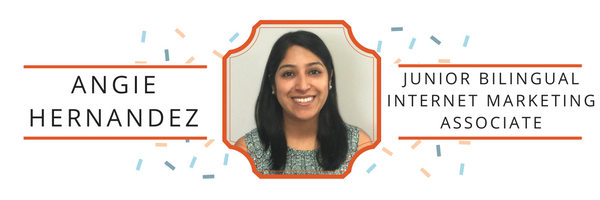
    Angie Hernandez - Search Influence

    Angie Hernandez, Junior Bilingual Internet Marketing Associate

    Parent(s) And Their Jobs:
    Martha Hernandez – Personal Banker
    Islaal Hernandez – Body Shop Mechanic

    A Memorable Experience Visiting Your Parent(s) On The Job:
    I remember one time being sick on a field trip and my mom needed to pick me up. There was no one to take care of me so she brought me to work. I laid down on my mat under her teller stand. I just remember seeing how dedicated and precise she was in handling money. Every now and then I’d gently kick her to remind her I was down there, and she’d break her concentration to give me a smile and an “I know you are still down there” face.

    What Having A Working Parent Taught You:
    I have nothing but the utmost admiration for my mom. It’s incredible to see, even to this day, how she works hard and still comes home to be a mother and wife. She is a boss. And I’ve seen my father do what it takes to work, even if that means being treated unfairly as an immigrant. My dad’s job is physically demanding, but he never gives up. He’s the “work hard, play hard” type, which I think is cool. He looks like a GQ model on the weekends; you’d never think he is a grease monkey during the week.

    Memorable Advice From Your Parent(s):
    My mom has always told me to never give up, even if everything seems hard at first. Because of her, I’ve never given up on any challenge that was placed before me.

    Serena Hirasawa - Search Influence

    Serena Hirasawa, Senior Account Associate

    Parent(s) And Their Jobs:
    Mom – Special Education Teaching Assistant
    Dad – Chef

    A Memorable Experience Visiting Your Parent(s) On The Job:
    My dad worked as a sous chef at a country club until I was about 10 years old. I remember going with him and my younger sister to visit the property on many occasions, and he would show us around to all of his coworkers. We were really adorable back then, so we would always get little gifts from people. My favorite person was the groundskeeper, who would find pretty and/or shiny rocks for us and we would get so excited to see what he would bring. I also loved being able to visit where my dad worked and see the food that he got to make every day for the guests.

    What Having A Working Parent Taught You:
    It taught me about discipline, but also about balance. When my dad was a chef at the country club, he would work lots of long hours and weekends, due to the food industry. But he always managed to be available for my childhood memories—things like my softball games and school picnics. He worked really hard to provide for us, which sometimes meant making sacrifices, but he always made time for us when we needed him and he was home every night to say goodnight.

    It also taught me about being challenged. My mom worked in special education, which can be very taxing on people. Every day is something different because you are working with children who have learning disabilities and other difficulties. Her job was a challenge every day, but not in a bad way, because she was constantly learning something new about herself or her students. Sometimes, you just can’t plan how your day is going to go and you have to step up to the challenge.

    Andrew Jones - Search Influence

    Andrew Jones, Junior Editorial Internet Marketing Associate

    Parent(s) And Their Jobs:
    My mom (Ann) worked for Delta Airlines until I was about 4 years old, then retired to take care of my two brothers and me.
    My dad (Greg) is an attorney and retired from his firm a couple of years ago. He is now a Dean of Business at Troy University in Alabama.

    A Memorable Experience Visiting Your Parent(s) On The Job:
    Since my mom worked for Delta, it meant my family got to travel a lot for free. Believe it or not, one of my earliest memories is sitting in a chair in First Class, apparently on the way to Oahu. My feet didn’t even reach the end of the chair. I’m sure that was a great flight for everyone else who got to share First Class with a clearly spoiled baby.

    What Having A Working Parent Taught You:
    Both of my parents were very successful in their careers, and enjoyed their work, but they never let their careers define them. As a kid, when my dad would get home at the end of the day, we talked about sports, history, politics—anything but work. In my opinion, they found a healthy balance between work and life.

    Memorable Advice From Your Parent(s):
    Working hard and always treating people like people are two bits of guidance that I have certainly tried to carry over into my professional life. It sounds corny, but my parents were pretty big on the Golden Rule. My dad, for example, lobbied the City of Mobile pretty hard when they tried to move a local homeless shelter out of the downtown area because it discouraged tourism and was “unsightly.” He wasn’t very popular with some of the society folks in Mobile, but he wore that as a badge of honor.

    Paulina Rodriguez - Search Influence

    Paulina Rodriguez, Web Developer

    Parent(s) And Their Jobs:
    Jesus Rodriguez and Juana Rodriguez

    What Having A Working Parent Taught You:
    Both my parents moved to California from a small town in Mexico. My father attempted many times to work in farms in California and kept getting deported. But he wanted a better life for his 6 children so he kept trying. Eventually, he got a job cleaning and cooking for a hospital in California. When he was able to save up some money, he brought my mom and my brothers and sisters to America. Alone in a new country where they didn’t know the language, both my parents enrolled my brothers and sisters in school, and my mom found a job cleaning houses. Eventually, the rest of us were born and both my mom and dad worked. The drive and bravery of my parents to go into the unknown and raise a family has always pushed me to better myself. Their honesty and hard work drive my work ethic. Their relentlessness pushes me to take on any challenge. I know that things do not come easily, but with hard work and dedication I can work towards any goal. Their sacrifice has shown me that anything is possible.

    Memorable Advice From Your Parent(s):
    My parents would always say to work hard. Be presentable and respectful. Always be early and prepared. Save your money.

    It certainly goes without saying that parents have a great influence on their children and sharing the experience of worklife and responsibility only make the impact greater. What has your family taught you about the working world?


  • Top 5 Most Read Search Influence Blogs of August

    It’s back to school time, and you know what that means—time to catch up on your reading! Here are the top five most read Search Influence blog posts of August. Study up!

    1: What Happened to Facebook’s 20% Text Grid Tool?

    Ranking in the top five for yet another month, this updated blog post gives the ins and outs of Facebook’s latest text grid update. Peruse this popular post to learn what this update means for your advertising.

    2: Search Influence Jobs: What Does an Account Associate Do?

    Get a sneak peak into daily life at Search Influence! This upbeat post talks about three great aspects of working as an Account Associate: personal growth, great team members, and helping businesses.

    3: Local SEO: How to Clean up Citations for Better SERP Visibility

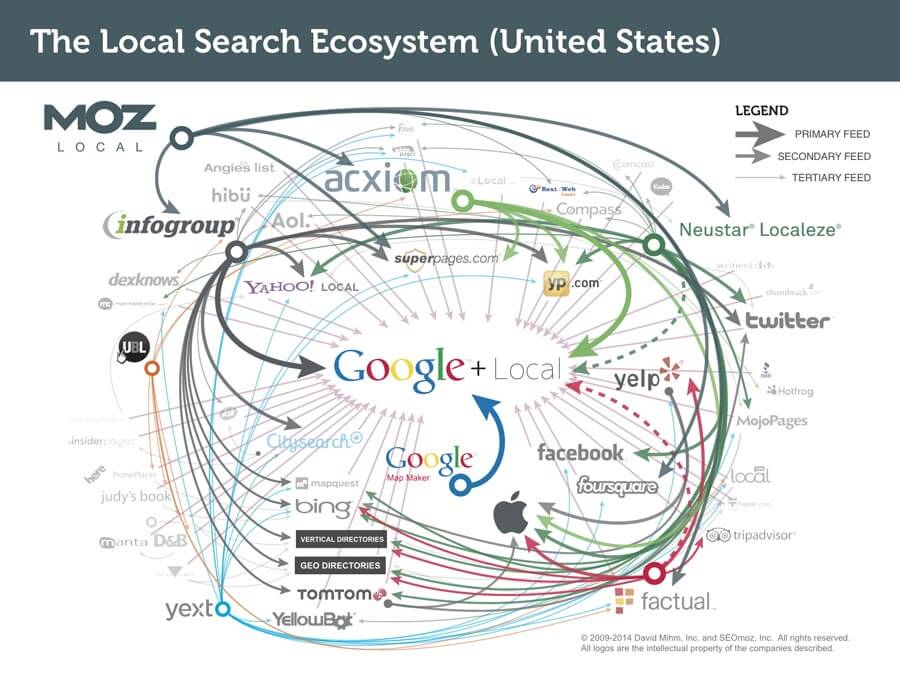
    Local_Search_Ecosystem_USIf the image above makes zero sense, then you should probably read this post. Learn all about how consistent citations can increase your website’s visibility to search engines.

    4: 5 Ways Technology Has Changed the Olympic Games

    There’s no better remedy for Olympic withdrawal. Instead of mourning the sudden lack of Michael Phelps and Simone Biles in your life, learn about technology’s impact on the Olympics.

    5: Two New Hires Join Search Influence

    Welcome Kayla and Mildred! Get to know the two newest members of the Search Influence team, complete with fun facts about cars, Google Android, and Wolverine 3.

    Image 1 Credit

  • How to Repurpose Your Content Again and Again and Again

    National Simplify Your Life Week: easier said than done, right? There are so many balls to juggle every day, the idea of adding a complex online marketing campaign to a to-do list sounds unbearable. But online marketing doesn’t have to break the minute-bank. By maximizing your content, you can get more for less, and without much more effort.

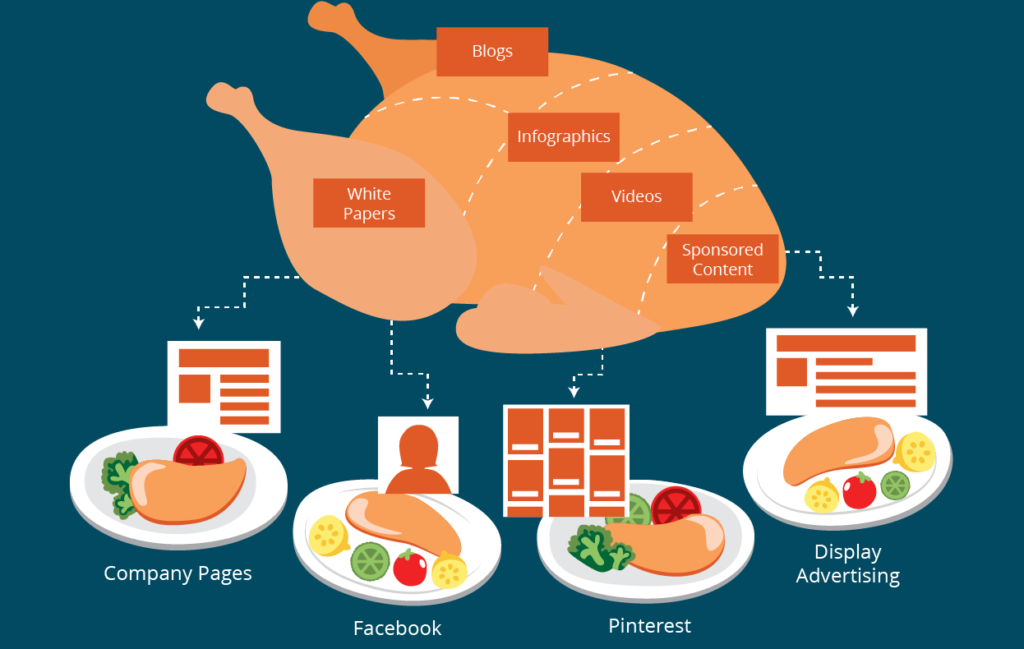
    LinkedIn calls this the big rock strategy. Or, sometimes the Thanksgiving turkey. The idea is that for every big, information-dense piece of content you create, you can have many smaller pieces of content. Like the leftovers that turn into sandwiches, casseroles, and soup, big rock content can last for a long time. But how do you do this?

    Create Big Rock Content

    Your “big rock” is your starting point. It needs to have enough information that it can get chopped up, broken down, and reused multiple times without getting repetitive. This is best achieved by focusing on what you’re already an expert in. While doing lots of research might produce a really fantastic piece of content, the time saved by writing what you know is invaluable. Pick a handful of topics about your business, industry, or professional experience, and write everything you know about each one. This will create focused, rich content you can base the rest of your campaign strategy on.

    Your big rock can be a white paper, blog post, video, webinar presentation, or anything else that provides plenty of room for your expert opinions. But publishing your big rock is only the beginning.

    Slice and Dice

    Once you’ve created your big rock, it’s time to get it out into the world! Just posting to your blog or linking on your website is not going to inspire droves of people to read what you’ve written and start an industry revolution around your brilliant ideas. Far too many interesting pieces of content languish where no one can find them. This is where social media kicks in.

    Link to your big rock on all of your social media accounts when it goes live. Then, pull out quotes, fun facts, or other smaller pieces of information and use them as new social media posts (still linking to the original piece so people can learn more).

    Write a blog post about your new white paper or video, then, link to it on social media. You can also pull out stats and facts and turn them into an infographic, and, you guessed it, share that on social media, too. If you have a newsletter, summarize all your newest big rocks and blast it out to your interested followers. And get creative; the more ways you can get your content in front of interested parties, the better.

    featurebig

    You should be able to stretch a piece of content across a few months. Creating a few big rock pieces of content at once and then staggering their publication and rotating through promotion will make each one last longer. If this is all still a bit overwhelming, remember, content calendars are your friend. And, if all else fails, the team at Search Influence can just do it for you. Now, that’s simple.

    Image 1 Credit

  • 12 Things You May Not Know About Online Marketing

    12 Things You May Not Know About Online Marketing

    While some aspects of online marketing may seem straightforward, some things might surprise you. Here are 12 things that surprised some of our team members when they started working at Search Influence.

    1. When listing your business location anywhere online, you should use the USPS verified address.

    “I worked at traditional ad agencies for over 10 years. It shocked me to find out that, when developing a website for a client, it is best practice to use the exact address that the USPS has on file for a business. And that same address should be used on all social media profiles, as well, to enhance a website’s search engine ranking. In my former life, we would simply use what looked or fit best.” – Melissa

    2. Gain traffic to your website through local search results with industry specific directory listings.

    2


    “I was surprised to learn how many industry specific directories exist. Also, surprised to learn how valuable those can be for businesses to gain traffic to their website through local search results.” – Mary

    (Note: Don’t have a physical location? Check out this blog about ways to improve the local search ranking for a service area business.)

    3. Google My Business is important!

    3


    “I was really surprised to learn that Google My Business had such a large impact on website visibility. I thought, “Google Plus? No one uses that.” And that’s partially true. But having a page, verifying it, and having reviews can play a large role in ranking in the maps pack.” – Ariel

    4. Google prefers location images for profile pictures on Google Plus.

    “With my graphic design background and my love for branding, I was surprised to learn that Google prefers the use a picture of your business location (if you’re a brick and mortar shop) instead of a logo for your Google Plus profile picture.” – Michelle

    5. Content on images cannot be crawled by Google.

    “I was surprised to learn that Google could not track infographics on pages as static images, but we can help make them more Google-friendly through optimization.” – Kayla

    6. Content optimization is for humans too!

    “It may sound basic, but I was surprised to learn that SEO is geared just as much toward optimizing content for human users as it is for computers. When I first started hearing about SEO, I thought it referred only to technical, back-end fixes that would gain the attention of search engines. Working at Search Influence taught me that a huge part of SEO focuses on enhancing the overall user experience, not just making it easy for Google to find your website.” – Aubrey

    7. Google penalizes sites from showing up in search results.

    7

    “I was surprised to learn about Manual Actions and how Google can penalize your website, removing it from search results or reducing its ranking. It totally makes sense now that I know more, but coming into the industry without much knowledge of the impact of manual actions, I was definitely surprised.” – Presley

    8. Quality content can affect rankings.

    “The importance of content! It makes so much sense once you actually understand how it affects your website’s ranking potential. I feel like it’s still the number one thing I harp on the most to our clients.” – Gussie

    9. Meta descriptions are helpful in gaining user click through from SERPs.

    9


    “It never occurred to me that meta descriptions are something that needs to be created and are a valuable part of SEO. Now they’re one of the first things I mention when I tell people about the kind of content I work on, because who knew that could be someone’s job?“ – Meaghan

    10. Schema markup can help Google locate the important information on your site.

    10

    “I think schema markup is really cool. I like how you can insert coding to “highlight” important pieces of information on a website, especially since Google is processing lots of information across the internet.“ – Jensen

    (Note: Looking for Schema for Medical Clinics? Check out this blog about the recent Schema update.)

    11. Online marketing best practices are always changing.

    “Having worked for an online marketing company before starting at Search Influence, I was surprised to see how much the industry can change. There was about a three-month gap between my last job and Search Influence, and the environment of SEO was entirely different. Algorithm changes, social media image size changes, changes to what’s good practice and what’s not. Everything was different. Search Influence gave me the tools to navigate those changes and come out with more knowledge than I thought possible.“ – Eric

    12. Attack your online marketing campaign from multiple angles for a greater impact.

    “I wasn’t necessarily surprised by this, but what I love about what Search Influence does is that we fit all of the various components of online marketing together into such well thought out, comprehensive strategies for our clients. Offsite work to benefit organic search, social media marketing, onsite work + paid advertising efforts can complement each other so well and do such great things for small, medium, and large businesses when the work is synchronized with intent!” – Erica

    Staying on top of your online marketing campaign can be tough. We can help! Contact one of our SEO specialists to find out more information.

  • These 10 Expert Tips Will Drive Traffic to Your Business’s Website

    Grow Your Business Graphic

    It doesn’t take a web expert to know that more traffic to your website means more business. However, researching ways to improve your online traffic isn’t always easy. We asked our in-house experts for their thoughts and came up with these ten ways to drive traffic to your website.

    1: Implement Schema Markup and Rich Snippets on Your Site

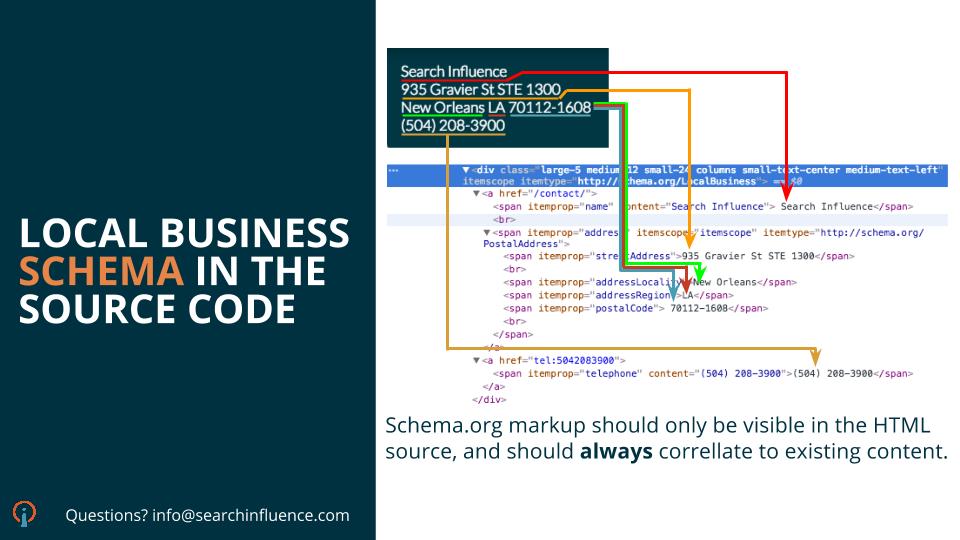
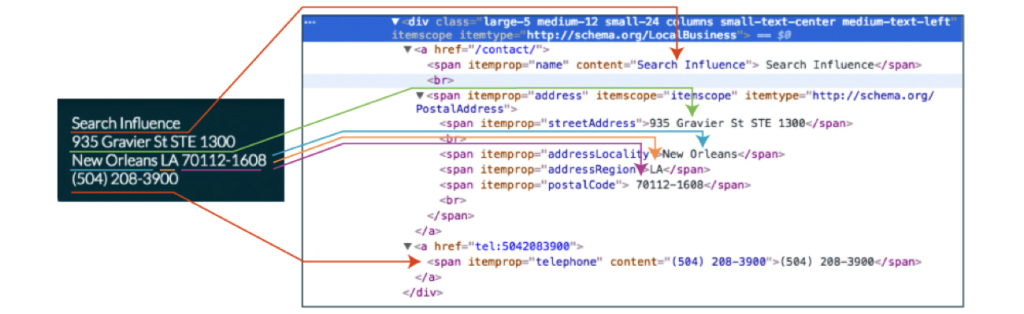
    Schema Markup is structured data that labels existing elements on your website so search engines can better understand the content. Essentially, when Schema.org markup is implemented into your website’s HTML source (the only place where it should be visible), it clearly defines specific parts of your content, such as your business address and telephone number.

    Rich Snippets are a structured data markup only recognized by search engine algorithms. When used on appropriate content, Rich Snippets can show exact content from a website on Search Engine Result Pages (SERPs) of search engines like Google, Yahoo, and Bing. These snippets are the few lines of text under every search result. For example, if you run a medical practice that wants to advertise its high rate of patient satisfaction, you can markup content from patient testimonials so that your glowing reviews show up when people search for doctors in your area.

    Healthgrades Screenshot

    2: Improve Your Site Speed

    Site speed is the amount of time a page needs to completely load. This matters for both users and search engines, as users are less likely to stay on a website that takes a long time to load and search engines will penalize your website for being too slow. Google’s PageSpeed Insights Tool is a great way to analyze your site for ways to improve your site speed and will provide you with detailed information on how to fix each issue.

    3: Use Google Search Console

    Google Search Console (formerly Webmaster Tools) allows you to indicate to Google the various details of your site. A very important part of this process is submitting your sitemap so that search engines can better crawl and categorize your site—if you haven’t done this yet, you should! Search Console will give you a report on the average ranking of your website on SERPs for specific search queries. These reports will let you know what you should be improving on your site to gain a high position and click rate.

    4: Publish Press Releases

    Press Releases are great when you have an announcement to make or a story to tell. They’re also highly useful for helping you own your business name in SERPs. Sites like PRWeb and Cision will distribute your press releases for you and get them published on news sites and blogs. For a little extra money, they’ll also send your release to journalists and bloggers, in hopes that they’ll publish it on their sites as well.

    5: Perform On-Site Link Building

    Internal Linking is a link from one page to another on your website. This process fosters a great user experience, as anyone visiting your site will find themselves easily hopping from one page to another without having to really search for the information they’re looking for. Search engines like Google are very focused on user experience. Good internal link building helps googlebot understand the relationship between pages, among a set of content.

    6: Perform Off-Site Link Earning

    By submitting your website to online forums, specifically those that pertain to your business’ physical and professional communities, you’re naturally increasing the chances that someone will visit your website. Engaging on social platforms like StumbleUpon, Reddit, Digg, and Delicious can be more valuable than you think.

    7: Perform Off-Site Citation Building

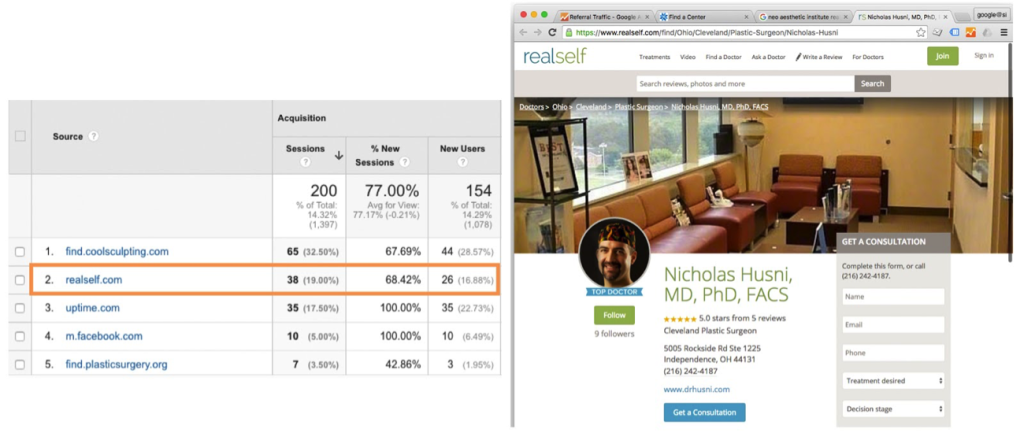
    Similarly to off-site link earning, submitting business listings to niche directories (industry & categorical), data feeds, major directories like Google, Yelp, Bing, Foursquare, YP.com, and secondary directories like Merchant Circle, HotFrog is a great way to drive traffic to your website.

    8: Syndicate Your Videos

    It’s no secret that having a YouTube channel filled with optimized videos drives up web traffic. However, you should also syndicate your videos across other sustainable video channels, such as Vimeo and DailyMotion. Videos will earn links and citations on social sites because they’re highly shareable. These increase link source diversity.

    9: Post and Promote on Social Media

    This may seem like a no-brainer, but you would be surprised by how many businesses don’t actually do this. Paying for promoted posts on Facebook offers a relatively inexpensive way to get your business in front of target consumers. Facebook also offers radius-based targeting for ads, which lets you target people who are/were:

    • Living in your area
    • Located in your area
    • Recently visiting your area
    • Traveling to/in your area

    Posting and promoting isn’t limited to Facebook, though! LinkedIn and Pinterest are other examples of great social media sites that are perfect for driving traffic to your website.

    10: Be a Resource in Your Industry Through Sharable Content

    It’s one thing to be ahead of your competition, but it’s another thing entirely to be an industry thought leader. You can do this by creating shareable content. For example, you MUST have a blog. Your blog should be on site, not offsite. If your website is hosted on a CMS like WordPress, then you can easily integrate a blog within your existing site! Not only does blogging build authority for your brand and show off the human side of your company, but according to Hubspot, businesses who prioritize blogging experience 13 times increase in ROI.

    You should also start to create infographics. They combine easily digestible—but valuable—information with a visually appealing information, making them highly shareable across all social media websites. For example, this infographic, created for a medical directory, was shared more than 900 times, got more than 300 Facebook shares, and was pinned more than 150 times.

    Want more information? Watch our recent webinar for more information and tips.

  • Make Your Social Media Strategy Sizzle with Summer-Focused Content

    Summer Promotions

    How Is Summer Different than the Rest of the Year?

    Warmer temperatures make people more active in the summertime. With kids out of school now, many families will take at least one vacation over the next few months. And since 81% of Americans save money specifically for the summer season, there is more opportunity for your business to gain customers and grow.

    What Can a Small Business Do to Stand Out?

    Larger, national brands don’t have to work as hard to benefit from the seasonal surge, but small businesses can also succeed through social media campaigns. Using location-specific social media, optimized pages, and summer-focused content, you can take your business to the next level this summer.

    What’s the First Step?

    The first thing on your summer to-do list: claim and optimize your social media pages. Yelp, Facebook, Twitter, Google+, and Instagram will be the heavy hitters this summer. Google+ and Yelp both require verification, so you should start this process immediately. Facebook, Twitter, and Instagram don’t have lengthy verification procedures, but they should be optimized with branded images to familiarize users with your business. All of these sites also need to link to your main website and other social media profiles if applicable. Alternatively, you’ll also want your website to link to your social media profiles for quick and easy connections. Now that the website and social media interlinking of your business is setup, the real work starts.

    My Profiles Are Optimized, Now What?

    Now it’s time to get to work. The theme is summer, so your posts should reflect the season. Here are a few content creation tips:

    • High energy and fun
      • Summer is all about having a great time, so your posts should reflect the sweet summertime mood. There is no set formula for social media posts. You need to experiment a bit to find out what attracts the most engagement from your audience. Mix it up and show your employees having fun on top of working hard.
    • Holidays and events
      • Independence Day and Labor Day are two major federal holidays during the summertime. If your business is open on these days, make sure to post about your hours of operation. Social media is also a great, free way to notify your customers about holiday promotions.
      • Keep a close eye on your city’s calendar of events, and try to coordinate promotions and posts accordingly. Here in New Orleans, we have this handy calendar provided by New Orleans Online. A fashion boutique, for example, could take advantage of the upcoming outdoor festivals and offer a sale on tank tops, shorts, sunglasses, and other festival gear. Food vendors at the same festival can get a lot of social media interaction if they post pictures of their fan’s favorite dishes.
    • Deliberate engagement
      • In between selfies and status updates, social media users are constantly scrolling through their timelines. Make yourself not only appear but also encourage interaction by asking fans to like, share, or tag a friend. Users love to engage with their favorite brands, but make sure you have someone on deck to respond.
    • Encourage locals and tourists
      • Large brands or franchises may have the backings of national companies, but small businesses have the strength of the ever-growing “Go Local” trend that swept the nation this past decade. You should highlight your locality in your posts. Some locals prefer to patronize businesses that will stimulate the local economy, and many tourists are searching for the more “authentic” local experience.

    These tips will help make your social media outlets stand out instead of getting lost in the ever-growing sea of likes.

    Sounds Like a Lot of Work

    Nothing ventured, nothing gained. Take it from the pros: Social media optimization is a complicated and time-consuming undertaking. Research provides insights into your industry’s most successful social media approaches, and then the posts are written, edited, and published on a timeline that encourages engagement from your target audience. Search Influence offers a full range of social media optimization services including content creation, brand management, and graphics creation. Now is prime time to prepare your business for the upcoming season, and we’d be more than happy to help out.