Category: Content Marketing

  • Freelance Friday: What Is Freelancing? And How Do You Get Started?

    This blog is part of our Freelance Friday series, where we discuss everything and anything related to freelancing. If you are a freelance writer and are looking for additional work, consider applying at Search Influence.

    Poke around on the internet for long enough and you are certain to come across something known as freelancing. Freelancers are skilled, self-employed individuals—often writers or artists—who are not employed continuously on a regular salary basis for one employer, but rather, they are hired to do specific assignments by the hour, day, or project. Similar to an independent contractor, a freelancer is given the freedom to control how and when the work is completed–though usually within a set of guidelines laid out by the contractor (particularly deadlines). With that comes a great deal of responsibility. If you want to succeed as a freelancer, it requires a great deal of self-discipline, as well as holding yourself accountable for deadlines and setting high-quality standards.

     High-quality Standards Image


    As with all jobs, there are advantages and disadvantages. Though with freelancing, the positives far outweigh any downsides.

    Advantages of Freelancing

    • Easy to get started
    • Make your own work schedule
      • Early riser? Night owl? Either way, freelancing can work for you!
    • Work from home
      • Or, at the coffee shop, while traveling, or wherever you want
    • Pick and choose who you work for
      • Once establishing yourself and a network of clients, you can be more selective in choosing who and what industries you want to work with
    • More income potential
      • While regular employees are typically on a fixed salary, freelancer pay is more fluid and can often empower the freelancer to make as much money as they can complete assignments
    • Ever growing demand for freelancers
      • According to a Freelancers Union study, approximately 34% (53 million people) of the total workforce in the U.S. is classified as independent workers—a number that is expected to increase to nearly 50% by 2020.
    • Minimal supplies and overhead
      • For most, all you need is a computer.
    • Freelance writing can be a great outlet for your creativity!

    This is good.

    Disadvantages

    • You have to find your own work
      • Nobody is going to tell you what to do or who to reach out to. You are on your own. There is plenty of freelance work out there—you have just got to find it.
    • Work can be irregular
      • Freelance work is done on a need-by-need basis. This can cause peaks and valleys in workload. You may need to search for work often enough to ensure that you make the kind of money you need to make.
    • Pay can fluctuate
      • Not only because of the previously mentioned irregularity, but also because different people pay different rates for similar things. It’s all about finding what works best for you and your needs.
    • A solitary and sedentary lifestyle
      • Having no co-workers can be a good and a bad thing, depending on your situation. Freelancing is often a one-person job, so you need to get out of the house every now and then. Same goes for staying active—don’t forget to take care of yourself while you are working.

    Sound Interesting? Here’s How to Get Started Freelancing

    • Identify your skills
      • Writing, editing, translation, graphics, photography, etc.—there are freelance opportunities for all of these!
    • Find your niche
      • Do you have experience in a certain field (medical, legal, real estate, industrial, etc.)? Are you fluent in a foreign language? These can be great avenues to pursue freelance work.
    • Create a portfolio of writing samples
      • Blogs, social media accounts, previous published works, short stories, journalistic endeavors—these can all be used as experience and helps to show potential clients your skills
    • Reach out to companies looking for freelancers
      • Job boards and local marketing companies are a great place to start. In fact, Search Influence is always on the lookout for qualified and driven freelance writers. Learn more here.

  • How to Repurpose Your Content Again and Again and Again

    National Simplify Your Life Week: easier said than done, right? There are so many balls to juggle every day, the idea of adding a complex online marketing campaign to a to-do list sounds unbearable. But online marketing doesn’t have to break the minute-bank. By maximizing your content, you can get more for less, and without much more effort.

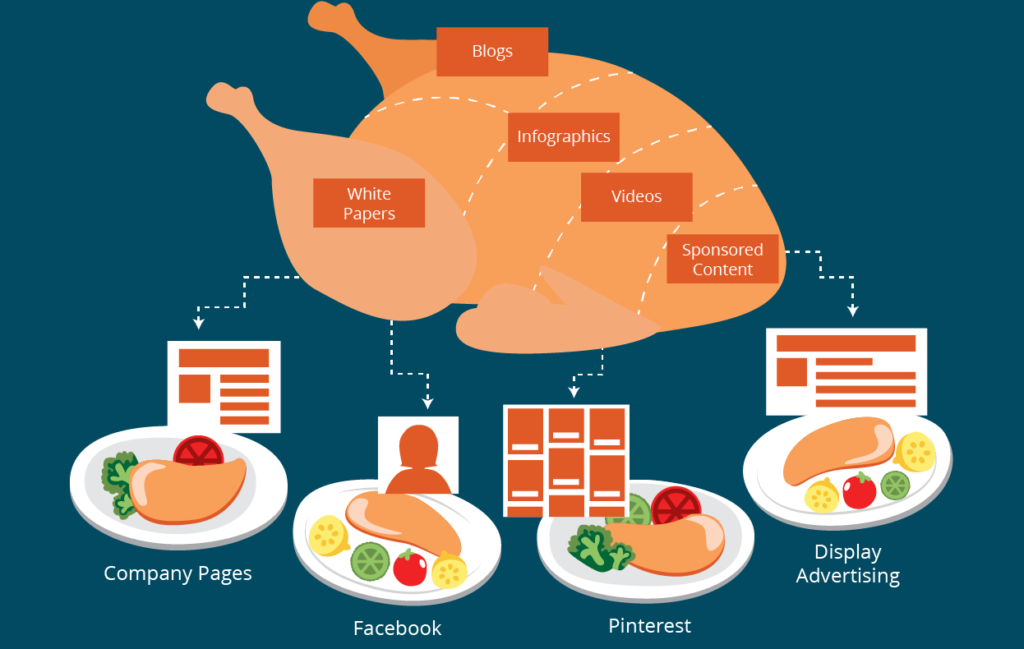
    LinkedIn calls this the big rock strategy. Or, sometimes the Thanksgiving turkey. The idea is that for every big, information-dense piece of content you create, you can have many smaller pieces of content. Like the leftovers that turn into sandwiches, casseroles, and soup, big rock content can last for a long time. But how do you do this?

    Create Big Rock Content

    Your “big rock” is your starting point. It needs to have enough information that it can get chopped up, broken down, and reused multiple times without getting repetitive. This is best achieved by focusing on what you’re already an expert in. While doing lots of research might produce a really fantastic piece of content, the time saved by writing what you know is invaluable. Pick a handful of topics about your business, industry, or professional experience, and write everything you know about each one. This will create focused, rich content you can base the rest of your campaign strategy on.

    Your big rock can be a white paper, blog post, video, webinar presentation, or anything else that provides plenty of room for your expert opinions. But publishing your big rock is only the beginning.

    Slice and Dice

    Once you’ve created your big rock, it’s time to get it out into the world! Just posting to your blog or linking on your website is not going to inspire droves of people to read what you’ve written and start an industry revolution around your brilliant ideas. Far too many interesting pieces of content languish where no one can find them. This is where social media kicks in.

    Link to your big rock on all of your social media accounts when it goes live. Then, pull out quotes, fun facts, or other smaller pieces of information and use them as new social media posts (still linking to the original piece so people can learn more).

    Write a blog post about your new white paper or video, then, link to it on social media. You can also pull out stats and facts and turn them into an infographic, and, you guessed it, share that on social media, too. If you have a newsletter, summarize all your newest big rocks and blast it out to your interested followers. And get creative; the more ways you can get your content in front of interested parties, the better.

    featurebig

    You should be able to stretch a piece of content across a few months. Creating a few big rock pieces of content at once and then staggering their publication and rotating through promotion will make each one last longer. If this is all still a bit overwhelming, remember, content calendars are your friend. And, if all else fails, the team at Search Influence can just do it for you. Now, that’s simple.

    Image 1 Credit

  • 4 Tips for Finding the Right Blog Length in 2016

    4-14-2016-BlogImage4

    When you have your own blog, there are a lot of things to consider if you want it to be successful. One common question people ask is, “How long should a blog post be?” Unfortunately, there is no cut-and-dry answer. Instead, the length of a blog post should depend on a few things, so I’ve put together a short list of important factors to consider when writing your blog posts.

    1. What is the topic of your blog?

    Is it fun and playful or technical and formal? If it’s more technical, it will probably require a lot of explaining and therefore have a longer word count. This would especially apply for very niche businesses like law or medical offices. If I am reading a blog about chemical peels, I will probably want to learn about the procedure itself, how it works, and what to expect after the procedure. This would require a pretty lengthy post. On the flip side, if I am reading a blog post about what I should do this weekend in Austin, a short list will do.

    2. What good is a blog if no one knows it exists?

    A study done by SerpIQ found that the average content length on the first ten search results is 2,000+ words. No worries: this doesn’t mean that every post on your blog should be research-paper length. Instead, try to include a few longer posts here and there. I would do some research and find some more specific topics that readers will want to learn about that require a lot of information.

    By writing some longer posts, you will also be able to include the topics you want to be ranking for more often than in short posts. It’s best practice to include the topic once every 100 words, so if you have a blog that’s 300 words, you should make sure the topic is mentioned three times total, which isn’t very much compared to a blog that’s 2,000 words long. Also, with a higher word count, there are more chances for you to include differently worded variations on that topic.

    3. Analyze past blog posts.

    What blogs do your readers like the most? Once your blog is established, take a quick analysis of the posts. Which ones get the most shares or comments, and how does that relate to the length of the post?

    4. Who is your target audience?

    What kinds of people do you want your blog to speak to? What is their day-to-day schedule like? Are they stay-at-home moms who might have a more flexible schedule and therefore would be more interested in long blogs? Or are they medical professionals who have a day full of appointments and would prefer blogs that are short and to the point?

    The most important thing to remember is that there is no rule on the length of a blog post, so if your topic can perfectly be explained in 300 words, leave it at 300 words. You shouldn’t feel like your blog isn’t long enough or you need to add words just to have a higher word count. If there are parts of your blog post that are “filler” or “fluff” and don’t really contribute, don’t hesitate to take them out.

    So how long should a blog be? Now you know the answer isn’t a simple one! The next time you’re writing a blog post, think about these four things, and hopefully you’ll reach a happy medium for a successful blog.

    Image Credits:

    Jim Carrey GIF
    Tom Hanks GIF

  • Bloggin’ Like “The” Boss: Think Like Bruce Springsteen to Boost Your SEO

    Keeping up with the ever-evolving world of SEO can be overwhelming. Blogging has been considered a beneficial marketing tool since the late 1990s and continues to be an excellent way to keep your business’s SEO relevant and reliable. However, just because blogging has been around for some time does not mean that it is a simple task. There are questions that arise when blogging, especially if it’s your first attempt. Why should I blog? How do I choose a topic to blog about? Well, in this blog…about blogging, Bruce Springsteen and I offer a few tips and tricks to ensure that you start Bloggin’ Like a (The) Boss.

    1603-SI-Newsletter-0331-KG-A-02

    Why Should You Blog? You’re About to Be “Blinded by the Light.”

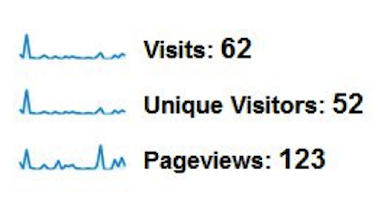
    There are a few reasons why blogging is so beneficial for a business, but one of the most important is that it helps to drive traffic to your website. Here is a screenshot of a business’s analytics the month prior to creating and launching their blog:

    Before Graph 1

    Before Numbers 1

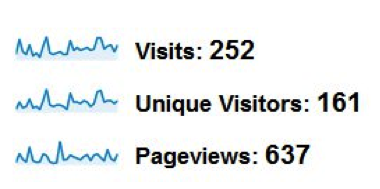
    Here is a screenshot of a business’s analytics for the month after they created and launched their blog:

    After Graph 1

    After Numbers 1

    As you can see, the visits, unique visitors, and pageviews vastly increased the month after the blog went live.

    In short, the more relevant, optimized content you put onto the Internet about your business, the knowledge that you have, or even the services that your company provides, the more opportunities you create for a user to discover your business, its products, and its website. They can also create a direct link back to your website.

    Blogs are an excellent way to help establish your website’s authority. As Google continues to advance and get smarter, so do the ways in which it determines what information is important, natural, and helpful to the user. Consistently creating new and useful content around aspects relating to your business does exactly that.

    Blogs can help to position your business as a leader in your industry. By crafting blog topics and content around current happenings in your industry, you can showcase your knowledge and expertise within your market.

    How to Choose a Topic That Will Make Your Blog Rankings “Born to Run”

    With endless options, choosing a topic can be overwhelming. Start with a category. Although categories are broad, you are creating an overall idea and theme that can easily be narrowed into a specific topic. The category should be one that you are interested in and knowledgeable about.

    Take steps toward narrowing your category. Look at your category as a whole, and then choose the aspects within this area that you know the most about and that you think will be the most helpful and interesting to your readers. For example, if Bruce Springsteen happened to be the broad category that you chose, you could break it down with the following subjects: world tours, autobiography, and best-selling albums. Without even realizing it, you have created potential blog topics. Now all you have to do is choose your topic from the list you created for yourself!

    You will need to elaborate on the topic that you have chosen. Create a list by obtaining facts and details, and develop a list of questions that your blog should answer about your topic. Then make an outline to help structure your blog, incorporate all of the necessary facts and details, and make sure it answers all of the potential questions the reader may have. Once your outline is complete, you are ready to start “Bloggin’ Like a (The) Boss!”

    The digital marketing industry is composed of numerous beneficial and effective ways to better your business and its online presence. Because of this, it can be difficult to choose which strategies to move forward with. Blogging, like Bruce Springsteen, has proved its value for decades and continues to prove its importance in today’s ever-changing world.

    Image Credits:

    America Bruce Springsteen GIF
    Bruce Springsteen Thumbs Up GIF
    Bruce Springsteen Dancing GIF

  • Upgrade Your Website with Fresh Content and Some Help from Beyoncé

    In this ever-evolving age of Google, there seems to always be a way to upgrade your website and its search engine presence. Fresh content will not only ensure your website is up to date, but it can also inform your frequent customers of new information, let Google know that it should crawl your site, and add overall value to your site. Well, Beyoncé is here to help us give you our reasons for why a fresh content upgrade is so important.

    1. Give Them a Reason to Come Back

    Customers who periodically visit your site are likely to return when they know that you are updating your website frequently. I suggest something simple like adding a newsletter or on-site blog. Blogs don’t have to be publicity pushes or “salesy” advertisements. They can be fun ways to share content and let your consumers know that you are engaged in your business’s growth in a competing market. Also, you can use them as an excuse to show off your favorite Beyoncé GIFs.

    2. New Content = New Site Crawl

    Googlebots love to crawl new sites! Google pays special attention to existing sites that have previously been crawled but contain new content. This can be easy for any business to do, as most industries see gradual changes in techniques, best practices, and technology over time. There are new processes, seasonality changes, and all sorts of things that could warrant an extra boost in your content. Don’t feel like you need to rewrite from beginning to end; spicing your content with updates or including additional information to a page that may be lacking is a great way to upgrade your content. The new content should be relevant and engaging for your customer so that you stand out among your competition, or background dancers.

    3. Increase Your Authority

    Your fresh content will engage users and help increase your domain authority. If you aren’t convinced yet that fresh content will help your website, check out this blog about tracking your changes through Google Search Console. This tool can help show you how your site traffic changes when you update your content. The upgrade of content can gain page authority, along with domain authority, which can produce higher rankings for your site overall.

    Website content is by far one of the most important parts of your site and one of the easiest ways to change things up to increase visibility for your business. There are many sides of an SEO campaign, but upgrades to your content keep you relevant and let’s those in your industry know you are a force to be reckoned with.

    Image Sources:

    Upgrade U GIF
    Head Shake GIF
    Background Dancers GIF
    Hair Blowing GIF

  • How to Rein in Your Content Marketing Budget

    Scope creep. A concept that strikes fear in the heart of every project manager. Content can be a slippery slope when you’re racing against the competition to build your brand, show your expertise, and earn the trust of your customers, you may find yourself sacrificing quality to post new content more often. Your challenge is to produce enough quality content to keep your brand in the public eye. Without a clear strategy, it can get out of hand. Here’s how you can stay on budget and still deliver the goods.

    Brainstorming and Buy-Ins

    You want your blog to be informative and have an insider feel, and the best people to produce that kind of content are your employees. Asking your employees to blog benefits them by making them feel more valued and valuable. But, let’s be honest, not every employee is a writer. That’s where brainstorming comes in. Schedule a meeting every two weeks to brainstorm blog content. Invite stakeholders from each department, especially those on the front lines: customer service and sales.

    You’ll also want to hear from the back end – whoever is monitoring your analytics. If you’re using a CRM with comprehensive reporting features, you have a wealth of data at your disposal. You’ll be able to spot trends, find out what customers are discussing on social media, and develop a comprehensive customer persona.

    Using input from all departments, develop topics based on questions customers ask and problems they encounter. Your blog calendar should include a nice mix of informational topics, interaction, and personality. Employees who don’t have blogging skills (or the time) can contribute ideas and knowledge by way of bullet points to be sent to a writer.

    Be sure to appoint an editor who can fact and quality check everything posted, make sure enough content is submitted, and ensure that sensitive company information doesn’t accidentally go public. An experienced editor will help protect your online reputation.

    Stretch Your Most Valuable Assets

    Buzzsumo analyzed thousands of posts and found that the most shared content is long…really long. More than 3,000 words. Professionally written content of length can be very costly, and your customers might not actually read it.

    To make the most of an expensive piece of content, you can:

    • Break points into shorter blog posts and discuss one concept at a time in more depth.
    • Make a slide presentation with bullet points from a report.
    • Create an infographic.
    • Schedule dozens of tweets and social media posts with snippets of information.
    • Discuss the information in a video.
    • Create a how-to teaching viewers to apply the information you’ve presented.
    • Schedule a livestream webinar with Q&A to discuss your findings.
    • Create eye-catching graphics to tweet and post

    Curate Content

    The beauty of curated content is simple: you don’t have to produce it or pay for it. Curation allows you to provide a lot of content, even if you don’t have a lot of resources. You can add value with commentary and your own insight in just a few sentences. The content you pull into your site should be relevant to your industry, interesting, and new.

    Ask for Guest Posts

    Most blogs have a “write for us” page with guidelines about what they are willing to post. As your blog grows in popularity, writers will likely contact you to offer guest posts. Accept only quality posts, and make sure any links are to authoritative, high-quality sites.

    You can also invite execs from partner industries to share their expertise.

    Invite Your Readers to Participate

    User-generated content (if appropriate) can be a fun and interesting way to get your customers involved:

    Long before your content budget spins out of control, you can create a strategy to contribute, curate, and invite. Done well, you can provide a wide variety of content to interest and entertain your customers, even on a limited budget.

  • Write Content Worth Reading: 3 Listicle Hacks from the Pros

    Listicles have infiltrated our culture with a gusto that can only be compared with that of the emoji. It is now a common occurrence for one to set a 10 p.m. bedtime only to get lost in the depths of BuzzFeed, furiously clicking on any headline that references some obscure 90s Nickelodeon cartoon until the bleary-eyed consumer looks at the clock in the corner of their computer screen and sees what they feared the most: 3:30 a.m.

    9-11 image 1

    BuzzFeed and similar websites have been selling real estate on their homepages for businesses to pay to display their own listicles. This attracts a lot of eyes, but in order for these listicles to gain traction and have as much reach as possible, they must be compelling. And in order to be compelling, the listicle must provide three essential elements.

    1. A Click-Worthy Topic

    Not every topic is fit to put into listicle form. A rote display of the new models of heating equipment could be a list, but it is not something that many people would click on. Successful topics communicate shared experiences across a wide variety of people. Say a company did want to advertise heating equipment; instead of showing a series of heater models, it would be a better idea to make the topic something more click-worthy, such as “15 Dogs Trying to Stay Warm.” This is a click-worthy topic because it promises the reader at least 15 pictures of dogs enacting human emotions. Once the listicle is written, the company can then go back and subtly insert hyperlinks into the content and direct the reader to their heating equipment.

    9-11 image 3

    2. Relevant Pictures and GIFs

    The genius behind listicles is how they are able to communicate abstract thoughts and feelings through a series of short sentences and images. It is essential that the images used in a listicle perfectly align with the ideas that they are trying to convey. Take for example a recent BuzzFeed post by Dave Stopera entitled “16 Things That Will Instantly Destroy Any Friendship.” Stopera expertly uses a photo of someone holding a Draw 4 Wild card during a game of Uno with the simple subheading of “2. AND THIS.” What makes this such a strong image is that those who are intimately familiar with Uno have been on both sides of that situation before, either having to draw four cards or causing someone to draw four cards.

    9-11 image 2

    It is important to travel the depths of the Internet and keep an eye out for relevant images and GIFs. In fact, keeping a folder full of the best GIFs and images found on the Internet is a highly recommended practice this day and age. That way when an idea for a listicle or even a social media post pops in one’s head, the perfect image is already there to be utilized.

    3. An Irresistible Title

    Even with a compelling topic and charming content, a listicle is nothing without a perfectly crafted headline. The headline is the first thing the reader sees about the listicle, and it should create a Pavlovian response that makes the reader click no matter what they are in the middle of doing. But what constitutes a title that an Internet user will compulsively click?

    Think about the crux of the topic. An article about candies that are no longer available in stores can get away with a simple title that expresses exactly what it is about, such as “Ten Candies No Longer Sold In Stores.” That might get some users to click on it out of curiosity, but a little more creativity—and the use of a few popular words—may increase the article’s reach.

    Going back to the “16 Things That Will Instantly Destroy Any Friendship” BuzzFeed post, there are a few things the title has going on. For one thing, there is a number at the beginning. This lets the reader know how much time they will have to devote to the post as well as how much enjoyment they will garner from it. The title also effectively conveys the topic, allowing the reader to gain insight into what the post will contain. The last element is the implementation of hyperbole. The contents of the article do not actually contain anything that would instantly end a friendship, but the hyperbole defines the shared anger amongst the players of the games featured.

    With this information, a better title for the candy post would be something such as “Ten Candies You Will Cry To Learn Are No Longer In Stores.” This title effectively communicates the loss the fans of these candies will feel when they learn that they are no longer being produced. Then when the reader clicks the link they will engage with the listicle in two ways; they will either reflect and enjoy the nostalgia on the candy or they will vehemently argue about the listicle’s contents. Either emotion is likely to elicit shares on social media.

    Keeping those essential elements in mind will allow businesses to create effective listicles that get spread across social media platforms, making this a great way to bolster your business’s online marketing strategy.

  • This Just In: Generating Topical Content for Press Releases

    Press releases are great for businesses for a number of reasons, including increased visibility, enhanced SEO, reputation management, and brand awareness. In order to get the most bang for your buck, it is important to make sure that your press release is actually newsworthy and not just “fluff.” Some suggest publishing a new press release as often as twice a month, but what if you don’t have any news worth writing about?

    Daily news newspaper headline reading new press release concept for breaking news

    Here are some tips that will show you how to use industry news and turn it into a newsworthy press release for your business.

    1. Identify new trends within your industry.

    Look for any new or different trends happening in your industry. I don’t know about you, but I love to keep up with what is new or changing in industries that I’m interested in.

    2. Consider how general industry news affects your business.

    Take any news in your industry, whether it’s technological advances, new laws, or upcoming conferences, and relate it to your business. For example, if you just attended a conference and are using the information you learned to begin offering a new product, service, or special, write about it! Another example: if researchers just found out that this treatment helps do XYZ, and your business offers that treatment, write about it!

    Press Release 2

    3. Put a local spin on major news.

    Take a major news story relevant to your industry and write about how it affects your business locally. For example, if a new law was passed and your processes, offerings, etc. are changing as a result, write about it! It’s always interesting to see how changes on a larger scale affect businesses on a smaller scale.

    Coming up with a good press release topic can be tough, but using these tips will help you think outside the box and keep your topics fresh and newsworthy! If your content marketing strategy could use an extra hand, get in touch with us.

  • Tell Me a Story: Nonprofit Storytelling Tips for Effective Social Conversion

    Nonprofit Storytelling Image - Search Influence

    Effective nonprofit marketing (and fundraising) starts with a story. A good story resonates with the audience, advances the mission of the nonprofit, and calls people to action. Nonprofits are unique from their for-profit counterparts, because even more important than facts are feelings. A good story creates an emotional connection between the supporter and the organization. The Center for Social Impact Communication at Georgetown University recently conducted a survey of 81 nonprofits in the Washington, D.C., area and discovered that 78 percent of them had a goal or purpose for storytelling, but only 64 percent felt their goals were met. So how can your nonprofit leverage compelling, inspirational, emotional stories to get more online engagement, more supporters and more donations?

    Be Authentic.

    True passion is contagious. You can’t expect others to get excited about your cause if they can’t see the passion behind your efforts.

    Make them Feel.

    Don’t tell your audience how they should feel; show them how the characters in your story feel. Choose active players in your organization—those with a passion for the work and those affected by the work—and ask them to share their challenges and triumphs. Rather than simply saying, “This organization changed my life, and it can change yours too …” have them tell their entire story from start to finish. Encourage them to include sensory details as they explain what their life was like before, throughout their experience and now.

    Get Visual.

    A picture says a thousand words. According to a study conducted by SimplyMeasured, videos are shared 12 times more often than links and text posts combined, and photos are liked twice as often as text updates. Though words are an essential part of storytelling, the digital market begs for compelling images to support strong stories. Photos have the power to spark human rights campaigns, change public policy, and more. Visual media fosters awareness and compels people to act.

    Ask your Audience to be a Part of your Story.

    Include a clear call to action. Make sure the call to action is supported by a conflict from the story, which makes people want to act urgently.

    Sharing your organization’s impact from the perspective of those impacted is the most effective way to get others to care and offer their support. So while social media is a great platform for sharing industry updates and tweeting about your latest project, don’t forget to tell the story that connects your organization’s mission to the people you serve.

  • The Write Stuff: Search Influence’s Freelancer Community

    Search Influence Tech Jobs Image

    Search Influence’s mission is to help businesses succeed online, and one of the ways we do that is by delivering high-quality content, from engaging blog posts to specialized website content and more. Talented freelance writers are a vital part of our content creation process. In fact, we’ve developed some great tools for managing our entire content creation process as well as an internal team of editors to ensure our freelance community is diverse and vibrant. Now it’s time we shine a spotlight on our talented community members and offer a look into what it’s like to work as a freelancer for Search Influence.

    Who Can You Find Freelance Writing for Search Influence?

    Saying that the Internet is diverse would be an understatement, so producing quality content means having a diverse team. Our community includes professional freelancers, students in undergraduate and professional programs, stay-at-home parents, world travelers (as I write this, we have freelancers spending time in Chile, Indonesia, and Italy), and more. We are always thrilled to match the right content with the right writer, whether that means a journalism student getting the chance to write a press release or an aspiring comic taking a crack at Twitter posts or blogs.

    Developing a Diverse Writing Community

    Over time, we have learned that our writers’ particular expertise is their greatest asset, so we’ve spoken to freelancers to identify the biggest challenges to leveraging that expertise to produce quality content. We have adjusted our grading scale to prioritize original and in-depth work, in order to encourage writers to focus on producing informative, natural content. Meanwhile, although our editorial team ensures all writing meets our standards for quality, we don’t penalize writers over minor technical mistakes. These changes encourage our freelancers to write content that improves our clients’ online presence by conveying valuable content to their audiences.

    We have also taken steps to make sure our freelance community benefits from these changes. First, we raised our pay rates to ensure our writers felt how much we value them. Then, in Spring 2015, Search Influence created a new position, the Freelance Community Coordinator—that’s me—to develop our freelance community by providing valuable training to all of our writers. Before coming to Search Influence, I worked as both a writer and a writing instructor. I taught college writing courses and published articles and a book about Eastern Europe. I also worked as a freelance editor for international corporate and governmental clients, so I’m familiar with the freelancer perspective. In the coming year, I’ll be using that experience and insider knowledge to help Search Influence’s writers develop their freelance writing and professional skills.

    Matching Talent with Content

    Our freelancers come from many walks of life, so we don’t take a one-size-fits-all approach to workloads. We’ve developed a new software system in-house that allows writers to select their own tasks. This way, writers can select the assignments that best match their skills and interests. They can also take on as much or as little work as they want, based on their schedule.

    This means that, at Search Influence, freelancers can decide to take on full-time workloads or only occasionally grab work when they need it. According to Mary S., that’s made a big difference: “The change in the system which allows writers to choose jobs from a list has been a huge improvement … Because of Search Influence’s system, I’ve been able to continue working at a slower pace and dedicate more time to my family.” Joel F., who freelances full-time, also sees the new system as a big improvement: “As a bonus, I like the modern task selection system, which allows me to schedule my work week according to the volume I can handle.”

    Freelance Writing Image Search Influence

    Why They Choose Freelance Writing for Search Influence

    Rather than telling you how our writers feel about writing for us, I’ll let them give their own review of freelancing for Search Influence:

    Katie D. enjoys having a writing career that gives her the freedom to make her own work schedule. “I decided to seek out projects independently. I love the diversity of assignments. I also appreciate the flexibility, especially with a family,” she said. It only took her a few months to prove she’s an exceptionally well-rounded writer who’s dedicated to her work.

    Over 10 years of freelancing, Mary S. has built up an impressive list of clients. She appreciates the variety of topics and media she can write at Search Influence. “The flexibility and variety of jobs is important to keeping my motivation strong … Having a variety of topics and clients helps keep things interesting and presents new challenges with each job.” Freelance writing for Search Influence has also made Mary incredibly adept at capturing the tone and message of specific clients—so much so that we’ve even had clients specifically request her work!

    For Joel F., who has experience in everything from content production to graphic design, freelancing is about preparing for the future. “To put it simply, freelance writing is a fantastic way to practice. Formal tone, business style, marketing tactics, every one of these genres is explored regularly … My goal is to hone my marketing skills in writing so that when I eventually want to promote myself and my own businesses, I have all the skills already finely sharpened.” Joel has diligently developed time-management skills that have made him one of our most productive writers.

    We are proud to count Katie, Mary, and Joel among the talented freelancers writing for Search Influence. As our freelance community continues to grow, we will continue to refine our system to provide them with valuable training and the flexibility to set their own schedules and develop their own specialties, all while continuing to deliver high-quality content that helps businesses succeed online.

    Interested in a freelance writing gig for Search Influence? Apply online today!