Category: Content Marketing

  • Freelance Friday: Spring Cleaning for Freelancers

    This blog is part of our Freelance Friday series, where we discuss everything and anything related to freelancing. For more freelance information, tips, and trends, follow us on Twitter.

    Image Of Spring Cleaning For Freelancers With Cleaning Tools - Search Influence

    Spring cleaning is as ubiquitous to this time of year as April showers, May flowers, and allergies. Spring signals revitalization, a chance to refresh yourself and your home. Every year, people around the world pull out the vacuums, dusters, and furniture polish for this annual cleaning spree.

    For freelancers who work from home, it can be more than just house cleaning; it is also a great chance provide a much needed therapeutic pause to help rejuvenate your business. In fact, spring cleaning provides the perfect opportunity to clean, organize, update, and refocus your freelancing career.

    Here is a comprehensive, three-pronged approach to freelancer spring cleaning:

    First things first, clean your home office or workspace—this is still spring cleaning after all.

    Image Of A Man Flipping His Desk - Search Influence

    Declutter Your Desk

    Albert Einstein once said, “If a cluttered desk is a sign of a cluttered mind, of what, then, is an empty desk a sign?”

    Far be it for me to argue with the one name everyone associates with ‘genius,’ but trying to find something you need amongst the piles of papers, old mail, discarded post-its, empty coffee mugs, and trash is beyond frustrating (and a big waste of time). Rid your desk of the unnecessary, outdated, and anything else that can impede your productivity and creativity.

    Deep Clean Your Workspace

    While the desk is the heart of productivity, the whole office is your workplace—and hiding in every corner is a pile of clutter filled with distractions. Dust, vacuum, wash the windows, take out the trash—make your office relaxing and inviting so that you can and want to go to work in there.

    And don’t just gloss over the surface of things, clean under the chair/sofa, behind cabinets, and on top of bookshelves. Bundle wires and plugs neatly, re-organize the placement of things, and rearrange the furniture for better accessibility. A clean office is a happy (and productive) office—even if your “office” is just a corner of your bedroom or your laptop on the kitchen table.

    Decorate for Inspiration

    Clearing and cleaning your workspace also affords you the opportunity to add key items in previously underused places, particularly your walls. Bulletin boards, calendars, white boards, and shelves can all add much-needed organization and visibility to your work while optimizing space. If you want to go even further, a fresh paint job or the right artwork can elevate your workspace even higher.

    Image Of A Woman Scrubbing A Laptop With Soap And Water - Search Influence

    Next, after cleaning your workspace, it is time to tidy up your most valuable piece of equipment as a freelancer—your computer. Just like your desk and office, your computer can accumulate clutter at an alarming rate. Optimizing your computer’s performance can only benefit you in every other aspect of your job.

    Declutter Your Desktop

    If you have failed to notice the pattern developing here, it is decluttering! Like your physical desktop, your digital desktop is also a magnet for junk—outdated docs, obsolete images, and random folders. Go through them with a fine-toothed comb, combine what is still needed, and purge whatever is now expendable.

    There are a few other simple upkeep tasks you can perform, including organizing bookmarks, clearing your cache and history, and making sure your computer, its programs, and your various applications are all fully updated.

    Image Of An Inbox Reducing To Zero - Search Influence

    Clean Out Your Email

    There are two types of people: empty inboxers and crazy people. To each his own, but just because you are one of those people who doesn’t mind seeing your inbox in the thousands, that doesn’t mean you can’t organize your email.

    Start by expunging junk and spam, cull your email subscriptions, archive old but important threads, and then delete any no longer relevant mail clogging your inbox (and unnecessarily bogging down your storage capacity). You can also get more organized by setting up filters and creating various folders, tabs, and labels to help you find the right email when you need it.

    Back Everything Up

    Even if you haven’t personally experienced a computer crash, you’ve likely had a nightmare about it. Though never a good thing, the damage caused can be alleviated by dutifully backing up your files, whether it be with a USB drive, external hard drive, or the cloud. Backups are essential in the digital age.

    Virus Scan and Updates

    Like backing up your files, running virus/malware scans and updating your computer and apps should be done on a regular basis anyway, but spring cleaning makes for a good reminder. It is crucial for the overall health of your computer to make sure everything is up-to-date to avoid any potential vulnerabilities. You also need to make sure that no malicious files have infiltrated your system via email or websites you have visited.
    Image Of Sarah Hyland's Character On Modern Family Using Social Media - Search Influence

    Now that your workspace and computer are clean, it is time to turn your cleaning attention to your overall freelancing business.

    Social Media TLC

    Like everything else in your life, your social media profiles need a little TLC occasionally. Make things easier for yourself and attempt to make social media less of a time suck for your freelancing business. Update your profiles; review your Likes/Follows to optimize your feed/timeline; setup lists, groups, circles, etc. to better find what you are looking for; and consider a new photo or bio to go along with any updates you may have about your freelancing career. Also, you may want to look back and delete anything too embarrassing from the past—you never know who is looking.

    Freshen up Your Portfolio and Resume

    Similar to a resume, your portfolio needs to be regularly updated. Besides updating your personal or contact info, take this time to add in any big projects you have worked on lately, as well as any new services you provide or skills you have acquired. Your portfolio should show the true range of what you have accomplished in the past. Even if you are not looking for additional work at the moment, revising as you go will ensure complete and up-to-date materials for when you do need them.

    Reevaluate Your Freelancing Business

    Finally, take some time to evaluate your freelance business on a grand scale. Are you satisfied with the work you produce and the money you get paid? Do you want to add more services, styles, or sources? Or drop some? Does communication between you and clients need to improve? Are your taxes and business expenses in order? Are you effectively marketing yourself?

    As stated in the beginning, spring signals revitalization, a chance to refresh yourself and your business. Let this inspire to make changes (If necessary) to how you operate. Drop what isn’t working. Seek out new and challenging changes. Make your freelance career work for you, not the other way around.

    Images:

    Desk 

    Clean Laptop

    Social Media Snooping

  • #FreelanceFriday: Tips and Trends for Freelancing After 40 (and 50)

    There is a false perception that freelancing (and the gig economy in general) is a young person’s game. But now more than ever, older individuals are making their presence felt in the freelance community.

    Proving that age doesn’t matter, writers and other creatives over the ages of 40 and 50 have come to embrace the freedoms and flexibility of the freelance lifestyle. A recent study conducted by UpWork found that 28% of Baby Boomers are freelancing either full or part-time.

    While that is still less than the total for 18-24-year-olds freelancing (48%), these so-called “silver self-employed” are gaining ground quickly. The Association of Independent Professionals and the Self Employed (IPSE) found a 46.5% increase in freelancers over 50 since 2008.

    Actor Tom Hanks preparing to type on his laptop

    What draws older individuals to freelancing?

    Unsurprisingly, it is the very same reasons that draw younger people to it:

    Flexibility

    Everyone–no matter what age–is trying to find the perfect work-life balance. For many, the flexibility of freelancing offers a step in the right direction towards that harmony. Freelancing is also a viable option for those in need of a more flexible schedule when raising children or caring for sick loved one.

    Independence

    Confined to an office for most of their lives, many older freelancers crave the independence that also comes with the freelance lifestyle.

    Creative Fulfillment

    While some 50+ creatives are supplementing their retirement with freelancing, others who are still working have found the same creative outlet that draws most younger freelancers to the game as well. Performing the same job for several years can leave a creative person yearning for more. Freelancing provides a much-needed outlet for all of that bottled up imagination.

    Availability

    And finally, the widespread availability of freelancing gigs makes it easy for older creatives to find work, especially if that person has been unexpectedly laid off. It is significantly easier to take skills culled from your years of work experience and apply them to freelance side gig or use this background to kick off a fresh new direction in your life. There are plenty of freelancing jobs available these days for everyone.

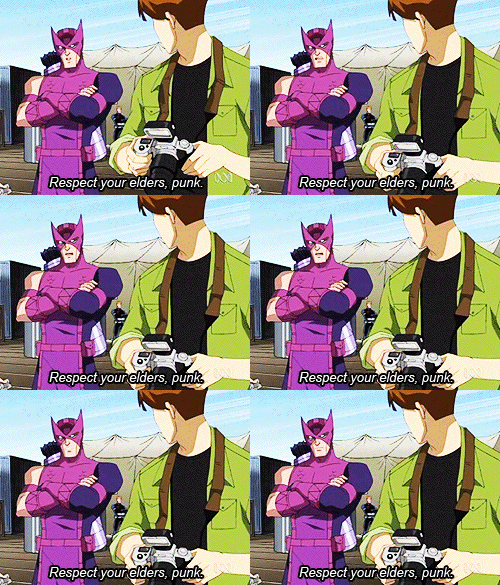
    Respect your elders, punk from Marvel animated series - Search Influence

    Why older freelancers are actually an asset

    In the recent past, people over 40 and 50 have been filled with doubt and trepidation about entering the freelance world. They may have felt that they were too old, lack the proper experience, or were not tech-savvy enough.

    Despite those fears, the exact opposite was often true. First off, no one is too old to freelance! All/any experience is important. There are so many avenues you can explore as a freelancer; you just need to find the one that works for you.

    Older freelancers typically have a greater desire to learn and prove one’s self—this goes for technology too. It may seem intimidating, but you will be surprised how quickly you catch on.

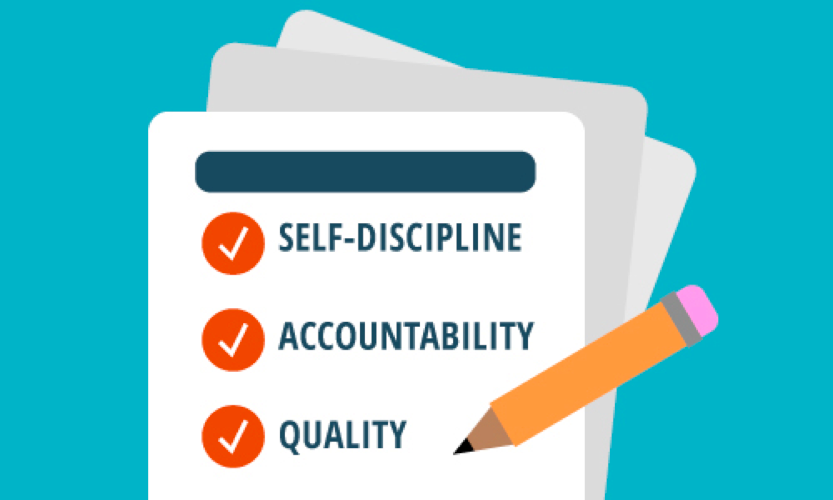
    Self-discipline, accountability, and overall quality are the most important factors to a successful freelancing career.  It is no secret that older adults are proven to be more reliable and focused than most 20-year olds. This will go a long way with those looking to hire freelancers. In the end, being older can actually be an asset to potential clients and employers.

    High-quality Standards Image

    Tips for those over the age of 40 and considering becoming a freelancer

    In addition to general advice for ALL freelancers (stay organized, prioritize, eliminate distractions, don’t take on more than you can handle, etc.), here are a few more tips specifically for the more mature freelancer:

    Be conscious of, but not afraid of the learning curve

    Yes, freelancing is different, in many ways, from your traditional job. Even for the well-prepared, the first time you do something new, it is a bit daunting and full of “what ifs.” Venturing out into a new world will bring with it new processes, new considerations, and new experiences. Rely on what you already know and build on that. Seek out the information you need and gain experience when you can.

    Freelancing may require you to change how you write (at least a bit)

    There are many different avenues you can explore as a freelancer, with many different writing styles attached to each. An experienced, talented writer should be able to adapt their style when needed. In the end, no matter what the style, successful writing usually comes from honesty, connecting with your audience, and provides a direct benefit to the reader (answers questions, entertains, etc.).

    Accept that not every gig is right for you

    While older freelancers can be a tremendous asset to clients, that does not mean they are right for every assignment—just as younger writers are not right for all as well. Whether that reason is based on knowledge or experience, you just may not be the right fit. There is an audience out there for everyone; you just need to find it. Faking it is never easy, and will ultimately be exposed.
    As a more mature writer, you bring a wealth of experience and knowledge, plus a stronger eye to see beyond the challenges a new freelancer will possibly encounter. Combine this with a passion for high-quality work and yearning for more freedom in your life; you should have no regrets for shaping your own track as a freelancer—no matter your age!

    Images:

    Tom Hanks

    Hawkeye

  • #FreelanceFriday: Best Places to Work Remotely (Other Than a Coffee Shop)

    This post is part of our Freelance Friday series, where we discuss everything and anything related to freelancing. Follow us on Twitter (@SIfreelance) for more freelance-focused content—from writing tips to industry-related best practices.

    Everyone knows that freelancing = freedom. And one of the major draws of that freedom is the ability to work from anywhere.

    So, where do most freelancers work? Well, to be honest, mostly at home and in coffee shops.

    Many people have delusions of grandeur when it comes to working remotely, picturing themselves on a far-off beach somewhere with their laptop in one hand and a cocktail in another. While certainly feasible, that is not really how freelancing works for most people.

    But, that does not mean you are restricted to the confines of your home or apartment as a freelancer. You don’t even have to join the countless clichéd coffee shop denizens clacking away on their laptop amidst the distracting chatter and overpriced macchiato.

    Here is a list of the best places to work remotely (other than a coffee shop):

    Library

    Today, the world’s information may be collected primarily online, but for centuries before, libraries possessed this wealth of knowledge. So, why not surround yourself with both? Plus, it is quiet and littered with big desks and comfy chairs.

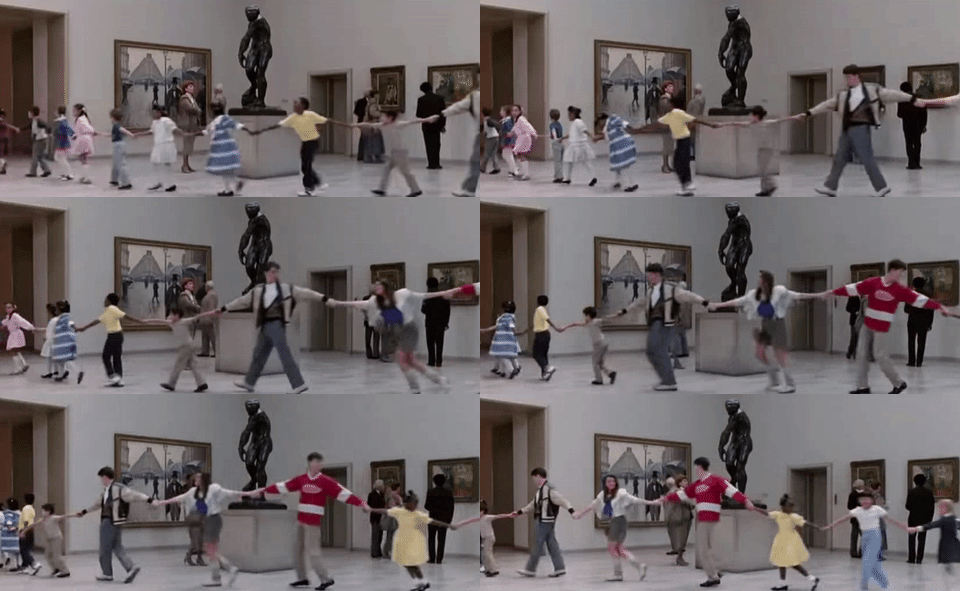
    Image Of Ferris Bueller In The Library Dancing With Children - Search Influence

    Museum

    Seeking similar worldly inspiration in a different setting? Surround yourself with great art. Also, like the library, museums offer peace and quiet and lots of space to get lost in thought.

    Park

    Nature can also be a great source of inspiration–from the towering trees to the serene green fields. Enjoying the sun and fresh air is always better than being hunkered down in an office. Just make sure you have access to Wi-Fi.

    College Campus

    Campuses are kind of like a combination of all the above. There is a library, student center, and lush green spaces spread throughout. You spent hours and hours studying here while in school, so why not go back to get some actual work done?

    Mall

    The food court can be a rowdy place, but if you can tune out the ambient noise, malls are a great place to get work done—especially on weekdays. Free parking and close access to food never hurts either!

    Image Of Robyn Sparkles Let's Go To The Mall - Search Influence

    Hotel Lobby

    Likewise, during the week, hotel lobbies are typically deserted, leaving copious amounts of room and silence to get work done. Wi-Fi may be password protected, but a passing employee likely won’t mind divulging the access code if you ask nicely.

    Bar

    During the day, bars are just like coffee shops, only better. You also likely won’t have to fight for table space with all the other writers crammed into the coffeehouse.

    Fast Food Restaurant

    McDonald’s, Burger King, Wendy’s, Subway, Taco Bell, and others all offer free Wi-Fi. In the ongoing fast food wars, these restaurants are all trying to one-up one another with new amenities. Take advantage of it to get some work done—just take it easy on the snacking.

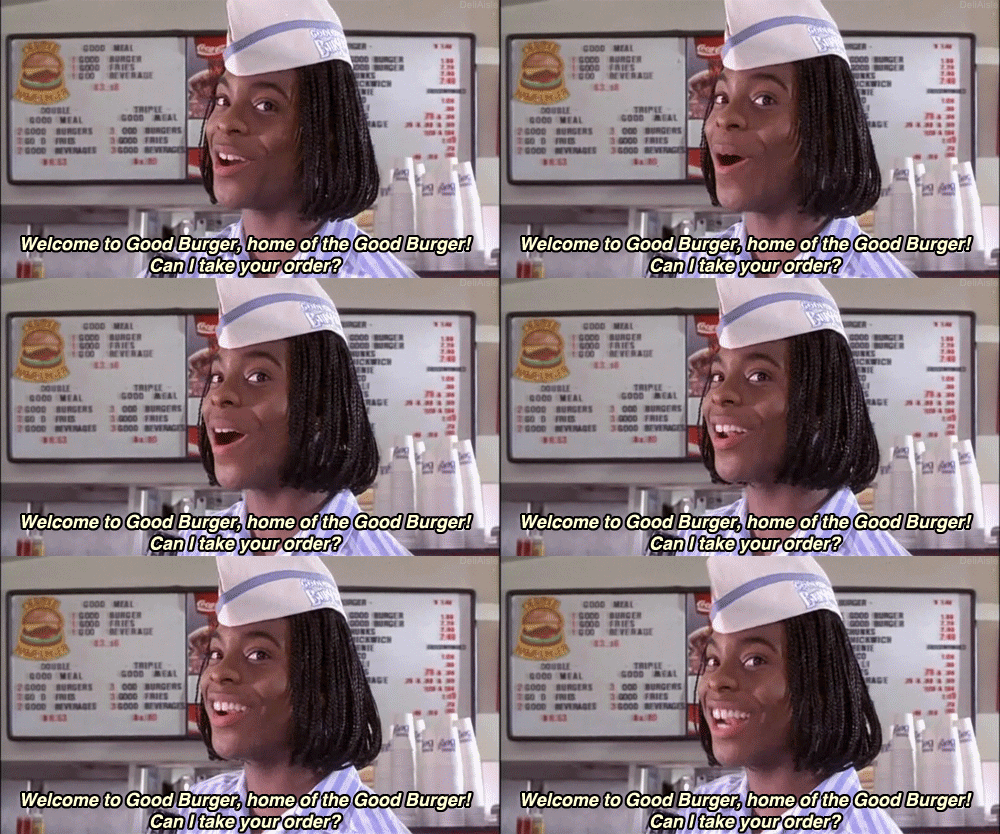
    Image Of Good Burger Kennan And Kel - Search Influence

    Airport

    Not just a great spot to people watch. Most airports offer the same amenities as those mentioned before—Wi-Fi, food, bathrooms, plenty of space, ambient noise, inspiration, etc. Plus, you don’t have to deal with the hassle of traveling or missing your flight.

    Co-Working Spaces

    This option is definitely great, but can end up being fairly expensive. Co-working spaces are a hot new trend and growing fast. Every major city and most mid-major cities are filling up with these unique shared spaces. Typically, they can be paid by the day or monthly, and certainly gives the feel of “going” to work, but on your own terms.

  • Freelance Friday: Let Stephen King Teach You How to Edit Your Own Writing

    This blog is part of our Freelance Friday series, where we discuss everything and anything related to freelancing. Consider following our Freelance Twitter account.

    Image Of Stephen King Giving Writing Tips - Search Influence

    Stephen King once said, “To write is human, to edit is divine.” Writing and editing go hand-in-hand. You cannot have one without the other. Like a novel or short story, every blog post, page of web content, and even social media post must be edited before it is published.

    While many writers can (thankfully) depend on outside editors for their work, many freelance writers must rely on themselves for editing—a tricky and sometimes mistake-prone arrangement.

    Even for writers who have the benefit of an unaffiliated editor, self-editing is the first line of defense and an important one. Mistakes happen and simple issues are easy to overlook. Improving your competency as a self-editor will only benefit your writing.

    Here are 10 easy tips for editing your own writing:

    1. Read It Aloud

    This is perhaps the most common and easiest tip, nonetheless, an important and proven one. Reading out loud to yourself­–or to another person–can highlight glaring errors that you might have missed. When you read silently, your mind will often compensate for the errors, such as missed words, because it knows they should be there. Reading aloud helps expose those oversights. Plus, things always sound better in your head, but your writing is smoother and more colloquial when easily read aloud.

    2. Set It Aside, or Better Yet, Sleep on It

    After completing an assignment, put it aside and don’t even think about it for a while. Refresh your mind. If possible, sleep on it and let it sit until tomorrow. Return to it when it is not so fresh in your mind and you are not so easily swayed by the post-writing haze. Putting physical distance between it can also put emotional distance between it. A fresh mind will give you a much-needed fresh perspective.

    3. Print It Out

    Another trick to help you catch those mistakes is to print out your work and edit it by hand rather than on your screen. Getting the chance to review it in another form helps simulate an “outside” editor perspective. Make sure to have your handy red pen ready!

    Image Of An Editor Counting Pages - Search Influence

    4. Change the Format/Style

    This tip works similarly to printing it out, but if you don’t have access to a printer, these changes should work just as well. Change the text to a different font, bigger size, or even a different color. You can also  convert regular text into HTML for an altered view. Seeing things in a different format often sheds new light on something you have been working on for a long time.

    5. Read It Backward

    Though this may seem odd, it actually works! You will be surprised at how many misspellings and typos you will ultimately find. It forces you to read more slowly and carefully, plus, it helps you focus on the actual text rather than getting distracted by the context.

    6. Focus on One Thing at a Time

    Don’t waste time editing every word and every sentence. Accept the fact that some things, even major chunks, will be cut out in the edit. To avoid wasting time editing something you are just going to remove anyway, do the “big picture” editing first by starting with structure and overall content. Major cuts, additions, and rewrites need to happen before you focus on the individual words and sentences.

    Image Of Johnny Depp Contemplating With A Slinky - Search Influence

    7. Know Your Writing Weaknesses

    If you are an experienced writer, you should know your own weaknesses—from simple things like words/phrases you overuse, typos you often make, and common spelling errors to more complex issues like active and passive voice. Identifying these beforehand will make them easier to find and fix while editing.

    8. Make Time for Multiple Rounds of Edits

    As stated previously, time brings all things to light. The more time that passes in between writing and editing, the more detached you are and the better your writing can become. Write, break, edit, repeat. And if the mere thought of editing seems daunting, you can break it up as well. One read-through can be for big picture things, the next for punctuation, another can be dedicated to common errors, and so on.

    9. Don’t Over Edit

    We have talked a lot about what needs to be edited and how to edit, but is there such a thing as over-editing? The optimal middle ground exists somewhere in between an impossible grasp for perfection and those too negligent to run spell check. In the end, editing is about being efficient and improving the content, not rewriting it.

    Image Of Kathy Bates Swinging A Sledgehammer In Stephen King's Misery - Search Influence

    10. Be Ruthless

    Finally, don’t be afraid to edit yourself. It doesn’t make you a bad writer, it makes you a good editor—two sides of the same coin. Ultimately, being a better editor will, in turn, make you a better writer. Keep paragraphs short. Reduce sentences to only their essential parts. Avoid overusing clauses, adverbs, and too many adjectives. When editing, you are no longer looking at it as the writer; instead, you should approach the piece from the POV of the reader.

    To end with another famous editing quote—one that has been attributed to many different writers over the years in many different iterations, but perhaps best recapitulated by, again, Stephen King: “Kill your darlings, kill your darlings, even when it breaks your egocentric little scribbler’s heart, kill your darlings.”

    Be ruthless in your editing. In the end, the writer in you will thank you.

  • Freelance Friday: Time Management Tips for Freelancers

    This blog is part of our Freelance Friday series, where we discuss everything and anything related to freelancing. If you are a freelance writer and are looking for additional work, consider applying at Search Influence.

    Freelancers often need to be jacks-of-all-trades. And with so many balls in the air, strict time management is a necessity. So, how do you get it all done without letting work overtake your life?

    Here are 10 time management tips for freelancers:

    Make a Schedule and Stick to It!

    This may be the most obvious time management tip, and it is certainly the most important. We have talked about making schedules before and avoiding burnout—quite a lot actually. There are tons of time management tools and apps that can help you stay on schedule. Keeping a detailed, editable calendar (we like Google Calendar) is essential. But don’t discredit good old pen and paper, as analog to-do lists (such as bullet journals) are making a comeback in a big way!

    Don’t Take on More Than You Can Handle

    Under-estimate and over-deliver should be every freelancer’s motto. There is only so much you can do in a given day. As long as you stick to your schedule and analyze your own productivity, you should have no problem knowing exactly what you can and cannot do. Use this information to negotiate deadlines and plan your day.

    Estimate Your Time Generously

    This goes hand-in-hand with the previous tip, and it goes not only for negotiating deadlines with your clients but also how you schedule your day. You should know approximately how long it will take you to complete a task, so give yourself a little more time to ensure that it is done properly or provide a buffer in case something unexpected comes up. Any leftover time can be put to good use elsewhere.

    Image Of Time Management Tips Clocks - Search Influence

    Make the Most of the ‘In-Between Time’

    Get out of a meeting a few minutes early, or have some time before your next phone call? Use that time to tackle small tasks on your lists, check email, or double check the rest of your schedule to make sure it is still achievable overall.

    Compartmentalize

    Most people procrastinate to avoid doing tough tasks. Tackling hard tasks with a full head of steam will always benefit you most. Deal with something once, and do it now. Afterward, it is off your mind and you can turn your full attention to the next (easier) task at hand. Easy tasks can start your day on a positive note or fill in times when you may feel stuck.

    Gain Ground Early in the Day

    They say the early bird gets the worm. Well, the early freelancer gets the work done on time. Take care of some easy tasks first. Completion (and the sense of accomplishment that comes with it) can increase your energy and establish a positive mind frame. Combined, these boosters will help set the standard for consistent forward motion on the rest of the day’s tasks.

    Prioritization

    Prioritization can be tricky, with lots of factors figuring in. There are hard tasks and easy ones, pending due dates and long-term projects, ones that pay more and ones that are more personally beneficial. Decide what is best for you on that day. Deadlines are typically the most important. As mentioned before, knocking out a few easy tasks first thing in the morning is always a great way to get started, but don’t fall into the trap of avoiding harder, more time-consuming tasks.

    Limit Information Intake

    You can never have too much information. Unfortunately, you don’t have the time to collect all of that information. After a while, a lot of research starts to yield repetitive results. So, sure, you can continue searching for that new nugget, but when you are staring down the pipe at an encroaching deadline, it may not be the best plan of action.

    Same goes for daily activities. Avoid scheduling 3–4 meetings or phone calls in a row. While that may seem like an effective way to schedule things, it won’t necessarily help in the long run. After you sit back down at your desk ready to work, how well are you going to remember everything from that first meeting?

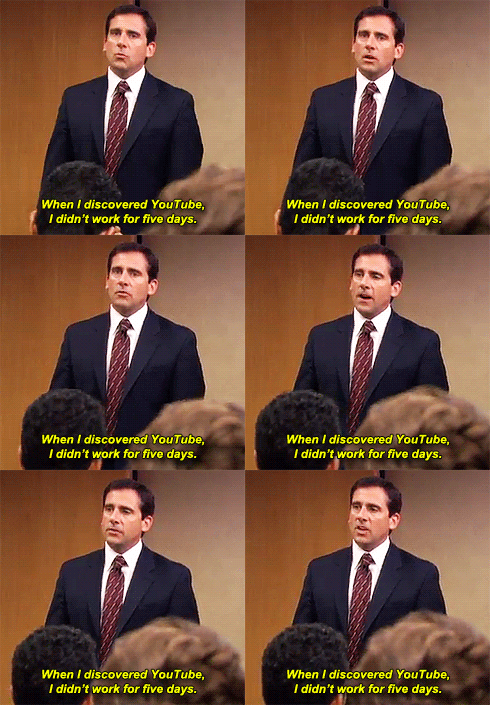
    Steve Carell as Michael Scott From The Office Discovering YouTube - Search Influence

    Eliminate Distractions

    Everyone knows that distractions can come in many forms, especially for a freelancer–emails, social media, family members, pets, TV, your perfect comfy bed, etc. The tricky part is avoiding these dangers while working. There are a ton of apps to help you work distraction-free. But ultimately, this comes down to self-discipline. As a freelancer, you and only you are accountable for yourself. Don’t let anything distract you from that.

    Don’t Overwork Yourself

    Work is important, but it is not the only thing. Working late into the night or through your lunch break may be needed to hit that deadline, but it will often catch up to you in the end. If you are tired or burnt out, your work will suffer and often take longer to complete, which compounds your issues.

  • Freelance Friday: Freelance Burnout and 10 Ways to Prevent It

    This blog is part of our Freelance Friday series, where we discuss everything and anything related to freelancing. If you are a freelance writer and are looking for additional work, consider applying at Search Influence.

    Freelancing may seem like an easy, carefree gig to those not in-the-know. You get to work when and where you want and are free to do whatever you want at the drop of a hat.

    But actual freelance writers know that this is certainly not the case. Freelancing can be just as time-consuming and demanding as any office job. We, too, are prone to feeling overworked, overextended, and altogether overwhelmed.

    In fact, since so much of the responsibility is placed squarely on their shoulders, many freelancers feel obligated to work and work and work long after 9–5 Monday through Friday. This can ultimately lead to freelancer burnout.

    Image Of An Overworked Freelancer At His Desk - Search Influence

    Freelancer burnout is more than just “writer’s block”­—it’s something more oppressing and potentially dangerous to you and your freelancing career. Burnout can lead to a creative motivational block, which in turn, can impede your work and affect your income!

    Thankfully, there are a few things freelance writers can do to avoid this breakdown. Here are 10 tips to prevent freelancer burnout!

    1: Stay Organized

    Organization helps in all facets of life, and freelancing is no exclusion. Know what needs to be done and when, establish priorities, keep emails in order, etc. Getting organized makes you feel proactive and sets you up for success.

    2: Stick to a Schedule

    Just because freelancing affords you more flexibility in your work schedule doesn’t mean you can be nonchalant and lackadaisical. An easy-to-follow plan of action will not only help you keep due dates in order and your agenda under control, but it will also help you manage the proper work-life balance needed to prevent burnout.

    Working At An Office Job - Search Influence

    3: Give Yourself More Time Than You Think You Need to Finish Your Freelance Projects

    You may think it takes a certain amount of time to write a blog post, but who knows what curveballs might be thrown your way. Maybe you will have trouble getting started or locating a source you know you have seen before. It’s always best to be prepared (as best you can) for the unknown.

    4: Know Your Limits

    Don’t overcommit. It’s easy to make promises to impress clients, but keeping those promises can be a lot more work. Don’t say yes to everything, and don’t put extra pressure on yourself to get more done or get things done quicker. You know how much you can write in a day. Get the work done on time, and most importantly, get it done well—those are the only things you should ever guarantee.

    5: Set Mini Goals

    It is always best to divide up larger projects into more manageable parts. In conjunction with your schedule, set up achievable milestones throughout the day, week, and month. This will give you a sense of accomplishment and help you stay on track while keeping the bigger picture in your mind.

    Johnny Depp Strategizing With A Slinky - Search Influence

    6: Don’t Give in to Writer’s Block

    Writer’s block is legit, but there are ways you can work around it. Don’t just keep plugging away and turning out pages of dribble. Put the assignment to the side and get your blood flowing—go for a walk or a run, try a new environment, write about something else. Stir your creative juices and come back to your project with a refreshed mind and reinvigorated determination.

    7: Take Care of Yourself

    You can’t sit in front of the computer all day. Don’t overwork yourself. As a freelancer, you are your only workforce­—and you don’t get paid sick days! Eat properly and exercise. Do right by yourself and it will show in your writing. Here are 8 tips for freelancers to stay healthy and happy.

    8: Switch It Up 

    Change is good. Whether you take your work to a new location (like the library or a coffee shop) or tackle an entirely different project, it will usually help. Remember, freelancing offers you the freedom to do things like this that other workers can’t, so take advantage of it!

    9: Build a Support Network

    Freelancing can be an isolated career. Without colleagues to interact with and vent work-related frustrations to, stress—and even depression—can creep into your day-to-day. Try seeking out other freelancers (there are tons of us out there) in various forums online and local meetup groups. Finding people that understand what you are going through is the best way to tackle any struggle, including burnout.

    10: Reevaluate Your Freelancer Goals

    Are you focused too hard on a specific niche? Then expand your horizons. Are you spreading yourself too thin? Then try honing in on what you do best. Depending on your situation, change can be liberating. Focusing your time and energy on one expertise can help you enjoy your work and find more appropriate clients, while trying new things can keep you stimulated and multi-faceted.

  • Freelance Friday: How to Balance Freelance Writing When You Have a Day Job

    This blog is part of our Freelance Friday series, where we discuss everything and anything related to freelancing. If you are a freelance writer and are looking for additional work, consider applying at Search Influence.

    The “gig economy” has arrived, and it is booming. According to a study conducted by Intuit, 40% of American workers will be independent contractors by 2020.

    Thanks to technology, many workers are no longer tied to a specific location, much less a traditional office setting.  This means freelancers can select contract jobs from anywhere, and employers can pick the best people from a larger pool of applicants for specific projects.

    It’s happening everywhere and it’s easy to get started—even if you already have a full-time job.

    You may ask yourself, why would you want to freelance on the side if you already have a full-time job? Well, I am glad you asked because there are several terrific reasons why:

    iron man evil gif

    • You Can Make More Money
      • Who doesn’t need a little extra cash these days? Freelancing gigs pay on a wide spectrum depending on numerous factors (experience, skill, time, etc.), but they always pay. You should never freelance for free! The extra money also gives you a bit more security should you lose your day job or find yourself in between jobs.
    • Test out Self-employment
      • Thinking about making a career change? Or just want more freedom when it comes to your work schedule? Freelancing on the side offers you a trial run before committing to a major life change.
    • Build Your Skills
      • As mentioned earlier, pay can vary based on your skill. Freelancing on the side offers you a chance to develop and expand your skills, which will put you on firmer ground should you decide to switch it up and try freelancing as your full-time job–it can even help increase your skills in your current job!
    • Develop Valuable Connections
      • Like most jobs, freelancing is all about who you know. Connecting yourself with the right people will lead to more/better opportunities and the chance to expand your skills. This too can help with your full-time job.
    • Discover Your Passion
      • If you are looking to freelance, it might mean you are not happy in your current job. Freelancing may help guide you down the right path towards a more fulfilling career and a happier you. Find what you love to do and make it work for you!

    balancing goats gif

    If you decide to freelance while you still have a full-time job, there are also a few things you can do to ensure a balance that works for you and doesn’t cause friction.

    • Be Honest and Transparent
      • Don’t hide your freelancing gig from people, including your boss. This will only arouse suspicion and harbor mistrust if discovered. Check your current employment agreement or contract first to make sure freelancing won’t ruffle any feathers.
    • Keep Freelancing on Your Own Time and Your Own Dime
      • This is incredibly important to keeping the peace in your double life—don’t cross the streams!

    ghostbusters - search influence

    Keeping your dual work lives separate will go a long way in avoiding problems and keeping you focused solely on one job at a time, which will ultimately produce the best results. Give 100% to each during their given times.

    • Focus on Time Management
      • Time management is key. You essentially have two jobs, and there are only so many hours in the day to get all that work done. Because of this, it is crucial that you do not take on more work than you can handle, especially on the freelance side.
    • Do Work in the Evening and on Weekends
      • In order to fulfill the previous two points, working in the evenings after work and on the weekends (or whatever days you have off) is unavoidable. Remember, freelancing is your side gig, therefore it has to be done on your time off.
    • Build a Support Network
      • Most freelancing work is a solitary endeavor, but it doesn’t mean you have to always be alone. Like any job, having support from those you trust and can bounce ideas off of will only benefit you. This can even include current co-workers, especially if your freelancing work falls in the same field.

    Image 1 Credit | Image 2 Credit | Image 3 Credit

  • 3 Things Leonard Cohen Taught Me About Content Marketing

    Leonard-Cohen image

    On Thursday, November 7, the legendary singer/songwriter and poet Leonard Cohen passed away. Being a fan of his music, I reflected on the impact of his art and remarkable career.

    It didn’t take me long to figure out that there’s a wealth of writing wisdom in his life that can be applied to content marketing. Here are three things that stood out to me:

    1: Persistence Is Important

    Cohen famously said, “If I knew where the good songs came from, I’d go there more often.”

    The best content is perfected over time. Remember, if you’re just starting out, commit to a long-term strategy. Many content campaigns are abandoned too soon. Others are neglected. Make sure to test reactions, and stay the course. The payout is worth it.

    2:  Focus on the Process

    In sales, the best way to solve an activity problem is by generating more activity. Content marketing is very similar. You have to feed the monster. SEO is a marathon, not a sprint. The goal is to create a catalog of valuable content that over time will give your site authority and boost your search.

    3: Quality Over Quantity

    Leonard Cohen was a famously slow writer. He once said, “I wish I were one of those people who wrote songs quickly. But I’m not.”

    According to an Orbitz Media Studios study, the average blog in 2016 took three hours and 16 minutes to write, and twice as many bloggers spent six hours per post than in 2015.

    With the proliferation of bad content, it’s important that your small business stands out. Quality content that is timeless and can be recycled will be more effective than the generic vanilla stuff everyone forgets.

  • Freelance Friday: 10 Tips to Make Working From Home Work for You

    This blog is part of our Freelance Friday series, where we discuss everything and anything related to freelancing. If you are a freelance writer and are looking for additional work, consider applying at Search Influence.

    Working-from-home image

    1: Create a Great Working Environment

    Setting up a designated work area is crucial to your productivity. Try to situate yourself in a space with a lot of natural light. This will help you stay awake and focused. Make sure you have ample desk space for your arms and that your monitor is at a slight distance. Pick a room or space that is quiet and out of high traffic areas.

    2: Stay Organized

    Staying organized is one of the most important skills you can develop as a freelancer. Make sure you have everything you need to get your work done. Keep notebooks, pens, and flash drives handy. Make sure your computer is organized as well. Using bookmarks and categorizing folders can help you store and find important things easier.

    3: Stick to a Work Schedule

    Developing your own work schedule will help you sharpen your time management skills. You can set your working hours according to your lifestyle, but make sure you stick to it—and don’t forget to factor in time for breaks and lunch. The best thing to do is model your workday after a typical workday at the office. Don’t forget to mentally clock out at the end of the day. You will run the risk of feeling burnt out if you are constantly working.

    4: Get Dressed

    It’s tempting to stay in your pajamas when you are working from home, but don’t let the “no one is going to see me” rationalization fool you. Dressing up as you would for a regular day of work will put you in the mindset of getting work done. Don’t worry— you don’t have to put on a three-piece suit, but a clean set of jeans and a t-shirt should do the trick.

    5: Refrain From Social Media

    Social media is a great way to stay connected and get updates on current affairs; however, it can also be a big waste of time. There are some apps that can temporarily block Facebook or allow you to set time limits for phone usage.

    6: Know Your Limits

    Some people need white noise or music to help them concentrate. However, these things can also be distracting. It’s important to know your limits. If a fast beat makes you want to dance, then opt for something mellower to listen to while you work. If you can’t tear yourself away from the TV, then switch the channel to the news.

    get-up-and-move giphy

    7: Let People Know You Are Working

    If you live with other people, it is important to let them know when you are working. This will minimize interruptions so you can efficiently power through your work. It will also let them know the best times to reach you should they need to speak with you.

    8: Change Scenery Every Now and Then

    Working in the same place can be monotonous, so try to change scenery whenever possible. This can help you open your mind and induce creativity. It could be as simple as moving to a different room or taking a walk to your nearest coffee shop (as long as they have Wi-Fi).

    work-at-desk giphy

    9: Meal Prep for Lunch and Snack

    One of the great things about working from home is that you are next to your kitchen, which makes it impossible to forget your lunch. However, working next to your kitchen can leave you making countless trips to the refrigerator to see if something tasty has magically appeared. To avoid this, prepare your meal and snack beforehand so you are not aimlessly scavenging for food.

    10: Buy a Plant

    A little random? Yes! But there are many benefits to having a little plant in your work area. Plants filter air naturally, boost mood, and can ultimately increase productivity. Not to mention an office plant will bring a little bit of the great outdoors to your workspace.

    Working from home can be a liberating experience, so try to make the most out of it. With these tips (plus our happy and healthy tips from last month), you can step up your freelance game to ensure you never miss a deadline.

  • Freelance Friday: 8 Tips for Freelancers to Stay Healthy and Happy

    This blog is part of our Freelance Friday series, where we discuss everything and anything related to freelancing. If you are a freelance writer and are looking for additional work, consider applying at Search Influence.

    Freelancing can be tough on the mind and body. For the most part, you are sitting down all day staring at a computer screen—but you are not relegated to a sedentary lifestyle! In order to stay fresh and keep the creative juices flowing, you have keep your mind and body focused and healthy. Here are 8 tips for freelancers to stay happy and healthy.

    1: Minimize Sitting Time

    Freelance work often means long hours at a desk staring at a computer.  Sitting for that long does not do any favors for your health. Standing desks have become more and more common in the past few years and are a great to way to get on your feet. You can also use workplace interventions to reduce sitting time. Try standing during phone calls and taking breaks every 30 minutes.

    2: When You Do Sit, Sit Properly

    When you do have to sit, it is important to be conscious about how you are sitting and your posture. Doctors recommend sitting up straight and not leaning forward towards the computer. Also, focus on bending your knees at right angles and avoid crossing them, while you feet rest flat on the floor.

    3: Reduce Eye Strain

    homer-simpson-treadmill-exercise-lazy

    Staring at a computer screen for several continuous hours can lead to eyestrain and fatigue. For those who work all day on the computer, experts recommend employing the 20-20-20 rule: every 20 minutes, take a 20-second break to look at an object at least 20 feet away from your screen.

    4: Stretch and Exercise at Your Desk

    To combat the potential negative effects of this sedentary lifestyle, you need to stretch and exercise at your desk whenever you can. Arm, neck, and shoulder stretches are easy and essential for comfort, while knee bends, jumping jacks, and wall squats require a bit more room, but will work wonders for how your body feels throughout the day. Even something as simple as fidgeting can be beneficial. Check out this article for even more exercises you can do at or near your desk.

    5: Hydrate

    Coffee maybe the fuel that drives freelancers, but water is even more important for your body. Improper hydration can result in fatigue, headaches, and an inability to focus. If you are like me and find water too boring and without taste, try adding lemon, mint, or cucumber to you water, or opting for tea as the ideal choice in-between powerful coffee and boring water.

    6: Healthy Snacks

    freelance-tips

    Everyone likes snacking while they work. Keeping healthier snacks in your home office can not only curb hunger, but can also keep you energized throughout the day. Granola bars, cheese, fruit, veggies, etc. are some easy-to-store snacks to have on-hand to help you avoid fatty foods and sugary sweets that will make you sluggish.

    7: Set Strict Working Hours

    Just because you are working from home, doesn’t mean you can overwork yourself. Treating your freelancing like normal, everyday job is important to maintaining a proper work-life balance. Work when you have to work, enjoy your home like normal when you are not.

    8: Leave Work in Your Workspace

    Same goes for where you work. Set up a designated workspace and restrict your work to that space only. Don’t do work in your bed or on the couch in front of the TV. Keep the stress and hectic activity of work out of your everyday homelife.