Category: Content Marketing

  • #FreelancerFriday: 10 Common Rookie Freelancing Mistakes and How to Overcome Them

    In his rookie season, Peyton Manning threw a league-high 28 interceptions as his team struggled to a 3–13 record. As a rookie, Tom Brady was third string and only managed 1 completion for six yards.

    Even a pair of all-time greats had to start somewhere as newcomers in the league. The point is, they got better—much better—but not without first learning from their rookie mistakes.

    Freelancing is not professional football, but like most things, it requires a set of skills that are built up through time, practice, continued education—and most importantly—learning from your past mistakes.

    No matter if you are freelancing your way through college or retirement, there will always be a few bumps in the road. Here are the most common rookie freelancing mistakes and tips on how to overcome them:

    1. Using an unprofessional email address

    This is the most common and frustrating, yet easiest-to-fix mistake a rookie freelancer can make. Avoid anything that is immature, ambiguous, cutesy, or just unnecessary to your freelance business. This includes nicknames and writer-based names like “SEOwriter” or “MommyBlogger.” To keep things simple, your email address should be your actual name and little else.

    2. Exaggerating your experience

    Just like a resume for any job, it is not acceptable to lie about your writing and freelancing experience. Don’t say you wrote for a publication when you didn’t. Don’t say you are an expert in technical writing when all you’ve written are lifestyle blogs. It will always catch up to you, and it will ultimately cost you jobs and payment when the truth is discovered.

    3. Not marketing yourself or building your brand

    As a freelancer or contract worker, you are essentially setting up a business for yourself. And just like any business, marketing is very important. Without marketing, you are leaving a lot of business out there. Craft your own unique selling proposition on how you are different from other freelancers. Next, create a comprehensive marketing plan through various channels, including email and social media. Daily activities focused on brand building and business development will help increase your visibility and build interest in your services.

    4. Never turning down work

    I know, it seems counterproductive to turn down work, but accepting every job only creates problems, including poor time management. Not all jobs are created equally. You have to learn to identify and turn down the bad ones, or you’ll just end up wasting your time, often with more stress and less money. You can’t just accept work for work’s sake; it’s not the best path to earning more.

    5. Missing deadlines

    Lots of people miss deadlines, not just newcomers. But since rookies are more prone to mistakes, this is especially important when you are first starting out and are trying to establish a positive professional reputation. If missing the deadline is unavoidable, tell your editor as soon as possible. Don’t pile on the excuses—just apologize and accept responsibility. The next step is to confirm when it will be completed or ask for an extension.

    6. Ineffectively balancing your workload

    It is common to underestimate how long and how much effort a certain project will take, especially if you are a new freelancer or fighting others to land the gig. Be honest with yourself, and remember, it is usually better to under-promise and over-deliver. Avoid taking on a lot of new work all at once, or before you fully complete a big project. Find and take advantage of your most productive time of the day, make and stick to a schedule, stay organized, and know your limits.

    7. Being afraid to ask your editor questions

    The writer-editor relationship is a special one that needs to be nurtured over time. When a writer is just starting out, there is a lot of uncertainty on both sides of the table about one another. Undoubtedly, questions will arise for new writers working for a new client. You cannot be afraid to ask these questions. Experienced editors should be expecting questions from freelancers and always be eager to answer them. Asking editors questions is the best way to avoid simple misunderstandings and ensure the project is completed exactly as they wanted.

    8. Not accepting criticism & refusing to learn new things

    As a freelancer, feedback is just part of the job—it’s unavoidable. You must learn to accept criticism gracefully, or better yet, use the feedback to improve your work. Of course, not all criticism is justified, but more often that not, it is. Don’t be argumentative. Make your case politely if needed, or accept the feedback, thank them, and make the changes.

    Another stubborn trait that many new freelancers possess is the refusal to learn new things or even adapt their skillset—whether it is their style, habits, equipment/applications, etc. Nothing reveals amateur status more than a stubborn refusal to adapt. Freelancers should always be working to improve themselves, which includes additional training, earning certifications, and keeping up with current market trends.

    9. Not standing up for yourself or reading your contract

    As a contracted worker, not an employee, it should go without saying that, eventually, someone is going to try and take advantage of you and your work. This can include deadline changes, endless rounds of edits, pay discrepancies and delays, or any additional countless ways freelancers can be unfairly treated.

    This goes hand-in-hand with contract negotiations. Unfortunately, many freelancers do not even read their contract upfront before signing, which only opens you up to unfair treatment and/or legal issues down the line.

    10. Poor Communication

    Freelancing these days is rarely a face-to-face thing. Communication is largely done via email, phone and video calls, or text and instant messaging. Because you are not an in-office employee, maintaining communication is very important. Equally important is the tone, clarity, and detail in your communication. You likely will not talk to your editor or project manager on a daily basis, so you want to be sure both parties are always on the same page to avoid delays and mistakes.

    Mistakes are going to happen when you’re first starting out in the freelancing game. But, with practice, some patience, and by following these pointers, you can be a freelancing pro in no time.

    Images:

    Tom Brady

    Betty White

  • Everything You Need to Know About Social Media Images

    Social media users are 10x more likely to engage with a post that includes a photograph or other visual. And, on platforms like Instagram, without a photo, you can’t post at all. So, no matter what industry you’re in—or even for your personal profiles—if you want to reach the 2.34 billion social media users worldwide, knowing the dos and don’ts of quality images is essential. Luckily, the social media experts at Search Influence are here to help.

    Use Professional Photos

    It’s the number one rule of social media—professional quality photos only. Nothing blurry or out of focus, no limbs cut out of the frame. And if no one on your team has top-notch photography skills, it’s worth hiring a professional or reaching out to your design agency, if you use one. As far as the content of these photos, always use positive imagery to keep viewers feeling happy and eager to return to your profile in the future. This might seem obvious, but it can be surprisingly easy to slide into negative territory. Many dentists, for example, feature before and after pictures on their social media—but viewers don’t want to see images of ugly teeth! Avoid the negativity and only showcase the after photos to keep things upbeat. Photos of people are also a good choice. These tend to perform better across social media channels because people relate to other people. Quite simply, if you’re taking social media photos in-house, keep it professional, keep it happy, and feature people whenever possible.

    Make It Personal

    Unique images will always get more traction than generic ones. So, whenever possible, make your social media photos specific to your corporate or personal brand. One great way for businesses to do this is sharing photos of team members or happy customers—taking those high-performing photos of people to the next level. When you post about team members, whether to welcome a new employee or profile a well-established manager, it helps viewers connect with your company on a personal level. Rather than a faceless corporation, you’ll seem like a group of individuals—a much more approachable and engaging online persona. When you post about happy customers, it not only reinforces positive messages about good customer service and high customer satisfaction, but it’s also a great opportunity to expand your presence online. Tag the featured customers whenever possible so their personal networks will see your post. And remember, social media is first and foremost a platform to build relationships.

    Choose Stock Images Wisely

    While it’s always better to take your own professional photos, unfortunately, it’s sometimes impossible to do so. For example, a new apartment complex should start advertising before it’s completed, but mid-construction photos won’t provide viewers with a good idea of the finished product. That’s where stock photos come in. They’ve developed a bit of a bad reputation for being cheesy, over-posed, and filled with women who are way too happy about salad or teams of coworkers that love giving the thumbs up. But, with a discerning eye, it’s possible to pick good stock photos to fill the gaps in your personal photos. Once again, go for photos that feature real people, and choose ones that look as candid as possible. Absolutely no clichéd photos of business people shaking hands!

    Bad stock images:

    Good stock images:

    Also, pay attention to the color palette and make sure it fits with your existing photos and branding. Upcity.com features a list of both free and paid websites for finding stock images. But remember, don’t go with the first photo you find. Hunting through pages of images might seem tedious, but the increased quality and social media engagement will be worth it in the end.

    Don’t Forget Your Audience

    Every social media platform has a different user demographic, and to maximize engagement, you should tailor your image choices to each audience. On Facebook, for example, users are looking for helpful information about your business and an authentic inside look at your company culture. Photos for this platform can be a bit more casual and candid and should especially focus on featuring team members and customers, as discussed earlier.

    Surfers on a beach - Search Influence

    Instagram, on the other hand, requires strong, visually appealing images geared toward a younger audience. In addition to informing image choices, your target audience should also determine how much you advertise on each platform. For example, if you run a community for active seniors, you should primarily advertise on Facebook rather than Instagram, since that’s the platform your target age demographic is more likely to use. If you do advertise on Instagram, your posts should be targeting your customers’ children. Whichever platform you choose, try to put yourself in your audience’s mindset.

    With these dos and don’ts of social media images in your knowledge bank, get ready to see your engagement rates soar. But, if you’re still not getting the results you want, it never hurts to contact the professionals. With services ranging from customized consulting to online advertising, the experts at Search Influence are always happy to help.

    Images:

    Happy Salad Woman

    Fresh Salad

    Surfers

  • The Travel Marketer’s Guide to Capturing the Romance Market

    The Travel Marketer’s Guide to Capturing the Romance Market

    With the right targeting and audience intelligence, it can be easy for travel marketers to sweep romantic travelers off their feet. Many businesses in key travel markets are missing the opportunity to market to romantic travelers. The latest data shows that romantic travel trends go beyond the obvious honeymooners and destination wedding travel, though those segments shouldn’t be ignored! According to the Travel Industry of America, romantic getaways are trips “with a spouse or other love interest without children to rekindle the romantic feelings in the relationship.” From outdoor adventure travel to “foodie” trips, today’s couples are doing things differently and travel marketers should take notice. Whether you market a destination city or you’re a business within a destination city, positioning carefully to appeal to romantic travelers is a good idea for 2018 and beyond. Read on for more details on the latest romantic travel trends all marketers need to know.

    Top Romantic Travel Trends in 2018

    Romantic travel is booming, and it’s more than just the honeymoon. According to statistics from TripSavvy, a quarter of all American weddings are destination weddings. On average, couples who plan destination weddings are a little older with more disposable income compared to other newlyweds. With travel to a beach or somewhere overseas, the average budget for a destination wedding is $28,000. The added expenses make for a shorter stack of invitations, but the guests who attend destination weddings also plan to spend more than $600 on average.

    After the wedding, couples currently spend three times as much on honeymoons as they do on other vacations making honeymoons a$12 billion dollar industry. Other popular trends in romantic travel surfacing in 2018 include would-be grooms planning getaways around the proposal (thanks to social media for the increased pressure for the perfect proposal!). All kinds of couples enjoy “foodie” trips, choosing destinations with the best dining options as a top priority. Where entertainment and music drew travelers in earlier decades, cuisine is a top priority for today’s travelers.

    Not Just for the Newlyweds: Who Are Today’s Romantic Travelers?

    While family trips need to balance the different preferences of all the kids, couples traveling romantically tend to spend more on dining and activities when it’s just the two of them.

    Marriage drives a high percentage of the travel in America, but households with children travel less often, shocking, right?! While single households were responsible for 21 percent of trips, married households took a whopping 61 percent of trips, according to the same research from TripSavvy. Couples without children have taken an average of 3.1 trips in the past year, compared to couples with children, who took 1.9 trips indicating the sweet spot for the travel market is married couples without children.

    When planning a romantic getaway, a strong majority of those surveyed said that they traveled to a particular city for the local cuisine and entertainment. The next most popular getaway option was bodies of water, such as lakes or beaches. Other common, but significantly less popular plans centered around gambling, outdoor sports, and cruises. Romantic couples are interested in local attractions, but they also want a setting where they can enjoy each others company. By emphasizing a quiet, relaxing atmosphere, nearby nightlife, and quality restaurants, most cities have something to offer couples trying to unwind.

    Romance For All: LGBTQ Travel Trends

    Now more than ever, it pays to be inclusive. LGBTQ travelers are especially aware of the attitudes in different parts of the world.  Just as some countries still require a marriage certificate to share a hotel room, many regions still have laws and prejudices against homosexuality and other lifestyles. Because some travel agents are unaware of those nuances in different regions, many LGBTQ travelers use agents who specialize in serving clients with similar priorities.

    If there are festivals like Pride Parade in your area, think about whether your business can participate in some way. Decorating for the occasion, offering special discounts, and sponsoring a local non-profit are a few ways to show support. Make sure to share the ways in which your business shows support via your social media channels and look for ways to make your imagery more inclusive by default.

    Most of these travelers want a safe place where they won’t be excluded on the basis of their orientation, identity, appearance, or anything else. That said, your employees have a big impact on the perception of your brand. Employees who bring prejudices into the workplace can be a complicated problem, especially in politically divisive times. While it’s impossible to satisfy every customer, a negative review that implies intolerance can be especially impactful. The best course of action is prevention, making sure that you create a safe and inclusive environment both for customers and employees. In the event you suffer a negative review from a customer, make sure to respond publicly stating that your company does not share the views of this individual though feedback is appreciated.

    Not A Tropical Oasis? “Romantic” Doesn’t Have to Mean Bikinis

    Commercials have marketed beaches as the “ultimate” romantic getaway, but there are loads of alternatives for landlocked businesses. = With employment up and cautious optimism about the economy, Americans are looking to travel frequently, and in smaller doses. Over the past 12 months, Google Trends has shown an increase in the search terms “weekend getaways” and “couples getaway near me,” Indicating growing demand for this information online. With the help of local SEO professionals, you can dominate the search results for travelers within driving distance.

    All kinds of activities and attractions can be adapted for a romantic audience. Historic districts, museums, festivals, and even agriculture can be romantic. With a scenic overlook and the right photographer, your area’s cotton fields start to look as romantic as a vineyard or a country album cover.

    In all, romantic travel is about a lot more than honeymooning couples. A growing number of adults are looking at travel as an investment in their relationship and their own quality of life. At Search Influence, we have everything you need to market to those couples and drive leads to your business. If you’re interested in honing your local SEO strategy, then request your marketing analysis today to get started.

    Images:

    Couple at a Scenic View

    Couple Walking in Hand

  • Everything You Need to Create an Effective Landing Page—and Everything You Don’t

    If you have run any type of digital marketing campaign for your business, you’ve probably come across the term “landing page.” But what exactly is a landing page, and what role does it play in helping to convert leads into customers? Simply put, landing pages are the pages where users “land” after clicking on an ad from Google, Facebook, or a similar platform. When done right, they feature persuasive and highly relevant content, focused on one specific conversion. By directing users to a landing page rather than simply the homepage of your website, you can ensure that you are able to attribute leads to a specific campaign while simultaneously providing a better answer to the search inquiry of the user. A landing page should be specifically focused on lead generation, and these tips will help you have the highest conversion rates once users make it to your page.

    Do Have a Compelling Call to Action

    A clear call-to-action(CTA) is the most important part of your landing page and should clearly communicate what you want your reader to do on the page. This could be to register for an event, download an eBook, or schedule a consultation. Whatever it is, it needs to stand out from the rest of your content and be one of the only, if not the only, actionable items on your landing page.

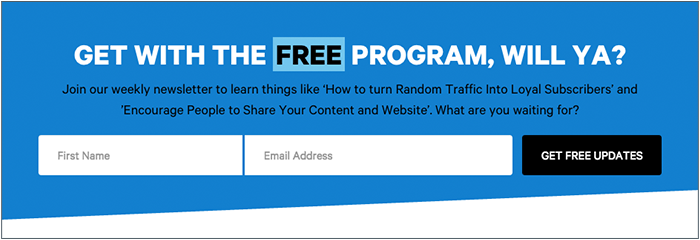
    If your CTA is a form instead of a button, the title of your form should be much more specific than a simple “Contact Us.” Entice your readers with simple, yet descriptive language like “Register to Get Your Free Marketing eBook” instead. For buttons on your form, avoid generic language like “Send” or “Submit” and instead use language like “Get My Analysis” or “Start My Free Trial.”

    Graphic of a form field on a landing page - Search Influence

    Users are also typically skeptical to give out more information than necessary, so you don’t need to ask for their full name, address, phone number, date of birth, where they went to high school, and their mother’s maiden name if all they’re doing is downloading an eBook. A user is much more likely to actually fill out the form if you keep it short and sweet. Sticking with essentials like their name and email may be all you need.

    For more tips on how to craft stellar CTAs that will convert, check out this blog post.

    Don’t Cram Everything Above the Fold

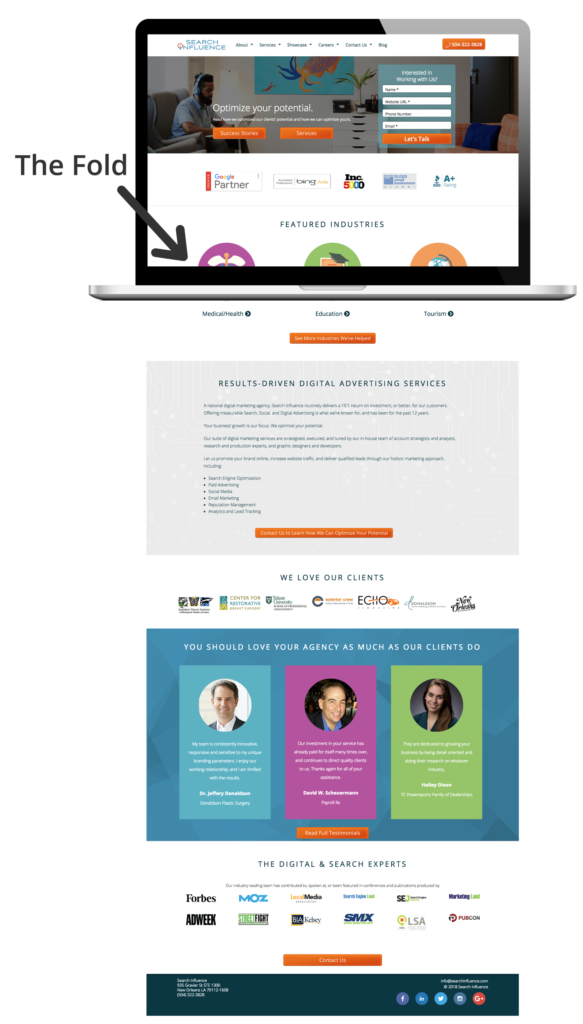
    We’ve all heard for decades that readers rarely make it below the fold (originally used in reference to traditional newspapers), and that we should try to cram everything important above the fold. This doesn’t hold as true today as it once did, and cluttering the top section of your page can actually hurt your conversions. While it is still true that some users won’t make it below the fold at all, if what you have above the fold is compelling enough to grab their attention, they will scroll down to read the rest of your content. So while, yes, you do still want your CTA and most important information above the fold, try to limit it to just that. No one wants to read anything that is a cluttered mess, and you’ll retain users’ attention much better by avoiding the clutter.

    Visual representation of above-the-fold content on a landing page - Search Influence

    Do Have Fast Loading Speed

    A fast page load time is absolutely essential for any web page. Users expect a page to load within seconds, and if it doesn’t, they often abandon the page entirely. In fact, a case study from Hubspot found that a 1-second delay in site speed resulted in a 7 percent reduction in conversions. Images and videos often slow down page load time, so be sure to optimize elements like these to avoid losing users. Luckily, you can test out the load speed of your page and address any concerns.

    Don’t Have Endless Content or Jargon

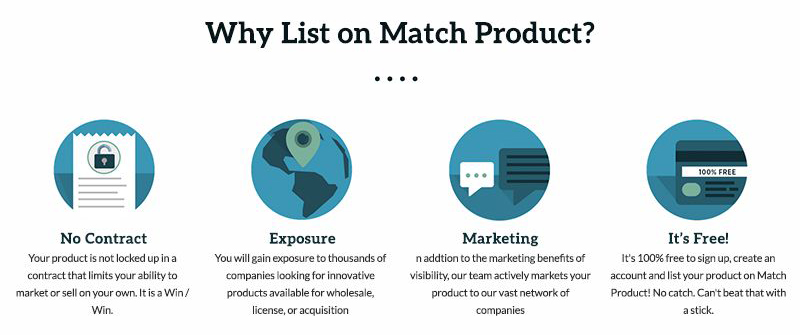
    You don’t want to confuse any potential leads with overly complicated, industry-specific jargon. You should be able to demonstrate your expertise in your field without intimidating or annoying any of your users. While you want to give enough information to draw a user in, you don’t want to overwhelm them with too much information up front. If you do have longer content, try breaking it up with bulleted lists or by using icons.

    Icons used in a landing page - Search Influence

    Do Include Images and Videos

    According to Unbounce, videos can increase conversions by about 80 percent—making them a worthwhile investment for your page. Since videos are often quite big and the play buttons can distract from your CTA, consider making your video considerably smaller than the standard minimum of 960px by 720px, with the option to make the video bigger when it’s actually playing.

    Example of video used in a landing page - Search Influence

    If you don’t have a relevant video for your page, strong visuals are still extremely important. Avoid stock photography whenever possible, but it’s still better to have stock photography than no imagery at all. Users also respond better to images with faces in them than images without.

    Photos aren’t the only type of imagery you can utilize on your landing pages. Depending on the industry, your target audience might respond well to vectors or illustrations, which can also help explain complex subjects when photos aren’t available.

    Example of vector graphics used in a landing page - Search Influence

    Whatever imagery you do end up using on your page should be consistent with the display, Facebook, or any other type of ads that are driving users to the landing page in the first place. When a user clicks on an ad with vector images, for example, they would expect the following landing page they land on to have similar imagery. If the look and feel of the page is completely different than the ad they clicked on, the user could be confused and think they clicked on the wrong ad altogether.

    Don’t Include Navigation

    While it may seem counterintuitive to exclude typical site features like a navigation bar, for landing pages, you actually want to include as few opportunities to leave the page as possible. This includes navigation, which can also be distracting and take away from your main call-to-action.

    Do Conduct A/B Testing

    Once you’ve got your pages built, you should conduct A/B testing by changing out elements of your page to determine what performs best. While audiences typically respond more positively to people in images, for example, maybe yours responds better to objects or vector illustrations. You should also test out CTA placement, button colors, font choices, and content. Keep in mind what you learned in science class though, you only want to change one element at a time when performing these tests. If you change multiple variables at once, you won’t have accurate data on which elements are actually making the page perform better or worse.

    Creating landing pages that convert is no easy feat. Unbounce estimates that achieving a 12 percent conversion rate for your landing page will place you above 90 percent of the competition. With a comprehensive online advertising strategy, every step of the process will be clearly catered to your target demographic, making it as easy and risk-free as possible for users to take action. If you want help creating your online presence, reach out to Search Influence to receive your custom marketing analysis.

  • What Can Canva Do for You?

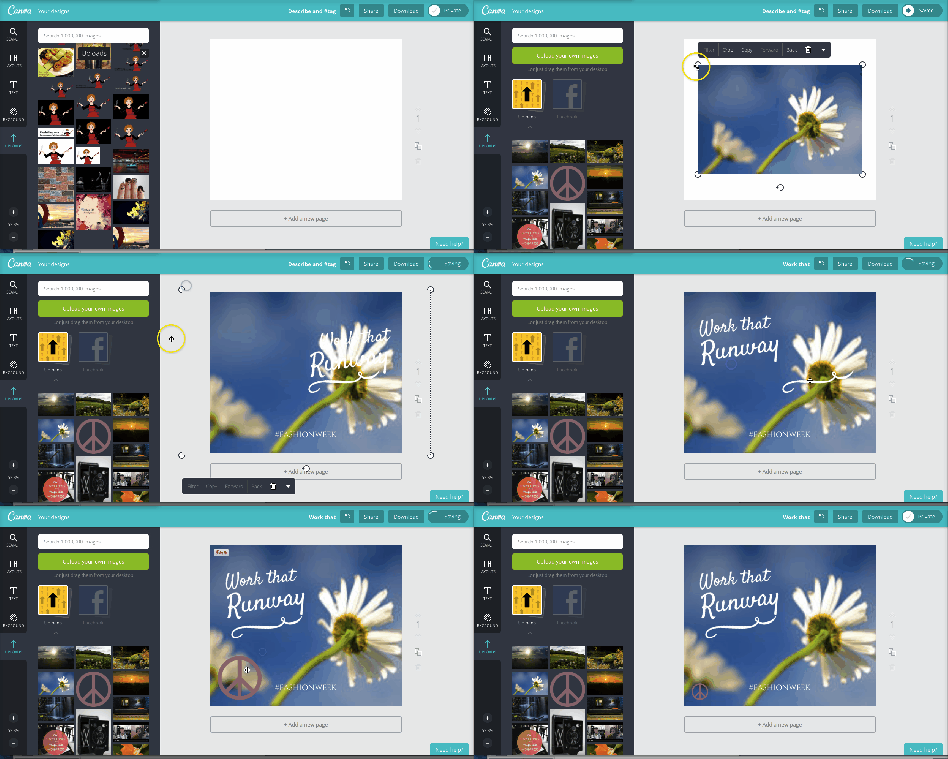
    Need a custom graphic for your blog or social media page? Canva is a drag-and-drop tool with millions of images and hundreds of fonts. Over ten million users have created over 100 million designs with the help of Canva’s user-friendly interface. While nothing will replace the instinct and creativity of a trained graphic designer, Canva offers a tool for simple, creative designs. Fortunately, it’s easy to sign up for Canva and take their free version for a test drive.

    What Is Canva?

    Whether you want custom social media icons for your website or new business cards for your sales team, Canva has free tools to support your visual projects. You can edit photos, create graphs, and develop print media. When you need a graph for your website or an upcoming presentation, you can start with a wide range of templates to graphically represent your data. When it comes to social media management, you may know that it can be a hassle to get images in exactly the right dimensions for each social media platform. With Canva, the images practically format themselves. Whether you need an ebook cover or Instagram post, Canva can hook you up with the proper dimensions. And, when you need to adapt a graphic for something new, you can even copy images from one project to the next.

    The variety of free templates, images, and other resources is staggering, and it is the ease of use that really puts this program in a league of its own. As if that weren’t enough, you can do the work in your web browser—no need to install software or download updates. Exploring their site is the best way to understand the full range of tools and options available.

    How Do I Get Started?

    When you sign up for Canva, an introductory tour highlights the key features of the site and their editing tools. Whatever you want to accomplish, you’ll have a wide range of templates available as starting points. For quick social media posts, templates are a great way to save time. By swapping out fonts and images, you can transform a template into something fresh, customized for your brand and message. Templates exist for all types of projects, and they can be tweaked as much as needed. As you become more comfortable with the process, you may eventually create your own layouts and designs from scratch, but templates make the design process fast and easy.

    Do I Need My Own Images?

    Not necessarily. Stock images and templates are great for a wide variety of applications. Browse through extensive folders of free-to-use images, grouped by theme and subject matter. You can even use the search tool for more specific images. If you want a higher quality photo, Canva allows you to purchase professional quality images for just $1. Plus, when you do have your own images to use for a project, they are easy to upload. Whatever image you choose, you’ll find the photo editing tools helpful in getting the color and size just right.

    What If I’m Not an Artist?

    If you don’t have a background in graphic design, then you’ll benefit from Canva’s extensive educational resources. Read blogs about the principles of design and composition, and complete tutorials on layouts, image editing, and advanced features on Canva. Some design lessons are even structured as weeklong courses on subjects like branding and social media. Even accomplished artists can still learn more about online promotion and education. A wealth of resources helps you optimize visual displays for business applications and the classroom.

    How Can I Collaborate With Coworkers in Canva?

    When you start developing content for your business, be sure to keep your work private, sharing only the finished work for public use. On the other hand, if you want to collaborate with a co-worker or client, you can also share access to unfinished projects. Whether you’re collaborating with someone in the same room or a different hemisphere, both of you can make changes to the same image. By working together, you can avoid the hassle of sending drafts and repeatedly getting feedback for each proof. For effective collaboration and a bigger variety of resources, it’s worth investing in a paid version of Canva.

    What’s the Difference Between Canva Free and Paid Versions?

    The basic editing tools on Canva are free. All users enjoy a gigabyte of storage for their files and photos, and they can use over 8,000 free templates. Up to 10 free users can collaborate together as a team, but more team functionalities are available to paid members, in addition to access to hundreds of thousands of photos and illustrations. You can get a better idea of the advantages of paying for Canva by signing up for the free trial period. A higher tier of professional service and support is available for companies that would benefit from having their own account manager and teams of up to 30 users. Discounts are available for users who pay by the year instead of monthly.

    Graphics are an important piece of any content marketing strategy, and Canva has the right tools to create your own custom images. The right visuals complete your branding and make every message more digestible from the first glance. Of course, even with the best tools, digital marketing takes time and expertise. To find out how our team at Search Influence can help you create the right infographics or social media campaign for your target audience, request a proposal today.

    Images:

    Canva

    Bob Ross

  • In Press Releases We Trust: Why They Matter More Than Ever in the Fake News Era

    In Press Releases We Trust: Why They Matter More Than Ever in the Fake News Era

    Cision, an ever-growing resource for media and businesses, released their 2018 State of the Media report, which is based on a survey of journalists globally.

    Over 1300 journalists responded from six countries, 48% of which work in print (newspaper and magazine), and most of which no doubt have an online version of their publication.

    Per the Report, These Are the “Key Takeaways”

    • Being accurate is more important than being first.
    • Journalists are concerned about fake news and trust in the media.
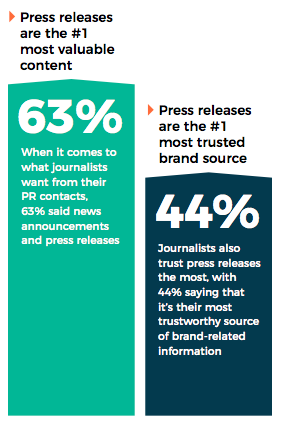
    • Reporters and editors still trust the press release the most.
    • PR professionals are being asked to provide accurate, newsworthy information.*

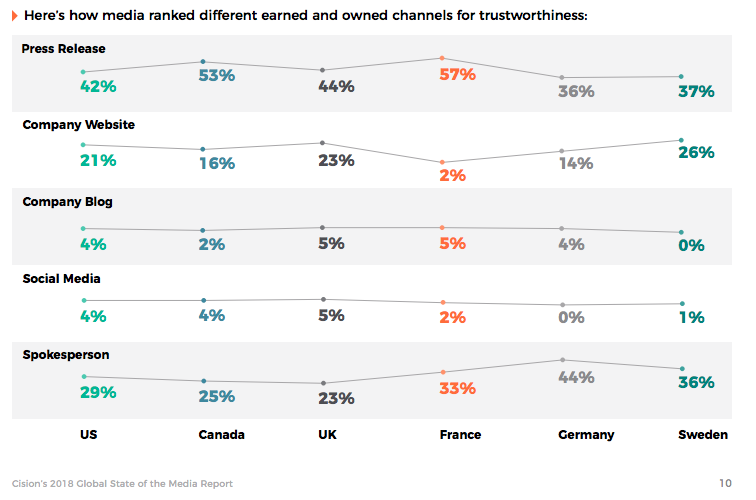
    The most actionable insight for businesses is that “reporters and editors still trust the press release the most”—42% rank press releases as the piece of owned media they trust most for accurate information, followed by 29% for a spokesperson, 21% for a company website, and just 4% each for company blog and social media.

    This was in some way surprising, as, there are so many articles online that reference other news stories. I’m sure you can recall reading something like “…according to a report by The New York Times.” This may be taboo for some publications, so, for your news to be considered as a topic, it’s critical you are publishing press releases for your company news.

    The Best Ways for You to Distribute Press Releases Are:

    1. Publishing on your own website (even if the info lives elsewhere like on your blog)
    2. Distributing through a service like Cision (PRWeb & PRNewsWire)
    3. Sending directly to journalists that have a specific interest in your industry, topic, or business—as the survey says, 27% of journalists say to “tailor the pitch to their beat” (a surprisingly low percentage in this age of personalization).

    SEO & Press Releases Have a Complicated History

    In 2013, with the release of Google’s Penguin algorithm update, there was a lot of chatter in the SEO community about stopping press releases as a link-building tactic. At the time, it was a paid way to generate links back to your site, which is frowned upon. At that time, many services, including PRWeb, changed outbound links to assure they would not penalize your Google rankings (by updating the links to be “nofollow”). Of course, companies continued to publish press releases, especially those who never once thought of PR as an “SEO tactic.”

    In short, take backlinks out of the discussion—distribution of press releases via reputable online sources like Cision is about getting news about your brand out there in a scalable way, which can have a positive downstream impact on your search engine rankings via brand building.

    Tell Me More!

    To fully dive into the State of the Media report, which goes deeper into thoughts on trust and “fake news,” download it from Cision’s website.

    Graphics courtesy of Cision’s State of the Media Report.

    * Key takeaways sourced from Cision’s 2018 State of the Media report.

  • #FreelanceFriday: 8 Essential Skills You Need to Be a Successful Freelancer

    Most people do not fully consider the multi-faceted nature of freelancing before they try their hand at making money online, which is why so many abandon it before ever really getting started. Thankfully, many of the skills needed to be a successful freelancer can be learned or improved upon to help put you in a better position to thrive and prosper.

    So, what kinds of skills are we talking here? In short, freelancers need to be a jack of all trades. Freelancing makes you your own boss at what amounts to essentially a one-person company. And while that sounds great (and it is!), there are a lot of roles to fill within that mini company and only one person (you) to occupy them all.

    1. A Marketable Skill

    This might seem obvious, but first and foremost, you have to possess a certain skill that potential clients are in need of. Writer, graphic designer, photographer, programmer, or whatever it may be, you have to not only harness this skill but also broadcast it and display your proficiency. In the end, freelancing is so much more than this, but it all must start here.

    2. Communication

    Freelancing is all about communication–both giving and receiving. As a freelancer, you have to be able to listen attentively to what clients need and expect from you, while also expressing your ideas and requirements back to clients. You must ask the right questions to get the information you need to complete the job.

    How you communicate is equally important. You should always conduct yourself in a professional and thorough manner. Return calls and emails quickly, make sure you cover all questions and details in your correspondence and read through your emails multiple times before sending.

    3. Project Management

    With freelancing, you are your own supervisor. There is no one above you to keep track of the big picture. You need to be able to manage all the details—big and small—involved in the projects you are working on. Effectively managing your work means you’ll never miss a deadline.

    Thankfully, there are a number of online tools and apps that can help shoulder this responsibility—everything from to-do lists to content managers (Trello, Basecamp, Wrike, and Asana—just to name a few).

    4. Time Management

    Time management is a crucial job skill for everyone, and freelancers are no exception. An extension of project management, you need to be able to allocate your time effectively to prevent working crazy hours and suffering missed deadlines. Avoid over-committing yourself, and gather data to effectively determine estimated time—a good mantra is to always underpromise and overdeliver.

    In a previous blog, we detailed numerous tips on how to improve your time management, including making schedules, estimating time, prioritization, and compartmentalizing.

    5. Finance

    This is one most people seem to struggle with, but it is certainly one of the most vital. Organization and documentation go a long way in helping freelancers keep track of their finances. Most importantly, make sure you are keeping track of income and expenses. You should also develop a way to easily invoice, track progress, and receive payments from clients. You may also want to hone your negotiating skills to avoid getting the short end of the stick in regards to payment.

    And while you might not need an accountant or financial advisor on retainer, reaching out to one every now and then would be beneficial, especially during tax season and during start-up when you setup either as an independent contractor, LLC, or LTD.

    6. Interpersonal and Networking

    The common depiction of a freelancer is someone at home, alone, in their pajamas, hunched over a computer. That stereotype may not need interpersonal skills, but for real freelancers, that is a myth. Freelancers must be able to network both online and offline to develop relationships with current and potential clients, as well as fellow freelancers.

    7. Business Management and Growth

    To establish and grow their business, freelancers must first define goals, both long- and short-term. From there, the right strategies must be implemented to encourage and support that growth. As a solopreneur, business management skills like self-motivation, accountability, and decision-making are crucial. The growth of your freelancing business can be accomplished in many ways, including engaging networks on social media, diversifying your skills, or partnering with other freelancers.

    8. Problem Solving

    Like many of the best workers in any field, good freelancers are often problem solvers. It’s extremely common for unexpected problems to arise over the course of a project, and an experienced freelancer must tackle these problems swiftly and effectively to avoid time loss and more headache. A freelancer who can identify problems, brainstorm possible answers, and execute the chosen solutions will always be in a better position than those who cannot.

    In the end, the more you put into freelancing and improving your skill set, the better and more successful you will be in making money. These are certainly the most important and overarching skills, but anything you can do to improve yourself will benefit you and help you navigate the freelancing game.

    Images:

    Particular Set of Skills

    Silver Linings Playbook


  • 5 Tips for Engaging Email Marketing

    Sending frequent emails isn’t enough. In fact, if your content isn’t thoughtfully developed for your target audience, your hard work can find its way to the spam folder. From collecting email addresses to allowing people to unsubscribe, basic newsletter marketing is required to reach your audience’s inbox. Once you’ve got an interested audience, engagement is the first step to generating conversions.

    Craft a Strong Subject Line

    If your subject line isn’t engaging, the email may not be opened. Your subject line needs to communicate the content of the message clearly. Are you talking about a new product that’s not available anywhere else? Create urgency by emphasizing the timeline on the sale or promotion. From commercials and social media, we all have a basic understanding of how to make a compelling pitch. The challenge is creating an original subject line for each email marketing blast.

    Curious dog using the internet - Search Influence

    Your subject line should attract interest like a BuzzFeed headline, whether it’s describing an upcoming sale or exciting news updates for your stakeholders. Numbers are easy to digest, and they make better use of fewer characters. An email with “5 insider coupons” is more appealing than a vague promise of a special promotion. Similarly, “curiosity gap” is a term for headlines that give just enough information to make readers curious to read the rest of the story. Give the reader just enough information to pique their interest, and they will open the email in search of the answer.

    Create Valuable Content

    Before you put too much work into planning the perfect subject lines, make sure that your email marketing blasts are worth opening. Collect compelling, interesting, and useful information that rewards subscribers who continue to open and read emails. With both your website and email marketing, content is king. Whenever practical, offer special advantages and updates on future events. Are your subscribers offered insider discounts and advanced notice of sales?

    If your email marketing campaign suffers from a high rate of people clicking “unsubscribe,” then you aren’t meeting the expectations of subscribers. Think about the types of content that would most interest your target audience, whether they are interested in regular news about your industry or only occasional updates, presented in a timely manner. Offer special promotions and tips that reward people for continuing to follow along.

    Rotating mobile device - Search Influence

    Optimize for Mobile

    Many viewers will be sorting through their inbox on a smartphone. In fact, mobile devices are where 65 percent of emails are first opened. Those first seconds are critical in determining whether the recipient reads the message, archives it to read later, or deletes it immediately. A complex, information-rich chunk of text may get archived for later, but that’s no guarantee that it won’t be forgotten.

    If you have too many images or a poorly formatted page, you’ve already alienated a lot of potential readers. A modern email marketing campaign needs to leverage a mobile-friendly approach to newsletters, as well as websites. Short lines of text and a fast loading speed are essential. When targeting readers on their mobile devices, try to get them to engage while still on their smartphone. Keep your message short and clear, and quickly convert views into leads with an effective call to action.

    Use Compelling Calls to Action

    What’s your desired outcome for your email marketing campaign? Whether you’re looking to collect more followers, increase website traffic, or turn subscribers into repeat customers, the call to action should reflect your goals. The call to action should have a sense of timely urgency, and it should dovetail with the value offered by your email. Are the readers looking for a coupon or more information about new technology? Direct readers to your website for additional details. Have them call or visit your contact page to use the coupon today.

    Animation of a call to action icon on a mobile device - Search Influence

    Be careful about sounding too gimmicky or cheesy, both with your subject line and your call to action. We’re all familiar with the promotional hyperbole of excited advertisers, promising that this one-time offer is the best thing ever. Try to avoid language like “click here,” which is both overly specific and vague. “Here” doesn’t explain the content or purpose of the page that you want the reader to visit. “Click” places all the emphasis on the first action you want from the viewer. A stronger call to action would focus on the benefits of calling or visiting. Will they learn more about a new service? Will clicking or calling allow them to schedule a free consultation or request a proposal?

    Break Up the Text With Subheadings

    Attention spans are shorter, regardless of whether readers are pausing with their smartphones or relaxing with their laptops. Even a compelling subject line won’t compensate for a large, intimidating block of text. Break up your message into short paragraphs with frequent subheadings. Get conversions instead of TL;DR responses and deletions.

    Like subject lines, subheadings should summarize content in a concise and interesting way. Readers who aren’t interested in the first paragraph may find a later subtopic appealing. Similarly, readers on a tight schedule should be able to skim the page to locate the information most relevant to their needs.

    Email marketing is an effective way to generate leads, but it only works with an engaging message and appropriate formatting. Contact our team to learn more.

    Images:

    Internet Dog

    Mobile CTA

  • #FreelanceFriday: What Freelancers Need to Know Before, During, and After Doing Their Taxes

    This blog is part of our Freelance Friday series, where we discuss everything and anything related to freelancers. For more freelance information, tips, and trends, follow us on Twitter.

    It’s the end of yet another year. Mixed in with all the holiday celebrations is a sense of closure on the past year and the beginning of a new one. Helping bridge the gap between the old and new is everyone’s favorite time of year–tax season!

    Okay, tax season is probably not most people’s favorite time of the year, but it is an extremely important one nonetheless. Everyone who is gainfully employed–including freelancers–are required to pay taxes. And even though Tax Day isn’t until April, you should start preparing for it now (if you haven’t already).

    Determining Your Income

    Most freelancers work with several companies and/or clients, as well as other jobs and side gigs to make ends meet. Before tax season gets started, it’s important to gather all sources of income so that everything is accounted for and reported. Search your desk, your computer, under the couch, and everywhere else for all the receipts and invoices you accumulated throughout the year.

    Taxes are different for everyone, especially freelancers. Freelancing is a unique job in many ways, including major perks like more freedom and flexibility. So, it should come as no surprise that taxes for freelancers is a little different as well.

    Self-Employment Taxes

    The first major thing that sets freelancer taxes apart is the self-employment tax, which covers Social Security, Medicare, and additional state taxes for individuals who work for themselves. This main part of the self-employment tax comes out to 15.3%. 7.65% covers your share of Social Security and Medicare and another 7.65% for the share an employer would normally pay (though you can deduct all or some of the employer portion). Additional state self-employment taxes vary by location.

    Whereas regular wage earners have these taxes withheld from their paycheck, if your independent freelance business generates more than $400 annually, you have to pay this tax during tax season. It is best to plan ahead and set aside some money throughout the year to cover this obligation. This will keep it present in your mind, alleviate pressure, and help eliminate any surprises year after year.

    Paying Estimated Taxes Quarterly

    Paid periodically throughout the taxable year, estimated taxes are fractional payments of your final year-end tax liability that you ultimately responsible for. The payments are required to be paid by specific dates throughout the year (Apr 15, Jun 15, Sept 15, Jan 15) using specific IRS forms. If you fail to make these payments throughout the year, the IRS will tack on late fees to the total you ultimately owe.

    To accurately determine your estimated tax payments, it is crucial that you keep up-to-date and accurate financial records that will allow you to keep an ongoing calculation of your business’ profits. Knowing your profit in any given quarter will help you determine how much you should pay to the IRS for these quarterly payments.

    If you have a full or part-time job where you receive a W-2, you can likely void paying estimated taxes simply by increasing your withholding at that job.

    Necessary Tax Forms

    The main form you will need depends on what kind of freelancer you are. If you freelance as a side gig or as an established LLC, you will report your income and make payment via your annual Form 1040 individual return.

    If your freelance business is on a larger scale than that–such as a structured multiple-member LLC or a corporation–you will need to file a separate return for your business. For example, a partnership return requires a Form 1065, a C-corp needs a Form 1120, and an S-corp return uses a Form 1120S. No matter what federal form you end up using, make sure you to all get the corresponding state forms as well!

    Next up, is your 1099. If you are paid more than $600 from any one client, they are obligated to send you a Form 1099-MISC. Companies are required to provide contract workers with this form by January 31, so that you have plenty of time between then and Tax Day.

    If your freelance payments are sporadic and/or not your main source of income, you can list them under the “Other Income” section of your main tax return. However, if your work is substantial enough to be considered self-employed, you must report this income on a Schedule C attachment to your tax return.

    Itemize and Record Business Expenses

    One of the advantages of being self-employed and having a 1099 is more flexibility with deductions. The IRS guideline for freelancer tax deductions is that expenses must be ordinary and necessary. A good thing to keep in mind is: if you would have purchased something even if you weren’t running a freelance business, it will likely not qualify for a deduction. And remember to always keep those receipts!

    According to TurboTax, freelancers can write off some expenses for: business-related travel and food (up to 50%), office expenses, and required equipment and supplies, as well as continuing education, certifications, registrations, and licensing fees.

    Close out the Year and Start Prepping for the New One

    Being your own boss means making sure things get done. The biggest part of this is making sure you get paid promptly and accurately. Find out who still owes you money and make sure you get it in time for that year’s taxes.

    Another major responsibility is organization, particularly accurate record keeping. If you are scrambling this tax season and in years before, make a commitment to help yourself throughout the year rather than in just the final weeks. Develop a filing system for receipts and invoices (both paper and digital), create spreadsheets to track all work and payments,

    Ask Questions and Get Help

    Freelancing comes with a lot of perks, but the trade-off is that you have to do your own taxes. It can be difficult, time-consuming, and generally overwhelming. Don’t be afraid to ask for help.

    Certified tax preparers and accountants know what needs to be done and how to do it. Take advantage of the offseason to meet with these professionals, because once tax season gets into full swing by February, March, and April their schedule fills up quickly.

    Images:

    Tax Season

    W-2’s, W-9’s 

    Prince John 

  • Repurpose, Recycle, Reuse: How to Extend the Life of Your Content

    Just as nothing on the internet ever truly dies, how a tweet can survive long past its creation and subsequent deletion, or how a web domain created twenty years ago can still exist, albeit in an updated version of its once pixelated visage, your content should never fade into obscurity.

    Sure, you could let your content sit for months or years unchanged, be it a blog or testimonials page on your main site, but you would be missing out on opportunities to take advantage of the dynamic nature of the internet. The internet is not a rigid landscape—far from it. It’s malleable, adjustable, and constantly changing. Your content should align with this adaptability, too. But, how exactly can you do that? By recycling and repurposing your content, that’s how.

    Image Recycling Paper Bin - Search Influence

    What Is Repurposed Content?

    Once you’ve finished that final line of copy and then published your content to your site or blog, there are many different ways that you can keep going from there. Repurposing content is a way in which you can take existing content that you’ve previously published, and transform it into a different type of format.

    For instance, if you notice that an eBook or long form blog post is either receiving a high number of downloads or page views, then an option exists for repurposing that piece of content into any of the following options:

    • SlideShare
    • Podcast
    • Infographic
    • Webinar
    • How to Guide
    • Q&A
    • White Paper

    The choices are nearly limitless since everyone consumes content in so many different ways. Where someone may love to sit down with a 90-page eBook, others may prefer that information read aloud to them through a video webinar. Stagnant organic traffic is a stat that no marketer likes to see. But sometimes, all your content needs is a little refreshing through the lens of another format, a new spin, or a different light.

    Girl Walking Upside Down - Search Influence

    Chances are you already have some well-performing content on your site. Instead of going through the painstaking process of looking at each one and trying to determine if it merits repurposing, look at your specific metrics. Aaron Agius from LouderOnline recommends page views, time on site, and social engagement. One of the nice things about repurposing your content is that it shouldn’t take you an enormous amount of time to achieve. Blogs can be quickly turned into eBooks or white papers, with minimal re-writing, giving you an entirely new form of content that can draw more views. And as we should all know, by the rule of seven, it can take some time before a buyer is willing to make a firm commitment.

    What Are Some Examples of Repurposed Content?

    Blog → SlideShare
    The team at Copyblogger is known for producing quality content that focuses on writing marketing copy for small and large business alike. They took one blog post by Pamela Wilson, “The 3-Step Journey of a Remarkable Piece of Content,” and transformed it into a SlideShare. As of today, that SlideShare has garnered 42k views. While the original blog post is around 750 words, the SlideShare takes about 30 seconds to consume. It pulls the most pertinent information from that blog and gives it to us in an easy-to-digest format.

    Video → Blog
    The team at Moz is well known for their Whiteboard Friday videos spearheaded by Rand Fishkin. Not only do these videos dive into often-complex SEO strategies in a more easily digestible format, but they’re also distributed as blog posts with transcriptions.

    Repurposing your content can also help to alleviate some of your content scheduling stresses, because most of the work has already been done!

    Recycling Boxes Hanging - Search Influence

    Everybody Loves Recycling

    Recycling content is a great way to make sure your content reaches its fullest potential and greatest audience. Not everyone may have seen that blog you shared a few months ago. If you noticed a large spike in organic traffic after the initial posting and are frustrated with a subsequent drop-off then recycle it. Whereas repurposing involved changing your content into a new format, recycling is fairly straightforward.

    ICYMI: In Case You Missed It
    One way to recycle your content may just be the simplest—share it again through your social channels. This is especially true for evergreen content that will always be useful for your viewership. That being said, it’s not quite that simple. You should never be sharing the exact same social post about a blog as you did a few months ago. Ideally, you’ve made an update or change to the blog, as well as the social post itself. Otherwise, you run the risk of looking like you’re trying to package your old post as something new. When posting, consider including an “in case you missed it” (ICYMI) notifier.

    Update Your Content With New Information

    An example of an updated post that was recycled comes from Search Influence Internet Marketing Team Lead Michelle Neuhoff Boyd. Her blog, “What Happened to Facebook’s 20% Grid Tool?” received an update about three months later with new information.

    Say Goodbye To The Grid Update - Search Influence

    This is a great example of a chance to remind your readers of the value of your content. A week before this update went live, the blog received 74 unique page views. The week following the update, it received 139 page views. Throughout the month of the update, it received 366 page views.

    It also capitalized an important aspect of choosing when to recycle content—trending topics. When this is the case, don’t worry about waiting too long to get your content out there. This ensures that it reaches your viewership when they’re most actively talking about a current trend.

    How’s the Traffic Looking?

    Another way to determine what content you should recycle is by looking at what pages are getting traffic. For example, if you have an old blog that is continuing to get a ton of traffic, consider taking a look at it again to see if it can be updated with relevant industry news or updates. This can take an already well-performing piece of content and extend its life even further.

    These are just a few of the many ways that you can repurpose and recycle your content. With so many different formats for content these days, there are scores of opportunities abound. By paying close attention to the metrics of your content and recycling those that once performed well or repurposing them in fresh, novel ways, you can keep your brand’s voice relevant in the ongoing but ephemeral dialogue that is the internet. Have you experimented with repurposing or recycling your content? We’d love to hear about it in the comments below. We’re also happy to give guidance on directing your content so that it reaches more eyes.


    Image Source:

    Recycling Container

    Girl Upside Down – Photo by Tanja Heffner on Unsplash

    Recyclable Paper Boxes – Photo by Jon Moore on Unsplash