Category: Industry Insights

  • Marketing Basics for Animal and Pet Influencers

    Pictures of animals are consistent crowd-pleasers on the internet. Unlike content that’s favored by certain demographics, kittens and puppies (or baby animals of any variety) are universally appreciated by just about all age groups and political alignments. Animals can even be educational, like our cats that explained Google Analytics. Still, with all the competition out there, effective influencer marketing requires more than a cute nose and furry belly. Learn how to make the most of your pet’s presence on social media platforms like Instagram, and how this strategy can even help bigger organizations like zoos engage with their audience.

    1. Keep a Leash on Your Branding

    Once you have a clever name that encapsulates the animal’s personality, decide whether you are aiming for funny, artistic, or educational content. Rather than following every trend and impulse, stick to consistent types of posts. If you have a quality camera and understand the basic rules of composition in photography, then your artistic approach might capture your pet in the best possible light. On the other hand, if your pet is constantly getting into trouble, then documenting messes and misadventures will keep followers entertained. Adapt your strategy to the starring animal’s strengths, and watch which images get the biggest reactions.

    2. Use Captions, Hashtags, & Locations

    Picture captions reward viewers for spending time with each image, and hashtags are a critical part of Instagram and Twitter communities. Creative hashtags add humor, and they’re an opportunity to link your pet’s profile to similar pages or topics. Link your pet to pages with the same breed and the same region. Depending on the size of your town, you can make your city or state part of your pet’s profile, including pictures of your pet at local landmarks. Don’t forget to use Instagram’s location tagging to let users know where your photos were taken. Instagram’s geo-tagging feature makes it really easy to select a nearby location based on your GPS location. And, posts with a location receive 79% more engagement than those without.

    3. Find Your Animal’s Photogenic Side

    If you’re serious about pet marketing, then you’ll need to post nearly every day to keep your audience engaged. Don’t forget to use the “Stories” feature for video updates and behind-the-scenes snippets, and you can even highlight stories in the bio for your pet’s account. On Instagram, your pet’s profile pic should be an endearing headshot that works well as a circular thumbnail. It should be close enough to nearly fill the available space, but it shouldn’t be so close that your pet is hard to identify. A background of a contrasting color is helpful. It also helps if your animal has a distinctive appearance, but an engaging personality is even better. Maru the cat is the Guinness world record holder as the most watched animal on YouTube, and he’s most popular for his awkwardly persistent attempts to fit into tiny boxes.

    4. Make Your Furry Friend a Brand Ambassador

    Zoo animals and business mascots are popular, and they make organizations more relatable. Inundated with advertisements and marketing campaigns, most customers are suspicious of salespeople. Even when a business representative is friendly and helpful, the potential customers are waiting for the sales pitch. A labrador mascot might be motivated by attention and food, but his wagging tail disarms even the most cynical viewer. The customers who meet your cat or dog at the office will appreciate being able to share their antics with friends. Rather than using your furry friend to promote your business, connect them to the values and causes that align with your mission. For a zoo, this could be spreading the word about endangered animals or sharing fun facts about the animal.
    5. Choose a Unique Animal

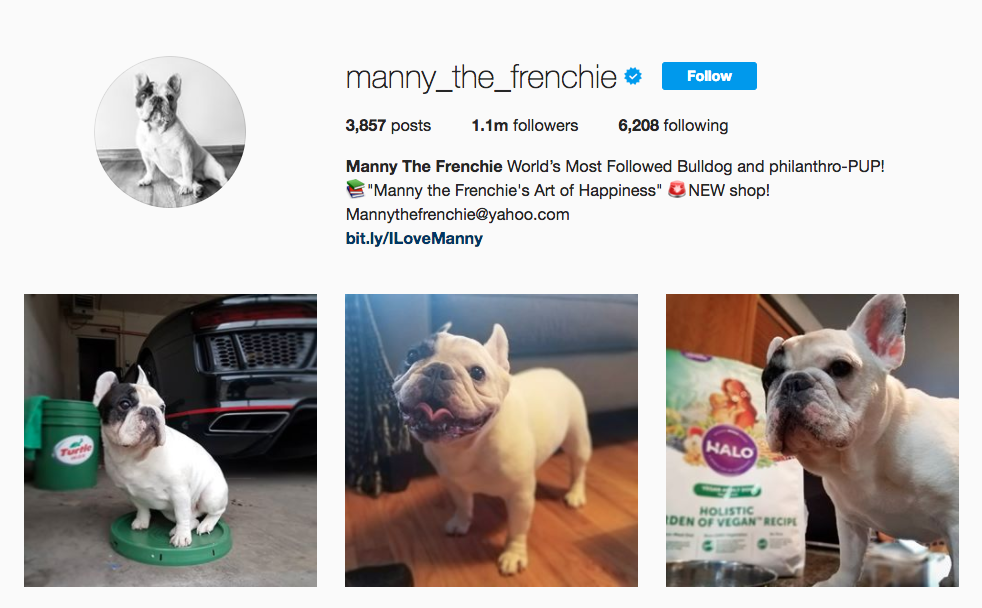
    Zoos and businesses looking for mascots have a wide range of options. A unique species, like an orangutan or llama, makes it easier to stand above the herd. If you already have a personal pet or a dog that regularly comes to the office, then there’s no need to shop for something more exotic. When it comes to animal ownership, it would be irresponsible to get an animal that you don’t have the time or resources to keep for the duration of its life. Businesses in need of a mascot might be able to sponsor an animal at the zoo or find someone in the community who already owns a unique animal. If you’re working with a dog or cat, just try to find the qualities that make your pet unique. Browse through successful pages like Mannie the Frenchie, and you’ll see what it takes to become “the world’s most followed bulldog.”

    6. Avoid Overtly Promotional Posts

    After they reach a certain level of popularity, the owners of influencer pets are often contacted by businesses looking to sell and promote products. Freebies might be offered in exchange for promotional posts showing or mentioning the product. Some owners will be happy accepting free swag, but their more ambitious peers will hold out for paid sponsorship deals. When profiles advertise for every company that sends free swag, they risk alienating their fanbase. The same trap is possible with business mascots that always seem to announce sales and products. Your fans would prefer to see cute pictures, rather than constant sales pitches.

    7. Socialize With Others

    Especially when you’re first getting started, it’s a good idea to seek out profiles with a similar style. First, you’ll need to have a few pictures to establish your brand. Then, you can interact with posts and pages that feature the same breed or deploy a similar sense of humor. That way, people who follow the other page are more likely to notice that there’s a new dog on the scene. With luck, you might even get likes and shares from the leaders in the pack. If you’re still getting the hang of Instagram and other social media platforms, then following successful pages will provide inspiration for how to make the most of the site.

    Developing and curating an animal’s social media channels can require a significant investment of time. It’s important to learn about the community and determine what kind of niche your content can fill. It’s even more important to have fun, both because it makes your enthusiasm infectious, and it helps you avoid producing stale content. If you’re not already familiar with online communities like YouTube and Facebook, consider contracting a company to handle your social media management. Search Influence provides a variety of digital marketing and SEO consulting services.

    We’d be happy to help you design a strategy to effectively promote and strengthen your brand’s presence and following online. Pet influencers are a great alternative to more conventional marketing techniques, and animal content reaches across a diverse spectrum of communities online. Contact the team at Search Influence to get an assessment of your online presence, and we can help you become top dog in your chosen field.

    Images:

    Dog With Shades

    Maru the Cat

  • Five Tips for Creating Customer Advocates for your Tourist Attraction

    When your past customers talk to their friends and family about their vacation, are they likely to recommend your business? Word of mouth is critical for sustainable, long-term business growth, and social media has multiplied the number of connections between people sharing travel advice and reviews. In fact, a recent study from Nielsen found that 92 percent of consumers say they trust brand advocates, including recommendations from friends and family. Here are just a few of the ways to encourage customers to help promote your tourist attraction.

    Spongebob Sqaurepants laughing - Search Influence

    1. Attach Your Brand to a Real Person

    People naturally connect better with human beings, and it’s even better if customers interact with the same face repeatedly. Do you have a secretary or hostess who can orient new customers to your services and their options? Family-run and personality-driven businesses have an easier time identifying their brand with friendly owners and managers, but any business can make itself more relatable by avoiding shortcuts that result in impersonal service.

    Whenever possible, avoid using automated responses and impersonal emails. Over the phone, your business should be represented by a friendly voice. When electronic communication is necessary, try to use the same staff member so that customers have a chance to develop a rapport. By creating that dialogue, you’ll appeal to your audience’s emotional side, which neuroscientific research has linked directly to decision making in the brain. This genuine and friendly first impression is the first step toward creating a lasting customer who can, in turn, become an advocate for your brand among their peers.

    An excited man with a camcorder on a beach - Search Influence

    2. Create Photo-Ready Shareable Experiences

    If you know you’re creating a remarkable in-person experience for your guests, be sure you make it easy for them to translate that into photos, videos, and content online through their social channels. Tour guides and attraction managers know the best locations for group photos, and you can remind parties and couples of the optimal times to take out their cameras. Introverts may be reluctant to ask for someone else to take pictures, but waitresses and tour guides can start the conversation by suggesting a photo op. All of your customers’ friends will be curious to see where the picture was taken.

    Whether it’s a funky statue that’s perfect for a photo op or a contest through your social media platform to get guests to share their best photos in exchange for a gift certificate or branded swag, make sharing fun and interactive. You can even offer free Wi-Fi at your location and post signage with your branded hashtag or social media handles to make it as easy as possible for your guests to share right away and include you in their posts.

    3. Claim Your Online Presence & Stay in Touch Through Social Media

    Speaking of social, don’t forget to continue to foster that relationship with your guests online, even long after they’ve left. One of the most important steps of building customer advocacy is claiming your online presence. Brand your social media platforms with your company logo and beautiful photos of your attraction so that guests will know right away that you’re legitimate. Rather than just trying to promote your business on social media, be sure you also provide helpful information, fun events in the community, and posts that showcase your brand “personality.” When your fans find your posts helpful and relevant, they’re much more likely to share them with their fanbase.

    In addition to the usual social media platforms like Instagram and Facebook, you need to claim your Google My Business page. Since the Google ratings and reviews appear alongside search results, it’s important that your listing is accurate, detailed, and looks professional. This includes checking your hours of operation and adding photos of your attraction so that guests know they’re looking at the right listing.

    4. Collect Emails By Offering Promotions

    Every business is offering membership discounts and promotions these days, and an email signup is an easier alternative to the sometimes cumbersome memberships. When advertising on social media and your website, encourage customers to sign up for future promotions. Potential customers who are still planning their vacation will be interested to see whether special discounts or offers coincide with the time of their planned visit. In the meantime, your well-crafted emails will make sure your attraction isn’t forgotten as they get closer to finalizing plans.

    At the end of their visit, satisfied customers will be interested to see if you offer promotions they can share with friends. By giving email subscribers advanced notice about special events, you make them feel like they have inside information. When they feel like they have a special connection with your business, customers are more likely to advocate for your business. When their friends are visiting the same destination, they’re even more likely to recommend your business because you’ve continued to make a positive impression.

    Amy Poehler in Parks and Recreation saying Please - Search Influence

    5. Ask Nicely

    Just like Google My Business, it’s important to keep track of reviews on all social platforms. Depending on your industry, Yelp or TripAdvisor or another website may be more relevant. Many business owners forget to ask customers for reviews. Unfortunately, the customers who are self-motivated to write reviews are often the ones looking to vent about a negative experience. Happy and satisfied customers rarely feel the need to go through the necessary steps to write a review, but they’re more likely to take the time if someone at your company makes it clear how much their time would be appreciated.

    Whether you’re running a Ferris wheel or a hole-in-the-wall gourmet donut shop, you need customers to spread the word and advocate for your business. Once you’re confident in the quality of your services and products, it becomes a matter of encouraging customers to share their excitement online. The good news is that most of the things that help build advocacy also improve your connection with customers. When you leverage that connection to further improve your business, you can join in the success of tourist attractions that are winning on social media.

    Need help getting started? Learn more about our consulting services to help build a solid reputation for your attraction.

    Images:

    Spongebob

    Camcorder Dad

    Parks and Rec

  • 5 Strategies to Get Guests Talking and Increase Event Attendance

    5 Strategies to Get Guests Talking and Increase Event Attendance

    With the right marketing strategy, your event will be the topic that everyone seems to be discussing. Potential attendees will feel compelled to join in the fun. Millennials have coined a term for this pervasive social anxiety: “FOMO,” for “fear of missing out.” This social enthusiasm is great at motivating that final step for a successful gathering: converting people who are merely aware of the event into participants who actually attend. Whether you’re still sending invitations or collecting RSVPs, every event planner needs to know how to make their big bash the talk of the town.

    Image of Ariel from little mermaid in New Orleans, LA

    Email Marketing

    You know the contact information for your most dedicated fans and colleagues. Give newsletter subscribers and loyal customers the inside scoop, and they’ll be happy to make plans in advance. Include links to any special promotions or contests leading up to the event to help encourage your fans to spread the word and invite friends through social media. And be sure to tease out the event over a few targeted emails, building excitement and revealing new surprises that your customers can’t get enough of.

    Whether it is your regular newsletter or promotional messages for the big event, less is more, especially when it comes to emails. Flooded inboxes are a familiar experience, and many people cull through their incoming mail on a smartphone, further limiting the time and screen space allowed for each message to make its case. When you’re promoting an event, don’t send out too many emails to the same recipients, or you may turn potential attendees into unsubscribers.

    Facebook Promotion

    Facebook events allow you to track RSVPs and disseminate essential information. People need clear details about the time, location, and parking. Facebook makes key logistical information easily accessible, and it also provides a platform for easy promotion. With event marketing on Facebook, you can pay for promotion to get more views and attendees. Even without paying for advertising, you can design posts that encourage engagement. Produce exciting promotional infographics, and your fans will be happy to spread the word.

    Schedule important posts for the early afternoon, preferably from Wednesday to Friday. Those times allow a larger number of active Facebook users to see your posts, and they can still share the news before the weekend. Social media also allows you to gauge enthusiasm and adjust your promotional strategy, depending on which posts get more engagement. Learn more about how social media management can help you find attendees for your big event on Facebook and other platforms.

    Remarketing

    Not everyone who clicks on your page will attend, but people who visit your website and event page have demonstrated interest. Target those undecided visitors with remarketing through Google Display or Facebook Display to remind them about the event and keep it top of mind. This is especially important if your event tickets typically sell closer to your event. As with other forms of targeted advertising, you can put your message in front of local viewers with relevant interests, and you can even filter by age groups and other demographic variables. Remarketing is special because it is tailored to potential guests who have demonstrated a very specific interest.

    Not everyone checks Facebook more than five times a day, and it’s easy to forget about upcoming events. Online advertising provides reminders for converting interested viewers into actual attendees. Even users without a social media presence will still see advertising on search engines and other web page banners.

    Influencer Marketing

    Advertisements are great reminders for upcoming occasions, but trusted online personalities can have an even more profound influence on attendance. Make your gathering popular by getting relevant influencers on board. In some ways, the internet is still a lot like high school, and influencers are the popular kids with a lot of sway over which parties and trends are “cool.”

    Reach out to the internet personalities relevant to your industry and audience, and they may be interested in helping to spread the word. Some influencers are content creators who rely on sponsorship. Others are bloggers who share reviews and news relevant to their followers. Influencers make great VIPs, and they may also be interested in giving away tickets, further spreading the word.

    Social media icons rotating in New Orleans, LA

    Snapchat and Instagram Stories

    If you’re targeting a younger audience, you need to keep up with the latest trends. Snapchat and Instagram allow you to tell a compelling visual story. The week and day of the event, be sure to have someone on staff dedicated to updating your feed with behind-the-scenes videos, live updates, and reactions from attendees. You can even get your influencer to take over your social account during the event to stir more excitement. Publishing a lot of content during the event, and encouraging your guests to do the same, is the best way to jumpstart your marketing and attendance for the following year.

    From underwater welders to teenaged musicians, a surprising range of communities are active on Instagram and Snapchat. If you aren’t sure about the best place to reach your audience, then it’s worth getting professional help. Consulting services can help you determine which outlets are most effective for your industry and target audience, while lead tracking and analytics will help you determine how best to elicit reactions from followers.

    Event marketing is about more than spreading the word. Use your established branding to show how every attendee will have a great time. With the right impression and frequent reminders, your local community will be FOMO-ing all the way to your big day. Whether you’ve booked an exclusive venue or amazing guest speaker, promotion (through advertising or social media) is just a way to spread the exciting news. Once you’ve done the hard work of planning a gathering, FOMO is the natural reaction of people who understand what a great time you have pulled together.

    Have a big event coming up but no time to promote it? Request a proposal to learn how Search Influence can help you succeed.


    Images:

    Social Media Pendulum 

  • Five Surefire Signs Your Online Reputation Needs Work

    A bad reputation is terrible for business, and yet online reputations are difficult for many business owners to fully understand—much less control. When a customer is upset in your restaurant or store, it’s relatively easy for a manager to handle the situation in person. Problems with online branding can be harder to detect than an angry patron. A negative online review might feel less urgent than a disgruntled customer screaming at your employees, but that review may be seen by countless potential customers in the future. An unpopular social media presence is a missed opportunity for cost-effective community engagement, and unpopular websites appear lower in search rankings. Learn how to identify the signs of a reputation problem online and protect the future of your brand.

    Thumbs down key on a keyboard - Search Influence

    1. Your Bounce Rate Is High

    We all do it. You visit a website, but it doesn’t have what you wanted, so you return to the search engine and try elsewhere. When your website has a high bounce rate, it means that people aren’t finding what they wanted. Bounce rate issues are insidious because they erode your online reputation with search engines, but they can be caused by a combination of overlapping factors. Low-quality content can drive up a bounce rate, but so can technical details about website formatting.

    Websites that aren’t responsive or mobile-friendly have a high bounce rate because mobile users are unable to access the content. On the other hand, some sites are difficult to navigate on any device because of unclear menu options and poor organization. The text on a page should be clear and helpful, relevant to the topic at hand. If a link about a specific product directs to a landing page with information about the general industry, then users may decide to search elsewhere. The easiest way to address a high bounce rate is to work with a web designer and content creator to improve the user experience.

    2. There’s an Increase in Negative Reviews

    It’s impossible to please everyone, and some customers always seem to find a reason to be disappointed. Nevertheless, a streak of negative reviews can undermine any online reputation. When negative reviews appear, it is important to address the reviewer’s concern within your company. Accept the feedback as an opportunity to prevent a repeat of the same disappointment.

    When the reviewer’s concerns are being addressed, it sometimes makes sense to reply to the review. Make it a brief and professional response to avoid getting entangled in an argument. As quickly as possible, move the discussion out of the public eye, preferably by providing an email address for further correspondence. Many people are more understanding and open to resolution in direct correspondence, but remember that anything you write in email can still be copied into a public forum. Ultimately, any response to negative reviews is an exercise in damage control. The best solution is prevention, providing such a high quality of service that the positive reviews outnumber negative ones.

    3. Your Social Media Engagement Is Lacking

    Social media marketing is a cost-effective way to interact with customers and build your brand awareness. An inactive Facebook page is a missed opportunity for advertising, and so is a mismanaged page. Excessively promotional posts don’t offer value to your audience and can give a negative impression. If none of your recent posts have any likes, shares, or comments, then your audience is not engaged with your message.

    Rather than only promoting your business, use social media to share other kinds of content as well. Share informational posts about recent news and updates relevant to your industry or community. Include frequent posts that aim primarily to elicit engagement, whether they share a cute animal picture or joke. Depending on what’s appropriate for your industry, you can also post a poll asking for people to voice their preference between popular techniques or theories.

    4. Your Website Is Not Authoritative

    Authoritative websites rank higher on Google, but building authority takes time. One of the most reliable methods for building authority is inbound links. When important, trustworthy websites link to your website, it shows search engines that your content is a trustworthy authority on those subjects. In the early days of search engine optimization, you could improve your ranking by posting links to your website in random blog comments and basically spreading the links as many places as possible. Now, algorithms are smart enough to sort out what is authentic, and will not reward those who take shortcuts to improve their ranking.

    To build authority, invest time into quality content that provides useful information to visitors. Accelerate the authority-building process by getting your business (and website) mentioned in newspapers and trade journals, resources that have already established themselves as reliable. Ultimately, a high quality and helpful website will be shared by people organically as a resource. Your authority will grow as visitors share your page with their friends.

    Rotating image of a person's identity - Search Influence

    5. Your Branding Is Inconsistent

    Inconsistent branding isn’t always as obvious as it sounds. Some companies might change their name while keeping the same website, and then it’s obviously important to go through and eliminate all appearances of the old name. On the other hand, many businesses use a shortened version of their full name in casual conversation. It can be tempting to use the shorter name in website content, making the tone friendly and hospitable, but search engines don’t appreciate that your company’s nickname isn’t an altogether different name. If a search engine thinks your business can’t keep its own name straight, then that’s a sign that the content may not be reliable. Avoid using shortened versions of your name, and make sure to proofread when you’re publishing content and adding your business to online directories.

    To protect and improve your online reputation, talk with a digital marketing consultant. The team at Search Influence has experience managing all the key aspects of your brand’s internet presence.

    Images:

    Changing Identity 

  • WordPress vs Google Sites: Why You Should Be Using WordPress

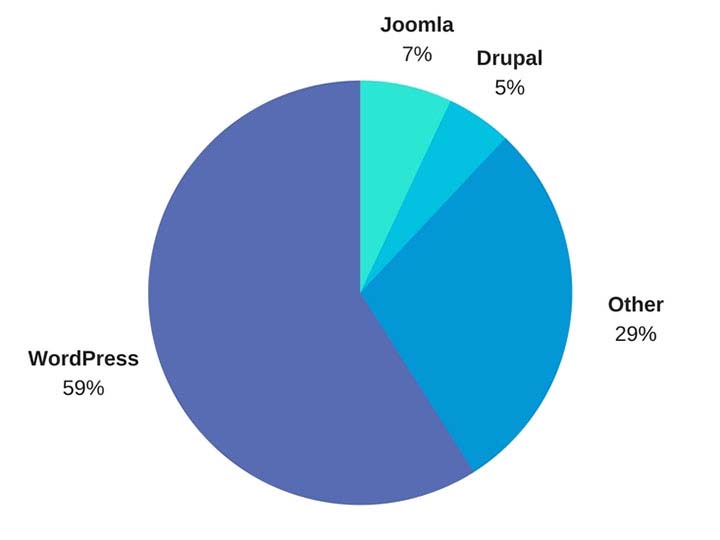
    WordPress is by far the most popular website management system in the world and shows no sign of slowing down at all. What started in 2003 as a PHP and MySQL based open source software has turned into a community of millions of users worldwide that all collaborate to make website management easier and more intuitive. What this means is that all of their site files are available for download at their website for free. Uploading the files to your web server allows you to connect a domain and start using WordPress for your own site. Just one look at this breakdown from Fresh Consulting shows the dominance of WordPress in the CMS market.

    WordPress Market Share represented in a pie graph - Search Influence

    So Why Should I Use WordPress?

    1. It’s Free

    Well, first and foremost, it’s free. As previously outlined, upload the files to a web server and you can work from there. Immediately cutting down on a business cost at the very beginning is always a bonus.

    1. Constantly Updated Options for Themes and Plug-ins

    In addition to that, it is also an insanely popular open source software, which means that millions of users are creating and updating new themes and plugins to help customize your website experience as both an administrator and for users visiting your website. Did I mention it was free?

    1. Easy to Use Editor

    The ease of use of WordPress is also another big selling point of using this platform. For the non-developers out there, WordPress offers a native “what you see is what you get” (WYSIWIG) editor that is easy to use and gives you complete control of the page.

    1. Media Storage & Access

    It also preserves the capability to all sorts of media such as videos, audio clips, and images and has a very convenient file uploader for non-developers who aren’t using an FTP GUI such as Filezilla. This is a convenient way for developers to upload small batches of files that might not necessarily require connecting directly to the server.

    1. For Developers: Open Source Customization

    For the developers, a completely open source code allows complete customization if desired, and easy access to the template files makes minor edits quick and easy. What this means is that if you do happen to have a developer or developers on your team, they won’t necessarily have to struggle and create workarounds in many situations—all of the code is available to them from the beginning. In addition to that, there is also a bustling community of users that create all sorts of templates and plugins that are all open source as well.

    1. WooCommerce for Ecommerce

    Sure, building and creating a website is one thing, but WordPress also offers the WooCommerce plugin, the world’s most popular E-Commerce platform that currently powers 30 percent of the world’s E-Commerce websites. So if your desire is more on the side of selling goods as opposed to brand awareness, then WordPress has you covered there. WooCommerce is free and comes ready to sell right out of the box with loads of free extensions, including one that provides full Google Analytics integration whether you’re using the standard or enhanced Google Analytics E-Commerce. When configured properly, this extension can show detailed data, such as drop off points in your sales funnel.

    woocommerce logo - Search Influence

    WordPress logo - Search Influence

    1. Search Engine Optimization

    Probably the most important feature of WordPress is the Search Engine Optimization (SEO) is a cinch. So easy that Matt Cutts gave them a shoutout in one of his presentations when he was the head of the Web Spam Team at Google. The easiest way to tackle this solution is by adding a free SEO plugin, such as Yoast SEO or All in One SEO, which gives you complete control over your title tags and meta descriptions. Your developer can also easily implement structured data (the code that creates the answers and fancy cards in Google search results) in JSON-LD, which is Google’s preferred format. It’s worth mentioning that some other CMSs don’t play nice with this code and will strip it from your pages. Optimizing your massive images that you may have taken of your business or product with your fancy DSLR camera is an easy task with a plugin like Smush Image Compression and Optimization to help your site maintain its speed, which is something Google definitely cares about dearly.

    How Does WordPress Compare to Other Content Management Systems?

    1. Flexibility

    The “ease of use” selling point for non-developers was originally one of the main selling points of WordPress, but a lot of other Content Management Systems (CMS) are beginning to catch up in that area. Comparatively speaking, a CMS at face value should have a high level of accessibility for people who don’t necessarily know HTML, CSS, JavaScript, PHP, or any other coding languages that are used online. CMSs such as Wix and SquareSpace have begun to gain a lot of steam in recent years, primarily due to large advertising budgets, but still have yet to catch up to the popularity of WordPress. A large part of the continued success of WordPress is the amount of flexibility it offers.

    1. Open Source Software

    As I stated before, WordPress and all of its code is open source, meaning that it is available to the general public. The platform itself is coded in PHP and MySQL, which allows developers to have a field day, creating beautiful templates and all sorts of cool effects that they want for websites. In addition to that, open source code helps create larger communities of users that can help with any sort of idea that you can think of, rather than having to simply rely on WordPress documentation. This community effort leads to a very expansive forum where WordPress users can oftentimes find the answer to any question they may have or join in and offer some unique solutions that they may have come up with.

    A lot of WordPress critics often parrot that a WordPress site isn’t much fresh out of the box, which I personally find to be very disingenuous. SquareSpace and Wix both have a strong selling point for making beautiful websites, while WordPress users see the Twenty Seventeen theme and more than likely cringe at its visage. However, anyone can navigate to the free themes that WordPress offers. After finding one that you like, implementation takes about 5 minutes and 3 clicks of your mouse. This makes it very easy to dispel the myth of all WordPress sites being ugly.

    How Can Other CMSs Be Problematic?

    Here at Search Influence, I’m on the Web Development team where, in coordination with our Account Management team, I implement our proprietary tracking system and on-site optimizations, in addition to the various other projects that may come along. Here are a few instances I’ve found in which other CMSs can present problems.

    1. No Access to Source Code

    Having access to the source code of a website is imperative for accurate implementation of anything on a website. So, it’s safe to say that I’ve come across quite a few issues with some of WordPress’ competitors, which creates abounding frustrations.

    1. Removal of Custom Coding

    One example that I see a lot involves CMSs that strip schema from their web pages, whether it’s coded in JSON-LD or in the microdata format. With Google being very mobile and local-focused, not being able to add structured data to your website means that you’re probably missing out on having your business showing up on the knowledge graph on the right-hand side of the search results. Another quick example would be CMSs that strip title tags and alt text from images. Google uses alt text to determine what an image is and then possibly add it to its image results. The title tags are used for accessibility purposes on the user end.

    Ron Swanson from Parks and Recreation throwing a computer into a dumpster - Search Influence

    1. Lack of a Community

    WordPress has a technically apt community that is generous with their knowledge. In addition to the 50,000+ plugins available, WordPress.com hosts a forum for users with 40,000+ topic threads. It’s hard to match that level of technically sophisticated users available as a resource.

    1. Faulty Built-in Integrations

    Just recently, I was setting up E-Commerce tracking on a SquareSpace site that was using the SquareSpace store. After some searching that took much longer than it would’ve taken to find the solution in the WordPress community, I found that SquareSpace has Google Analytics E-Commerce tracking integrated into their platform. Seems easy enough—drop in the tracking code and let the data flow like a river. After completing a test purchase, my data populated perfectly and I gave myself a pat on the back and wished the client a great campaign.

    Turns out, the integration was completely busted and stopped tracking. I ended up having to set everything up manually. Also, SquareSpace is a pretty poor platform to setup product data and all the other fancy bells and whistles that can be added via Google Analytics. To top that off, I found that the source of the problem is that their storefront uses the classic Google Analytics code, which was officially discontinued in 2012!

    To the contrary, with a WordPress installation, the WooCommerce plugin and the Google Analytics extension can be added to pull all sorts of fancy data, like product data, cart data, dropoff data, etc. The setup for WooCommerce is very clean, and I haven’t had any issues tracking all of the data or the data mysteriously disappearing on me. Even if you don’t have any experience with a particular plugin, the popular plugins have a slew of documentation written by the creators as well as large communities focused on making sure everything works as intended.

    So How Does One Take Advantage of This Powerful Tool?

    Self-Hosted vs. Hosted Through WordPress.com

    WordPress.com does offer its own hosting service, though I will say a business owner should spring for the “business” plan if they plan on hosting through WordPress.com. If not, I highly recommend self-hosting if there is a developer available. Self-hosting truly unlocks the full potential of WordPress, with the ability to completely customize every single aspect of your website. With server access, the possibilities are nearly limitless. Having an open source code that a developer can harness the power of, a community of millions of innovators to back it, and a level of ease that non-developers can take advantage of makes WordPress, in my opinion, the best CMS currently on the market.

    Choosing a CMS platform while either creating a site or updating your old site is very crucial to the success of the website. Getting looped into a poor CMS and linking your domain to it for a year or more may feel like you are stuck with it until your contract is over. But if it’s costing you business, it may be worth the switching cost!

    We’ve helped many businesses transition to WordPress, sometimes keeping the same general feel of their current site design. If this all seems daunting to you, reach out to us for support. We’ll work with you to figure out the best plan of action. Don’t risk missing out on valuable conversions or leads because of the limitations of a clunky CMS that doesn’t allow you to optimize the potential of your website.

    Images:

    WordPress Market Share

    WooCommerce

    WordPress

    Ron Swanson – Computer Trash

  • Drive-thru Walmart Pickup opens in former Whitney Bank, powered by online ordering

    A drive-thru only Walmart Pickup is set to open in a former Whitney Bank in Metairie, LA, immediately outside New Orleans. It’s been a somewhat quiet effort that went largely unnoticed until the location appeared as an option on Walmart.com, stating it’s opening today, January 12, 2018, and as the sign finally went up on the building.
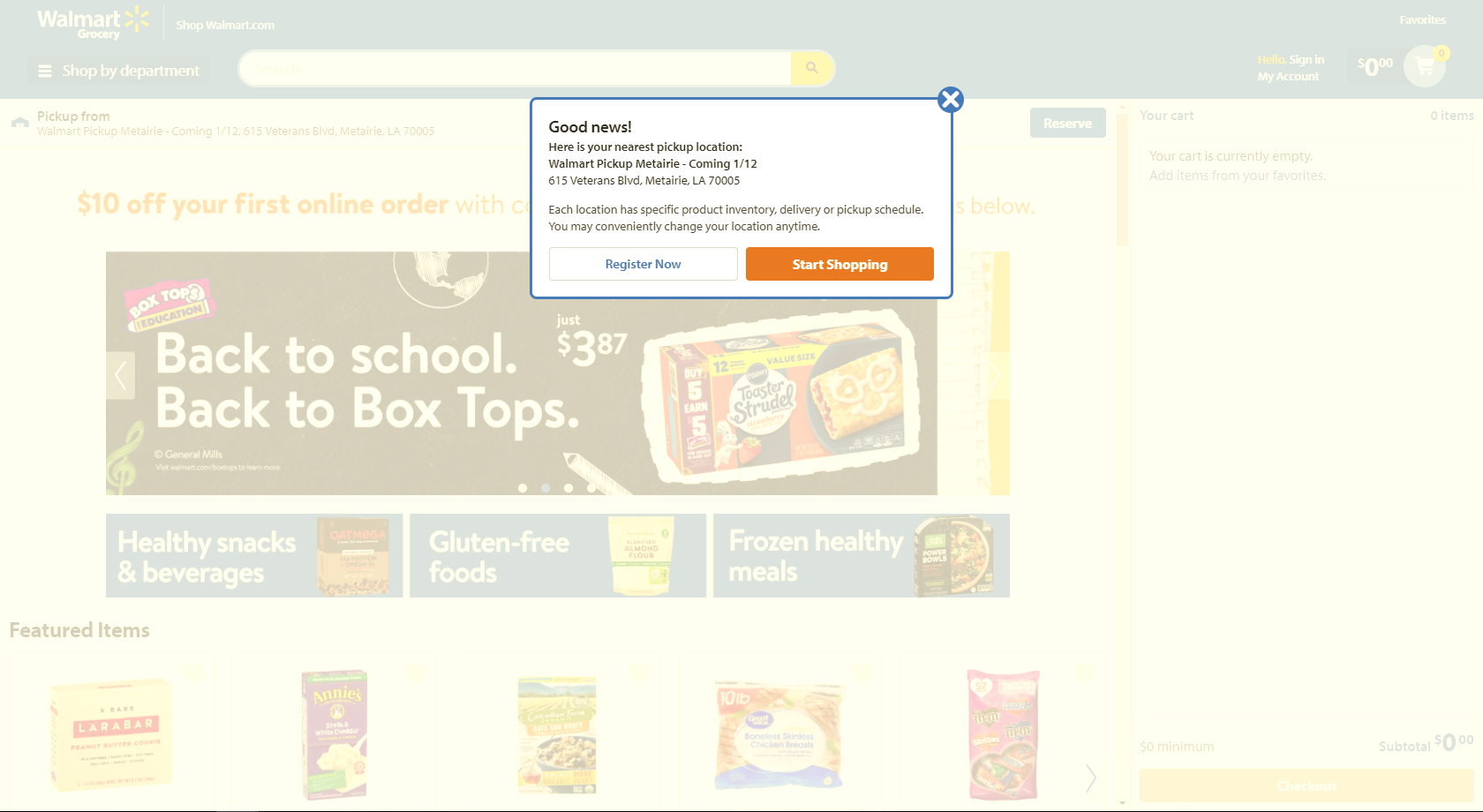
    While many banks have been consolidating locations due to the prominence of online banking, former branches, which of course are conveniently located, present an interesting expansion opportunity for companies like Walmart. This is especially true for the former bank at this site – previously a Whitney Bank location, which is a casualty of the Hancock Whitney merger of 2011, which finally embraced a rebrand and consolidated 20+ locations.

    The drive-thru pickup will be powered by online orders, where, according to a November 2017 Fox8 article, you’ll be able to choose from over 30,000 grocery and toiletry products.

    In 2014, a Forbes article cited this concept as a “head scratcher.” Today, in 2018, this seems like an obvious move for a company competing with Amazon’s incredibly popular free 2-day Prime shipping.

    Why do we care?

    Well, companies like Amazon and Walmart set the standard for the convenience of both online and offline customer experience, to which small and medium sized businesses must pay attention and respond. Many consumers were formerly accustom to calling ahead to a local store or shop to reserve something, and then swing by and pick it up.

    Today, most are looking online first for in-store availability. Stores have begun catering to this convenience to which we have all grown accustom to. A practical example of this comes from Home Malone, a local shop that carries only local artists’ work and goods, advertised an in-store pick up online option this year for the holidays as a way to compete with the ease of online ordering.

    Look forward to a follow up post on ways small and medium sized businesses should be using Amazon and Walmart to improve their customer experience.

  • Your Website Is Yours—Make Sure You Own It

    Imagine you open your dream business with the perfect name, perfect location, great employees at every level, and a great building to host your perfect products. To finish off the grand opening, you hire an outside contractor to do some work for you and you give them all of your keys and tell them to hold on to them even after the work is done and you never ask for them back. This sounds like a silly mistake that is complete hyperbole that no business owner would ever commit. But sadly, this happens every single day when business owners don’t secure their credentials after outsourcing for website creation. Regardless of whether this action was malicious, careless, or just protocol, you stand to lose a lot and have a giant headache if you don’t have proper control of your website and online presence.

    6 questions to ask your website provider

    If your site has yet to launch and you’re reading this right now, you need to take proactive measures to ensure that you have complete control of your website. When a company creates a website for you, they like to use the companies and resources that they like to use. The glitz and glamor of a slick and pretty website can quickly make a business owner forget to ask for administrative access to their own property. Before signing a contract to have a website created for you, make sure you ask the right questions.

    1. Who is hosting my site?

    There are plenty of hosts across the internet, and knowing which one hosts your site is vital if you need to wrest control of your intellectual property. If you forget which one hosts your site, you can search Domaintools, a free domain lookup resource that can tell you which company hosts your domain, unless you opted to pay to have your information hidden. You should also ensure that your email has its own account and is the primary owner of the hosting service. Even if you pay the contractor to complete the necessary setup for you, there is a chance that they’ll add your site to their list of websites that they own. If your relationship fractures, you’re at their mercy. If the contractor chooses not to release your domain, you might have to find a new domain and site.

    Mark Wahlburg Smashing A Computer - Search Influence

    2. What is my server login information?

    Though this may not be relevant to you directly, if you do decide to use a different company for implementing website content, there is a 100% chance that they will at least request this information. Our web developers here at Search Influence, such as myself, utilize this information to create a staging environment for your website. That way we can add all of our changes without altering the live site or disrupting the flow of your website while we work on it. If you don’t have this information but you are the primary owner of your domain and hosting service, you can contact them to receive this information or retrieve it from the backend.

    3. What is my CMS login?

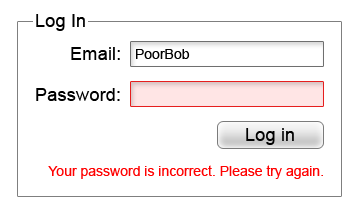
    Incorrect Password Screenshot - Search Influence

    Please—I’m actually begging, please do not sign a contract to purchase a website and not have a login created for yourself where you are the primary owner. With ownership of the CMS, you can easily give another web developer the necessary permissions they need to make any edits to your website. Some website creators may be reluctant to hand this information out or give you the highest level of access since there is the potential to completely take a site down permanently if the user changes some files that are integral for the site to run. Your CMS login may also be called your WordPress, Joomla, Drupal, or Squarespace login.

    4. Do I own my domain name?

    With easy-to-use services such as Namecheap, it is easier than ever to own your own domain even if you don’t plan on building the website yourself. The purchaser of the domain can add it to any profile they so choose. If you don’t have ownership of whatever account the new domain name is attached to, you don’t own your website.

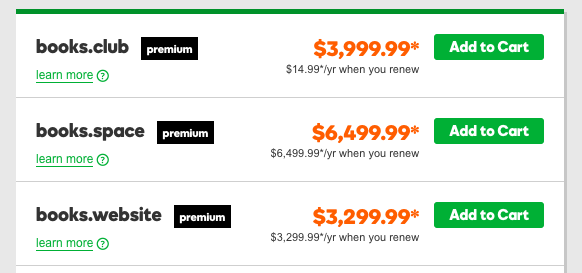
    How Much Popular Sites Go For - Search Influence

    Knowing the potential of how much popular website names can go for, someone that owns your domain can take as much of your money as you’re willing to give them to get it back. Not only that, the likelihood of legal recourse being in your favor is close to none unless you can somehow find a loophole in the contract that is probably ironclad.

    5. Do I own my social media profiles?

    While this doesn’t relate directly to your website itself, this is still in the same vein. Most social media platforms will either have a way to add users as managers on your account, or the company that will handle your online reputation management will have a third party platform that they use to add content to your favorite social media platforms. Facebook, for example, will allow you to add managers to your business account, and managers can write and schedule posts in your steed. As far as social media management platforms are concerned, your social media company will be required to log in, but once will be sufficient unless you decide to change your password. This is very important because the process of re-claiming a social media profile is a very long and drawn out process requiring many different steps of verification. Not my idea of a good time if you ask me.

    6. What about my Google Analytics account?

    Just like everything else outlined here, you will also need to have control of your Google Analytics account. In case you don’t have any tracking on your site, Google Analytics is the popular service offered by Google that allows you to track site visits and a multitude of other metrics. The first rule of Google Analytics is once your historical data is gone, it’s gone forever. If you request Google Analytics to be added to your site for the first time, create the account yourself and then add other users as administrators to take care of the rest. Lunametrics gives a great run down of different views in Google Analytics. At the very least, you should have your own view with completely untouched data, and it should be labeled as such before any marketing company tinkers around with your views.

    Even if you’re past the point of setup, all of these outlined items are necessary to maintain complete control of your website and your online branding. Without it, you could get locked out of your business’ entire online personality. It doesn’t even have to be anything malicious either. Your best friend who is a developer could go on vacation in the Appalachian Mountains and not have access to email. Your nephew who runs your Google Analytics account can get a new phone number and lose access to the Google account and have to wait however long Google decides to verify his identity before you can see the results of your latest paid search campaign.

    If this seems like a huge undertaking, our talented experts at Search Influence have everything you need to get launched properly. In addition to our web development team that is dedicated to the technical performance of your website, every client at Search Influence is assigned a dedicated Account Manager to help you strategize, and even keep your website’s credentials in order. Contact us and request a free digital marketing analysis today.


    Images:

    Mark Wahlberg Computer Smash

  • Diversity in the Workplace: Why Who’s at the Table Matters

    In the corporate landscape, it’s easy to overlook words like diversity or inclusion, which often get tossed out as buzzwords lacking real meaning. But building an inclusive workplace where employees with different backgrounds, viewpoints, and identities can succeed is a benchmark for company success as well. In fact, a 2015 McKinsey report found that ethnically diverse companies are 35 percent more likely to outperform the national industry median and 15 percent more likely to have better financial returns.

    But let’s be real—diversity in the workplace is far from the norm.

    According to the New York Times, there are more male CEOs at S&P 1500 companies named John or David than the total number of female CEOs. And of the CEOs at Fortune 500 companies, only five are African American.

    This issue isn’t just for leadership either. A study from the Society for Human Resource Management found that 41 percent of managers surveyed said they were “too busy” to create structured diversity efforts in the workplace. Even so, more than half of employees surveyed by Glassdoor said they think their companies should be doing more to increase diversity.

    This data shows that there’s immense work to be done. But we can look to companies who have successfully incorporated diversity into their operational ethos as an example for what works—both for the employees and for the bottom line.

    Defining D & I in the Workplace

    Teenagers Young Team Together Cheerful Concept Diversity - Search Influence

    Diversity and inclusion can’t be achieved without first setting a clear definition for what these words mean, how they align with the business’ values and mission, and what systems are in place to create them. Building an inclusive workplace means being accepting and accommodating for gender and race, but also for sexual orientation and identity, religious affiliation, disabilities, age, and even thinking styles or backgrounds.

    By creating a workplace with diversity of thought—as in, collaboration among people with vastly different perspectives and viewpoints to solving problems—organizations can create systemic change. A study from Deloitte found that diversity of thought can help prevent “groupthink,” allowing for more creativity and more thoughtful decision making.

    But how does diversity of thought become a reality in the workplace?

    It Starts at the Top

    If diversity is built into the company ethos, then its leaders should be advocates on the frontline. For example, Arne Sorenson, president of Marriott International, regularly advocates for LGBTQ equality in the workplace. Marriott was ranked #7 on the 2016 Best Workplaces for Diversity list and scored a 100 on HRC’s 2017 Corporate Equality Index. Ethnic minorities make up 64 percent of Marriott’s workforce, with 2.7 percent of employees identifying as LGBTQ. Sorenson has fought for LGBTQ rights publically, even writing an open letter on his LinkedIn account about diversity in government and business.

    You can also include the LGBTQ community at large in your brand’s marketing efforts. Take a look at these ideas.

    Offer Benefits That Enhance Inclusivity

    On an operational level, businesses can also build inclusion into the brand identity by offering benefits that defend their stance on diversity. Rather than just relying on an annual cultural sensitivity class or a blanket statement in the employee handbook on diversity, companies should take a multi-faceted approach that includes diversity in the training, communication methods, and employee benefits.

    For example, AT&T offers Employee Resource Groups (ERGs) and Employee Networks (ENs) connecting over 130,000 members from across the company’s global workforce. The ERGs are nonprofit organizations that support, mentor, and advocate for communities in the company, including ethnic groups, the disabled, women, LGBTQ employees, and military veterans. The ENs are more informal, employee-led initiatives that convene around specific professional development issues.

    Groups like this give a voice to individuals who might feel marginalized and help individuals find common interests—both key for building a culture of inclusivity.

    Other ways to help enforce and validate inclusivity include offering English as a Second Language classes for foreign employees, providing benefits for employees with same-sex partners, and working with other companies that share the same values (or saying no to companies that don’t).

    Make Diversity Measurable

    Think Tank Around Measuring Diversity - Search Influence

    While meeting quotas doesn’t determine your company culture or employee morale, it does make a difference. Including diversity goals in annual reviews for managers and building it into hiring practices can help set the baseline for what diversity really looks like in your company’s daily operations.

    Some companies have even created positions dedicated solely to diversity. Abbott, ranked #10 on DiversityInc’s 2017 Top 50 Companies for Diversity, has a Director of Next Generation Recruitment, Diversity, & Inclusion who focuses on using technology to hire and retain employees with diverse perspectives. While not every company has the budget to devote an entire position to D & I, small businesses can still make diversity part of the recruiting, hiring, and review processes in order to measure success.

    When diversity is measurable, employees feel accountable and empowered to make it a priority. Give employees outlets to share feedback anonymously about the success of diversity initiatives, and be transparent about what is working and where the company can still improve.

    In today’s globalized economy, a diverse workforce can better reflect the needs and wants of a much bigger, much more varied consumer base. By building diversity and inclusion into every facet of your company, you’re building a workforce that is more empowered, innovative, and ready to take on the complex problems of our ever-changing, increasingly-connected world.

    At Search Influence, we realize that we still have a long way to go in order to foster an inclusive and diverse community—especially in the tech industry. Learn some ways we fight for women in the workforce and read more about our company culture.


  • Meet & Greet : Your Buyer Personas and What You Should Know About Them

    When you ask a small business owner what kind of customers they want to attract, it’s not uncommon to get an answer like “everyone” or “anyone who can use our service.” When you’re creating marketing content, however, it’s not often possible to create something that will appeal to every single person on the planet—some people simply won’t be interested. For example, it doesn’t make a lot of sense to try and convince a college-age renter to install a new roof. It’s a more efficient use of your marketing resources to zero-in on people who are most likely going to be your customers. The best way to do this is to create buyer personas. Doing this will help you to define exactly who you are trying to reach.

    Zoolander Who Am I Image - Search Influence

    What is a buyer persona?

    A buyer persona is the Everyman of your customers. It combines all the characteristics your customers have in common and puts them into one fictionalized person who represents your average consumer. The buyer persona is based on real information about your clientele, and it defines their age range, gender, income, common pain-points, and what they’re hoping to get from your product. It also combines your demographics with psychographics to build a buying character that is pretty much human.

    Why are buyer personas important?

    Having a well put-together buyer persona helps two people: you and your potential customer. According to a survey by Rapt Media, 63% of consumers would think more positively about a brand that gave them content they found valuable, interesting, and relevant. Whether you’re reaching out via a direct mail campaign, emails, or Facebook, no one wants to be stalked by content they’re not interested in.

    Wedding Crashers Image Of Gloria Saying I'd Find You - Search Influence

    By focusing your marketing efforts on your buyer persona, you’re ensuring your message gets in front of people who are most likely interested, without alienating those who aren’t.

    At the same time, knowing your buyer persona means you can give your customers exactly what they’re looking for, ensuring they trust you when it’s time to make a decision. For example, if your buyer persona is an on-the-go business traveler who doesn’t want to waste time during the research stage, you can present them with content in an easy to digest infographic. The potential customer is now more likely to engage with your content and come back to you next time they need a problem solved.

    How can I build a persona for my business?

    Your buyer persona should be based on who your real customers actually are. You can do this by directly surveying your current or past customers. Ask them about their background and demographics, as well as more probing questions like how they heard about your product, why they bought it, how they’re using it, and what (if any) difficulties or reservations they’ve had since their purchase.

    Talking directly to your customers is the preferred method, but if you’re not getting enough information, supplement it with searches on sites like Quora and industry forums to see what kinds of information people are seeking. Content Marketing Institute recommends you ask these three questions when searching: 1) What is the first thing my customer thinks of in the morning; 2) What are their last thoughts at night; and 3) Why is this so. The first thoughts they think about will reflect their daily to-dos and frustrations.

    Image Of Titus Telling Kimmy That He Already Did Something Today - Search Influence

    By the end of the day, they’ll start considering the macro level of what they’re doing with their life. The ‘why’ gives context to the first two questions. If you end up getting a couple of different answers for some of the above questions, that’s totally okay. It just means you probably have more than one buyer persona.

    What does a great buyer persona look like?

    A strong buyer persona will read much like a character description from a play or TV show. Describe Olivia Pope from the TV show “Scandal.” What does she do for a living? How old is she? Does she live in a city, the country, or a suburb? East Coast, West Coast, the South, or Midwest? What kind of clothes does she wear and what is her favorite pastime? With her line of work and hobbies, what kind of products would she be most interested in and find to be most helpful? This is a short list, but you get the picture. Buyer personas completely flesh out your customer base, creating what may look like a complete person or personality. The more detailed, the better. The sharper your assessment of your client base, the better targeted your marketing and the more likely you will attract your most likely customer.

    Image Of Scandal's Olivia Pope Saying It's Handled - Search Influence

    Need an expert to help you build your buyer persona? We offer a variety of great services to target your customers and engage them online. For help creating a digital marketing campaign that speaks directly to your potential customers, contact our team!


    Images:

    Zoolander

    Wedding Crashers stalker

    Titus To-Do List

    Olivia Pope

  • How to Preserve Your Online Reputation as a Plastic Surgeon

    We’ve all had it happen. Your small business or practice is reaching customers, connecting with them on social media or through chat on your site, and giving them helpful answers to their questions. It’s natural and supportive, just how it should be. And then, after all that work to build your reputation, someone posts a negative or snide review of your work. This one post, while frustrating to see, could put a damper on your reputation as a skilled, trustworthy plastic surgeon. But let’s face it—there will always be vocal customers. Here’s some advice on how to handle these moments of crises.

    Doctor holding tablet PC talking to patient - Search Influence

    Be Proactive, Not Reactive

    The first step in monitoring how your practice is perceived online is by listening to social channels. An analysis of Facebook, Twitter, and LinkedIn will help you notice what patients are saying about you. This way, you can catch small concerns before they become major headaches. When patients comment on your page, engage with them in a genuine way (even when it’s positive!).

    Also, you and your partners should evaluate some of the top physician-review websites, like yelp.com, vitals.com, and healthgrades.com. While you’re at it, claim your online listings. Managing your online reputation starts by claiming your listings on key online directories and social networks. These directories and networks allow you to share information that presents your practice in the best light.

    Doctor holding out stethoscope - Search Influence

    Make Sure Your Website’s Content Doesn’t Make False Promises

    Even the slightest exaggeration about what a product can do for your patients can be a red flag for Google and a false promise for your patients. Examine your existing content on your site, keeping a keen editing eye for any hard promises for products or treatments, i.e., “Our facelift procedure will turn back years on the clock” or “you will get the results you want.” Promises like these cannot be broadly made for every patient. By being upfront with your patients about expected results, you can limit any confusion, outrage, or dissatisfaction with outcomes.

    Respond Quickly and Politely to Negative Reviews

    Nearly 70% of patients who post negative feedback tend to respond positively if their concerns get noticed and responded to. Be prompt and be professional. If you or your staff make a mistake, it’s best to own up to it and make a genuine apology instead of trying to defend your position. A sincere apology can work wonders in diffusing a delicate situation. Instead of responding with your initial emotional response, remain calm and genuine—remember, everything on the internet never truly goes away, so don’t use a canned response. By staying professional, polite, and personal, you’ll not only help that one patient, but you’ll also show your community that you’re a physician who cares. You’ll also possibly grow your practice by garnering an influx of potential patients. And, when you can, try to take the conversation offline. More often than not, your answer to their complaint won’t be so simple that it can be summed up in one or two sentences. Also, there will likely be patient-specific information that should not be shared online.

    Consider Patient Confidentiality

    If you’re going to be talking about a specific patient on your website or through your social media channels, make sure to get their permission first. This includes instances where you are just uploading their image and not using their words. Facebook posts with pictures receive 53% more likes than those without, but these could put your practice in danger if you never get permission from the client to begin with. Patients should be notified if their image will be used, details of what the image will be used for, its expiration date, and a note detailing the patient’s right to revoke consent before it is signed off by the patient.

    By practicing due diligence on the front end, you’ll save yourself from a mountain of legal trouble and paperwork down the road. For more detailed information about your online presence and patient confidentiality considerations, check out our blog here.

    Use Facebook to Tout Your Expertise and Build Trust

    According to a report done by Search Engine Watch, 33% of people use social media for healthcare information. Also, nearly 90% of respondents aged 18–24 said they would trust medical information shared by others on their social media networks. That’s putting a lot of trust into others for a very integral part of our lives—our health. By making sure you have a strong presence on social media, you add valuable, trusted medical advice in a channel where, far too often, people are given either misleading or false information about how to diagnose and treat medical symptoms.

    Ideally, by continuing to connect with and respond to your patients on platforms like Facebook, you can start to turn them into promoters of your practice, not just patients that visit once or twice a year and then go about their normal routines. You’ll be top of mind when their friends ask about a local clinic to get an injectable filler or a breast augmentation procedure.

    If you’re interested in learning more about how to manage your practice’s online reputation, reach out to Search Influence. One of our experts will be happy to help you develop and keep a healthy online presence in your local community.