Tag: reviews

  • 4 Tips for Managing the Reviews & Reputation of Your Multi-Location Business

    Managing your business’s online presence can help you set yourself apart, especially when it comes to big franchises and multi-location businesses that are often too large to handle things like responding to reviews.

    1. Monitor What’s Being Said About Your Overall Brand

    By using tools that monitor mentions of your brand name online, you can keep a pulse on the overall tone and sentiment customers express about your brand. Social Searcher is a simple, free tool that allows you to track mentions on Facebook, Twitter, and Google+ and to get alerts about the mentions in your email inbox. This can help you reply to feedback about your business that comes in forms other than review platforms like Twitter posts and Facebook statuses.

    2. Address Reviews Both Good and Bad

    Responding to reviews online is important for showing that you are a brand that is active and engaged in your widespread community. It is often assumed that large franchises and multi-location businesses are too big to handle the relatively large amount of feedback they receive. Being able to manage and respond to those reviews is a great way to set yourself apart from your competitors and show concern for and interest in your customers. While it’s much easier to respond to positive reviews, responding to negative reviews gracefully and respectfully can also lead to a greatly improved reputation for your business.

    3. Check Out Industry-Specific Review Sites
    Screenshot 2016-01-12 14.41.33

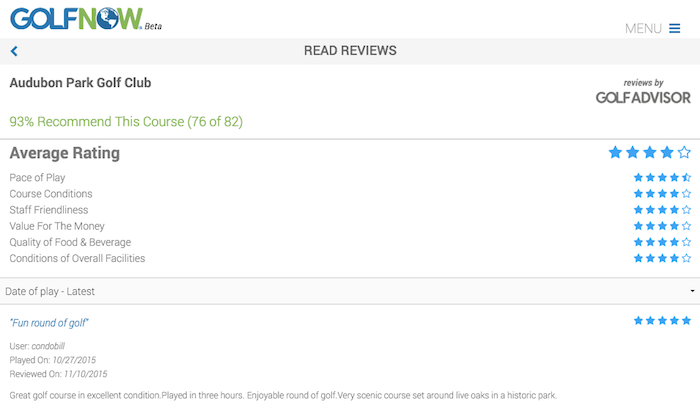
    Some industries have their own niche sites where you’ll find reviews. These are great opportunities for building and understanding your business’s online presence for those who are actively engaged in your industry. For example, GolfNow is a site that helps golfers locate courses all around the US and even internationally. Within each course’s listing, you can also find reviews from golfers that use the site. Another interesting feature of this review site, which can be seen on the Audubon Institute‘s Audubon Park Golf Course listing, is that reviewers who book their golfing experience through GolfNow are shown as “verified,” which gives more authority to the reviews. Having authoritative resources across the web pointing back to your business is also a great way to increase your business’s visibility in search engine results.

    4. Get Creative with Review and Testimonial Opportunities

    Think about what type of engagement your business attracts and try to come up with a way to engage and feature your customers’ feedback on your site. Everyone these days is taking pictures of their food, so restaurants would be smart to feature tags of their food in the form of an Instagram stream on their site using free tools like Instansive. These kinds of tools allow you to generate a code to implement on your website that shows photos from your username or using a unique tag. Similarly, business owners can take note from the clever Donaldson Plastic Surgery. Dr. Donaldson’s patients are proud to share their selfies and testimonial videos on site, so this is a great opportunity to leverage positive reviews for their business in a fun and engaging way.

    Whether you’re a three-location local business or a countrywide franchise, it’s important to maintain control of your online presence. Check out the ways in which Search Influence can help your business grow its presence online on our services page.

    Image Credits:

    Five-Star Image

  • Word of Mouth in the Digital Age: The Importance of Online Reviews

    SmallBusinessWoman

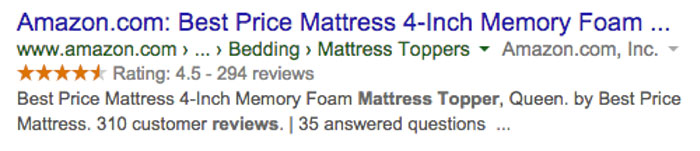
    Having just moved, I’ve spent a lot of my free time shopping on Amazon. From new bathmats to nice wine glasses, a majority of my paychecks have gone towards furnishing my new house. One thing I really needed, though, was a solution to the rock of a mattress that came with the apartment. I needed a mattress topper. Since it was something I would use every night, I wanted the ability to test out the feel of it first. The only negative of Amazon is that you can’t do that. So, whose opinions can I trust other than my own? Fellow customers.

    I spent all night (on the rock) searching through different mattress toppers. I didn’t look at the actual toppers as much as the reviews, though. “This one’s too lumpy,” or “This one smells funny” were the words that guided me to finding the perfect topper. And now, I’m sleeping like a queen, thanks to my fellow customers.

    In this scenario, I was the customer, and the product was the business. I passed up on a lot of toppers that were probably just as good as the one I ended up getting. Having a lot of bad reviews or no reviews at all were the deciding factors for me, and these things can be the deciding factors for whether or not your business succeeds online.

    Consumers Trust Online Reviews Statistic Image

    Why Reviews Matter

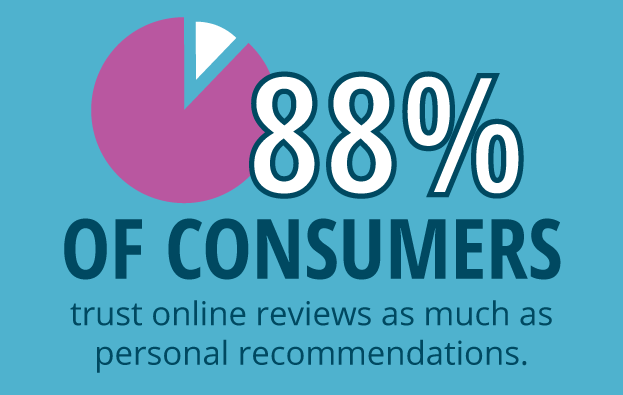
    According to a study done by BrightLocal, “88% of consumers trust online reviews as much as personal recommendations.” Reviews can greatly impact consumer decisions, showing how valuable positive reviews are to local businesses. In the same study, “72% of consumers say that positive reviews make them trust a local business more.” Thus, positive reviews increase conversions.

    Negative reviews can hurt business and prevent a potential customer from converting. However, negative reviews can also be a positive thing. Negative reviews give a business unique insight in the ways they can improve, and they can also help eliminate consumer suspicion if there are too many positive reviews. A study done by Econsultancy found that “68% of consumers trust reviews more when they see both good and bad scores, while 30% suspect censorship or faked reviews when they don’t see anything negative at all.” Overall, businesses should leverage the value of negative reviews by working to enhance their business and improve customer relationships.

    SEO Benefits of Reviews

    Not only do consumer reviews enhance customer experience, but they also provide some SEO benefits:

    • Improving local rankings by showing Google that people are engaging with your brand on third-party sites like Yelp.
    • Adding new content to your site. Search engines like to see unique content being added to a site regularly.
    • Increasing chances of ranking for long-tail keywords. Users reviewing your business tend to use the same terms that other potential customers may use when searching for your business.
      • Add reviews to many pages on the site in order to increase the amount of pages ranking for long-tail terms.
    • Adding schema markup for reviews, which enables rich snippets.

    AmazonReviewScreenshot

    Sources:

    http://searchengineland.com/88-consumers-trust-online-reviews-much-personal-recommendations-195803

    https://www.brightlocal.com/2014/07/01/local-consumer-review-survey-2014/#methods

    https://econsultancy.com/blog/8638-bad-reviews-improve-conversion-by-67

    https://econsultancy.com/blog/9366-ecommerce-consumer-reviews-why-you-need-them-and-how-to-use-them/

  • Your Fortunes Are Written in the Stars (Your Facebook Star Reviews, That Is)

    In a time when smartphones can do everything from tracking down our car keys to acting as a 3D mobile scanner, the modern American consumer is more connected than ever. The Internet lets us share photos with people across the world or down the street, but in addition to sending Snapchats and Facebook messages, people are increasingly looking for opinions and suggestions from their community of savvy fellow consumers, who are often ready and willing to share their thoughts on everything from the best place to eat on date night to the new laptop they just bought on sale.

    Wading through this sea of advice and opinions can be intimidating for a small business—but it’s also necessary. If you’ve ever diligently scoured sites like Yelp or Amazon for information before making a major purchasing decision, you already know that reviews can be powerful. Not only do they give you great feedback about how well your business is doing, but they also share valuable information about the quality of your products and services. And today—now that we’re far from flipping through hard copies of Consumer Reports when researching a purchase—modern Internet users tend to rely on the insights and second opinions provided by their existing online network.

    While online reviews tend to hold more sway among younger generations, a June 2015 study found that 70% of Americans look to review sites before making a major purchase, and another 57% of respondents say that they also seek out recommendations on social media.

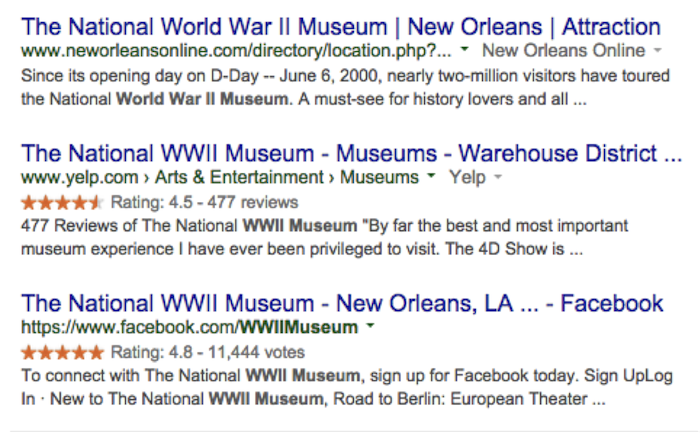
    To that end, it’s more important than ever for businesses to elicit positive reviews across the board. Google has always made it patently simple for Internet users to see the verdict of public opinion on any given product or service at a glance, thanks to a display of five-star reviews that act as a visual guide in the search engine results pages. Without even clicking on a link, searchers have the opportunity to learn how well a product or service has been received by the online community.

    In the past, major review sites like Google+, TripAdvisor, and Yelp have all been prominent sources for this type of information, and the most recent site to join their ranks is Facebook.

    Facebook Star Reviews Image Search Influence

    These five-star reviews show up near the top of the search engine results for brand-name searches, but they also occasionally turn up in broader searches as well.

    This is good news for businesses. Internet users tend to prefer leaving reviews on Facebook over other review sites, showing a preference for giving feedback on Google+, Facebook, and Yelp—in that order. Facebook has the added benefit of a strong user base, since most of your customers are likely to already have Facebook logins and reviews are quick and easy to post. In addition, Facebook reviews don’t get filtered like Yelp reviews do.

    In the past, we’ve recommended building up your business’s credibility by getting reviews in multiple places, and it’s worth restating: Google+, Yelp, Yahoo, Facebook, Twitter, and similar sites are all essential when it comes to showing off the quality of your products and services to as many potential customers as possible. And Google’s new update means that if you haven’t yet gotten a toehold in the Facebook review arena, it’s probably a good idea to work it into your long-term reviews strategy for a dose of extra visibility on search engine results pages.

    If your review game is not strong or you’re worried about your online reputation, don’t fret. Check out our tips for handling reviews, and let us know how we can help!

  • Don’t Give a Dang About a Bad Reputation: I’ve Got No Online Reputation

    Don’t Give a Dang About a Bad Reputation: I’ve Got No Online Reputation

    Reviews are essential to a successful business. Bad reviews can make or break a long-established business or a fledgling one. Companies have even sprung up to help combat bad online reputations. But what of the companies that have little or no online reputation at all? This scenario can be just as detrimental to a business. In fact, there are many websites that can help businesses drive customers to write online reviews:

    Reputation.com

    • PRO: Along with many other reputation management services, Reputation.com offers in-depth review-garnering solutions. Services range from very hands-off on the part of the business or very hands-on. The very hands-off approach offers the ability to send out emails that can be customized with customer names, employee names, and business logos. It also offers an in-store review option that customers can fill out immediately after a purchase or visit. The online management part of this site gives in-depth analytics of the reviews garnered through its services as well as pre-existing reviews.
    • CON: Review management is just part of Reputation.com’s many services. If you already have search engine optimization services for your business, you might be getting more than what you really need to pay for.

    Chatmeter

    • PRO: Chatmeter monitors any reviews a business may receive online on various websites, and it gives daily updates so business owners can quickly respond to both positive and negative reviews. With constant interaction, customers can see that the business is active and working positively to improve its customer service. This site also gives in-depth analysis of the reviews received so a business owner can see if the reviews are trending positive or negative. Chatmeter also offers the ability to monitor competitors’ reviews and gives insight on what competitors are doing right.
    • CON: Chatmeter does not offer the ability to reach out to customers directly from the tool. The business must work on garnering reviews through strictly organic means, which can be a slow-moving process.

    Get 5 Stars

    • PRO: Get 5 Stars is strictly a review management tool. The tool can be used to monitor existing reviews as well as send out requests for new reviews from customers. This creates a survey for customers to fill out with differing results depending on the type of review. Bad reviews can be managed before they hit any other websites. Good reviewers can be asked to review on any number of sites or to have their review published directly to the company’s website. This tool also offers in-depth analytics to see open rates, success rates, and any problem areas that might be initially overlooked.
    • CON: This tool requires a way to collect customer emails, which can be difficult if the business does not have a storefront that customers frequent.

    These are just a few of the many ways a business can monitor a fledgling online reputation. Online review management coincides closely with local SEO, since a business needs a presence online before it can build a reputation.

    Image sources:

    Haters Gonna Hate GIF


  • Amazon Has a House Party, and Your Local Business Needs an Invite

    Amazon Home Services Map Image - Search Influence

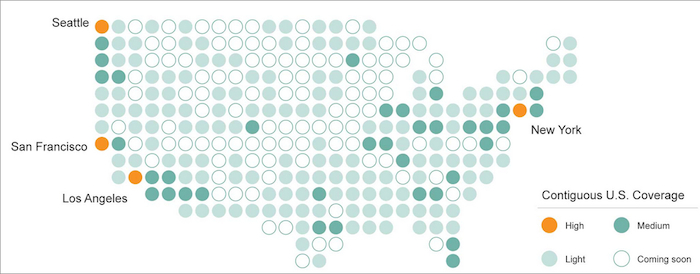
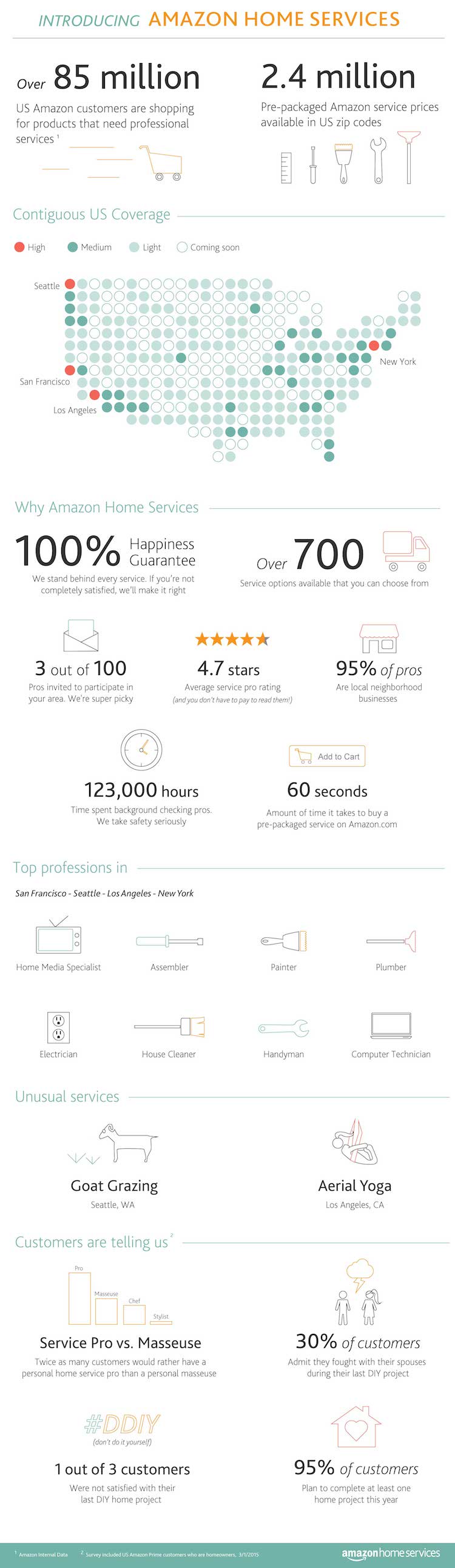
    To compete with Angie’s List, Craigslist, Yelp, Home Advisor and other marketplaces, Amazon has recently launched its own marketplace called Amazon Home Services.

    What makes this platform different from the others? How could it help you, as a local business, with an increase in leads and improved Google rankings?

    Amazon has its own ecosystem: loyal customers and Amazon Prime members. Being a part of this ecosystem means being exposed to 85 million potential customers. “In less than 60 seconds, customers can now browse, purchase and schedule hundreds of professional services from wall mounting a new TV to installing a new garbage disposal to house cleaning, directly on Amazon.com,” according to the company’s recent press release. And your business can be a part of it.

    In contrast to Google, which ranks services in terms of the most accurate answer to the searcher’s query, Amazon ranks services in terms of what product the searcher is most likely to buy. This functionality is easier for small businesses. Indeed, Amazon’s algorithm will automatically show the best service to match what the searcher is looking for. In other words, when a searcher is looking for a television on Google, the result will include everything in relation to televisions except a list of local services, while Amazon will include all the repairs/installation services related to a television based on the searcher’s geolocation. That is why it will potentially make it easier for small businesses to rank on Amazon. But there is a catch: to be part of that ecosystem, you need to be invited by Amazon.

    So how can you get invited? First, you need to have a strong Web presence, a good strategy for displaying information about your services, a good reputation and finally, great online reviews from your customers. (But really, you’d want all of these things anyway.) On top of that, you need to be licensed and insured.

    Are you ready to apply? Don’t jump to it too fast! Google just announced it is going to open its own marketplace for local businesses, which means more visibility for you as well as more leads, since most people search on Google.

    Amazon Home Services Image - Search Influence

    Image sources:

    Amazon Home Services infographic

    Amazon Home Services map

  • How Your Online Presence Wins and Loses Cosmetic Patients [Download Free Guide]

    Online Medical Presence Guide Image - Search Influence

    Download the Free Guide

    Want tips, stats, and strategies about how to take charge of your practice’s online presence? Fill out the form below to download the free guide, “Attracting Patients by Proactively Managing Your Online Reputation.”

    Consider this: one person wrote a negative online review for a plastic surgeon. In the next few months, the practice’s online leads and Internet referrals mysteriously plummeted by 28 percent. Coincidence? Don’t bet on it. Even if that single negative online review only contributed to the decrease, that drop in leads translated to the loss of literally hundreds of potential customers.

    If you think your practice’s online presence doesn’t have the power to attract—or repel—patients, think again. For physicians in the cosmetic medicine industry—whether plastic surgery, dermatology, or even cosmetic dentistry—a practice’s online presence is a powerful tool. And if it is left uncultivated, it can be dangerous.

    Search Influence details this pressing issue and its real-world implications for your cosmetic medical practice in a new guide, “Attracting Patients by Proactively Managing Your Online Reputation,” available to download for free by filling out the form below. The guide was produced with input from Richard M. Escoffery, an attorney with the law firm Elarbee, Thompson, Sapp & Wilson, LLP.

    Patient Reviews … Haunting or Rewarding?

    In the digital era of online marketing, even when a cosmetic surgeon is heavily recommended by a friend, coworker, or family member, 94 percent of people still take to the Internet to perform secondary online research before making a commitment, according to our free online guide. What’s even more astounding is that 72 percent of all consumers give an online review the same weight and credibility as a personal recommendation, the guide reports.

    For example, here’s a general view of how customers typically find many plastic surgery practices online by using organic (or free) search methods:

    1. Potential patients research the procedure they want.
    2. They research the cosmetic and plastic surgeons in their area, usually looking through numerous review sites.
    3. They start searching for their surgeon of interest by name, which is often termed a “branded organic search” in the online world.

    Paging Dr. Google

    Yes, this means patients are “googling” the cosmetic procedures you offer and your practice. How high a practice’s site ranks on search engines has a lot to do with the amount of website traffic the practice receives. And the very first search result in a Google search typically receives a third of the traffic share. Having your practice show up as a top search result for targeted keywords ranging from “breast augmentation” to “tummy tuck” takes not only cultivation, but also online marketing expertise.

    In the free “Attracting Patients by Proactively Managing Your Online Reputation” guide, you’ll find more important takeaways. For example, Google and other search engines give higher ranking to such sites as Angie’s List, Yelp, RateMDs, and the like. These sites not only perch atop search engine rankings due to Google’s algorithm updates, but they also often feature regularly updated content, which, in search engine terms, is an important indication of reliability.

    In other words, patient or customer review sites have all the makings of a search-engine friendly site. So, negative online comments and an uncultivated online presence can literally tank a practice’s website traffic.

    Get a FREE guide & take charge of your online presence

  • 6 Methods For Healthcare Providers To Turn Great Service Into Great Reviews

    As society continues to evolve into a highly mobile culture, we see how heavily online reviews influence the selection of a practice or practitioner. In fact, among patients who look for online reviews of doctors, an estimated one-third reported choosing a physician based on good ratings, according to a national survey published in the Journal of the American Medical Association. Most people trust an online review just as much as they trust a personal referral from a close friend or family member. Maintaining a positive online reputation is essential, because while your healthcare practice cannot control what patients write, you can control your response to their reviews.

    People Hate Us On Yelp Image - Search Influence

    The medical industry is highly competitive, so the more positive reviews your business obtains, the more likely it is that your business will be found online. The success of your business heavily weighs on online reviews, so you’ll need to learn how to effectively ask for reviews from your customers. Here are six methods to encourage your customers to leave reviews.

    Make Writing Reviews Simple For Everyone

    Most people, unless they have a negative experience to share, will not make the extra effort to leave your practice a review. You need to make it as easy as possible for your patients to leave a review for your company, and you can do this by adding links to your review profiles in multiple places, such as in a follow-up email, on a thank-you page, etc.

    Get Listed On The Top Business Review Sites

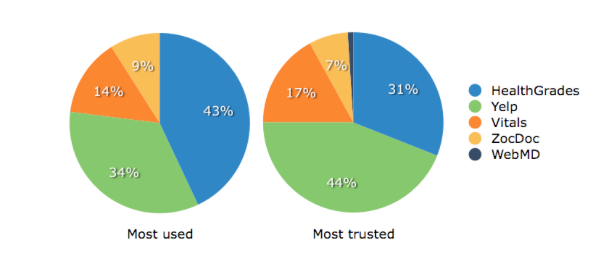
    Everyone has their preferred review sites, so it is necessary to have a strong online presence across the most popular ones. All profiles and listings need to be consistent and include as much current information about the practice as you can squeeze in (photos, certifications, awards, degrees, etc.).

    Business Review Sites For Health Industry Pie Charts Image - Search Influence

    Healthcare providers should have a listing on the following directories:

    1. Yelp
    2. Healthgrades
    3. Google+ Local
    4. Vitals
    5. RealSelf
    6. RateMDs
    7. Facebook
    8. Twitter
    9. LinkedIn

    Ask customers to leave a review on their favorite site—never pressure them to write reviews on multiple sites.

    Be Genuine While Asking For Reviews

    Let your customers know that you would appreciate it if they could take a few moments of their time to share their experience on one of your company’s review sites, as their opinion matters not only to the company, but also to other customers. You can do this by saying something as simple as, “Do you read online reviews? We do, and so do other customers. That’s why we’d love it if you would take a few moments to review your experience.” Just be honest; the worst answer you will get is a “no.”

    Never Pressure A Patient For Reviews

    You should always request that patients rate their experiences, but never make them feel pressured to leave a review. Even if a customer is extremely satisfied with your services, writing an online review may be the last thing on their mind. However, if a client had a great experience with your business, they will probably be happy to share their thoughts when prompted. The best approach is to simply ask your most satisfied customers to add their positive feedback to one of your business review sites.

    Consider Your Customers

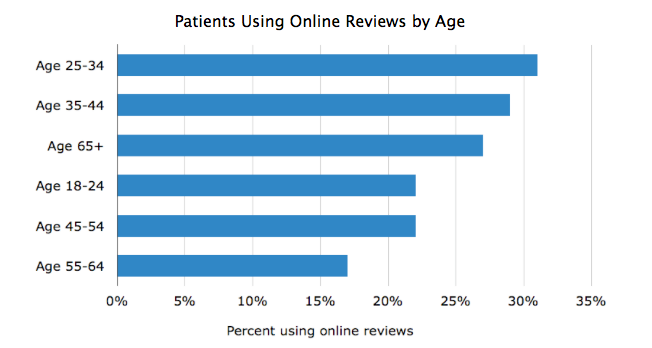
    If your customers are millennials, consider yourself lucky! Most millennials are already comfortable with sites that allow users to share experiences online, and they will likely be happy to share their thoughts on your business without much prompting. Bombarding customers under the age of 25 with requests to post a review will probably push them away. However, if you have older or less social media-savvy customers, they may require direct prompting.

    Software Advice, a company that reviews practice management software, conducted a study to better understand online reviews and the processes of researching and writing these reviews. This study found that the largest age group of patients using online reviews ranges from ages 25–34, with males being 25% more likely to leave a review than females.

    Alt Text - Percent Of Patients Using Online Reviews By Age Bar Graph Image - Search Influence

    Don’t Ignore Negative Reviews

    While your overall goal is to gather good reviews, unsatisfied reviewers will inevitably make their way online to air their bad experiences. Bad reviews aren’t necessarily a business-killer; it’s how you handle the negative review or situation that defines the impact it will have on your business.

    Take note of negative reviews and respond to the criticism in a non-defensive manner. This can be done with a standard, generic reply that thanks the reviewer for the comment. Always ask the complaining patient to contact you directly so that you can further resolve his or her dissatisfaction offline.

    Take a negative review as an opportunity to better your customer service and your facility. Many negative patient reviews involve simple issues that can easily be resolved: long waiting times, issues with billing practices, lack of parking spaces, etc. If your complaints are targeting things that can easily be fixed, take advantage of this useful feedback to better your practice.

    Provide And Deliver Top-Quality Customer Service

    At the end of the day, the best path to having great reviews is to offer a great product and customer experience. If you’re doing everything you can to create a remarkable experience for your customers, there’s no harm in reminding them about the importance of sharing reviews.

    Image Sources:

    Most Used and Most Trusted Reviews Chart and Patients Using Online Reviews By Age Graph

    People Hate Us on Yelp


  • New York Hotel Fines $500 For Negative Online Reviews. How Can They Fix It?

    500fineA Hudson, NY hotel has a perplexing way of dealing with bad reviews. According to Page Six, instead of using bad reviews as constructive criticism, the hotel charges wedding couples $500 for each bad review their guests post online.
    “Please know that despite the fact that wedding couples love Hudson and our inn, your friends and families may not,” reads an online policy. “If you have booked the inn for a wedding, or other type of event . . . and given us a deposit of any kind . . . there will be a $500 fine that will be deducted from your deposit for every negative review . . . placed on any Internet site by anyone in your party.”

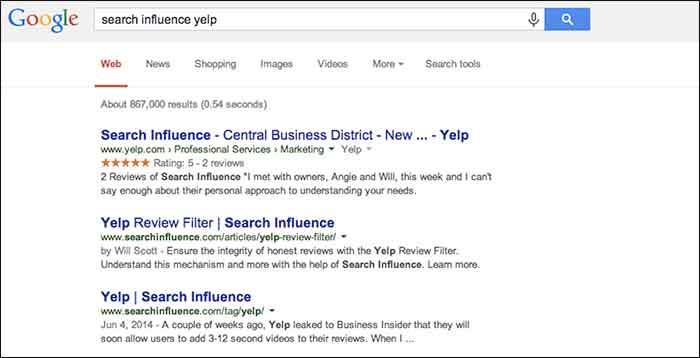
    As expected, this caused the Internet to go into a frenzy. The day the story broke, the company’s Yelp page was flooded with over 500 bad reviews causing their review rating to plummet.

    Since Yelp recently received a well-deserved boost from Google in their search results, Yelp reviews can significantly help or hinder a business.

    Here are a few ways you can handle bad reviews without charging a $500 fine:

    1. Respond to good and bad reviews:

    Respond to all reviews, especially if they are asking a question or expressing a concern. When people take time out of their day to review your business, they like to be recognized. Responding to reviews lets consumers know that you care about your customers.

    2. Strive to be great at what you do:

    If you provide an all around excellent experience, you will get great Yelp reviews. It’s that simple!

    3. Calmly address the Reviewer’s Issues:

    When addressing a bad review remain polite and respectful. The reviewer is someone that gave your establishment a try and wasn’t happy with their experience for whatever reason. Hear this person out. If you respond in a negative way, it only makes your business look bad to other consumers. Not only can you ruin the chance of the reviewer changing their review or revisiting your establishment, this can also cause you to lose potential customers who choose businesses based on online reviews.

    4. Offer a remedy:

    If you think there is a way to rectify the situation, try to offer the person an incentive to come back. Send a private message that includes a coupon for a free milkshake or discounted service. Yelp users can use the update function to change their initial review. Everyone likes to feel that his or her opinion matters, so feeding a disgruntled user’s ego can sometimes quell the fury, and may lead them to reconsider their initial opinion of you.

    5. Bad reviews should be used as constructive criticism

    Never take a bad review personal. Bad reviews that are rational and deserved are not completely a bad thing. Use that negative review as a way to improve your business. Once you have fixed an issue or improved your business based on critiques, let the Yelp community know. They will be happy to know that their concerns matter and that you are listening.

    SIyelpSearchImage

  • Getting Hands On With The New Google My Business

    Today, Google launched Google My Business. This new, more intuitive Google Places serves as a one stop shop for small businesses to do the normal Google Places work like updating business info, adding photos, connecting with customers through Google Plus posting, and staying on top of reviews. They also launched an Android app for managing Business Tools on the go (with the promise of an iOS app launching soon). Watch Google’s introductory video to Google My Business here.

    Changes For Users New and Old

    All new businesses to Google will start in Google My Business. As for current Google Places users, a blog post from Google earlier today said, “We’re also upgrading current users of Places for Business and the Google+ Dashboard to this new experience.” For those who just sat through and are still cleaning up the mess that was the upgrade to the new Google Places, don’t worry! You won’t have to go searching for which dashboard your listings are in or anything like that. It seems that Google My Business is a mostly superficial change that has already happened and just means a newer looking dashboard and a few extra features and controls (like easy access to Youtube, AdWords, and Analytics).

    Google My Business, Game Of Thrones Gif - Search Influence

    Quick & Easy Editing

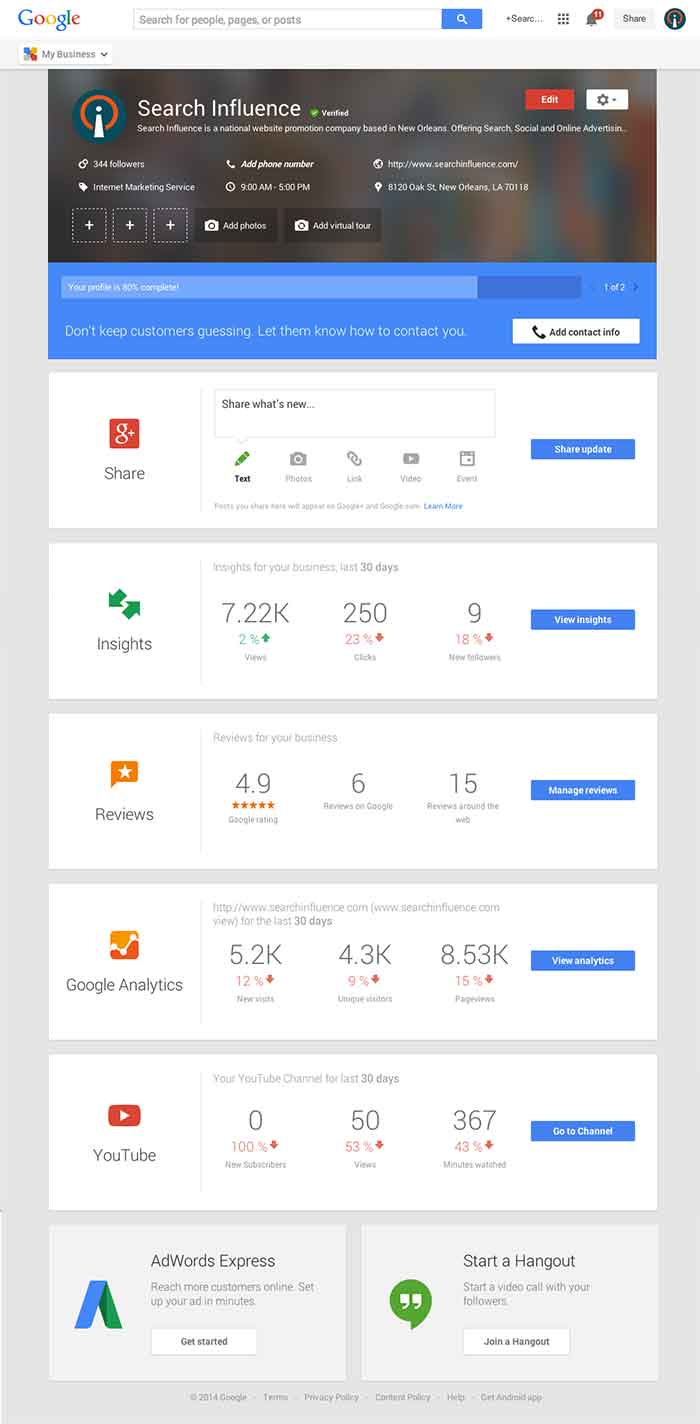
    These new features are pretty awesome. From your dashboard, first you’ll see the area for easily managing the individual aspects of your primary business information where previously you would have navigated through an “Edit Business Details” button. Connected to the bottom of this dialogue, there will be a blue box that allows you to edit the business information needed to get your profile to 100% complete. Google My Business has succeeded in using minor dashboard edits to make major usability improvements.

    Google My Business Dashboard Image - Search Influence

    Streamlined Sharing

    The next box is a basic G+ Share box for social posting to your business page. Share texts, photos, links, videos, and events easily all from one location. Side note: I recently found out, thanks to a post from Mike Blumenthal, that there is now an easy way to connect your business’ brand page to a location. So, if you have been posting socially from a Google Plus brand page for your business, you can now easily transfer that engagement into your verified local page.

    Google My Business Insights Tool Image - Search Influence  Google My Business Insights Followers Image - Search Influence

    New Data & Graphs

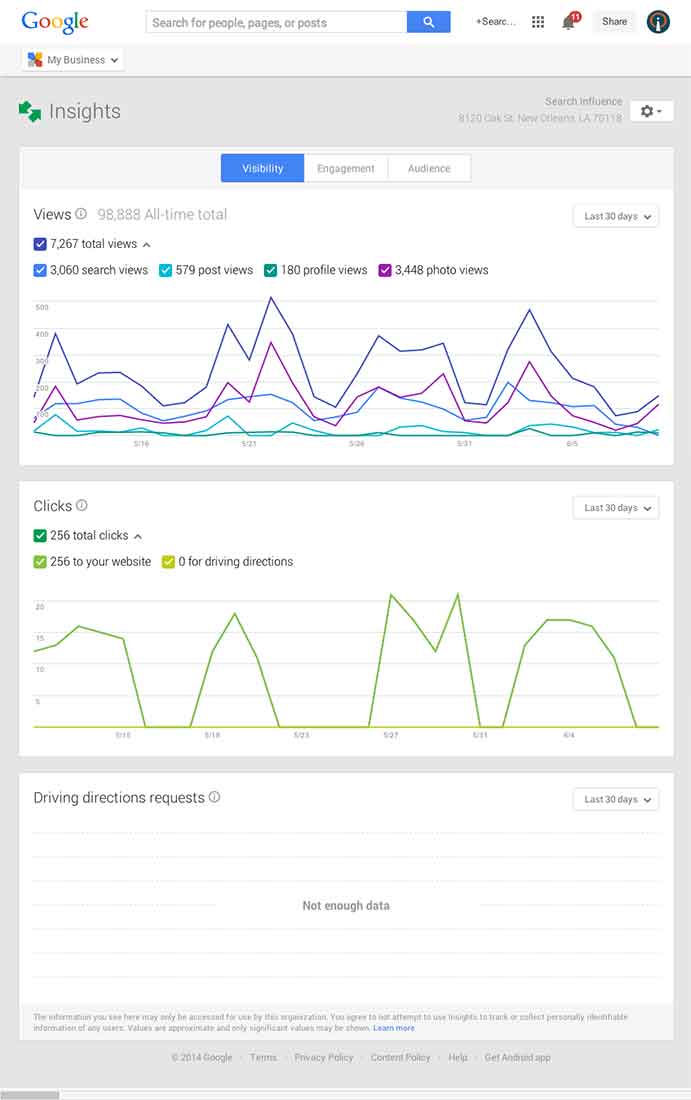
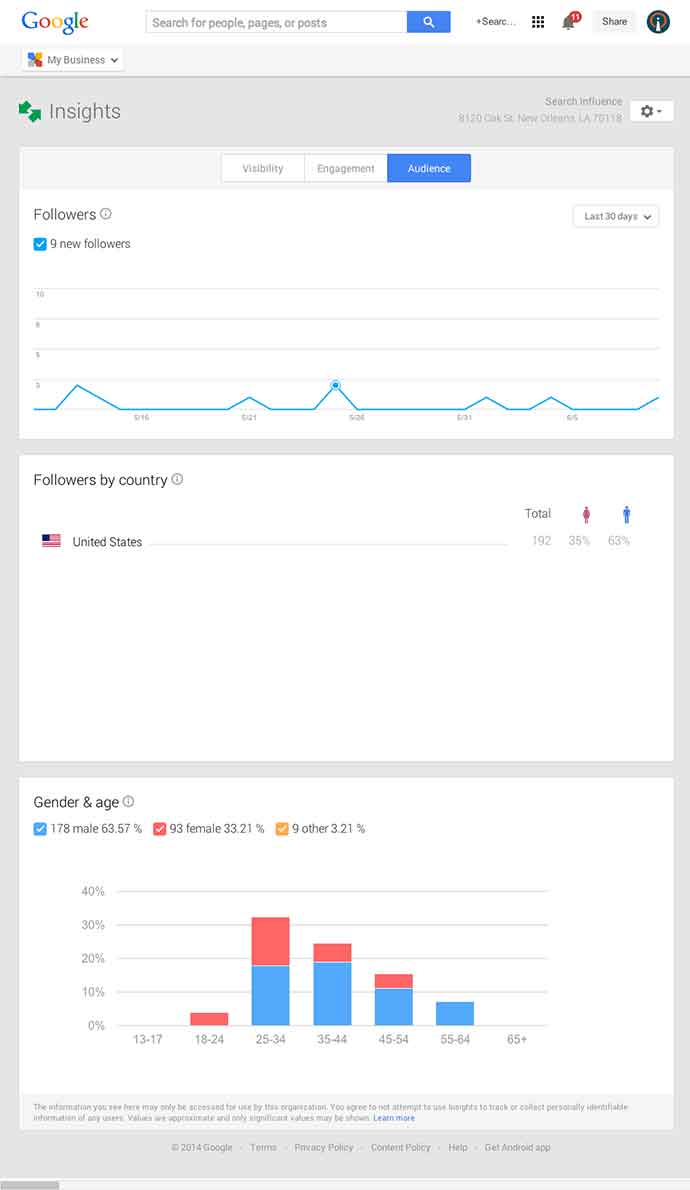
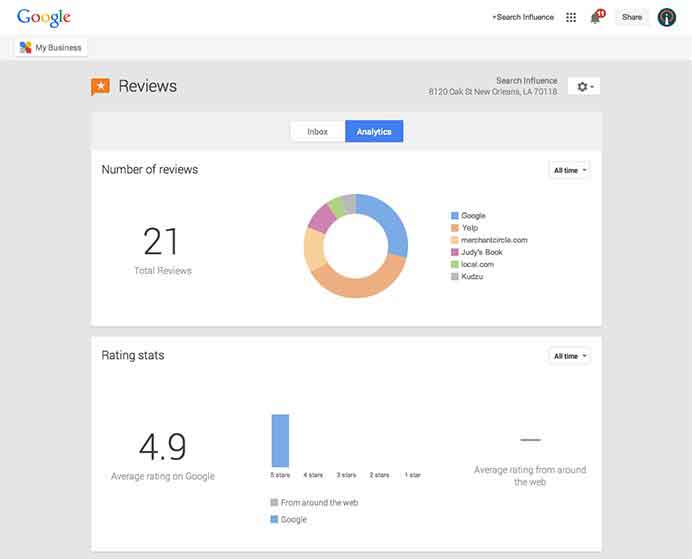
    Next, you’ll find the Insights Tool. Here, you can see how many views your G+ page has gotten over a period of time, how many clicks occurred, and where they went (either looking for Google Maps driving directions or directly to your website). The next feature (and my favorite addition to the Google My Business dashboard) is the reviews section. When you click into “Manage Reviews,” you’ll see your Google reviews as well as other business reviews from around the web. If you click “Analytics” at the top of this page, you can see a really streamlined graphical representation your review information or “Rating Stats” and where your business’ reviews come from.

    Google My Business Reviews Tool Image - Search Influence

    Additional Tools

    You will be able to see other tools like Google Analytics (if you have it installed on your site), YouTube (if you have a channel connected), and AdWords Express (again, if you use it). If you don’t use the above tools, they will still appear at the bottom of your dashboard with the option to “Get Started” if you want to use them! You’ll also see a place to “Join a Google Hangout” at the very bottom of your dashboard. All in all, the new Google My Business looks looks both beautiful and user friendly, presenting a new way to manage businesses’ online reputations through Google.

  • Yelp Adds Videos — But Not Necessarily For Reviews

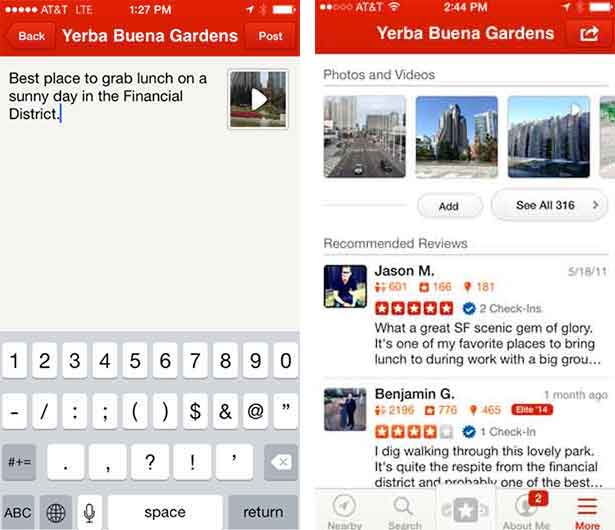
    A couple of weeks ago, Yelp leaked to Business Insider that they will soon allow users to add 3-12 second videos to their reviews. When I initially heard this, I was thrilled, because I have been waiting for this feature for some time now.

    However, when I learned that these videos are intended to simply to add more media to the reviews (in the photos section) and not actually stand as reviews themselves, my excitement waned.

    YelpReviewVideos

    Rather than video reviews, what we are getting is a way for Yelpers to capture the atmosphere of a venue or more likely, selfie videos of them stuffing their faces at their favorite eatery. Yelp’s mobile product manager Madhu Prabaker explained the purpose of adding the video as “a reward for businesses that go to great lengths to achieve a certain ambiance, whether by having a certain lighting or the music at just the right level.”

    Was anyone else as let down as I was when they heard this? I feel as if this new platform change is being wasted on the business aesthetics such as atmosphere and showcasing products, where pictures were doing just fine. The photo capability has been around for years—nothing new there.

    What I see as the future is a full video review platform where consumers can turn the camera on themselves and tell us how they feel about the businesses they interact with. There are plenty of platforms out there to help SMB’s solicit reviews such as DemandForce and Customer Lobby, but there are no pure play platforms dedicated to helping users generate video testimonials. However, this functionality could ultimately rid business owners of the demon that is the Yelp review filter. (Business owners with less than stellar Yelp reviews, you know what I am talking about.)

    What’s With The Filter Anyway?

    Yelp’s justification for not showing certain reviews has always been that they appeared to be less than trustworthy. What could legitimize a review better than a video of the person posting it?!  No more having your real user reviews taken down and your competitors’ employee-generated or otherwise fake reviews staying up. Real live video testimonials from your customers would become the gold standard for authenticity on Yelp.

    While this version of Yelp videos may help to drive new business by showing a scrumptious plate of food or even a clean car that just went through a car wash, I believe that Yelp is missing out on a huge opportunity. According to SO Media, Video has 400% higher engagement rate than static content. That means that a video testimonial will most likely bring on an action, whether that is a like, comment, or share leading to more significant actions like phone calls and getting directions.

    So, How will Adding Video Effect The Yelp Review Filter?

    One can only hope that allowing customers to add videos to their reviews will serve as positive reinforcement that their opinion of your establishment is a credible one. One can only hope…

    If Yelp factors the use of rich media (namely photos and videos) into review filtering, it hasn’t publicized this. Will they start giving these media reviews priority?

    Industry experts have consistently pointed to the importance of users having a profile picture, connections, and several reviews as the keys to success in building an optimized Yelp profile.

    I personally believe that video will soon become an important part of this conversation of what a truly optimized Yelp user profile is. While I understand that photos might not have been a large piece of the puzzle in the past, I would contend that the rich content in user videos will be of much greater influence in helping build authority and the perception of local business leadership.

    Why Are Your Reviews So Important?

    We’ve long known the importance of having a Yelp business profile. It’s so important, in fact, that according to the Boston Consulting Group in 2013, a business who even has a basic and free Yelp profile will make on average $8,000 more in annual revenue than a business without a Yelp profile. And this is where Yelp gets its leverage. It’s also a great reason to be so selective about which reviews they show.

    As the video feature rolls out only to Yelp Elite users this June, we will have to wait until it makes its way to new users to really see how it effects the review filter. The reason being, Yelp Elite user reviews always show up when posted. The filter’s most negative impact comes to those newer users, without perceived authority on Yelp.