Tag: content strategy

  • Guide to Facebook’s Lead Generation Ads: What Can They Do for Your Business?

    You’ve probably heard this a million times by now, at least a couple thousand from us—if you aren’t on Facebook, then you’re doing your digital marketing all wrong. There are more than 2 billion people around the world who actively use Facebook monthly, and on average those people spend about 35 minutes a day swiping through their feeds and engaging with content from friends, family, and brands.

    Not only is Facebook’s audience large and engaged, Facebook offers an advertising tool that makes it easy for you to create advertising campaigns at a fraction of the price of traditional ad types. Our client Audubon Nature Institute generated $10,100 in total revenue while only investing $1,080 in ad spend on a Facebook Display campaign!

    What Are Facebook Lead Ads?

    Facebook Lead Ads are a type of Facebook ad that allows advertisers to collect information from prospective customers directly from the platform. Before Lead Ads, you would have to guide users to a landing page on your website to leave their contact information.

    Facebook has made it simple for you to create ad campaigns in a few taps and for potential customers to contact you with ease. Users simply tap your ad and their information is sent directly to you.

    Why Facebook Lead Generation Ads?

    • Facebook forms are made for mobile and allow users to submit their contact information in a flash
    • Because there is no need to click through to a landing page, there is potential for more conversions and less drop offs
    • You can reach your target customer where they are with Facebook’s countless targeting options
    • The Lead Generation forms are customizable, allowing you to build a form to ask the right questions
    • It’s easy to connect your CRM to Facebook to get your leads immediately and take action sooner
    • You can use Facebook Lead Generation Ads for quote and demo requests, sign-ups for your newsletter, event registration, access to gated content, and more
    • Many businesses and brands large and small have seen significant increases in lead generation and a reduction in cost per lead
    • Facebook advertising is cheaper than traditional ad types and can build more brand awareness
    • It saves you time

    Where Will My Leads Go?

    All of the leads you collect by way of your Facebook Lead Generation campaign will be stored on Facebook and can be downloaded to a CSV file. To download your leads, visit your Facebook page and click “Publishing Tools,” and you’ll see “Forms Library” under the “Leads Ads Forms” label.

    Pro Tip! Facebook also connects to popular CRMs like HubSpot and SugarCRM, enabling you to automate the process of pushing leads directly to your sales team. If you don’t take this step, you’ll have to download a CSV file regularly to see and take action on your new leads.

    Creating Your First Lead Generation Ad

    Before you begin building your campaign, you’ll need to make sure you have a Facebook Page for your business or brand. Building your campaign starts with visiting Facebook Ads Manager via business.facebook.com or accessing the drop-down menu on the top left of your screen. If you’ve never run ads before, you will need to create a Facebook Ads Manager account. You will be asked to link your business’s Facebook and Instagram page to your Facebook Ads Manager account.

    Building a campaign is simple and can be done in a few steps.

    1. Choosing Your Campaign Type

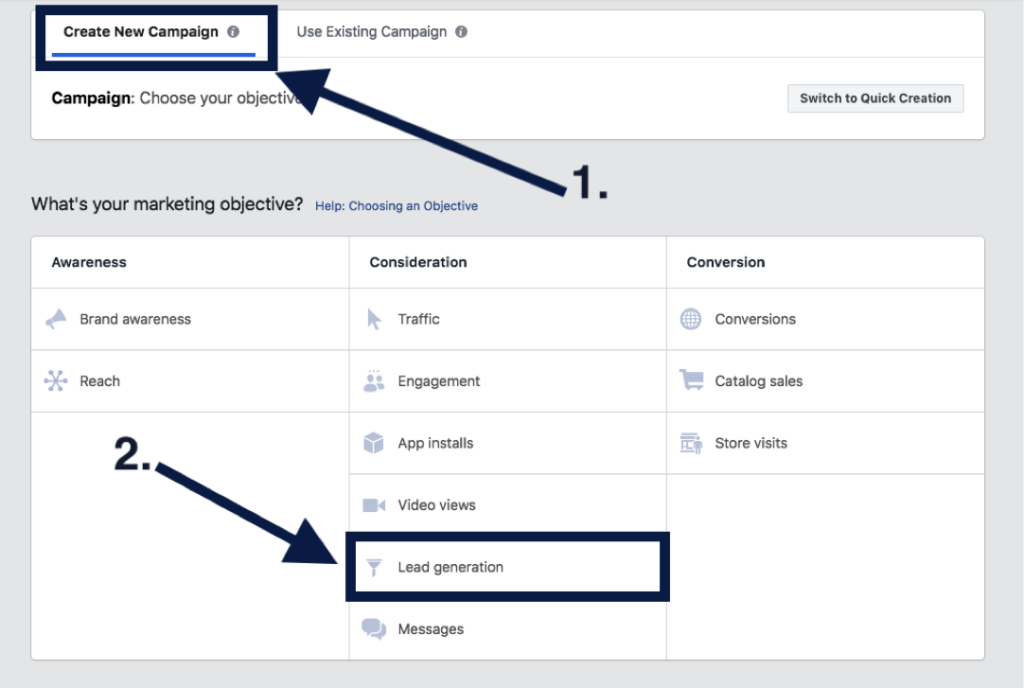
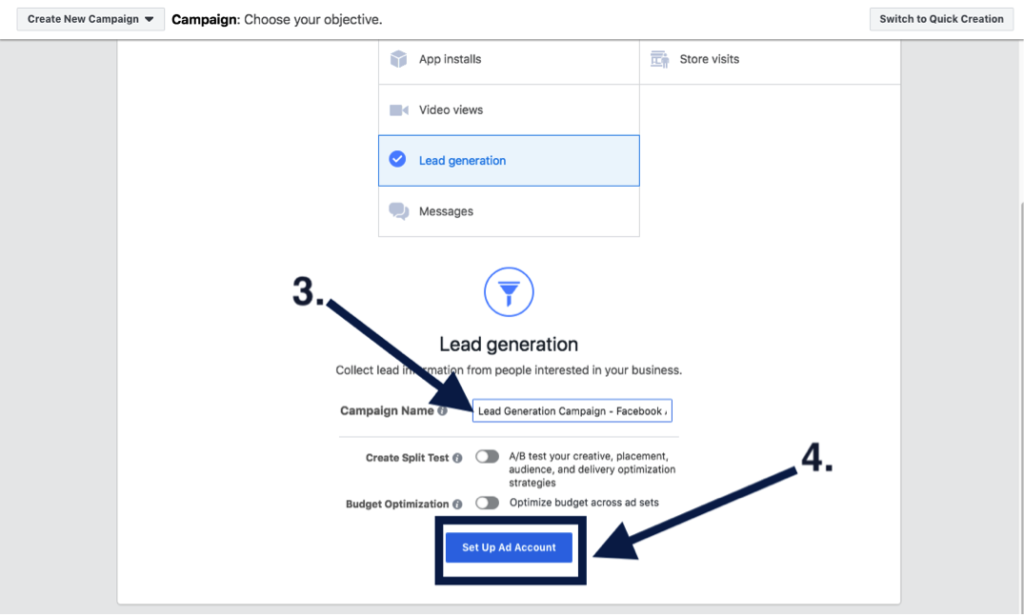
    Once you’re all set up and ready to go, you’ll want to create a new campaign and select “Lead generation” under the “Consideration” marketing objectives. You’ll want to give your campaign a relevant name and click “Continue.”
    2. Choosing Your Custom Audience & Budget

    Move forward with setting up your ad account, creating your custom audience, and setting your budgets. But don’t worry! Facebook offers optimization tools to help you adjust your budget and targeting after the campaign is launched, and they are always adjustable. Facebook offers several targeting options, including targeting by demographics like location, age, gender, and language. You can also target by other demographics, interests, and behaviors like education levels, if someone is interested in yoga, and behaviors like how they utilize Facebook. You also have the option to build an audience from a lookalike version of your current customers and website visitors.
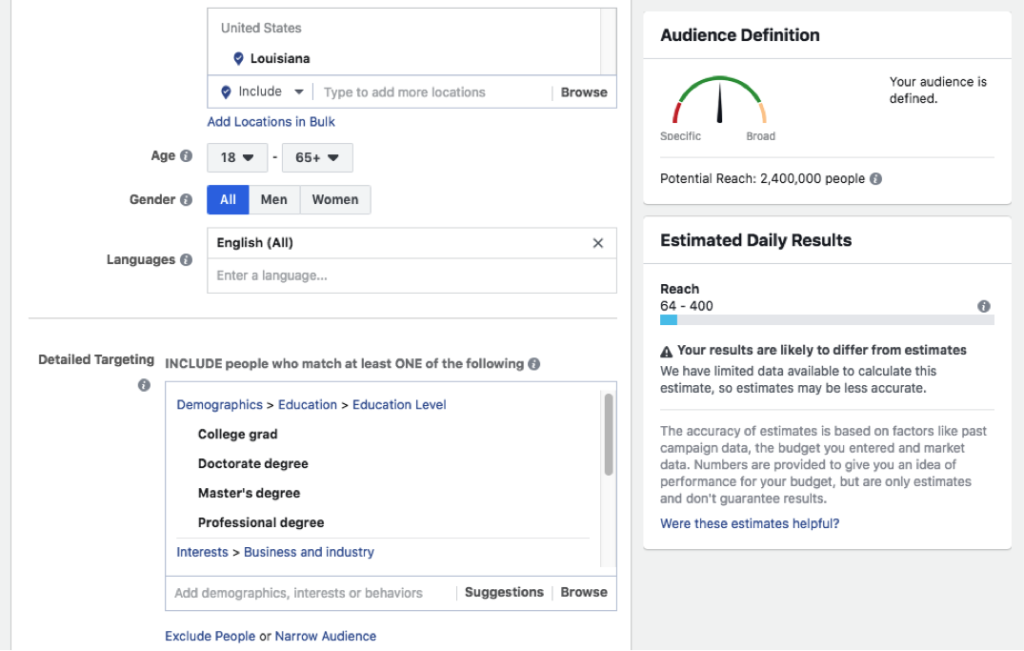
    3. Creating Your Ad

    After you have your custom audience and have set your budgets, you’re ready to create your ad. You’ll verify the pages you want your ads to be represented by and select your ad format. There are several ad formats to choose from. Carousel and video have been the most successful ad types in our experience. You’ll add in your ad text, display link, headline, news feed description, and a call to action.
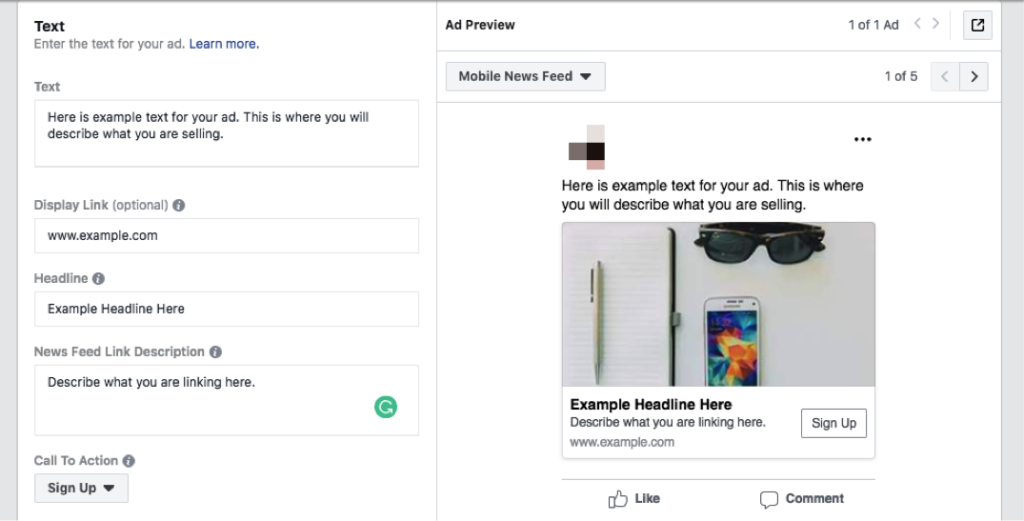
    4. Creating Your Lead Generation Form

    Finally, the last step before you launch your campaign will be to create your lead generation form. Here you’ll introduce the product or service you’re promoting, add the questions you’d like to ask your audience, insert your privacy policy (it is mandatory to have one), and build your “Thank You” screen. Be sure to give your form a descriptive name so that you can identify it later when you need to download your leads.
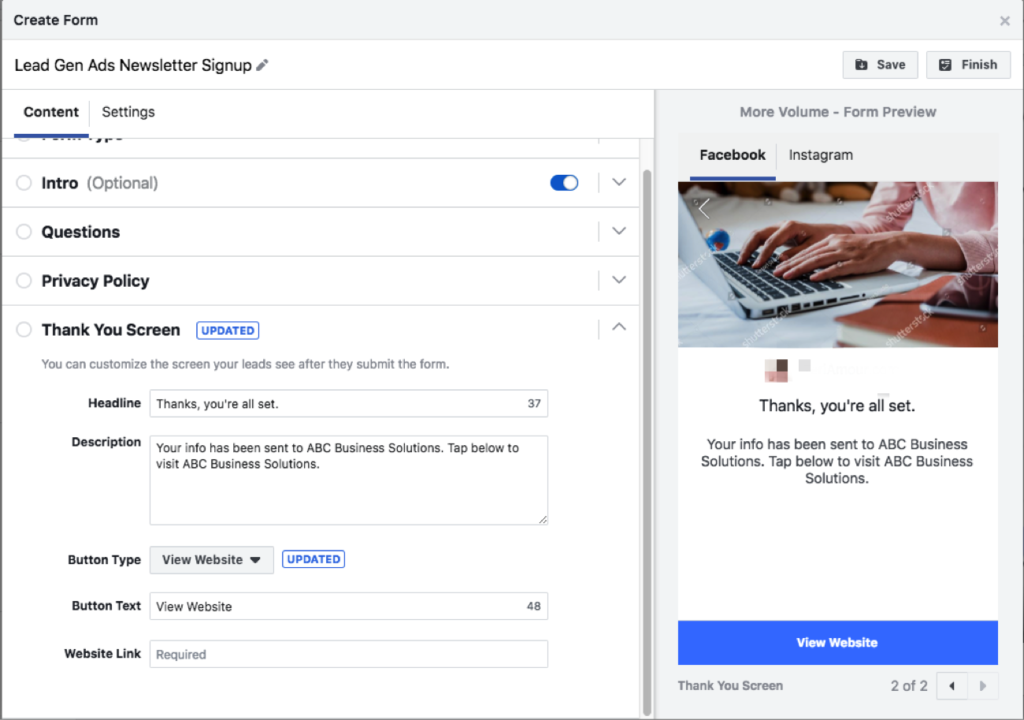
    5. Publishing Your Campaign and Launching

    Congrats! You’ve launched your Lead Generation campaign. This is the part where you celebrate and wait for the leads to come pouring in.

    You’ll want to monitor your ad’s performance by testing and checking on it regularly! Try changing out your ad copy and graphics, or trying different targeting options—narrow your targeting if you find you’re reaching too broad of an audience and thus receiving unqualified leads. You could also update your form to ask more specific questions.

    Here at Search Influence, we’re invested in helping our clients grow their businesses through dynamic marketing strategies that drive qualified leads. If you’re interested in utilizing Facebook to bolster your lead acquisition efforts, request your marketing analysis today to get started.
  • Everything You Need to Create an Effective Landing Page—and Everything You Don’t

    If you have run any type of digital marketing campaign for your business, you’ve probably come across the term “landing page.” But what exactly is a landing page, and what role does it play in helping to convert leads into customers? Simply put, landing pages are the pages where users “land” after clicking on an ad from Google, Facebook, or a similar platform. When done right, they feature persuasive and highly relevant content, focused on one specific conversion. By directing users to a landing page rather than simply the homepage of your website, you can ensure that you are able to attribute leads to a specific campaign while simultaneously providing a better answer to the search inquiry of the user. A landing page should be specifically focused on lead generation, and these tips will help you have the highest conversion rates once users make it to your page.

    Do Have a Compelling Call to Action

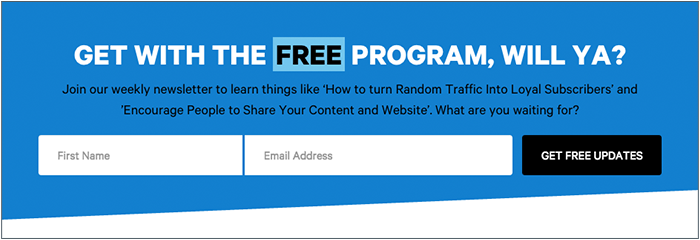
    A clear call-to-action(CTA) is the most important part of your landing page and should clearly communicate what you want your reader to do on the page. This could be to register for an event, download an eBook, or schedule a consultation. Whatever it is, it needs to stand out from the rest of your content and be one of the only, if not the only, actionable items on your landing page.

    If your CTA is a form instead of a button, the title of your form should be much more specific than a simple “Contact Us.” Entice your readers with simple, yet descriptive language like “Register to Get Your Free Marketing eBook” instead. For buttons on your form, avoid generic language like “Send” or “Submit” and instead use language like “Get My Analysis” or “Start My Free Trial.”

    Graphic of a form field on a landing page - Search Influence

    Users are also typically skeptical to give out more information than necessary, so you don’t need to ask for their full name, address, phone number, date of birth, where they went to high school, and their mother’s maiden name if all they’re doing is downloading an eBook. A user is much more likely to actually fill out the form if you keep it short and sweet. Sticking with essentials like their name and email may be all you need.

    For more tips on how to craft stellar CTAs that will convert, check out this blog post.

    Don’t Cram Everything Above the Fold

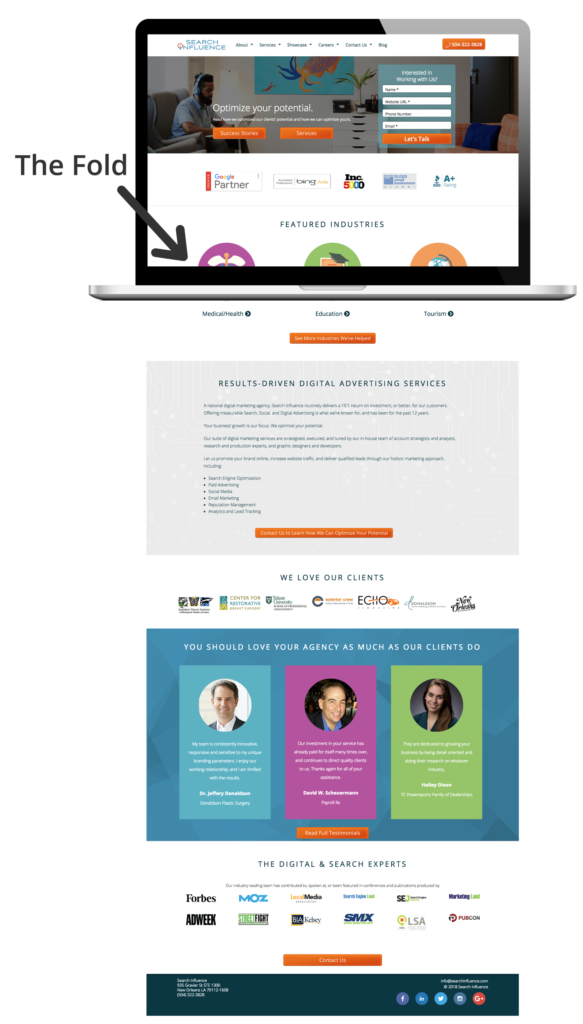
    We’ve all heard for decades that readers rarely make it below the fold (originally used in reference to traditional newspapers), and that we should try to cram everything important above the fold. This doesn’t hold as true today as it once did, and cluttering the top section of your page can actually hurt your conversions. While it is still true that some users won’t make it below the fold at all, if what you have above the fold is compelling enough to grab their attention, they will scroll down to read the rest of your content. So while, yes, you do still want your CTA and most important information above the fold, try to limit it to just that. No one wants to read anything that is a cluttered mess, and you’ll retain users’ attention much better by avoiding the clutter.

    Visual representation of above-the-fold content on a landing page - Search Influence

    Do Have Fast Loading Speed

    A fast page load time is absolutely essential for any web page. Users expect a page to load within seconds, and if it doesn’t, they often abandon the page entirely. In fact, a case study from Hubspot found that a 1-second delay in site speed resulted in a 7 percent reduction in conversions. Images and videos often slow down page load time, so be sure to optimize elements like these to avoid losing users. Luckily, you can test out the load speed of your page and address any concerns.

    Don’t Have Endless Content or Jargon

    You don’t want to confuse any potential leads with overly complicated, industry-specific jargon. You should be able to demonstrate your expertise in your field without intimidating or annoying any of your users. While you want to give enough information to draw a user in, you don’t want to overwhelm them with too much information up front. If you do have longer content, try breaking it up with bulleted lists or by using icons.

    Icons used in a landing page - Search Influence

    Do Include Images and Videos

    According to Unbounce, videos can increase conversions by about 80 percent—making them a worthwhile investment for your page. Since videos are often quite big and the play buttons can distract from your CTA, consider making your video considerably smaller than the standard minimum of 960px by 720px, with the option to make the video bigger when it’s actually playing.

    Example of video used in a landing page - Search Influence

    If you don’t have a relevant video for your page, strong visuals are still extremely important. Avoid stock photography whenever possible, but it’s still better to have stock photography than no imagery at all. Users also respond better to images with faces in them than images without.

    Photos aren’t the only type of imagery you can utilize on your landing pages. Depending on the industry, your target audience might respond well to vectors or illustrations, which can also help explain complex subjects when photos aren’t available.

    Example of vector graphics used in a landing page - Search Influence

    Whatever imagery you do end up using on your page should be consistent with the display, Facebook, or any other type of ads that are driving users to the landing page in the first place. When a user clicks on an ad with vector images, for example, they would expect the following landing page they land on to have similar imagery. If the look and feel of the page is completely different than the ad they clicked on, the user could be confused and think they clicked on the wrong ad altogether.

    Don’t Include Navigation

    While it may seem counterintuitive to exclude typical site features like a navigation bar, for landing pages, you actually want to include as few opportunities to leave the page as possible. This includes navigation, which can also be distracting and take away from your main call-to-action.

    Do Conduct A/B Testing

    Once you’ve got your pages built, you should conduct A/B testing by changing out elements of your page to determine what performs best. While audiences typically respond more positively to people in images, for example, maybe yours responds better to objects or vector illustrations. You should also test out CTA placement, button colors, font choices, and content. Keep in mind what you learned in science class though, you only want to change one element at a time when performing these tests. If you change multiple variables at once, you won’t have accurate data on which elements are actually making the page perform better or worse.

    Creating landing pages that convert is no easy feat. Unbounce estimates that achieving a 12 percent conversion rate for your landing page will place you above 90 percent of the competition. With a comprehensive online advertising strategy, every step of the process will be clearly catered to your target demographic, making it as easy and risk-free as possible for users to take action. If you want help creating your online presence, reach out to Search Influence to receive your custom marketing analysis.

  • Impact Your Tourism Marketing With Instagram Stories

    If you’ve been keeping up with our blog, then you already know how to market your travel and tourism business during the off-season, and how to engage with vacationers using mobile search. But, do you know how to leverage Instagram Stories for impactful tourism marketing? Stories are temporary videos or photos strung together to form a slideshow gallery that, well, tells a story. Since Instagram rolled them out in 2016, over 25 million active business profiles and 300 million active daily users have flocked to this feature, according to ClickZ.com. This means that Stories could be a huge area of opportunity for your business—if you use them the right way. If you’re unfamiliar with Stories, Cnet.com offers in-depth instructions on how to use this feature. But once you have the basics down, dive into our pro tips for how to make Instagram Stories most effective for your company.

    A graphic of someone using Instagram - Search Influence

    Promote Yourself Creatively

    Here’s the great thing about Stories—you no longer have to worry about over-posting. You are free to share as much content as you want throughout the day without taking over anyone’s feed. Plus, since the rollout of Instagram’s latest algorithm update, your traditional posts may have even less chance to be seen by followers in their feed, but Stories will appear right in front of your users at the top of their screens. This gives you more potential screen time and more creative ways to showcase your brand. But remember, it’s not about just posting links and asking users to click them. It’s about creating an experience where following your links is a natural and enticing option. Maybe you’ll be inspired by The North Face, who designed their Story to look like a dating app and asked users to swipe up to match with the perfect sleeping bag. Or, maybe you’ll start a little smaller by moving your weekly newsletter onto Instagram Stories. Whether you’re promoting events, products, newsletters, or just trying to drive extra traffic to your website, keep it creative and enticing and you can’t go wrong.

    A graphic of a stories page for Cheerios Instagram - Search Influence

    Actively Engage Followers

    Promoting your company is important, but the strongest marketing campaigns are customer-focused, not you-focused. Instagram Stories allow you to engage with your customers on a more personal level, while still reflecting your brand’s identity creatively. One great idea for customer engagement comes from Cheerios, who posted a Story that compliments their followers. When followers are tagged in a personalized compliment, they feel valued by the brand, which deepens their sense of connection with Cheerios and builds brand trust and loyalty.

    A more common approach is to leverage user-generated content—using your story to promote posts created by your followers. User-generated content is popular because it not only saves your company the time and energy of designing your own Story, but it also makes your customers feel like a valued part of your brand story, again building trust and loyalty.

    As a final engagement strategy, consider using an Instagram Story poll. Polls tend to be fun and entertaining, and most importantly they ask followers to take an action on your Story that feels far less pushy than clicking a link. They also provide the opportunity to get genuine customer feedback or opinions, which can inform your future marketing strategies. For example, you could post a poll asking followers to choose between an island cabana or a cozy ski lodge, and then use their results to determine whether your next campaign should be focused on the tropics or the mountains. Whether you opt for compliments, user-generated content, polls, or something even more creative, always keep your audience at the forefront of your mind and your engagement will likely be successful.

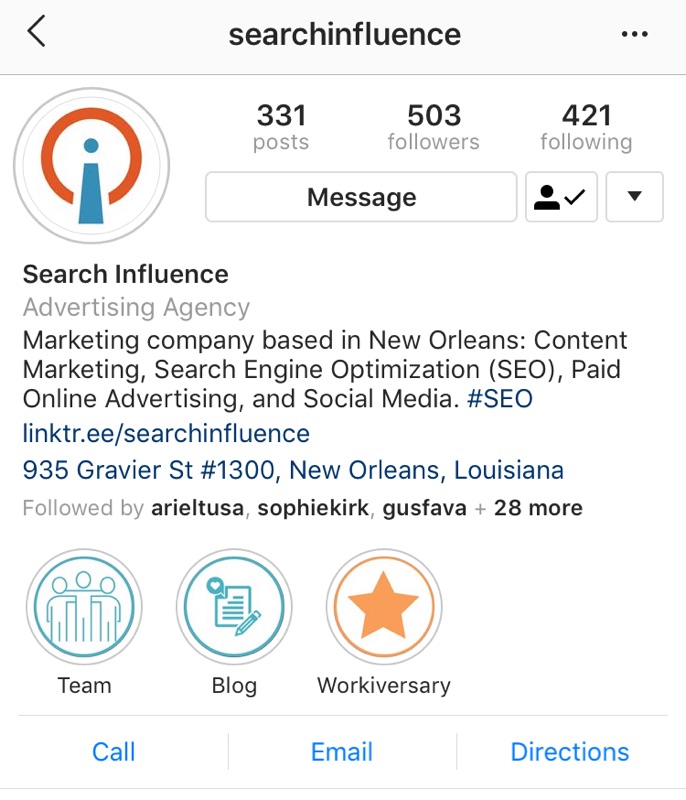
    A screenshot of Instagram highlights for Search Influence

    Customize Your Highlights

    Unlike regular Stories, which appear across the top of Instagram users’ home feeds, Stories Highlights are located on your company’s profile, between your bio and your photos. Highlights are kept for as long as you want—they will not automatically disappear after 24 hours like a regular Story. Because of this, Stories Highlights are a great way to share important brand information right on your profile, in an organized and aesthetically pleasing way. For an in-depth guide on how to customize your Stories Highlights, later.com walks you through the process of creating your own icons and covers in Canva. And, for an in-depth look at how to use Canva, our blog offers some friendly tips on what Canva can do for your business.

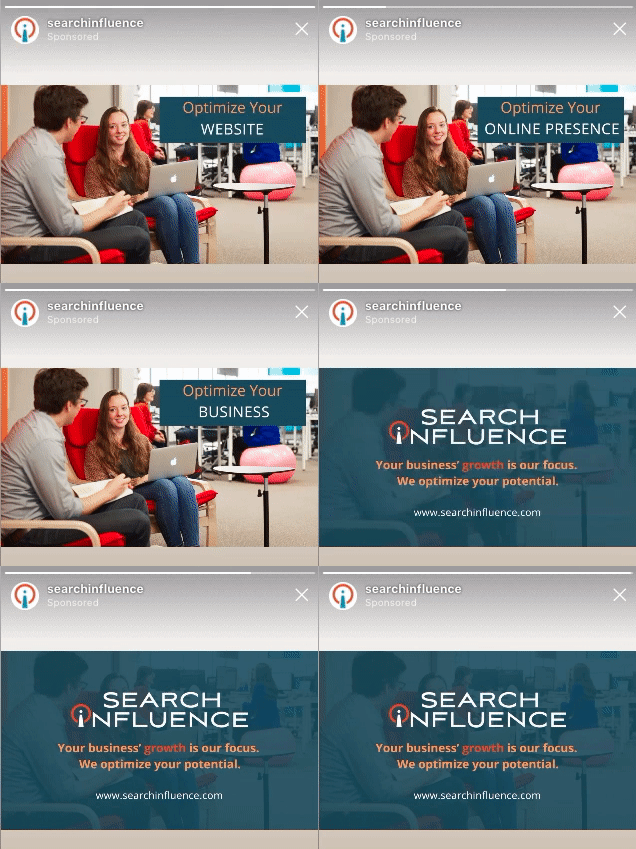
    An example of a sponsored Instagram ad from Search Influence

    Don’t Forget Advertising

    While authentically engaging with your followers is the ideal situation, sometimes it’s necessary to establish your brand or grow your network with paid advertising. On Instagram Stories, photo ads last 10 seconds, while video ads last for 15 seconds. It’s a very short window of time, but with the right approach, it can still be effective. Design your ads to catch your audience’s eyes quickly. Interest users with strong visuals, engage them with clear messaging, and then urge them into action. With this combination of tactics, you’ll have a good chance of achieving the goal of your ad campaign, whether it’s recruiting more followers, increasing sales, or gaining website traffic.

    Ask the Professionals

    If right now you feel confident and inspired to dive head first into creating exciting Instagram Stories, that’s awesome! But if you want more advice about managing your company’s social media, advertising online, or learning how to use additional Stories features like geotagging, the experts at Search Influence are here to help. Call 504-595-1623 with questions, or request a proposal online today.

    Images:

    Stories Demonstration

    Cheerios

  • What’s the Perfect Marketing Budget for Your Company?

    In our years of experience as a digital marketing agency, we’ve found that a typical marketing budget for a business is 5-10 percent of revenue, sometimes more when in growth mode. But don’t stop reading yet! Determining the exact budget for your business, and how to allocate it, depends on a wide range of factors, from goals to company age. Here are five questions that can help your business determine its ideal marketing budget.

    1. What Are Your Needs and Goals?

    Most effective marketing budgets start with a bottom-up approach. This means that your first step is to define your company’s quantifiable goals and objectives. This could be the number of new customers or accounts you’d like to see in the next year. It could also be how quickly you need to see results on your campaigns. The important thing is that the goal is well-defined. This way, you can come up with specific strategies to reach your target, and you can easily measure which strategies are working (and which ones aren’t!). Quantifying your business goals as much as possible will help you create a much stronger marketing budget and marketing campaigns.

    2. What Does Your Historical Data Look Like?

    So you need specific objectives…but how do you determine what those should be? One effective tool is historical data. For example, if you’re trying to figure out how many new leads you need per month, look at data from previous months. How many people typically contact you per month? How many of those people are qualified potential customers? How many typically convert into actual customers? And is this conversion rate providing you with enough customers to keep your company growing? Once you determine how your company has been performing, you’re in a much better position to decide if and how you’d like to change that performance. In other words, you’re in the perfect place to set measurable goals!

    For more information on how to track leads and determine the quality of those leads, visit our Analytics & Lead Tracking page!

    3. How Old Is Your Company?

    Historical data is great—if you have historical data. Brand new companies usually don’t, which can make determining a marketing budget especially challenging. Luckily, the experts are here to provide guidance! Both entrepreneur.com and websolutions.com recommend that new companies should allocate between 12 percent and 20 percent of their gross revenue to marketing costs. While this range might seem a bit high, there is logic behind it. New companies must be more aggressive with marketing spend because survival depends on building lasting brand recognition with an audience that’s never heard of them before. Once companies have established their brand and customer base, they can change their focus to maintaining the awareness and market position they’ve gained, while incrementally growing their business. And they can adjust their marketing budget to the 5-10 percent we recommended earlier.

    4. What Should Your Marketing Plan Include?

    So once you’ve established your goals and consulted your historical data if possible, what sort of marketing tactics should you use to achieve those goals? First, a typical marketing budget covers both public relations and advertising, in addition to the previously discussed branding. It’s a very wide range, but it can most easily be broken down into print and digital communication. Print communication includes traditional marketing efforts, like billboards, newsletters, brochures, and press releases—and don’t forget to budget for design, printing, and mailing costs. Digital communication, on the other hand, includes developing a website that’s both SEO friendly and user-friendly, using online advertising to your advantage, and maintaining active social media accounts. Depending on your industry, you might also want to budget for additional marketing efforts that don’t neatly fit into the print or digital category. This could include broadcast advertising, on radio or television, or special events like conferences and trade shows.

    To learn more about how digital marketing can help your company reach its goals, visit our pages about Content Marketing and Online Advertising!

    5. Where Is Your Target Demographic?

    With all those marketing options to choose from, how do you know which ones are right for your business? One key way to narrow down the list is to define your target demographic—not just who they are, but where they are. This question not only applies to the physical location but also to online behavior. What types of media does your target demographic use? Do they spend more time checking their emails or scrolling through Twitter? Whether you’re marketing in the print or digital arena, knowing the places your target demographic frequents can help you put your content in the best location to make the most efficient use of your marketing dollars. In fact, your target demographic can help you decide whether to use print or digital marketing in the first place. While traditional media can strongly contribute to brand awareness and complement your digital strategy, the right balance of print to digital marketing depends greatly on your industry and your customers. Know your target demographic, and you can feel confident you’re investing in the right media.

    At Search Influence, our goal is to help you grow your business and optimize your potential online. If you’d like professional insight into choosing the ideal marketing budget for your company, call 504-336-3422 or request a proposal online today.

    Images:

    Rihanna

  • Why Are My Ads Disapproved by Google’s Misleading Content Policy?

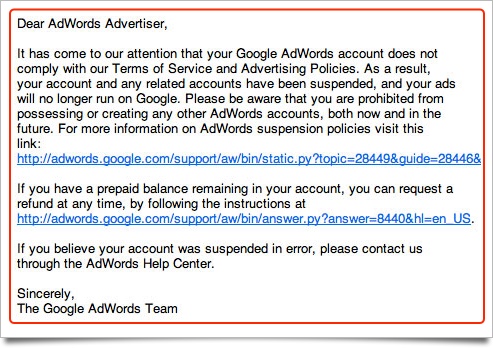
    In its continual quest to better serve users, Google has cracked down on misleading content in advertisements as well as website content. When your advertising campaign is slammed for “misleading content,” it can come as quite a surprise. Because Google holds advertisers to a high standard, some of the violations might seem like harmless marketing strategies. Regardless of how the situation arose, it’s important to bring your website and account back in line with Google’s expectations. The sooner you resolve potential violations, the sooner you can get back to building your brand’s online reputation.

    What Is the Google AdWords Misleading Content Policy?

    “Misleading content” is an umbrella term that includes several types of violations, ranging from problematic testimonials to deceptive branding. The main objective of the misleading content policy is to provide a set of clear standards for online advertisers to follow as to not deceive users with exaggerated or false content. The central component of these standards states that:

    – Disclaimers need to be included alongside perceived claims, even if the claims are direct quotations from past customers.

    – Images that show before-and-after results also need disclaimers. More broadly, improbable assertions are likely to draw the attention of the Google AdWords team.

    We’ve all seen investment opportunities and weight loss programs that sound “too good to be true.” As you might imagine, some of the standards allow room for interpretation, and many affected advertisers find that they need to resolve multiple policy violations to resume advertising.

    At least, in theory, Google’s policy should benefit both users and advertisers. Users shouldn’t have to scroll past misleading or spammy content, and advertising slots will become more valuable as users learn that paid search results are also informative and trustworthy. When you edit your ads and website to align with the Google AdWords misleading content policy, you’ll also be improving content and sales copy that might have sounded suspicious to potential customers. The things that Google considers “misleading” may also be off-putting to your target audience.

    What Kinds of Businesses Are Most Impacted by This Crackdown?

    With shifting expectations for disclaimers and testimonials, medical businesses like plastic surgeons and dermatologists are particularly vulnerable to being caught on the wrong side of AdWords policies. Whenever possible, peer-reviewed journals and other reputable sources can be referenced to support claims. Images are useful for showing the results of weight loss programs and cosmetic procedures, but those types of images need to include disclaimers to emphasize that individual results vary.

    Investment firms, lawyers, and other businesses may run afoul of Google AdWords misleading content policy, even though they aren’t making medical claims. The misleading content policy looks for vague guarantees and other wording that implies certainty or permanence. Depending on the phrasing used to describe results, virtually any business can find itself on the wrong side of Google’s misleading content policies.

    How Does Google Review and Determine If Content Is Misleading?

    In case there was any doubt, Google doesn’t employ a review board of physicians or lawyers to determine which claims are unjustified. Instead, an editor on the Google team judges whether the wording or formatting of a page is misleading. When the editor finds one or more violations that justify disapproving the account, they may (or may not) make a note in your case file. With the number of campaigns and sites reviewed by editors, it doesn’t make sense for them to make exhaustive lists of recommendations beyond the first one or two violations.

    As a business owner, you might never interact directly with an editor at Google. When you call the account representatives on the Google helpline, they only have the information that editors chose to note in your case file. If you fix the problems that were cited as “misleading,” there may be additional problems found when your site is re-evaluated. It can be a frustrating runaround but don’t get angry at the person on the helpline. They aren’t the ones who flagged your content, and they don’t have the power to reinstate your account. Instead of focusing on the people who made the decision, it’s better to try to understand the aspects of the policy that might apply to your site and campaign.

    What Do I Need to Do to Get My Ads Approved and Running Again?

    Not everyone gets site-specific recommendations in his or her case file, and even if you’re lucky enough to get actionable advice, it’s still important to be proactive about finding additional violations. After your campaign account has been flagged, the responsibility is on your company (and your web developer) to make sure that your site and your PPC campaign meet the standards set by Google. Look through your landing pages in search of other potential violations.

    Could your seals and stamps be perceived as mimicking government seals? Site layouts and deceptive popups can also trigger penalties. Popup windows shouldn’t simulate messages or system errors, displays intended to trick users into clicking through or interacting by accident. As previously discussed, assertions about future results need to be carefully worded. Some violations are more obvious than others but use due diligence to ensure that your site complies with relevant policies.

    How Can I Avoid Getting Ads Disapproved in the Future?

    Look at the penalty “sandbox” as a learning opportunity, and try to avoid repeating the same mistakes in future campaigns. Make a point of looking beyond your PPC campaigns to your website and your company’s approach to branding online. The campaigns flagged by AdWords often have issues on the landing page, marketing strategies that may be mirrored across the rest of the website. Even if a PPC campaign can be restarted with changes to a few key pages, it’s worth adjusting other website content to align with misleading content policies. Search algorithms favor high quality, unique content, and the misleading content policy hints at indicators that could eventually affect overall search rankings.

    If you don’t have time to spend waiting on the Google helpline, consider getting professional help through digital marketing consulting. Google’s policies and expectations shift periodically, and anticipating changes can become a distraction from your day-to-day business.

    As a Google Premier Partner, Search Influence has over 25 employees certified in Google AdWords Search, Video, Mobile, Display, and Analytics. Our digital marketing agency keeps up to date with the latest trends in search engine algorithms and online advertising to best serve our clients. Contact us so we can help get your ads approved and running again.

    Image Credits:

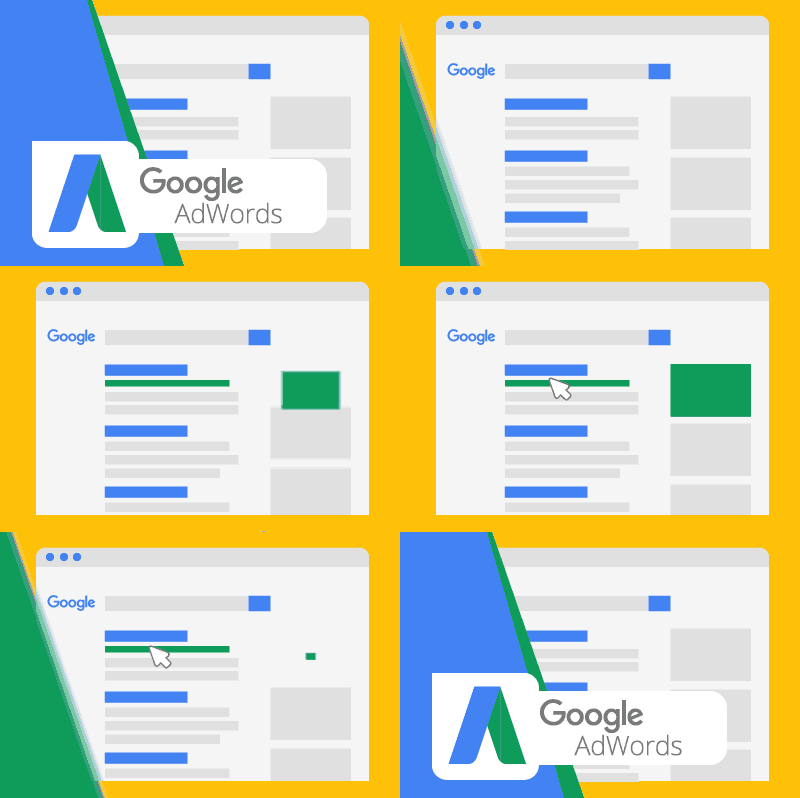
    Google Adwords Email

    Magnifying Glass

  • What Can Canva Do for You?

    Need a custom graphic for your blog or social media page? Canva is a drag-and-drop tool with millions of images and hundreds of fonts. Over ten million users have created over 100 million designs with the help of Canva’s user-friendly interface. While nothing will replace the instinct and creativity of a trained graphic designer, Canva offers a tool for simple, creative designs. Fortunately, it’s easy to sign up for Canva and take their free version for a test drive.

    What Is Canva?

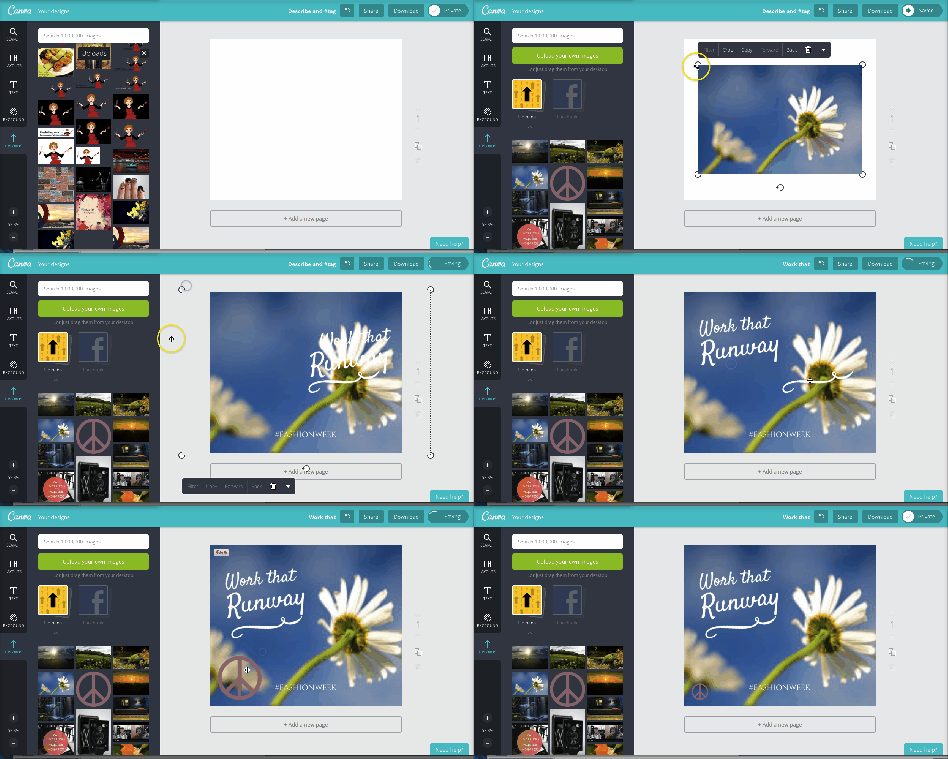
    Whether you want custom social media icons for your website or new business cards for your sales team, Canva has free tools to support your visual projects. You can edit photos, create graphs, and develop print media. When you need a graph for your website or an upcoming presentation, you can start with a wide range of templates to graphically represent your data. When it comes to social media management, you may know that it can be a hassle to get images in exactly the right dimensions for each social media platform. With Canva, the images practically format themselves. Whether you need an ebook cover or Instagram post, Canva can hook you up with the proper dimensions. And, when you need to adapt a graphic for something new, you can even copy images from one project to the next.

    The variety of free templates, images, and other resources is staggering, and it is the ease of use that really puts this program in a league of its own. As if that weren’t enough, you can do the work in your web browser—no need to install software or download updates. Exploring their site is the best way to understand the full range of tools and options available.

    How Do I Get Started?

    When you sign up for Canva, an introductory tour highlights the key features of the site and their editing tools. Whatever you want to accomplish, you’ll have a wide range of templates available as starting points. For quick social media posts, templates are a great way to save time. By swapping out fonts and images, you can transform a template into something fresh, customized for your brand and message. Templates exist for all types of projects, and they can be tweaked as much as needed. As you become more comfortable with the process, you may eventually create your own layouts and designs from scratch, but templates make the design process fast and easy.

    Do I Need My Own Images?

    Not necessarily. Stock images and templates are great for a wide variety of applications. Browse through extensive folders of free-to-use images, grouped by theme and subject matter. You can even use the search tool for more specific images. If you want a higher quality photo, Canva allows you to purchase professional quality images for just $1. Plus, when you do have your own images to use for a project, they are easy to upload. Whatever image you choose, you’ll find the photo editing tools helpful in getting the color and size just right.

    What If I’m Not an Artist?

    If you don’t have a background in graphic design, then you’ll benefit from Canva’s extensive educational resources. Read blogs about the principles of design and composition, and complete tutorials on layouts, image editing, and advanced features on Canva. Some design lessons are even structured as weeklong courses on subjects like branding and social media. Even accomplished artists can still learn more about online promotion and education. A wealth of resources helps you optimize visual displays for business applications and the classroom.

    How Can I Collaborate With Coworkers in Canva?

    When you start developing content for your business, be sure to keep your work private, sharing only the finished work for public use. On the other hand, if you want to collaborate with a co-worker or client, you can also share access to unfinished projects. Whether you’re collaborating with someone in the same room or a different hemisphere, both of you can make changes to the same image. By working together, you can avoid the hassle of sending drafts and repeatedly getting feedback for each proof. For effective collaboration and a bigger variety of resources, it’s worth investing in a paid version of Canva.

    What’s the Difference Between Canva Free and Paid Versions?

    The basic editing tools on Canva are free. All users enjoy a gigabyte of storage for their files and photos, and they can use over 8,000 free templates. Up to 10 free users can collaborate together as a team, but more team functionalities are available to paid members, in addition to access to hundreds of thousands of photos and illustrations. You can get a better idea of the advantages of paying for Canva by signing up for the free trial period. A higher tier of professional service and support is available for companies that would benefit from having their own account manager and teams of up to 30 users. Discounts are available for users who pay by the year instead of monthly.

    Graphics are an important piece of any content marketing strategy, and Canva has the right tools to create your own custom images. The right visuals complete your branding and make every message more digestible from the first glance. Of course, even with the best tools, digital marketing takes time and expertise. To find out how our team at Search Influence can help you create the right infographics or social media campaign for your target audience, request a proposal today.

    Images:

    Canva

    Bob Ross

  • In Press Releases We Trust: Why They Matter More Than Ever in the Fake News Era

    In Press Releases We Trust: Why They Matter More Than Ever in the Fake News Era

    Cision, an ever-growing resource for media and businesses, released their 2018 State of the Media report, which is based on a survey of journalists globally.

    Over 1300 journalists responded from six countries, 48% of which work in print (newspaper and magazine), and most of which no doubt have an online version of their publication.

    Per the Report, These Are the “Key Takeaways”

    • Being accurate is more important than being first.
    • Journalists are concerned about fake news and trust in the media.
    • Reporters and editors still trust the press release the most.
    • PR professionals are being asked to provide accurate, newsworthy information.*

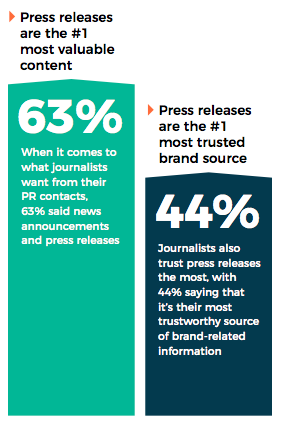
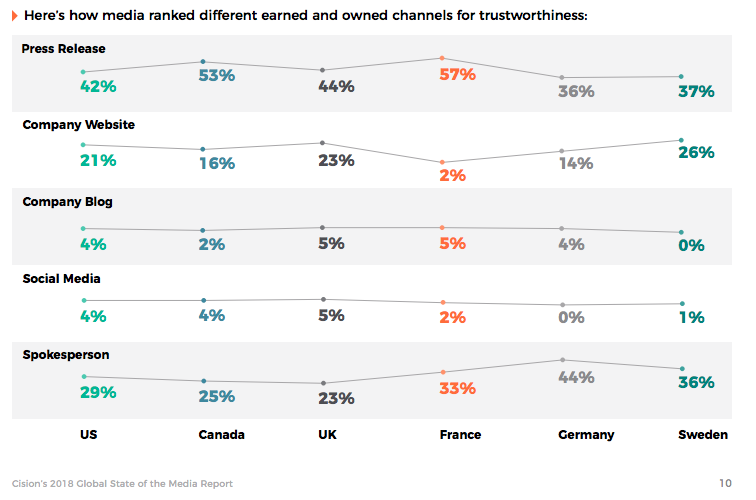
    The most actionable insight for businesses is that “reporters and editors still trust the press release the most”—42% rank press releases as the piece of owned media they trust most for accurate information, followed by 29% for a spokesperson, 21% for a company website, and just 4% each for company blog and social media.

    This was in some way surprising, as, there are so many articles online that reference other news stories. I’m sure you can recall reading something like “…according to a report by The New York Times.” This may be taboo for some publications, so, for your news to be considered as a topic, it’s critical you are publishing press releases for your company news.

    The Best Ways for You to Distribute Press Releases Are:

    1. Publishing on your own website (even if the info lives elsewhere like on your blog)
    2. Distributing through a service like Cision (PRWeb & PRNewsWire)
    3. Sending directly to journalists that have a specific interest in your industry, topic, or business—as the survey says, 27% of journalists say to “tailor the pitch to their beat” (a surprisingly low percentage in this age of personalization).

    SEO & Press Releases Have a Complicated History

    In 2013, with the release of Google’s Penguin algorithm update, there was a lot of chatter in the SEO community about stopping press releases as a link-building tactic. At the time, it was a paid way to generate links back to your site, which is frowned upon. At that time, many services, including PRWeb, changed outbound links to assure they would not penalize your Google rankings (by updating the links to be “nofollow”). Of course, companies continued to publish press releases, especially those who never once thought of PR as an “SEO tactic.”

    In short, take backlinks out of the discussion—distribution of press releases via reputable online sources like Cision is about getting news about your brand out there in a scalable way, which can have a positive downstream impact on your search engine rankings via brand building.

    Tell Me More!

    To fully dive into the State of the Media report, which goes deeper into thoughts on trust and “fake news,” download it from Cision’s website.

    Graphics courtesy of Cision’s State of the Media Report.

    * Key takeaways sourced from Cision’s 2018 State of the Media report.

  • 3 Practical SEO Tips to Get More Clients for Your Law Firm

    1603-SI-TheInfluencer-KL-A-04-lg

    Have you ever wondered why your competition appears at the top of search engine results pages while your firm is nowhere to be found? Attorneys today face new marketing challenges, including how to access the ever-increasing number of clients who are using the Internet to search for legal services online. These three practical SEO tips are the stepping stones to getting your firm’s website and the specific practice areas of your firm’s lawyers to appear prominently on the results pages of search engines like Google and Bing.

    Law Books Image

    1. Create High-Quality Content

    Most importantly, your site should feature content that is compelling and thoughtful. Rather than prioritizing obvious and underhanded SEO tactics such as keyword stuffing, organize your website so that there are separate pages dedicated to each of your practice areas and focus on writing comprehensive and user-friendly text to explain each practice area. Your content will naturally include the keywords that potential clients search for when they need legal help. For example, if a consumer is searching for a personal injury lawyer in New Orleans, they will be directed to the page on your site that explains how personal injury attorneys can help clients who have been injured in an accident that was the fault of another.

    2. Select High-Value Keywords

    Speaking of keywords, to see results with SEO, you need to do your due diligence and conduct keyword research so that you know exactly what consumers are searching for. The trick is to focus on your local area by using keywords related to your practice areas and where you are physically located. Try using a keyword planning tool that will tell you what keywords consumers are using to search for your type of legal services. For example, consider the case of The Law Office of Jerod Gunsberg. When their campaign first started with us in 2010, the firm was not ranking for any of their crucial competitive keywords. As of May 2018, they rank #3 for “domestic violence defense attorney los angeles”, #6 for “theft defense attorney los angeles” and #2 for “meth lawyer los angeles” and “prostitution lawyer”. By implementing an aggressive strategy in a highly competitive market, we got Jerod Gunsberg in front those in need of a defense attorney and closed quality cases. In the first 5 years of their campaign with us, the SEO strategy brought in 589 leads. With a 469% increase in organic traffic compared to the first month of their campaign, we continue to connect the right audience with strong cases to The Law Office of Jerod Gunsberg.

    Social media icons image

    3. Create and Optimize Social Media and Blog Presence

    For law firms, creating and regularly updating social media pages is another important step in making your firm more visible online. One way to build authority on Google is to create and optimize your Google My Business profile and engage in evolving Google My Business activity to increase your local presence. Most legal professionals make an effort to build their brand and audience on LinkedIn, but you can also create a social profile on sites like Facebook and Twitter and integrate them into your website. Make sure you focus on regular and relevant updates to your social media profiles by simply making updates on topics related to your practice areas. You can also increase the relevancy of your profiles by adding two or three paragraphs of information describing the type of legal services your firm provides. Lastly, consider setting up a blog where you publish your own interesting and unique content focused on your areas of law. Once your social media and blog presence is relevant and current, you will further strengthen your site’s SEO capabilities.

    Let us help you follow these three steps to build your online presence and help potential clients find you when they would never have known you existed!

    Image Credits:
    Law Books Image
    Social Media Icons Image

  • Four Smart Ways to Market Your Tourism Business in the Off-season

    Seasonality is a major marketing challenge for the tourism industry. Considering the struggle to turn a profit during the low season, and the rush of overtime work during the high season, this challenge should come as no surprise. The good news, however, is that we have solutions! With these four smart ways to market during the off-season, travel and tourism companies can combat seasonality and improve business year-round.

    1. Build Email Databases All Year

    Email might seem a bit old-school in the world of digital marketing, but even in 2018, email databases provide a valuable list of people who are genuinely interested in your brand. And when it comes to efficiently targeting your marketing campaigns, interested people who have subscribed to your database are much more likely to buy your product than those who haven’t subscribed. Some simple ways to build your database include prominently featuring sign-up forms on your website and across your social media channels and clearly informing new customers when they will be added to your email list. This transparency will promote trust in your brand and cut down on any annoying surprise emails, thereby limiting your number of unsubscribers and keeping your database numbers strong.

    Even though you’ll be using your email database to communicate during the off-season, it should be a priority during your peak season, as this is when you’ll be interacting with the most customers, both on and offline. For more tips on how to make the most of your email marketing campaign—and which crucial mistakes to avoid—read our past blog post on email marketing for small businesses.

    2. Create a Low-Season Content Strategy

    With your email database in place, you’ll need fantastic content to send to your customers and leads, keeping them engaged with your brand even when they aren’t able to purchase your products or experiences. This Hubspot blog, for example, suggests some great off-season blog topics for pick-your-own fruit or vegetable businesses, including smoothie recipes with frozen berries, and lists of foods for families to grow in the winter. Providing useful and engaging information even when you’re closed can build customer loyalty and encourage people to remember your business for once you’re back open.

    If your business is still open during the off-season, you have even more opportunity to drive sales with content! Consider a blog that addresses a common tourist concern and turns it into a positive opportunity. For example, a company in the tropics, where the rainy season is a big concern, could write a blog focusing on their location’s amazing indoor experiences, like shopping or museums. Or, if the company is a local zoo, they could write a blog explaining different animals that thrive in wet and humid conditions, and then promote the decreased prices and cooler weather that come with a little rain. To make these blogs especially compelling, your team should get out and about during the off-season and share first-hand accounts and photographs of their activities. This will show potential customers what your area is truly like during the off-season and likely convince them that an off-season trip will still be loads of fun. For more great content ideas, visit our content marketing services page, and learn how our business can help yours!

    3. Offer Discounted Off-season Experience Packages

    In addition to sending your team out and about during the off-season, consider using discounted experience packages to send customers exploring, as well. While discounts can feel like a risky strategy for driving business, there are many ways to leverage these discounts to your advantage. For example, host a contest or giveaway and then require the winners to submit photos, videos, or diary entries while on the trip. You can then form these first-hand customer experiences into a blog for your content strategy, or otherwise use them to promote your experience package.

    Because activities and accommodations are already planned in this type of discounted trip, experience packages will likely appeal to short-on-time travelers who want to get straight from Dreaming to Experiencing Moments, without slogging through Organizing and Booking. For more information on these crucial moments, and how your business can use them to attract customers, read our recent blog post on travel micro-moments.

    4. Don’t Forget About the Locals

    Locals deserve a lot of love for showing their hometown love and support during the off-season. The off-season is the perfect time to say thanks to locals, and make some money while you’re at it! Consider offering discounts for local residents, or altering your marketing strategy to promote staycations or otherwise appeal to the local community. Sometimes people just need a reminder of all the fun things they can do in their own city!

    Also, don’t forget that locals are the primary source for visiting friends and relatives, which can contribute heavily to your customer base, especially during the off-season. To see how Search Influence has helped tourism customers in our community market to both locals and visitors, visit our Zoos, Museums, and Attractions page.

    Seasonality will always be a challenge for businesses in the seasonal tourism industry—after all, it’s right there in the name! However, with these four marketing strategies, you can combat the low profits of the low season and improve your business year-round.

    Images:

    Winter, Spring

    Experiences

    Spring in the City

  • Marketing Basics for Animal and Pet Influencers

    Pictures of animals are consistent crowd-pleasers on the internet. Unlike content that’s favored by certain demographics, kittens and puppies (or baby animals of any variety) are universally appreciated by just about all age groups and political alignments. Animals can even be educational, like our cats that explained Google Analytics. Still, with all the competition out there, effective influencer marketing requires more than a cute nose and furry belly. Learn how to make the most of your pet’s presence on social media platforms like Instagram, and how this strategy can even help bigger organizations like zoos engage with their audience.

    1. Keep a Leash on Your Branding

    Once you have a clever name that encapsulates the animal’s personality, decide whether you are aiming for funny, artistic, or educational content. Rather than following every trend and impulse, stick to consistent types of posts. If you have a quality camera and understand the basic rules of composition in photography, then your artistic approach might capture your pet in the best possible light. On the other hand, if your pet is constantly getting into trouble, then documenting messes and misadventures will keep followers entertained. Adapt your strategy to the starring animal’s strengths, and watch which images get the biggest reactions.

    2. Use Captions, Hashtags, & Locations

    Picture captions reward viewers for spending time with each image, and hashtags are a critical part of Instagram and Twitter communities. Creative hashtags add humor, and they’re an opportunity to link your pet’s profile to similar pages or topics. Link your pet to pages with the same breed and the same region. Depending on the size of your town, you can make your city or state part of your pet’s profile, including pictures of your pet at local landmarks. Don’t forget to use Instagram’s location tagging to let users know where your photos were taken. Instagram’s geo-tagging feature makes it really easy to select a nearby location based on your GPS location. And, posts with a location receive 79% more engagement than those without.

    3. Find Your Animal’s Photogenic Side

    If you’re serious about pet marketing, then you’ll need to post nearly every day to keep your audience engaged. Don’t forget to use the “Stories” feature for video updates and behind-the-scenes snippets, and you can even highlight stories in the bio for your pet’s account. On Instagram, your pet’s profile pic should be an endearing headshot that works well as a circular thumbnail. It should be close enough to nearly fill the available space, but it shouldn’t be so close that your pet is hard to identify. A background of a contrasting color is helpful. It also helps if your animal has a distinctive appearance, but an engaging personality is even better. Maru the cat is the Guinness world record holder as the most watched animal on YouTube, and he’s most popular for his awkwardly persistent attempts to fit into tiny boxes.

    4. Make Your Furry Friend a Brand Ambassador

    Zoo animals and business mascots are popular, and they make organizations more relatable. Inundated with advertisements and marketing campaigns, most customers are suspicious of salespeople. Even when a business representative is friendly and helpful, the potential customers are waiting for the sales pitch. A labrador mascot might be motivated by attention and food, but his wagging tail disarms even the most cynical viewer. The customers who meet your cat or dog at the office will appreciate being able to share their antics with friends. Rather than using your furry friend to promote your business, connect them to the values and causes that align with your mission. For a zoo, this could be spreading the word about endangered animals or sharing fun facts about the animal.

    5. Choose a Unique Animal

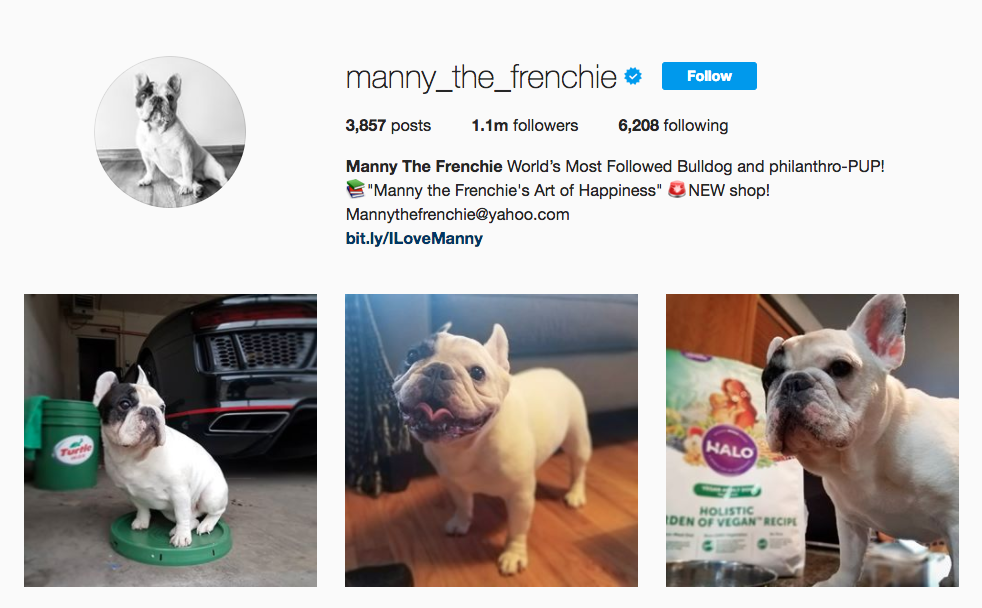
    Zoos and businesses looking for mascots have a wide range of options. A unique species, like an orangutan or llama, makes it easier to stand above the herd. If you already have a personal pet or a dog that regularly comes to the office, then there’s no need to shop for something more exotic. When it comes to animal ownership, it would be irresponsible to get an animal that you don’t have the time or resources to keep for the duration of its life. Businesses in need of a mascot might be able to sponsor an animal at the zoo or find someone in the community who already owns a unique animal. If you’re working with a dog or cat, just try to find the qualities that make your pet unique. Browse through successful pages like Mannie the Frenchie, and you’ll see what it takes to become “the world’s most followed bulldog.”

    6. Avoid Overtly Promotional Posts

    After they reach a certain level of popularity, the owners of influencer pets are often contacted by businesses looking to sell and promote products. Freebies might be offered in exchange for promotional posts showing or mentioning the product. Some owners will be happy accepting free swag, but their more ambitious peers will hold out for paid sponsorship deals. When profiles advertise for every company that sends free swag, they risk alienating their fanbase. The same trap is possible with business mascots that always seem to announce sales and products. Your fans would prefer to see cute pictures, rather than constant sales pitches.

    7. Socialize With Others

    Especially when you’re first getting started, it’s a good idea to seek out profiles with a similar style. First, you’ll need to have a few pictures to establish your brand. Then, you can interact with posts and pages that feature the same breed or deploy a similar sense of humor. That way, people who follow the other page are more likely to notice that there’s a new dog on the scene. With luck, you might even get likes and shares from the leaders in the pack. If you’re still getting the hang of Instagram and other social media platforms, then following successful pages will provide inspiration for how to make the most of the site.

    Developing and curating an animal’s social media channels can require a significant investment of time. It’s important to learn about the community and determine what kind of niche your content can fill. It’s even more important to have fun, both because it makes your enthusiasm infectious, and it helps you avoid producing stale content. If you’re not already familiar with online communities like YouTube and Facebook, consider contracting a company to handle your social media management. Search Influence provides a variety of digital marketing and SEO consulting services.

    We’d be happy to help you design a strategy to effectively promote and strengthen your brand’s presence and following online. Pet influencers are a great alternative to more conventional marketing techniques, and animal content reaches across a diverse spectrum of communities online. Contact the team at Search Influence to get an assessment of your online presence, and we can help you become top dog in your chosen field.

    Images:

    Dog With Shades

    Maru the Cat