Blog

  • SEO Automation: How I Built an AI-Powered Question Discovery System with Make.com

    SEO Automation: How I Built an AI-Powered Question Discovery System with Make.com

    SEO Automation: How I Built an AI-Powered Question Discovery System with Make.com

    I recently automated an SEO process that used to take our team hours of manual work. 

    It now runs in 5 minutes. This isn’t about replacing experts. It’s about getting them out of spreadsheets so they can actually solve strategic problems and get creative with content. 

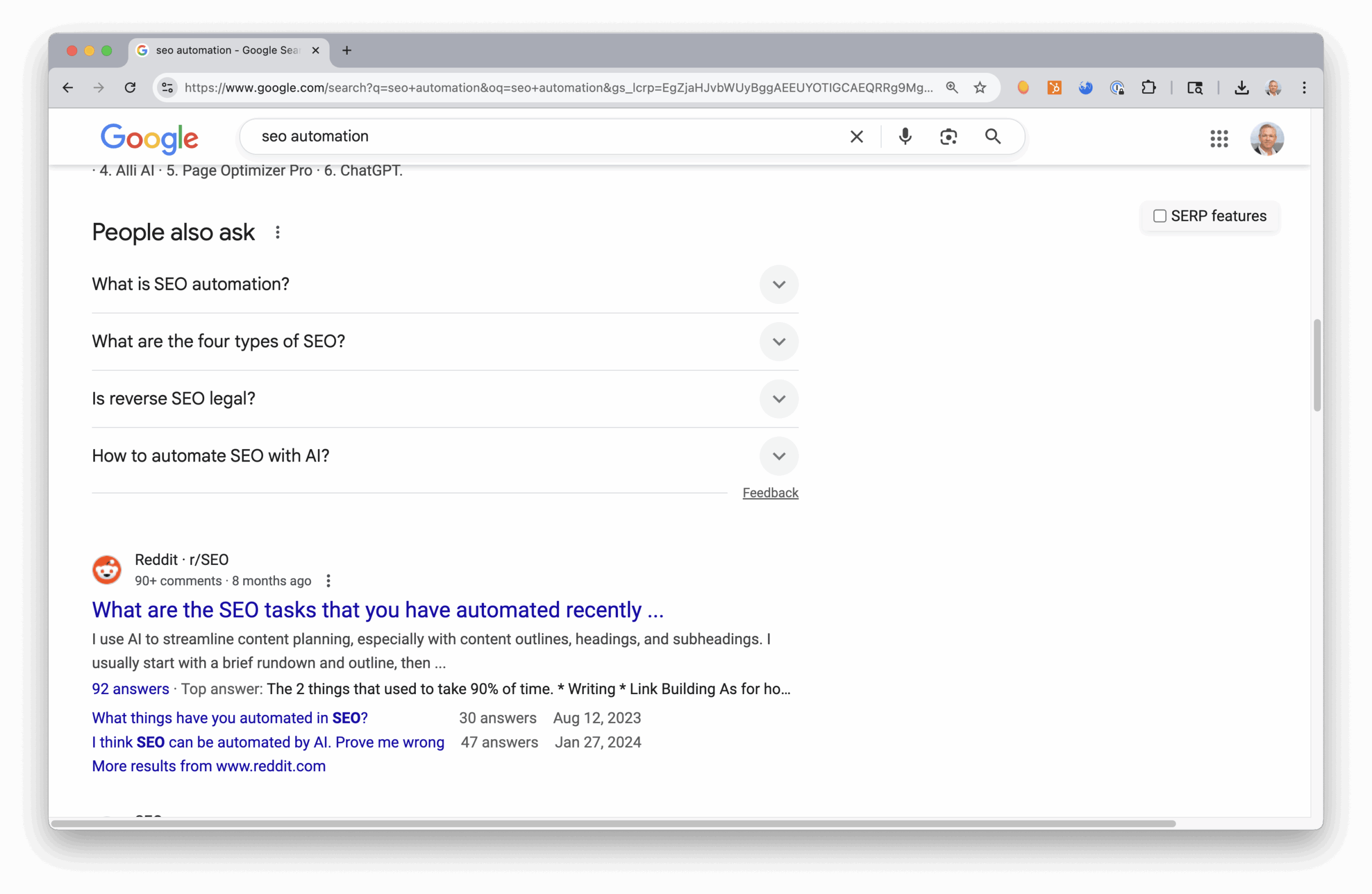
    Here’s how I built it using Make.com, Google Search Console, Semrush, and People Also Ask data from AlsoAsked, and why every SEO team should be doing this.

    SEO Automation: How I Built an AI-Powered Question Discovery System with Make.com

    The Manual Question Discovery Process We Had to Kill

    Here’s what our question discovery automation process looked like before implementing SEO automation with Make.com:

    1. Google Search Console Export: Pull search queries for specific URLs and domains
    2. Semrush Research: Cross-reference GSC data with broader keyword opportunities
    3. People Also Ask Research: Manually collect AlsoAsked questions for FAQ optimization
    4. AI Search Analysis: Hunt through competitor frequently asked questions for AI Overviews
    5. Related Topic Research: Expand into connected topics for broader search visibility
    6. Relevance Assessment: Manually score questions for content fit and business value

    This took 2-3 hours per analysis. Multiply across clients, pages, and team members, and you’re wasting 15-20 hours weekly on work that doesn’t require strategic thinking.

    The turning point came when I realized our senior strategists were spending more time pulling data than actually optimizing for the things that matter – like getting featured in Google’s AI Overviews and other search features that are reshaping SEO.

    How to Build Your Own SEO Automation with Make.com

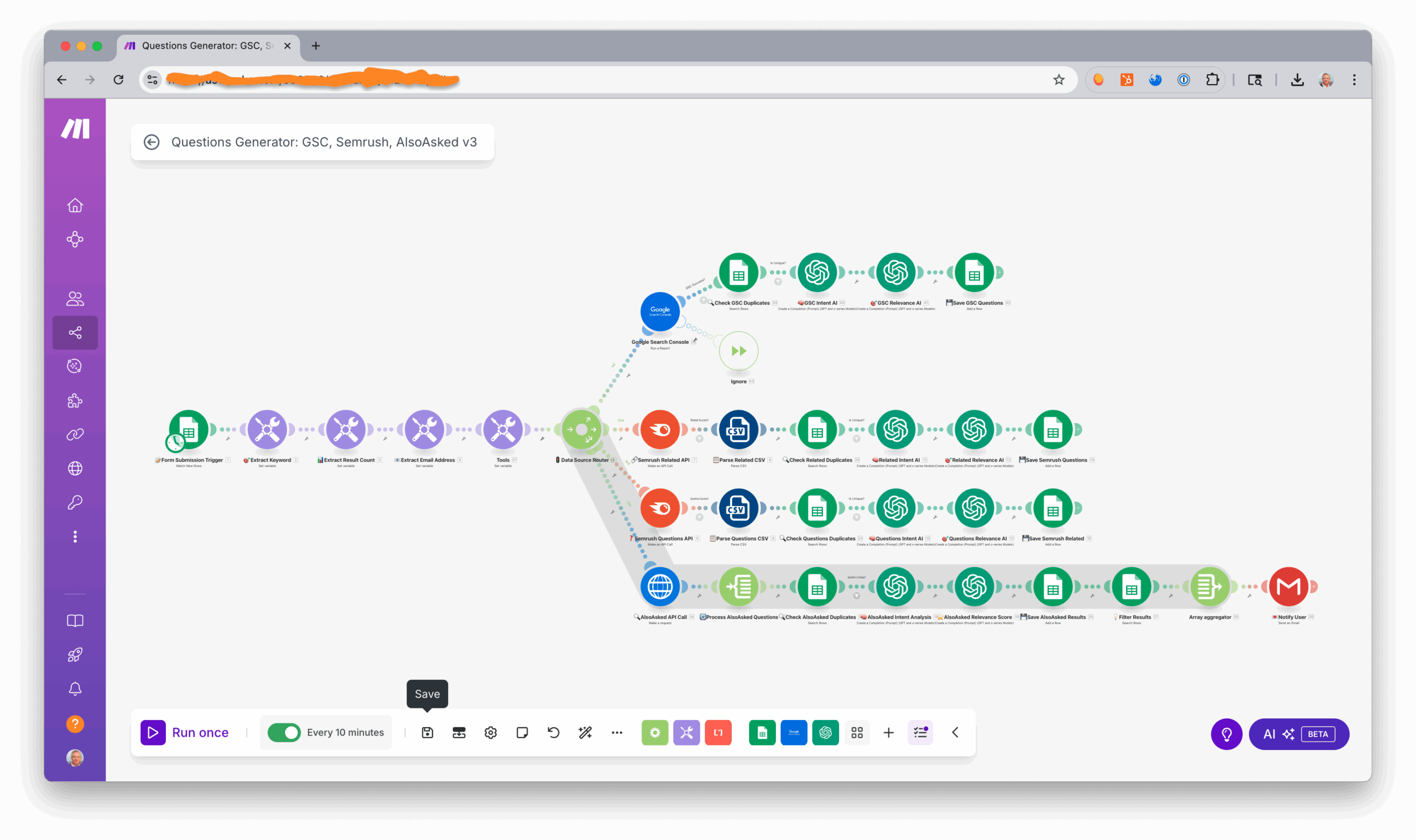
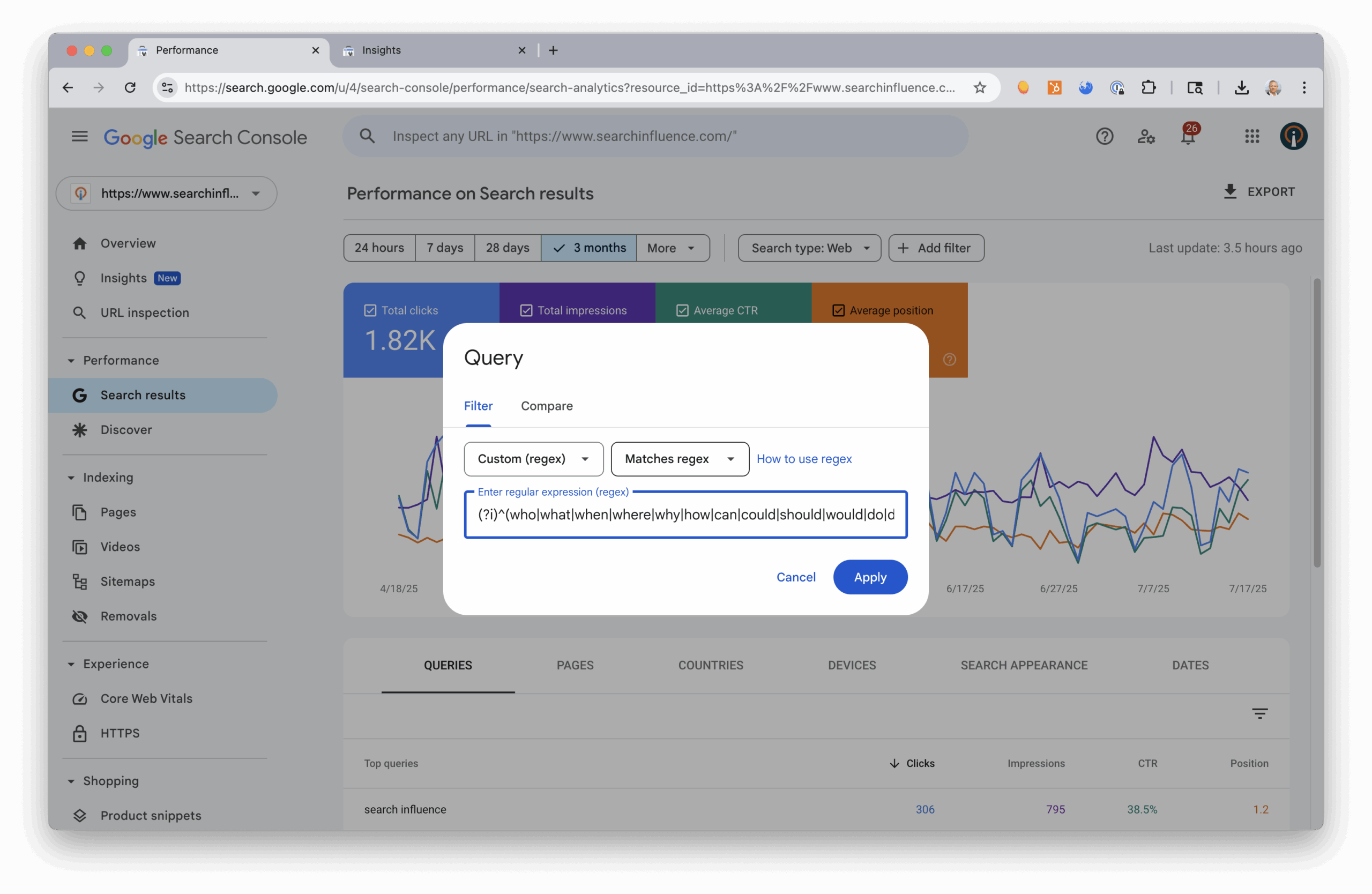
    I built the SEO automation in Make.com to actually analyze, not just move data around. The workflow connects Google Search Console, Semrush, and People Also Ask into one system. If a URL has enough data in GSC, it pulls questions from there. If not, it automatically looks at the whole domain for context. Then it grabs related questions from People Also Ask, pulls keyword data from Semrush, and uses AI to score every question based on what you’re actually trying to accomplish with that page.

    High-Traffic Pages: Get laser-focused questions with direct GSC processing, plus related questions from People Also Ask for thorough FAQ development.

    Newer Content: Enhanced with domain-wide context and AI question discovery to find content gaps and optimization opportunities.

    Strategic Analysis: Semrush integration helps us spot competitive keyword opportunities and find gaps in the market.

    AI Search Optimization Through Automated Question Discovery

    Raw question data from Google Search Console and Semrush tells you what people search for. AI-powered analysis tells you what’s relevant for AI search optimization and FAQ schema implementation.

    The automation looks at two things most tools completely ignore:

    Page Context: What’s this page actually trying to accomplish? Is it a service page, blog post, product page? What’s already covered in FAQs? What could work better for AI search?

    Business Context: What industry you’re in, who you’re targeting, and what actually matters for your goals.

    Then it scores each question on several factors: how relevant it is to your page topic, whether the search intent matches what your page does, how likely it is to show up in AI Overviews, whether it’s good for FAQ sections, and how much business value it could drive.

    This isn’t search volume analysis—it’s contextual intelligence that considers what you’re actually trying to accomplish with AI search optimization and semantic SEO.

    Benefits of SEO Automation for AI Search Optimization

    The real value of question discovery automation isn’t the 20 hours we save weekly. It’s consistency in AI search optimization. Automation doesn’t cut corners or make mistakes when deadlines are tight. It looks at opportunities with the same care every time, and it’s specifically built to work with AI Overviews, People Also Ask boxes, and FAQ schema markup.

    More importantly, the Make.com automation handles all the grunt work so the team can focus on what actually requires human expertise: figuring out why competitors are winning, developing content strategies that align with business goals, and solving complex technical SEO problems.

    As Google’s AI Overviews and other AI search features change how people find content, having good answers to specific questions matters more than ever. The teams that will win are those using automation for data collection while putting human expertise toward strategy and execution.

    Here’s something important: Google’s AI search features literally pull answers from web content to populate results. If your content answers the questions people are actually searching for, you show up. If it doesn’t, you don’t. The automation helps identify exactly which questions your content should answer to get maximum visibility in these new search features.

    Implementing SEO Automation: Make.com Blueprint for Question Discovery

    I made the complete blueprint open source because everyone should be doing this instead of manual data collection. Everything you need—the Make.com workflow, Google Search Console setup, Semrush integration, and People Also Ask automation—is at https://github.com/willscott-v2/get-questions.

    What took us months to build, you can set up in an afternoon. The blueprint has everything: smart routing logic, AI scoring for relevance, People Also Ask automation, Semrush workflows, plus optimization features for AI search.

    The automation can also help with FAQ schema markup, How-To schema, and other structured data that search engines love.

    Strategic Advantage: Human Creativity Unlocked Through SEO Automation

    If your team is still spending time manually sourcing questions for FAQ optimization and AI search, you’re losing strategic ground in AI-driven SEO.

    As AI search and Google’s AI Overviews continue to change search, the choice is simple: let your best people do work that Make.com automation can do better, or free them to do the strategic work that actually wins in AI search optimization.

    SEO automation isn’t about doing less work—it’s about doing different work. The kind that requires creativity, strategic thinking, and industry knowledge that machines can help with but can’t replace.

    Every hour spent manually pulling questions is an hour not spent on competitive analysis, content strategy, or optimizing for AI search features. The tools exist to fix this trade-off.

    The complete SEO Automation blueprint is available on GitHub, including setup guides, People Also Ask integration, Semrush workflows, Google Search Console automation, and FAQ optimization features.

    You like it? Link to it. Link to this post, please: SEO Automation, or AI Search Optimization.


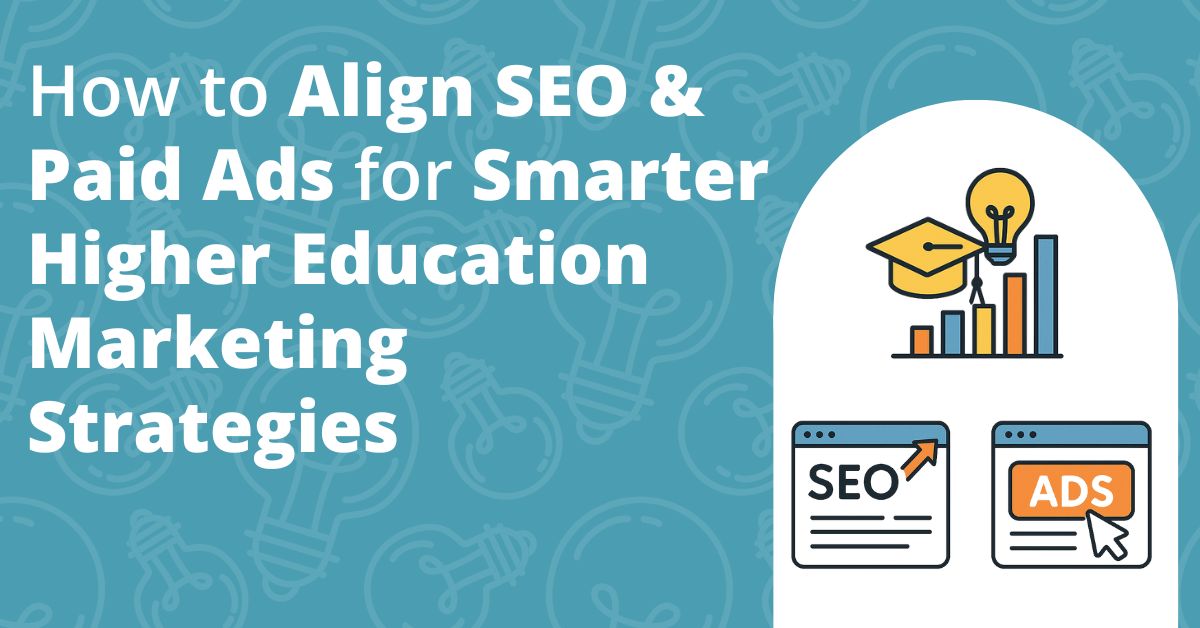
  • Higher Education Marketing Strategies: Align SEO & Paid Ads for Smarter Results

    Higher Education Marketing Strategies: Align SEO & Paid Ads for Smarter Results

    Higher Education Marketing Strategies: Align SEO & Paid Ads for Smarter Results

    Key Insights

    • The modern student journey is multi-channel: Your marketing efforts must span search engines, social platforms, and AI tools.
    • SEO builds long-term visibility: SEO is a key strategy for sustaining awareness and reducing overall acquisition costs over time.
    • Digital ads deliver speed and precision: Paid ad placements boost visibility during critical enrollment windows and for time-sensitive offers.
    • Together, SEO and ads drive better results: Aligning both helps you maintain visibility and adapt to changing search behaviors.

    Today’s prospective students are intentional researchers in their college search.

    They explore degree programs, admissions requirements, and career outcomes on platforms like Google, ChatGPT, TikTok, and YouTube, often before visiting your website. To reach them during these early moments of consideration, your higher education marketing strategies must prioritize visibility across search engines, social platforms, and AI-driven tools.

    This is where SEO and digital ads work in tandem to keep your institution present, credible, and competitive.

    When aligned well, these tactics guide prospective students from first search to final enrollment with greater efficiency and impact.

    Search Engine Optimization (SEO) at a Glance

    Search Engine Optimization (SEO) at a Glance

    What is SEO?

    SEO stands for search engine optimization. It’s a long-term strategy that improves your website’s visibility in organic (non-paid) search results. This involves refining your content, technical structure, and site authority so your pages appear more prominently when prospective students search on platforms like Google, ChatGPT, and other AI-driven tools.

    In higher education, visibility at key points in the decision-making process directly impacts who finds your programs and who doesn’t. SEO helps your institution show up across the enrollment journey, from early awareness to application. When your site is optimized effectively, it becomes easier for students to find the information they need and easier for you to convert interest into action.

    Why is SEO important for higher education institutions?

    SEO is important for higher education institutions because it helps your programs appear where student intent begins. Research shows that 68% of online experiences start with a search engine, making visibility in those early interactions critical for attracting qualified prospects.

    Today’s students are self-directed and often explore degree options, admissions requirements, and tuition costs on their own, sometimes weeks or months before they ever reach out to an academic institution. If your content doesn’t surface during that initial research phase, your school may never make the shortlist.

    By investing in SEO, higher ed institutions build lasting authority, credibility, and trust. It reinforces your brand presence without relying entirely on paid channels and sets the foundation for long-term enrollment growth.

    What are the benefits of higher education SEO?

    A strong SEO strategy does more than drive traffic. It brings the right traffic. In aligning your content with what prospective students search, you improve visibility and engagement at every stage of the recruitment pipeline.

    Some of the leading benefits of higher education SEO include:

    • Capturing high-intent search traffic from students actively searching for programs like yours
    • Supporting content marketing by making blogs, guides, and admission web pages more discoverable
    • Improving user experience through technical SEO that enhances site speed and mobile responsiveness
    • Boosting credibility with higher rankings, rich snippets, and inclusion in AI Overviews and other AI-powered search features
    • Enabling smarter decisions through keyword research and user behavior analytics
    • Strengthening long-term visibility as ad costs rise and search algorithms evolve

    SEO is not just a marketing add-on. It’s a strategic asset that improves performance across digital channels. When done well, it strengthens your institution’s credibility and reaches students where they’re actively searching.

    What does higher education SEO entail?

    Higher education SEO requires a strategic approach that reflects how 1) students search and 2) how modern search engines and AI platforms process content. It focuses on clarity, structure, and alignment with user intent.

    Key elements of a higher education SEO strategy include:

    • Conducting keyword research based on student goals, questions, and decision-making stages
    • Using entity-based and semantic SEO to match how AI systems interpret and connect information
    • Optimizing on-page elements like meta tags, headers, and image alt text
    • Creating evergreen content such as program pages, tuition details, and frequently asked questions
    • Improving technical performance through mobile-friendly design, fast load times, and structured data
    • Strengthening internal linking and earning high-quality citations from trusted sources
    • Monitoring performance metrics and adjusting tactics to respond to algorithm changes and user behavior

    This ongoing work creates a structured foundation that helps your institution remain relevant across traditional and AI-driven search platforms.

    Digital Advertising (Paid Ads/Pay-Per-Click) at a Glance

    Digital Advertising (Paid Ads/Pay-Per-Click) at a Glance

    What are digital paid ads/PPC?

    Digital paid advertising refers to any online campaign where you pay to promote your content, programs, or brand across platforms where prospective students spend time. These ads can appear in search results, on social media feeds, within videos, or across websites through display networks.

    PPC, or pay-per-click, is one of the most common payment models used in digital advertising. Instead of paying for impressions, you’re charged only when someone clicks your ad. In this way, paid advertising describes the strategy, while PPC refers to how you’re billed.

    Common platforms include Google Ads for search and display, Meta (Facebook and Instagram) for interest-based targeting, YouTube for video promotion, and programmatic networks for broader reach. Each offers a different way to connect with prospective students based on their behaviors, demographics, and intent.

    Why should digital advertising be part of your higher ed marketing strategy?

    Digital advertising is a vital tool for reaching students during critical decision-making windows. Unlike organic strategies, which take time to gain traction, paid ads offer “immediate” visibility in high-traffic environments like search results and social feeds. This immediacy is especially valuable during application pushes, event promotions, or when organic rankings fluctuate.

    For colleges and universities competing for attention in crowded markets, digital ads offer the agility to respond to shifting trends and student behavior in real time. They also create a clear path to visibility when SEO alone can’t secure top placement, especially for high-volume, high-competition keywords.

    When time-sensitive goals are at stake, paid ads allow you to act quickly, focus your message, and precisely reach your target audience.

    What are the benefits of digital ads?

    Digital ads offer a level of control, speed, and insight that is difficult to achieve through other channels. With the right setup, you can run targeted campaigns that respond to real-time behavior and performance data.

    Benefits of digital ads include:

    • Fast results, bringing qualified traffic to your site shortly after a campaign launches
    • Trackable performance that allows you to connect ad spend to inquiries and applications
    • Targeting precision based on factors like location, age, device, interests, or behavior
    • Budget efficiency through dynamic allocation based on campaign performance
    • Seasonal flexibility to scale campaigns up or down as enrollment cycles shift
    • Campaign testing to compare messages, creative formats, and calls to action
    • Retargeting power to re-engage visitors who left your site without taking the next step

    Well-executed campaigns go beyond visibility gains. They deliver measurable insight into which messages and channels are driving potential students to act.

    What does a digital advertising strategy entail?

    A strong digital advertising strategy involves setting clear goals, targeting a well-defined audience, and choosing ideal platforms for delivery. This helps your institution stay adaptable while reaching students where they spend their time online.

    Key elements of a digital advertising strategy include:

    • Identifying high-intent keywords and audience segments by program, location, age, and behavior
    • Choosing platforms that align with campaign goals, such as Google, YouTube, Meta, LinkedIn, or display networks
    • Writing ad copy, headlines, and landing pages tailored to each platform and audience
    • Designing creative assets that reflect your brand and support campaign objectives
    • Setting budgets, bids, and targeting rules by geography, demographics, or device
    • Launching campaigns with tracking to measure clicks, inquiries, and conversions
    • Adjusting creative, targeting, and spend based on performance
    • Retargeting visitors who viewed your site but didn’t convert

    This coordinated approach helps higher ed marketers reach the right students at the right time while maintaining full visibility into campaign success.

    Why SEO and Digital Paid Ads Work Better Together

    Why SEO and Digital Paid Ads Work Better Together

    When used together, SEO and digital ads give you better control over how and when students discover your programs. They serve different purposes but share the same goal: helping your institution show up, build trust, and guide prospective students toward taking the next step.

    Maximize visibility in search results

    Running both SEO and paid search campaigns lets your institution appear in multiple positions on a single results page. This increases your visibility, reinforces brand credibility, and reduces the likelihood of competitors taking that spot instead.

    Drive traffic while SEO gains traction

    SEO is a long-term, yet sustainable, investment. Paid ads help you stay visible in the meantime, especially when launching a new program or entering a competitive market. While your organic rankings build, ads keep inquiries flowing.

    Test messaging before you commit

    Digital ads allow you to quickly test headlines, descriptions, and offers. The best-performing messages can then be applied to SEO page titles, meta descriptions, and even on-page content, improving both click-through rates and relevance.

    Validate keywords with real results

    Paid search shows you which keywords actually drive clicks and conversions. This data can guide your SEO strategy by helping you focus on the terms students search most often and respond to rather than relying solely on keyword tools.

    Retarget prospects who leave

    SEO may attract the initial visit, but not every student is ready to apply right away. With paid ads, you can retarget those visitors and keep your institution top of mind, especially during high-stakes decision windows.

    Lower CPC with better landing pages

    SEO principles like clear structure, fast load times, and relevant content can improve your ad landing pages. This often leads to higher Quality Scores in Google Ads, which reduces your cost-per-click and increases return on ad spend.

    Share data to make smarter decisions

    When SEO and paid ad teams work together, both channels benefit. Search terms, audience behavior, and performance metrics from one can shape strategy for the other, leading to stronger messaging, better targeting, and higher conversion rates.

    How to Align Your Strategy and Budget with Goals

    A thoughtful, comprehensive marketing plan considers how SEO and paid ads contribute at different points in the recruitment cycle. While both digital marketing strategies play a unique role, aligning your investment with your institutional goals (rather than dividing tactics by default) helps you make more strategic, data-informed decisions.

    Use SEO for:

    Building visibility for evergreen content

    Program pages, admissions FAQs, and degree outcomes are high-interest assets that students search for year-round. SEO ensures these pages consistently rank and remain discoverable across enrollment cycles.

    Answering long-tail, high-intent questions

    Students often search with specific phrases like “best online MPH programs for working adults.” Optimizing for these longer queries helps your content meet students at key decision-making moments.

    Strengthening authority over time

    Search engines and AI platforms reward content that demonstrates expertise and trust. By publishing helpful, on-topic SEO content regularly — and earning backlinks and citations from reputable sources — you signal authority over time and improve your chances of ranking across high-impact search terms.

    Supporting decision-making after inquiry

    SEO helps prospective and admitted students find the content they need after expressing interest, such as financial aid resources, enrollment steps, and orientation details. Optimizing this type of content ensures your institution remains visible and helpful beyond the initial click.

    Reducing long-term CPI

    Unlike paid ads, organic traffic doesn’t require a cost per click. A strong SEO foundation lowers dependency on paid placements over time, driving qualified leads while keeping cost per inquiry (CPI) in check.

    Use digital ads for:

    Accelerating time-sensitive goals

    Campaigns tied to deadlines, events, or scholarships need instant visibility to drive action. Paid ads allow you to deliver focused, high-priority messages exactly when timing matters most.

    Launching new programs or locations

    New academic offerings or secondary campuses often lack the organic search authority to rank well early on. Paid ads help you build awareness and attract early interest while SEO efforts gradually take hold.

    Competing on high-volume search terms

    For highly competitive keywords where top rankings are difficult to secure, paid ads keep your institution visible. This ensures you’re not missing out on critical traffic during peak search activity.

    Testing and refining your message

    Digital campaigns offer a fast, low-risk way to test headlines, offers, and positioning statements. Use this performance data to gain insights, inform future updates, and shape messaging across other channels.

    Reaching segmented or niche audiences

    With detailed targeting options, paid ads let you focus on specific groups, like adult learners, out-of-state students, or those interested in a particular program. This helps extend your reach beyond what organic search alone can deliver.

    Questions to help allocate budget

    Before deciding how much to invest in SEO or digital ads, it’s important to clarify the goals, timeline, and audience of each initiative. Use the following questions to guide a smarter, more intentional allocation of resources:

    • Is this a short-term campaign or a long-term visibility play?
    • Do you already rank organically for target keywords, or are you starting from scratch?
    • Are you trying to increase awareness, generate inquiries, or drive completed applications?
    • What is the lifetime value of the program or student audience you’re targeting?
    • Do you need geographic or behavioral targeting that SEO alone can’t deliver effectively?
    • What insights from past campaigns can inform your channel mix for this initiative?

    Think of SEO as the groundwork for sustained visibility and trust, while paid campaigns offer speed and flexibility. By evaluating timing, audience intent, and program priorities, you can allocate budget where it makes the most impact.

    Create a Stronger Higher Education Marketing Strategy

    The most effective higher education marketing strategies don’t rely on a single channel. They align tactics to meet student expectations at every stage of their search journey.

    By pairing long-term organic visibility through SEO with the immediacy and precision of digital advertising, your institution will reach more prospective students, guide them through complex decisions, and support better outcomes from first search to final enrollment.

    If you’re looking for a more intentional way to prioritize your marketing efforts and budget, we’d be honored to help. Download “Solve Your Higher Ed Marketing Puzzle With SEO and Paid Digital Ads” to learn how to:

  • Focus on the tactics that make the biggest enrollment impact
  • Reduce wasted spend and improve lead quality
  • Increase conversions with personalization, testing, and retargeting
  • Tie campaign performance to ROI metrics that matter to leadership
  • See how you can integrate SEO and paid advertising to power your enrollment pipeline today.


    Image Credits:

    Unsplash , Unsplash and Pexels

  • Is Your Website Leaving Visitors Behind? [Plus: Ads in AI Overviews!] – July Client Insider

    Is Your Website Leaving Visitors Behind? [Plus: Ads in AI Overviews!] – July Client Insider

    The Latest on Ads in AIOs & Creating an Inclusive Web Experience for Your Audience

    Ads in AI Overviews are Coming

    From Google: “Advertisers who are already using Performance Max, Shopping, and Search campaigns with broad match, including AI Max for Search campaigns, will be eligible to have their ads appear in AI Overviews and AI Mode.”  

    Currently, advertisers do not get much control or reporting on performance in these placements. 

    We’ll continue to keep you updated as we learn more, and we’re optimistic this could become an important tool to regain some organic traffic lost to AI Overviews and SERP features.

    Discover How accessiBe Can Make Your Website ADA Compliant and Accessible to All

    Website accessibility isn’t just a legal requirement; it’s fundamental to creating a positive online experience for all users. When you make your website accessible, you comply with ADA regulations and open the doors to a broader audience, improve user satisfaction, and enhance your company’s reputation as an inclusive and socially responsible entity.

    How accessiBe Helps

    accessiBe provides a widget that makes accessibility modifications to your website based on a user’s individual needs. Artificial intelligence (AI) also runs in the background to scan your website every 24 hours and automatically optimizes its accessibility level. 

    Some of the most used features include: 

    • Changing the font to be a standard, legible font
    • Increasing the font size
    • Emphasizing titles and links
    • Content scaling (zooms in the whole page) 
    • Adjust word spacing
    • Screen reading software for full or partial blindness

    How Can I Add accessiBe to My Site?

    We can guide you through the key steps to improve the accessibility of your site. accessiBe requires an annual subscription and a one-time implementation of website code. Once set up on your site, it will be present at all times, so long as you continue to renew your subscription.

    • accessiBe Annual Subscription: Starting at $490/year
    • Search Influence-facilitated Implementation: Starting at $475/website

    Reach out to your Account Manager to get started, and our team of experts will facilitate setting up your account and implementing the code across your website. 


    Read More About Web Accessibility


  • Should You Be Marketing During a National Crisis?

    Should You Be Marketing During a National Crisis?

    This post was updated by Alison Zeringue on July 14, 2025 to reflect current best practices. It was originally published on Nov 4, 2024.

    Key Insights

    • Data shows that marketers who continue marketing during economic, political, health, or environmental crises recover faster and build stronger customer trust than those who cut back.
    • In times of crisis, whether it’s an economic downturn or a natural disaster, your marketing strategy must adapt to meet changing consumer needs and maintain visibility.
    • Digital marketing channels like SEO, PPC, and performance TV provide high value during crises by maximizing reach and minimizing wasted ad spend.
    • Staying focused on brand longevity positions you for growth and success once the uncertainty passes.

    In a world where change is the only constant, every brand’s ability to adapt is tested time and again. Whether facing economic downturns, political unrest, health epidemics, or environmental disasters, marketers have to remain agile to respond to the inevitable effects of a national crisis.

    Yet, one thing remains true: Resilience in these trying times separates thriving brands from the rest.

    When a disaster strikes, the stakes for such adaptability and resilience are higher than ever.

    Marketers across the country face a dilemma: retreat and cut brand marketing budgets or seize the moment to strengthen their brand’s longevity.

    Cutting down on marketing during a crisis is a tale as old as time, though not a wise one. While crises often cause public turmoil, they also create valuable opportunities to maintain loyalty with your core audience and earn new customers at the same time.

    In this blog post, we’ll discuss the importance of marketing during a national crisis and show you how to maintain a strategic advantage during times of adversity.

    Importance of Brand Communication in Times of Uncertainty

    Importance of Brand Communication in Times of Uncertainty

    Here’s the stark reality: If you halt advertising during a national crisis, you delay your rebound and stifle your brand’s potential.

    Yes, consumers tend to temporarily alter their spending habits during tough times, prioritizing essential goods versus discretionary ones. But if you follow suit and slash your marketing budget to the very bare bones, you risk missed opportunities to stay top-of-mind when it matters most.

    Properly managing business disruptions, should they occur, is essential to maintaining a steady connection. When you keep your audience updated about any changes to your operations — whether it’s new safety measures, service interruptions, or modified hours — you demonstrate your commitment to their well-being and ensure they don’t feel left in the dark.

    As the country recovers from the mayhem, your target audience will, too (in time). If you don’t remain present, they won’t be thinking about your brand, even when they have the mental capacity to. Steady engagement builds trust and shows that you remain reliable and transparent during challenging times.

    Failure to do so translates to a crucial blow to your brand’s health, keeping you ten steps behind your competitors who were actively engaged during the mayhem.

    Tips for Budgeting for Smarter Marketing

    Hesitation is the enemy of progress. Instead of going into hibernation mode during a recession, brands need to embrace the challenge and pivot to a proactive budgeting approach.

    Don’t be tempted by budget cuts

    In times of crisis, the knee-jerk reaction is to tighten the purse strings, often resulting in reduced, or even halted, advertising spend. Sure, budget cuts give you the illusion that they’re helping your brand, especially in the short term.

    But, spoiler alert: Marketing research suggests otherwise.

    Instead of cutting the cord on marketing spend, shift your focus to staying visible and resilient to set your brand up for long-term success and faster recovery.

    As Hubspot says regarding crises “… just keeping promotional spend flat will put your brand in a dominant position. As an example, if all the companies in your category cut their promotional spend in half, suddenly your budget that was 10% of the total share of voice now doubles to 20% as a result.”

    Explore cost-effective advertising channels

    Advertising doesn’t always have to be synonymous with “expensive” — it boils down to what you choose to spend your dollars on.

    Digital marketing tactics, whether through SEO (search engine optimization), PPC (pay-per-click) ads, or performance TV, are generally an economically efficient choice. For example, online ad campaigns offer distinct advantages over traditional methods, such as precise targeting, expanded reach, and real-time performance metrics, helping you maximize your impact while minimizing wasted ad spend.

    SEO is also an excellent, cost-effective choice for maintaining visibility in search and driving long-term growth among your prospects. Start implementing strong SEO tactics now, and you just might see considerable results by the time the crisis is over.

    Whichever your preferred channel(s), focus on the ones that are most cost-effective for you. Those with the best cost-to-performance ratio will keep your brand afloat even in the most unexpected times.

    Stay focused on the long-term

    You’ve likely heard marketing is a long game. Go all in for the long haul.

    Consumer spending may dip temporarily, but your mission is to use this time wisely. Position your brand as a dominant presence in the minds of potential and existing customers, even if they’re not making immediate purchases. The downtime is a ripe opportunity to refine your strategic plans and strengthen your marketing processes to set your brand up for success when business picks back up.

    Think of your advertising opportunity today as a brand and pipeline-building objective for tomorrow. Focus on preparing for the future and what you can control rather than reacting to short-term fluctuations.

    Doing so makes you the go-to choice when they’re ready to buy, unlocking the key to loyal customers.

    Effective Marketing Strategies During a National Crisis

    Search Influence - Effective strategies during a national Crisis

    Marketing during an economic crisis

    Marketers en route to budget cuts during a recession should take a lesson from the mighty hand of the Great Recession of 2008. This economic downturn hit marketers hard and their strategies even harder.

    But it was kind to those who stayed the course.

    As the saying goes, “When the going gets tough, the tough get going.” Kantar research shows that brands that took the risk to continue advertising during the 2008 recession recovered 9x faster than those who jumped ship.

    Flipping the angle, Millward Brown data exposed the consequences of cutting advertising spend during this time. A staggering 60% of brands that paused TV ad spending for just six months experienced a 24% decline in brand use and a 28% drop in brand image. Brands that slashed budgets more aggressively than competitors faced an even grimmer fate — a painful loss of market share.

    For businesses already grappling with revenue losses, reducing marketing budgets during a recession often spells disaster. Your strategy must adapt, whether the intensity of a recession is minimal or as impactful as 2008.

    Recommended strategies

    To navigate low consumer sentiment, maximize your budget, and effectively market your business during a recession:

    • Allocate budget funds to the most value-driven marketing channels proven to work for your brand
    • Offer brand discounts, promotions, bundled services, or loyalty programs to reach cost-wary buyers
    • Highlight the cost-effectiveness and long-term savings of your products or services

    Marketing during a political crisis

    From government shutdowns to civil unrest and corruption scandals, political crises are historic shock factors that often lead to mass mayhem. Among these, elections introduce power shifts that, while typically orderly, can still disrupt markets and shake public confidence.

    Despite the so-called “election year effect,” your brand doesn’t have to get lost in the shuffle. Your job is to acknowledge and address the heightened consumer uncertainty head-on.

    In times of political transition, consumers may be more cautious with their decisions, seeking stability and clarity. As a marketer, this is your opportunity to position your brand as a reliable constant amid the noise. Focus on crafting messages that reassure, offering value and trust when consumers need it most.

    Recommended strategies

    To reach your audience and adapt your marketing during political crisis:

    • Focus your budget on long-term brand awareness to ensure your presence remains strong during and after the unrest
    • Prioritize clear, transparent communication to reassure your audience during times of political change or uncertainty
    • Avoid polarizing or controversial messages to maintain broad appeal and avoid alienating any part of your customer base

    Marketing during a health crisis

    Much like the Great Recession of 2008, marketers learned valuable insights during the COVID-19 pandemic — this time, in the context of marketing during a global health crisis.

    COVID-19 or not, a health crisis is often an agent of chaos, but it does bring brands real opportunity. Marketers should hold steady and adopt proactive strategies that position their brand as a trusted leader when customers need it most.

    As consumers tightened their belts and hunkered down at home, many brands instinctively pulled the plug on their advertising expenditures during COVID-19. According to Marketing Week research, more than half (55%) of marketers either delayed launching campaigns or were rethinking budget commitments in March 2020, the month the WHO declared COVID-19 a pandemic.

    The outcome? An environment teeming with advertising inventory but devoid of competition. Advertising costs plummeted to historic lows during the pandemic year (from March 2020 to the following year), resulting in astonishingly low costs per lead (CPL).

    With more people at home, significantly more time was spent online. In March 2020, Facebook reported record usage each day, creating ripe advertising opportunities for many marketers who just wouldn’t bite.

    In this chaotic landscape, the brands with a solid marketing strategy were the ones setting themselves up for success in the future.

    At Search Influence, we saw the success of our clients who chose to stick it out. In March 2020, one of our higher education marketing clients’ Facebook Display campaign generated the most inquiries in one month since its launch. There was also a 111% increase in inquiries from Google Smart Display month-over-month. For Q1 2020, our client achieved an impressive 47% of 2019’s inquiries — with only 29% of their budget.

    Recommended strategies

    To effectively manage prospect and customer relations during a health crisis:

    • Allocate funds to digital marketing channels, such as social media and email, where engagement increases as people spend more time online
    • Emphasize health and safety in your messaging, reassuring prospects that their well-being is your top priority during uncertain times
    • Shift to virtual services or events, offering online consultations, webinars, or shopping options to maintain accessibility and engagement

    Marketing during an environmental crisis

    The United States is, unfortunately, no stranger to the effects of environmental catastrophes. From California wildfires to Hurricane Katrina, these crises often leave devastating impacts on communities and businesses alike in their aftermath.

    Each environmental crisis brings a wave of uncertainty, many times disrupting supply chains, damaging infrastructure, and shifting consumer priorities toward immediate needs and safety. Communities are forced to adapt, and businesses must quickly pivot to meet new demands and expectations — all while doing everything possible to keep operations running.

    This makes staying connected with prospects and existing customers all the more important. Clear, compassionate communication reinforces your brand’s reliability during the immediate crisis and builds trust that can last long after it has passed.

    Recommended strategies

    To stay connected during an environmental crisis, adjust your marketing budget to allocate for messaging that shows empathy and provides real value. You should:

    • Prioritize transparent communication about key business details, such as closures, adjusted hours, or service availability, to keep prospects and customers informed
    • Demonstrate your brand’s commitment to recovery, whether by supporting local relief efforts, offering donations, or sharing sustainability initiatives that resonate with your audience
    • Implement real-time engagement tools, like live chat or automated messaging, to address customer concerns promptly and offer support in challenging times

    Marketing During a National Crisis FAQ

    What is crisis communication?

    Crisis communication is the strategic exchange of timely, accurate information between an organization and its stakeholders during a disruptive event.

    Crisis communications is the discipline that keeps employees, customers, partners, and the public informed when normal operations are threatened. A strong crisis communications program clarifies what happened, what the brand is doing about it, and what people should do next. It blends PR, customer service, and internal messaging across owned, earned, and paid channels to minimize misinformation, protect reputation, and maintain trust.

    How should I communicate with customers during a crisis?

    Effective crisis customer communication relies on clear, empathetic, and rapid updates delivered through the channels your audience already uses.

    Lead with empathy, acknowledge the issue, and state specific actions you’re taking. Keep messages short, jargon-free, and consistent across email, social, SMS, and on-site banners.

    Why is it important to have a crisis communication plan?

    A crisis communication plan ensures fast, coordinated responses that protect brand trust and speed recovery.

    When every minute counts, a pre-approved playbook defines roles, approval paths, key messages, and preferred channels, eliminating guesswork and delays.

    Helping You Turn Uncertainty Into Opportunity

    National uncertainty can be jarring for brands, but it doesn’t have to mean abandoning your marketing efforts.

    At Search Influence, we’ve helped countless businesses navigate turbulent times, enabling them to maintain momentum with targeted marketing. Our crisis marketing strategies, industry experience, and proven services are a cornerstone for brands looking to weather the storm and emerge stronger.

    Don’t let mayhem madness knock you off your path to digital marketing success. Contact us today to discuss your goals and make them a reality.


    Image Credits:

    iStock and Pexels

  • UPCEA Guest Blog: Alison Zeringue on Using SEO + PPC in Higher Ed Marketing

    UPCEA Guest Blog: Alison Zeringue on Using SEO + PPC in Higher Ed Marketing

    Table of Contents

    Search Influence’s Director of Account Management, Alison Zeringue, is helping higher education marketers rethink their digital strategies in her latest UPCEA guest post: “Digital Marketing Strategy for Higher Education: Drive Enrollment With SEO and PPC.”

    In the blog, Alison highlights why schools can no longer rely on SEO or paid ads alone.

    Today’s student search behavior is fragmented across AI Overviews, social media platforms, and traditional search engines.

    To compete, institutions must build integrated campaigns that engage prospective students, wherever discovery happens.

    A magnifying glass

    Reaching Students in a Fragmented Search Landscape

    The modern student search journey is no longer linear. Students may watch a TikTok video, ask ChatGPT for degree comparisons, browse Google AI Overviews, or click a retargeted Instagram ad, all within the same day.

    Without a unified digital strategy, schools risk losing visibility at critical touchpoints. Alison explains how aligning SEO and PPC helps institutions close those gaps.

    SEO builds brand authority and improves organic visibility in both traditional search results and AI-generated summaries. Paid ads provide guaranteed placement in high-intent moments, supporting awareness, lead generation, and enrollment conversion.

    When combined, these tactics ensure your institution shows up consistently, guiding prospective students through every stage of their decision-making process.

    Building an Integrated Strategy That Drives Results

    A graphical representation of connections

    In her guest post, Alison offers actionable advice for bringing SEO and paid efforts into alignment. She covers how to:

    • Structure SEO content for AI-driven search
    • Build funnel-specific paid campaigns that match student intent
    • Use cross-channel insights to refine targeting and messaging

    As she emphasizes, schools that take a siloed approach will struggle to compete as AI-powered search and social search reshape how prospective students explore their options.

    Build a Smarter Enrollment Funnel

    If your team is ready to bring its marketing strategy in line with today’s search behavior, Alison’s blog is a valuable starting point.

    To go deeper, download our white paper: 7 Strategies to Create a Successful Education Marketing Campaign. It expands on many of the same themes, offering a practical, student-centered framework to help you:

    • Map the full enrollment funnel based on how students actually search
    • Align website content, paid media, and email nurturing to engage prospects at each stage
    • Build a cross-channel marketing strategy that drives more inquiries and conversions


    The white paper is built for higher ed marketers looking to drive measurable enrollment outcomes, not just traffic. If you’re ready to rethink your strategy, this is the resource to guide your next steps.

    Download the white paper to start building a stronger enrollment marketing foundation.

    Images:
    Unsplash
    Unsplash

  • SMX Advanced Boston Session: Will Scott on “5 Key Insights for Mastering Generative Engine Optimization”

    5 Key Insights for Mastering Generative Engine Optimization

    This past June, Search Influence Co-Founder and CEO Will Scott attended SMX Advanced Boston to speak on one of the most pressing topics in digital marketing today: Generative Engine Optimization (GEO).

    His session, “5 Key Insights for Mastering Generative Engine Optimization,” took place on Friday, June 13, from 1:45 to 2:15 PM ET.

    This fast-paced, tactical talk explored how marketers can improve their visibility in AI-generated search results across platforms like Google AI Overviews, Bing Copilot, and ChatGPT Search.

    Catch a preview of what was discussed in this video interview with Will Scott and Danny Goodwin, Editorial Director of Search Engine Land and Search Marketing Expo.

    Why Generative Engine Optimization Matters

    A model of brain synapses

    AI-powered search is rapidly transforming how content is discovered, ranked, and served. Instead of simply matching keywords, today’s generative engines rely on a mix of structured data, recognized entities, and conversational language to deliver summarized results.

    These changes aren’t just reshaping rankings. They’re redefining what “findability” means in search.

    To stay competitive, marketers need to understand how these systems retrieve and prioritize information. In “5 Key Insights for Mastering Generative Engine Optimization,” Will outlined five critical tactics to help SEOs adapt their strategies for the AI-first search world.

    After attending, marketers walked away with a clearer understanding of how to:

    • Align content with recognizable entities and structured data to improve AI relevance
    • Enhance visibility by incorporating sources and signals that reinforce trust
    • Evaluate how content performs across AI-generated search results using AI SEO tracking tools
    • Refine SEO tactics to accommodate conversational and predictive search

    About Will Scott

    Will Scott has been at the forefront of SEO for over two decades, helping marketers adapt to constant shifts in how content is discovered and ranked.

    In 2006, he co-founded Search Influence with his wife, Angie, and has since led the agency in supporting thousands of clients through everything from technical site fixes to the emergence of AI in SEO.

    He’s internationally recognized for his contributions to the industry and is credited with coining the term “barnacle SEO” in 2008 — a strategy still used today to build visibility through high-authority platforms.

    This spring, Will led a two-day Generative Engine Optimization Master Class for SMX, delivering practical guidance on content structure, entity optimization, and tracking AI search performance. He also presented at LocalU Global, sharing AI-powered strategies for streamlining local SEO efforts.

    In addition to leading Search Influence, Will regularly contributes to marketing publications and speaks at industry conferences such as Pubcon, offering insight into the evolving relationship between AI and SEO.

    Take Your AI SEO Strategy Further

    The words 'AI' with a robot hand and human hand

    The SMX Advanced session offered a sharp look into what matters most for AI SEO. But when the session ended, the real challenge began: taking those insights and turning them into action for your institution.

    That’s where our SEO Roadmap comes in.

    SEO Roadmap: A clear path to SEO success

    Built specifically for higher education marketers, the SEO Roadmap is a short-term, high-impact engagement that goes deep on one top degree program. It gives you a focused, testable plan you can implement immediately and scale strategically.

    Each SEO Roadmap includes four key components of a comprehensive SEO strategy:

    • Keyword Strategy: Targeted terms based on search demand, competition, and AI-query relevance
    • Content Strategy: Page-level guidance for structure, on-page optimization, and entity inclusion
    • Technical SEO: Fixes and enhancements to help search engines (and AI models) crawl and index your site more effectively
    • Authority & Link Building: Tactics to boost your trust signals and visibility in both traditional and AI-generated search results

    You’ll gain prioritized recommendations and clear next steps so your team knows what to do now and what to build toward next.


    Ready to start with one program and scale your results?

    Contact us to build a future-ready AI search strategy that drives enrollment.

    Images:
    Unsplash
    Unsplash

  • Reach Your Audience on the Biggest Screen in the House – June Client Insider

    Reach Your Audience on the Biggest Screen in the House – June Client Insider

    Maximize Your Brand’s Impact with CTV & OTT

    The power of TV meets the precision of digital advertising

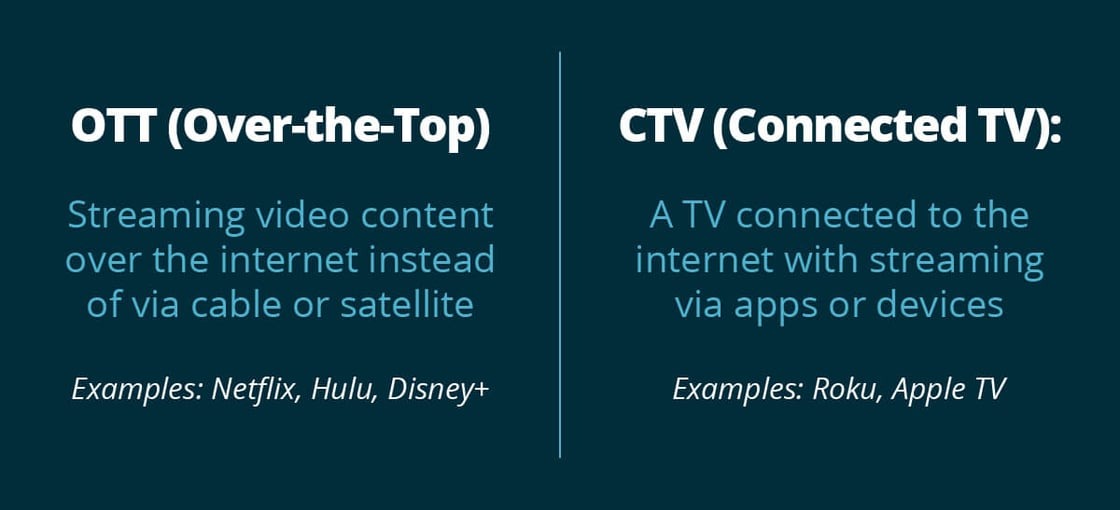
    Did you know we offer streaming video ads – also known as Connected TV (CTV) and Over the Top (OTT) ads – so your brand remains top-of-mind throughout the entire customer journey?

    Almost half of internet-connected U.S. households* have now “cut the cord” on traditional TV subscriptions in favor of streaming services. Show up where your audience is already watching to maximize visibility and drive meaningful engagement.

    Programmatic Connected TV advertising gives your brand premium placement on the largest screen in the home, while using the same audience targeting and attribution tools as your digital campaigns, and at a much lower cost than traditional TV.

    OTT vs CTV

    Streaming video ads display your ads across devices, from smart TVs to tablets and mobile phones. With the ability to track performance in real time and retarget viewers across channels, these campaigns help you build a full-funnel strategy that connects the dots from awareness to conversion.

    Why Incorporate CTV & OTT Advertising into Your Strategy?

    • Build brand recognition early in the decision-making process
    • Re-engage audiences who have already interacted with your ads or website to move them further down the funnel
    • Drive conversions like sign-ups, inquiries, and purchases with precise and timely targeting

    CTV and OTT ads are the modern evolution of billboards and TV spots: they’re smarter, more targeted, and measurable. With household-level targeting and real-time attribution, we can track how your ads drive action and continuously optimize for better results.

    Adding Programmatic CTV to your existing Display, Social and Online Video campaigns ensures your message lands on the biggest screen (and every screen) in the home.

    Ready to explore Connected TV and optimize your ad results? Reply to this email, or reach out to your Account Manager today to discuss adding CTV and OTT advertising into your strategy.

  • The June Influencer: Agency vs. In-House? Plus, Mastering AI for SEO

    Stay ahead in digital marketing with The Influencer, Search Influence’s monthly newsletter covering SEO, digital advertising, and content strategy. Get top tips to fuel your online growth, expert insights from the Search Influence team, and our latest company news. Don’t miss out!

    The AI SEO Guide: From Concepts to Application blog post

    The AI SEO Guide: From Concepts to Application

    WILL SCOTT | 17-MINUTE READ

    As AI reshapes search behavior, your content strategy must adapt. Learn AI SEO essentials to stay discoverable with help from Search Influence.

    Read More


    A quote about SEO Strategy from Search Influence

    Sales & Marketing Director Paula French for UPCEA’s Industry Insights Blog

    Higher Ed SEO Trends to Stay Competitive

    PAULA FRENCH | 13-MINUTE READ

    Find out how to conquer key higher ed SEO trends to ensure you continue to reach and engage prospective students effectively.

    Read More


    Coworkers giving each other a high five

    In-House Marketing vs. Agency Teams: Build a Strong Strategy Together

    PAULA FRENCH | 14-MINUTE READ

    Debating between in-house marketing vs. an agency partnership? See how leveraging both approaches benefits your long-term strategy with Search Influence.

    Read More


    How to Market Microcredentials for Maximum Program Visibility blog graphic

    How to Market Microcredentials for Maximum Program Visibility

    ALISON ZERINGUE | 13-MINUTE READ

    Driving enrollment for non-traditional degrees starts with visibility. Learn how to market microcredentials using a cross-channel approach with Search Influence.

    Read More

  • AI SEO Leader Will Scott to Speak at Two Sessions at Pubcon Pro 2025 in Austin, TX

    AI SEO Leader Will Scott to Speak at Two Sessions at Pubcon Pro 2025 in Austin, TX

    Search Influence is proud to announce that our CEO and Co-Founder, AI SEO Expert, Will Scott, will be speaking at Pubcon Pro 2025.

    The event will take place in Austin, TX, June 19–20, 2025.

    On Thursday, June 19, Will will bring his AI SEO expertise to two high-impact sessions:

    • AI-Powered Agencies: Automate 80% of Your SEO Work
      In this session, Will will reveal how agencies can use AI SEO tools to streamline content workflows, scale optimizations, and maintain quality while accelerating delivery.
    • AI and SEO Content Generation
      As the moderator, Will will guide a dynamic discussion on how AI is reshaping the content lifecycle, from ideation to optimization to AI Overview readiness.

    A Recognized Leader in AI SEO Strategy

    Will Scott is an AI SEO Expert and a digital marketing pioneer known for coining the term “barnacle SEO” and for championing the intersection of automation and strategic SEO. 

    As a founding faculty member at Local U and a frequent speaker at SMX, past Pubcon conferences, and industry associations across the country, Will brings decades of SEO wisdom into today’s generative search era.

    Under his leadership, Search Influence has become a go-to AI SEO (also known as Generative Engine Optimization) agency for organizations in higher education, healthcare, and hospitality, amongst other industries. From content creation and semantic optimization to AI search visibility tracking, our team helps clients adapt to the realities of AI-powered search.

    Learn more about Will’s approach by reading some of his recent blogs:

    Why This Matters: Visibility in a Generative Search World

    AI SEO isn’t a trend, it’s the new foundation of online visibility. With AI Overviews now live in Google Search and large language models shaping what users see, brands that fail to optimize for AI risk falling behind.

    Search Influence has long anticipated this shift. We’ve equipped our clients with agile solutions, including content structured for AI retrievability and scalable workflows using AI SEO tools. 

    Ready to Future-Proof Your SEO?

    If you’re attending Pubcon Pro 2025, don’t miss Will’s sessions.

    From automation strategies that can scale your SEO output to real-world guidance on AI-powered content generation, Will will share practical insights you can put into action immediately.

    Can’t make it to Austin? No problem. 

    Our award-winning AI SEO agency is ready to help you launch your strategy into the future.

    In higher ed? 

    Start with our Higher Ed SEO Roadmap to assess your visibility in an AI-driven search world.

  • How to Secure Stakeholder Buy-In for an SEO Roadmap

    How to Secure Stakeholder Buy-In for an SEO Roadmap

    How to Secure Stakeholder Buy-In for an SEO Roadmap graphic

    Key Insights

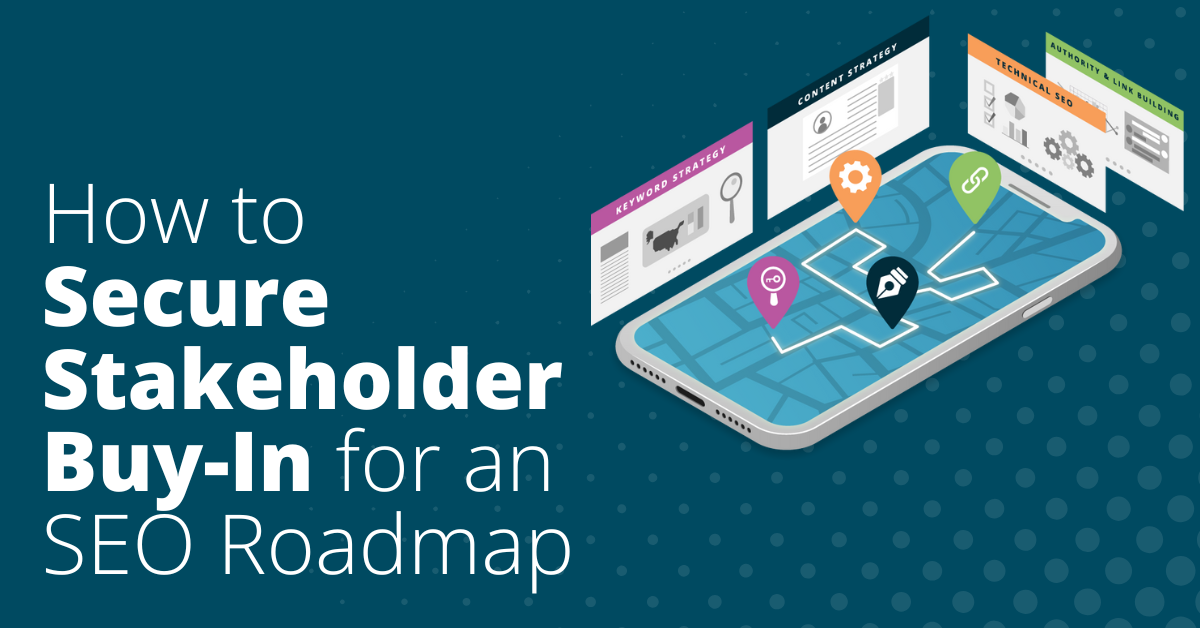
    • Search Influence’s personalized SEO Roadmap will focus on one top program or degree and give you recommendations that you can implement immediately. Your ready-to-execute plan will include keyword strategy, content strategy, technical SEO, and authority and link building.
    • Understand Your Stakeholders: Identify who needs to approve an SEO Roadmap (e.g., marketing leadership and university administration) and tailor your message to address their specific concerns and priorities.
    • Make a Strong Case for an SEO Roadmap: Connect SEO efforts to institutional goals, be transparent about current gaps, show how competitors outperform your school, and quantify your current organic traffic to demonstrate the need for improvement.
    • Highlight the Benefits of an SEO Roadmap: Emphasize that a roadmap aligns SEO with university objectives, identifies quick wins and long-term opportunities, incorporates AI-driven search changes, and serves as a low-risk way to test working with an agency.
    • Address Common Objections: Respond to concerns like “Why not just use an SEO tool?” or “We already have an SEO strategy” by demonstrating the unique value of a customized, data-driven SEO Roadmap.

    Securing stakeholder buy-in for an SEO strategy can be an uphill battle for university marketers.

    You know your institution needs a clear, data-driven approach to boost organic traffic, align with goals, and maintain a competitive edge. Yet, convincing key stakeholders to invest in an SEO campaign requires more than just good intentions. It demands proof.

    Your leadership team needs to see how an SEO strategy will impact the bottom line. They want to understand how improved search engine visibility attracts prospective students and supports long-term growth.

    At Search Influence, our SEO Roadmap offers a clear, actionable plan to enhance your institution’s visibility, get SEO buy-in from key decision-makers, and align your SEO campaign with your university’s goals.

    This blog gives you the practical tools and insights to make a compelling case to your boss — and shows why Search Influence’s SEO Roadmap is the best choice for your marketing team.

    Understanding Your Stakeholders: Who Needs to Say Yes to the SEO Roadmap?

    To secure buy-in for your SEO efforts, you need to know who holds the decision-making power. Different stakeholders within your university have unique priorities and concerns, so tailoring your message to each is essential for success.

    That’s where Search Influence’s SEO Roadmap comes in.

    Designed specifically for higher education institutions, this expert-developed plan outlines clear, actionable steps to improve your search visibility, attract prospective students, and support institutional goals.

    Backed by nearly 20 years of experience, the roadmap goes beyond generic audits — it’s a strategic blueprint tailored to your programs, your audience, and the realities of today’s AI-driven search environment.

    Marketing leadership (CMO, VP of Marketing)

    Marketing leaders focus on how SEO aligns with broader marketing and enrollment strategies. They want measurable results and a clear return on investment (ROI) from your SEO efforts. For them, creating an SEO strategy that outlines specific goals and expected outcomes is crucial.

    What they care about:

    • How SEO efforts fit into the university’s overall marketing plan
    • Demonstrable ROI and the impact on enrollment numbers
    • Quantifiable results that showcase more organic traffic and search engine visibility

    What they might ask:

    • “How will this impact our bottom line?”
    • “What are the key objectives, and how will we measure success?”

    How to communicate effectively:

    Present data-driven insights to support your case. Show how an SEO Roadmap helps create strategies that increase organic search traffic and enhance your university’s reputation. Highlight competitive analyses demonstrating how improved search visibility can help your university outpace peer institutions.

    University administration (Deans, Provosts, CFOs)

    University administration focuses on budget allocation, institutional growth, and maintaining the university’s standing. They need concrete proof that SEO investments will lead to long-term success and attract prospective students. An effective SEO strategy should align with their strategic objectives, demonstrating that the effort will yield sustainable growth.

    What they care about:

    • Cost-effectiveness and impact on the university’s reputation
    • Strategic growth and maintaining competitiveness
    • Data supporting the effectiveness of SEO in higher education

    What they might ask:

    • “How does this compare to other investments we could make?”
    • “What specific outcomes can we expect from these SEO tasks?”

    How to communicate effectively:

    Frame the SEO Roadmap as a strategic long-term investment. Emphasize how improved organic search traffic increases enrollment and supports the university’s competitive positioning. Use precise, data-backed projections highlighting the potential for sustained growth and visibility.

    People organizing sticky notes on a board

    Making the Case for an SEO Roadmap

    Securing your boss’s buy-in for an SEO Roadmap requires a strategic approach. You must demonstrate the value of structured SEO initiatives while addressing potential concerns.

    Here’s how to make a convincing case:

    Connect SEO to institutional goals

    Show how improved SEO aligns with your university’s overarching goals, such as increasing applications and maintaining a competitive position. By demonstrating how SEO efforts support enrollment growth and brand visibility, you make it clear that investing in an SEO Roadmap contributes to long-term success.

    Be transparent about known gaps (results, capacity, capabilities)

    Acknowledge existing challenges, such as limited capacity to manage SEO tasks or inconsistent performance in key areas like technical SEO and content optimization. Transparency builds trust and emphasizes the need for a structured approach. Showing where your current SEO performance falls short sets the stage for why a roadmap is necessary.

    Show competitors beating you

    Provide examples of how competing institutions rank higher in search results for your target keywords. Use competitive analyses to highlight gaps in your current strategy, emphasizing that other schools are capturing organic traffic that your university could be attracting.

    Quantify the amount of organic traffic you currently get

    Present data from Google Analytics to show your current organic traffic levels and how they have changed over time. Break down traffic numbers by key program pages to highlight areas where visibility needs improvement. Quantifying your traffic makes it easier to demonstrate the potential impact of a more strategic approach.

    Show search results for key programs

    Run searches for your institution’s most important programs and compare your rankings with competitors. Use this data to illustrate how your university lacks visibility, which may cost prospective students. Highlighting these gaps makes the need for an SEO Roadmap more tangible.

    Show the impact of SEO on enrollment and visibility

    SEO is a key driver of enrollment and online visibility, considering that 58% of students use a search engine to find a college or university website.

    If your university isn’t ranking well for important search terms, you’re likely missing out on inquiries and applications.

    To strengthen your argument, present case studies of universities that improved search rankings and saw increased application rates. Real-world examples provide the evidence your boss needs to see how effective SEO initiatives can positively impact enrollment.

    Why SEO efforts without a roadmap fall short

    Many universities take a piecemeal approach to SEO, implementing disconnected tactics that lack a clear strategy. This results in wasted resources and minimal gains. Without a comprehensive SEO Roadmap, you will spend time and budget on ineffective methods. A structured, expert-driven roadmap ensures that your SEO efforts align with your goals and deliver measurable results.

    Show how AI is impacting your search visibility

    Demonstrate how AI is already affecting your institution’s organic performance. Share examples of how AI Overviews and zero-click results are reducing traffic to key program pages. Highlight lost visibility for branded or high-intent searches that used to drive inquiries.

    This data helps stakeholders see that inaction has real enrollment consequences. Show how the SEO Roadmap can help your institution optimize your content to show up in AI search results.

    Frame SEO as a necessary investment, not an expense

    Position the SEO Roadmap as a strategic investment that will continue generating organic traffic and supporting enrollment long after the initial effort. Compare the cost of implementing an SEO Roadmap to the long-term ROI of increased applications and heightened visibility.

    By framing your case this way, you demonstrate the value of committing to a structured SEO strategy, making it more likely your boss will see the roadmap as an essential investment rather than a one-time expense.

    The Benefits of Using an SEO Roadmap

    Creating an SEO Roadmap is essential for universities looking to align their digital marketing efforts with institutional goals. It goes beyond generic SEO tools by offering tailored strategies that address the unique challenges of higher education.

    Here’s how an SEO Roadmap can make a difference:

    Aligns SEO with university goals

    An SEO Roadmap helps your university’s marketing team develop targeted strategies that directly support long-term enrollment objectives. By conducting keyword research and identifying search intent for specific academic programs, you can create a plan that aligns SEO efforts with institutional priorities. This approach ensures your digital marketing initiatives aren’t reactive but strategically focused on attracting prospective students and boosting visibility.

    An SEO Roadmap also connects the dots between individual SEO tasks and the university’s broader goals. It helps your team understand how optimizing content, improving site speed, and enhancing link building can drive measurable results.

    Identifies quick wins and long-term opportunities

    One of the primary advantages of building your own SEO Roadmap is identifying immediate and future growth opportunities. Using tools like Google Search Console and project management tools, you can pinpoint quick technical fixes, such as improving site speed or updating broken internal links, that immediately boost rankings.

    The roadmap also outlines a long-term plan for content development, link building, and site structure improvements. This balanced approach ensures that your SEO strategy addresses immediate needs and sets the stage for sustainable growth. Identifying key SEO opportunities in advance helps your team stay proactive rather than reactive.

    Helps you get up to speed on current best practices, including AI SEO

    SEO is constantly evolving, especially with the rise of AI-driven tools and search features like AI Overviews. An SEO Roadmap helps your team stay updated on current best practices, including AI’s impact on search engine results. By incorporating insights from AI SEO tools and data analysis, your roadmap becomes a dynamic resource that evolves with search trends.

    Your SEO roadmap equips your team with the knowledge needed to stay competitive, whether by explaining how AI algorithms affect keyword ranking or leveraging AI tools for content optimization.

    Removes the guesswork from SEO

    Instead of relying on generic reports or automated SEO tools that do not comprehensively address higher ed-specific challenges, the Roadmap offers clear guidance based on data and strategic analysis.

    Your roadmap provides a clear path forward by identifying target keywords, analyzing search intent, and mapping out link building opportunities. It also helps your marketing team avoid common mistakes by outlining best practices, project timelines, and expected outcomes.

    Provides a low-risk way to test working with an agency

    An SEO Roadmap is a practical way to experience the benefits of professional search guidance without a long-term commitment. By working with an agency to create your SEO Roadmap, your university can see the value of expert recommendations before committing to a full-scale partnership.

    This low-risk investment demonstrates how data-driven SEO strategies can significantly improve your site’s SEO performance. Seeing the initial results helps build trust and allows stakeholders to understand the value of ongoing collaboration with an SEO agency.

    People in an office using a whiteboard for planning

    Overcoming Common Stakeholder SEO Objections

    “Why not just use an SEO tool?”

    Your response:

    “SEO tools are great for gathering raw data but don’t provide the expert interpretation to turn that data into actionable strategies. A tool might show you keyword performance or traffic numbers, but without context and analysis, it’s just numbers. An SEO Roadmap, on the other hand, translates those insights into a strategic plan tailored to our university’s core objectives. It helps our team prioritize efforts based on search intent and the competitive landscape, ensuring our SEO work is focused and impactful.”

    “We don’t have the budget for this.”

    Your response:

    “An SEO Roadmap is a cost-effective way to gain visibility and high-quality traffic while also showing us what we need to do next and updating our team’s knowledge of SEO. Its relatively low cost minimizes red tape and approval delays, making it an accessible option for our university. Plus, SEO is not just a one-time expense — it’s a long-term investment. SEO improvements drive organic traffic, helping our university maintain visibility and attract prospective students. The ROI from increased applications and visibility outweighs the initial investment.”

    “We already have an SEO strategy.”

    Your response:

    “It’s worth examining whether our current strategy is delivering results. If our university’s rankings haven’t improved or organic traffic remains stagnant, our current approach may lack the structure needed to adapt to changes in the SEO industry. An SEO Roadmap ensures that our strategy aligns with evolving trends, like AI-driven search, and addresses any gaps identified through keyword research and competitive analysis. It’s not just about having a strategy — it’s about having the right strategy. Regularly tracking SEO progress with a structured roadmap ensures our efforts are on target and continually optimized.”

    “SEO takes too long to show results.”

    Your response:

    “While some aspects of SEO take time to build momentum, not all improvements are slow. An SEO Roadmap helps identify quick wins that can boost visibility in the short term, such as addressing technical issues like site speed or optimizing high-traffic pages. At the same time, it lays the groundwork for long-term growth through strategic content planning and link building. By prioritizing tasks based on impact, the roadmap ensures our team sees measurable progress faster, keeping stakeholders confident in the ongoing efforts.”

    “It’s hard to connect SEO to enrollment goals.”

    Your response:

    “It can be challenging to draw a direct line between SEO and enrollment without a clear plan. An SEO Roadmap solves this by linking increased search visibility to higher inquiry rates, ultimately boosting applications. For example, targeted keyword research identifies terms prospective students are searching for, while optimized content showcases our programs and services. By framing SEO as a way to support enrollment goals directly, the roadmap clarifies how improved visibility translates to real results.”

    How to Get Stakeholder Approval Faster

    Securing stakeholder approval for an SEO Roadmap doesn’t have to be a long, drawn-out process. You can speed up decision-making by presenting data-driven evidence and strategically framing the investment.

    Here’s how:

    Present data-driven evidence

    Data is your strongest asset when making the case for an SEO Roadmap. Use statistics to demonstrate how search-driven enrollment growth directly benefits your institution.

    Highlight how competitor schools rank higher for key search terms — and explain what that means for your university regarding missed opportunities and reduced visibility.

    Include concrete examples, such as how similar institutions improved their SEO impact by implementing a structured roadmap. Demonstrating that the SEO Roadmap is grounded in data makes it easier for stakeholders to see the value.

    Frame it as a low-risk, high-reward investment

    Unlike other marketing initiatives, the SEO Roadmap provides a strategic plan that development teams can follow step by step. This minimizes the risk of wasted efforts while maximizing the potential for sustained visibility and student engagement.

    By emphasizing that the roadmap is not a recurring expense but a strategic asset, you position it as a practical solution rather than a financial burden. Stakeholders are more likely to approve when they see it as a low-risk commitment with high potential returns.

    Emphasize quick wins and long-term value

    Show how the roadmap identifies key tasks that can be executed quickly for immediate improvements. For example, some technical SEO fixes, like updating meta descriptions and title tags and optimizing page speed, yield fast results. This quick progress demonstrates that SEO work doesn’t always take months to show impact.

    At the same time, highlight the long-term content strategy that ensures sustained visibility. Thanks to the roadmap’s structured approach, development teams can track progress easily. Combining quick wins with ongoing efforts reassures stakeholders that they’ll see immediate and long-lasting results.

    Offer a clear next step

    Once stakeholders understand the value of an SEO Roadmap, make the next step easy.

    Encourage them to book a call with Search Influence to discuss your school’s specific challenges and explore how a tailored roadmap can address them. Communicating this step streamlines the approval process and makes it more likely that decision-makers will move forward.

    Why Search Influence’s SEO Roadmap Is the Best Choice for Higher Ed Marketers

    Not all roadmaps are built the same when creating an effective SEO strategy for your university.

    Search Influence’s SEO Roadmap stands out because it’s specifically designed for higher education marketing and addresses universities’ unique challenges.

    Custom, detailed insights — not just another SEO report

    Our SEO Roadmap goes beyond generic reports by offering custom insights tailored to your institution’s specific programs, search trends, and website structure. We don’t just present data — we interpret it, focusing on actionable steps that drive enrollment.

    Instead of providing a list of vague SEO tasks, we break down each action, explaining how it impacts your university’s visibility and aligns with your enrollment goals. Whether identifying content gaps, analyzing search volume, or refining your backlink profile, our roadmap ensures you’re on the same page about what needs to be done and why.

    Built by higher ed SEO experts

    Our SEO Roadmap is built by experts who specialize in higher education marketing. We understand the unique challenges universities face, from student search behavior to academic branding. Unlike standard SEO approaches, our roadmap accounts for university-specific constraints, like complex site structures and varied program pages.

    We focus on technical SEO improvements, keyword research, and content strategy with higher ed in mind. Our team understands how to optimize existing content and create blog posts that resonate with prospective students while adhering to university branding. We also consider the competitive landscape, ensuring your strategy is up-to-date with the latest SEO trends, including AI-driven search changes.

    Covers all key SEO areas

    Our SEO Roadmap covers every critical aspect of search engine optimization to ensure comprehensive results.

    We include:

    • Keyword research: Identify high-impact keywords that align with your programs and audience needs.
    • Content strategy: Develop a plan to create and optimize content that matches user search intent and fills existing content gaps.
    • Competitive analysis: Understand how your competitors perform and how you can surpass them.
    • AI search adaptability: Adapt your SEO strategy to accommodate AI-generated search overviews and evolving algorithms.
    • Technical SEO: Identify and address technical optimization issues, like site speed and indexing errors.
    • Backlink profile assessment: Evaluate your existing links and identify opportunities to build different links that strengthen your domain authority.

    Affordable and easy to implement

    We know that getting stakeholder approval can be challenging.

    That’s why our SEO Roadmap is designed to be affordable and straightforward. It bypasses red tape, allowing you to take action without lengthy approval cycles.

    A proven first step before deeper SEO investments

    Not ready to commit to full-service SEO?

    No problem.

    Our SEO Roadmap serves as a low-risk, high-value starting point. It allows your university to see the tangible benefits of working with a professional agency before making a larger investment.

    Take the Next Step Toward SEO Success

    Universities can’t afford to overlook SEO any longer.

    Search Influence’s SEO Roadmap offers the expert guidance your institution needs to improve rankings, increase inquiries, and support long-term enrollment goals.

    Focusing on core objectives and implementing the correct processes, we help your team execute SEO work efficiently and effectively. Whether you’re looking to conduct an SEO audit or start building an SEO Roadmap from scratch, we provide the strategic support you need.

    Don’t let your university’s digital presence fall behind. Book a call with Search Influence today to get started on your custom SEO Roadmap.

    Images:
    Unsplash
    Unsplash