Blog

  • AI SEO Fundamentals vs. Foundational SEO: What’s Changed, What Hasn’t

    AI SEO Fundamentals vs. Foundational SEO: What’s Changed, What Hasn’t

    Key Insights

    • AI SEO builds on, not replaces, foundational SEO: Core principles like site structure, crawlability, and authority still power visibility, but AI SEO adapts them for generative search experiences.
    • Entities are the new keywords: While keywords still matter, AI-powered platforms prioritize clearly defined people, places, products, and concepts they can connect in their knowledge graph.
    • Trust signals matter more than ever: Citations, structured data, and mentions in authoritative sources strengthen your credibility in AI-driven results.
    • Content must be precise, structured, and interpretable: AI favors fact-based, well-organized information that it can quickly retrieve, summarize, and verify.
    • Visibility now spans traditional and AI-driven search: Success means optimizing for both blue-link search results and zero-click AI-generated answers.

    Search is shifting. Not in a way that erases what’s worked before, but in a way that builds on it.

    As AI-powered platforms reshape how answers are generated and delivered, marketers are starting to hear more about AI SEO fundamentals and how they differ from foundational SEO.

    The truth is, the two are deeply connected. Foundational SEO gives your site the structure, content, and authority it needs to be discovered, while AI SEO adapts those strengths for generative search experiences. Knowing how they work together is what keeps your brand visible across both traditional search results and AI-driven answers.

    In this post, we’ll explore what’s changed, what’s stayed the same, and where to focus your SEO efforts now.

    What Is AI SEO?

    AI SEO, sometimes called answer engine optimization (AEO) or generative engine optimization (GEO), is the process of optimizing for search platforms powered by large language models (LLMs).

    These systems don’t just match words to queries. They interpret meaning, connect related concepts, and generate answers by pulling from multiple sources.

    The goal of AI SEO is to make your content interpretable, not just indexable. That means presenting information with enough clarity, context, and authority that AI-powered platforms, from Google’s AI Overviews to voice assistants, can confidently surface it in their answers.

    What Is the Difference Between Foundational SEO and AI SEO?

    The easiest way to think about it? Foundational SEO is the playbook. AI SEO is the game adaptation.

    The rules of search visibility haven’t been thrown out. They’ve just been rewritten for a different kind of opponent.

    Foundational SEO focuses on:

    • Indexing – ensuring your pages can be crawled and stored in the search engine’s database
    • Keyword-based ranking – matching specific search terms with the right on-page signals
    • Link equity – building authority through relevant, high-quality backlinks

    AI SEO shifts the focus toward:

    • Understanding – making sure AI grasps the meaning and relationships in your content
    • Summarization – structuring information so AI can distill it into concise, direct answers
    • Entity recognition – clearly defining the people, places, and concepts your content references
    • Trust signals – earning credibility through citations, authoritative mentions, and structured data

    AI SEO builds on foundational SEO, but it doesn’t replace it. Without solid site structure, clean crawlability, and on-page optimization, AI won’t know your content exists, let alone quote it in a response.

    Just like the Braves still rely on strong pitching and fielding, no matter how the opposing team changes its lineup, your SEO success starts with the fundamentals before you adapt to the new game.

    Foundational SEO vs. AI SEO Fundamentals

    Foundational SEO vs. AI SEO Fundamentals

    Foundational SEO Pillars

    Keywords

    In traditional search, exact-match keywords have reigned as the primary way search engine algorithms connect queries to pages. In AI SEO, they’re no longer the only factor, but they still carry weight. Pages in Google’s top 10 results, where keyword targeting is strongest, account for 40.58% of AI citations, suggesting that keyword optimization still contributes to visibility.

    Content

    Foundational SEO rewarded sheer volume and careful keyword placement. AI search rewards content that’s precise, well-structured, and easy to parse. That means answering the full question, organizing information for clarity, and removing anything that doesn’t serve the search intent. Strong content creation now means creating “chunks” of content that can stand alone as a trusted resource.

    Links

    Quality backlinks have long been a direct signal of authority for search engines. When reputable, relevant sites link to your pages, it tells algorithms your content is trustworthy and worth ranking. A well-earned backlink profile improves visibility, strengthens domain authority, and supports higher placements for competitive queries.

    AI SEO Pillars

    Entities

    Entities are the people, places, products, and concepts AI recognizes in its knowledge graph. Optimizing for them means naming them clearly, connecting them to related topics, and using structured data to define their relationships. Whereas keywords are the handshake with traditional search engines, entities are the introduction that AI trusts.

    Semantic relevance

    Semantic relevance is the alignment between your content’s meaning and the intent behind a query. AI models analyze relationships, flow, and coverage of related subtopics to ensure they can extract accurate, context-aware answers. This shifts the focus away from keyword density and toward content that demonstrates topic expertise and logical connections — the qualities AI trusts when deciding what to surface.

    Citations

    Citations are mentions of your brand, content, or expertise in authoritative sources, even without a hyperlink. They act as trust signals, confirming to AI that your content is credible. In foundational SEO, the emphasis is on backlinks as the measure of off-site authority. In AI SEO, citations expand that concept, showing that recognition and validation from trusted sources can influence visibility just as much as linked endorsements.

    This also ties into co-occurrence, when two or more related terms, entities, or phrases appear near each other within your content or across multiple authoritative sources. Even without a direct hyperlink, co-occurrence helps AI understand the relationships between concepts, strengthening your relevance and authority in generative search results.

    How to Optimize for AI SEO

    How to Optimize for AI SEO (Content, Structure, & Technical)

    Once you understand the shifting priorities in search, the next move is to make your content work for both humans and machines.

    Step 1: Identify & Include Recognizable Entities

    If AI can’t tell what (or who) you’re talking about, it won’t feature you in results. Use clear concepts by name and connect them to related ideas so AI crawlers and search engine algorithms understand your content.

    1. Mention people, places, programs, and products by name.
    2. Add related concepts to show the full scope of the topic.
    3. Include brand mentions, institutional affiliations, or commonly searched services.

    Step 2: Write Fact-Based, Declarative Content With Monosemanticity 

    AI-powered tools pick up straightforward, fact-based writing faster than clever wordplay. This is where monosemanticity comes in, i.e., structuring a statement so it carries only one clear meaning, without ambiguity or multiple possible interpretations.

    When applied to content, monosemanticity ensures that each sentence is direct, fact-based, and disambiguated, making it easier for both readers and AI systems to understand.

    1. Lead with simple semantic triples about your brand or related offerings/concepts, including a subject, predicate, and object.
    2. Write with short, direct sentences.
    3. Use credible data sources and skip the filler.

    Step 3: Structure Content for Chunking & Retrieval

    Good structure helps both people and AI quickly parse meaning. The clearer your layout, the faster information can be pulled into relevant answers.

    1. Use short paragraphs, bullets, and clear H2/H3 headings.
    2. Add question-based subheadings that mirror natural searches.
    3. Include a table of contents, jump links, and direct Q&A sections.

    Step 4: Optimize Meta Tags for Clarity

    Your title tags and meta descriptions still matter in an AI search world. They’re one of the first clues search engines use to understand your content and one of the first things users see. In AI contexts, clear and descriptive titles also help LLMs match your page to the right queries.

    1. Write titles that clearly reflect the page’s primary topic.
    2. Keep title tags under ~60 characters so they display fully in search results.
    3. Use meta descriptions (under ~155 characters) to summarize the page in a way that’s useful for both people and AI.
    4. Include your target keyword/entities naturally in both the title and description.

    Step 5: Build Technical Infrastructure That Supports AI

    Even the best content won’t get surfaced if the backend blocks it. Keep the pathways clear so AI can access, understand, and rank your pages.

    1. Keep sitemaps current and allow access to valuable pages in robots.txt.
    2. Use short, readable URLs that signal page relevance.
    3. Improve load times with strong hosting, compressed assets, and fewer blocking scripts.
    4. Strengthen internal links so related topics connect naturally.

    Step 5: Apply Structured Data Markup

    Structured data acts like a guide for AI, showing exactly what your content is about and how it connects to related topics. When applied correctly, it removes guesswork for search engines and generative AI platforms, making your content easier to interpret and more likely to be pulled into results.

    1. Add Schema.org markup for organizations, people, products, courses, and FAQs.
    2. Label relationships between entities so AI can connect the dots.
    3. Keep markup accurate and updated as your content changes.

    Step 7: Distribute Content Across Trusted Platforms

    AI evaluates credibility by looking beyond your website, so your authority should be visible wherever your audience and industry interact. The more your brand appears in reputable spaces, the stronger the trust signals it sends to AI systems.

    1. Publish or repurpose high-value content on platforms like LinkedIn, YouTube, and Medium.
    2. Issue press releases or guest posts in respected industry outlets.
    3. Consistently engage where your target audience spends time to increase brand mentions and citations.

    AI SEO Fundamentals FAQs

    Is SEO going away with AI?

    No, SEO isn’t going away, but it is evolving. The first step toward optimizing for AI SEO is building on strong foundational SEO, because without a clean site structure, relevant content, and credible off-site signals, AI tools won’t surface your pages. Think of AI SEO as an additional layer that works best when the groundwork is already in place.

    What elements are foundational for SEO with AI?

    Core elements like clean site architecture, fast load times, and well-structured content are still essential. These make it easier for both web crawlers and AI models to access, parse, and understand your site.

    Relevant content and credible backlinks build trust with AI-powered search just as they do in traditional search results. Without these fundamentals, your AI optimization efforts won’t have a solid base to succeed.

    Can older content still perform well in AI search?

    Yes, older content can still rank and appear in AI-generated results if it’s accurate, relevant, and updated to reflect current information. AI models prioritize clarity, credibility, and completeness over publish date alone.

    Refreshing older posts with updated data, better structure, and entity optimization can extend their visibility in both traditional search results and AI-driven answers. The key is ensuring the content remains useful and aligned with modern search behavior.

    How does AI SEO apply to higher education marketing?

    AI SEO helps higher education institutions surface in AI-generated answers for prospective students searching across voice search, AI search engines, and conversational platforms. By optimizing for entities like programs, faculty, and campus locations (and pairing that with fact-based, well-structured content), schools can improve their AI visibility.

    This means prospective students may encounter your institution earlier in their research, even without clicking through traditional search results.

    [POP-OUT] Are you a higher education marketer struggling to keep your institution visible in AI-driven search? Our SEO Roadmap delivers three months of actionable tactics you can implement now to strengthen both your foundational and AI SEO for one top program.

    Let’s Make Your AI SEO Strategy Work for You

    Mastering AI search starts with a strong foundation and a clear plan for adaptation.

    By combining proven SEO principles with strategies built for generative search, you can create content that performs now and stays relevant as search technology evolves.

    At Search Influence, we’ve been early adopters of AI SEO, refining foundational tactics while aligning content with the way AI-driven search works today. Our team tracks algorithm changes and AI search updates in real time, ensuring your strategy evolves with today’s top platforms.

    Let us help you adapt existing content, create AI-ready assets, and maintain visibility where it matters most. Contact us today to start building a modern search strategy that works harder for you.
    Images:
    Unsplash
    Unsplash

  • From AI Automation to Search Strategy: Your August Marketing Intel

    Stay ahead in digital marketing with The Influencer, Search Influence’s monthly newsletter covering SEO, digital advertising, and content strategy. Get top tips to fuel your online growth, expert insights from the Search Influence team, and our latest company news. Don’t miss out!

    Built an AI-Powered Question Discovery System with Make.com

    SEO Automation: How I Built an AI-Powered Question Discovery System with Make.com

    WILL SCOTT | 7-MINUTE READ

    Discover how our KPI dashboards simplify data, enhance collaboration, and optimize performance for smarter, data-driven decisions.

    Read More


    Should You Be Marketing During a National Crisis?

    Should You Be Marketing During a National Crisis?

    ALISON ZERINGUE | 13-MINUTE READ

    Marketing during a national crisis helps your brand stay the course in the face of adversity. Explore budget-friendly strategies with Search Influence.

    Read More


    How Do You Market to College Students Today?

    Digital Marketing Strategy for Higher Education: Drive Enrollment With SEO and PPC

    ALISON ZERINGUE | 12-MINUTE READ

    Featured on the UPCEA Blog: Siloed marketing limits results. Learn how to build a full-funnel digital marketing strategy for higher education using SEO and paid ads.

    Read More


    Higher Education Marketing Strategies: Align SEO & Paid Ads for Smarter Results

    Higher Education Marketing Strategies: Align SEO & Paid Ads for Smarter Results

    PAULA KELLER FRENCH | 14-MINUTE READ

    Use SEO and digital ads to connect with students at every stage of the search journey. Discover smarter higher education marketing strategies with Search Influence.

    Read More


    Ready for SEO help? Chat with our experts!

    With AI transforming how people search, more organizations are rethinking their SEO approach. The truth is: AI SEO is just SEO. And at Search Influence, we’ve been optimizing for smarter search since before it had a name. If you’re wondering how to stay visible, we’ve got your back.

    Let’s Talk

  • Client Insider – August 2025: Tracking AI Visibility

    How We’re Adapting Your Strategy for AI Search

    We’re managing the technical nuances for you. There are two key things we want you to know about this important industry change:

    1. We’ve shifted our SEO approach to optimize for AI search. 

    Some examples are:

    • Keyword Targeting: Adjusted the way we select keywords to target concepts that AI understands best
    • Content Structure: Updated the way we structure content so AI parses it easily and uses it in results. This means we’ll update pages we’ve already optimized with AI best practices.
    • Language Use: Changed the language we use in writing to be simpler and more direct
    • Citations: Expanded our link building strategy to prioritize brand mentions, brand mentions even when there isn’t a link
    • Content Republishing: Began encouraging production and republishing content on trusted off-site sources (like LinkedIn and YouTube) to give you a stronger chance of being included in the AI answers
    • AI Visibility Tracking: Updated reporting to show AI-driven traffic and will be offering enhanced AI visibility tracking (similar to keyword ranking tracking) soon

    These changes to your SEO approach will increase your visibility in Google’s AI Overviews, ChatGPT, and more. It also helps with organic search engine ranking.

    2. Traditional SEO tactics support AI search ranking. 

    The presence in Google’s top 10 organic results is highly correlated with being cited in AI Overviews (~41% of citations come from Google’s top 10).

    How AI is Changing Search and SEO

    SEO is undergoing a significant transformation in an AI-powered search world, requiring adaptation of fundamental strategies rather than a complete overhaul.

    In our recent webinar, we dove into the overall shift as well as the changes to SEO strategy.

    Watch the replay to learn more, or read our blog post recap here.

  • Webinar Recap: How AI Is Changing Search and SEO

    Webinar Recap: How AI Is Changing Search and SEO

    Webinar Recap: How AI Is Changing Search and SEO

    Key Insights

    • AI search is changing the rules but not the game. Foundational SEO fundamentals still matter, but success now depends on adapting them to how AI understands, cites, and delivers information.
    • Visibility comes from trust, context, and structure. Entity-rich content, credible citations, and clear organization make it easier for AI and traditional search engines to surface your brand.
    • Optimizing for Google means optimizing for AI search everywhere. Google’s AI Overviews influence visibility across multiple platforms, making Google-centric AI SEO the highest-impact starting point.

    SEO is not becoming obsolete but is undergoing a significant transformation in an AI-powered search world, requiring adaptation of fundamental strategies rather than a complete overhaul.

    In our recent client webinar, “SEO for AI Search: Stay Visible in the Age of Generative Answers,” we discussed the overall AI shift and the necessary changes to SEO strategy.

    Watch the replay to learn more, or read on for a high-level recap.

    Evolution, Not Replacement

    While the search landscape is changing with the rise of AI, traditional search (dominated by Google) still holds the majority of market share. AI-powered search tools like ChatGPT are a growing segment that needs our attention now to stay ahead.

    AI Search Defined

    AI search uses artificial intelligence to comprehend complex queries, generate concise summaries, and provide direct answers, moving beyond just a list of links. Key features include conversational input, AI-generated overviews, context awareness, entity recognition, and citations.

    Shift in SEO Focus

    The fundamental pillars of SEO are adapting…

    From keywords to entities

    The focus is shifting from exact keyword matching to understanding and optimizing for entities (named people, places, things, ideas). AI tools use entities to understand context rather than literal search terms. A significant finding is that ~87% of the time, the exact search query does not appear in the AI Overview (AIO) summary, emphasizing the importance of context and the decline in exact-match keyword optimization importance.

    From content volume to semantic relevance

    Content optimization moves from mere text volume and keyword use to semantic relevance, meaning content that demonstrates depth, is structured for natural search, and reflects how people genuinely ask questions and connect topics. Content needs to be structured in the same way, be clear, and be concise to be chosen by AI as a trusted source.

    From links to citations

    While links are still important, the emphasis shifts to citations, which involve building trust through mentions and references from authoritative sources. Being present in Google’s top 10 organic results is highly correlated with being cited in AIOs (~41% of citations come from Google’s top 10).

    Google’s Continued Importance

    Optimizing for Google Search and its AIOs is the most impactful strategy for immediate and long-term results. Google’s AIOs are a hybrid model that pulls real-time data from its index, uses a language model to generate answers, and blends various search results and structured data. Moreover, optimizations made for Google AIOs also positively impact visibility in other AI search platforms like ChatGPT.

    Brand Impression in Zero-Click Searches

    With the rise of “zero-click searches” (where users get answers directly from AIOs without visiting a website), being cited in an Overview can still create a crucial brand impression and even encourage later brand-specific searches.

    Actionable AI SEO Strategies

    Search Influence is actively taking concrete, AI search-optimized steps for our clients where applicable:

    • Content Design: Writing entity-rich, specific, direct, “chunked,” organized, and authoritative content, incorporating clear citations and external references.
    • Semantic Triple: Structuring content using a subject-predicate-object format to help AI extract facts easily.
    • Internal Linking: Linking to and from entities rather than using generic call-to-action anchor text.
    • Schema Markup: Utilizing web code like schema to reinforce entities and structure content, which AI-powered search reads and benefits from.
    • Citation Building: Actively building citations through online directories, media mentions, thought leadership, speaker bios, and professional associations, reinforcing the desired association between your brand and its offerings.
    • Tracking and Analytics: While data for AI search tracking is rapidly developing, current tools like Google Analytics 4 can provide referral traffic from AI, and Google Search Console can identify conversational queries. Newer AI SEO tracking tools are emerging to monitor presence and sentiment in AI results.

    We recommend a proactive and adaptive SEO approach that understands and leverages how AI processes information, prioritizing:

    • Contextual understanding
    • Structured content
    • Credible external validation over traditional keyword-focused content and link quantity

    Stay Ahead in the AI Search Era

    We’re in the middle of one of the biggest shifts in search since Google was founded, but the fundamentals of SEO still matter. How you apply them just looks different in an AI-driven world. The brands that adapt now will be the ones that stay visible tomorrow.

    Watch the full webinar recording for practical examples and strategies you can start using right away.

    Wondering what this all means for your brand? Contact us, and let’s talk about how to position your brand for success in both traditional and AI search.

    Image

    Unsplash

  • How Marketing Supports SEO and Helps You Score Big With AI Search

    How Marketing Supports SEO and Helps You Score Big With AI Search

    How Marketing Supports SEO and Helps You Score Big With AI Search

    Key Insights

    • AI search engines reward brands that align SEO with all marketing channels, including social, PR, paid, and email.
    • Social media content marketing reinforces SEO performance by increasing entity signals and driving engagement.
    • Earned media and PR build domain authority and citations that support higher search engine rankings.
    • Email and paid campaigns indirectly boost SEO by influencing user behavior signals like CTR and repeat visits.
    • AI SEO tracking tools and Google Search Console help track how your marketing efforts affect AI search visibility.

    AI-generated search has changed what a winning digital marketing strategy looks like.

    To stay competitive in search, you need more than keywords, high-quality backlinks, and old-school content marketing.

    You need a coordinated offense.

    If AI-powered search is your end zone, then SEO is your quarterback, calling the plays.

    And your other marketing channels (social media, earned media, email, and paid campaigns) are the wide receivers, running backs, and tight ends moving the ball downfield.

    When they work together, you don’t just show up in search —  you win the search results.

    Search rankings success now hinges on how well your entire marketing strategy supports visibility in Google’s AI Overviews and tools like ChatGPT and Perplexity.

    Learn how content marketing, social media, PR, paid ads, and email all reinforce your search engine optimization efforts and help your brand dominate the AI-driven digital playing field.

    How Marketing Supports SEO and Helps You Score Big With AI Search

    Why SEO Needs a Team Effort in the Age of AI Search

    AI search engines reward brands that align SEO and other forms of marketing for maximum authority.

    Search engines like Google Search no longer rely solely on keywords and link building to decide what ranks. AI-powered search pulls from trusted sources, structured content, and recognizable entities.

    Brands that show up consistently across the web, in blog posts, press releases, social profiles, and paid placements, are more likely to be recognized and cited in search engine results pages, including AI Overviews.

    That consistency helps solidify your brand across the three key AI SEO pillars: entity recognition, semantic relevance, and authoritative citations. When your content, PR, and paid efforts echo the same message, it signals trust to both users and search engines.

    Building SEO Momentum Across Your Marketing Channels

    Social media: the unsung SEO MVP

    Social media posts amplify your SEO by reinforcing entities and driving engagement signals.

    Platforms like TikTok, Instagram, and LinkedIn are now part of the search journey. With social content appearing in search results, these channels are critical for reinforcing relevance, brand awareness, and your online presence.

    Best practices for social search optimization include:

    • Using keywords in bios and captions/text posts to reflect your brand and services.
    • Linking consistently to your core SEO pages.
    • Repurposing high-quality content into bite-sized posts to boost visibility.
    • Using hashtags strategically to build topical associations and reach your target audience.

    Even more importantly, optimized social profiles with consistent NAP (name, address, phone number) data contribute to local SEO and entity alignment.

    By driving traffic and user engagement, social also sends quality signals that search engines interpret as ranking factors. This not only improves on-page SEO but also strengthens your presence in organic search results and social search algorithms.

    PR & earned media: link-building powerhouse

    Earned media strengthens SEO by building authoritative citations and backlinks.

    A press hit or podcast appearance isn’t just good publicity; it’s an SEO asset. Media mentions and thought leadership build domain authority and keyword associations that help you rank higher in organic search.

    Ways to reinforce SEO in PR efforts:

    • Include locked-in phrases (your preferred product or service descriptions) in boilerplate bios and releases.
    • Syndicate press releases via newswire services to generate multiple backlinks and citations.
    • Contribute guest posts to relevant industry blogs with links to cornerstone content.
    • Promote media wins on social channels and your website to extend reach and reinforce relevance.

    These earned links and mentions feed directly into Google’s understanding of your authority.

    They can also boost brand awareness and credibility, which in turn fuels more engagement, links, and overall SEO success. In AI search results, those citations often become the deciding factor in whether your content gets featured.

    Paid advertising & email campaigns: driving SEO clickstream data

    Paid campaigns and email traffic support SEO by sending quality signals to key pages.

    While paid search/PPC, digital ads, and email don’t directly influence search rankings, they impact user behavior metrics like pageviews, bounce rate, and time on page, all of which contribute to overall SEO performance.

    Use paid advertising (paid search/PPC and digital ads) and email to:

    • Drive targeted traffic to SEO-priority pages.
    • Retarget users to increase return visits and page engagement.
    • Feature blogs or cornerstone content in newsletters to boost visibility.

    When users consistently visit and engage with your site after a paid ad or email click, analytics and tools like Google Analytics pick up on those signals.

    They show that your content meets user intent and delivers value. In AI search engines, where quality content and user signals are ranking factors, this kind of reinforcement is critical.

    Tracking Your SEO Wins in AI Search

    How Marketing Supports SEO and Helps You Score Big With AI Search

    Tracking tools reveal how your marketing impacts SEO visibility in AI-powered search.

    You can’t improve what you can’t measure. Fortunately, new tools make it easier to track your AI search website traffic.

    Here’s what to monitor:

    • Referral traffic from generative AI sources
    • Presence in AI Overviews or AI-generated responses.
    • Entity recognition for your brand and key pages in tools like Scrunch AI.
    • Search engine rankings and keyword rankings in traditional search. You should still care about organic search rankings because they are still used by most audiences, and they influence AI search results.

    Despite popular belief, AI SEO isn’t a black box.

    At Search Influence, we recommend AI SEO tracking tools for clients who want visibility into how their content is retrieved and referenced in tools like Google’s AI Overviews or ChatGPT.

    Tools like Scrunch AI, Semrush, and Advanced Web Ranking are rolling out new features to help track keyword visibility and AI answer inclusion across different search results.

    The ability to measure these AI SEO metrics gives your team the confidence to double down on what’s working and identify new content marketing opportunities that align with search intent and digital marketing best practices.

    Higher Ed Example: When Marketing Plays as a Team

    An integrated marketing strategy helps universities dominate AI search with consistent brand signals.

    Let’s take higher education as a case study. Universities have complex websites with multiple departments, programs, and voices. When every touchpoint supports a unified SEO strategy, it makes a measurable difference in organic traffic, visibility, and user experience.

    Despite this, 51% of higher ed marketing departments lack an SEO plan.

    That’s like getting ready to snap the ball without having a play drawn up.

    Here’s what it looks like when all higher ed digital marketing channels play like a team to support SEO:

    • Press mentions are strategically related to, and link to, key website pages.
    • Faculty speaking engagements are published on YouTube and social media.
    • Social media posts present the same info as your blogs in a format designed specifically for that platform.
    • Faculty bios link to relevant departments, publications, and press mentions.
    • PR campaigns and social posts highlight research topics tied to search intent.
    • Paid ad teams run ads to SEO-targeted website pages and blogs.
    • Podcast appearances link to and mention key degrees and programs alongside your brand name.

    At Search Influence, we’ve helped higher ed clients align SEO strategy with marketing efforts by identifying opportunities to promote targeted programs and degrees through traditional methods that support SEO, and by republishing assets online in a way that is best found and leveraged by search engines and AI models.

    When SEO, PR, social, paid, and content marketing teams share data and strategy, the result is a powerful flywheel that delivers relevant content, builds domain authority, and earns organic traffic.

    Bringing It All Together: Your Winning SEO Playbook

    To win in the AI search era, you need every part of your digital marketing team working toward one goal: SEO success.

    Here’s how your marketing supports the core principles of AI-driven SEO:

    • Entities: Use structured content and consistent messaging to help search engines understand your brand and offerings.
    • Semantic relevance: Align content across platforms to reinforce semantic relevance and meet user intent.
    • Citations: Earn trust and build authority through strategic outreach, earned media, and consistent engagement.

    A data-driven, coordinated approach ensures you’re not just showing up, but standing out.

    FAQ: Marketing, AI SEO, and Brand Authority

    How does social media help SEO rankings?

    Social media boosts SEO by increasing entity mentions and driving engagement signals.

    Search engines and users alike take note of your brand’s presence across platforms. Social profiles with complete business info, regular content posts, and linked landing pages help clarify who you are and what you do. When your content is widely shared, it gains visibility and relevance in the eyes of search engines.

    How does earned media drive SEO success?

    Earned media strengthens SEO with backlinks and authoritative citations.

    Publications, podcast appearances, and industry blogs serve as third-party validators. These citations build trust and domain authority, two key elements in both traditional SEO and AI-driven rankings.

    What’s the relationship between PPC and SEO?

    Paid search (PPC) supports SEO by driving traffic and reinforcing branded search terms.

    Paid search helps fill gaps while organic SEO takes time to build. When users see both your ad and your organic listing in the search engine results pages, they’re more likely to click. That overlap improves brand recognition, click-through rate, and long-term search performance.

    How do you track AI search visibility?

    AI SEO tools measure your brand’s presence in AI Overviews and conversational search.

    Emerging platforms like Scrunch AI are designed specifically to track AI search visibility. They track how often your content appears in Google’s AI Overviews, ChatGPT citations, and other AI-driven results. Pair that with traditional metrics in Google Analytics and Google Search Console for a complete view of performance.

    Why is branding important for AI search visibility?

    Strong branding improves AI search visibility by helping engines recognize and prioritize your brand as a trusted entity.

    When your name, offerings, and messaging are consistent across the web, from your website and social channels to business directories and review platforms, you build trust. That clarity and consistency make it easier for AI to pull accurate information about your brand and include it in AI-generated responses.

    Ready to Win With SEO? Let’s Talk.

    Want your marketing efforts to work harder for SEO and get results in AI search?

    At Search Influence, we help brands align every part of their marketing strategy to drive visibility, authority, and engagement where it matters most. Our experts bring together quality content, technical SEO, paid media, and brand strategy to help you rank in search engine results and show up in AI-generated answers.

    We specialize in working with higher education, healthcare, and hospitality brands that need long-term, scalable SEO strategies rooted in best practices.

    Contact us today to learn how we can help you create a winning SEO strategy tailored to your goals.

    Images:
    Unsplash
    Unsplash

  • The Future of SEO Is AI: Will Scott on What’s Changing and What’s Next

    The Future of SEO Is AI: Will Scott on What's Changing and What's Next

    You’ve probably noticed search isn’t what it used to be. The “10 blue links” are buried under AI-generated answers, featured snippets, and who-knows-what pulled from who-knows-where.

    So if you’re in SEO, the obvious question is: what now?

    That’s the focus of a recent conversation between Will Scott, CEO of Search Influence, and Will Brooks on the Partnerships for Profit podcast. They didn’t talk theory. They talked about real-world shifts in how AI is reshaping search and what marketers can do to stay relevant.

    🎧 Watch the full episode on YouTube

    The Big Shift: From Keywords to Context

    One of Will’s most important points is that SEO isn’t going away. It’s just evolving.

    “It’s not about chasing rankings anymore,” he says. “It’s about making sure the machine understands that you are the best result.”

    That means writing for both humans and machines. Google’s AI Overviews, ChatGPT, and Gemini all rely on systems that prioritize context, relationships, and structure — a big change from the days of exact-match optimization.

    What This Looks Like in Practice

    If you’re thinking, “Okay, so what should I actually be doing differently?” here’s what came out of the episode:

    • Structure matters more than ever. Use schema, clear headings, and answer-based formatting. Will explained how internal linking and semantic cues are essential to showing up in AI results.
    • RAG is real. That’s Retrieval-Augmented Generation — how AI pulls from sources like your website to answer a question. If your content isn’t clear and accessible, it won’t be pulled. Tools like the Web Content Chunker can help structure content for better AI processing.
    • AI tools can help, but don’t replace strategy. Will talked about using AI SEO tracking tools to speed up workflows, but emphasized they’re only effective when used by people who know what they’re doing.

    “The AI’s not going to save you,” Will joked. “But it might save you time if you use it right.”

    One example he shared: A healthcare client where AI-assisted content helped speed up landing page creation by 40%, but only after a strategist built a proper outline and prompt structure first. Without that, the outputs were generic and flat.

    So, What Should You Do Now?

    Here’s the short version:

    • Audit your content. If it’s full of fluff, unclear, or hard to navigate, it’s probably invisible to AI systems. Comprehensive site audits can help identify these gaps.
    • Write with structure. Think FAQs, summaries, and natural language, not walls of text.
    • Understand your entities. Your brand, products, and topics need to be clearly defined so search engines know how they connect. Technical SEO expertise plays a big role here.
    • Experiment with AI, but don’t blindly trust it. Use it to brainstorm, draft, and revise, but always edit with human judgment.

    Why This Conversation Matters

    This episode is worth your time not because it has “hot takes” but because it grounds big ideas in practical reality. Will doesn’t hype the tech. He talks about what’s working (and not) across real campaigns, including insights from the latest SEO trends and challenges his team is navigating.

    If you’re trying to figure out how to keep your content visible in an AI-powered search environment, this is a solid place to start.

    🎙️Here’s the full episode if you want to dig deeper.

    One Last Thought

    SEO isn’t dead. It’s just growing up. And like any maturing system, it rewards clarity, credibility, and consistency over gimmicks.

    If you’re willing to adapt, there’s a real opportunity to stand out, not just in search results, but in the answers users actually see. Want to see how AI-ready your website is? Check out our AI Website Grader for a comprehensive assessment.

    👤Follow Will Scott on LinkedIn 🏢Learn more about Search Influence

  • Digital Advertising Strategy Checklist: What to Do Before You Spend $1

    Digital Advertising Strategy Checklist: What to Do Before You Spend $1

    Key Insights

    • A paid ad campaign is only as effective as the strategy behind it. Even great creative will underperform without a defined goal, audience, and conversion path.
    • Digital ads can increase brand awareness by up to 80%, but only if execution is precise. Relevance, targeting, and optimization unlock that potential.
    • Success happens before launch. From audience research to tracking setup, what you do before you spend determines whether your budget drives impact or disappears.
    • Landing pages, follow-up, and lead handling are make-or-break moments. Campaigns don’t just need clicks. They need infrastructure that turns attention into results.
    • Partnering with the right agency brings structure, expertise, and performance insight. Like a choreographer guiding a performance, an agency keeps every element moving in sync.

    A paid ad campaign isn’t just a collection of assets. It’s a well-orchestrated system. Each part, from targeting to tracking, must function in sync to drive measurable outcomes.

    Before your campaign ever goes live, your digital advertising strategy should already be working behind the scenes: identifying the right audience, crafting the right message, selecting the right platforms, and preparing your brand to handle the response.

    Unsure where to start? This step-by-step digital ad campaign checklist outlines everything you need to lay the groundwork.

    What Is a Digital Ad Campaign Plan?

    A digital ad campaign plan is a tactical blueprint that maps every part of your campaign to a specific business goal.

    It connects your audience targeting, messaging, platforms, and creative assets to a single, measurable outcome, whether that’s generating leads, increasing sales, or raising brand awareness.

    Without a campaign plan, brands often end up with scattered targeting, mismatched creative, and disappointing results.

    Think of it like entering a dance competition without rehearsing a routine. You might have great moves, but without choreography, you’ll lose the rhythm, the audience, and the scorecard.

    Ad campaign planning gives your strategy structure and flow.

    Digital Ad Campaign Checklist

    Digital Ad Campaign Checklist

    Step 1: Define the goal and conversion action

    Every campaign should start with one question: What action do you want your audience to take?

    Whether you’re aiming to generate leads, drive purchases, or boost brand visibility, choose one primary goal. Then define the conversion that reflects success. This could be a form submission, a phone call, a sale, or a demo request. Make sure your analytics tools are set up to track this action from day one.

    Without a clear goal and measurement in place, you’ll have no way to judge success.

    Step 2: Conduct market and audience research

    Knowing your audience is the foundation of any effective digital strategy.

    Collect demographic data like age, location, income, and education, but also go further. Explore psychographics such as values, interests, and buying behaviors. Analyze your competitors to find gaps in their targeting or messaging. Build detailed buyer personas so you can create ads that resonate.

    The more you understand your audience, the more relevant and persuasive your campaign will be.

    Step 3: Choose the right paid digital channels

    Each digital platform offers different strengths. Choose the channels that match your audience and campaign goal.

    If your audience is actively searching for your product, Google Ads may be the best choice. If you’re building awareness or retargeting existing prospects, social media platforms like Facebook, Instagram, or LinkedIn offer valuable reach and targeting tools. Consider where your audience spends time, how they consume content, and how different digital marketing channels handle tracking, budget, and creative.

    A successful campaign starts by meeting people where they are.

    Step 4: Build a targeted keyword strategy (for search campaigns)

    For search campaigns, your keyword strategy controls who sees your ads and when.

    Group keywords based on user intent, separating awareness-stage searches from ready-to-buy queries. Prioritize keywords with strong search volume and an acceptable cost-per-click (CPC). Use long-tail variations to attract higher-quality traffic. And build a negative keyword list to prevent your ads from showing up in irrelevant searches.

    The right keyword strategy filters out noise and brings in people ready to act.

    Step 5: Define audience segments (for social and interest-based campaigns)

    When targeting users on platforms like Meta or LinkedIn, segmentation matters.

    Break your target audience into clear, testable segments based on behaviors, interests, demographics, or past site activity. Create custom audiences from your CRM or website traffic. Use lookalike audiences to expand reach while maintaining relevance. Plan to test multiple segments to see what performs best.

    The more precisely you segment, the more efficiently you’ll spend and the more likely you’ll convert.

    Step 6: Develop landing pages built to convert

    Your ad’s job is to spark interest. Your landing page’s job is to close the loop.

    Avoid sending paid traffic to your generic homepage. Instead, create campaign-specific landing pages that reflect the ad message and guide users toward your CTA. Keep it simple: fast load time, mobile optimization, and one clear call to action.

    For one of our clients, launching dedicated landing pages (without changing the ad creative or increasing spend) resulted in 42% more qualified leads and a significantly lower cost per lead. The only campaign difference was the destination.

    Step 7: Set up tracking and conversion measurement

    Before you launch, your tracking setup needs to be airtight.

    Install all necessary tags and pixels, such as Google Tag Manager, Meta Pixel, LinkedIn Insight Tag, and others. Define conversion goals inside your analytics platform. Use consistent UTM parameters to trace traffic sources and campaign performance. Test your tracking setup thoroughly before launch.

    If the campaign data is wrong, your decisions will be, too.

    Step 8: Write clear, compelling ad copy

    Your copy should hook attention, communicate value, and prompt action, all in just a few lines.

    Write with your audience’s mindset in mind. What do they want? What do they need? Use plain language that reflects their voice and avoids fluff. Your content strategy should always prioritize strong CTAs and include testing multiple versions for performance.

    The best ad copy doesn’t just sound good. It earns clicks and drives conversions.

    Step 9: Design ads that match your audience and platform

    Your ad creative should feel native to the platform while standing out in the feed.

    Use the right format (carousel, static image, or video) and ensure consistency between your ad visuals and landing page. Adapt your aesthetic to meet audience expectations, but always stay true to your brand.

    Excellent design reinforces your message and keeps users engaged all the way through the funnel.

    Step 10: Plan A/B tests from the beginning

    Testing isn’t something you tack on later. It’s part of the plan.

    Decide what to test (copy, creative, CTA, landing page, or audience) and establish the metrics and sample sizes needed for valid results. Run structured tests and analyze outcomes at regular intervals. Then use what you learn to refine the campaign mid-flight.

    A/B testing turns good campaigns into great ones.

    Step 11: Align internal lead handling processes

    What happens after a lead converts is just as important as getting the click.

    Make sure leads are routed to the right place, like your CRM, inbox, or sales team, immediately. Train staff to follow up quickly and consistently. If you’re qualifying leads, define scoring criteria so your team knows who to prioritize.

    A well-oiled lead handling process ensures your marketing efforts turn into measurable pipeline growth.

    What Happens After Campaign Launch?

    Going live is not the finish line. It’s the start of real optimization.

    Once your campaign is in motion, ongoing performance monitoring is critical. Data from your ads, landing pages, and audience segments will show what’s working and what’s not. Use those insights to adapt early and often.

    Post-launch digital advertising tips include:

    • Monitoring keyword and audience engagement regularly
    • Reviewing click-through and conversion rates on each
    • Adjusting bids and budgets based on cost-per-result
    • Promoting high-performing variants, pausing underperformers
    • Iterating landing pages to improve conversion efficiency

    Your goal now is to reduce waste and improve return. Campaigns that are actively managed outperform set-it-and-forget-it approaches every time. Keep refining based on performance data, and your digital advertising strategy will only get stronger.

    Why Partner With a Digital Advertising Agency?

    Even with the best intentions, many brands and their marketing teams stumble after launch. Maybe your ads are generating clicks, but they aren’t converting. Or you’re spending money across multiple platforms without a clear sense of what’s actually driving results.

    Sometimes, despite having all the right tools in place, performance plateaus, and no one knows why.

    That’s because executing a successful digital marketing strategy requires more than checklists and best practices. It takes coordination and expertise.

    An experienced agency helps you:

    • Align your campaign tactics with business objectives from the start
    • Develop a competitive content marketing and creative strategy
    • Identify and eliminate inefficiencies in targeting and bidding
    • Access certified experts across platforms like Google, Meta, and LinkedIn
    • Make data-driven adjustments in real time, not weeks later
    • Build a scalable, repeatable strategy that evolves with your goals

    Think back to the dance competition example. You can have the right stage, the right costume, and even the right audience, but without a choreographer, the performance lacks direction. A digital ad agency acts as that choreographer, bringing coordination, timing, and strategic vision to ensure every part of your campaign moves in harmony.

    And when everything clicks, that’s when the real performance begins.

    Digital Advertising Strategy FAQs

    Digital Advertising Strategy FAQs

    How effective are online advertising campaigns?

    When planned and managed properly, online advertising campaigns are highly effective. Paid media allows for precise targeting, measurable results, and scalable performance across different goals, from lead generation to sales to brand awareness. Overall strategy success depends on aligning platform, messaging, and audience with a clearly defined conversion goal.

    What’s the difference between paid search and paid social advertising?

    Paid search targets users based on their intent, making it ideal for capturing active demand. Paid social reaches users based on demographics, interests, and behaviors, even when they’re not actively searching. Depending on your audience and overall campaign objectives, both can play a role in an effective digital marketing strategy.

    How do you optimize ad spending?

    Ad spend is optimized through ongoing analysis and adjustment. This includes refining audience or keyword targeting, rotating creatives, adjusting bids based on performance, and improving landing pages to increase conversion rates. Optimization is not a one-time task. It requires continuous testing, measurement, and iteration.

    What are the best practices for digital ad tracking setup?

    Well-executed tracking is a strong foundation for any digital marketing campaign. Set clear conversion goals, implement tags and pixels correctly, and use UTM parameters for clean reporting. Accurate tracking ensures your ad efforts are evaluated based on reliable data, allowing for better optimization.

    What does ad campaign success look like?

    Ad campaign success means achieving measurable outcomes tied to your strategy, whether that’s clicks, conversions, or revenue. High click-through rates, low cost per acquisition, and positive ROI all point to a well-executed digital marketing plan. Ongoing performance analysis helps refine your strategy and improve future campaign effectiveness.

    Build Smarter Campaigns From the Start

    Digital ads have the power to increase brand awareness by up to 80%, but only when they’re built on a solid strategy. Too often, businesses invest in paid advertising without the structure or support to turn clicks into real outcomes.

    That’s where execution matters.

    Since 2006, Search Influence has helped organizations do digital advertising the right way. As a Google Premier Partner, we combine platform expertise with performance-driven thinking to deliver campaigns that convert, scale, and adapt.

    If you’re ready to stop wasting budget and start building a smarter, more efficient digital advertising strategy, we’re ready to help. Let’s start the conversation today.

    Images:
    Pexels
    Pexels

  • Search Influence Earns Ninth Spot on the Inc. 5000 List in 2025

    Search Influence Earns Ninth Spot on the Inc. 5000 List in 2025

    Search Influence Earns Ninth Spot on the Inc. 5000 List in 2025

    I’m proud to share that Search Influence has been named to the 2025 Inc. 5000 list of America’s fastest-growing private companies. This marks our ninth appearance since first earning a place in 2011, a milestone that reflects the steady, sustained growth we’ve built over the years.

    Why This Recognition Matters

    The Inc. 5000 list celebrates independent businesses that have achieved significant growth over a three-year period. For us, it’s more than a number. It’s proof that our approach works in an industry where change is constant. Many marketing agencies have faced consolidation or downsizing in recent years, but our team has kept moving forward.

    One reason is our early focus on AI SEO. Search is evolving, and appearing in AI-generated results is now part of competing for visibility online. We’ve adapted our strategies to help clients perform in both traditional rankings and these emerging formats, ensuring they’re discoverable wherever their audience is looking.

    Practical Application for Our Clients

    For a higher ed SEO client, that can mean making sure a search for “what jobs can you get with a homeland security certificate” surfaces their school in the main results and in the AI summary above them. For a local service business, it could mean showing up when AI-driven search tools compile their “top choices” list.

    We started testing as soon as AI Overviews appeared, refining how we target featured snippets, structured data, and other factors that feed into those summaries.

    Nine Years on the List

    Making the Inc. 5000 once is an accomplishment. Doing it nine times over 14 years means we’ve built something durable. Many of our clients and staff have been with us for six years or more, which says as much about our stability as any ranking.

    We’ve reached this point by:

    • Adapting quickly to changes in search technology
    • Making decisions grounded in data
    • Maintaining long-term client relationships

    Looking Ahead

    Search will keep changing, and so will we. Our goal is to make sure clients stay visible, competitive, and connected with their audiences no matter what the next shift brings.

    Recognition like the Inc. 5000 is an honor, but the real reward is the results we deliver for the organizations we serve.

    If you’d like to talk about how AI SEO can strengthen your visibility, especially in competitive spaces like higher education, get in touch.

  • 7 Tips for SEO Web Developers

    Note:This post was updated by Shane Kretzmann on August 4, 2025 to reflect current best practices. It was originally published on August 13th, 2013.

    7 Tips for SEO Web Developers

    Key Insights

    • Web development and SEO are inseparable: A website’s technical architecture directly impacts its search visibility, from how search engines crawl content to how users experience load times and navigation.
    • AI-powered search raises the stakes: Clean code, semantic structure, and SEO-friendly web design are now essential for staying competitive in Google Search results and AI-generated summaries.
    • Core Web Vitals and mobile friendliness drive rankings: Prioritizing site speed, responsiveness, and accessibility (like screen reader compatibility) improves both user experience and SEO performance.
    • Schema markup and structured content help Google understand your site: Implementing JSON-LD and organizing content hierarchies make it easier for search engines to surface your pages in relevant search queries.
    • Collaboration between developers and SEO teams is critical: Embedding SEO best practices into the design process reduces last-minute launch issues and ensures important pages are optimized from day one.

    SEO for web developers is critical to ensuring websites are both high-performing and search-friendly.

    Web development has always been at the core of SEO success. But with AI-powered search engines rewriting how users discover content, developers are now more vital than ever to a site’s search visibility.

    Every decision, from site structure to semantic markup, affects how a website performs in search engine results pages and whether it earns a spot in today’s AI-generated summaries.

    Clean code? Essential.

    Scalable architecture? Non-negotiable.

    Fast-loading pages? A baseline for staying competitive.

    Together, these elements define modern SEO web design. Developers who embrace this intersection of technical precision and search strategy create truly SEO-friendly websites.

    In this blog, we’ll discuss seven actionable strategies for helping developers boost search visibility through smarter code, cleaner architecture, and AI-conscious design.

     Make every page AI search-ready

    Optimize for Core Web Vitals from the ground up

    Think of Core Web Vitals as your website’s fitness test for Google’s search algorithm.
    Pass it, and you’re on the path to better search engine rankings and more traffic.
    Fail, and even the best content won’t save you from sluggish performance.

    Prioritize metrics like Largest Contentful Paint (LCP), First Input Delay (FID), and Cumulative Layout Shift (CLS). These aren’t just developer jargon; they’re signals directly impacting how search engines understand your site’s usability.

    Use clean, efficient code. Lazy load images to reduce initial page weight. Compress media files, switch to modern formats like WebP, and preload key assets for critical rendering paths.

    Here’s the kicker: AI-generated answers often deprioritize slow-loading sites altogether. If your web page lags, you’re invisible to users before the game even begins.

    2. Build a semantic, crawlable site architecture

    A tangled site structure is like sending search engines on a wild goose chase through Westeros — confusing, inefficient, and doomed to fail.

    Instead, craft a logical hierarchy with clean, semantic HTML5 elements (header, nav, main, article, footer).

    Leverage semantic heading structures (H1–H3) to guide bots and humans. Avoid burying critical content in JavaScript. Google’s search algorithm may never find it.

    A structured DOM supports better passage-level indexing, allowing AI systems to retrieve precise answers from your site. This is a cornerstone of SEO for developers and a must for creating an SEO-friendly web design.

    3. Use Schema markup for clarity and context

    Search engines love clarity. Help them understand your site by implementing JSON-LD Schema for FAQs, breadcrumbs, organization, and product details.

    Schema markup makes it easier for Google, Bing, and AI search engines to grasp your page’s purpose, increasing your chances of appearing in rich snippets and generative search snapshots.

    For developers working on SEO website design, schema is no longer optional. It’s a baseline for visibility in voice assistants and AI-powered search queries.

    4. Make every page AI search-ready

    AI search doesn’t scan your whole blog post. It grabs self-contained chunks of content.

    That means your job is to make each section stand on its own like a mini guide.

    Use “chunking” strategies with clear H2s, keyword-rich summaries, and long-tail queries such as “What is SEO in web development?” or “How does web development impact SEO?”

    An SEO-optimized page designed this way is more likely to surface in passage indexing and AI retrieval, driving more traffic to your site.

    5. Reduce render-blocking elements & improve indexing signals

    Every second counts. Use asynchronous scripts and eliminate render-blocking resources where possible.

    Set up clean URLs, canonical tags, and optimized meta descriptions to give search engines clear signals.

    And don’t overlook crawlability. Keep your robots.txt and XML sitemaps updated so both traditional bots and AI crawlers like Common Crawl can navigate your site. These on-page elements may seem small, but together they’re the scaffolding of SEO-friendly web design.

    6. Incorporate AI SEO best practices into code and content strategy

    AI-powered search engines reward websites that blend technical precision with semantic clarity.

    Structure your pages for retrieval-augmented generation (RAG) systems and include citation-worthy content directly in the HTML, not just visual elements.

    Write natural language for page copy and alt tags. Descriptive class names and ARIA labels improve accessibility and help machines parse your content.

    This holistic approach aligns SEO for developers with modern search behaviors, ensuring your site performs for both humans and AI.

    7. Collaborate closely with SEOs during the Dev lifecycle

    In SEO, collaboration isn’t optional — it’s essential.

    Developers and SEOs must work together to prevent issues like broken redirects, missing meta tags, and duplicate content from undermining a site’s performance.

    Embed SEO best practices into your design process and sprint cycles. QA protocols should include checks for redirects, canonical tags, and on-page SEO elements before launch.

    Finally, build flexibility for A/B testing title tags, meta descriptions, and schema updates.

    An SEO team that works in tandem with developers doesn’t just create a site. It builds an SEO-optimized foundation capable of driving website traffic and sustaining long-term success.

    Use Schema markup for clarity and context

    Bonus: Use Search Influence’s SEO Workbook to Level Up Your Dev-SEO Strategy

    Great SEO isn’t just about writing clean code or optimizing web pages. It’s about having the right tools to guide your process.

    That’s where the Search Influence SEO Workbook comes in.

    This resource gives web developers practical tactics for improving site speed, refining schema markup, and aligning technical work with search engine expectations. From pinpointing accessibility updates to spotting opportunities for link-building, the workbook helps ensure your projects are set up for visibility and success.

    Although tailored for higher education, these insights apply across industries. Web developers can use it to streamline collaboration with marketing teams, audit existing sites, and eliminate last-minute SEO issues before launch.

    Don’t leave rankings to chance. Use our SEO Workbook to strengthen your SEO-friendly web design strategy and create high-performing, discoverable websites for users and search engines alike.

    FAQ: What Web Developers Need to Know About SEO

    What is SEO in web development?

    SEO in web development is the integration of search engine optimization best practices into the site’s technical architecture, ensuring visibility and performance from launch.

    This includes building a website that’s mobile-friendly, accessible to screen readers, and structured in a way that helps Google understand its purpose. Developers play a critical role in setting up clean URLs, organizing content hierarchy, and ensuring that important pages are easy for both users and search engines to navigate.

    What does an SEO developer do?

    An SEO developer bridges web dev and SEO by writing optimized code, improving crawlability, implementing structured data, and enhancing page speed.

    They focus on technical elements like schema markup and responsive design to ensure mobile devices can display content seamlessly. Beyond technical tasks, they also collaborate with SEO teams to make sure the site supports creating content that aligns with user intent and drives traffic from other websites through backlinks.

    Is SEO included in the website development process?

    It should be. SEO impacts everything from site structure and loading speed to how search engines interpret content.

    Without SEO baked into the design process, websites risk missing critical optimizations like mobile friendliness, proper use of alt attributes, and strategic linking between important pages. Integrating SEO early helps Google crawl and index the site efficiently and lays the groundwork for long-term success on your SEO journey.

    How do custom web designs improve SEO performance?

    Custom designs allow developers to optimize layout, hierarchy, and speed, resulting in better UX and higher rankings.

    They give you the flexibility to tailor on-page elements and navigation so users and search engines alike can find what they need. This approach is particularly important for mobile devices, where a responsive and SEO-friendly web design can mean the difference between high bounce rates and engaged visitors.

    What is the impact of web development on SEO services?

    A developer’s choices directly affect SEO outcomes. Poorly built sites limit what even the best content can achieve.

    From mobile friendliness to the way internal links connect important pages, web development shapes how well SEO strategies perform. Clean code, logical content hierarchy, and accessibility features like screen reader compatibility all contribute to a site that supports both users and the broader SEO needs of marketing teams.

    Learn More About SEO Web Development With Search Influence

    Modern SEO starts in the codebase.

    As AI-driven search continues to reshape how content is discovered, developers must go beyond clean code and UX into the realm of semantic markup, structured data, and AI-readiness.

    By following these seven tips, developers can build websites that aren’t just functional. They’re findable.

    Ready to optimize your website for both users and search engines?

    Contact Search Influence to learn more about technical SEO tactics that matter.

    Images:
    Unsplash
    Unsplash

  • The July Influencer: Can AI Search Affect Your Paid Ads Strategy? Plus: AI SEO Tracking Tools

    Stay ahead in digital marketing with The Influencer, Search Influence’s monthly newsletter covering SEO, digital advertising, and content strategy. Get top tips to fuel your online growth, expert insights from the Search Influence team, and our latest company news. Don’t miss out!

    Graphic for How Will AI Search Affect Paid Ads? What Marketers Need to Know blog post

    How Will AI Search Affect Paid Ads? What Marketers Need to Know

    AUDREY REYNAUD | 11-MINUTE READ

    How will AI search affect paid ads? Get answers and ROI-boosting tactics from Search Influence. Act now to adapt, cut costs, and stay ahead in AI SERPs.

    Read More


    SI Essential AI SEO Tracking Tools

    The 8 Best AI SEO Tracking Tools: A Side-by-Side Comparison

    WILL SCOTT | 19-MINUTE READ

    AI search is changing everything about SEO. Learn about the best AI SEO tracking tools that turn data into strategy with Search Influence

    Read More


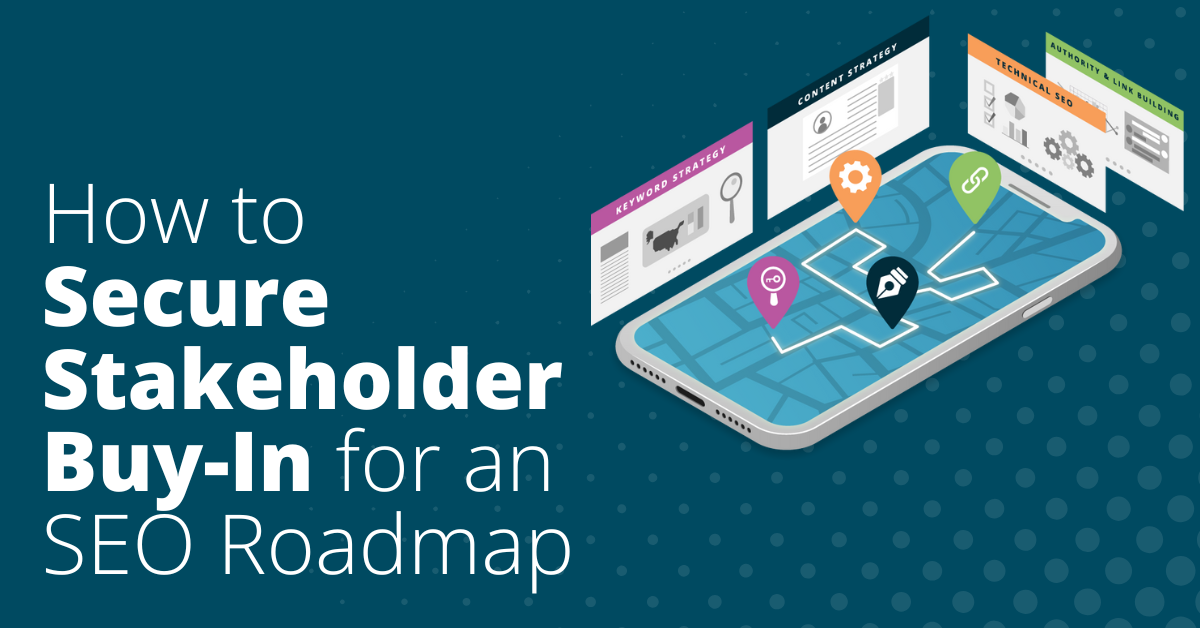
    How to Secure Stakeholder Buy-In for an SEO Roadmap

    PAULA FRENCH | 18-MINUTE READ

    You know you need SEO. A roadmap will show you exactly how and why you need it. Now, with AI inside.

    Read More


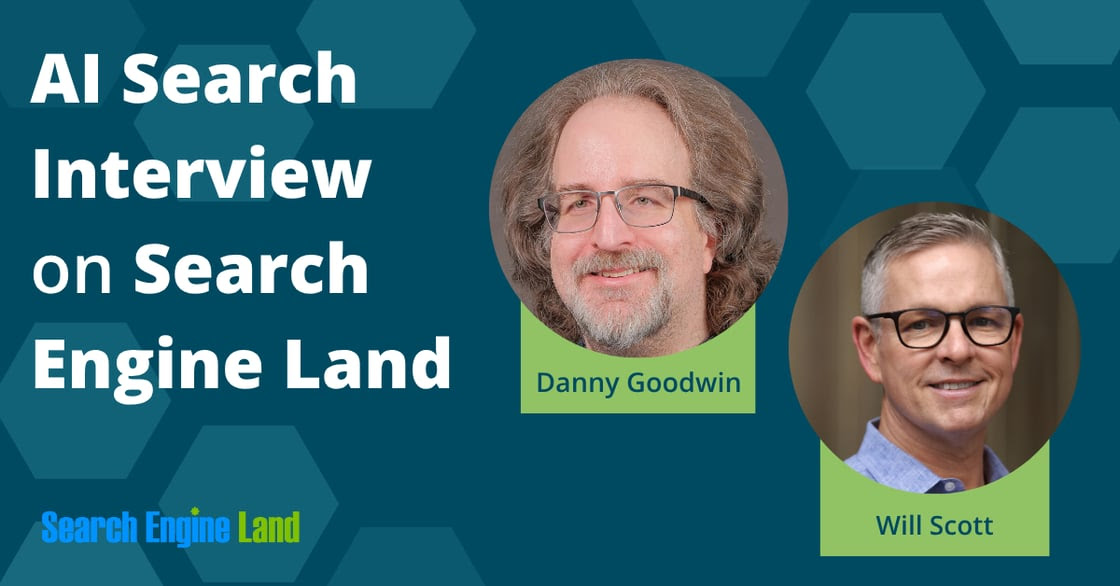
    AI Search Interview on Search Engine Land showing Danny Goodwin and Will Scott

    Video Interview: Will Scott on AI content reuse, schema and semantics, and generative engine optimization

    WILL SCOTT | 27-MINUTE WATCH

    Hear the latest on AI SEO in a video interview with Will Scott by Search Engine Land editorial director, Danny Goodwin.

    Read More