Blog

  • How to Set S.M.A.R.T. Marketing Goals

    Think Tank Around Measuring Diversity - Search Influence

    Once you’ve identified the metrics that matter most to your business (download our guide: “Marketing: What Metrics Matter?” for our 4-step process), goal setting is the next step in achieving success. Setting business goals can be a daunting undertaking for some, but it’s much simpler if the right method is followed. Don’t set goals just because you feel as though you should have them—goals are only beneficial when there is value in achieving them.

    What Are S.M.A.R.T. Goals?

    S.M.A.R.T. goal setting is a simple, trackable method that allows people to create clear and achievable business objectives, instead of vague resolutions. It is one of the most effective tools for achieving goals in the corporate world due to its scalability, ease of use, transparency, and proven success.
    New call-to-action

    What Does S.M.A.R.T. Stand For?

    S – Specific

    M – Measurable

    A – Attainable

    R – Relevant

    T – Time-bound

    6 Step Process For Establishing a S.M.A.R.T. Goal

    Step 1: Make it Specific

    Goals should be written simply and clearly define what you are setting out to do.

    Answer the Following Questions:

    • What do you want to accomplish?
    • How will you accomplish it?
    • When will it be accomplished?
    • With whom will it be done?
    • Why do you want to do this?

    Example:

    • Increase the average number of prospective student leads by deploying a Facebook Lead Generation campaign in order to ultimately enroll more students and increase revenue to the school.

    Step 2: Make It Measurable

    Having a measurable goal means that someone can see, feel, hear, or identity in some way when it has been achieved. This may sometimes mean breaking your goal into several measurable elements.

    Answer the Following Questions: Goal Setting Guide Image

    • By what metric will you know the goal has been reached?
    • What precise amounts can you include?
    • Can you use words like “increase by X %; improve by X amount”?

    Example:

    • Increase the average number of prospective student inquiries (through phone calls or website form fills) to 325 per month.

    Step 3: Make It Attainable

    Review your specific/measurable goal to make sure it seems reasonable with a little bit of stretch. Are you confident this goal is achievable and sets realistic expectations?

    Answer the Following Questions:

    • Do you have enough time to reach your goal?
    • Do the involved parties have the tools and skills they need to accomplish it?
    • What obstacles would prevent me from reaching this goal?

    Example:

    • The average number of prospective student inquiries is currently 290, so an increase of 35 leads seems achievable.

    Step 4: Make It Relevant

    Making sure your goal is relevant assures it is aligned with the broader business goals. Reaching goals is only beneficial when they contribute to the company’s success in some way.

    Answer the Following Questions:

    • Why am I setting this goal now?
    • What is the company’s overall objective?
    • How it this goal aligned with the overall objectives?

    Example:

    • The school has decreased the cost of tuition, requiring an increase in enrollment to 100 total students. If the “close rate” of prospective students remains constant, then the total number of prospective students must increase to 325 per month in order to ultimately enroll 100 students.

    Step 5: Make It Time-bound

    Goals should exist in a timeframe that creates a practical sense of urgency appropriate to the importance of achieving it. If the end date is many months down the road, set milestones throughout the period to evaluate progress.

    Answer the Following Questions:

    • When is the deadline?
    • Do I need additional milestones to keep this goal on track?
    • Do I have enough time to accomplish it in the given time frame?

    Example:

    • The deadline is January 30th, giving us 90 days to increase the average number of prospective student inquiries.

    Step 6: Finalize Your Goal By Putting Them All Together

    Review what you have written, and craft a new goal statement based on what the answers to the questions above have revealed.

    Example:

    By January 30th, increase the average monthly prospective student leads to 325 per month by deploying a Facebook Lead Generation campaign.

    Putting S.M.A.R.T. Goals Into Action

    Now that the goal is defined, create an action plan by asking:

    • What strategies will you deploy in order to achieve this goal?
    • When will you deploy them?
    • How will you keep track of its progress?
    • Who needs to be notified of its progress and how often?

    S.M.A.R.T. Goals Worksheet

    Wondering how to put this into action? Download our Marketing Goal Setting Guide, which includes a S.M.A.R.T. Goals Worksheet as well as a 4-step process to setting Metrics that Matter.

    Need some human support? Contact us today to speak with one of our strategists about how we can support you in setting marketing goals for your business at (504) 208-3900 or fill out the form to the right.

    Images:

    Chalkboard

  • Trust Your Marketing to a Team, Not a Machine

    You’ve probably heard something like this before: “Automated marketing is bad for business!” But, actually, I’m not sure I 100% agree with that—I know, you’re surprised, right? A marketer telling you that machines and automation are a good thing? Well, hear me out. Artificial intelligence is growing at a rapid pace, and in the field of digital marketing where there is data OVERLOAD, you’d be silly not to take advantage of this technology. I’ll admit, I’m one of the silly ones that have, at times, been afraid to trust machines with my campaign performance. But, as AI has become smarter, the real value lies in combining the best that humans have to offer with the speed and data processing capabilities of machines to achieve total marketing domination.

    What Can Technology Do for You?

    SO. MUCH. DATA! Does it make your head spin?! Luckily, machines don’t get dizzy easily, and they are able to process many more data points than we could ever hope to. The more data and history a machine is able to analyze, the more it can learn to make decisions for the future—this is the machine learning aspect. CUE THE FEAR: THE MACHINES WILL TAKE OVER! Just kidding (but more on this later).

    Machines were built to automate simple tasks. If it is a mundane task that is done over and over and over and… well, you get the point. These are the types of things that are perfect for machines to take on. Why pay someone for hours of work when a machine could do this in minimal time? This frees up your time to focus on the more important and creative work that you enjoy doing.

    This technology is now more readily accessible than ever. Google, Facebook, HubSpot, Salesforce, and many other platforms invest heavily in machine learning so that you as a business or marketer don’t have to. Google alone has continued to release new features (such as Smart Bidding options and responsive ad types) that make it easier to set up, run, and manage a successful campaign. They’ll also typically release these features in beta and test them first to assure they have the intended impact before releasing them to the public, so you know that these tools are reliable.
    31 questions to ask a marketing agency

    What About People?

    Wow, machines sound pretty amazing! What’s left for us mere humans to do? In marketing, the most important thing a human can do is to understand your business and marketing goals. With that understanding, marketers can devise strategies to reach your target audience and accomplish your goals. Marketers can deploy these strategies and understand the intentions behind them.

    Humans have two other amazing attributes that give us an advantage over AI: we are innovative and we are creative. We need humans to drive the innovation to test new theories and ideas. Automated systems and machines can only produce the same results if provided the same data, and it’s our innovation that continues to drive machine learning. With machines, however, we are able to test new ideas faster and with better accuracy.

    Because machines have gotten rid of all that boring work, we have more time to be creative and to apply that creativity to your marketing. Marketers can understand your business, what makes you unique, and why you love doing what you do, and they can assure that this message is prevalent throughout your marketing. They can come up with creative concepts and imagery that define your brand and make you stand out among your competitors. Could a machine do all that?

    Human + Machine = WINNING

    In other industries, we wouldn’t let the machines take over, so why would we do that in marketing? Think about it: autopilot technology has existed since 1912, yet we still have human pilots fly planes. Self-driving cars still have a human driver behind the wheel. Even machine assembly lines are often spot-checked for quality by human beings.

    “We need to stop thinking of machines as rivals. Instead, we should see them as an opportunity to take our creativity to the next level,” says Ben Jones, Google’s global creative director.

    So how can humans work together with machines? Let’s go through a few examples.

    1. Use human creativity to write ad copy and create compelling ad graphics, then use machines to make it more personalized. For example, Google’s responsive display ads allow us to put in a combination of assets that the algorithm integrates to be specific to the person it’s targeting, including the content the ad is shown next to and the size of the ad placement. Now that’s powerful! Otherwise, we’d have to create hundreds of combinations of ads to be able to show in all of the available inventory, and on top of that, we’d have to spend a lot of time organizing these ads.31 Questions Checklist square image
    2. Once a marketing strategy is created, marketers can set up campaigns and machines to manage it. However, it’s not a “set it and forget it” mentality. Machines can make decisions based on past performance and data, and they are capable of processing data, but they can only process the data provided. And while machines are getting better at reconciling offline and online data, humans should have the oversight to determine if campaigns are driving the bottom line.
    3. Marketers can work with businesses to define KPI targets, which are then fed into machines to optimize campaigns and work toward these goals. As mentioned above, it helps to have the human oversight to understand that marketing is doing what it is intended to do.

    How Can an Agency Help?

    Agencies have access to more technology, humans, and data. With larger marketing budgets, they are able to invest in some pretty powerful marketing automation tools, those that aren’t so readily (cough*inexpensive*cough) available. And as an important investment, they have likely researched and evaluated several platforms before choosing the one that would help them best achieve client goals most efficiently.

    Agencies also have the benefit of working with many clients across various industries with different objectives, so they’ve been able to put the machine through many different scenarios to figure out what works best in each situation.

    So rather than trusting your marketing to just a team or a just a machine, combine the power, speed, and intelligence of the machine with the creativity and empathy of a human team for a truly winning combination. The experts at Search Influence can help you integrate automated systems into your marketing strategy while providing creative feedback to ensure that your marketing campaign reaches its full potential. If you have any questions about implementing these tactics, start a conversation with one of our marketing strategists today.

    Images:
    Girl with AI

    So.Much.Data.

    Code

  • How to Align Your Marketing Team Around a Successful Strategy

    How to Align Your Marketing Team Around a Successful Strategy

    With the explosive growth of the marketing technology landscape in the last several years, it can be easy to get completely lost in tactics, technology, and metrics. “Digital marketing is so awesome,” they say, “because you can track everything,” they say.

    True, but what’s also true is that the 6,000+ vendors of MarTech platforms overwhelm us with SO. MUCH. DATA. How does a company know they are making the right decision when one can easily twist and turn data and draw correlations to tell a desired story? Confirmation bias is a real thing, and it can plague the effectiveness of any given marketer’s plan.

    So how does one manage to take advantage of the right data and make strategic marketing decisions without finding themselves adrift in a sea of marketing bologna? It’s easy to say, but less simple to execute: start with a solid strategic plan.

    In this post, I’ll review the essential steps to creating a highly organized and well-researched marketing strategy, which should then serve as the anchor for all future decision-making in your marketing journey. That is, until the next time you review and update your strategic plan (a bit of foreshadowing: it’s an ongoing process).

    How to Create a Successful Marketing Plan

    Start With Gaining Alignment

    The most successful marketing plans we’ve developed for clients have started with gaining alignment from all the stakeholders involved in marketing the business. From the top of the marketing department to the most front-line sales executives, making sure all parties are heard is important to gaining an understanding of the current state of sales and marketing and gathering input on the future ideal.

    Get an Outside Perspective

    Bringing in professionals for the research and development of a strategic marketing plan can help to make sure your plan is truly objective. Wrangling a lot of stakeholders, some of whom are more dominant than others, can leave you feeling like you’re chasing your tail and not making progress. When you hire a marketing agency for the development of your marketing plan, the third-party perspective can help to ensure the project not only stays on track, but also that all voices are heard.

    One way we’ve done this is to host workshop-style meetings with all stakeholders, facilitating discussions of their ideas on strengths and weaknesses, opportunities and threats, as well as their best customers, gaining insights on what marketing tactics were perceived as successful or not in the past.

    We bring to the table some initial research, like competitor profiles and trends in their marketing, as well as data analysis of existing customer profiles, if provided in advance. This information serves as the foundation for the discussion, and we prompt the stakeholders with specific questions to get them thinking more deeply about where and how marketing can help the business grow. In this process, we’ve seen clients experience some internal revelations and uncover operational opportunities for improvement, which are incredibly valuable to identify.

    We take away all the inputs and begin the fun part: planning a strategic marketing plan that accomplishes a measurable goal. And on that note…

    Define a Measurable Goal

    It’s critical for a marketing strategy to be informed by a S.M.A.R.T. goal. Digital marketing is indeed awesome because it’s measurable, but you have to know WHAT to measure up front. Otherwise, you’ll waste a lot of time on the wrong tactics and pulling reports on the wrong metrics.

    It’s critical for your sales and marketing stakeholders to be aligned on this measurable goal. If you have enough data to understand your sales pipeline, you might be able to identify a specific number of inbound leads that marketing should deliver per month or week. As a part of planning your marketing strategy, make sure you align everyone on how you will determine whether the marketing strategy was successful, at both a high level and an individual-tactic level.

    What to Include in a Marketing Plan

    There are tons of resources out there regarding what to include in a marketing plan, but the key elements are:

    • Competitive Analysis
    • SWOT Analysis
    • Buyer Personas
    • The Buyer’s Journey
    • Strategic Tactics
    • Key Performance Indicators

    Competitive Analysis

    In order to know where you stand in the marketplace, it’s important to take a close look at the competition your prospects are likely considering. Typically, we like to note basic business information for context, such as the number of employees, revenue (if available), years in business, and how they compare from a pricing perspective. Next, we review their marketing and brand presence, specifically noting key differentiators, how they’re appealing to the audience via messaging and measurable-goal visual communication, and, of course, the products or services for which they are a true competitor.

    SWOT Analysis

    SWOT stands for strengths, weaknesses, opportunities, and threats. Strengths and weaknesses are meant to look inward, whereas opportunities and threats look to the external marketplace, industry, and geographic landscape. An in-depth analysis here on the state of your business, not just marketing, can be incredibly insightful from the top down, and the key to a successful SWOT is stepping back and being as objective as possible. Questions you can ask yourself and your team include the following:

    Strengths

    • What advantages does your company have?
    • What do you do better than anybody else?
    • What unique resources can you draw on that your competitors cannot?
    • What are the reasons your clients choose you?

    Weaknesses

    • For what reasons might your prospective clients not choose your company?
    • What do other companies offer that your company does not or cannot?
    • What could be improved about the products or services that you offer?
    • What types of clients are you at risk of not serving well?

    Opportunities

    • What opportunities do you see in the marketplace?
    • What new ideas could you be taking advantage of?
    • What trends are popping up in your industry?
    • What positive changes in the market do you see?

    Threats

    • What obstacles does your company face in growing sales?
    • What are competitors doing? Is competition increasing?
    • What negative changes in the market do you see?

    Buyer Personas

    A buyer persona is intended to serve as a representation of a business’ “ideal” or target customer. It should be based on research and data about your existing and prospective customers, including their demographics and psychographics. The best process for buyer persona development involves surveying or interviewing actual customers, asking them deeper information than simply gender, age, and household income. An ideal buyer persona may include the following: background, demographics, identifiers, goals, challenges, how you help their challenges, and what marketing messaging will speak to the persona. You may find that you have several personas, or maybe you have just one. There’s no hard and fast rule about what a buyer persona should include or how many a business should have.

    The Buyer’s Journey

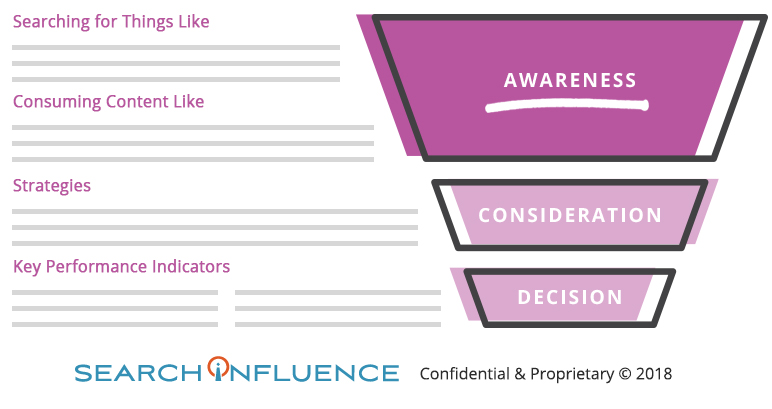
    When the Search Influence team develops a marketing plan for a client, the buyer’s journey is where we spend the majority of our time and is what informs the strategic tactics and key performance indicators (KPIs). Once your buyer personas are identified, the buyer’s journey maps out your prospective customer’s behavior at each stage of the marketing funnel, which allows you to think strategically about how you can reach the audience at each stage. When complete, our buyer’s journeys typically look something like this:

    Strategic Tactics

    Specific marketing tactics you hope to employ to achieve your goals are outlined here. This may include everything from traditional media and print collateral all the way through your digital campaign strategies and creative direction. It’s a good idea to spend time evaluating these tactics and considering a realistic budget required to deploy them all. Perhaps you will need to do a phased implementation due to your budget or internal resources. Now’s the time to make that plan.

    Key Performance Indicators

    In addition to outlining a marketing plan’s overall goal and objective, we recommend that your plan defines Key Performance Indicators (KPIs) for each phase of your marketing strategy and, if necessary, specific tactics. Defining this up front will help ensure that all stakeholders fairly evaluate the performance of a given tactic as time goes on and keep them anchored to the ultimate goal.

    Finish With Gaining Alignment…Again

    Remember the work you did with your team to collect their input early in the process? Call another meeting with them and present the finalized plan. Use this as an opportunity to set expectations for ongoing roles and responsibilities and get the team moving on the plan. They’ll enjoy seeing how their input shaped the finished product and be more willing to pitch in to make it happen. Trust us, you will need their support!

    We’ve led the charge through this arduous process several times with our clients. I say WITH our clients because, if you couldn’t tell by now, it requires a lot of collaboration and partnership. If you are looking for full support in leading this endeavor or even just some hours consulting with our team on the process, we’ve got your back! Speak with a strategist today at (504) 208-3900 or fill out this form to ask for a consultation within 24 hours.

  • #FreelancerFriday: 10 Common Rookie Freelancing Mistakes and How to Overcome Them

    In his rookie season, Peyton Manning threw a league-high 28 interceptions as his team struggled to a 3–13 record. As a rookie, Tom Brady was third string and only managed 1 completion for six yards.

    Even a pair of all-time greats had to start somewhere as newcomers in the league. The point is, they got better—much better—but not without first learning from their rookie mistakes.

    Freelancing is not professional football, but like most things, it requires a set of skills that are built up through time, practice, continued education—and most importantly—learning from your past mistakes.

    No matter if you are freelancing your way through college or retirement, there will always be a few bumps in the road. Here are the most common rookie freelancing mistakes and tips on how to overcome them:

    1. Using an unprofessional email address

    This is the most common and frustrating, yet easiest-to-fix mistake a rookie freelancer can make. Avoid anything that is immature, ambiguous, cutesy, or just unnecessary to your freelance business. This includes nicknames and writer-based names like “SEOwriter” or “MommyBlogger.” To keep things simple, your email address should be your actual name and little else.

    2. Exaggerating your experience

    Just like a resume for any job, it is not acceptable to lie about your writing and freelancing experience. Don’t say you wrote for a publication when you didn’t. Don’t say you are an expert in technical writing when all you’ve written are lifestyle blogs. It will always catch up to you, and it will ultimately cost you jobs and payment when the truth is discovered.

    3. Not marketing yourself or building your brand

    As a freelancer or contract worker, you are essentially setting up a business for yourself. And just like any business, marketing is very important. Without marketing, you are leaving a lot of business out there. Craft your own unique selling proposition on how you are different from other freelancers. Next, create a comprehensive marketing plan through various channels, including email and social media. Daily activities focused on brand building and business development will help increase your visibility and build interest in your services.

    4. Never turning down work

    I know, it seems counterproductive to turn down work, but accepting every job only creates problems, including poor time management. Not all jobs are created equally. You have to learn to identify and turn down the bad ones, or you’ll just end up wasting your time, often with more stress and less money. You can’t just accept work for work’s sake; it’s not the best path to earning more.

    5. Missing deadlines

    Lots of people miss deadlines, not just newcomers. But since rookies are more prone to mistakes, this is especially important when you are first starting out and are trying to establish a positive professional reputation. If missing the deadline is unavoidable, tell your editor as soon as possible. Don’t pile on the excuses—just apologize and accept responsibility. The next step is to confirm when it will be completed or ask for an extension.

    6. Ineffectively balancing your workload

    It is common to underestimate how long and how much effort a certain project will take, especially if you are a new freelancer or fighting others to land the gig. Be honest with yourself, and remember, it is usually better to under-promise and over-deliver. Avoid taking on a lot of new work all at once, or before you fully complete a big project. Find and take advantage of your most productive time of the day, make and stick to a schedule, stay organized, and know your limits.

    7. Being afraid to ask your editor questions

    The writer-editor relationship is a special one that needs to be nurtured over time. When a writer is just starting out, there is a lot of uncertainty on both sides of the table about one another. Undoubtedly, questions will arise for new writers working for a new client. You cannot be afraid to ask these questions. Experienced editors should be expecting questions from freelancers and always be eager to answer them. Asking editors questions is the best way to avoid simple misunderstandings and ensure the project is completed exactly as they wanted.

    8. Not accepting criticism & refusing to learn new things

    As a freelancer, feedback is just part of the job—it’s unavoidable. You must learn to accept criticism gracefully, or better yet, use the feedback to improve your work. Of course, not all criticism is justified, but more often that not, it is. Don’t be argumentative. Make your case politely if needed, or accept the feedback, thank them, and make the changes.

    Another stubborn trait that many new freelancers possess is the refusal to learn new things or even adapt their skillset—whether it is their style, habits, equipment/applications, etc. Nothing reveals amateur status more than a stubborn refusal to adapt. Freelancers should always be working to improve themselves, which includes additional training, earning certifications, and keeping up with current market trends.

    9. Not standing up for yourself or reading your contract

    As a contracted worker, not an employee, it should go without saying that, eventually, someone is going to try and take advantage of you and your work. This can include deadline changes, endless rounds of edits, pay discrepancies and delays, or any additional countless ways freelancers can be unfairly treated.

    This goes hand-in-hand with contract negotiations. Unfortunately, many freelancers do not even read their contract upfront before signing, which only opens you up to unfair treatment and/or legal issues down the line.

    10. Poor Communication

    Freelancing these days is rarely a face-to-face thing. Communication is largely done via email, phone and video calls, or text and instant messaging. Because you are not an in-office employee, maintaining communication is very important. Equally important is the tone, clarity, and detail in your communication. You likely will not talk to your editor or project manager on a daily basis, so you want to be sure both parties are always on the same page to avoid delays and mistakes.

    Mistakes are going to happen when you’re first starting out in the freelancing game. But, with practice, some patience, and by following these pointers, you can be a freelancing pro in no time.

    Images:
    Tom Brady

    Betty White

  • Five New Influencers in Six Months: Meet the New Additions to Our Team!

    Five New Influencers in Six Months: Meet the New Additions to Our Team!

    Search Influence is dedicated to producing results that matter for our clients. We believe you shouldn’t have to juggle your time between multiple agencies. That’s why our team includes experts across all facets of digital marketing—from sales and account management to quality assurance and content creation. Over the last six months, our team has expanded with the addition of five new Influencers! Meet the new faces that will help grow your business online and beyond.  


    Shawn Kelly – Sales Manager

    Shawn joins the Search Influence team as a Sales Manager. After a 10-year stint in Mandeville and 5 years in Atlanta, he is happy to be back to his native Metairie. A University of New Orleans alumnus, he graduated with a bachelor’s degree in Business Management. Outside of sales, Shawn enjoys spending time with his 3 children, ages ranging from 18 to 9, and supporting them at their various extracurricular activities. If he does have spare time, you will see him playing in recreational leagues, as well as catching up on movies & TV shows that make him laugh.

    Colin Crumbley – Junior Quality Assurance/Digital Marketing Associate

    Colin Crumbley has been hired as a Digital Marketing Associate. Born & raised in New Orleans, Colin didn’t venture far for college. He graduated from the University of New Orleans with a bachelor’s degree in Planning & Urban Studies.  He loves to travel the world and experience new cultures but also loves (almost) everything about his beloved hometown of New Orleans. In his spare time, you can catch him going to concerts, festivals, and trying new restaurants.

    Paige Pevlor – Account Manager

    Paige Pevlor has been hired as an Account Manager. Paige is a graduate of Southeastern Louisiana University with a Bachelor of Arts (B.A.) focused in Business Management. Before Search Influence, Paige worked as an Account Manager at NOLA Media Group. She is a New Orleans native, growing up in Metairie most of her life. In her spare time, she enjoys traveling with her fiance and spending time with her dog, Georgette.

    Katelyn Mulkey – Account Coordinator

    Katelyn joins the team as an Account Coordinator. A New Orleans native, she graduated from the University of New Orleans where she received her bachelor’s in Marketing. While there, she took a lot of Sociology classes which she loved. She is a music lover and constantly searching for records for her collection. In addition to music, she is a huge dog fan and has three of her own.

    Sarah Spencer – Junior Digital Copyeditor

    Sarah has been hired as a Copyeditor. Originally from Roanoke, VA, she moved to New Orleans to attend Tulane University, where she received a Bachelor of Science in Biological Anthropology. After earning her multi-syllabic degree, Sarah worked as a Captain at Arnaud’s Restaurant, which gave her more insight into New Orleans’ unique food and beverage culture. She also worked for a small local wedding planning magazine as a digital marketing coordinator, expanding her writing, editing, and communications skills. In addition to enjoying life in New Orleans, Sarah likes to read, spoil her dog, and watch/fall asleep to nature documentaries (so she knows a tiny bit more about dinosaurs than the average six-year-old).

    Don’t trust your digital marketing campaign to a machine. Work with a team of experts committed to the results that impact your bottom line. From social media management and local SEO to online advertising and lead tracking, we got you covered. Our growing team of Influencers is ready to help you reach your marketing goals. Get in touch today to request your free marketing analysis.

  • Everything You Need to Know About Social Media Images

    Social media users are 10x more likely to engage with a post that includes a photograph or other visual. And, on platforms like Instagram, without a photo, you can’t post at all. So, no matter what industry you’re in—or even for your personal profiles—if you want to reach the 2.34 billion social media users worldwide, knowing the dos and don’ts of quality images is essential. Luckily, the social media experts at Search Influence are here to help.

    Use Professional Photos

    It’s the number one rule of social media—professional quality photos only. Nothing blurry or out of focus, no limbs cut out of the frame. And if no one on your team has top-notch photography skills, it’s worth hiring a professional or reaching out to your design agency, if you use one. As far as the content of these photos, always use positive imagery to keep viewers feeling happy and eager to return to your profile in the future. This might seem obvious, but it can be surprisingly easy to slide into negative territory. Many dentists, for example, feature before and after pictures on their social media—but viewers don’t want to see images of ugly teeth! Avoid the negativity and only showcase the after photos to keep things upbeat. Photos of people are also a good choice. These tend to perform better across social media channels because people relate to other people. Quite simply, if you’re taking social media photos in-house, keep it professional, keep it happy, and feature people whenever possible.

    Make It Personal

    Unique images will always get more traction than generic ones. So, whenever possible, make your social media photos specific to your corporate or personal brand. One great way for businesses to do this is sharing photos of team members or happy customers—taking those high-performing photos of people to the next level. When you post about team members, whether to welcome a new employee or profile a well-established manager, it helps viewers connect with your company on a personal level. Rather than a faceless corporation, you’ll seem like a group of individuals—a much more approachable and engaging online persona. When you post about happy customers, it not only reinforces positive messages about good customer service and high customer satisfaction, but it’s also a great opportunity to expand your presence online. Tag the featured customers whenever possible so their personal networks will see your post. And remember, social media is first and foremost a platform to build relationships.

    Choose Stock Images Wisely

    While it’s always better to take your own professional photos, unfortunately, it’s sometimes impossible to do so. For example, a new apartment complex should start advertising before it’s completed, but mid-construction photos won’t provide viewers with a good idea of the finished product. That’s where stock photos come in. They’ve developed a bit of a bad reputation for being cheesy, over-posed, and filled with women who are way too happy about salad or teams of coworkers that love giving the thumbs up. But, with a discerning eye, it’s possible to pick good stock photos to fill the gaps in your personal photos. Once again, go for photos that feature real people, and choose ones that look as candid as possible. Absolutely no clichéd photos of business people shaking hands!

    Bad stock images:

    Good stock images:

    Also, pay attention to the color palette and make sure it fits with your existing photos and branding. Upcity.com features a list of both free and paid websites for finding stock images. But remember, don’t go with the first photo you find. Hunting through pages of images might seem tedious, but the increased quality and social media engagement will be worth it in the end.

    Don’t Forget Your Audience

    Every social media platform has a different user demographic, and to maximize engagement, you should tailor your image choices to each audience. On Facebook, for example, users are looking for helpful information about your business and an authentic inside look at your company culture. Photos for this platform can be a bit more casual and candid and should especially focus on featuring team members and customers, as discussed earlier.

    Surfers on a beach - Search Influence

    Instagram, on the other hand, requires strong, visually appealing images geared toward a younger audience. In addition to informing image choices, your target audience should also determine how much you advertise on each platform. For example, if you run a community for active seniors, you should primarily advertise on Facebook rather than Instagram, since that’s the platform your target age demographic is more likely to use. If you do advertise on Instagram, your posts should be targeting your customers’ children. Whichever platform you choose, try to put yourself in your audience’s mindset.

    With these dos and don’ts of social media images in your knowledge bank, get ready to see your engagement rates soar. But, if you’re still not getting the results you want, it never hurts to contact the professionals. With services ranging from customized consulting to online advertising, the experts at Search Influence are always happy to help.

    Images:

    Happy Salad Woman

    Fresh Salad

    Surfers

  • The Travel Marketer’s Guide to Capturing the Romance Market

    The Travel Marketer’s Guide to Capturing the Romance Market

    With the right targeting and audience intelligence, it can be easy for travel marketers to sweep romantic travelers off their feet. Many businesses in key travel markets are missing the opportunity to market to romantic travelers. The latest data shows that romantic travel trends go beyond the obvious honeymooners and destination wedding travel, though those segments shouldn’t be ignored! According to the Travel Industry of America, romantic getaways are trips “with a spouse or other love interest without children to rekindle the romantic feelings in the relationship.” From outdoor adventure travel to “foodie” trips, today’s couples are doing things differently and travel marketers should take notice. Whether you market a destination city or you’re a business within a destination city, positioning carefully to appeal to romantic travelers is a good idea for 2018 and beyond. Read on for more details on the latest romantic travel trends all marketers need to know.

    Top Romantic Travel Trends in 2018

    Romantic travel is booming, and it’s more than just the honeymoon. According to statistics from TripSavvy, a quarter of all American weddings are destination weddings. On average, couples who plan destination weddings are a little older with more disposable income compared to other newlyweds. With travel to a beach or somewhere overseas, the average budget for a destination wedding is $28,000. The added expenses make for a shorter stack of invitations, but the guests who attend destination weddings also plan to spend more than $600 on average.

    After the wedding, couples currently spend three times as much on honeymoons as they do on other vacations making honeymoons a$12 billion dollar industry. Other popular trends in romantic travel surfacing in 2018 include would-be grooms planning getaways around the proposal (thanks to social media for the increased pressure for the perfect proposal!). All kinds of couples enjoy “foodie” trips, choosing destinations with the best dining options as a top priority. Where entertainment and music drew travelers in earlier decades, cuisine is a top priority for today’s travelers.

    Not Just for the Newlyweds: Who Are Today’s Romantic Travelers?

    While family trips need to balance the different preferences of all the kids, couples traveling romantically tend to spend more on dining and activities when it’s just the two of them.

    Marriage drives a high percentage of the travel in America, but households with children travel less often, shocking, right?! While single households were responsible for 21 percent of trips, married households took a whopping 61 percent of trips, according to the same research from TripSavvy. Couples without children have taken an average of 3.1 trips in the past year, compared to couples with children, who took 1.9 trips indicating the sweet spot for the travel market is married couples without children.

    When planning a romantic getaway, a strong majority of those surveyed said that they traveled to a particular city for the local cuisine and entertainment. The next most popular getaway option was bodies of water, such as lakes or beaches. Other common, but significantly less popular plans centered around gambling, outdoor sports, and cruises. Romantic couples are interested in local attractions, but they also want a setting where they can enjoy each others company. By emphasizing a quiet, relaxing atmosphere, nearby nightlife, and quality restaurants, most cities have something to offer couples trying to unwind.

    Romance For All: LGBTQ Travel Trends

    Now more than ever, it pays to be inclusive. LGBTQ travelers are especially aware of the attitudes in different parts of the world.  Just as some countries still require a marriage certificate to share a hotel room, many regions still have laws and prejudices against homosexuality and other lifestyles. Because some travel agents are unaware of those nuances in different regions, many LGBTQ travelers use agents who specialize in serving clients with similar priorities.

    If there are festivals like Pride Parade in your area, think about whether your business can participate in some way. Decorating for the occasion, offering special discounts, and sponsoring a local non-profit are a few ways to show support. Make sure to share the ways in which your business shows support via your social media channels and look for ways to make your imagery more inclusive by default.

    Most of these travelers want a safe place where they won’t be excluded on the basis of their orientation, identity, appearance, or anything else. That said, your employees have a big impact on the perception of your brand. Employees who bring prejudices into the workplace can be a complicated problem, especially in politically divisive times. While it’s impossible to satisfy every customer, a negative review that implies intolerance can be especially impactful. The best course of action is prevention, making sure that you create a safe and inclusive environment both for customers and employees. In the event you suffer a negative review from a customer, make sure to respond publicly stating that your company does not share the views of this individual though feedback is appreciated.

    Not A Tropical Oasis? “Romantic” Doesn’t Have to Mean Bikinis

    Commercials have marketed beaches as the “ultimate” romantic getaway, but there are loads of alternatives for landlocked businesses. = With employment up and cautious optimism about the economy, Americans are looking to travel frequently, and in smaller doses. Over the past 12 months, Google Trends has shown an increase in the search terms “weekend getaways” and “couples getaway near me,” Indicating growing demand for this information online. With the help of local SEO professionals, you can dominate the search results for travelers within driving distance.

    All kinds of activities and attractions can be adapted for a romantic audience. Historic districts, museums, festivals, and even agriculture can be romantic. With a scenic overlook and the right photographer, your area’s cotton fields start to look as romantic as a vineyard or a country album cover.

    In all, romantic travel is about a lot more than honeymooning couples. A growing number of adults are looking at travel as an investment in their relationship and their own quality of life. At Search Influence, we have everything you need to market to those couples and drive leads to your business. If you’re interested in honing your local SEO strategy, then request your marketing analysis today to get started.

    Images:
    Couple at a Scenic View

    Couple Walking in Hand

  • Guide to Facebook’s Lead Generation Ads: What Can They Do for Your Business?

    You’ve probably heard this a million times by now, at least a couple thousand from us—if you aren’t on Facebook, then you’re doing your digital marketing all wrong. There are more than 2 billion people around the world who actively use Facebook monthly, and on average those people spend about 35 minutes a day swiping through their feeds and engaging with content from friends, family, and brands.

    Not only is Facebook’s audience large and engaged, Facebook offers an advertising tool that makes it easy for you to create advertising campaigns at a fraction of the price of traditional ad types. Our client Audubon Nature Institute generated $10,100 in total revenue while only investing $1,080 in ad spend on a Facebook Display campaign!

    What Are Facebook Lead Ads?

    Facebook Lead Ads are a type of Facebook ad that allows advertisers to collect information from prospective customers directly from the platform. Before Lead Ads, you would have to guide users to a landing page on your website to leave their contact information.

    Facebook has made it simple for you to create ad campaigns in a few taps and for potential customers to contact you with ease. Users simply tap your ad and their information is sent directly to you.

    Why Facebook Lead Generation Ads?

    • Facebook forms are made for mobile and allow users to submit their contact information in a flash
    • Because there is no need to click through to a landing page, there is potential for more conversions and less drop offs
    • You can reach your target customer where they are with Facebook’s countless targeting options
    • The Lead Generation forms are customizable, allowing you to build a form to ask the right questions
    • It’s easy to connect your CRM to Facebook to get your leads immediately and take action sooner
    • You can use Facebook Lead Generation Ads for quote and demo requests, sign-ups for your newsletter, event registration, access to gated content, and more
    • Many businesses and brands large and small have seen significant increases in lead generation and a reduction in cost per lead
    • Facebook advertising is cheaper than traditional ad types and can build more brand awareness
    • It saves you time

    Where Will My Leads Go?

    All of the leads you collect by way of your Facebook Lead Generation campaign will be stored on Facebook and can be downloaded to a CSV file. To download your leads, visit your Facebook page and click “Publishing Tools,” and you’ll see “Forms Library” under the “Leads Ads Forms” label.

    Pro Tip! Facebook also connects to popular CRMs like HubSpot and SugarCRM, enabling you to automate the process of pushing leads directly to your sales team. If you don’t take this step, you’ll have to download a CSV file regularly to see and take action on your new leads.

    Creating Your First Lead Generation Ad

    Before you begin building your campaign, you’ll need to make sure you have a Facebook Page for your business or brand. Building your campaign starts with visiting Facebook Ads Manager via business.facebook.com or accessing the drop-down menu on the top left of your screen. If you’ve never run ads before, you will need to create a Facebook Ads Manager account. You will be asked to link your business’s Facebook and Instagram page to your Facebook Ads Manager account.

    Building a campaign is simple and can be done in a few steps.

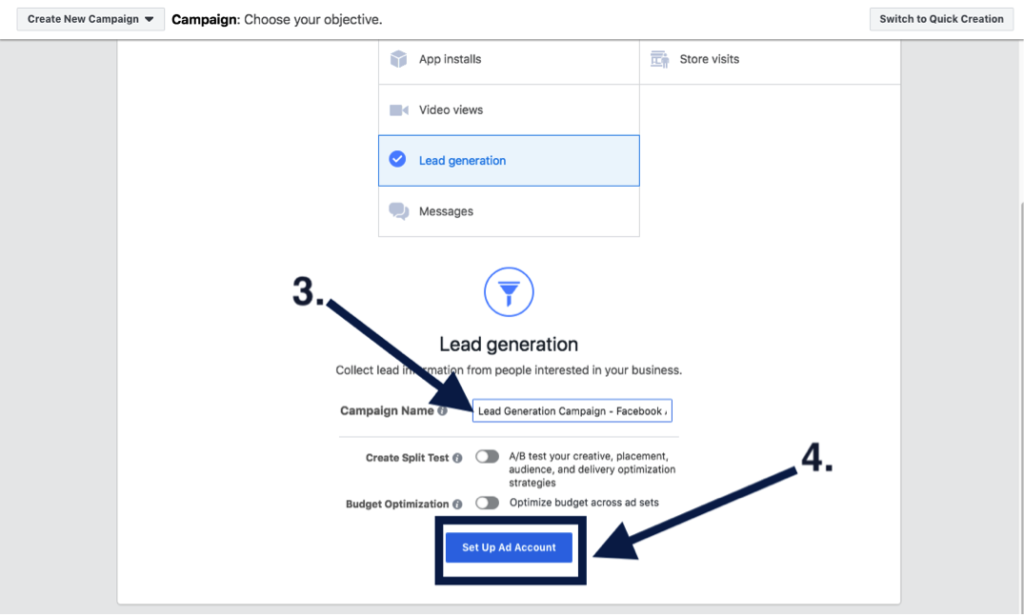
    1. Choosing Your Campaign Type

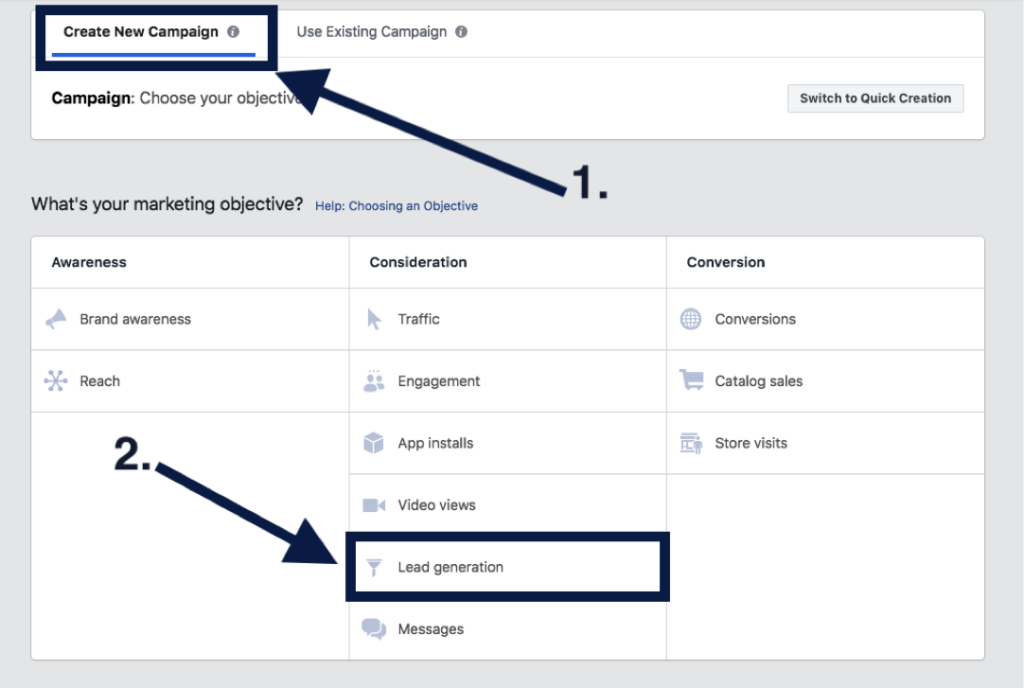
    Once you’re all set up and ready to go, you’ll want to create a new campaign and select “Lead generation” under the “Consideration” marketing objectives. You’ll want to give your campaign a relevant name and click “Continue.”

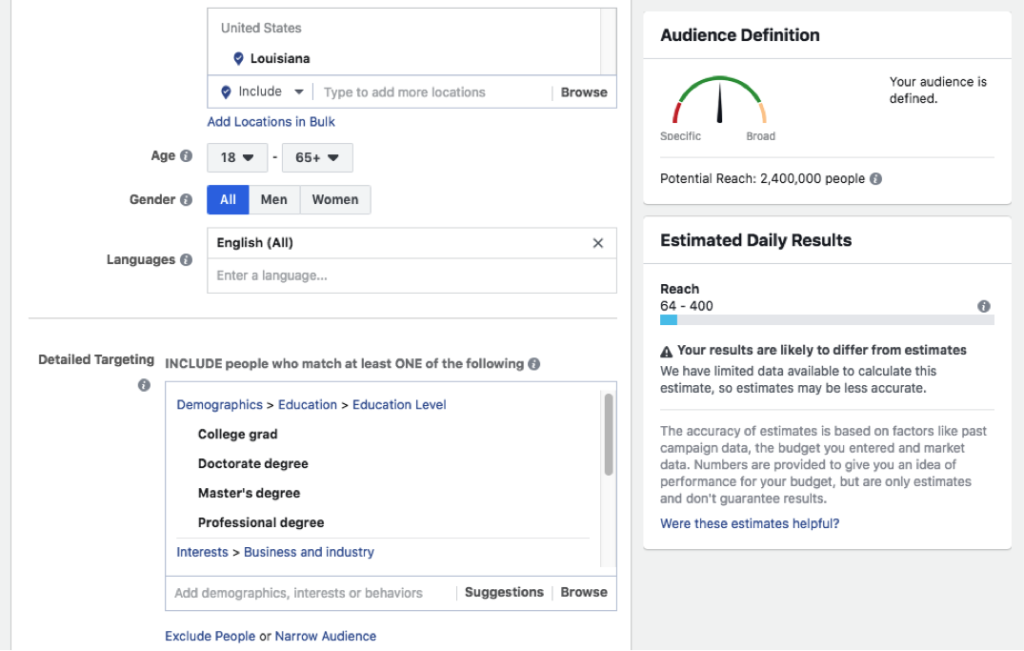
    2. Choosing Your Custom Audience & Budget

    Move forward with setting up your ad account, creating your custom audience, and setting your budgets. But don’t worry! Facebook offers optimization tools to help you adjust your budget and targeting after the campaign is launched, and they are always adjustable. Facebook offers several targeting options, including targeting by demographics like location, age, gender, and language. You can also target by other demographics, interests, and behaviors like education levels, if someone is interested in yoga, and behaviors like how they utilize Facebook. You also have the option to build an audience from a lookalike version of your current customers and website visitors.

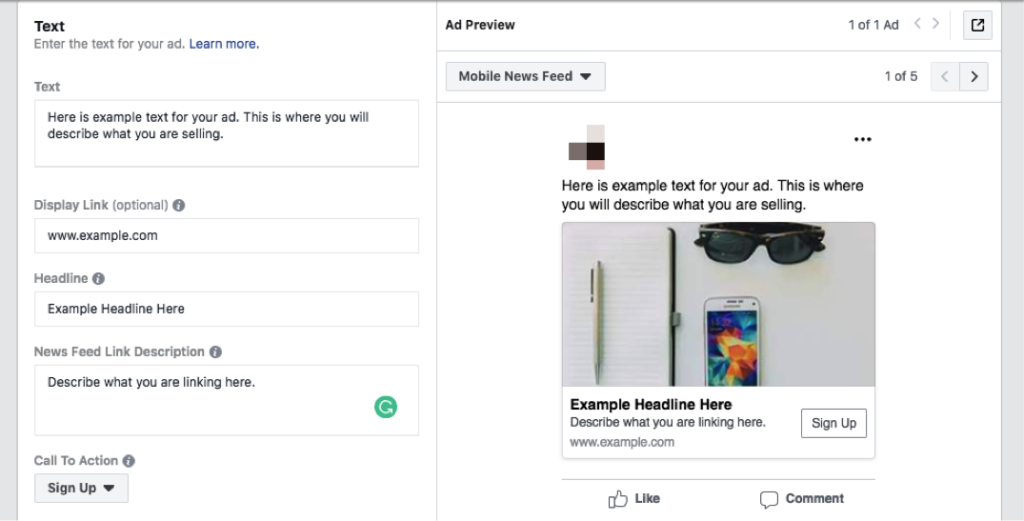
    3. Creating Your Ad

    After you have your custom audience and have set your budgets, you’re ready to create your ad. You’ll verify the pages you want your ads to be represented by and select your ad format. There are several ad formats to choose from. Carousel and video have been the most successful ad types in our experience. You’ll add in your ad text, display link, headline, news feed description, and a call to action.

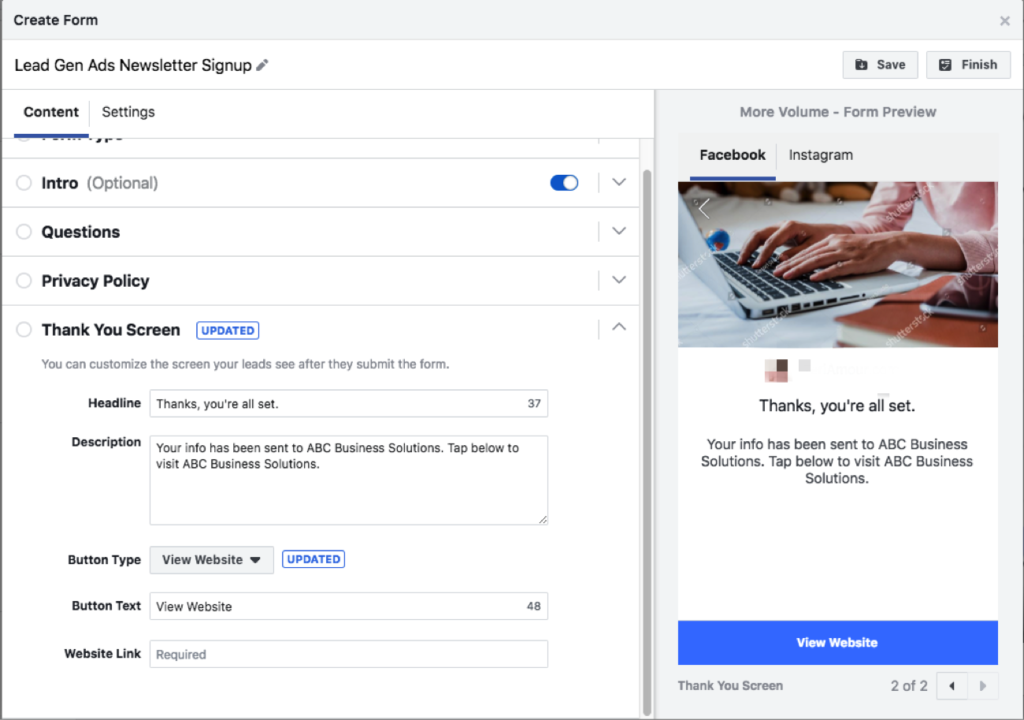
    4. Creating Your Lead Generation Form

    Finally, the last step before you launch your campaign will be to create your lead generation form. Here you’ll introduce the product or service you’re promoting, add the questions you’d like to ask your audience, insert your privacy policy (it is mandatory to have one), and build your “Thank You” screen. Be sure to give your form a descriptive name so that you can identify it later when you need to download your leads.

    5. Publishing Your Campaign and Launching

    Congrats! You’ve launched your Lead Generation campaign. This is the part where you celebrate and wait for the leads to come pouring in.

    You’ll want to monitor your ad’s performance by testing and checking on it regularly! Try changing out your ad copy and graphics, or trying different targeting options—narrow your targeting if you find you’re reaching too broad of an audience and thus receiving unqualified leads. You could also update your form to ask more specific questions.

    Here at Search Influence, we’re invested in helping our clients grow their businesses through dynamic marketing strategies that drive qualified leads. If you’re interested in utilizing Facebook to bolster your lead acquisition efforts, request your marketing analysis today to get started.

  • Non-Secure Site? Prepare Your Website for the Google Chrome 70 Rollout

    Since last year, we have been explaining what HTTPS means and the important updates announced by Google. Let’s do a brief refresher course.

    What Is the Difference Between HTTP and HTTPS?

    HTTP and HTTPS protocols both fulfill the same core function to transfer data over the internet. HTTPS stands for Hyper Text Transfer Protocol Secure and is the most secure protocol that enables data transfers. It allows for security because it applies encryption on the data being sent. This makes you far less vulnerable to attacks on your information.

    HTTP isn’t encrypted, therefore snoopers with access to a network could look at and modify your precious data passing between you and the website.

    For a more in-depth look at the importance of security, check out our blog post on the topic of “Internet and Security” by our web developer Jared Jones.

    What Are Google’s Upcoming HTTPS Changes?

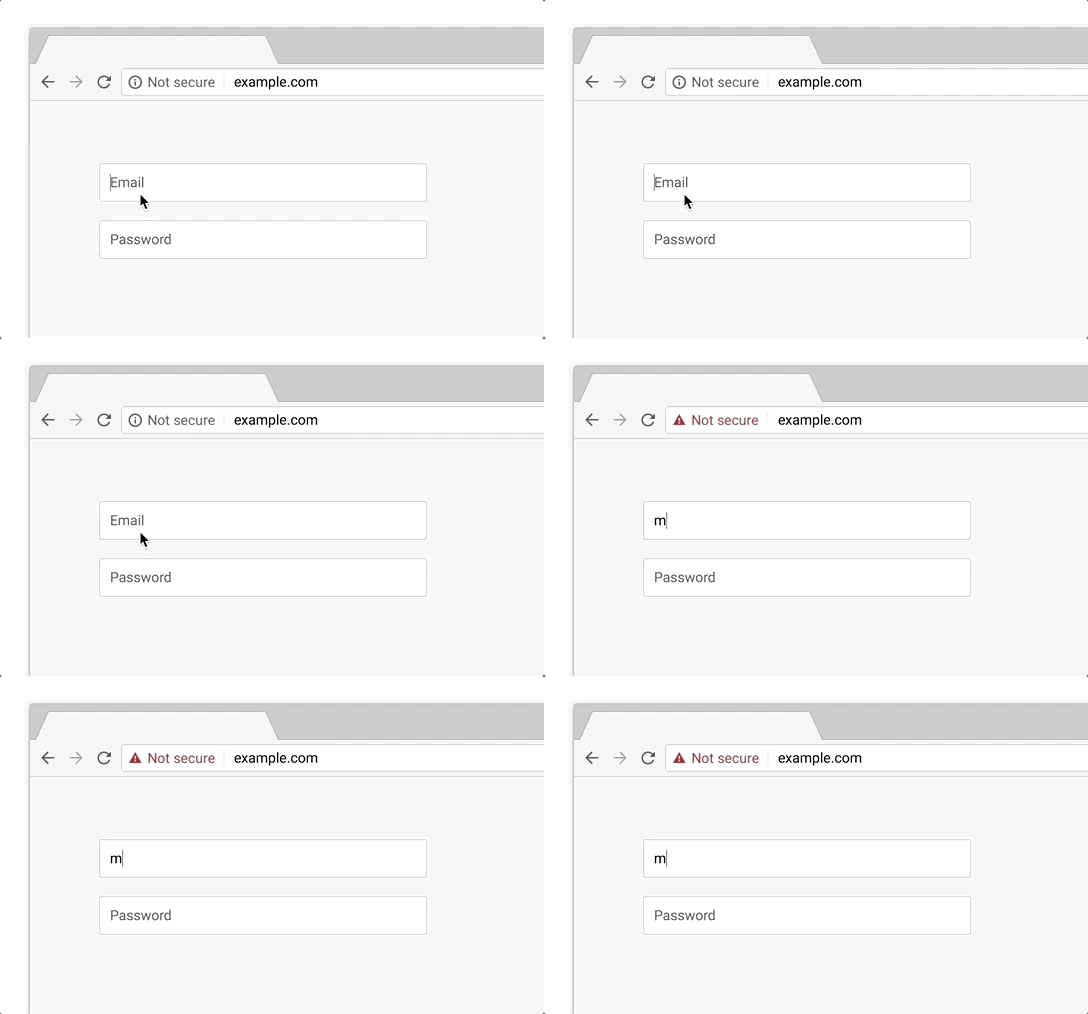
    The current version of Google Chrome shows a “not secure” sign alongside the web address bar for any websites that still use the HTTP standard.

    With the upcoming release of Chrome 70 in October 2018, Google announced that they will begin to shout out the “not secure” notification even louder. All websites still being served via HTTP will receive a negative visual indicator in red that reads, “not secure” beside the URL in Chrome’s address bar.

    “Eventually, our goal is to make it so that the only markings you see in Chrome are when a site is not secure, and the default unmarked state is secure. We will roll this out over time, starting by removing the “Secure” wording in September 2018. And in October 2018, we’ll start showing a red “not secure” warning when users enter data on HTTP pages,” according to Emily Schechter, the Chrome Security Product Manager.

    Example of a URL for a non-secure site - Search Influence

    In other words, now is the time to think of HTTPS as mandatory!

    How Do You Add HTTPS to Your Website?

    An SSL certificate is needed to convert your site to HTTPS. When you install this certificate and migrate your website to HTTPS, it facilitates the important encrypted connections.

    Google’s SSL requirements are crucial to your website because they provide authentication and establish trust when customers visit your pages.

    Brush up on our detailed explanation of SSL Certificates by reading Influencer, Alison Zeringue’s blog post.

    We Have Your Back!

    The majority of internet users tend to trust Google when it tells them something isn’t secure. Be prepared for all the new Google Chrome changes and keep your website secure. Call our team at Search Influence today at 504-595-1623 to help you protect your clients and provide encryption of all sensitive information on your website.

    Images:
    Not Secure

    We Got This

  • How to Drive Conversions With the Right Contact Form—And What to Avoid

    Your business’ shiny new website just launched and everyone assumed a deluge of fresh new leads would follow. To everyone’s dismay, the predicted deluge turns out to be nothing more than just a trickle. What gives exactly? “Build it and they will come” may ring true with your traffic itself but that quote lacks an “and convert” at the end. In years past, traffic was the key metric for a lot of businesses since it was assumed that those users would appreciate the brand awareness. Fast forward to the present day in the “Silicon Age” where users not converting is sure to set your business behind further than the Bronze Age.

    One easy way to convert users into customers is through the usage of a handy-dandy online form, but just having a form doesn’t guarantee a conversion rate anywhere near your industry benchmark. I’m here to help bolster those forms from some boxes into lead machines!

    Positioning

    Back when there were only brick and mortar buildings, there was always a huge focus on location, location, location. That phrase may seem like it belongs in the Bronze Age, but it instead adapted to the changing times and is still just as important as it was before. The location of your form is integral to the success of any lead collection campaign. Forms should always be placed in a very obvious place and above the fold, which is the portion of a page that initially loads in the screen’s viewport, as often as possible. Having a form in a good location puts it on users’ minds as soon as they visit your website and makes it more convenient to convert. Overlaying the form over a banner image is a good start for more visibility.

    Another excellent location for your form is on the sidebar of your site. This allows casual site perusers to convert at their own leisure instead of forcing them to a contact page or trying to lead them back to whatever landing page they entered the site within. One last location for a form is on your contact page, of course. Any site user would expect a way to contact your business on the contact page. In addition to an address, phone number, or email, a contact form is a perfect way to capture visitors’ information and nurture leads to eventually becoming loyal customers of your business.

    Layout

    Now that you’ve figured out where to place your form, the next step is to create a form that users can easily understand, fill out, and convert on. One big helper that was pointed out in a Google AI test is how users’ eyes focus on form fields. Having your labels above the inside of form fields is preferable to labels next to the form fields. This allows users to better scan the information and breeze through forms quicker, which leads to lower rates of dropout and errors in fields. Speaking of fields, try not to overwhelm your users with a bunch of unnecessary fields for information that can be gathered further down the line. If you aren’t shipping something to someone, why would you require a home address? If you’re sending users a brochure via email, why would you require a phone number? Requiring an excess of information makes users go “hmm…” and abandon the website completely. This is not to say that long forms have no place on the internet, rather every bit of information should be relative to the call to action.

    Here at Search Influence, we use our own proprietary lead tracking system to create fully customizable and extremely flexible forms that can keep track of your website leads in an easy-to-read reporting system. With our forms, you’ll know where your leads come from the most and learn how to optimize your campaigns to maximize your lead generation.

    Call-to-Action

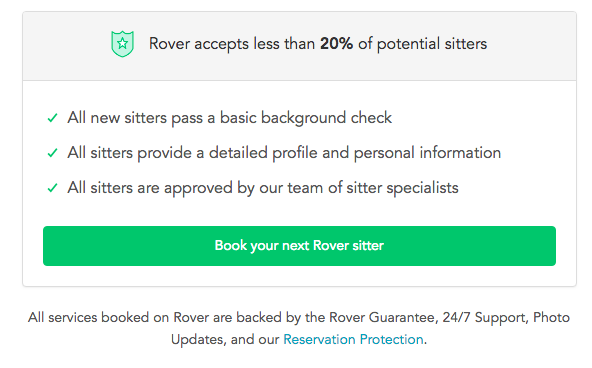
    A “Call-to-Action” (CTA) refers to the phrase that is meant to draw users into completing conversions. In the case of forms specifically, this would be the text that is on the submit button. Hubspot compiled a list of 31 Call-to-Action examples taken from many different corners of the internet and from varying industries. The main takeaway here is your CTA needs to be catchy and draw a user in. “Submit,” which may be seen fairly often around the internet, doesn’t quite cut it anymore. The end of a form should establish some sort of value to a user. Saying “Submit” simply tells the user that you’ll gladly collect their information and may or may not do anything with it.

    Screen shot of a call to action from Rover - Search Influence

    Having detailed text on the CTA button encourages users that your form is something worthwhile whether they’re about to “Subscribe to our newsletter” or Rover.com‘s “Book your next Rover sitter.” Users want to know the value of giving up their precious personal data, so make sure your form is honest and straightforward with how the users’ data will be used.

    Mobile

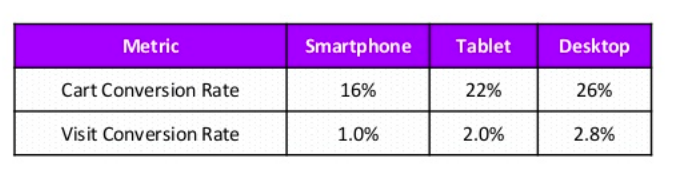
    One factor that can’t be ignored is the impact of mobile users on your website. Considering mobile users surpassed the amount of desktop traffic almost two years ago—eons in internet time—ignoring mobile users is a recipe for failure. What’s even more surprising is that in the same year, even though there were more mobile visits to websites worldwide, mobile users converted almost 65% less than desktop users according to the 2016 Adobe Mobile Retail Report.

    Table of mobile conversion rates - Search Influence

    Our advantage here is that this data is like, eons old. We’ve progressed since then and have become more accustomed to serving mobile users and Google even recognizes the efforts that developers put in to make their websites mobile friendly and adjusted their search to index mobile sites first. This coupled with the rising magnitude of mobile traffic means that being able to capture leads efficiently on mobile platforms is imperative for any campaign.

    At Search Influence, we have everything you need to start a lead generating campaign, from SEO services, digital advertising, social media management, and the capability to track your campaign with pinpoint accuracy. We also practice what we preach; check out the form in the sidebar if you don’t believe us.