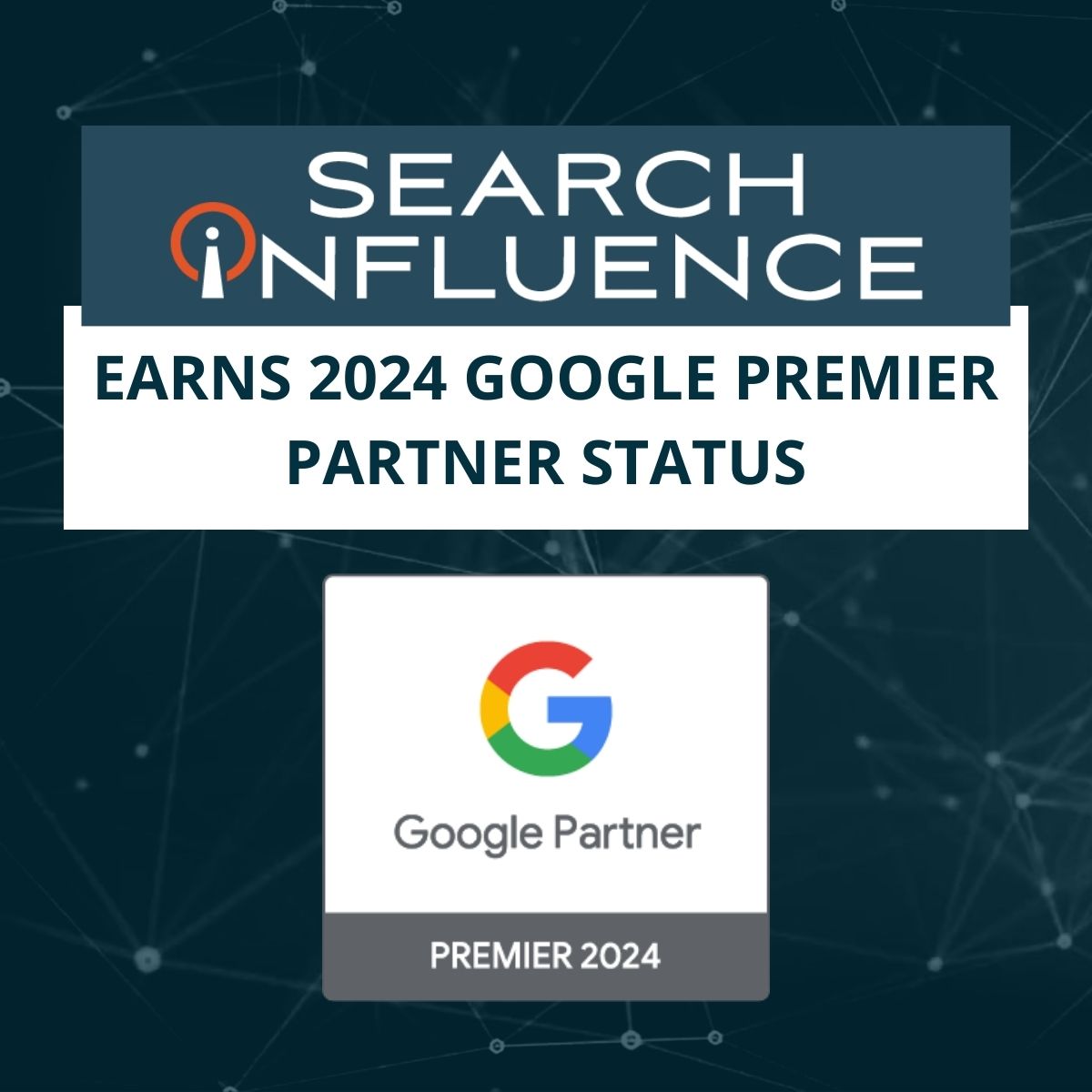
We’re thrilled to share that Search Influence has been awarded 2024 Google Premier Partner status — for the 9th year in a row!
Recognized by the Google Partners Program, this honor places us in the top 3% of digital marketing agencies in the United States, reflecting our commitment to excellence.
See what this distinguished title means for our team and our clients.
The Path to Premier Partnership
The Google Partners program recognizes and rewards top-performing digital marketing professionals and agencies in a given country and year. Active in over 60 countries, the exclusive program comprises three levels: Member, Partner, and Premier.
Achieving Premier status, the highest tier, involves a rigorous set of criteria and demonstrates an agency’s advanced skills and expertise in managing Google Ads.
Premier Partner Qualifications:
Robust Optimization and Performance: Agencies must consistently maintain a high optimization score in their Google Ads Manager accounts, indicating that they are maximizing campaign effectiveness.
Substantial Ad Spend: Agencies are required to demonstrate significant ad spend levels, maintaining a minimum ad spend 90-day period, which showcases their ability to handle large-scale campaigns.
Professional Certification: To qualify, more than half of the strategists managing the account must hold Google Ads certifications.
Exceptional Agency Performance: Premier status is reserved for agencies that rank in the top 3% in their country in terms of performance metrics such as client growth, retention, product diversification, and annual ad spend.
Benefits of Working With a Google Premier Partner Agency
The Google Partners program doesn’t just benefit honored agencies and marketing moguls — it also offers significant advantages to their clients. When you work with Search Influence as a Premier Partner, you benefit from:
Access to Advanced Tools and Resources: We receive early access to new Google features, updates, and tools, keeping your campaigns miles ahead of your biggest competitors.
Dedicated Support from Google: Direct support from Google helps us optimize our strategies and improve your outcomes without delay or technical hassle.
Continuous Learning and Development: Ongoing training and insights on industry trends ensure that our team remains on the cutting edge of digital marketing — directly impacting your bottom line.
Achieving 2024 Google Premier Partner status is a milestone for Search Influence, reinforcing our dedication to digital advertising success. Let us share the benefits of this honor with you, helping you enrich your campaigns with exclusive resources and superior insights.
Your SEO and Digital Marketing Agency
Ready to see what a Google Premier Partner can do for your campaigns?
Search Influence specializes in all aspects of online advertising, including campaign research, development, tracking, and reporting. We have decades of experience mastering the art of Google advertising, and we’re here to put our expertise to work for you.
Get in touch with our SEO and digital marketing agency today for results you can trust.
As a higher education digital advertiser, you know managing campaigns is no easy feat. Marketers need to contend with increased competition, limited resources, and a complex marketing landscape.
Fortunately, with the right expertise and digital platform knowledge, your school’s marketing department can achieve your enrollment goals — if not surpass them — without overworking your budget.
Join Search Influence and UPCEA on April 30 for the live webinar, “Stop Wasting Budget: How to Get Better Digital Ad Results and Increase Satisfaction,” to see how to maximize enrollment and minimize lost ad dollars at your university.
Featured Session at a Glance
Each year, online and continuing education schools funnel an average of $800,000 into their digital marketing. Yet, only 47% are satisfied with campaign performance, and just 38% are satisfied with their cost per inquiry (CPI).
This April 30 at 12PM EDT / 11AM CDT, Search Influence and UPCEA team up to tackle this discrepancy head-on and offer opportunities for campaign improvement. Tune into our live webinar to gain:
Key takeaways from our latest research study revealing most schools have room for marketing improvement
An exploration of the top strategies to improve your digital advertising results and reduce CPI
Strategies for maximizing your marketing budget while maintaining (or even enhancing) your lead quality
By attending, you’ll come away with actionable tips and tricks to identify wasted budget and upgrade your prospect’s experience.
Hear From Higher Education Marketing Trailblazers
Search Influence has been a proud Platinum Partner of UPCEA since 2022. In “Stop Wasting Budget: How to Get Better Digital Ad Results and Increase Satisfaction,” you’ll hear from both UPCEA and Search Influence’s higher ed marketing veterans:
Jim Fong, Chief Research Officer, UPCEA
Paula French, Director of Sales and Marketing, Search Influence
Jeanne Lobman, Digital Advertising Manager, Search Influence
Attend Live & Qualify for a $50 Giveaway
As a thank you for attending, Search Influence and UPCEA will draw four live attendees to win a $50 credit to a global reward catalog featuring 1,000+ of the most popular gift cards, prepaid cards, and charitable donations.
All live attendees will be automatically entered in the giveaway.
Join us live for a chance to win a take-home prize beyond the insightful marketing strategies you’ll gain from the webinar.
Improve Your Higher Education Digital Ads With Search Influence
Is your higher ed marketing budget feeling the heat from underperforming campaigns?
As a higher education digital marketing agency, Search Influence has helped plenty of schools like yours turn strategy questions into data-driven decisions. With nearly two decades of experience marketing for schools across state lines, we know higher education digital advertising, and we know what converts without sacrificing budget.
Register now for “Stop Wasting Budget: How to Get Better Digital Ad Results and Increase Satisfaction” to dive into strategies that revamp your campaign success.
Unlocking Conversions: Meta and LinkedIn Introduce Advanced AI Targeting
Discover how predictive audiences and Advantage+ targeting can elevate your advertising campaigns.
New Meta and LinkedIn AI Features Help “Find” Conversions
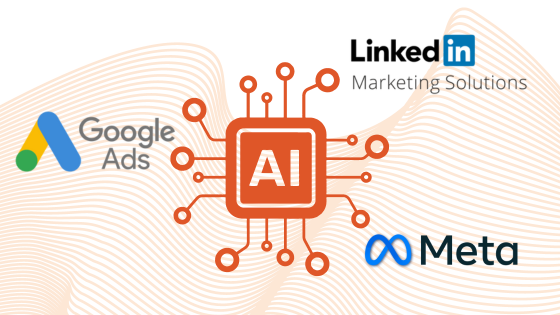
As part of our ongoing commitment to optimizing your advertising campaigns, we’re excited to introduce you to the powerful AI features offered by Meta and LinkedIn, designed to help you reach and convert your target audience more effectively.
Predictive Audiences with LinkedIn Ads
On LinkedIn, we can leverage predictive audiences, a feature that expands your campaign’s reach by creating an audience predicted to perform actions similar to those within your source data.
We work with you to curate a list of existing contacts you have that represent the ideal customer – this could be high quality leads or high quality clients/customers. LinkedIn combines your data source and LinkedIn’s AI to automatically generate a new custom audience that has more potential to convert.
Advantage+ Audiences with Meta Ads
In addition to LinkedIn, we’re excited to introduce Meta Advantage+ audiences, which harnesses Meta’s advanced AI capabilities to find your audience. (P.S. Meta = Facebook and Instagram.)
Meta’s AI utilizes a wealth of information including past conversions, pixel data, and interactions with previous ads to continuously refine and evolve your audience targeting. You can rely on Meta’s AI to find your audience, or provide specific information about the people you want to reach. Meta prioritizes audiences matching your suggestions before broadening its search.
By testing AI-driven targeting in your campaigns, you can expect improved results! We are working these features into our clients’ campaigns where relevant to test their power to drive more conversions within your budget.
AI has been driving success in your campaigns for years
Over the years, AI has revolutionized advertising, reshaping how we connect with audiences and optimize campaigns – in Google, Meta, LinkedIn, and programmatic digital advertising.
AI has evolved to deliver personalized ads, enhancing relevance. Predictive algorithms forecast trends and behaviors, enabling data-driven decision-making, while dynamic creative optimization tailors ad content in real-time to maximize engagement and conversion rates. Now we are testing new audiences created using AI to drive conversions!
At Search Influence, we continue to adjust our campaign best practices and processes to leverage AI’s potential to drive your advertising success.
Have questions about AI in your campaigns? Chat with your account manager to understand more!
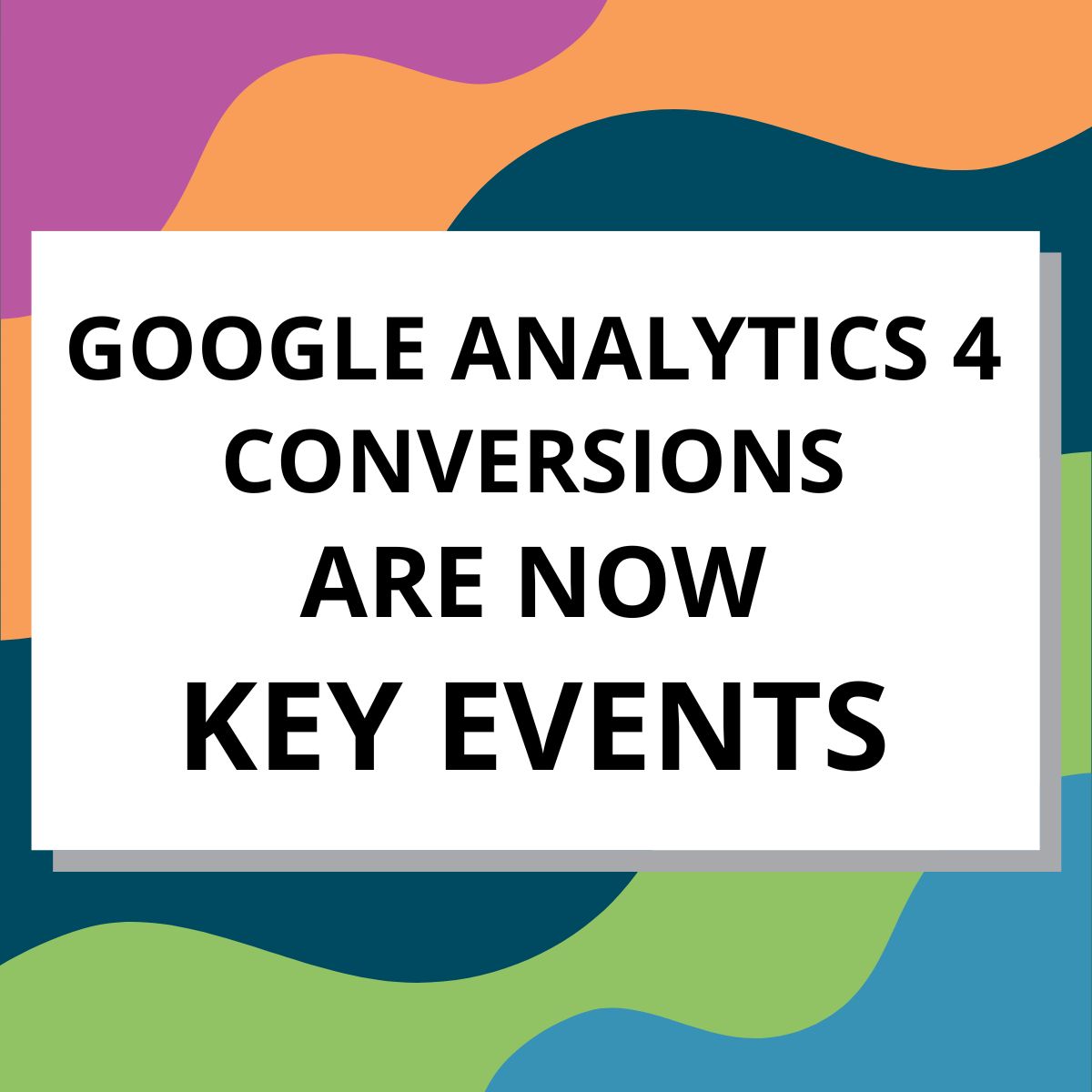
To differentiate from Google Ads, GA4 has renamed conversions to “key events.”
What You Need to Know:
Analytics conversions have been renamed as “key events” in GA4 to distinguish them from conversions in Google Ads.
“Conversions” still exist, in the context of Google Ads which are also reported as Ads conversions in GA4. Advertisers can create conversions from Analytics key events, and optimize for those conversions in their ad campaigns.
No action is required from your end as key events are created and reported in the same way as previous conversions in Google Analytics.
If you have a linked Google Ads account, conversions created from Analytics key events will appear as conversions in the Analytics advertising section.
Key events in Google Analytics measure the interactions most important to your business, such as form submissions or newsletter signups. These will now appear as key event metrics in Analytics reports.
While changes like renaming an important metric can be hard to get used to, we believe that these changes will provide more clarity and consistency in reporting, ultimately helping agencies like us, and businesses like you better understand and optimize your digital marketing efforts.
Search Influence clients, reach out to your Account Manager if you have any questions about how this change may affect your data or campaigns.
If you aren’t a Search Influence client (yet) and need help understanding how this and other Google Analytics 4 updates impact you, contact us to speak with a member of our sales team or learn more about our Analytics and Lead Tracking services.
This year at the 2024 Annual UPCEA Conference, Search Influence will present an informative session titled, “Secrets of Highly Successful Enrollment Marketing Teams: Proven Strategies to Set & Reach Goals and Maximize Budgets.”
Join us as we uncover the secrets to supercharging your enrollment pipeline through efficient higher education marketing.
Featured Session: A Deep Dive into Enrollment Marketing
The 2024 Annual UPCEA Conference will take place from March 26-28 in Boston, MA, pooling industry thought leaders from across the globe.
In their session, Search Influence’s Paula French, together with industry experts Val Fox, Alicia Jasmin, and Leo Rice, will delve into today’s challenges of achieving graduate and adult learner enrollment goals. Attendees will gain various tips and tricks for turning enrollment hurdles into opportunities through:
Effective enrollment goal-setting with stakeholders
Hands-on enrollment funnel management
Strategies to reduce cost per inquiry
Maximizing marketing budgets without losing lead quality
Keyword optimization and bidding strategies
Participants will leave equipped with the knowledge and strategies to transform their enrollment processes, setting a new standard for success in higher education digital marketing.
UPCEA: A Century of Educational Innovation
Founded in 1915, UPCEA has long been a cornerstone in advancing professional, continuing, and online (PCO) education. Over the years, it has established itself as a vital network for higher education marketing teams, fostering innovation and collaboration across the sector.
A Platinum Partner since 2022, Search Influence has routinely worked alongside the higher ed association to share industry expertise through insightful research and conference presentations.
This year’s Annual UPCEA Conference marks just one more chapter in our work of advancing higher education through cutting-edge strategies and insights.
Refine Your Higher Education Digital Marketing Strategy
Whether you’re looking to refine your enrollment goals, optimize your marketing budget, or explore innovative digital marketing strategies, our 2024 Annual UPCEA Conference session
is your gateway to success. Come see us in Boston for our exclusive look into the current state of enrollment marketing.
Search Influence is here to help you maximize your strategy and results in SEO, paid search, and everything in between. Together, we can turn your marketing challenges into victories.
Get in touch today and let us show you the way to measurable success and beyond.
Imagine you’re a ship captain embarking on a voyage in uncharted waters. That’s what it’s like navigating the ever-changing currents of Higher Education Digital Marketing.
As the deck shifts beneath you, you are steering your institution’s ship through the waves of change – hopefully toward improved enrollment and a better return on investment (ROI.)
Mobile devices, social media, and the need to show value with data analytics are critical in your marketing efforts to attract, engage, and retain students.
As we go deeper, you’ll learn to master the art of marketing in higher education, turning challenges into opportunities and ensuring your ship doesn’t just stay afloat but sails triumphantly toward the horizon of success.
[ez-toc]
Digital Marketing Strategy – What’s Working?
For a more comprehensive look at what other schools and their agencies are thinking about for lead generation. Have a look at our blog roundup: 10 Winning Higher Education Marketing Strategies.
Top 10 Higher Education Digital Marketing Strategies
SEO (Search Engine Optimization)
Paid Advertising (PPC, Pay-Per-Click, Display and More)
Content Marketing
Email Marketing
Social Media Marketing
Video Content
Personalization
Branding
Chatbots and Conversational Marketing
Data-Driven Strategy
SEO: The Key to Visibility
SEO is essential in your institution’s visibility online, bringing high-quality content to the forefront and establishing your authority. It’s a cornerstone of higher education marketing, offering a way to increase search engine rankings and maximize organic traffic.
Good SEO is simple, not easy.
In short, SEO is about relevance and authority. Or, another way, keywords, content, and links.
An academic research paper is judged over time by the number of citations it receives, and your website is judged by the number of links, references, and citations, too.
As Internet search engines move from “lexical” to “semantic” search, it is that much more important to create connections in a semantically relevant way. Keywords (or search terms) are still important, but equally important are the entities they represent.
Hint: look for bolded text in this article. Most are entities – either Wikipedia or Google NLP. Some are just for emphasis.
Consider the humble Hoagie. You don’t know what a hoagie is? It’s what people in Philly call a Sub or Hero. In New Orleans, we call it a Po-Boy.
To Wikipedia, however, Sub, Hoagie, Grinder, and others are the semantic equivalent of “Submarine sandwich.”
Constructivist learning theory suggests learners construct knowledge by integrating new information with existing knowledge and experiences. Search is like that.
There are far too many “keywords” for search engines to catalog them all, and they must, therefore, index those keywords to known entities.
The good news for you, if you’re marketing higher ed institutions, is that most of your websites are very authoritative. They already have a lot of external links, and they get a lot of organic usage.
In the SEO community, we’ve long believed that user signals, i.e., the way a visitor interacts with your website, are important. With students and other community members using your website as a resource, you can be assured that your user signals demonstrate engagement.
But is it easy for them to find what they need? And if you were a search engine crawling your own website, would it be easy to navigate among related topics?
When the World Wide Web first launched, hyperlinks were a radical departure. The idea we could jump from one document or passage to another was revolutionary.
Site visitors want to move seamlessly from one idea to the next and from one page to another, as well. Search engines do, too.
Chances are you don’t have enough internal links within the content of your website. If you want the search engines to really understand the relationship between areas of your site, you need to demonstrate those connections with links.
Hopefully, your content management system supports easy internal linking. If you use WordPress, we’ve been enjoying the plugin LinkWhisper which automates much of the internal linking process.
Does this mean you don’t need external links? Not at all, but you get to be more selective.
Are you launching a new program? Highlighting a student or faculty story? These may need external links to get found, and those can be in the form of PR, social media, and other organic behaviors.
Embrace Your Technical Side
If your website doesn’t function properly, users and search engines will not be able to find what you want them to.
A broken website is obvious, but there are less obvious technical implementations that can add tremendous value:
Website load speed
Readability (important for accessibility as well)
Image size and format (relates to load speed)
Structured data
A typical “SEO Audit” will highlight a number of irrelevant issues, like HTML code compliance, for instance. Today, however, having a fast, easy-to-read site that loads well on mobile devices and feeds the engine semantically relevant information is the starting point.
Technical SEO doesn’t have to be scary if you focus on the handful of things that really matter.
Paid Advertising: Extend Your University Marketing
Search engines are attacking your organic search efforts on multiple fronts which makes online advertising that much more critical.
The integration of AI results means your organic content is further down the search engine results page (SERP.)
New social channels, like TikTok, Instagram, and Snapchat, are being used by the coming generations in place of search engines.
PPC, Pay-Per-Click, and Search Ads
You are likely familiar with paid search ads. They are one of the oldest forms of Internet advertising, dating back to the last century.
They have come a long way. In the beginning, they matched ads to what a user searched for. Now, they can include multiple layers of targeting.
In addition to the searched words, we can now layer demographics, searcher intent, and even retargeting. The humble search ad started as a sledgehammer and is now a laser-guided surgical instrument.
With pay-per-click, you only pay when someone clicks your ad, making it a good way to manage budget and ROI.
Digital Display Advertising
Closely related to search advertising and often available in the same systems are digital display ads.
Many channels have options for display advertising, including the Google Display Network and Meta (parent of Facebook and Instagram).
There are also specialized advertising platforms that allow digital ads to be targeted based on third-party data. These can be subscribers to various services, demographics, or affinity, and in-market data.
Social Media Advertising for Higher Ed
Each platform has paid ads available. In addition to PPC and Display, there are platform specific options such as InMail on LinkedIn.
When these advertisements are native to the platform, they often provide a better response rate.
Television and Connected Devices DTV/CTV/OTT
As in-home entertainment moves more asynchronous and digital, you can now reach prospects with digital advertising during leisure activities.
These platforms share the audience targeting capabilities of digital display.
Retargeting and Remarketing
Each time a web searcher is exposed to messaging online, whether news sites, entertainment, or in the social media space, they become an opportunity for retargeting.
You can target visitors to your website, those who’ve seen other ads or a specific landing page, and even by email and phone number. These technologies are available in most paid campaigns, even your existing Google ads.
Whether you like it or not, if you want to reach your target market, you will sometimes need to pay for it.
Content Marketing Drives Engagement
At its best, content marketing is a storytelling opportunity. Regardless of the medium, you have an opportunity to engage your audience in entertaining and informative ways.
Showcase your institution’s unique values, tell your story, and present your offerings in a way that appeals to your prospective students.
Current students, campus life, and your degree program are all great topics. Your blog and video content allows for student-centered content with an integrated call to action for relevant leads.
As higher education marketers, we have to wear a number of hats. Yes, we need to increase search engine visibility. And lead generation has to be a major focus of any marketing campaign focused on new students. But we also have to serve our faculty and administrators.
The great news is our faculty are prolific content creators in their own right.
This frees us from having to build brand awareness with new content. We can optimize existing content from our college website and degree programs to reach the prospective student.
Content comes in many forms. Just as we can leverage the university website to get in front of prospects, we can take advantage of admissions materials like video campus tours to increase our university’s brand visibility.
The smart marketer is making more with less. Any existing content that is supportive of your school’s brand is ripe for reuse.
With new AI tools, we can even take a web page and turn it into a short-form video, social media posts, or pretty much anything we can dream up.
Video content is particularly powerful in higher ed marketing, as it offers an engaging, dynamic way to showcase your institution and its offerings.
But there are nearly endless ways to get your university noticed with content. Here’s a list to get you thinking:
Written Content
Blogs
Articles
E-books
White Papers
Case Studies
Newsletters
Infographics
Press Releases
Guides and How-To’s
Checklists and Cheat Sheets
Visual Content
Images
Videos
Webinars
Slideshows and Presentations
Live Streaming
Virtual Reality (VR) and Augmented Reality (AR)
Audio Content
Podcasts
Audiobooks
Social Media
Facebook
Instagram
Twitter
LinkedIn
Pinterest
Snapchat
TikTok
Reddit
Interactive Content
Quizzes and Polls
Interactive Infographics
Online Courses and Workshops
Games and Interactive Experiences
Hopefully, this shows that there are tons of ways to get in front of your audience, and in many cases, adapt existing material to new channels to do so.
Effective Email Marketing
There are three distinct types of email marketing every school or business unit should be engaged in.
Outbound or cold email
Nurture sequences (including email, SMS, social media)
Newsletter
Outbound Email Marketing For Higher Ed
The biggest challenge in lead generation is getting your school’s brand in front of a ready audience.
Done well, outbound email opens up new audiences for your degree programs you might not reach otherwise.
There are platforms focused on college students in various stages of decision-making.
And, with email lists, you can access demographic data that is no longer available on traditional advertising platforms.
Just like direct mail of old, email is a great way to test messaging and calls to action and to get a quick response.
Nurture And Followup Email
What a shame it would be for you to spend time, money, or both getting interested students to your web pages or landing page and then not following up. And if they’re getting there and not taking action you may want to consider conversion optimization.
We help our clients build nurture sequences in HubSpot, Slate, and other customer relationship management systems (CRM), which include email, SMS, and social media contacts as well.
The higher education buying cycle can be long, and it pays to stay in front of your prospects throughout that time.
You can use nurture sequences to stay in front of your target audience, share valuable information, answer questions, and share the perspectives of current students.
And email nurture is good customer service, too.
Newsletters
Newsletters are a great way to stay in front of your audience and communicate important news and events, even when they’re not actively engaged in a marketing campaign.
For effective email:
Personalize: Use the recipient’s name and tailor content to their interests or actions.
Segment: Target groups based on course of interest, geography, and more.
Make Them Compelling: These are your first impressions. Make them count.
Invest time in crafting thoughtful, relevant emails. Your prospective students deserve it, and your enrollment numbers will thank you.
Social Media for Brand Awareness
Harnessing the power of social media can significantly boost your institution’s brand awareness and forge stronger connections with potential students.
By using popular social media platforms like TikTok, Instagram, LinkedIn, and Facebook, higher education institutions can effectively reach and engage their target audience.
Sharing engaging content such as videos, experiences, and university events on these platforms can elevate your brand and increase its visibility. You’re not just marketing your institution; you’re building a community where students feel heard, seen, and valued.
Consider platforms like YouTube and TikTok for sharing engaging video content. These platforms can significantly improve your reach and brand awareness.
Influencer marketing can significantly increase brand visibility and foster trust with potential students. Consider your own students, some may be micro-influencers in your community.
In addition to organic engagement, social media sites offer significant advertising opportunities.
Video Marketing: A Powerful Tool
YouTube is the second most used search engine.
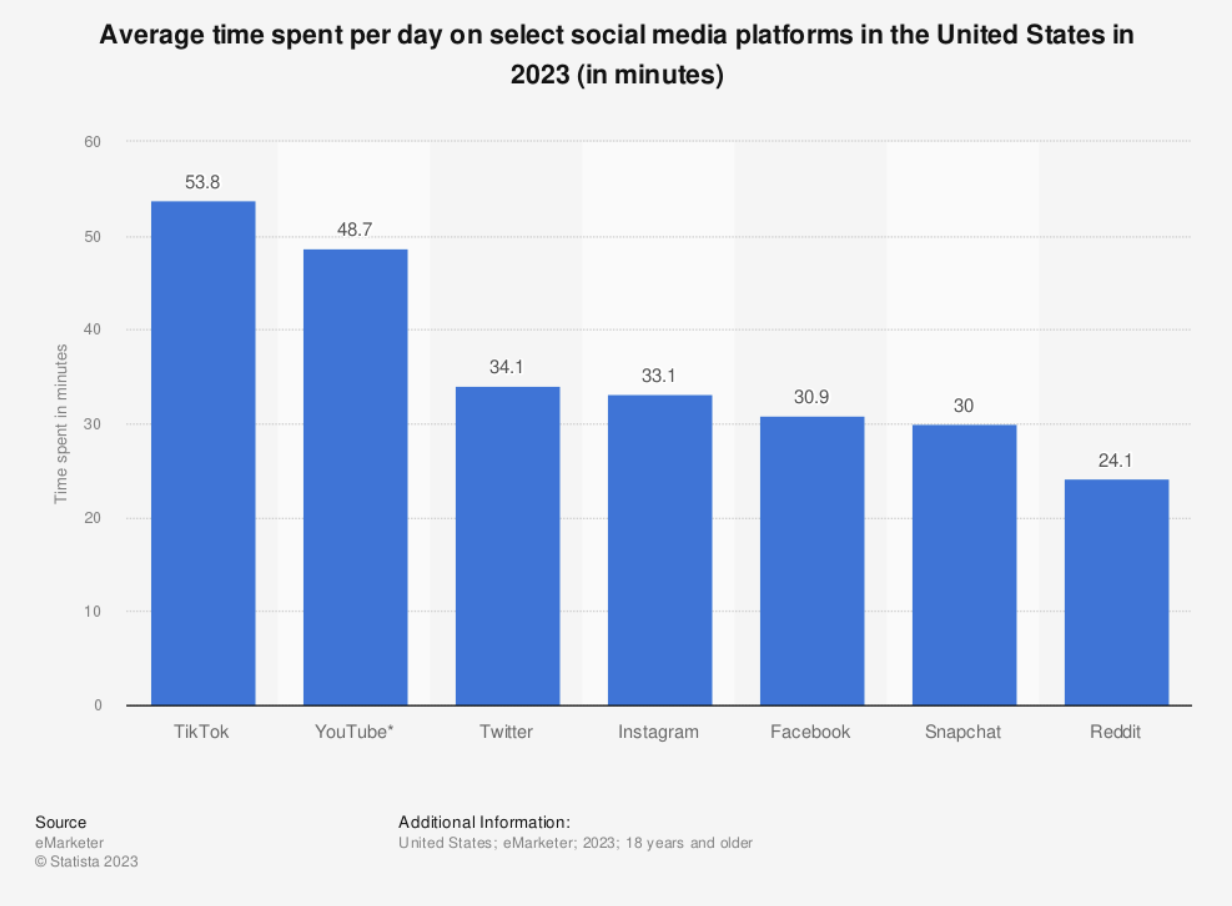
TikTok and Youtube — video sites — earn around 50 minutes/day of users time and attention.
This is significantly more than any other platform.
And, in each case, the platform algorithms are tuned toward engagement.
Platforms like YouTube and TikTok are perfect for sharing short videos that showcase your university’s programs and lifestyle. These bite-sized pieces of content often result in better engagement and can be easily shared across various social media platforms.
Consider crafting virtual tours of your campus facilities. Prospective students can experience your institution from the comfort of their homes, making it a unique selling point in your higher education marketing strategy.
Additionally, you can link these short videos to longer, more detailed ones for additional information and engagement.
In our practice, we talk about analysis, tracking, and reporting ATR for short. We use that language for a couple of reasons. First, analytics is the brand of Google’s tracking system. More importantly, we believe that without analysis, the data is meaningless.
For many of our clients, lead generation and cost per lead (or cost per inquiry/CPI) are the most important metrics.
With every report, we’re making a case for our continued employment. In a recent UPCEA research study the data indicates that 62% of higher education institutional leaders want reporting on SEO metrics, but just 31% receive regular updates.
There are many ways to view Google search data and other metrics relevant to your higher education website.
Some of our favorites are:
Google Analytics
Google Search Console
Google Business Profile
Bing Webmaster Tools
Advance Web Ranking
We bring all this, plus advertising and task data, together in custom reports built-in Google Looker Studio.
If you’re trying to decide if a topic is worth pursuing, you can also look at Google search trends.
It’s important to remember that any of these tools are directional, not exact. The numbers are always an estimate, and the best you can do is follow the trends.
Prospective Students Aren’t The Only Target Audience
Often, when we think of university marketing efforts, we think Generation Z enrollment. But there are many more constituencies to consider.
When we focus on high school students and the younger generation, we may overlook some channels that are more appropriate to some of these other audiences. Just because those high school students aren’t on Facebook doesn’t mean they’re not influenced and financed by someone who is.
Parents
At the undergraduate level, college marketing needs to consider parents in lead generation efforts.
Whether they are paying, guaranteeing a loan, or simply supporting their student, you want to think about parents. They will approach information differently than their students.
Community
It’s unlikely that your school is on an island. The community in which you live and work is an important target for your marketing campaigns.
Whether you are recruiting staff or simply trying to maintain a good reputation, your local community needs to know what is going on at your school.
Peer Organizations
Whether down the block or around the world, peer schools and organizations can be an important part of your efforts.
You may not be trying to fill a faculty position today, but you will.
Consider how you find “product” information. You ask someone who knows, and likely, your peers will be asked about you.
Existing Students
Our best prospect is a customer who’s already connected with us. Your existing students know who you are and, in many cases, are a captive audience on your campus.
One of our client schools has even used yard signs to reach prospective students for summer graduate programs on campus.
Your students are also uniquely qualified to create user-generated content that will be sure to resonate with prospects.
Faculty And Staff
Like some of these other examples, your employees can be some of your best ambassadors.
You may have the opportunity to double your return on effort if your marketing campaigns also support your internal communications.
Frequently Asked Questions
What Is the Role of Digital Marketing in Higher Education?
The role of digital marketing in higher education is growing. Prospective students and their influencers are turning to digital media first. Traditional media: publications, television, and radio are being overtaken by digital advertising.
Can You Do Digital Marketing to High School Students?
There are a number of platforms (TikTok, Snapchat, etc.) that are popular with high school students. You can also use programmatic advertising and email to target households likely to have high school students. You can also use professional sites like LinkedIn to target educators and counselors.
Which Type of Digital Marketing Is Best for Students?
The type of digital marketing that is best for student recruitment will depend on a number of factors. Are you targeting undergraduate, graduate, non-credit, community college, or something else?
There is no one-size-fits-all.
Who Does Marketing for Universities?
Marketing for universities is typically a combination of the internal marketing team, external agencies — specialized firms who bring expertise in areas like digital targeting, enrollment campaigns, branding, and faculty and students. Faculty, staff, student achievements, and campus life stories enable compelling content.
What Are the Functions of Marketing?
The functions of marketing are understanding customer needs and creating value. Research, develop, price, promote, deliver, nurture, and measure success. It’s all about connecting products with happy customers.
By implementing a comprehensive Higher Education Marketing Strategy, you can effectively reach and engage your target audience, nurture leads, and ultimately attract new students.
By focusing on these key areas and tailoring your approach to your specific audience and goals, you can create Higher Education Digital Marketing Strategies that drive meaningful results.
The key is to focus on a student-centric approach, utilize a variety of digital marketing tools, and continuously measure and optimize your efforts for maximum ROI.
We hope this overview was useful. Some other areas you may want to spend time learning about are:
Optimizing landing pages for paid search campaigns.
Utilizing short-form video content for social media platforms like TikTok.
Implementing conversational marketing strategies to engage with prospective students directly.
Collaborating with student ambassadors to promote the university brand.
Integrating voice search optimization into your content strategy.
We know it’s a lot. Search Influence has worked with higher education institutions for over a decade to attract prospective students. Get in touch and let’s see if we can help you, too.
This article was mostly written by Will Scott, CEO of Search Influence with a little help from the robots.
53% of our higher ed marketing research respondents aren’t satisfied with their campaigns’ performance. How are you doing?
On Wednesday, March 13, at 2 PM ET/1 PM CT, Search Influence and UPCEA will host the live webinar, “What Gets Measured Gets Managed: Higher Ed Marketing Metrics Research Report.” We’ll cover our latest research study, which establishes an industry-wide cost-per-inquiry (CPI) benchmark and explores whether higher ed institutions track critical metrics that inform outcomes.
Join us to see how your campaigns measure up to others in your industry — and which metrics best assess your success.
How your university’s CPI metrics compare to peer institutions
The most popular sources of inquiries for professional and online programs
Plus, we’ll give an exclusive first look at our most recent research in collaboration with UPCEA to develop a cost-per-inquiry and cost-per-enrolled student benchmark.
Bonus: Don’t miss out on our live event giveaway! By registering, you automatically enter the draw to win a $50 prize redeemable across a wide range of over 1,000 top gift cards, prepaid cards, and charitable contributions. We will select four winners — register now to be one of them!
Your Higher Ed Marketing Presenters
In “What Gets Measured Gets Managed: Higher Ed Marketing Metrics Research Report,” you’ll hear from industry experts:
Jim Fong, Chief Research Officer, UPCEA
Bruce Etter, Senior Director of Research and Consulting, UPCEA
Paula French, Director of Sales and Marketing, Search Influence
Alison Zeringue, Director of Account Management, Search Influence
Register for the Webinar
Search Influence became Platinum Partners with UPCEA in 2022. Over the course of our two-year partnership, we’ve co-authored SEO and paid advertising research for higher education institutions looking to elevate their strategy standards.
“What Gets Measured Gets Managed: Higher Ed Marketing Metrics Research Report” will
offer an in-depth analysis of current marketing strategies within higher education, highlighting the importance of data-driven decisions. The webinar is a must-attend event for anyone looking to gain insights into optimizing their marketing efforts, understanding industry benchmarks, and improving overall campaign performance.
With the U.S. presidential election coming up, experts project increased advertising competition and rising digital ad costs throughout 2024.
While it may be tempting to slash your marketing budget to save short-term advertising costs, you’ll pay the long-term price of leaving your brand dormant this year.
The right channel, campaign, and strategy can make the difference between a profitable year and one that succumbs to the pressure of a changing market.
Yes, it’s an election year. Yes, online advertising costs will rise. No, you shouldn’t take the (mistakenly) “economically sound” route and cut the cord on your campaigns.
Digital ad costs ebb and flow seasonally each year, which ushers in higher prices for a slice of inventory. The same goes for when a major election is on the table, like the upcoming U.S. presidential election, which is already proving to be an ad-spend field day on its own.
As high demand and low supply for ad inventory during elections cause prices to hike, many brands put marketing on the chopping block. However, despite the higher price tags, the brands that stay the course and continue advertising are the ones who go into the next year with the best results.
In this blog, we’ll cover everything you need to know about rising digital ad costs in 2024 and offer practical tips for keeping your strategy in shape amidst uncertainty.
Digital Advertising Costs Predicted to Remain High Beyond Q4
Between impromptu holiday campaigns and year-in-review wrap-ups with higher-ups, Q4 is often a frenzy.
Historically, Q4 brings with it an extra chunk of change, often to the advertiser’s benefit. Shoppers rush to both brick-and-mortar and e-commerce stores for holiday deals, spending more than ever, earlier than ever. A smart marketer runs at least one holiday campaign, which ideally, spikes profits and leads that outperform last year.
However, despite these hot sales, there are some drawbacks.
Supply, demand, dilemma
Q4 is a remarkably advantageous time to advertise, and most advertisers know it — making the market more crowded.
This time of year, advertisers find themselves in a bidding war against direct competitors in their industry and against a broad spectrum of entities all vying for the same precious commodity: consumer attention. From small-scale Etsy vendors to major national retailers, the fight for digital ad space becomes increasingly fierce — and costly.
It’s the classic law of supply and demand. More advertisers want online ad space, meaning the demand for inventory on high-converting channels naturally grows. With that growth comes increased competition and rising prices per click or per impression.
2024 to change the tune
For safe budgetary measures, you should always expect rising digital advertising costs in Q4 — unless the yearly data shows differently. Fortunately, though, the dust left over from the madness typically settles in Q1 of the new year.
However, 2024 is shaping up to be different. This year’s Q4 isn’t just about the usual holiday shopping and Black Friday sales. The presidential election will take November by storm, and much of 2024 will be impacted, too.
As political candidates gear up to increase their spend on advertising throughout the year, experts predict costs to remain high across most of 2024 — not just the tail end of the year.
Impact of the 2024 Presidential Election on Digital Ad Costs
Presidential elections are great for the advertising market itself. For the average digital marketer looking to get in front of the eyes of potential buyers, not so much.
Increased spend = increased competition
The 2020 election shattered political ad spending records, being crowned the most expensive campaign year in American history. From traditional media like broadcast TV to online advertising with Google, political advertisers hopped on any and all channels to push their envelope to whoever would take it.
This year’s election is set to take 2020’s ad spend and give it a facelift — to the tune of an estimated $15.9b across all mediums. This whopping forecast would be a 30% jump from the previous presidential election, with AdImpact projecting the 2023-2024 election as the most expensive of all time.
As always, political advertisers mostly rely on local broadcast TV to get their message across. However, an influx of this ad spending growth is moving toward digital channels, with politicians utilizing every medium at their fingertips, from paid search to display.
There’s a whole new layer of competition in the mix this year, one with a powerful presence on both the advertising industry and its market.
Increased competition = increased costs
If there’s one thing all advertisers want, it’s inventory. And if there’s one thing that isn’t always guaranteed, it’s premium inventory.
Running ads on high-converting channels is the goldmine in any advertising sector, be it political, healthcare, or higher education.
Elbowing through a tight crowd to get to those channels is generally to be expected. This election year, however, that crowd looks a little different and a lot bigger.
When competition rises with political advertisers entering the scene, online advertising costs follow suit. Google, Meta, and other prominent digital ad space realtors are auction-based, meaning the bids to show naturally increase with a surge in competition.
How Competition and Rising Online Ad Costs in 2024 Might Affect Your Results
Potential impacts on display campaigns
Being proactive about potential losses during this election year is the best way to safeguard quality results.
Today, display campaigns are particularly popular. If you’re already running one, this is likely where your results will be hit the hardest in 2024.
The worst-case scenario? You see fewer inquiries or leads and fewer sales overall from your digital advertising sources. But that’s assuming you keep the same budget as initially planned.
In this instance, your best bet to mitigate a drop-off in conversions is to increase your ad spend to maintain consistent lead quantities. Sure, the price tag may be a tad higher, but the losses from missed revenue are even greater.
Potential impacts on paid search campaigns
Working with paid search? Now, that’s a different, likely easier story.
With paid search, you’re only competing with other brands relevant to your keywords. Whether you’re a local zoo or a national SEO agency, you won’t be threatened by Candidate X, Y, or Z encroaching upon your space in the search results. You’ll just be warding off direct competitors also bidding on your keywords.
However, you may see an impact if brands in your industry start cropping up, looking to earn more business around Q1 and Q4. Most brands want to begin and end the year on a high note, and rightfully so.
Just be sure to stick to a thoughtful, well-executed advertising strategy, and you won’t feel too much pressure.
The same sentiment goes for all of your digital advertising campaigns in 2024. Put in the right amount of time, effort, and money, and you can maintain the results and even accomplish your goals for the year.
Strategies to Manage Increased Digital Ad Costs in 2024
Stay the course
As the old saying goes, “When the going gets tough, the tough get going.”
Inevitably, the market will be disrupted from time to time. Sometimes, it even gets turned on its head, like we saw with the COVID-19 pandemic. But brands who persist in uncertain times are the ones who come out on top, now and well into the future.
A consistent online presence is what will make you relevant amidst all the political clutter.
It’s important to avoid caving into the temptation that pulling the plug on or limiting your use of online ads this year will save you money. In the long run, you’ll only lose your brand reach, impression, and the results you worked so hard to maintain.
Marketing is a long-term investment, not an on-and-off again, quirky commitment. As long as you keep with the course, budget appropriately, and stay vigilant of your competition, you’ll avoid the aftermath of dormant mode.
Optimize your marketing mix
Just because you shouldn’t cut online ad expenditures doesn’t mean you can’t save any money this election year.
The cheat code for low ad costs and high-performing results boils down to your marketing mix.
Where are you advertising?
What campaigns are you running, and to whom?
Are any campaigns underperforming, and if so, on which channel(s)?
Keep your budget and results in good standing by leveraging the marketing mix that yields the best returns. We recommend concentrating your efforts on the ad campaigns/channels that yield the most clicks or conversions and are most popular with your target audience.
Track trends in your target audience and relevant consumer shopping trends to best optimize your marketing mix and meet prospects where they are.
Remember that consumer behavior is also expected to shift during this election year. Many people will spend more time online to stay updated on the election, which could increase their exposure to your ads. Others may pull back their time surfing the Web or change where they spend their time online.
Enlist an online advertising agency for help
If 2024’s advertising market changes leave you with more questions than answers, the good news is you don’t have to navigate it alone.
Outsourcing your marketing to an agency takes much of the heavy lifting off your plate at a fraction of the headache of doing it all DIY. When you put your strategy in the hands of experts, you’ll get industry insights, creative, tech, and strategic know-how, and performance results backed by rigorous data.
Working with an agency also doesn’t have to be a huge cost undertaking in an already unsteady landscape. The best agencies are there to ensure you make the most use of your advertising budget by optimizing for the right marketing mix.
Plus, with their industry expertise, you’ll always be made aware of any economic shifts and trends in the ad atmosphere.
Proactive, not reactive.
As Jared Belsky from MarketingPros writes, “Don’t underestimate the cost of not being at the forefront of trends.” Otherwise, you may get lost in the shuffle of the industry’s next bout of turbulence.
Stay Ahead of the Curve With Search Influence
At Search Influence, we’ve weathered the advertising storms of elections, pandemics, recessions, and everything in between.
When you partner with us, your goals become our goals, and we’ll work to always keep your advertising campaigns running at peak performance. This election year, we’ll place extra emphasis on the right messaging and creative and testing new platforms to maintain your results.
As always, we’ll monitor and optimize your campaigns based on the goals set with a focus on leveraging your competitive advantage. Your dedicated account manager will promptly alert you to any changes we see in your market, with actionable steps for maximizing your online presence.
Keep your strategy in safe hands during times of uncertainty. See how our expert digital advertising services can put you ahead of the curve today.
Not all SEO strategies are created equal. Effective SEO strategies demand a customized approach that takes into account the unique goals and challenges of a business.
Search Influence uses three pillars to drive SEO strategy: boosting search rankings, empowering local SEO, and enhancing technical SEO.
Partnering with a skilled SEO agency can make all the difference in your online advertising success.
Search Influence isn’t just part of the SEO industry — we helped shape it.
Since bursting onto the SEO scene in 2006, we have helped clients across countless industries climb search engine results pages and reach their goals. We maintain a firm hold as thought leaders in the digital advertising industry by speaking at conferences, writing guest blog posts, and sharing insights on podcasts.
Our team fuels growth by constantly seeking inspiration from the many other prolific thinkers in the digital marketing and SEO world.
In this blog post, we’ll share the benefits of a true, customized search engine optimization strategy and pull the curtain back on our process.
Search Influence’s SEO Best Practices
At Search Influence, we value increasing your website’s traffic and search volume. However, we know that the bottom line for your business is a strategy that converts those visitors into inquiries and revenue.
Through a medley of strategies, we help you gain more organic traffic.
Boosting topical relevance: Our team conducts thorough keyword research to identify the most relevant keywords for your business. We then optimize your web pages with these targeted, conversion-friendly key topics, ensuring that your website appears prominently in search results when potential customers seek your products or services.
Empowering local relevance: We strengthen your online presence by focusing on local SEO strategies. By optimizing your website to reinforce your physical location, we ensure your business remains competitive in local search results. This approach makes it easier for nearby customers to discover and connect with your company.
Driving authority: We bolster your website’s credibility and influence through strategic link building. By linking to reputable websites within your industry and adding internal links from across your own website, we signal to search engines that your content is valuable and authoritative. This practice helps to satisfy Google’s E-E-A-T requirements.
Enhancing discoverability through technical SEO: We pay close attention to the technical aspects of your website to improve its overall performance. This includes many technical settings that help Google better access your site, as well as optimizing your website for mobile users, because a positive user experience is crucial for encouraging conversions. A user-friendly interface ensures that visitors can effortlessly navigate your site, increasing the likelihood that they will take a desired action.
Effective SEO Strategy Step 1: Needs Analysis
The first step in Search Influence’s process is getting to know you, your website, and your competition.
In house, we call this a needs analysis.
In this crucial step, we delve into understanding your unique requirements and challenges, ensuring that our SEO efforts align seamlessly with your goals and objectives.
Our needs analysis process forms the bedrock upon which we build our SEO strategy, providing valuable data and context for optimizing your online presence.
Our needs analysis process:
Learning your goals and objectives: By aligning our efforts with your goals, we ensure our actions contribute directly to your success. We collaborate with you to define what you want to achieve with your SEO endeavors. This may include enhancing online visibility, driving more targeted traffic, or increasing conversion rates.
Competitor analysis: We conduct a comprehensive competitor analysis to outperform your competition in the digital landscape. By identifying areas where your competitors excel and areas where they fall short, we can employ strategies and tactics that will help to set your website apart.
Technical audit: Our team conducts a meticulous technical audit of your website. By uncovering any technical issues or areas of improvement, we pave the way for a smoother user experience and improved search engine rankings. This audit thoroughly examines your website’s internal links, on-page optimization, and overall technical SEO health.
Content assessment: We assess your existing website content for its quality, relevance, and keyword optimization. Ensuring that your content aligns with your target audience’s interests and is optimized for relevant target keywords is crucial for attracting organic traffic and retaining user engagement.
Link profile analysis: Our team dives deep into your link profile, evaluating the quality and quantity of your inbound links. A strong and reputable backlink profile enhances your online authority and search engine rankings. We identify opportunities for acquiring high-quality backlinks and eliminating toxic links that may harm your SEO efforts.
This process enables us to tailor our SEO strategy to your specific needs and maximize the impact of our efforts, ultimately catapulting your website content to new heights of online visibility.
Effective SEO Strategy Step 2: Keyword Research
Conducting keyword research is pivotal to understanding how users search for products or services related to your business.
Our steps:
Brainstorm seed keywords: We create a list of core or seed keywords directly relevant to your products or services. These keywords are the foundation upon which we will build your keyword strategy. We discover these initial keywords through discussions with you about your industry and products to learn the words you use and the words your audience uses.
Utilize keyword research tools: Keyword research allows us to cast a wider net and capture a broader audience for your business. We leverage tools that uncover an array of related keywords and keyword phrases that users commonly enter into search engines.
Analyze search volume: During this step, we closely examine each keyword’s search volume to understand its popularity and potential impact. This data helps us prioritize the keywords more likely to drive significant traffic to your website.
Assess keyword relevance: We assess keyword relevance to ensure that the chosen keywords align with your audience’s search intent. This alignment verifies that visitors arriving at your site are genuinely interested in your products or services — leading to conversions, not just clicks.
Select targeted keywords by topic: We organize your selected keywords by topic, making it easier to create content that resonates with users’ interests. This strategy improves your website’s ranking on search engines and enhances the overall user experience by providing cohesive and informative content.
Balance keyword volume and competition: Our goal is to identify keywords that offer a favorable balance for your specific objectives. Highly competitive keywords may require more time and effort to rank for, while low-competition keywords may not drive enough traffic.
Effective SEO Strategy Step 3: Creation of the Strategy
Every client is unique, and your SEO strategy must reflect your distinct goals and challenges.
Search Influence understands this diversity and crafts individualized strategies that align with your requirements.
While the specifics may vary, here are some examples of tactics that we might include in your strategy:
Keyword and on-page SEO optimization
At Search Influence, we optimize your on-page SEO by ensuring that relevant keywords are seamlessly integrated into your website content, meta tags, and headers.
Additionally, we create high-quality, keyword-rich content that directly addresses user intent, improving your website’s visibility on search engines.
By including keywords and structuring your content for skimmers, swimmers, and divers, we improve your website’s readability and search engine ranking.
Technical SEO
We fine-tune technical settings that make it easier for Google to access your site, like implementing proper HTML markup and sitemaps, and configuring robots.txt files. We improve your website speed and mobile-friendliness to enhance the overall user experience of your website.
Link building
Our team builds high-quality, relevant backlinks from authoritative websites to boost your domain authority. Links are like votes for your website, and you must have more to win!
We also avoid low-quality or spammy backlinks that could harm your site’s reputation.
Content marketing
Our content marketing strategy revolves around creating informative, engaging, and shareable content. We also employ social media and email marketing to increase content visibility and reach.
Local SEO
Local SEO is especially important for businesses with physical locations.
For businesses targeting a local audience, we optimize your Google Business Profile listing and local citations. Encouraging customer reviews and ratings helps enhance your local reputation.
User experience (UX)
We focus on enhancing website usability and navigation to reduce bounce rates and improve user satisfaction. Additionally, optimizing for mobile devices caters to a mobile-first audience and ensures adherence to mobile SEO best practices.
Schema markup
Implementing schema markup provides search engines with structured data about your content, enhancing the appearance of rich snippets in search results.
Search Influence employs all the tools at our disposal, including Google Analytics and other industry-leading SEO tools, to craft these individualized SEO strategies. We align each strategy with your specific goals, target audience, and unique challenges.
Whether it’s optimizing page titles, improving page speed, or fixing broken links, we harness our expertise to ensure your website ranks higher for Google searches and provides an exceptional user experience.
Search Influence’s Effective SEO Strategies for Higher Education
Tulane SoPA + Search Influence = SEO Strategy Success
When Tulane SoPA came to us looking for ways to boost organic traffic for their recently launched human resources program, we dove straight into our process to identify the strategy.
We implemented five common tactics to increase their SEO rankings:
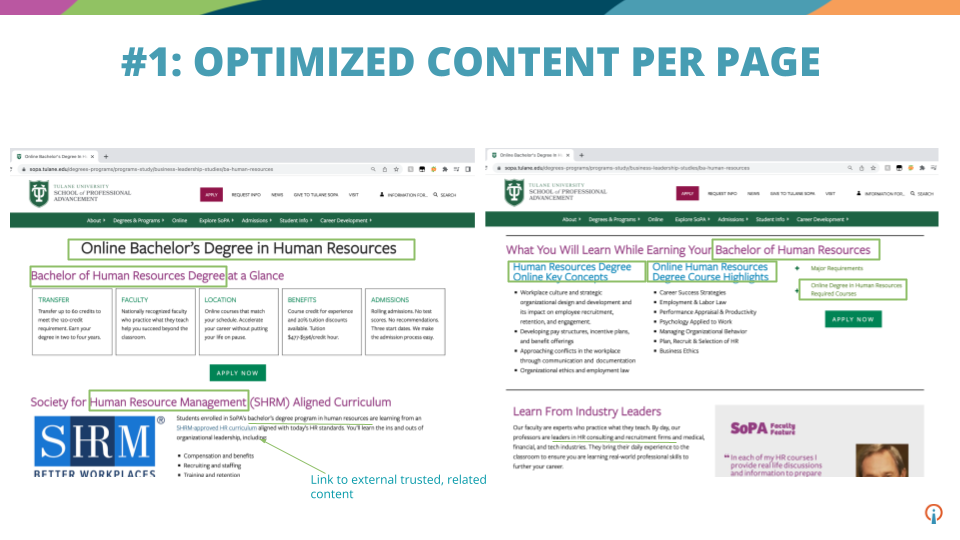
#1: We optimized the degree page content
Search Influence always prioritizes including the primary keyword and related keywords in headlines because they are an SEO ranking factor. This small attention to detail, amongst others, can help you get to the first page of the SERPs.
In the example above, you can see where we included the keyword “online bachelor’s degree in human resources” and similar variations throughout the content. All the keywords are closely aligned to the program name, as they often will be.
We incorporated keywords into the headings, the on-page content, and other related linked pages.
#2: We optimized metadata with targeted keywords
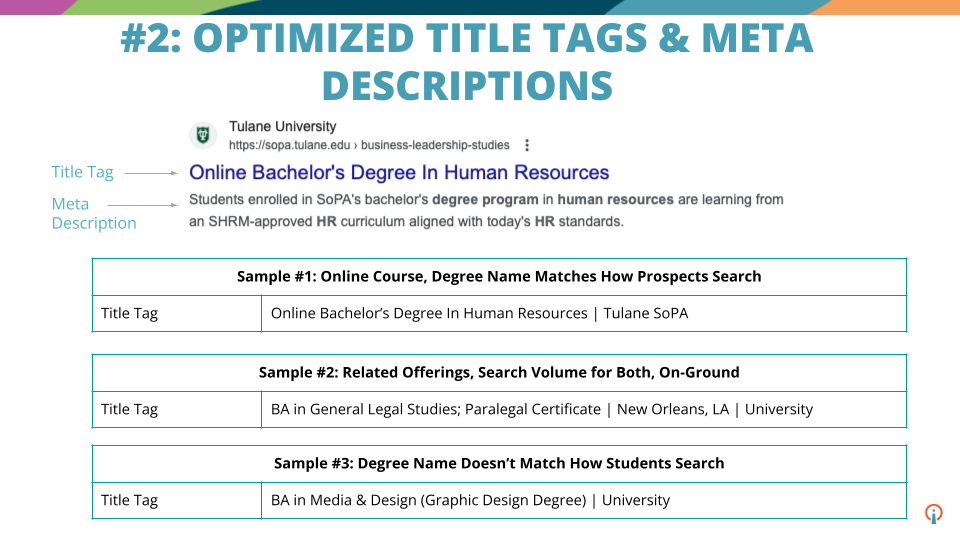
Title tags and meta descriptions are closely related to content but are not shown directly to a user on the web page. A searcher will see them when your webpage appears in a Google search.
Google search sees your title tag as the page title and uses it to learn what your page is about.
Therefore, it’s the most important tag to optimize with keywords while avoiding keyword stuffing.
Meta descriptions influence CLICKS to your site, but they do not influence RANKING.
A well-optimized meta description will include the brand name, keyword, geo, if necessary, and relevant information about the program.
Let’s go into more detail by reviewing the title tag examples for different Tulane SoPA programs above.
Sample 1: This is for an online course, where the degree name closely matches how prospects search, and the wording is specifically tuned to variations of the particular keyword “human resources degree” — pretty straightforward.
Sample 2: This page is about general legal studies, but there’s also info about Tulane SoPA’s paralegal certificate since the degree helps you get your paralegal certificate. It’s crucial here to optimize this title tag for both topics.
Sample 3: Let’s say your degree name doesn’t match how prospects search. In that case, you can naturally work in the keyword, like in the example here.
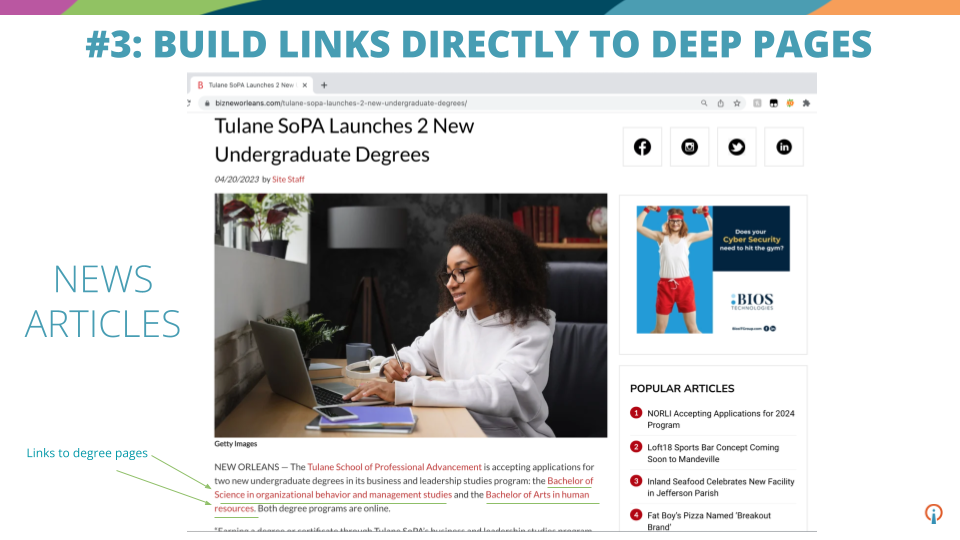
#3: We built links directly to deep pages across Tulane SoPA’s website
The above example is a news article in a local business publication. This was published as the result of a press release. You’ll see a link to the school’s homepage and specific degree pages.
Another place you can build deep links is through profiles on sites like niche.com. The above example shows links to the overall degree/program page and directly to key the degree pages.
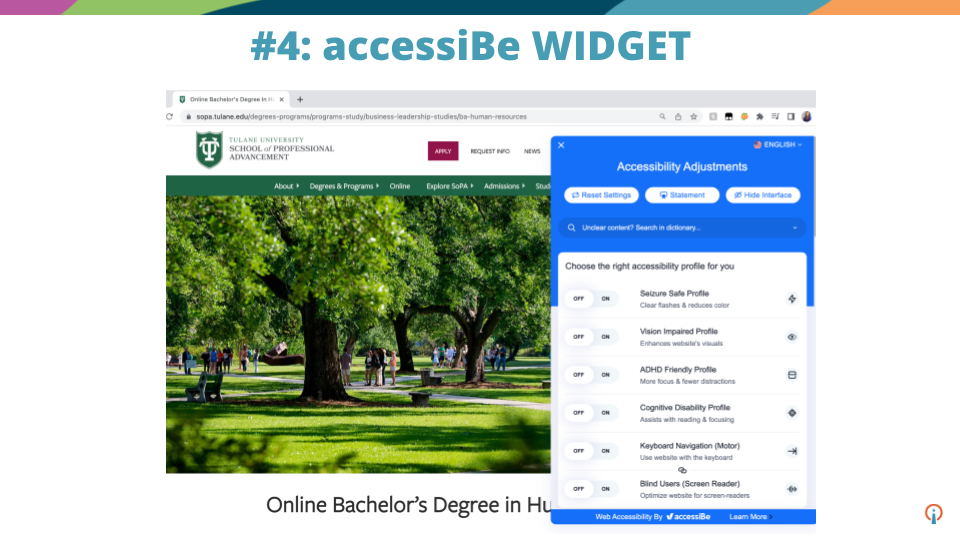
#4: We used accessiBe to improve Tulane SoPA’s website accessibility
To do this for Tulane SoPA, we utilized accessiBe to make their website fully compliant and accessible to those with disabilities.
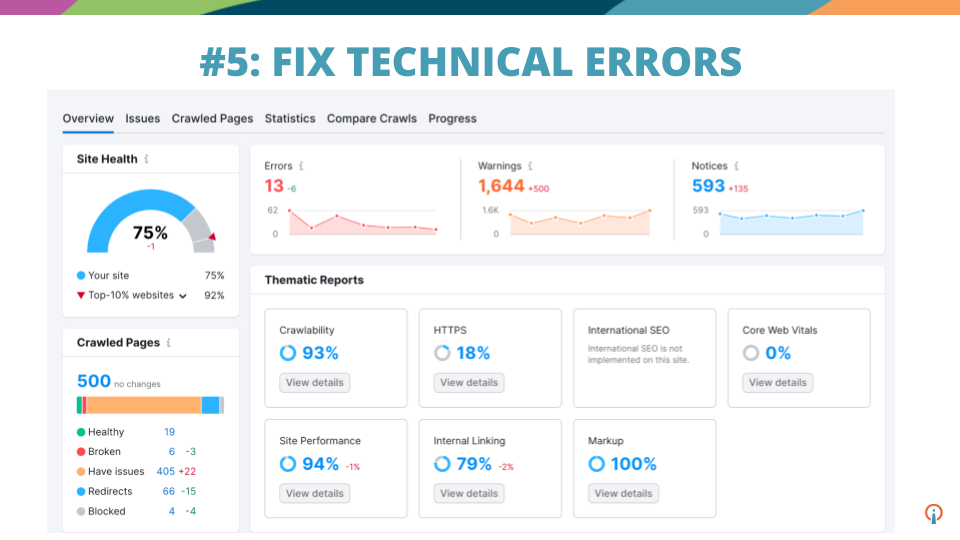
#5: We fixed technical errors on Tulane SoPA’s website
Technical errors can include a wide variety of things, such as 404s/broken links, crawlability issues, HTTPS, speed, and schema errors.
We used Semrush and Google Search Console to identify and fix these issues for Tulane SoPA.
Learn More About Effective SEO Strategies With Search Influence
In digital marketing, the distinction between an SEO strategy and an effective SEO strategy can be the difference between existence and success.
Partnering with an experienced SEO agency helps you build the powerful online presence your business needs.
At Search Influence, we understand that crafting a genuinely effective strategy requires expertise, dedication, and a deep understanding of the ever-evolving digital landscape.
Search Influence and UPCEA have teamed up to create a nationwide benchmark for cost per inquiry (CPI) specifically for professional, continuing, and online education institutions.
With an industry-standard benchmark, higher education institutions can better understand how effective their marketing efforts are in attracting prospective students and the factors influencing their success, from media spending to agency fees.
To truly harness the power of calculating your CPI, you need a team/system in place that can properly interpret your data.
Search Influence recently co-hosted a webinar with UPCEA titled “The Power of CPI to Measure Higher Ed Marketing Success.”
UPCEA is a leading online and professional education association whose members constantly push higher education to new heights. Through everything from professional development to conferences and seminars, UPCEA and its members are diligently working to improve educational access and outcomes.
Since partnering in 2022, Search Influence and UPCEA have hit the ground running with webinars, research studies, and countless blog posts.
In our latest collaborative webinar, we stressed the importance of measuring CPI.
Cost per inquiry (CPI) is the ratio between the amount spent on your online advertising campaign and the actual inquiries made. You can utilize this in your higher education marketing toolkit to measure your campaign’s effectiveness.
But to truly master the art of measuring cost per inquiry in higher education, you’ll need more details from the experts.
Watch the recording from our CPI Webinar for a roadmap to guide you through the challenges of calculating CPI for your institution.
Hear from UPCEA’s Chief Research Officer Jim Fong, Senior Director of Research Bruce Etter, and UPCEA Platinum Partner Search Influence as they provide their insights on the best place to start and how to remove common roadblocks to keep you on your path.
In this blog post, we’ll summarize the webinar’s highlights and help you determine the best way to utilize cost per inquiry in higher education.
What Makes Cost Per Inquiry in Higher Education Important?
In higher education marketing, CPI is a vital metric that helps you understand how effective your marketing efforts are in attracting prospective students.
CPI provides a clear, quantitative way to assess the efficiency and quality of your marketing strategies in engaging with your target audience. It refers to the cost of generating a single inquiry or lead from a prospective student through advertising or promotional campaigns.
Multiple dimensions of CPI
When diving into the world of CPI, it’s crucial to consider the various dimensions through which you can examine this metric, including:
Media Spend: This dimension focuses on the direct advertising expenses incurred in generating inquiries. It helps institutions analyze the cost-effectiveness of their digital advertising campaigns, ensuring they allocate resources wisely to reach prospective students. This is most common.
Media Spend and Management Fees: This accounts for both internal and external costs associated with marketing efforts. In addition to direct media expenses, including management fees provides a more comprehensive view of the total investment required to generate inquiries. This is less common than looking at just media spend.
All Marketing Leads and All Leads From Marketing Efforts: Institutions more accurately understand their marketing funnel by considering all leads, not just those that ultimately enroll. This broader perspective allows for the evaluation of the entire journey, from initial inquiry to the conversion of prospective students into enrolled students. This is the least common way to calculate cost per inquiry.
Benefits of Measuring CPI in Higher Education Marketing Campaigns
Cost per inquiry holds significant importance for colleges and universities:
Confidence in Inquiry Generation: A calculated CPI instills confidence that an institution’s marketing efforts drive an appropriate volume of inquiries from prospective students. Assurance is vital for ensuring institutions’ marketing campaigns align with their goal of attracting high-quality leads.
Benchmarking Against Industry Standards: CPI allows colleges and universities to benchmark their performance against industry standards. By comparing their CPI to broader industry metrics, higher education marketers can assess whether their outcomes align with expectations and identify areas for improvement.
Vendor Assessment: When working with third-party vendors or partners in higher education marketing, having a clear CPI enables institutions to evaluate the realism of promises made by these vendors.
Top CPI Questions From the Webinar Audience
Q. What is the first step in trying to calculate CPI?
It all starts with the tracking. Most institutions have CRM (customer relationship management) systems and know their spend.
CRMs can determine the source of the inquiry (which marketing channel brought in that inquiry), but that data isn’t always leveraged, or isn’t viewed in aggregate. If you’re unfamiliar with how to pull this data, seek admin support.
Determining the source, and pulling high-level reports, will allow you to get more granular with your CPI.
But data is just data until you have a skilled marketer to interpret it.
Similar to the need for a thoughtful editor to adjust AI-written copy, a human touch is necessary to truly get nutrition from the data salad your CRM prepares.
Not interpreting the data from your online advertising campaign is like having a gold mine in your backyard but never buying a rock hammer and picks.
Utilize tracking data to optimize your future campaigns and help inform decision-makers on the proper next steps for your institution.
Q. When will the results of the CPI benchmark survey be published?
Search Influence and UPCEA anticipate publishing the results of our higher ed research survey in Spring 2024.
Q. How often should schools analyze CPI?
It depends on your campaign strategy and consistency. Monthly, at a minimum.
If your school has a more aggressive digital marketing strategy with ads running consistently throughout the year to attract students, analyzing CPI monthly might work best.
If you are making adjustments and watching them closely, and your spend is large enough, you may look at CPI just a few days after a change.
You do want to take a step back and look at quarterly, yearly, and monthly trends. Perform seasonal comparisons (YOY) and compare to the same semester the prior year.
Q. What’s the relationship between cost per enrollment and cost per inquiry?
Unfortunately, we don’t always have access to cost per enrollment because it can be complicated, especially in the online and professional education world, where adult learners might take a while to decide if they want to go through with the application process and return to school.
That being said, we have seen that when cost per inquiry is optimized down, your cost per enrollment should also decrease — assuming quality is maintained.
Search Influence & UPCEA CPI Benchmark Survey
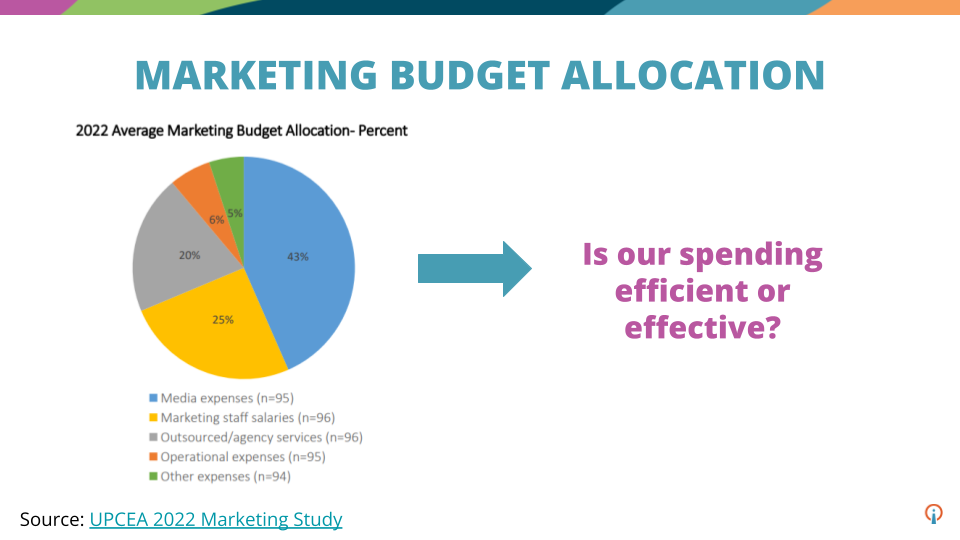
According to UPCEA, higher ed institutions had an average marketing budget of $1,294,630 in 2022.
No matter your institution’s budget, you need some standardized measurement to know exactly what your ad spend is getting you.
That’s why Search Influence and UPCEA have partnered to create a nationwide benchmark for cost per inquiry. This initiative seeks to standardize the measurement of CPI, ensuring uniformity and consistency in how higher education professionals evaluate this critical metric.
UPCEA and Search Influence believe this metric can help democratize success in higher education marketing.
Our latest endeavor with UPCEA is a response to the industry’s long-standing need for a credible, industry-specific benchmark for measuring success. The foundation of this benchmark is the CPI Benchmark Survey, an initiative designed to collect diverse insights and data from digital marketers across higher education.
This initiative is poised to elevate the landscape of higher education marketing strategies, fostering a community of shared knowledge and best practices for engaging new students and optimizing the enrollment funnel.
With the implementation of an industry-standard benchmark, our shared goal is to enable universities to measure their CPI accurately and gain comprehensive insights into the myriad factors that influence it. From media spend to agency fees, each component plays a pivotal role in determining CPI, and these variables vary from institution to institution.
If you’re uncertain about your institution’s CPI or are seeking ways to optimize your marketing budget, we designed a CPI Worksheet. You can use it to calculate your CPI and, in the near future, compare it to the broader industry standard we are diligently working to establish.
 The Google Partners program recognizes and rewards top-performing digital marketing professionals and agencies in a given country and year. Active in over 60 countries, the exclusive program comprises three levels: Member, Partner, and Premier.






















 Title tags and meta descriptions are closely related to content but are not shown directly to a user on the web page. A searcher will see them when your webpage appears in a Google search.