 Search Engine Optimization (SEO) is already complex enough—and with the many myths that have sprung up around it, it’s even harder to understand the ins and outs of page rank, keywords, and website optimization. Here are 7 myths that will help separate fact from fiction when it comes to SEO.
1. You must be in the top 3 results
Many believe that “successful” SEO means ranking in the top three or four spots on Google search results, but this is no longer true. On the second and third page of results, the top links still garner the most clicks—so that means, in some cases, being 11th might actually be better than being 9th. Additionally, author profiles and snippets with pictures draw reader’s attention, no matter where they are featured. Rank isn’t the only factor of success.
2. Your URL must have keywords
In the past, the words in the domain name (the URL) factored heavily into search results, so it was always smart to load domains with the keywords your potential customers were using. Google has wised up, however, and scaled back the importance of URLs in favor of a more balanced approach to finding the most relevant sites.
3. Meta tags are vital
Google used to also index metadata when calculating search results, but no more. However, they create the text that appears under your URL in a search listing, so they’re still an important marketing tool. Metadata is what displays your content in an attractive way, so, the more appealing your meta tags, the greater the likelihood that you’ll get clicks.
4. Quantity is better than quality
Inbound links once caused pages to jump up to the top of a results list; a multitude of links from other sites was seen as evidence of your credibility. That system could easily be gamed, however, and SEO now focuses on highly relevant links in the context of applicable text.
5. Your keywords need to match exactly
Keywords are the backbone of SEO, but they are more flexible than many people realize. It’s easy to tell when you’re reading a keyword-heavy piece: the awkward phrasing and repetition gives it away. Even if it makes you rank higher, which isn’t a given, your content will turn people off.
6. You can trick Google
Some people seem to think that SEO is just about tricking Google, pushing the right buttons for a magic formula that will catapult their sites to the top of the search results. The truth is, Google has advanced to accurately reward pages that are informative, relevant, and connected, which cannot be attained with a magic formula.
7. SEO doesn’t help users
While most web admins focus on SEO from the backside, it has also evolved into an exceptionally usable tool for readers and searchers. As the name implies, the strategy optimizes a website—but with all the advancements of the past few years, that optimization process actually leaves the user with a generally reliable search results list.
SEO: Simple, efficient organization
Search engine optimization is becoming simpler, though the rules can still be tricky. The general principle in making your business golden to Google is that if you create a content-filled website that dialogues with other relevant pages, you’re already off to a good start. Keywords and links are still vital, among many other pieces, but don’t get caught up in the tangle of myths relating to SEO.
Megan Totka is the Chief Editor for ChamberofCommerce.com. She specializes on the topic of small business tips and resources. ChamberofCommerce.com helps small businesses grow their business on the web and facilitates connectivity between local businesses and more than 7,000 Chambers of Commerce worldwide.
 1. Who is Winning the Apple vs. Google iPhone Driving Directions Battle? Too Close to Call — Mike Blumenthal
 I love social media. I also love staying organized. The great thing about hashtags is they bring the two together. For those who don’t know, hashtags are a way to categorize a post on social media platforms, like Twitter and Instagram, by tagging it with descriptive words or phrases. Hashtags are also helpful for businesses running specific campaigns to monitor what followers are saying about their company. Although we all love reading about the latest social media blunders, we never want to fall victim to them ourselves. That is why I’ve compiled a list of questions to ask yourself when choosing a hashtag.


 1.
1.  2.
2. 



 The FDA just recently approved a new gummy bear breast implant in February, and let me tell you, there has been some excitement in the cosmetic surgery world. With the approval of the Allergan Natrelle 410 shaped breast implant, cosmetic surgeons nationwide are celebrating the long-awaited product as another option to offer patients.
 Although some consider Twitter the redheaded stepchild to the social media behemoth that is Facebook, brands are beginning to recognize and harness the “real time value” of Tweeting. No one can deny that Twitter is growing in both users and usage. The number of tweets per day has increased from 95 million in 2010 to a staggering 340 million per day in 2012, that’s 236,111 tweets per minute! Brands have started advertising on the fly, attempting to engage and interact with their audiences via #Twitter.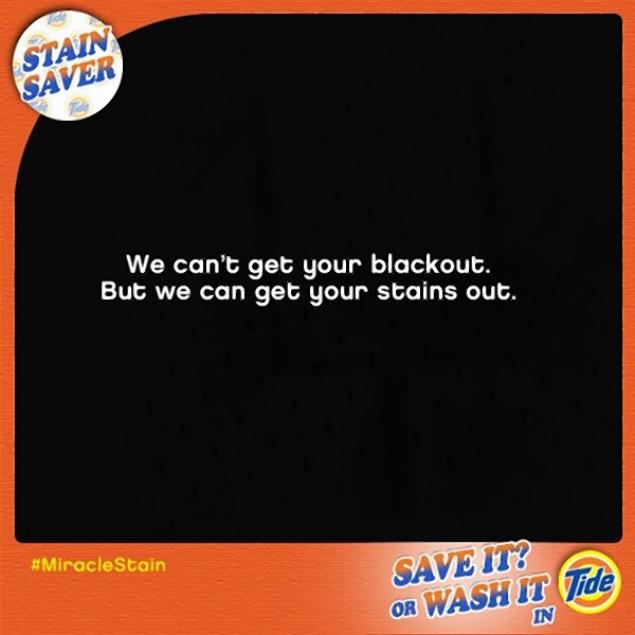


 1.
1.