Category: Digital Advertising

  • How Will AI Search Affect Paid Ads? What Marketers Need to Know

    Graphic for How Will AI Search Affect Paid Ads? What Marketers Need to Know blog post

    Key Insights

    • AI Overviews decrease paid ad performance. When an Overview appears, Google Ads CTR drops from 21.27% to 9.87%.
    • Zero-click search is becoming part of the new norm. Some 58.5% of U.S. searches end without a website visit, elevating impression share, on-SERP visibility, and AI-referral traffic as essential metrics.
    • Lower-funnel tactics mitigate loss. AI-driven creative, smart bidding, transactional keywords, and conversational search phrases recover clicks that Overviews cannot satisfy.
    • First-party data and channel diversity preserve revenue. Feeding CRM signals into ad platforms and expanding into programmatic, CTV, and creator-led video sustains growth as generative SERPs evolve.
    • Advertisers will soon be eligible to have their ads shown in AI Overviews and AI Mode if they use Performance Max, Shopping, or broad match Search campaigns, including AI Max for Search.

    Ask any paid search specialist today, “How will AI affect paid search ads?” and you’ll see the same mix of excitement and anxiety.

    The chat-style answer from Google’s AI Overviews (AIOs) now blocks the top of search results, condensing information from multiple web pages and displaying it above everything on the results page.

    Marketers are already measuring the fallout: When an AIO fires, paid ad click-through rates (CTRs) can plunge by more than half, and organic traffic often drops too.

    Yet, declaring PPC dead would be premature.

    AIOs also provide new context signals and fresh attribution labels in GA4 that can boost performance when used strategically.

    And now, there’s a new development: Google has announced that advertisers will soon be eligible to appear in AI Overviews and AI Mode if they use Performance Max, Shopping, and broad match Search campaigns, including AI Max for Search.

    While this capability isn’t yet widely available to all advertisers, it hints at a future where paid visibility within AI-powered experiences will be possible.

    This post unpacks the latest data on visibility declines, explores emerging AI PPC opportunities, and outlines how Search Influence is helping brands safeguard revenue while turning generative search into a competitive edge.

    What Are AI Overviews, and Why Do They Matter for Paid Search?

    AI Overviews appear at the top of the SERP, absorb user attention, and compress the real estate available to paid ads.

    An AIO is essentially Google’s “CliffsNotes” for a query. Google Gemini analyzes millions of pages, extracts key points, and presents a conversational answer with citations. Because the card can occupy the entire first viewport, especially on mobile, users often get what they need before scrolling.

    Fewer impressions reach the positions where search ads typically run, driving immediate visibility loss and, in turn, lower CTR. In practice, that means campaigns relying on upper-funnel traffic or broad-match keywords feel the squeeze first, while tightly focused brand and product queries remain comparatively resilient.

    How Does AI Impact Google Ads’ Performance in 2025?
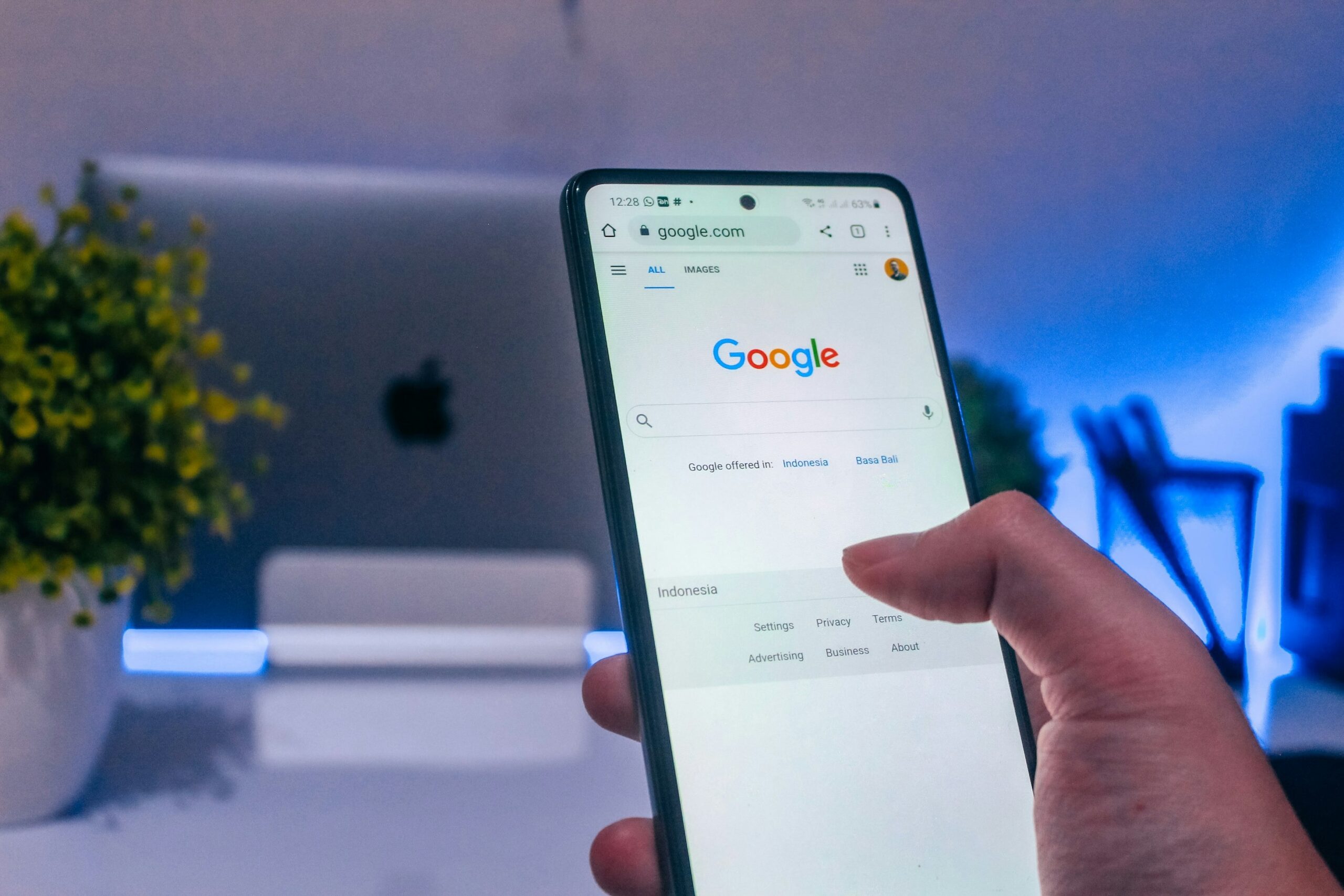
    A person using Google on their smartphone

    When an AIO triggers, paid ad CTR drops from 21.27% to 9.87%.

    A six-month Seer Interactive panel found that AIOs currently fire on roughly 7% of paid impressions. That share sounds modest until you realize it skews toward high-volume, informational queries that traditionally fill remarketing lists.

    With clicks disappearing on those terms, advertisers face two immediate pressures: shrinking top-funnel traffic and higher average cost per click (CPC) as more brands bid harder for the impressions that remain. Savvy teams now track impression share by SERP feature, segmenting “AIO” versus “no AIO” to spot dips early and reallocate spend before budgets burn.

    Are AI Overviews Reducing Web Traffic and Ad Clicks?

    By satisfying informational intent on-page, AI Overviews cut organic visits by 18–64% and dampen paid ad engagement.

    A Bounteous analysis revealed that sites targeting informational-type queries (think “average HVAC install cost” or “symptoms of low iron”) lost up to two-thirds of traffic once AIOs rolled out. Because AI search platforms resolve a user’s curiosity instantly, many never click another result. Paid ads suffer collateral damage, particularly for queries without commercial intent.

    Brands that once depended on broadly educational content to seed future conversions must now find new ways (first-party data, remarketing from social, and answer-engine optimization) to keep their funnels full.

    What Are Zero-Click Searches?

    Zero‑click searches occur when search engines satisfy user intent on the results page itself, leaving no need to visit another site.

    Featured snippets, knowledge panels, local packs, and now AI Overviews all deliver answers instantly, so the original search queries end right there. Recent SparkToro research found that 58.5 % of U.S. Google searches in 2024 finished without a click — proof that user behavior is tilting toward on‑SERP consumption.

    For marketers, this shift clouds traditional metrics. Impressions may vanish before ads load, and click‑through rate tells only part of the story. Tracking impression share, on‑SERP visibility, and emerging “AI referral” traffic offers a truer view of campaign performance in a world where many journeys now begin and end on Google itself.

    How Do AI Overviews Affect Paid Ads Differently Than Organic Listings?

    AI Overviews diminish paid impressions more than organic visibility because only organic citations appear inside the answer card.

    When Gemini selects content for an Overview, it lists source links at the bottom of the snapshot. That gives SEO teams at least a branding breadcrumb, even if clicks decline. Paid ads, however, receive no such cameo; they’re simply shoved below the fold. The double hit, fewer impressions, and zero on-card mentions force advertisers to squeeze more profit from every click.

    It also nudges CPC upward as marketers bid aggressively for shrinking inventory.

    Collaboration between PPC and search marketers becomes indispensable. Organic can still score brand impressions, while paid must double down on high-intent keywords that AIOs rarely answer outright.

    What Should Marketers Do to Adapt Paid Search Campaigns for AI Search?
    The Google Ads logo

    Advertisers can reclaim lost clicks by combining AI-driven creative, intent-rich targeting, and smart bidding tuned for AI-powered search.

    First, embrace AI as a creative partner. AI-powered tools like Performance Max, ChatGPT, and Gemini can spin adaptive headlines that mirror the conversational phrasing users now type, or voice search, into Google. Feeding first-party CRM segments back into Google Ads sharpens audience models so the algorithm boosts bids only for prospects who resemble real buyers. Smart bidding strategies, such as Target CPA or Target ROAS, then respond in milliseconds if an Overview slashes available impressions.

    Next, pivot budgets toward bottom-of-funnel phrases — “same-day crown dentist near me,” “buy carbon-fiber pickleball paddle,” “cloud ERP demo pricing.” These commercial-ready searches still require a click, making them less vulnerable to AIO cannibalization.

    Finally, test longer, question-style keywords. Broad match combined with responsive search ads (RSAs) can capture AI-driven, voice-style queries like “Who installs tankless water heaters in Austin on weekends?”

    It’s also worth noting that campaigns will be eligible to appear in AI Overviews and AI Mode when using Performance Max, Shopping, or broad match Search, including the new AI Max for Search.

    Marketers leveraging these campaign types should monitor announcements from Google Ads to understand when and how this feature rolls out to their accounts.

    This conversational SEO/PPC crossover ensures visibility as search behavior evolves.

    Will AI Referral Traffic Replace Traditional Clicks?

    AI referral traffic is still embryonic but poised to become a measurable channel worth monitoring in GA4.

    Dig into GA4 source/medium reports, and you might notice entries such as gemini.google.com or chat.openai.com. Creating a custom channel group for any URL or host containing “ai” or “overview” lets marketers benchmark engagement metrics, time on site, scroll depth, and assisted conversions for these visits.

    Early numbers suggest that AI referral users consume content quickly and frequently navigate to deeper pages, perhaps because they arrive already primed by the answer box.

    Tracking micro-conversions (PDF downloads, click-to-call events) will help quantify the true value of this emergent audience as volumes grow.

    How Will the Paid Search Industry Evolve in Response to AI?

    Paid search is shifting toward data-heavy automation, diversified media mixes, and AI-enhanced creative storytelling.

    Google has already infused Gemini into ad creation, offering dynamic headline suggestions pulled from landing pages, product feeds, and customer intent signals. As SERP space tightens, brands are funneling incremental dollars into programmatic native, connected TV, discovery campaigns, and AI paid advertising on social platforms like TikTok Pulse. Agencies that weave PPC, conversion rate optimization, and answer-engine optimization into one cohesive strategy will distance themselves from siloed competitors.

    Meanwhile, the concept of Generative Engine Optimization (GEO) (or AI SEO, as we like to call it) has gone from theory to practice. Expect PPC managers to partner with SEO leads on structured data, schema markup, and entity optimization designed to make both ads and citations algorithm-friendly.

    How Can You Future-Proof Your Paid Search Strategy in an AI-Driven World?

    To future-proof your paid search strategy in an AI-driven world, marry rapid experimentation with rich first-party data and a diversified channel mix so revenue stays resilient as generative SERP features evolve.

    Operate on rapid test–learn loops: Weekly experiments reveal performance swings long before quarterly reviews surface them. Push every offline conversion, call, CRM deal, and store visit into Google Ads and Microsoft Advertising so machine-learning models optimize for profit, not vanity clicks. Layer audience signals, such as lapsed customer reactivation or high-value upsell, to fine-tune bidding during low-impression windows caused by AI models.

    Outside the SERP, pilot creator-led YouTube shorts, TikTok Spark Ads, and programmatic audio to hedge against further search volatility. These channels, amplified by AI-targeting capabilities, keep your message in market even when Google’s answer engines handle the top of the funnel.

    Finally, build dashboards that isolate artificial intelligence search impressions, CPC deltas, and AI-powered search marketing ROI so leadership sees both the risk and the enormous opportunity.

    Higher Ed Spotlight

    AI Overviews reduce top-funnel research traffic, yet high-intent education queries remain prime real estate for paid ads.

    Prospective students may find tuition averages or admission timelines directly in an Overview, but searches like “AACSB-accredited online MBA with scholarships” or “fastest RN-to-BSN program near me” still demand a click. Higher ed institutions that refine keyword match types and clusters around modality, cohort start date, and location continue to generate qualified leads at competitive cost per inquiry (CPI).

    Personalizing ad copy to speak to specific learner motivations, career advancement, salary potential, and schedule flexibility improves conversion rate even when impressions drop.

    To see where AI-powered search has distorted your funnel, use our free Higher Ed CPI Worksheet.

    Learn More About Navigating AI-Powered Search With Search Influence

    AI Overviews aren’t fading. They’re expanding.

    But that doesn’t mean your paid media growth and ad relevance have to shrink.

    The search marketers at Search Influence are already training AI tools to craft conversion-tested creatives, teaching smart-bidding algorithms to detect Overview-heavy SERPs, and visualizing AI referral paths inside GA4.

    We blend AI-powered bidding, conversational keyword research, and cross-channel planning to turn generative search disruption into revenue.

    If your CTR line looks like a ski slope or your CPC has climbed without a parallel rise in leads, it’s time for a deeper conversation.

    Contact our digital marketing team and let’s rewire your PPC campaigns for the AI Overview era.
    Images:
    Unpslash
    Unsplash

  • Why Hire a Digital Marketing Agency? Outsource for Faster Growth

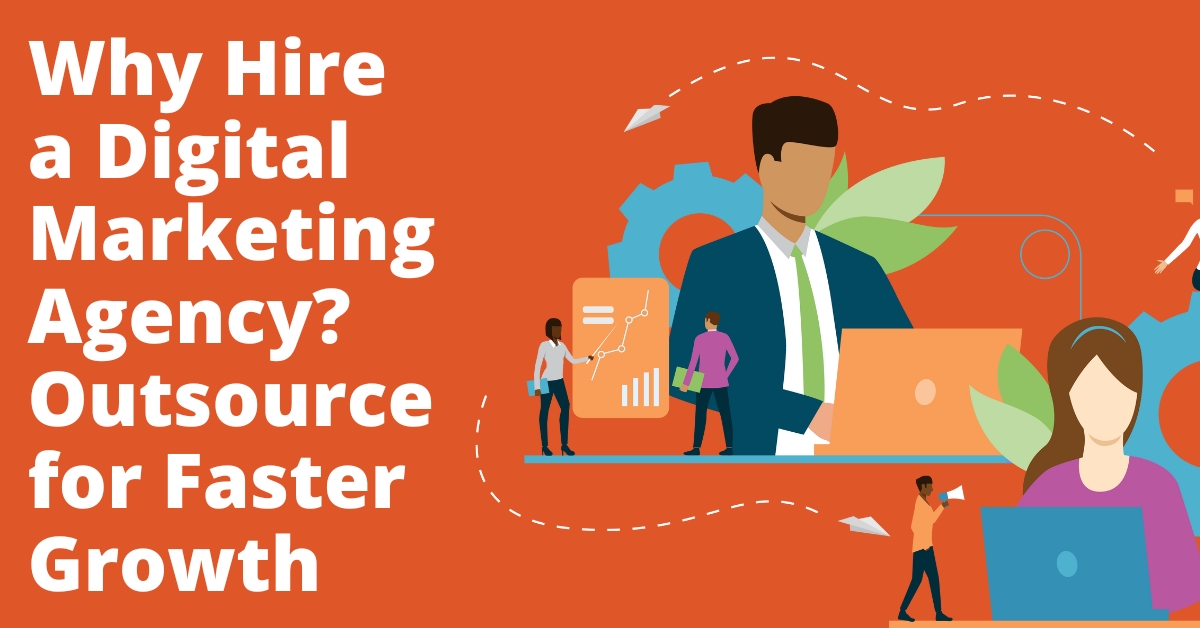
    Why Hire a Digital Marketing Agency? Outsource for Faster Growth

    A graphic of an agency growing due to outsourcing digital marketing

    Key Insights

    • Hiring a digital marketing agency gives in-house marketers access to a team of experts with specialized skills and knowledge. Companies benefit from advanced marketing techniques without ongoing in-house training and investment in expensive tools.
    • Outsourcing digital marketing to an agency frees up time for businesses and internal teams to focus on their core operations.
    • Hiring and managing an in-house marketing team comes with risks, such as turnover and unmet expectations.

    If your online growth is slowing because your advertising strategies fall short…

    Who you gonna call?

    A digital marketing agency!

    Taking on all aspects of marketing in-house is scary, especially when you lack the time, expertise, and resources to create campaigns that connect with potential customers.

    A good digital marketing agency helps you reach your target audience with results-driven campaigns that meet your business goals. It also requires less commitment while adding more overall capacity to your business.

    Hiring an experienced digital marketing company will offer a fresh perspective and help grow your business online.

    Why Hire a Digital Marketing Agency?

    When you hire the right digital marketing agency, their team becomes an expansion of your own. A great digital marketing agency is an invaluable asset, from handling your social media advertising and paid digital advertising to helping you create marketing materials and optimizing your website for search engines.

    There’s no need to spend the time, effort, and money on building an in-house marketing team when the benefits of hiring a digital marketing agency are abundantly clear.

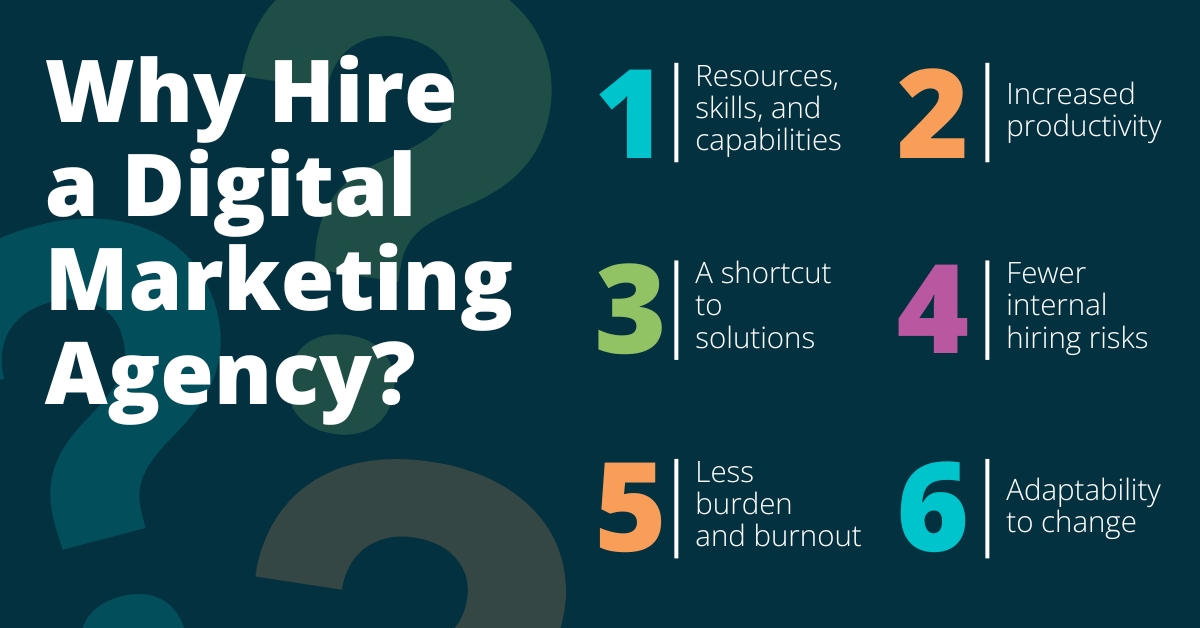
    1. Expand your resources, skills, and capabilities

    Outsourcing your digital marketing services allows you to access more specialized skills, knowledge, and tools without the long-term commitment of hiring an in-house team.

    Digital marketing agencies stay updated on the latest marketing trends and strategies. This allows you to reap the benefits of the most advanced marketing campaigns without committing time and resources to keep up with this constantly evolving industry.

    And with those trends comes a rollout of new (and expensive!) tools and skills you must master to stay in stride with the industry.

    Do you have time to learn about Google’s AI overview rollout and choosing the right attribution model for GA4? Of course not. You have other priorities — like setting strategy and planning budgets.

    2. Gain greater capacity for increased productivity

    We get it; we’re marketers, too. You take pride in your adaptability and knack for learning new skills on the fly.

    But there is hardly enough time in a day to complete all your to-dos, much less become an experienced SEO professional, creative copywriter, and detail-oriented digital ads manager.

    You’re wearing more hats than an MLB dugout!

    Hiring a digital marketing agency allows you to be the manager without having to play first base and shortstop too.

    This helps you focus on your other daily responsibilities, freeing you up so you can be more effective.

    3. Receive a shortcut to solutions

    An agency solves your marketing challenges fast and with proven expertise.

    Like any industry, digital marketing is full of its own quirks. Digital marketers are well aware of these oddities and are prepared to anticipate and navigate them.

    For example, say you’re struggling with rising online advertising costs in 2024. The right agency would pinpoint that online advertising costs are rising because it’s an election year and then pivot your marketing strategy to a more cost-effective solution.

    A list of reasons why to hire a digital marketing agency

    4. Mitigate common risks associated with internal hiring

    Hiring a digital marketing agency to expand your team requires less commitment and time than building one in-house team while delivering greater lead generation in return.

    Building a full-service in-house team is no small task.

    You have to spend time and money on recruiting and training new employees, all while risking turnover or not meeting expectations.

    Why gamble on an in-house marketing team when you can pay for what you need when you need it with a digital marketing agency?

    The answer is clear.

    5. Decrease burden and burnout

    Being a marketing manager is hard enough. Don’t add to your burden by hiring and overseeing a full-on team to manage your marketing process. Your time should focus on the broader marketing picture, not nearing burnout because you’re trying to master new digital advertising techniques.

    6. Adapt quickly to change

    You must be a campaign chameleon to ensure longevity in your marketing efforts, always ready to adapt to new environments and circumstances.

    But if you’re not much for reptiles, a knowledgeable digital marketing agency brings a similar knack for adaptability.

    A marketing agency can pivot your strategy at a moment’s notice. Whether your key performance indicators are down or you need to update your social media platforms, your agency is there.

    Why Businesses Choose Digital Marketing Agencies Over In-House Teams

    At this point, you might be thinking, “Of course, a blog written by a digital marketing agency recommends hiring a digital marketing agency.”

    While your skepticism is understandable, we aren’t the only ones who recommend hiring a digital marketing agency. Our clients do, too.

    • An hour’s worth of your research goes beyond what we can come up with in a week” – B2B SaaS Company
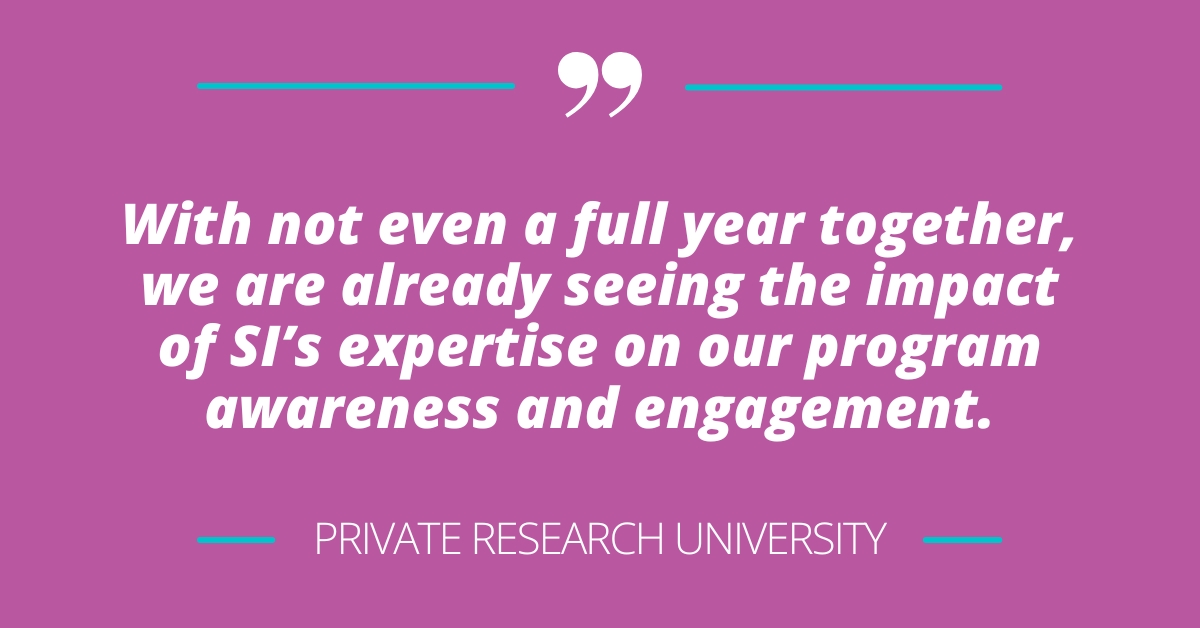
    • “With not even a full year together, we are already seeing the impact of SI’s expertise on our program awareness and engagement.” – Private Research University
    • “Search Influence offers the expertise of a large and long-established organization with the culture and adaptability of a small boutique shop.” – State University
    • “Knowledgeable, professional staff who are leaders in their field.” – Regional Cultural Venue
    • “The overall turnaround time from the first meeting to the deliverables was quick, and they were always communicative.” – State University

    'With not even a full year together, we are already seeing the impact of SI’s expertise on our program awareness and engagement.' - Private Research University

    The payoffs in action

    Below is a perfect example of how partnering with an agency can elevate your marketing efforts.

    The marketing team at a continuing education school at a large university had the skills to build their website and write content, but they needed guidance on how to build the site with SEO in mind from the start.

    Search Influence completed an SEO audit and UX audit for them. This client brought us in at the start of the website redesign so we could offer extra guidance on what was good and not so good about their current website.

    Since completing the audit, the school partnered with us on six months of consulting to ensure our recommendations were carried out during the redesign.

    This is a perfect example of how partnering with an agency can elevate your marketing efforts. With our recommendations, the client’s website is expertly built to dominate the SERPs from day one.

    Take Our Higher Ed SEO Quiz to Find Your Best Approach

    Making decisions about managing your SEO strategy in-house or outsourcing it to an agency can feel overwhelming.

    Fortunately, tools and frameworks exist to streamline this process — like Search Influence’s Quiz: Higher Ed SEO – In-House or Outsource?

    Our Higher Ed SEO Quiz simplifies the decision-making process for university marketers by helping you determine the best approach for managing your SEO — whether that’s keeping it in-house, outsourcing, or adopting a hybrid model. In just a few minutes, you’ll gain customized recommendations that align with your institution’s goals and resources.

    These actionable insights empower you to make smarter staffing decisions, maximize your team’s potential, and enhance the effectiveness of your SEO strategy.

    The Higher Ed SEO Quiz is designed with busy higher education professionals in mind, offering quick and actionable results.

    By integrating this decision-making framework into your broader marketing strategy, you can make informed decisions about your staffing choices, ultimately boosting your SEO efforts and your institution’s ability to connect with prospective students in a highly competitive marketplace.

    Take our Higher Ed SEO Quiz for custom recommendations.

    Experience the Benefits of Hiring a Digital Marketing Agency

    Search Influence has helped businesses create ROI-focused marketing strategies since 2006.

    With our expertise and commitment to staying ahead of industry trends and research, we’re here to help you optimize your digital marketing efforts.

    Ready to find the best approach for your higher ed SEO strategy?

    Take our Quiz: Higher Ed SEO – In-House or Outsource? to get personalized insights, or contact Search Influence today to see how we can help you navigate the complexities of digital marketing with confidence.

  • 3 Tips to Choose the Right Attribution Model for GA4

    Man using GA4 with help from New Orleans marketing agency, Search Influence

    Key Insights

    • It’s essential to choose the right attribution model in GA4 to understand how your marketing efforts contribute to user interactions and conversions (key events).
    • GA4’s default data-driven model offers a dynamic approach to attribution, but marketers beware: this model isn’t ideal for all websites.
    • A knowledgeable digital marketing agency can help you choose the right attribution model for your business.

    Does your attribution model show the real value of each touchpoint? Or does it mislead your strategy?

    As you sunset your Universal Analytics property and welcome Google Analytics 4, we recommend you use this time to rethink how you track user engagement.

    But, with so many options, choosing the best way to collect data on user behavior can be challenging.

    Allow our experienced analytics tracking team to make it simple for you, starting with the basics.

    What Is GA4?

    Google Analytics 4 (GA4) represents the next generation of Google Analytics, designed to replace the now-obsolete Universal Analytics. As of July 1, 2023, Universal Analytics ceased processing new data, marking a significant shift in how digital analytics will be managed moving forward. By July 1, 2024, Google will cut all access to the Universal Analytics interface, and its API will be completely discontinued.

    Google Analytics 4 introduces various innovative features to understand and analyze data across platforms. Unlike its predecessor, which primarily focused on session-based data collection, Google Analytics 4 is built on an event-driven data model. This allows for a more flexible and comprehensive approach to tracking users’ interactions with websites and apps.

    Business people understanding GA4 with help from New Orleans marketing agency, Search Influence

    What Are Attribution Models in Digital Marketing?

    Attribution models help marketers understand which marketing channels, campaigns, or interactions contribute most significantly towards achieving their business goals, such as sales and conversions (now called key events in GA4).

    The last-click model has traditionally been the most commonly used model by platforms like Google Ads, Facebook Ads, Universal Analytics, and various other programmatic display networks. But the AI-driven predictive analytics available with Google Analytics 4 is sure to shake things up — more on this later!

    Why might the conversion data between Google Ads and Google Analytics 4 be different?

    Mismatched data across platforms is a common point of confusion for those spending their days in the depths of data collection and user metrics.

    While both Google Ads and Google Analytics 4 capture user interactions, their reporting structures can vary, thus leading to mismatches in key event data.

    For example, using the last-click attribution model in Google Ads but data-driven attribution (GA4’s default) in Google Analytics 4 can lead to Google Ads saying you have three key events, but your GA4 property says two.

    Google Analytics 4 uses the last click as the attribution model for all Google Ads conversions based on key events. Only key events where Google Ads is the last non-direct click are used to create conversions in Google Ads, even if a non-last-click attribution model is selected in Ads.

    If you wish to compare key events for an attribution model in Google Ads against an attribution model in Google Analytics 4, you must select paid and organic channels’ last click to get an accurate comparison of the data.

    The most important thing is to understand the various nuances of attribution across platforms so that you can better analyze what data is being reported on and use that to make decisions.

    If that feels too in the weeds, a knowledgeable analytics and lead tracking agency can help.

    Types of Attribution Models


    In the digital realm, the importance of collecting data is undeniable (some might even call me a data hoarder).

    But how you choose to collect new data or even decipher historical data can make all the difference in understanding customer behavior.

    About the attribution models in GA4:

    • Paid and Organic Data-Driven Attribution: Uses advanced machine learning to analyze each touchpoint’s impact across the customer’s journey, dynamically assigning credit based on the data-driven insights it gathers.
    • Paid and Organic Last-Click Attribution: Credits the key event to the final interaction, whether from a paid ad or an organic search result, focusing on the last point of contact before a purchase or key event.
    • Google Paid Channels Last-Click Attribution: Specifically targets the last ad clicked from Google’s paid channels as the sole contributor to a key event, emphasizing the effectiveness of final paid interactions.

    Other attribution models to be aware of:

    • First-Click Attribution: Prioritizes the initial engagement by assigning all key event credit to the first marketing touchpoint, highlighting what initially attracted the customer.
    • Linear Attribution: Spreads credit equally among touchpoints throughout the entire customer journey on the path to a key event, recognizing each step’s contribution to the journey equally.
    • Time Decay Attribution: Assigns increasing credit to touchpoints nearer to the time of the key event, acknowledging that interactions closer to the sale may have more influence.
    • U-Shaped Multi-Touch Attribution: Allocates more credit to the first and last interactions (typically 40% each) and distributes the remaining credit among the middle interactions, valuing the roles of both initiating and concluding engagements.

    With Universal Analytics, all of these attribution models were available, but as of November 2023, Google Analytics 4 and Google Ads have sunset first-click, linear, time decay, and position-based attribution models, leaving two primary models: data-driven and last-click.

    Understanding the New Default Data-Driven Attribution Model in GA4

    Google Analytics 4 uses a sophisticated data-driven attribution model that shifts from the models used in Universal Analytics. This default model in Google Analytics 4 leverages advanced machine learning algorithms to analyze both converting and non-converting paths across web stream data, providing a nuanced understanding of how various touchpoints influence user actions.

    The mechanics of GA4’s data-driven attribution

    Google Analytics 4’s data-driven attribution model collects data from each interaction or event on your site or app. This attribution model takes everything it knows about a person and then assigns a value to each source based on its understanding of that person’s journey.

    While doing this, it considers multiple factors, such as:

    • The timing of interactions relative to key events
    • The type of device used
    • The number of ad interactions
    • The order of exposure to various marketing initiatives

    This approach allows GA4 to assign partial value to each source, effectively measuring its impact on the user’s journey toward a key event.

    Compared to other models

    Google Ads has used data-driven attribution for years. Many marketers feel it provides a more balanced view that accounts for the entire customer journey rather than just the first or final interaction before a key event.

    This can help guide strategy decisions by not over-weighting lower-funnel tactics that are more likely to result in last-click conversions and under-valuing all of the touchpoints that may influence the customer’s decision.

    Our team believes the default data-driven attribution setting is ideal for large sites where you want to understand how various touchpoints on the customer’s journey lead to a key event. However, the downfall of this model is that Google doesn’t reveal exactly how the model makes these decisions. This means you just kind of have to trust it.

    Early days but promising 

    It’s still the early days for the new Google Analytics setup process and data-driven attribution. While you should be cautious about fully relying on this new default attribution model, its ability to analyze data dynamically and adapt to new web and app data streams is undeniably intriguing.

    Pro tip: To ensure the most accurate results, we believe you should be cautious of data from any and all attribution models, not just data-driven attribution.

    Just like the humans interpreting this data, attribution models have their own quirks that can lead to skewed information. Because of this, our team double-checks all data to ensure the utmost accuracy.

    Tips for Choosing the Right Attribution Model in GA4

    The first step in saying goodbye to Universal Analytics is selecting the optimal attribution model in Google Analytics 4. This step is crucial for harnessing the full potential of your web data streams and improving overall website performance.

    Here are a few tips to ensure your attribution model aligns well with your digital marketing framework.

    Small sites should consider last-click attribution

    For smaller websites with less complex customer journeys, the last-click attribution model may be ideal. This model attributes all the key event values to the last touchpoint before a key event, simplifying analysis and decision-making for sites where single interactions often directly lead to key events. There are two main reasons for using last-click over data-driven for these smaller sites:

    • There is not likely to be much of a difference when comparing these two models, as the data will be limited.
    • Additionally, as Google states, “Depending on data availability, data-driven attribution models may leverage aggregate data from data sharing settings.” This means that conversions could be attributed to sources that aren’t even part of your marketing strategy.

    Large sites should consider data-driven attribution 

    Larger sites with more complex customer journeys should use GA4’s data-driven attribution. This will provide a more complete view of the impact of each marketing channel to better inform decisions.

    Compare models and experiment as much as possible

    Within GA4, you can use the attribution model report to compare last-click to data-driven attribution and see how various channels or sources drive conversions with each model. It is important to note that it is best to look at Chrome browser users only, as other browsers have implemented privacy features that make it less likely that users are tracked across devices or for extended periods of time.

    Don’t hesitate to experiment with different attribution models in GA4. The platform’s flexibility allows you to switch between models to see which offers the most valuable insights, using custom reports to track performance against new metrics.

    By incorporating these strategies, you can enhance your marketing effectiveness through more accurate attribution in GA4, ensuring that your approach not only reflects the complex nature of modern web and app engagement but also aligns with evolving business goals and industry practices.

    Contact the Attribution Tracking Experts at Search Influence

    The time is now: You must transition from Universal Analytics to Google Analytics 4 to track and analyze traffic, marketing campaigns, and audience interactions.

    At Search Influence, our expertise in data-driven digital advertising allows us to capture every lead and assess the quality and source of these leads to fine-tune your marketing strategies for future success. Our team is adept at setting up and customizing GA4 to meet your specific needs, ensuring you can track and maximize the impact of your marketing activities.

    Contact the experts at Search Influence for help transitioning to Google Analytics 4 and to learn more about all of our digital marketing services.

    Image 1: https://images.unsplash.com/photo-1593437955835-fc8c51725430?q=80&w=1970&auto=format&fit=crop&ixlib=rb-4.0.3&ixid=M3wxMjA3fDB8MHxwaG90by1wYWdlfHx8fGVufDB8fHx8fA%3D%3D

    Image 2: https://img.freepik.com/free-photo/businessman-making-presentation-with-his-colleagues-business-strategy-digital-layer-effect-office-as-concept_1423-123.jpg?t=st=1716398015~exp=1716401615~hmac=7b9cc7746e9b67bf0dcbe7e0f015285bfd421a1d171d09b5c89b4f40321a3cd9&w=1800

  • Search Influence Earns 2024 Google Premier Partner Badge

    Search Influence Earns 2024 Google Premier Partner Badge

    We’re thrilled to share that Search Influence has been awarded 2024 Google Premier Partner status — for the 9th year in a row!

    Recognized by the Google Partners Program, this honor places us in the top 3% of digital marketing agencies in the United States, reflecting our commitment to excellence.

    See what this distinguished title means for our team and our clients.

    The Path to Premier Partnership

    Search Influence earns Google Premier Partner badgeThe Google Partners program recognizes and rewards top-performing digital marketing professionals and agencies in a given country and year. Active in over 60 countries, the exclusive program comprises three levels: Member, Partner, and Premier.

    Achieving Premier status, the highest tier, involves a rigorous set of criteria and demonstrates an agency’s advanced skills and expertise in managing Google Ads.

    Premier Partner Qualifications:

    • Robust Optimization and Performance: Agencies must consistently maintain a high optimization score in their Google Ads Manager accounts, indicating that they are maximizing campaign effectiveness.
    • Substantial Ad Spend: Agencies are required to demonstrate significant ad spend levels, maintaining a minimum ad spend 90-day period, which showcases their ability to handle large-scale campaigns.
    • Professional Certification: To qualify, more than half of the strategists managing the account must hold Google Ads certifications.
    • Exceptional Agency Performance: Premier status is reserved for agencies that rank in the top 3% in their country in terms of performance metrics such as client growth, retention, product diversification, and annual ad spend.

    Benefits of Working With a Google Premier Partner Agency

    The Google Partners program doesn’t just benefit honored agencies and marketing moguls — it also offers significant advantages to their clients. When you work with Search Influence as a Premier Partner, you benefit from:

    • Access to Advanced Tools and Resources: We receive early access to new Google features, updates, and tools, keeping your campaigns miles ahead of your biggest competitors.
    • Dedicated Support from Google: Direct support from Google helps us optimize our strategies and improve your outcomes without delay or technical hassle.
    • Continuous Learning and Development: Ongoing training and insights on industry trends ensure that our team remains on the cutting edge of digital marketing — directly impacting your bottom line.

    Achieving 2024 Google Premier Partner status is a milestone for Search Influence, reinforcing our dedication to digital advertising success. Let us share the benefits of this honor with you, helping you enrich your campaigns with exclusive resources and superior insights.

    Your SEO and Digital Marketing Agency

    Ready to see what a Google Premier Partner can do for your campaigns?

    Search Influence specializes in all aspects of online advertising, including campaign research, development, tracking, and reporting. We have decades of experience mastering the art of Google advertising, and we’re here to put our expertise to work for you.

    Get in touch with our SEO and digital marketing agency today for results you can trust.

  • Rising Online Advertising Costs in 2024: The Election Year Effect

    2024-Election-and-Ad-Cost

    Key Insights

    • With the U.S. presidential election coming up, experts project increased advertising competition and rising digital ad costs throughout 2024.
    • While it may be tempting to slash your marketing budget to save short-term advertising costs, you’ll pay the long-term price of leaving your brand dormant this year.
    • The right channel, campaign, and strategy can make the difference between a profitable year and one that succumbs to the pressure of a changing market.

    Yes, it’s an election year. Yes, online advertising costs will rise. No, you shouldn’t take the (mistakenly) “economically sound” route and cut the cord on your campaigns.

    Digital ad costs ebb and flow seasonally each year, which ushers in higher prices for a slice of inventory. The same goes for when a major election is on the table, like the upcoming U.S. presidential election, which is already proving to be an ad-spend field day on its own.

    As high demand and low supply for ad inventory during elections cause prices to hike, many brands put marketing on the chopping block. However, despite the higher price tags, the brands that stay the course and continue advertising are the ones who go into the next year with the best results.

    In this blog, we’ll cover everything you need to know about rising digital ad costs in 2024 and offer practical tips for keeping your strategy in shape amidst uncertainty.

    Digital Advertising Costs Predicted to Remain High Beyond Q4

    Between impromptu holiday campaigns and year-in-review wrap-ups with higher-ups, Q4 is often a frenzy.

    Historically, Q4 brings with it an extra chunk of change, often to the advertiser’s benefit. Shoppers rush to both brick-and-mortar and e-commerce stores for holiday deals, spending more than ever, earlier than ever. A smart marketer runs at least one holiday campaign, which ideally, spikes profits and leads that outperform last year.

    However, despite these hot sales, there are some drawbacks.

    Supply, demand, dilemma

    Q4 is a remarkably advantageous time to advertise, and most advertisers know it — making the market more crowded.

    This time of year, advertisers find themselves in a bidding war against direct competitors in their industry and against a broad spectrum of entities all vying for the same precious commodity: consumer attention. From small-scale Etsy vendors to major national retailers, the fight for digital ad space becomes increasingly fierce — and costly.

    It’s the classic law of supply and demand. More advertisers want online ad space, meaning the demand for inventory on high-converting channels naturally grows. With that growth comes increased competition and rising prices per click or per impression.

    2024 to change the tune

    For safe budgetary measures, you should always expect rising digital advertising costs in Q4 — unless the yearly data shows differently. Fortunately, though, the dust left over from the madness typically settles in Q1 of the new year.

    However, 2024 is shaping up to be different. This year’s Q4 isn’t just about the usual holiday shopping and Black Friday sales. The presidential election will take November by storm, and much of 2024 will be impacted, too.

    As political candidates gear up to increase their spend on advertising throughout the year, experts predict costs to remain high across most of 2024 — not just the tail end of the year.

    Impact of the 2024 Presidential Election on Digital Ad Costs

    2024-Election-and-Ad-Cost

    Presidential elections are great for the advertising market itself. For the average digital marketer looking to get in front of the eyes of potential buyers, not so much.

    Increased spend = increased competition

    The 2020 election shattered political ad spending records, being crowned the most expensive campaign year in American history. From traditional media like broadcast TV to online advertising with Google, political advertisers hopped on any and all channels to push their envelope to whoever would take it.

    This year’s election is set to take 2020’s ad spend and give it a facelift — to the tune of an estimated $15.9b across all mediums. This whopping forecast would be a 30% jump from the previous presidential election, with AdImpact projecting the 2023-2024 election as the most expensive of all time.

    As always, political advertisers mostly rely on local broadcast TV to get their message across. However, an influx of this ad spending growth is moving toward digital channels, with politicians utilizing every medium at their fingertips, from paid search to display.

    There’s a whole new layer of competition in the mix this year, one with a powerful presence on both the advertising industry and its market.

    Increased competition = increased costs

    If there’s one thing all advertisers want, it’s inventory. And if there’s one thing that isn’t always guaranteed, it’s premium inventory.

    Running ads on high-converting channels is the goldmine in any advertising sector, be it political, healthcare, or higher education.

    Elbowing through a tight crowd to get to those channels is generally to be expected. This election year, however, that crowd looks a little different and a lot bigger.

    When competition rises with political advertisers entering the scene, online advertising costs follow suit. Google, Meta, and other prominent digital ad space realtors are auction-based, meaning the bids to show naturally increase with a surge in competition.

    How Competition and Rising Online Ad Costs in 2024 Might Affect Your Results

    Potential impacts on display campaigns

    Being proactive about potential losses during this election year is the best way to safeguard quality results.

    Today, display campaigns are particularly popular. If you’re already running one, this is likely where your results will be hit the hardest in 2024.

    The worst-case scenario? You see fewer inquiries or leads and fewer sales overall from your digital advertising sources. But that’s assuming you keep the same budget as initially planned.

    In this instance, your best bet to mitigate a drop-off in conversions is to increase your ad spend to maintain consistent lead quantities. Sure, the price tag may be a tad higher, but the losses from missed revenue are even greater.

    Potential impacts on paid search campaigns

    Working with paid search? Now, that’s a different, likely easier story.

    With paid search, you’re only competing with other brands relevant to your keywords. Whether you’re a local zoo or a national SEO agency, you won’t be threatened by Candidate X, Y, or Z encroaching upon your space in the search results. You’ll just be warding off direct competitors also bidding on your keywords.

    However, you may see an impact if brands in your industry start cropping up, looking to earn more business around Q1 and Q4. Most brands want to begin and end the year on a high note, and rightfully so.

    Just be sure to stick to a thoughtful, well-executed advertising strategy, and you won’t feel too much pressure.

    The same sentiment goes for all of your digital advertising campaigns in 2024. Put in the right amount of time, effort, and money, and you can maintain the results and even accomplish your goals for the year.

    Strategies to Manage Increased Digital Ad Costs in 2024

    2024-Election-and-Ad-Cost

    Stay the course

    As the old saying goes, “When the going gets tough, the tough get going.”

    Inevitably, the market will be disrupted from time to time. Sometimes, it even gets turned on its head, like we saw with the COVID-19 pandemic. But brands who persist in uncertain times are the ones who come out on top, now and well into the future.

    A consistent online presence is what will make you relevant amidst all the political clutter.

    It’s important to avoid caving into the temptation that pulling the plug on or limiting your use of online ads this year will save you money. In the long run, you’ll only lose your brand reach, impression, and the results you worked so hard to maintain.

    Marketing is a long-term investment, not an on-and-off again, quirky commitment. As long as you keep with the course, budget appropriately, and stay vigilant of your competition, you’ll avoid the aftermath of dormant mode.

    Optimize your marketing mix

    Just because you shouldn’t cut online ad expenditures doesn’t mean you can’t save any money this election year.

    The cheat code for low ad costs and high-performing results boils down to your marketing mix.

    • Where are you advertising?
    • What campaigns are you running, and to whom?
    • Are any campaigns underperforming, and if so, on which channel(s)?

    Keep your budget and results in good standing by leveraging the marketing mix that yields the best returns. We recommend concentrating your efforts on the ad campaigns/channels that yield the most clicks or conversions and are most popular with your target audience.

    Track trends in your target audience and relevant consumer shopping trends to best optimize your marketing mix and meet prospects where they are.

    Remember that consumer behavior is also expected to shift during this election year. Many people will spend more time online to stay updated on the election, which could increase their exposure to your ads. Others may pull back their time surfing the Web or change where they spend their time online.

    Enlist an online advertising agency for help

    If 2024’s advertising market changes leave you with more questions than answers, the good news is you don’t have to navigate it alone.

    Outsourcing your marketing to an agency takes much of the heavy lifting off your plate at a fraction of the headache of doing it all DIY. When you put your strategy in the hands of experts, you’ll get industry insights, creative, tech, and strategic know-how, and performance results backed by rigorous data.

    Working with an agency also doesn’t have to be a huge cost undertaking in an already unsteady landscape. The best agencies are there to ensure you make the most use of your advertising budget by optimizing for the right marketing mix.

    Plus, with their industry expertise, you’ll always be made aware of any economic shifts and trends in the ad atmosphere.

    Proactive, not reactive.

    As Jared Belsky from MarketingPros writes, “Don’t underestimate the cost of not being at the forefront of trends.” Otherwise, you may get lost in the shuffle of the industry’s next bout of turbulence.

    Stay Ahead of the Curve With Search Influence

    At Search Influence, we’ve weathered the advertising storms of elections, pandemics, recessions, and everything in between.

    When you partner with us, your goals become our goals, and we’ll work to always keep your advertising campaigns running at peak performance. This election year, we’ll place extra emphasis on the right messaging and creative and testing new platforms to maintain your results.

    As always, we’ll monitor and optimize your campaigns based on the goals set with a focus on leveraging your competitive advantage. Your dedicated account manager will promptly alert you to any changes we see in your market, with actionable steps for maximizing your online presence.

    Keep your strategy in safe hands during times of uncertainty. See how our expert digital advertising services can put you ahead of the curve today.

    Image Sources:

    Image 1: https://images.unsplash.com/photo-1523292562811-8fa7962a78c8?q=80&w=2940&auto=format&fit=crop&ixlib=rb-4.0.3&ixid=M3wxMjA3fDB8MHxwaG90by1wYWdlfHx8fGVufDB8fHx8fA%3D%3D

    Image 2: https://images.unsplash.com/photo-1622219999459-ab5b14e5f45a?q=80&w=2832&auto=format&fit=crop&ixlib=rb-4.0.3&ixid=M3wxMjA3fDB8MHxwaG90by1wYWdlfHx8fGVufDB8fHx8fA%3D%3D

    Image 3: https://images.unsplash.com/photo-1620325867502-221cfb5faa5f?q=80&w=2957&auto=format&fit=crop&ixlib=rb-4.0.3&ixid=M3wxMjA3fDB8MHxwaG90by1wYWdlfHx8fGVufDB8fHx8fA%3D%3D

  • Beyond the Hype: Is Geofencing the Right Strategy for Your Brand?

    Key Insights

    • While geofencing offers the unique advantage of targeting potential customers within a specific geographic range, it doesn’t guarantee ROI.
    • Geofencing holds the potential to drive impactful results by targeting specific geographic locations, but its effectiveness varies based on a brand’s goals and audience.
    • Geofencing is a potent tool that works best in conjunction with a broader marketing strategy — a strategy that incorporates multiple forms of online advertising and keeps the audience at the center.

    Marketers around the globe are touting geofencing as the new golden child of online advertising.

    While geofencing’s ability to target potential customers in a specific geographic radius makes it a worthwhile tool, it’s not a magic wand you can use to guarantee ROI.

    The strategy behind its use is more important than any tool.

    Targeting the right audience is the most critical tactic to pursue, whether that includes geofencing or traditional PPC ads.

    In this blog post, we will go beyond the hype and help you determine when to use geofencing ads.

    Geofencing Strategy

    How Do Geofencing Ad Campaigns Work?

    Patented in 1995 by American inventor Michael Dimino, geofencing allows businesses to advertise directly to mobile users within a targeted geographic radius.

    Since then, the success of geofencing has become evident. 95% of companies worldwide use some variation of geofence marketing in their online advertising campaigns.

    The power of geofencing is its ability to engage potential customers based on their location in real time — offering marketers a highly targeted advertising approach.

    This is advanced, exciting stuff!

    The nitty-gritty of how it works is even more interesting.

    Geofencing ads use GPS, Wi-Fi, and cellular data to determine a user’s location — all with varying levels of accuracy.

    Marketers use software to set up geofenced areas, ranging from broad (a neighborhood) to very specific (inside a store).

    When a user crosses a geofenced area, they trigger specific actions, such as being sent a push notification, text message, or an ad within an app. These conversion opportunities all have the potential to turn a prospect into a customer.

    Geofencing Example

    Say you’re a local pizza shop in Downtown NOLA trying to attract more customers on a Saints football Sunday.

    While people might not have traveled Downtown to grab a quick slice from your shop, they will undoubtedly be hungry after the game.

    You can use geofencing ads to target the area outside the Superdome. Once the user steps outside the Dome, they will be targeted with ads about your delicious za only being a 10-minute walk away.

    In scenarios like this, geofencing should be your go-to digital advertising strategy — like pizza is your go-to meal after the big game.

    The Benefits of Geofencing Ad Campaigns

    Geofencing ads offer many unique benefits that marketers can utilize as part of a broader digital marketing campaign, including:

    • Hyper-Localized Targeting: Allows businesses to target customers within a particular geographic area, even as precisely as a single building.
    • Real-Time Engagement: Provides the ability to engage consumers as they enter, leave, or linger in the geofenced area, offering timely and relevant promotions or messages.
    • Increased Foot Traffic: Drives customers to physical locations, such as retail stores or events.
    • Contextual Relevance: Brands can create highly relevant and contextual promotions, deals, or alerts based on a user’s location.
    • Personalization: The ability to tailor messages to individual user behavior, enhancing the user experience and increasing the likelihood of engagement.
    • Improved Data Collection: Geofencing allows businesses to collect valuable data on consumer behavior, such as how often they visit a location. Pro tip: Use this data for your future targeting and strategy.
    • Highly Measurable: Provides in-depth analytics to measure campaign effectiveness, including visit frequency, dwell time, and conversion rates.

    At this point, you might be thinking, “Wow! Geofencing ads cover all the bases necessary for a successful digital marketing campaign. Why would I use anything else?”

    While your excitement is warranted, it’s still important to remember that the digital marketing world is home to many valuable types of ads.

    Let’s learn about them and see how they compare to geofencing ads.

    Comparing Geofencing Ads vs. Typical Display Targeting vs. “Traditional” PPC/Paid Search Ads

    Online advertisement variations are tools. No one type of ad is better than another because they each serve a unique purpose.

    In the same way sandals are better for a beach day, and tennis shoes are better for a jog — each shoe has its specific use. Your ability to choose the right one is what optimizes your experience.

    Not one is better than the other — they’re just different.

    How they differ in their approach

    • Geofencing Ads: Most often used in display ad targeting, geofencing ads focus on a specific geographic location, targeting users within a particular area to drive actions like store visits, event attendance, or online conversions.
    • Typical Display Ad Targeting: Operates on a broader scale, focusing on demographics, interests, and behaviors to reach a broad but relevant audience.
    • Traditional PPC/Paid Search Ads: Focus on search intent or behavior-based angles, aiming to capture users already interested in a service, product, or topic.

    How they differ in their reach

    • Geofencing Ads: Limited to a specific geographic area or individual locations, such as a single building or street. The audience is inherently localized.
    • Typical Display Ad Targeting: Designed for flexibility, these ads can be cast wide or narrowed down based on various factors like demographics, interests, and behaviors. While they can target specific locations, they are not restricted by it, giving advertisers the freedom to reach audiences across regions, countries, or even continents.
    • Traditional PPC/Paid Search Ads: Have the potential for a broader, even global reach, depending on campaign settings.

    How their overall goals differ

    • Geofencing Ads: Primarily aim to drive real-world actions, such as increasing foot traffic to a physical location, engaging attendees at an event, or capturing consumers near a competitor’s site (geo-conquesting).
    • Typical Display Ad Targeting: These ads balance raising brand awareness and prompting specific user actions. While they can drive real-world interactions, their strength lies in reaching users across various digital touchpoints, aiming to increase brand visibility and online engagement.
    • Traditional PPC/Paid Search Ads: Typically aim to drive online actions, such as website visits, form submissions, or online sales, although you can also use them for local business promotion.

    Most Successful Geofencing Targets

    Geofencing ads work best in a largely populated city or when your brand has many locations or has a lot of foot traffic (such as a pizza shop with multiple locations in a city’s business district).

    This is where geofencing ads shine because you can use them to capture potential customers near your business location — even if unintentionally.

    Some examples of popular places to target using geofencing ads include:

    • Airports
    • Near competitor locations
    • Near schools for child-friendly activities (like visiting the zoo)
    • Near events (sporting events, concerts, business seminars)
    • Near universities

    The powers of geofencing are also best used when your other targeting options are limited.

    For example, Facebook has policies so you cannot target people based on housing. This has made it difficult for real estate companies and housing communities to target users on the platform. To mitigate these limitations, you can run geofencing display campaigns around competitors to help reach this audience.

    Limitations and Challenges of Geofencing Ad Campaigns

    While geofencing can be highly effective, it might not always be the best move for your business.

    Limitations and challenges of geofencing ads include:

    • Accuracy and Precision: While GPS technology is generally accurate, it’s not perfect. Buildings, lousy weather, and other physical obstructions can affect the accuracy of location data.
    • Privacy Concerns: Collecting and using location-based data raises concerns about user privacy. Brands need to be transparent and comply with data protection regulations.
    • User Opt-in Required: For geofencing to work, users must opt-in to location services for the particular app pushing the ad. This limits the pool of potential recipients.
    • Limited Reach: Geofencing is a hyper-local strategy targeting users within a defined geographic area. This can limit businesses with a more diverse or widespread audience.
    • Platform and Device Limitations: Not all devices support geofencing, and there may be variability in how different mobile operating systems interact with geofencing technology.
    • Scalability: While geofencing can be effective for local campaigns, it may not be easily scalable for national or global marketing initiatives.

    All expert marketers know the key to a successful campaign is targeting the right audience, not just the nearest audience. Your best customers could live on the other side of town.

    It would be a waste to lose out on those potential sales, right?

    The Importance of Audience Analysis

    In any online advertising campaign, the need for audience analysis is paramount to success.

    Creating a target based on audience behavior, needs, or preferences allows you to build a more personalized and effective strategy than focusing only on where your audience is located.

    When you only use geofencing ads, you’re actually doing the ads themselves a disservice.

    Geofencing ads are a team player — they work best when woven into a broader marketing strategy that keeps the audience at the center.

    Geofencing Strategy

    Integrating Geofencing into a Broader Marketing Strategy

    In today’s marketing landscape, brands need more than just a single tactic to make a lasting impact. Geofencing, while powerful, is just one tool in a marketer’s arsenal. To truly resonate with audiences and cultivate memorable brand experiences, it’s crucial to weave geofencing into a holistic marketing approach.

    Here are some strategies to consider when integrating geofencing into your overarching marketing blueprint:

    • Multi-Channel Synergy: Utilize geofencing as a complementary tactic alongside other display targeting, as well as other marketing channels like social media, email, and paid search, to create a seamless brand experience.
    • Consumer Journey Mapping: Integrate geofencing touchpoints into your overall consumer journey map to ensure that you’re reaching people at the right time and place.
    • Timing and Frequency: Align the timing of your geofencing ads with other marketing campaigns to maximize their impact.

    An example of geofencing integration in a broader marketing strategy

    When skilled marketing professionals use different variations of online advertising in tandem, the result is a return on investment for clients.

    Search Influence recently integrated a geofencing campaign with a Facebook ads campaign for our longtime higher education marketing collaborator Tulane SoPA’s Fall 2023 Grad Fair.

    To help boost enrollment in Tulane SoPA’s graduate programs, we put a geofence around other undergrad schools in hopes of capturing interesting students who might want to go to grad school once they finish undergrad.

    Once people became aware of the programs via the geofence campaign, we utilized Facebook event ads to get them to respond whether or not they were interested in attending the Fall Grad Fair.

    After this, we created a Facebook conversion campaign to remarket to those who responded to the event ads.

    Geofencing Ad Campaigns FAQs

    What’s the difference between geofencing and geotargeting?

    Geofencing involves setting up virtual boundaries around a specific location, allowing marketers to target users when they enter, exit, or spend time within these boundaries.

    Geotargeting refers to delivering content or ads to users based on broader geographical locations, like cities, regions, or countries, often leveraging criteria like user preferences, demographics, or search behavior in tandem with their location.

    Is there a minimum or maximum area that can be geofenced?

    Geofencing can be incredibly precise, targeting areas as small as a specific building or street. However, the exact minimum or maximum area can vary based on the platform or service provider used. Typically, there’s no strict maximum limit.

    How quickly can I see results from my geofencing ad campaign?

    The immediacy of results from a geofencing ad campaign largely depends on the targeted location’s foot traffic and the campaign’s specific objectives. You can observe interactions within hours of launching for areas with high foot traffic. However, it might take days or weeks to gauge significant results for campaigns with long-term goals or in less frequented areas.

    No matter how long it takes, the data shows you will likely see results. According to the U.S. Data Corporation, 53% of shoppers visited a retailer after receiving a location-based message.

    How do device permissions and location settings impact geofencing effectiveness?

    Geofencing heavily relies on users’ device location services. If a user has turned off location permissions for a specific app or their device in general, geofencing campaigns targeting them will be ineffective.

    What platforms or tools are best for setting up and monitoring geofencing campaigns?

    Several platforms excel in geofencing capabilities, with popular choices including Google Ads, Facebook Ads Manager, and dedicated platforms like GroundTruth or Simpli.fi. These platforms facilitate the setup of geofenced areas and provide robust analytics to monitor campaign performance in real time.

    Focus on the Best Return, Above All Else

    At Search Influence, we have the industry expertise to support you in reaching your online advertising goals. Our experience has helped clients from a multitude of industries reach their desired audience.

    Whether through geofencing, display targeting, or paid search, we will partner with you to build an all-encompassing digital ads strategy that delivers a return on your investment.

    If you’re ready to learn if geofencing ads are a good fit for your digital marketing strategy, contact our expert team to get started.


    Image sources:

    1. https://images.unsplash.com/photo-1608222351212-18fe0ec7b13b?auto=format&fit=crop&q=80&w=1974&ixlib=rb-4.0.3&ixid=M3wxMjA3fDB8MHxwaG90by1wYWdlfHx8fGVufDB8fHx8fA%3D%3D
    2. https://images.unsplash.com/photo-1570101945621-945409a6370f?auto=format&fit=crop&q=80&w=2070&ixlib=rb-4.0.3&ixid=M3wxMjA3fDB8MHxwaG90by1wYWdlfHx8fGVufDB8fHx8fA%3D%3D
  • 6 Paid Advertising Trends in 2023 to Stay Competitive

    Key Insights:

    • AI-generated copy allows marketers to generate effective messaging for their ads quickly and easily.
    • Automation lets marketers focus on testing ad variations and creative elements to determine which ads perform best.
    • Video ads are a powerful way to engage your target audience and drive conversions.
    • TikTok’s video-first allows marketers to create engaging, creative ads
    • OTT/CTV advertising offers a cost-effective alternative to TV advertising.
    • Marketers are turning to first-party data to power their advertising campaigns.

    The world of paid advertising evolves constantly, with fresh trends and technologies popping up every year. By keeping your finger on the pulse of these trends, you’ll be able to supercharge your marketing efforts and get the best possible results for your clients. So, what can you expect from the world of paid advertising in 2023?

    1. AI-Generated Ad Copy

    Marketers use AI-generated copy to create effective messaging for their ads. AI copy tools have transformed the advertising landscape with features that even consider tone of voice and audience demographics to craft converting copy.

    By providing these ads in minutes, AI-generated ad copy saves marketers time and effort — so they can focus on other aspects of their campaigns.

    2. Creative Testing With the Rise of Automation

    The rise of automation allows marketers to level up their campaigns by spending time on creative testing.

    Focus on testing ad variations and creative elements to determine which ads perform best with their target audience. This allows for an improved return on investment for advertising campaigns.

    3. Even More Video Ads Than You Ran Before

    Engage your target audience and drive conversions with video ads. We have seen these types of ads get more engagement and have higher conversion rates.

    High-performing video ad elements:

    • Grabbing attention in the first 3 seconds
    • Clear and concise messaging with a call to action
    • Emotional appeal
    • Length: 15-30 seconds for social media ads

    There is a low-cost video solution that is attainable for all marketers — user-generated style videos. Marketers, or your clients, can create these videos at a relatively low cost compared to professionally produced videos.

    User-generated style videos have an authentic, unscripted feel to them that helps to build credibility with the target audience. Test this strategy out on TikTok!

    Influencer taking a photo with smartphone for social media

    4. TikTok Advertising

    TikTok has become one of the most popular social media platforms in the world, with over one billion monthly active users and with users spending an average of 95 minutes per day on the platform. Contrary to popular belief, the TikTok has a diverse audience, with users from all age groups, genders, and backgrounds. We recommend marketers consider this platform for advertising.

    TikTok’s video-first approach allows marketers to create engaging, creative ads that showcase their products or services while connecting with their audience. TikTok’s user-generated content approach means that marketers can also take advantage of user-generated content and create campaigns that encourage online sharing.

    Smartphone with tiktok app open on a phone

    5. OTT/CTV Advertising

    OTT refers to the delivery of video content over the internet, and CTV refers to the use of internet-connected devices to stream content on TV screens. Many viewers turn to OTT/CTV platforms to watch their favorite shows and movies rather than traditional cable TV.

    OTT/CTV ads are typically less expensive to create, the cost of ad placement is generally lower, and marketers can target specific audience segments based on demographic information and user behavior. More importantly, marketers can optimize campaigns in real-time by tracking the campaign’s impressions, clicks, and conversion rate.

    6. Targeting Using First-Party Data

    As the digital world shifts towards privacy and data protection, the use of third-party cookies is becoming increasingly restricted, making it challenging for marketers to track user behavior and target their ads effectively.

    Many digital marketing agencies in New Orleans turn to first-party data to power their advertising campaigns. First-party data refers to information collected directly from users, such as website usage data, purchase history, and demographic information. This type of data is becoming increasingly valuable as it allows marketers to target more effectively.

    By using first-party data, marketers can tailor advertising to specific individuals based on their interests and preferences. Additionally, first-party data can increase the effectiveness of advertising campaigns through remarketing and uses of “lookalikes” of first-party data. Lookalike targeting, a common technique used in Meta Ads, uses first-party data to target users similar to existing customers.

    Learn More About Paid Advertising From Our Advertising Firm in New Orleans

    Marketers who stay on top of these latest trends will produce great campaign results in 2023; however, it’s important to remember that these trends are just a starting point. To truly succeed in paid advertising, marketers must constantly test and optimize their campaigns to ensure they get the best results for their business.

    Staying informed of paid advertising trends ensures you have effective and efficient campaigns that deliver the best possible return on investment.

    Contact our New Orleans digital marketing agency to learn more about paid advertising.

    Images

    Camera

    TikTok

  • Beat Brand Boredom: Bringing Rebranded Creative to Market Digitally

    Beat Brand Boredom: Bringing Rebranded Creative to Market Digitally

    Key Insights from Higher Ed Branding Project

    • There are five key steps to deploy new creative within persistent digital campaigns successfully. Each step is detailed in this case study for our client at Tulane University.
    • Set short and long-term goals for how you want the new creative to impact performance. These goals should serve as your guideposts for all adjustments and decision-making.
    • Resist the urge to drop your old creative cold turkey, even if you believe it is fatigued. Learn how to do this tactically in your digital ad sets.
    • Digital ads provide a great testbed and allow you to learn and iterate. 
    • “Creative doesn’t have to be beautiful work; it needs to be effective at differentiating …and you will know that by looking at the performance data.”

    Introduction

    A branding or creative refresh is hard work. You’ve wrangled the stakeholders and the creative team and worked through the big egos that were likely at the table in the process. Now, you have to figure out marketing deployment, a step often forgotten about when planning the rebranding effort itself. 

    If you’re already running digital advertising campaigns, it can be daunting to roll out your new brand. You can’t afford downtime in your campaigns — stopping all marketing to update and re-launch.

    And, you are concerned about measuring leading indicators of success for the new brand, ideally BEFORE seeing a negative impact on the enrollment pipeline.

    In the last year, I led the digital deployment side of our client Tulane School of Professional Advancement’s rebranding effort. In our recent collaborative session at UPCEA MEMS 2022 in New Orleans, I shared a five-step process for bringing your new creative to life in persistent digital marketing campaigns.

    Read on for a step-by-step guide to bringing refreshed branding or creative to life and share your feedback in the comments or on social media.

    But First, Some Context…

    Before the rebranding effort, we had persistent digital campaigns running on Facebook Ads, Google Paid Search, and other display networks, including OTT and CTV advertising. We had more than 250 different graphic creatives in play at the time following the old style. Our client depends on these campaigns to fuel their enrollment pipelines with new contacts and inquiries year-round. We couldn’t afford to have a major dip in performance or for campaigns to come to a halt during a rebrand.

    5 Steps to Deploy New Creative in Persistent Digital Campaigns

    At a high level, these are the five steps to deploy your new creative successfully. We’ll break down each of these steps in this blog below.

    1. START WITH THE RIGHT EXPECTATIONS
    2. MAKE A TRANSITION PLAN
    3. SET SHORT AND LONG-TERM METRICS-BASED GOALS
    4. CHECK AND ADJUST
    5. ITERATE ON YOUR NEW CREATIVE

    Step 1: Start With the Right Expectations

    When implementing new creative into existing campaigns, you need to go into the process with realistic expectations. And, we all know that there are sometimes stakeholders disconnected from marketing who may expect a creative overhaul to produce instant results. 

    Major adjustments to your campaigns will always make an impact on campaign performance as the digital platforms adjust. Whether you follow a solid plan will determine if that impact is net positive or negative in the long run.

    This is because digital advertising platform campaigns have what is called the “learning phase” for new creative. During this time, the delivery system — the machine — still has a lot of data to collect to “learn” about how to best deliver your ad set. So, during that time, performance will be volatile and cost per result will be higher.

    You should expect it to take up to three months for your campaign performance to normalize and your campaigns to exit the “learning” phase.

    Up front, set expectations with your stakeholders so they DON’T expect instant magic.

    Step 2: Make a Transition Plan

    Do create a careful transition plan, especially for a major overhaul. I’ve broken this down further into three key components.

    • Time it right. We intentionally timed our implementation during a slower period for recruitment. For us, this meant we started the process in January and completed it by EOM February so that the new creative could be fully in place for the Fall recruitment cycle.
    • Implement new creative alongside existing ads. Rather than creating all new campaigns in our existing ad platforms, we implemented new ads while they ran alongside the older assets for some time. This allowed the ad platforms to begin serving the new ads, collect performance data, and learn how to deliver those ads to the audience best. In doing so, we were able to mitigate an immediate negative impact and continue to recruit new prospects into the pipeline. 
    • Pause old creative based on data. Then, we paused the old ads when we saw the new ads were converting at a comparable cost per conversion. Resist the urge to drop your old creative cold turkey, even if you do feel it is fatigued.

    Step 3 – Set Short and Long-Term Metrics-Based Goals

    Set short and long-term goals for how you want the new creative to impact performance. 

    We’ve gone over in detail why we cannot expect a huge positive impact on results immediately. These goals should always be SMART: specific, measurable, attainable, relevant, and time-bound.

    You may start with an immediate goal of keeping your cost per conversion within a certain acceptable range of your historical or seasonal average.

    Consider what else you have going on that may impact the campaign performance.

    Step 4 – Check and Adjust

    Once implemented, check your key metrics against your goals. These goals should serve as your guideposts for all adjustments and decision-making.

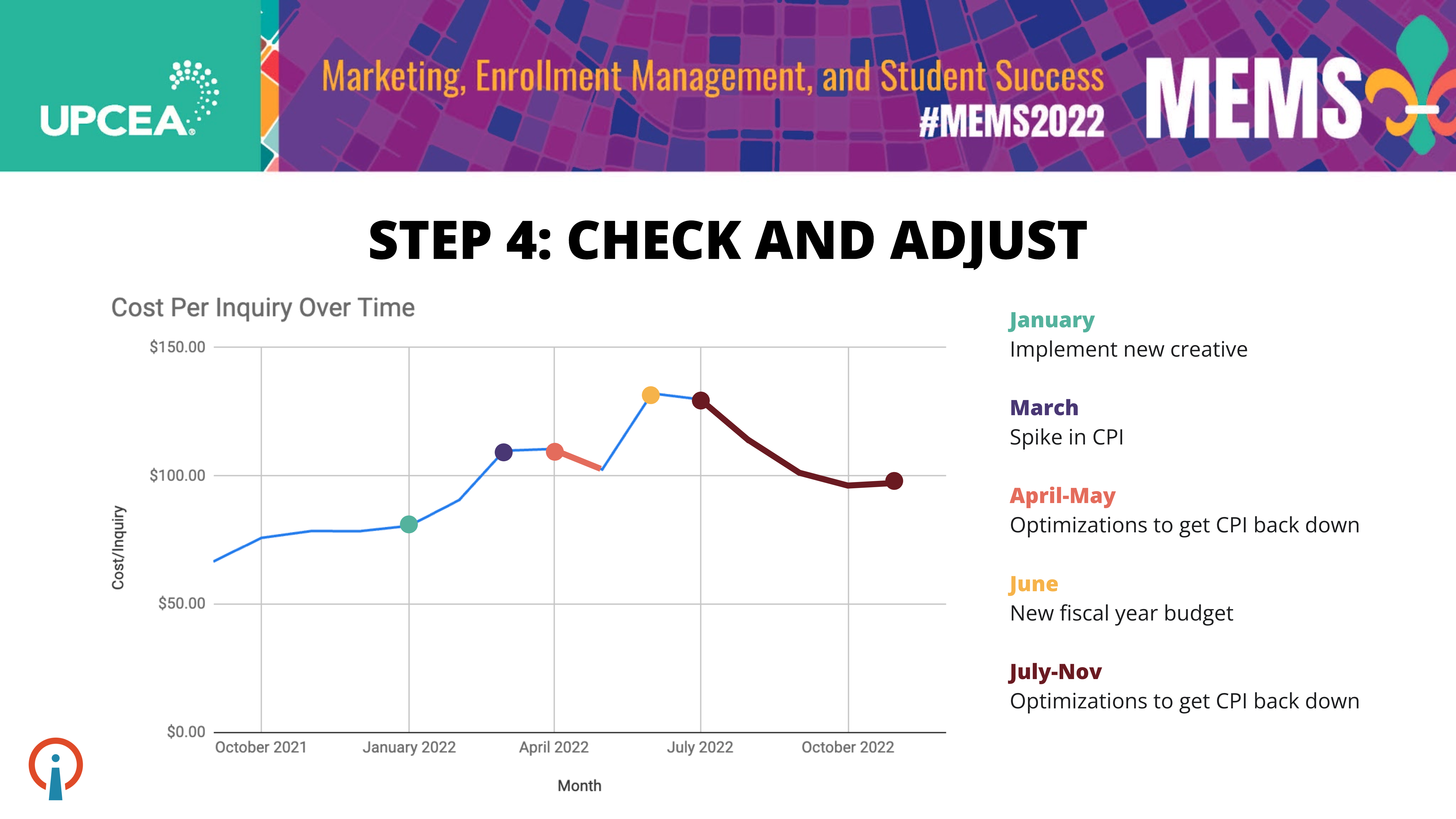
    Slide Highlighting the need to Check and Adjust your Higher Education Marketing deployment

    This chart shows our cost per inquiry (CPI) from digital advertising over time. Here are the highlights:

    • The first dot on the slide is our CPI in the first month of the new creative deployment. You’ll notice that it rises from there and spikes at about three months. By this time, our old creative was fully paused, and we believed our campaign performance was beginning to normalize.
    • With focused energy on optimizations from that point forward, our CPI began to trend back down, achieving one of our short-term goals.
    • Now, for the long term — In June (gold dot), we felt the effects of shifting priorities and a new fiscal year budget. Our budgets actually increased for the first time in a couple of years, and, with some advertising priorities adjusted, we saw the CPI jump up.
    • We continuously check and adjust. Since then, we’ve consistently optimized the CPI back down to now nearing our initial cost at the time of new creative implementation.

    And, we continue to have a cost per inquiry significantly lower than client-approved benchmarks. 

    So, what’s the impact?

    Tulane SoPA’s Fall 2022 term compared to Fall 2021 had a better yield, with significantly fewer inquiries at the top of the funnel. The creative rebrand was one of several tactics in play to intentionally improve the quality of inquiries over time — so fewer inquiries was actually a GOOD thing!

    What this tells us is that, among other factors, we are reaching the right audience with the right message at the right time

    Step 5 – Iterate on Your New Creative

    The story doesn’t stop there. 

    Digital ads provide a great testbed and give you the opportunity to learn and iterate. After your campaigns have normalized and your new creative is fully adopted, review the performance of your key messages or creatives and make adjustments.

    Once we saw our results normalize and our branding effort fully implemented, we moved into the next phase. We began to iterate on our creative with bigger, bolder messages that we either wanted to test or that we believed were strong selling points for our audience.

    Our tests have been running since the summer, and we’ve already taken away some big learnings! 

    One Iteration Success Story

    Previously, we had not significantly promoted our accelerated master’s program before. At Tulane SoPA, undergraduates can earn a bachelor’s and master’s degree in five years. After running some test creative across several campaigns and placements, we found that our audience is really interested in this.

    Once we had a statistically significant volume of conversions, we could see:

    • High volume of conversions on this messaging compared to other message tests we tried
    • Cost per result was looking great — it was lower than our typical and significantly lower than the benchmark

    Now, we are taking additional steps to get this information in front of our undergraduate audience through email drip campaigns, landing pages, ad copy, and more.

    This is the step that will perpetuate — until it is necessary to refresh your branding again.

    When will that be?

    When the data tells you that your messaging is no longer effective for your audience.

    Branding evolution is never done. Use data to evaluate and iterate on your brand voice and identity. In a professional development course, Jim Fong said, “Marketing should be strategically and data-driven, not driven by the creative. Creative doesn’t have to be beautiful work, it needs to be effective at differentiating.” 

    I would append that by adding “…and you will know that by looking at the performance data.”

    If you’ve taken the time to create new branding and need help deploying it digitally, contact my talented team at Search Influence for more information

  • Grow Traffic to Your Higher Ed Content With a Personalized Marketing Strategy

    Key Insights

    • Just like other businesses, higher education institutions need to use marketing tools and strategies to broaden awareness of their brand and attract new students.
    • Education marketing can help a higher education institution to present relevant, personalized information to prospective students, which in turn spurs their interest in enrollment.
    • When you use data to better understand prospective students and provide them with tailor-made content, they will be more likely to engage with you directly on the content you produce.

    When prospective students look for new schools online, they often focus their searches on programs and institutions that will help them achieve their educational and professional goals. The higher education market is extremely competitive, so it can be challenging for prospects to navigate their options and find the right program.

    With a personalized marketing strategy, your higher education institution can more effectively promote your program offerings, highlight what sets you apart from the competition, and attract more students.

    Student at university holding textbooks

    What Is Education Marketing?

    Like businesses, higher education institutions need to use marketing tools and strategies to broaden awareness of their brand and reach new students. In addition to traditional marketing techniques, schools also use digital marketing to increase traffic to their websites, giving prospective students valuable information about their programs and benefits. Education marketing efforts on the web often include search engine optimization (SEO), digital advertising, content creation, and outreach using social media and email.

    Benefits of Education Marketing

    Brand recognition

    Education marketing helps schools increase awareness of their brand, which can be especially useful for attracting new students. The more visible, compelling, and reputable a school’s brand is online— and out in the world — the more that students will be interested in attending.

    Lead generation

    One of the primary goals of any marketing strategy is lead generation, gathering contact information from potential consumers. Education marketing can help a school to present relevant, personalized information to prospective students, encouraging them to provide information via website form submissions, content downloads, or calls to the school. This allows the school to identify and develop a list of prospective students to engage with throughout the marketing funnel.

    What Is a Personalized Marketing Strategy?

    To stand out from competitors, businesses have started to ramp up their marketing efforts by using personalized marketing strategies. Personalized marketing uses data collected from consumers to deliver brand messages tailored to individual prospects. When educational institutions use personalized marketing strategies, they get the chance to know more about prospective students—their interests, browsing behaviors, and search terms, for example—and can then market their brand to them more effectively.

    This attention to detail is paying off for brands across the globe. According to SmartHQ, 72% of consumers claim that they respond to marketing messages that are exclusively crafted to their choices.

    Benefits of Using a Personalized Marketing Strategy for Your Education Marketing Content

    Gain a better understanding of prospective students

    When an educational institution uses a personalized marketing strategy, they learn more about their prospective students’ interests, habits, and desires. This crucial information helps higher education marketers develop smarter marketing strategies and create student-centric journeys through the marketing funnel, giving schools an advantage over competitors when it comes to enticing and recruiting new students. It can also help schools tailor their program offerings and incentives to better match what incoming generations of new students look for in their higher education options.

    Lead nurturing

    Lead nurturing is the process of developing relationships with potential consumers in order to nurture them through the student’s journey. When schools use data to better understand prospective students, they can more effectively market to them as they transition from interested prospects to enrolled students.

    Prospective student engagement

    When you use data to better understand prospective students and provide them with tailor-made, personalized content, they will be more likely to engage with the content you produce. Targeting users with relevant content leads to a 73% higher conversion rate, according to Aberdeen. Increased engagement is a good sign that prospects are interested and can be nurtured toward a final decision.

    Prospective student social sharing

    If your content is useful and engaging, it’s also more likely that prospective students will share it using social media and word-of-mouth. This is a great way to increase awareness of your brand and have your content distributed organically to other prospective students, even those who may not yet be in your personalized marketing strategy.

    Prospective student retention

    A personalized marketing strategy enables you to build closer relationships with prospective students. This helps to retain them from their initial interest in your institution to the moment they decide to enroll.

    Professor giving lecture in a college lecture hall

    Basics of Implementing a Personalized Marketing Strategies for Higher Education Institutions

    Student personas

    Student personas are semi-fictional profiles that mimic the demographic information, goals, and challenges of real prospective students you’re trying to reach and recruit. Personas are a great way to refine your messaging across all marketing tactics, improve your content strategy, and increase applications.

    Remarketing through digital ads based on actions and/or funnel stage

    Remarketing tailors digital ads to prospective students who have already shown interest by visiting pages on a school’s website or interacting with other brand content. This form of re-engagement is useful for nurturing prospects through the marketing funnel and keeping them interested in your brand.

    Program-specific email nurture

    Having data about your prospective students’ interests enables you to send them program-specific emails. These are far more engaging than generalized emails, and they give students valuable information about programs they’re interested in, which helps to nurture them as they consider enrollment.

    Action-driven email nurture

    Emails can also encourage recipients to take action that furthers their engagement with your brand. For example, effective action-driven emails may include a clickable link to a new blog post or video, an invitation to sign up for an event, or an opportunity to start a conversation with a student advisor.

    Appropriate calls to action

    Calls to action in emails and other communications should always be appropriate for the intended recipient. A call to action for a prospective student who is earlier along in the marketing funnel might ask them to request more information about a program, while a call to action for a prospect who’s in later stages of the marketing funnel might ask them to begin filling out an application.

    The Education Marketing Experts at Search Influence

    A personalized marketing strategy enables your educational institution to reach and engage prospective students. Our team of experts at Search Influence will help you to develop a strong marketing strategy and provide you with the digital marketing tools you’ll need to broaden your audience, including SEO, analytics and lead tracking, and content marketing.

    To learn more about the services we offer, fill out our online contact form.

    Images

    Student

    Lecture Hall

  • How a New Orleans Digital Marketing Agency Uses the DISC Methodology to Improve Client Relations

    Key Insights:

    • Tailoring a message to compliment the intended person’s personality helps build rapport and trust within a professional and personal relationship.
    • Personality types affect how people communicate with each other effectively—it is the main reason people respond and act in their own unique ways.
    • The experienced Search Influence team tailors our communication, reporting, and working style based on our stakeholder’s perceived DISC type.

    Introduction

    Personality types affect how effectively people communicate with each other—it is the main reason people respond and act in their own unique ways. This is especially true when it comes to business relationships. The entire account management team at our New Orleans digital marketing agency uses the DISC methodology to learn more about each client’s personality styles, allowing our team to strengthen and build relationships by adapting to each client’s unique behaviors.

    DISC Methodology

    The DISC methodology is a personal development framework that helps us understand ourselves and how we interact with others. From Fortune 500 companies to nonprofit organizations and small-owned family businesses, companies worldwide use the DISC methodology.

    The DISC methodology comprises four personality types: Dominance, Influence, Steadiness, and Conscientiousness. Understanding all four of the unique personality types in the DISC methodology promotes productivity in the workplace by developing better communication that leads to healthy relationships.

    Search Influence’s account management team uses the DISC methodology to aid in client communication. We customize our emails, reports, and presentations to both our primary point-of-contact and and their stakeholders, providing information in varying formats to suit their different personality types and roles.

    Dominance

    The D in the acronym DISC stands for dominance. Approximately 9% of the worldwide population have the personality traits classified as dominance. According to extendeddisc.org, people with this personality type tend to be motivated by competition, winning, and success. They have a deep appreciation for exploring new opportunities and achieving independence. They value action conversions and fear looking vulnerable or weak.

    Typically a team leader, executive, public speaker, or account executive, dominant personality types excel in authoritative roles. At our New Orleans digital marketing agency, we use brief and direct, to-the-point communication with D personality types. We also make sure we speak in terms of “What” not “how,” because D types are interested in what we are doing to make improvements, not how we are doing it. By talking about results, not processes, our account managers keep communication productive with D types.

    People working in a boardroom

    Influence

    The next personality type in the DISC acronym stands for Influence. According to extendeddisc.org, these people make up about 29% of the world’s population. Those with this personality type are often warm, trusting, and energetic.

    I types prioritize shaping their environment by influencing others. They can persuade others with their charm, optimism, and energy. With their ability to generate excitement, I personalities value their friendships and pursue them with happiness. Their overall goal is to attract attention with their outgoing personality.

    Often designers, copywriters, or creative directors, Influence personality types respond well when allowed to verbalize their ideas. Allowing I types to communicate freely and creatively enables them to explore new ideas and discover new approaches to problems at hand.

    At Search Influence, we strive to build friendly lines of communication with I type personalities. This more casual and laid-back style allows I types to feel comfortable and let their ideas flow. Once a relationship and open lines of communication have been established, our team is able to craft a collaborative environment where I types can use their excellent verbal and creative skills to communicate their vision and pursue new opportunities.

    Steadiness

    The third personality trait in the DISC methodology acronym is Steadiness. According to extendeddisc.org, the S style comprises 31% of the population. These people are steady, calm, and easy-going. This candidate prefers continuity and familiarity—they tend to sway away from new ideas, as this makes them feel uncomfortable.

    Often asking “How” questions, S styles want to gather all the details to think about the best plan for execution. These personalities are very poised and stable, do not get overly excited, and are rather patient and careful when making decisions. S personalities thrive when they are in a routine and can interact with other people regularly. Because of this, S personality types are often counselors, HR directors, doctors, and executive assistants.

    When discussing our digital marketing services with S personalities, our team ensures to craft a predictable and stable work environment where S types can plan for the future and stick to the agreed-upon routine. For example, our team might make a special note not to reschedule meetings with S types because this could throw them out of their workflow.

    DISC Pie Chart

    Conscientiousness

    The last personality trait in the DISC method is the C, which stands for Conscientiousness. According to extendeddisc.org, this style of people makes up about 31% of the worldwide population.

    C-style people tend to be very detail-oriented. Often asking “Why” questions, this style will often be deliberate and methodical when solving problems and is comfortable spending hours analyzing large amounts of data to solve the aforementioned problems.

    Analytical and precise by nature, C types are at their best when they can work independently and focus on problem-solving. Common positions for C personality types are data scientists, software engineers, financial analysts, and software developers.

    As an SEO agency, Search influence frequently works with C types. Our experience has taught us that to provide detailed reports and facts in advance so they can process the information. We have also found that during a meeting with C types, it’s best to follow a specific agenda (which is always sent ahead of time) and to reference and maintain project trackers. This allows them to gather details and process the tasks at hand.

    Tailoring Your Metrics Based on DISC Type

    The experienced Search Influence team tailors our metrics based on our stakeholder’s DISC type. We find this helps us select the right metric to focus on when communicating our marketing plan to our clients.

    For example, C style personalities may care about those micro metrics and higher funnel metrics, whereas D types are more likely to care about lower-funnel metrics. As such, when we are communicating with a D type, we focus on conversion-based data.

    Improve Communication with Stakeholders and Teammates through the DISC Method

    On our team, we find it can be impactful for interpersonal relationships to understand one another’s DISC profiles. Search Influence is an SEO company and digital marketing agency with years of experience using the DISC methodology to improve client communication and relationships—and we use it internally to work more efficiently and effectively for our clients.

    We believe the DISC Workplace Profile Assessment can help companies to differentiate personality types and understand the preferences of others when connecting in the workplace. Learn how Search Influence can help you craft a results-driven digital marketing campaign with assistance from the DISC methodology.

    Images:

    People working in a boardroom