Tag: Twitter

  • Is Anti-Social Media On the Rise?

    This year will make a decade since Facebook was launched and social media usage has skyrocketed, but is social media turning us anti-social? Parents who were unhappy about their children’s texting habits in the early 2000’s would be appalled by today’s society of Instagraming, Tweeting, FourSquaring and Pinteresting fiends across all age ranges. However, the pendulum may have swung too far, and it seems that parents aren’t the only group fed up with obsessive social media behavior.

    There are many signs that we are entering an age of ANTI-social media.

    SocialMediaGuardVideo

    Many corporations and industry leaders have voiced their advocacy for more human interaction through traditional media. Coca-Cola invented the Social Media Guard in the sarcastic commercial pictured above, which blocks people from the ability to see their phones.

    Dentyne used print and commercials to encourage more “face time” by comparing human interaction with social media actions in an ad.

    DentyneAdClip

    Professionals working within the social media industry may even capitalize off of the anti-social tendencies of those who are active online. Here are a couple of examples of how.

    Cloak

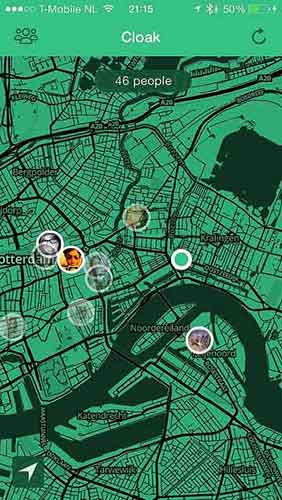
    Facebook, Twitter, Instagram and FourSquare aid this new mobile application in locating where you are. Cloak asks you to login to one of your social media accounts, which pinpoints where you are on a map, along with the locations of other friends who are also logged into Cloak.

    The app is advertised as a way to avoid people that you do not want to run into. You can set alerts that warn you when certain users come into a selected radius of you. Couldn’t this also be used as a way to stalk people? Guess that wasn’t a catchy advertising pitch…

    CloakAppScreen

    Self Control

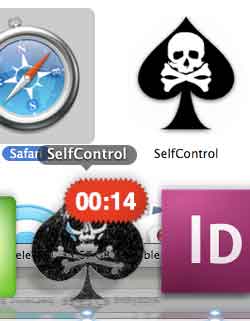
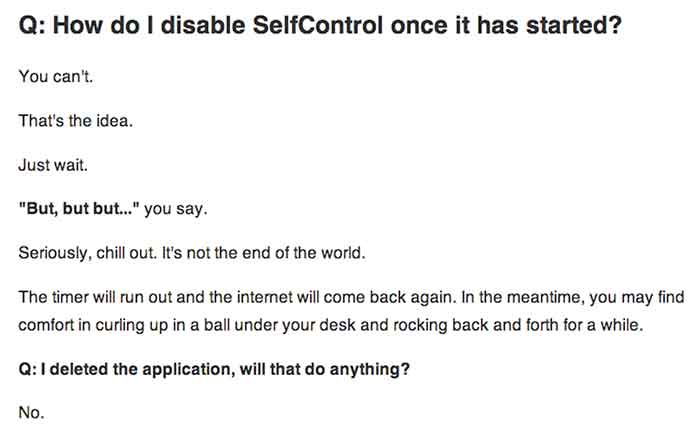
    This app allows you to choose time periods when you do not want the ability to access specified apps or programs at all. This could be used to stop yourself from checking your email, playing games, checking Facebook, etc.  A screenshot of the app is below, followed by their honest answer on how to stop the app when it is activated. The interest in this app shows that people want to be detached from their online world every once in a while but might need a little help to disconnect.

    SelfControlApp

    HowDisableSelfControl

    This discussion will continue on for years, but has social media gone too far? Check out the signs.

  • Social Media, You Don’t Have To Be A Wizard

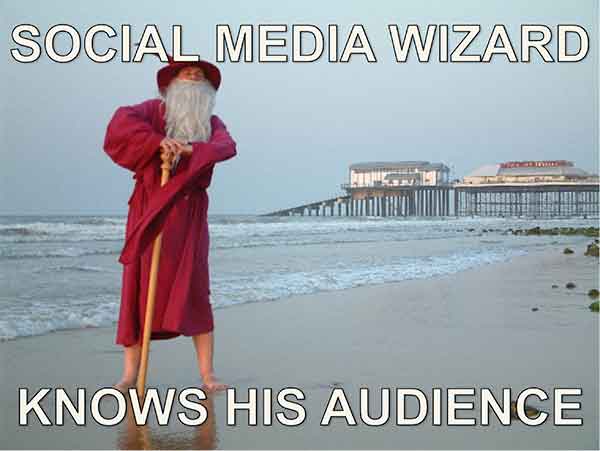
    Your Audience

    You know your target demographic. If you don’t, social media should be the last thing on your mind. Properly addressing your demo group is essential in establishing a relationship with your followers on any social media platform.

    SocialMediaWizard

    Social Media Optimization (SMO) is used to directly target potential customers with relevant information, and eventually provide them with opportunities and incentives to become active customers. Proper SMO should also give current customers incentive to provide positive feedback so that others view your brand as trustworthy.

    SocialMediaWizard02

    Your Message

    For professional organizations, like law firms, business consultants, or industrial suppliers, news and advice are likely the fastest way to become a trusted voice amongst your demographic. Provide information your clients can use, “Tips to protect your rights,” or “Break through in industrial oven designs.” Be a voice of insight at the forefront of your field.

    If your target is the general public you need to be both friendly and local. Plus, direct social media interaction is key. If you post about an upcoming event in town, keep an eye out for responses on your Facebook feed or from your Twitter followers. Be aware of comment chains on your feed; respond to comments in an upbeat and positive way. Generally resist the urge to comment outside of your own page in regard to individuals (it can be viewed as overreaching or unprofessional).

    SocialMediaWizard03

    I know it sounds obvious but social media should be social and light hearted, so any sales efforts should be low pressure if they occur at all. A more effective strategy is to create interesting internal blogs, (then spread them through social media) so that you increase traffic to your page, which increases the chances of a conversion. You may not go viral but you can still reach your audience.

  • 5 For Friday – Twitter, Facebook, and Pinterest, Oh My!

    5RD

    1) Twitter Profile Redesign is now available to everyone!

    -Twitter

    Do you have the new Twitter layout for your profile? If not, you may be behind the times. Twitter recently updated their profiles with a new, user friendly look. This design is pretty similar to what many people are used to seeing on Google+ and Facebook. They are in the process of rolling out the profile redesign to all Twitter users.


    2) Are Your Fans Interacting with Your Brand on Social Media?

    – Mashable

    The look of your graphics and images supporting your social media updates carry a lot of weight. If they’re not appealing to your followers, they will fall flat when it comes to engagement. Mashable shares some insight on the various types of images that can boost interaction amongst your fans.


    3) Google Offers New Ways to Market Apps in Search, Display, and YouTube

    – Marketing Land

    Many app creators struggle to get their product noticed,  downloaded, and used by consumers. Google is now offering various unique ways to market them in AdWords via search, display, and YouTube. Read this article to learn details about all of the exciting new features available to app marketers.


    SocialMediaPhone

    4) Facebook Mobile is Killing it! Is your brand on Facebook Yet?

    – Bloomberg

    If your brand is not spending at least some of its marketing dollars on the social media giant, you are probably missing out on a major consumer base. This article from Bloomberg tells us that nearly half of the world’s internet population is logging into their profiles, at least, once a month. This mean almost a billion people a month are logging into the mobile app alone!

    5) Pinterest Announces the Launch of a Visual Search Engine

    – Buzzfeed

    Pinterest is launching a new “Guided Search” for its mobile users. It takes user’s broad search and prompts them to narrow it down with pictures in related sub categories. This very informative article from Buzzfeed explains, in detail, the specifics of Pinterest’s new guided search.


  • Takeaways From Pubcon New Orleans Day Two

    Last week I had the amazing opportunity to attend Pubcon New Orleans for the first time. It was one of the most fruitful learning and networking experiences I’ve had the chance to be a part of. I felt like I could spend forever just absorbing everything I could from everyone I met. One of the major themes that I got from all the speakers I saw at PubCon was the importance of good content. So, now I’m here to tell you about some of the main takeaways I got from the particular sessions I attended.

    IMG_52111-1024x368-1

    Peter Shankman: Keynote

    The keynote by Peter Shankman focused primarily on the power of good customer service. His four main points were Transparency, Relevancy, Brevity, and Top of Mind. He said you don’t have to go crazy with customer service, just be “one level above crap.” On this note he mentioned the Morton’s Steakhouse story where he jokingly tweeted at them about wanting a porterhouse steak upon landing in New Orleans from a flight. They then sent someone to meet him with a steak when he got off the plane. This simple gesture(although not scalable for every brand) led to a lot of great publicity for Morton’s. It’s all about making your customer feel special.

    An audience you are more transparent and honest with that feels invested in is 78% more likely to buy. Peter also said that when(not if) you screw up, own it. People are 44% more likely to stick with you if you own it. He mentioned the stark difference between how Eliot Spitzer handled his prostitution scandal by admitting the fault and resigning versus how Anthony Weiner handled his sexting scandal by saying he got hacked and not owning up to it.

    Peter mentioned the importance of being relevant and listening to your audience as well. He mentioned a non-profit that saw a 37% increase in donations just by being engaging and active with their audience online.

    The third important facet Peter Shankman mentioned was brevity. He particularly said that brevity is the future of social media and not just in the way we think of it through Twitter now. He said jokingly that we’ve all become the dog from the movie Up, because recent studies show that we have a 2.7 second attention span. Shankman said that mobile messaging is the future and Twitter is just the pipe, so we must learn to write well and concisely.

    Finally, Peter talked about the importance of being top of mind. You want to be the first person someone thinks to go to for whatever they need. He also mentioned the idea of having “zombie loyalists,” or people who have you at the top of their mind for recommendations.

    IMG_5231-768x1024

    Will Scott: Barnacle SEO

    Next I had the opportunity to sit in on Will Scott’s talk about Barnacle SEO(a term he coined in a Local Search News post back in 2008). Barnacle SEO is all about leveraging authority for local search. Specifically, the idea is to attach oneself to a “large fixed object” and wait for customers to “float by in the current.” It’s not as simple as using someone else’s authority, because Will says the most important thing in business is sincerity. “If you can fake that, you’ve got it made,” he says.

    He also mentioned that Google’s weakness is sites they consider super authoritative like YouTube, Yelp, Pinterest, Facebook, YP.com, and such. This is making Barnacle SEO have a huge comeback. YouTube for example dominates universal search and according to a MarketingLand infographic, 8 out of 10 video results are from YouTube.

    Although using backlinks from these authoritative sites and directories like YP.com for local SEO efforts is important, it’s also super important to “keep it clean-ish” by using tools like Whitespark.

    Greg Gifford: Local SEO- It’s No Laughing Matter

    After Will Scott, Greg Gifford, Director of Search and Social at AutoRevo, took to the stage with his presentation about the complications of local search. His awesome presentation featuring punny references to 142 movies and also contained precise, actionable tips. He mentioned the changes in local search like the maps pack finally stabilizing at seven listings and how optimized vertical and local directories now rank very well. A huge opportunity for small businesses to rank well lies in simply adding city and state to title tags.

    Greg also mentioned how the goal of Google Plus Local(aka Google Places) seems to be like a drive through, a place for people to get what they need by getting in and out quickly. He also brought up the Google email about “duplicate listings” that rolled out with Google finally merging the old dashboard to the new. If you want to know more about this email, check out my blog post here.

    His optimization tips for G+ included writing long, “awesome” descriptions using formatting and links, uploading lots of photos, using as close to the max 10 categories as possible while keeping them relevant, engaging in the fairly few number of users on G+, and circling users as a business. As far as reviews on G+ go, he mentioned that you have to earn them and ask for them, you need at least five reviews to see the star average, you should shoot for 10 then diversify, one to two reviews a month is normal, and having them come in consistently rather than in bursts is important.

    IMG_5215

    Casey Markee: The “Big Easy” Guide to Google-Friendly Link Earning

    Casey Markee started his presentation with a quote from Matt Cutts saying, “The objective is not to make your links appear natural, the objective is that your links are natural.” He mentioned that the “four tenants of Google-friendly links” are those that provide clear value for the user, are niche-relevant, get clicked to send some measurable form of trackable analytics traffic, and are “earned” freely versus being given.

    He listed nine link “earning” classes that Google still loves which included:

    1. Link Bait Type Content- Sharable and Buzz-Worthy
    2. Evergreen Content- No Expiration Date
    3. Local Link Earning- Publish Local Resources
    4. Scholarship Link “Earning”- Ex: SilverCross.com Ability Achievement Scholarship
    5. Beneficial Link “Earning”- Participate in Online Forums
    6. Sponsorship/ Partner Building- Support Causes
    7. Profile Links- Social Profile Building
    8. Selective Guest Blogging- Quality not Quantity
    9. Brand Mentions- Get Regular Mentions Turned Into Live Links

    He ended with saying that link earning is a marathon not a sprint, and that quality content is key!

    Mike Stewart: Building a Future Proof Plan for Organic Local Search Rankings

    The biggest takeaway I got from Mike Stewart’s presentation was to think beyond Google search and about other places where people often search like Siri, Amazon, Facebook, and Bing. He also explained the difference between some white hat and black hat SEO tactics, and the importance of doing it right. Mike took us back to basics explaining that “SEO is about creating, editing, organizing, and delivering content and metadata to increase relevance to specific keywords on the web.”

    Finally he gave us “Seven Simple Content Ideas That Drive Shareability” which are as follows:

    1. GIVE: Offers, discounts, deals, and contests that everyone can benefit from
    2. ADVISE: Tips, especially about problems that everyone encounters; how to do something
    3. WARN: Warnings about dangers that could affect anyone
    4. AMUSE: Funny pictures and quotes, as long as they’re not offensive to any group
    5. INSPIRE: Inspirational quotes
    6. AMAZE: Amazing pictures or facts
    7. UNITE: A post that acts as a flag to carry and a way to brag to others about your membership in a group

    This is just a very small portion of the many helpful tips and tools I learned at PubCon this year! Let me know what you think about all the tactics you’ve learned here today.

  • 8 Tips for Handling Bad (and Good!) Online Reviews

    Have you ever had a bad experience at a business? How did it affect your opinions of that company? More often than not, one bad experience will hinder how someone views a business, even if the experience was handled in the best way possible by the business owner/manager. This can affect the online reputation of a business greatly if people decide to write an online review about you.

    Reviews

    While the thought of negative reviews may scare you, do not let these reviews discourage you! Remember that a dissatisfied customer is more likely to write a review after a bad experience than a satisfied customer writing about a positive experience. Negative reviews can even help you learn how to improve your business. Here are some tips for actively handling these reviews:

    1. Actively check your reviews on various platforms across the web.

    A good way to keep up is to assign one day per month (or bi-weekly) to check your online reputation on the different platforms. The list can be endless, but these are some important ones to consider:

    **Note that you will most likely have to create an account and verify that you are the owner / manager to be able to respond to the reviews as the business owner.

    2. Always be transparent with your customers. This includes:

    • NEVER posting (or having your staff post) fake reviews.

    • NEVER deleting reviews that are negative. This will just anger the person that posted the review, in turn causing a downward spiral effect. Most likely, the angry reviewer will continue to post reviews until they are acknowledged by the business. Instead, take the time to listen to your customer and their concerns.

    3. Make an effort to respond to every review – positive and negative.

    • For positive reviews: A quick, “Thank you for your feedback, NAME! We appreciate your business. We hope you continue to be a BUSINESS NAME supporter!” is sufficient for a positive review. Responding to positive reviews can reinforce the already positive opinion that the reviewer has of your business, and reinforce brand loyalty with that person (because who doesn’t like being responded to by a business?).

    • For negative reviews: The dissatisfied customer will appreciate being heard, and outsiders will appreciate that the business takes the time to respond when something isn’t right.

    4. Be personal in your responses.

    Use the customer’s name if provided, and bring in information from their original review. This will keep the customer from thinking you just have a generic response to all reviews.

    • For example, if a person leaves a bad review on a spa page and you notice in their review they had a massage that day, you could say something along the lines of: “Hi NAME, I’m sorry your massage was not up to par….”

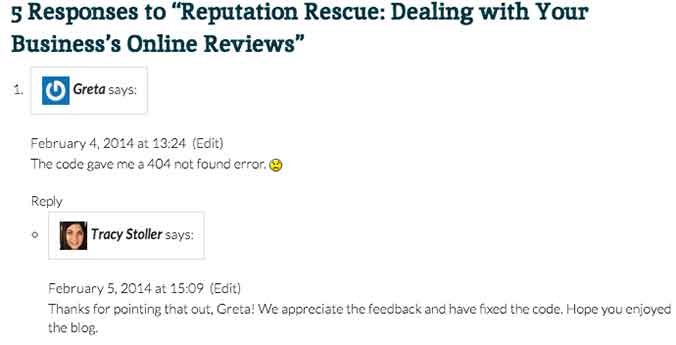
    • Another example comes from our blog! Check out how Tracy Stoller responded to a comment about an error in a code we provided in a previous blog.

    response

    5. Provide a business email that the reviewer can contact you on.

    Don’t try to make it all perfect on the review. You will be able to go more in depth with the customer through an email, depending on the severity of the review/situation. It’s up to you to decide when to try to go into more depth to resolve the issue.

    • You could say something along the lines of, “I truly apologize for XYZ. Please contact [email protected] to help us resolve this issue for you.”

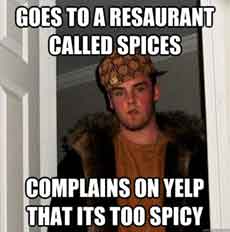
    6. Remember that sometimes people have unrealistic expectations of a business.

    yelp-meme

    If something happened that is completely out of your control, explain yourself in the reply. However, do not have a negative tone toward the customer – simply explain the situation to the best of your ability.

    • For example, a customer leaves a horribly negative review after coming to your restaurant and you are all out of their favorite beer. You can apologize for the inconvenience, but explain that things like this happen occasionally. Explain when the product would be restocked and invite them back. This would be an example of when to NOT provide a contact email, because the situation is not that extreme.

    7. Do not offer gift cards or other repayment for a negative experience on the review site.

    If something is serious enough that you feel the need to refund the customer, provide your contact email and do so through email. Offering repayment or gift cards publicly can be seen as bribery by an outsider reading reviews.

    8. Invite your customers to leave reviews!

    Post a link to your Yelp! page (or other review site) to your social media accounts and invite your followers to talk about their experiences. This could lead to people leaving positive reviews that would not have normally done that on their own.

    It’s important to remember that you can’t please everyone, but continuously having timely responses to your reviews can only benefit your business.

  • Social Media And Viral Content: Tips From Matt Siltala

    If you haven’t heard of Matt Siltala, get your butt to Google right now and start searching. As an online search industry leader and president of Avalaunch Media, Matt came to New Orleans this week to present at Pubcon, a social media and optimization conference and expo featuring multiple days of multiple-track sessions, leading-edge keynotes, and an all-day intensive Pubcon Masters Group training program.

    Prior to wowing the crowds at Pubcon, Matt was kind enough to visit Search Influence and give us the skinny on social media, content, and how to make things go viral. His presentation was amazing, informative, humorous, and vastly helpful in terms of SEO. So, I’ve put together some key takeaways businesses can and should focus on in order to promote their brands and make a name for themselves online.

    MattSiltala-01

    Find Your Target Market By Talking To The Right People

    When you’re trying to reach a target market, knowing who to talk to in order to get results within that market is most important. When you talk to someone with power, authority, and a willingness to help, there is a higher probability of getting your brand noticed and increasing awareness among your target market.

    Pro Tip: If you know who you want to target, use Followerwonk to compare, analyze, track, and group users. That way, you know exactly who you’re reaching, and what to say in order to entice them.

    What Makes Good Content?

    Oddly enough, controversy increases viewers and makes for some great content. Think about it. When do people get the most involved in content? During a debate! Any topic people disagree on will get more viewers. This is a theory that withstands the test of time. For example: Republican vs. Democrat, Mac vs. PC, Coke vs. Pepsi, and Matt’s popular Evolution of the Electric Guitar infographic, which includes a Guitar Hero controller, featured below.

    music history timeline evolution infographics electric guitars 3660x1186 wallpaper_www.wall321.com_28

    Build Up Your Instagram Following With Deals

    bdb414e7b829806b2e3cdd921638042f

    With millions of users posting pictures every day, Instagram has exploded in terms of social media marketing and brand promotion. Boutiques, restaurants, and more post photos of products, specials, daily deals, and location information daily, giving viewers a reason to follow them and stay consistently engaged in the brand. By monitoring hashtags and paying attention to channels, businesses will learn whom to target and how to peak people’s interests and gain followers.

    Pro Tip: Show products in context to help viewers visualize a final product. Whether that is a meal, an outfit, or a piece of furniture, demonstrating what the product will look like in conjunction with other products peaks interest and makes things easier to relate to.

    Processes On Pinterest

    More frequently, businesses are turning to Pinterest to gain a customer base. In fact, the “Pin It” action has gained more popularity than the Facebook “Like” and Twitter’s “Retweet.” Checklists, how-tos, recipes, and detailed processes are hugely popular on Pinterest because they get people thinking and and keep their interest longer than a simple image.

    Pro Tip: In terms of repinning vs creating new pins, employ 4:1 ratio. Remember that it’s not just about repinning for content, you repin to network. And make sure you get yourself noticed by commenting regularly.

    Focus On Visuals On Facebook And Twitter

    As with all other forms of social media, building a following and growing your popularity is key to brand success on both Facebook and Twitter. So, what is the key to getting lots of retweets, likes, shares, and comments? Images! Think about it, what is the most retweeted post of all time? Ellen Degeneres’ Oscar Tweet! Only three days after the Oscars the tweet had a record 3.2 million retweets. Now that’s a powerful image.

    Pro Tip: Identify influencers relevant to your industry and interact with them as much as possible on social media to grow your online presence and brand popularity.

    I could go on and on about the wealth of knowledge Matt dispelled on the Search Influence family, but rather than rambling I’ll leave you with a few of his final tips and tricks:

    1. Pay attention to Linkedin groups. If you get in contact with the owner of a relevant group to your industry they can help you tremendously. Not only can they contact a large group of people easily via email, the group they’re contacting will be the exact target market you need for shares and online visibility.

    2. Sign up for alerts from Help A Reporter Out. You can find experts, get free publicity, and gain tons of helpful contacts.

    3. The gift category in Pinterest is wildly popular. By using a dollar sign ($) in your post description, your post will automatically show up there.

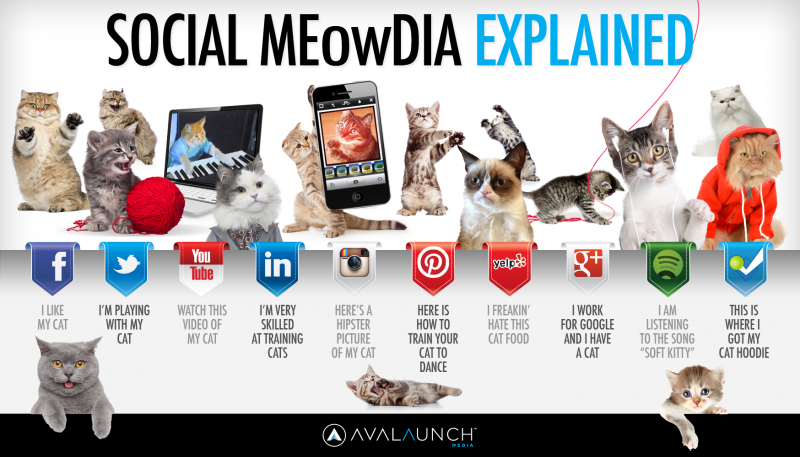
    4. Find a way to repurpose everything. Much like Matt’s wildly successful Social Meowdia Explained infographic (featured below), post, images, content, and more can be repurposed to gain popularity in a variety of forms. For example: an infographic can be turned into a blog, memes, content, etc.

    Social_Media_Explained4-800x457

    1. Remember that everything you do contributes to authorship. Every post you write, share, retweet, favorite, etc has your brand name attached to it. Everything you do online grows your authorship, so take advantage of that and be creative in what you post.

    For more information on Matt Siltala, check him out at Pubcon or visit his website! And for any questions on the information above, feel free to ask in the comments!

  • 14 Social Media Mistakes to Avoid in 2014

    We’ve all seen them… misfired tweets, Facebook fails, and huge national brands that just don’t get it. Last year we recapped the 12 worst social media mistakes of 2012, but brands just keep making the same errors over and over again. For 2014 we’re going to be proactive. Here are 14 mistakes to avoid this year, so that your brand isn’t ridiculed by friends, fans, followers, or the general public:

    1) Avoid relating ANY holiday to your brand:

    Unless you are a major fireworks distributor or 1-800-Flowers, holidays are NOT about you. Don’t force it. Even if you think your message fits in flawlessly with the holiday, chances are someone will take offense. Don’t believe me? Google MLK Day Social Media for proof.

    2) Not understanding your company’s image

    Banking giant J.P. Morgan decided to host a Twitter Q&A session utilizing the hashtag #AskJPM in November. Although they received thousands of amazing questions such as, “As a young sociopath, how can I succeed in Finance? #AskJPM” and “What’s it like working with Mexican drug cartels? Do they tip? #AskJPM”, the company quickly realized that Twitter was not the appropriate medium for a company discussion.

    3) Using trending hashtags without first checking their meaning

    Utilizing hashtags is a great way to get more eyes on your tweets, but don’t hijack trending tags without first researching the message behind them. Baked goods company Entenmann’s faced backlash after utilizing a trending hashtag without realizing that #notguilty referred to the verdict in the Casey Anthony trial.

    4) Getting too political

    This one practically speaks for itself. No one wants to hear outspoken thoughts about gay marriage, political candidates, or religion from a brand. Italian pasta company Barilla came under fire last year after stating that they would not feature gay families in any ads. After thousands of people tweeted at them with the hashtag #boicottabarilla, they finally issued a semi-apology (in Italian) from their brand account. The lesson here? Don’t get your brand involved in political affairs, and respond quickly if you find your company in a similar situation. Most users prefer their pasta without a side of prejudice.

    5) Creating fake controversies

    Real time marketing is a hot buzzword, but faking a crisis is not the way to achieve success. Brands like Chipotle and JC Penney have faked problems on their own social media networks to achieve attention. Effective real time social media campaigns react to events as they happen, not create unnecessary controversy.

    6) Responding generically to complaints

    If your company does something to upset a large amount of fans, you should not reply to them all with the same generic message. Either issue a blanket public apology to all of your fans, or personalize each response.

    7) Not responding to negative feedback or customer questions

    Not responding at all to complaints is also a bad policy. A study from Maritz Research and evolve24 found that over 50% of respondents expected a reply from a company regarding public complaints on Twitter. Deleting or ignoring complaints is not the way to approach social media management. Furthermore, if you engage with an unhappy customer, you should not stop answering them after one tweet.

    8) Beginning tweets with “@” or “.@”

    It might seem like beginning tweets with an “@” is Twitter 101, but tons of brands still make this mistake all the time. If you begin a tweet with a user’s handle, only that user and their followers can see it. Some companies have taken the lazy approach to combatting this problem, by adding a period before the @ symbol. Don’t do this! It looks sloppy, and if you’re getting paid to write tweets, you should be thinking about ways to word your response differently.

    9) Using #too #many #hashtags #on #Instagram

    This one is fairly self explanatory. Hashtags can lead to natural discovery, or can be utilized to chime in on a trend or theme (such as #TBT). Using too many hashtags in one post not only looks silly, but makes it extremely difficult to read.

    10) Posting photos on Pinterest that don’t link back to your site

    Pinterest can be a great platform for both small and large businesses to get their products noticed. However, pinning products without a link back to your site is a waste of everyone’s time! You want to eliminate any hassle or additional steps in the sales funnel so that someone who finds your amazing product can buy it on the spot. Pin directly from your website and see your sales soar.

    11) Leaving the URL in your Facebook post

    Facebook’s link preview feature is a great way to show off your links in a visually appealing and enticing way that encourages customers to click through. However, once that preview generates, delete the original link! This will clarify your posts, and allow readers to easily figure out where you want them to click.

    12) Avoid using click bait to get users to read your posts

    Which websites are exploiting Upworthy-style click bait to get viewers to read and share? The answer may surprise you.

    13) Cross posting content from Facebook to Twitter (and vice versa)

    Some companies save time by cross posting their Facebook posts to Twitter. Although this is occasionally fine, many Facebook posts are simply too long for Twitter’s 140 characters. These are shortened by including a fb.com link in the post, which defeats the purpose of the tweet. Tailor your message for each specific social media channel.

    And finally…

    14) Handing the keys to your channels to someone who isn’t responsible

    This should go without saying, but the vast majority of brand social media fails are due to someone accidentally tweeting or posting from the wrong account. This is not a job for an unpaid intern. Make sure that whoever is running your brand’s accounts is trustworthy and reliable.

  • Social Media And Small Businesses

    Early last year, an article was featured on StreetFight.com  that made some overzealous claims about social media marketing for small businesses. The negative stance was made loud and clear: social media marketing + very small businesses = zero return.

    I take the most issue with the article’s claim, “The type of business most likely to realize a social media return on investment are B2C businesses whose customers are younger than 50 and that focus on entertainment, retail, personal services, or tourism. B2B or home services, or businesses catering to older people, do not fare nearly as well.”

    In my experience, that just isn’t true. Every business can benefit from social media marketing. Here’s why:

    Social Media is for Everyone

    First, let’s talk about the age comment. The whole “social media is only for young people” idea is dead. Besides the fact that every family member I have over the age of 50 is actively engaged on Facebook (and some are even on Twitter), there are numerous statistics that prove age assumptions wrong. The fastest growing age group using Facebook is surprising – 45-65 years old.

    So, in all actuality, Facebook has transcended the age divide.

    Second, the article singles out B2B companies, saying that these businesses do not do well on social media. Wrong again. According to Vocus, 90% of B2B companies are currently on Facebook. Outside of Facebook, Twitter has emerged as a popular platform for B2B, with 85% of B2B marketers citing Twitter as the top social platform, followed by LinkedIn at 82%. If those stats are not enough, there is a whole list here.

    B2B Benefits

    Social media generates leads and leads make B2B. That’s a fact.  Social media allows businesses to:

    • generate brand awareness

    • increase customer engagement

    • establish a personalized/genuine relationship with customers

    • respond to customer reviews and make improvements

    • share special offers and highlight products

    The list goes on, but what I’m driving at is that social media drives site traffic. When executed well, social media marketing acts as a hook, getting customers intrigued. All social media business profiles should direct the customer back to the site. Regardless of the products sold, even if the business isn’t based in “entertainment, retail, personal services, or tourism,” social media marketing can work for small business.

    Low Cost Alternative to Traditional Marketing

    As the article points out, sites like Twitter, Facebook, LinkedIn, Pinterest, and Google+ are all free, so the only cost is time. However, the easy-to-use formats of all these sites allow for quick updates. Plus, there are numerous scheduling tools out there, like Hootsuite, that allow you to make posts into the future. The benefits behind social media marketing are well worth the time SMBs are dedicating to it. Most businesses don’t have the time to run their own social media profiles, so these customers usually contract with Search Influence and our partners to manage their social profiles for them.

    Finally, the article says “Sure, social signals are important for SEO. But as far as knowing that inputting X equals Y placement in search results, we don’t know the equation and never will.” Even if we don’t know exactly what X and Y are, we do know that there is an obvious correlation between social media traffic and site traffic.

    For instance, an increase in followers leads to more shares, and shares are a great way to spread your website content and brand name. An active social presence will also generate inbound links and improve customer satisfaction as Facebook, Twitter, and other social networks provide the optimal forum for direct customer-business feedback. In other words, social networks increase online visibility, and they don’t just provide a small window of visibility – these business profiles open a genuine link between customers and businesses.

    Putting Social Media to Work

    So, small businesses shouldn’t count out social media marketing just yet. Create profiles that promote products and engage your customers in a genuine fashion. Of course, all of this support for social media marketing would fall on deaf ears without a direct example. One of our clients, a small business of the exact strain highlighted in the Streetfight article, reached out to Search Influence two years ago. At the time, they only had 97 Facebook fans and site traffic in the low hundreds.

    Now, after a strategically designed Facebook ad campaign and other SMO tactics, the client has over 27,000 likes on their Facebook page alone and generates monthly site traffic in the thousands. Although their site traffic was not driven by Facebook alone, their Facebook ads had a click-through rate five times the average for other Facebook ads.

    Annual ad spending is increasing most rapidly on Facebook. By the end of 2014, 88% of small businesses expect to put some of their marketing dollars on Facebook, up from 43% in 2009. Recent estimates show ad spending on Facebook and other U.S. social networks increasing by 31.6% in 2013 (eMarketer, 2013).

    Even though social media marketing may still be a bit undefined, many online marketing experts predict that it will only become more prevalent. The future of links-to-like upheaval hasn’t been determined, but the power of the “like” is only growing stronger. Don’t count out social media marketing because you are afraid that you won’t generate a fan base due to age restrictions or the size of your company. Explore the social media networks out there and find the site that best works for your business.

    Top 5 Keys to B2B Social Media Success

      • Be authentic – good content is still key

      • Promote your brand – send signals that direct viewers and fans back to your website

      • Be personal – social media works best when directed towards a specific audience, which is easier than you think with the Facebook Ad Campaign tool.

      • Be engaging – post things that will be shared or liked. Find what kind of content works best for that specific social network. Don’t be afraid to use humor or to have fun! Like we did with this post!

  • 4 Tips to Writing Attention-Grabbing Social Media Posts

    CONTENT CONTENT CONTENT

    We are bombarded by content and information everyday. The average person reads a couple thousand words and sees about 247 images each day. Something interesting from a marketing standpoint: we see anywhere from 3,000-20,000 marketing messages every day! All of these words and images are pieces of informative content that we have to internally process.

    I mean seriously think about it…

    TEXTS                                                      PHONE CALLS
    EMAILS                                                   RADIO
    WEBSITES                                             TELEVISION
    TWEETS                                                  MENUS
    FACEBOOK POSTS                          BLOGS
    SEARCH RESULTS                              STREET SIGNS
    INFOGRAPHICS                                  BOOKS
    GOOGLE+ POSTS                              MAGAZINES
    PINS ON PINTEREST                         NEWSPAPERS
    PRESENTATIONS                                FOOD LABELS
    BILLBOARDS                                         MAIL

    Whew—it’s exhausting just thinking about it! And I guarantee there is more than what I listed! Most of it probably goes in one ear and out the other, so, as marketers, we only have a split second to catch the attention of someone who is already being bombarded by information. Here’s a list of 4 types of social media posts that are guaranteed to catch the eye of your clients’ audience.

    1. Anything that drives interaction
    Any post that encourages a user to interact with a page usually works well with social media marketing. By interact I mean liking a post, sharing it, commenting, retweeting, +1, pinning on Pinterest, etc. If you can do this organically (without forcing it), then it’s even better!

    Tri County Equipment Facebook Post

    2. Anything with eye-appeal
    We are a very visual culture (why do you think the iPhone took off like it did?)! If you can integrate words into a visual image that presents the information is a well-designed way, then you’re golden! I’m talking about the infographic, people. There are good and bad infographics out there. But a good rule of thumb is don’t over load it with information, and make sure what you are presenting is relevant to your client’s industry. This example below was pinned 508 times and liked 76 times on Pinterest.

    Infographic About Zimbabwe

    3. Anything That Links the Brand to Current Events
    If you can find a way to tie the brand into something that is relevant to current events in the news and/or pop-culture world, you need to post about it! People often try too hard with this one, so please don’t force it! The brand needs to truly be relevant for this to happen organically.

    Volkswagen Google+ Post for Shark Week 2013

    4. Anything That Stirs An Emotional Connection
    We are an emotional species, and significant life events can really change our lives. If you can stir an emotional feeling in someone, they are likely to be more drawn to the brand. Note: This doesn’t always have to be the warm and fuzzy feelings! If you want to touch on the controversial subjects, there is an audience for that as well!

    Susan G Komen Facebook Post

     Now get out there and create some engaging content!

  • #Facebook #Hashtag #Apocalypse

    I love a good hashtag, y’all. I think everybody does! They are great engaging pieces of content in social media posts that can really build engagement among your followers. They are also extensions of your post that allow you to specify your tone and point of view. Pinterest, Twitter, Google+, and several other platforms have all integrated hashtags into their interface and users love them. Personally, I’ve been using hashtags with these platforms for years, and I find that it really allows my sarcastic personality to shine through!

    Well I have BIG news for y’all. Between 11pm last night (when I last checked my facebook) and 9:30 am (when I first checked my facebook today), Facebook rolled out the use of hashtags. And I gotta say… I’m not sure how I feel about it.

    Now, we all knew this was coming. There have been rumblings of it for weeks! But, it is finally here. I feel like an apocalypse has happened in the social media world. I mean, c’mon… hashtags are just for Twitter and Pinterest right? Right?! Apparently not.

    What I’m interested in is how the hashtags will be incorporated considering Facebook’s privacy settings. I am hashtagging under the pretense that hashtags are for trending purposes. But if my settings are “Friends Only”, does that mean that my post will not be part of what is trending on Facebook? I’d love to know the answer to that one!

    Here are some shots from the trending hashtag, #hashtag, as of this morning. Some people are stoked, and some are not so stoked. How do you feel about this?

    Hashtag Haters:

    Hashtag Lovers: