
While many users have opted to cling to the traditional Facebook design for as long as possible, all users are currently being forced to jump on the Timeline bandwagon — whether they like it or not. At this point in the game, though, the majority of users have been using the revamped page for some time anyway. The layout is familiar and users know what they’re looking for when they visit business Pages. But do you know what you should be doing to effectively reach your fans?
It’s no secret that you should be promoting your business on Facebook if you want to increase your social media presence. What you may not know, however, is that the way in which you go about it is pretty significant. If you fail to follow the rules outlined on Facebook’s Page Guidelines, you could find yourself suspended and unable to access your Page.
When Facebook’s Timeline feature was first introduced to Pages, the site was flooded with cover photos of promotional content. It makes sense that the cover photo would seem like the perfect place to tout your business’ latest promotion or encourage visitors to Like your Page. However, this kind of customization is actually against Facebook’s rules.
Pages cannot include price information whatsoever. That means that any special offers, like percentages off or coupons, cannot be referenced in your cover photo. Telling visitors to Like or Share your Page is also to be avoided.
It might seem like overkill, but you actually can’t even put your website URL, email, or address in your cover photo. Facebook wants you to utilize the About section of your Page for those purposes. Any calls to action (i.e. Buy Now!!!) also have to be excluded.

Previously, Page owners could customize their landing pages to include calls for action, special offers, and exclusive content in exchange for a Like — a process called like-gating. But, with the implementation of Timeline for Pages also came a discontinuation of the landing page. Now, your cover photo is what makes the first impression when people visit your Page.
So, how can you make the most of it?
Choose something eye-catching. Draw in your Page’s visitors with an image that reflects the heart of your business and/or engages your fanbase. Verizon Wireless’ Page, for example, features photos taken by fans using their products. It’s a smart way to involve users and encourage fan interaction.

Pick a profile image that compliments (and doesn’t clash with) your cover photo. This is a great spot to feature your logo or a good image of your product.
Optimize your About section. While you can’t include your website on your cover photo, you can display it here. The first 155 characters of this section are visible to your Page’s visitors, and they should be chosen wisely. Include a short, solid statement about your business, along with your URL.

Lastly, Like the Facebook Marketing Page for tips on how to improve other aspects of your Page. When fans search for or stumble upon your business on Facebook, you want them to stick around. If your Page is aesthetically pleasing, informative, and engaging, you’re more likely to capture those all-important Likes.


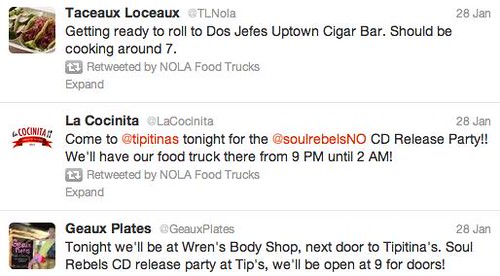
 Many homes, mine included, were left without power stretching into Labor Day weekend. While this is not the first time many locals had been without power for an extended period of time, it never gets easier to be without air conditioning in 95-degree temperatures and 90 percent humidity. We needed reprieve from the heat in the form of a hot meal, a cold beverage and a little bit of entertainment. Again, social media comes to the rescue. From Hurricane Isaac, new trending hashtags came to life!
  One of the most impressive factors of the social media phenomenon was how involved the community became. Normal residents worked together to highlight open businesses. Including hashtags and sharing amongst friends, they continued to spread the word and fuel the conversation throughout New Orleans. Local businesses have historically gained a lot of traction via direct outreach on Facebook and Twitter, and this situation was a perfect example: customers checking their Facebook feed or liked pages were able to quickly and conveniently get the information they were looking for directly from the horse’s mouth, and reward establishments who stayed visible and in touch with their business.
 It’s January 1st, 1999.


 As the self-declared first “Social Games,” the
  In addition to the three social media platforms mentioned above, fans can also watch “Gold Medal Moments” and behind the scene interviews with coaches and Olympic athletes on the
 According to
  Over the years, I’ve seen many companies going into damage control for missteps that they took in pushing their message. To learn from the mistakes of others, I’ve compiled a few of the most memorable marketing fails. These companies tried to do something unique or different to increase their brand awareness or create social interaction — but sometimes, things do not go as plan. Below is a list of the top marketing backfires that some of the biggest corporations have faced, offending or even repelling their customers.

