Tag: small business

  • Link Building: How to Develop a Winning Link Profile

    The Basics of Link Building

    Backlinks are a significant factor in a website’s search visibility. When a site links back to your website, it signals to search engines that it’s authoritative enough to be an information resource for other websites. That’s why it’s so important to any SEO strategy.

    However, SEO’s and businesses alike walk a thin line when it comes to generating backlinks for their sites. Each backlink has a different value depending on that source site’s own authority and trustworthiness. The goal is to develop a diverse but high-value link profile of authoritative links from a variety of source types. This process is called link building.

    I like that your backlink profile's so natural image

    Link building can be categorized into two different types of work: manual link building, where a link is submitted to directories or included in profiles, and editorial link earning, where a site links to your website organically because they want to share or refer to your content.

    Manual Link Building

    It may seem like this is not the preferred method for link building. However, don’t forget that we want a diverse link profile. The character of your link profile reflects the character of your business to search engines.

    It’s natural to place your website and information on sites that potential customers may use to find a business like yours (i.e. directories) or in your social profiles. This is the same as adding your business’s information to a phone book or business card that you share with people.

    When doing manual link building, just remember that you want the sources of your links to make sense and reflect the authority and relevance you’d like your website to have. Ideally, these links come from sources like your social profiles, local directories like Google Maps or Yelp, and niche directories that apply to your industry (Healthgrades.com for doctors, for example).

    Editorial Link Earning (aka Link Attraction)

    It’s a little more difficult to build out the other side of your link building strategy—editorial link earning. You can’t control these links like those that you manually build. However, link earning is a great opportunity to show the internet just how great you are at what you do and can result in some of the most valuable links out there. It should also already fit into your overall branding strategy.

    So, what are editorial backlinks? These are links that people have shared on their own websites or social media back to your website. For example, if someone read a blog post that you wrote for your business and thought the content was so engaging and noteworthy, they shared it on Facebook or wrote their own blog referring to yours, you’ve just received an editorial backlink.

    Social interaction vector image

    This type of link building starts with creating great content and ends with sharing and strategically placing that content for the most relevant and influential users to see and engage with it.

    That’s it, the basic composition of any good link building strategy. Link building definitely takes some thinking but it is immensely valuable to your overall SEO. Directory and social profile links are important in building brand awareness, and creating and sharing great content is highly integral to exhibiting your business’s overall value and capabilities both on- and offline.

    To find out why link building is important for dentists, click here.

    Image 1 Credit
  • Don’t Feed the Trolls: A Crash Course in Dealing With Twitter Trolls

    Beware of Twitter Trolls

    Beware of Trolls

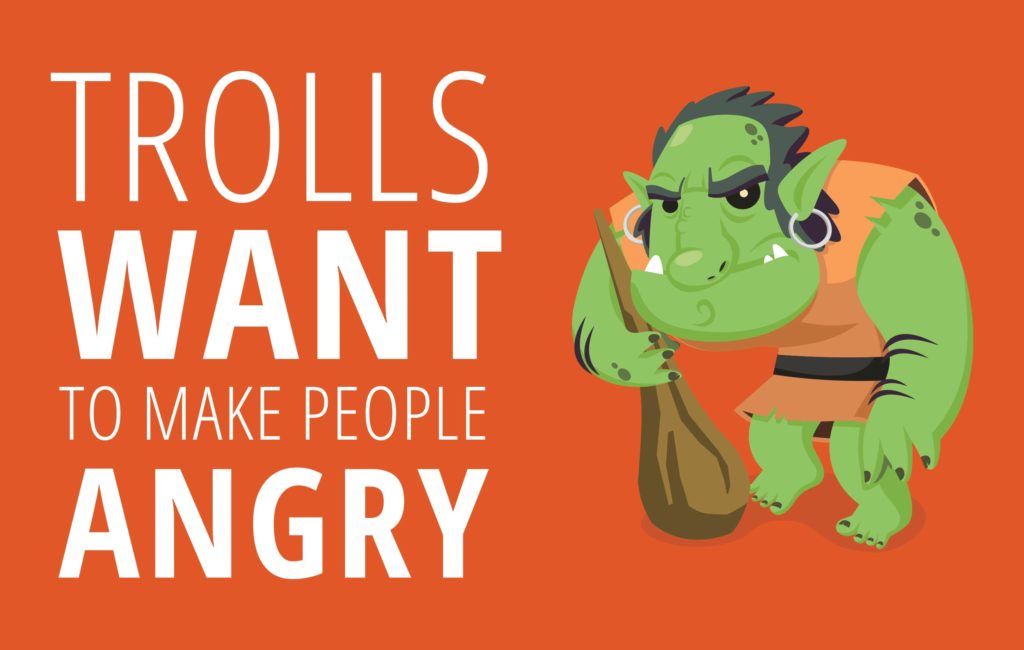
    Bridges, the mountains of Skyrim, and Twitter. What do these places all have in common? You have a chance of running across a troll that can ruin more than just your day. Bridge trolls aren’t much of an issue since human society has pushed them into barren lands where we’ll never see them again. If you happen to visit Skyrim, you’re sure to have learned how to cast at least one fire spell that can dispatch a troll with haste. If you’re on Twitter, you must adapt to conquer these trolls. They’re smart, resourceful, crude, arrogant, and once they lock in on a target, they won’t stop until it’s gone. It takes one to know one, so I will take it upon myself, a self-admitted troll, to help you identify and eradicate trolls that are attacking you.

    Don't Feed the Trolls: A Crash Course in Dealing With Twitter Trolls Image 2

    What’s a Twitter Troll?

    A Twitter Troll, or an Internet Troll in general, is someone who uses the magic of the internet to sew seeds of hatred wherever and whenever they can. No one really knows how it starts, but once it does, it can be very difficult to stop. Unfortunately, Twitter is infamous for being very lax when it comes to individuals spewing hatred, so oftentimes, you will be left alone and cold to deal with them.

    How to Combat a Twitter Troll

    In my opinion, Twitter doesn’t offer up enough support to deal with toxic entities that troll your business online. Luckily, they don’t have to. Trolls are very predictable, which means dealing with them can be a cinch if you know what you’re doing. Here are some guidelines to follow when engaging in combat:

    1: DON’T FEED THE TROLLS!

    I swear on everything I hold dear, feeding the trolls will tarnish your image and make you appear just as immature as they are. This, of course, will end negatively for you and your business. Feeding trolls refers to responding to them in a negative fashion. This only fuels their ego and will make them continue to troll you. It may be tempting to be rash since they will likely come at you in a very aggressive, abrasive, crude, and rude manner, but I assure you that will only lead to them setting up shop in your mentions for the Twittersphere to see.

    2: Develop an Action Plan

    As I mentioned earlier, trolls are very predictable in their attacks. Though they are difficult to deal with, the predictability of their actions and responses makes a premade action plan with some flexibility your best friend. Having some example responses for your social media manager to use is a good way to defeat trolls before they have a chance to really get rolling.

    3: Limit the Number of Responses

    A hard limit on the number of responses given to trolls is a necessity. A constant back and forth will only fuel their strength and eventually drive you away from the realm of logic and reason. Continuing to engage in their toxic conversation will only succeed in eroding your own mental constitution to the point where your responses look as trivial and childish as the troll’s responses.

    4: Don’t Give Them a Platform

    In May of this year, a three-year-old boy fell into the gorilla enclosure of the Cincinnati Zoo. He was confronted by a 17-year-old lowland gorilla named Harambe. Zookeepers were forced to kill the gorilla in an attempt to prevent him from injuring the boy. People were upset; Twitter was furious. Of course, heavy-hearted memes were shared, but eventually the pro-Harambe side devolved into an expletive-laced hashtag that was used in response to almost every tweet they sent out. All memes eventually die, but during an interview with the Associate Press, the Cincinnati Zoo director stated that, “We are not amused by the memes, petitions, and signs about Harambe.” This reignited the trolls with such a fierce intensity that they were forced to temporarily shut down their Twitter account. It takes more finesse than just saying, “stop” to truly shut down a troll.

    5: Don’t Ignore Them

    Possibly worse than telling a troll to “stop” is to not say anything at all. This will more than likely make them extremely volatile and cause them to find a new home inside of your mentions. Also, ignoring a troll allows them to spam you however they seem fit and provides no deterrent since they aren’t being addressed. Confronting them in a professional manner shows them that you don’t tolerate those actions and helps to deter other trolls from setting their sights on your business.

    6: Know the Difference Between a Troll and a Customer

    Sometimes, a troll isn’t a troll at all. The anonymity of the internet is known for adding otherwise absent machismo to some people. Knowing that tracking them down can sometimes prove an unfruitful waste of time can make people act quite recklessly. Your business needs to be able to determine the difference between a legitimate troll and an angry customer. This takes time, but one telltale sign is if the alleged troll is attacking your product versus attacking you. If they have an issue with your product and not with you, offer a direct message (DM) exchange to try to make things right in a more private manner. Being able to admit a mistake shows a level of authority and passion for your business and can keep customers that may otherwise leave.

    7: Speaking of Mistakes…

    Admit when you’re wrong. If you own a small local pizza restaurant, people obviously prefer to give you their money over a giant corporation like Domino’s, and don’t mind more than likely paying a premium price for your product. If you deliver an incorrect order, mess up a pizza en route, arrive later than promised, there’s no need to even try to argue. If you’re wrong, admit it, ask for their information via DM, and make an attempt to correct the mistake. The difference here is that your apology is public due to the nature of the complaint.

    Don't Feed the Trolls: A Crash Course in Dealing With Twitter Trolls Image 1

    8: Utilize Available Tools

    Twitter is admittedly terrible when it comes to dealing with trolls, but in light of recent events, they have gotten better. In addition to the standard block and mentions settings list, you can customize your settings further to ensure that users aren’t able to mention under certain circumstances. The quality filter will use a newly formed algorithm to help “ignore” low quality tweets and some toxic tweets as well. Tailoring your discovery and mention settings can create an environment that can stave off trolls to a large extent.

    Twitter Is a Scary Place

    The Twittersphere is not the easiest place to navigate and can be made even more difficult when trolls descend upon you. Top that off with actually running your business instead of being on Social Media all the time and your plate will end up fuller than mine when I go to the buffet. Here at Search Influence, we offer a full suite of social media services so that you can rest a bit easier and focus on running your business instead of running from trolls.

    Image 1 Credit | Image 2 Credit

  • Top 5 Most Read Search Influence Blogs of August

    It’s back to school time, and you know what that means—time to catch up on your reading! Here are the top five most read Search Influence blog posts of August. Study up!

    1: What Happened to Facebook’s 20% Text Grid Tool?

    Ranking in the top five for yet another month, this updated blog post gives the ins and outs of Facebook’s latest text grid update. Peruse this popular post to learn what this update means for your advertising.

    2: Search Influence Jobs: What Does an Account Associate Do?

    Get a sneak peak into daily life at Search Influence! This upbeat post talks about three great aspects of working as an Account Associate: personal growth, great team members, and helping businesses.

    3: Local SEO: How to Clean up Citations for Better SERP Visibility

    Local_Search_Ecosystem_USIf the image above makes zero sense, then you should probably read this post. Learn all about how consistent citations can increase your website’s visibility to search engines.

    4: 5 Ways Technology Has Changed the Olympic Games

    There’s no better remedy for Olympic withdrawal. Instead of mourning the sudden lack of Michael Phelps and Simone Biles in your life, learn about technology’s impact on the Olympics.

    5: Two New Hires Join Search Influence

    Welcome Kayla and Mildred! Get to know the two newest members of the Search Influence team, complete with fun facts about cars, Google Android, and Wolverine 3.

    Image 1 Credit

  • Still Not on Twitter? Here are 10 Reasons You Should Be.


    24045211476_2f3cd414ea_z

    Still not sure about Twitter, eh? Maybe because it’s because conversation occurs way too rapidly on Twitter for you to keep up, or maybe it’s because you still don’t know the difference between a tweet and a hashtag. Regardless of what your reason is, it is time to rethink your business’s presence on this opportune social platform. Today, Twitter has transformed into a vital component of any integrated social media marketing strategy and you don’t want to miss out.

    Here are 10 reasons why your Facebook needs a Twitter account.

    44797790

    1: It’s Free

    There is no better bang for your buck than using free social platforms. With over 1.4 billion users, Twitter offers your business a tremendous opportunity to post live updates that can be found by any of its over 1.4 billion registered users. Can you imagine how much it would cost your business to pay for a tool like Twitter? For a business operating on a smaller marketing budget, utilizing a free yet valuable opportunity like Twitter is worth the investment.

    2: Go Where the People Are

    When it comes to online marketing (or any form of marketing), you need to invest your time in platforms where your marketing messages are being seen and heard. After all, if your marketing messages are not being seen and heard, then what’s the point? According to DMR, there are 100 million active Twitter users on a daily basis with 34% of these users logging into their account multiple times a day. If you’re trying to get the word out about a business update, sale, or promotion, it would be unwise to utilize a platform solely because of the platform’s expansive reach.

    3: Build Relationships

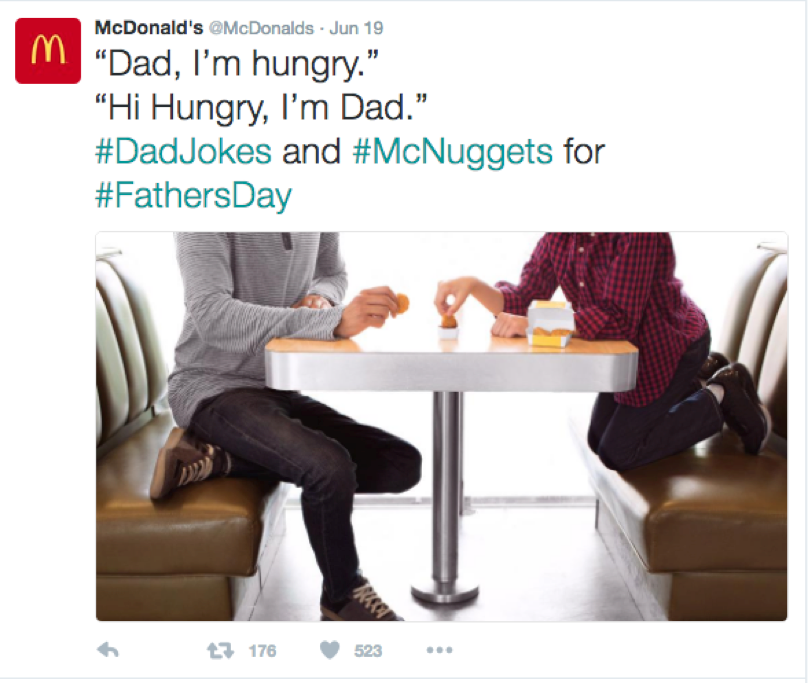
    Twitter has more active forms of communication than any other social media platform. The platform is meant to be conversational in a way that Facebook isn’t. On Twitter, you follow profiles instead of friends or making connections like on Facebook or LinkedIn, which makes profiles on Twitter more available to the public. This provides your business the opportunity to strengthen relationships with existing customers and reach out to potential customers (We’ll get to potential customers next!). Pro Tip: When building relationships on Twitter, be genuine. Ask your followers questions. Share some humor. Retweet any posts that your followers send to you. Taco Bell and McDonald’s are two excellent examples of leveraging Twitter to build relationships.

    43416622

    4: The Gift That Keeps on Giving

    Twitter allows users to retweet. If you post shareable and valuable Twitter information, your followers can engage with your post not only by liking and replying to it, but also by retweeting (aka sharing) it on his or her own profile. Retweeting will make the tweet visible on the Twitter feed of other followers. When consumers retweet, it expands the reach of your brand to potential customers. You can think of retweeting as an opportunity for your brand to gain exposure from potential customers via peer consumers. In this line of thinking, it can be seen as an authentic way for users to endorse your business.

    5: User Generated Content

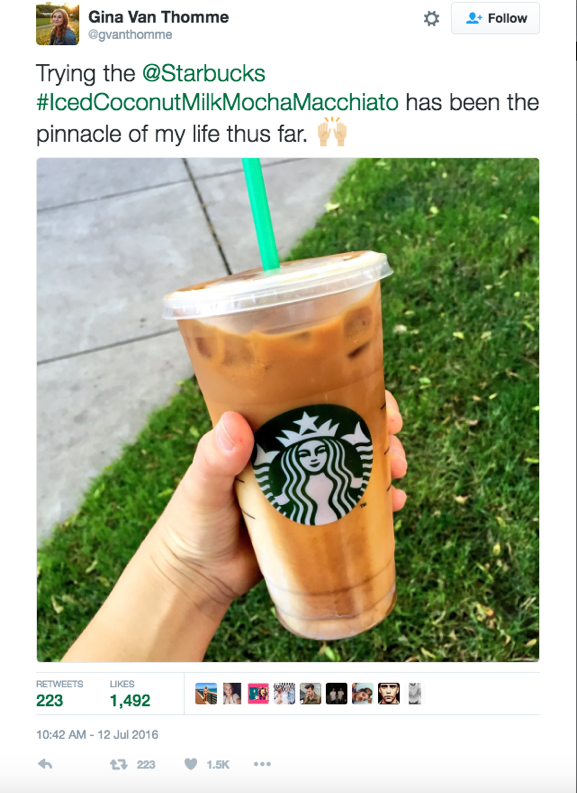
    There’s no better way to express how great your business is than to let customers do this for you. Just as followers can retweet your tweets, as a business on Twitter you have the opportunity to retweet user generated content pertaining to your brand. User generated content on Twitter promotes your brand in a way that content curation cannot. It’s also a way of showing your consumers that you appreciate the positive content and that you value them. Starbucks does a great job retweeting user generated content.

    57356898

    6: Hash Tagging Helps Your SEO

    A hashtag is a simple feature that allows Twitter to organize and categorize posts based on a topic or theme. When you click on a hashtag, you will be taken to every post that also has the same hashtag. Google has also started incorporating hashtags in search results. In other words, hashtagging a search term on Google will not only provide you with organic search results but Google now also provides you with the results from Twitter and Instagram. Learn more hashtag tips here.

    7: Online Reputation Management

    People will talk about your business whether you’re active on social media or not. Having a Twitter account for your business provides another avenue to put the ball in your court. Through Twitter, you can reply to disgruntled consumers. In addition, Twitter is also a great tool for public relations. In fact, businesses with an aggressive public relations strategy should use Twitter. Because of the nature of the live feeds, Twitter allows your business to be the first to share important news before a consumer, news agency, and the like.

    8: Industry Related Conversations

    It’s important for your business to stay attuned to industry conversations because businesses must evolve with the changes in its industry and market. Through hash tags, Twitter can connect your business to meaningful industry-related conversations. Twitter chats are a public Twitter conversation that focuses on a specific topic via the use of a common hashtag. Furthermore, not only can you gain insight on industry happenings, but you can also spy on what people have to say about your competition.

    9: Make Your Business Stand Out

    If you’re a business on Twitter, I can’t emphasize enough how important it is to create a custom hashtag for your business. Using a custom hashtag allows your business to become a trendsetter and extends the reach of your creative branding. It also facilitates a greater engagement with your Twitter followers. Additionally, using a custom hashtag can signal to your Twitter followers that the post containing the custom hashtag is extra special.

    77983706


    10: If You Don’t, Somebody Else Will

    Last but not least, if you’re not engaging your audience on Twitter, your competitors will be more than happy to do it for you. Consumers today have plenty of options in purchasing power. Marketing has stepped out of just a one-stop shop and has transformed into maintaining customer relationships before, during, and after a purchase. If your business is currently opting out of a Twitter profile, you are providing your competitors with the opportunity to engage your audience and potentially tap into your current consumer base.

    When you finally decide to set up your business’s twitter profile, check out these five businesses that are using Twitter the right way. And while you’re at it, don’t forget to follow @SearchInfluence on Twitter for valuable tips and tricks for enhancing your business’s online presence! Happy tweeting!

  • How to Leverage Pokémon Go to Drive New Sales for Your Business

    From the first time I booted up Pokémon Blue in my Gameboy Pocket way back in ‘98, I dreamed of being the very best—like no one ever was. Fast-forward to July 7th, 2016, and we all actually live in a Pokémon World. Once Pokémon Go was released, it quickly smashed the previous records of most downloads in a week, fastest app to ten million downloads, and in less than a month after its release, it has topped over twenty million downloads. This is great news for Nintendo. Prior to the release of Pokémon Go, their market share was showing a strong downward trend. The Wii U console was not keeping pace with the powerful technology of the PS4 and Xbox One, they had to liquidate most of their majority share of the Seattle Mariners due to new management, and they had not released a new handheld system (or even talked about a new one) since November 2014.

    How Does This Affect Me?

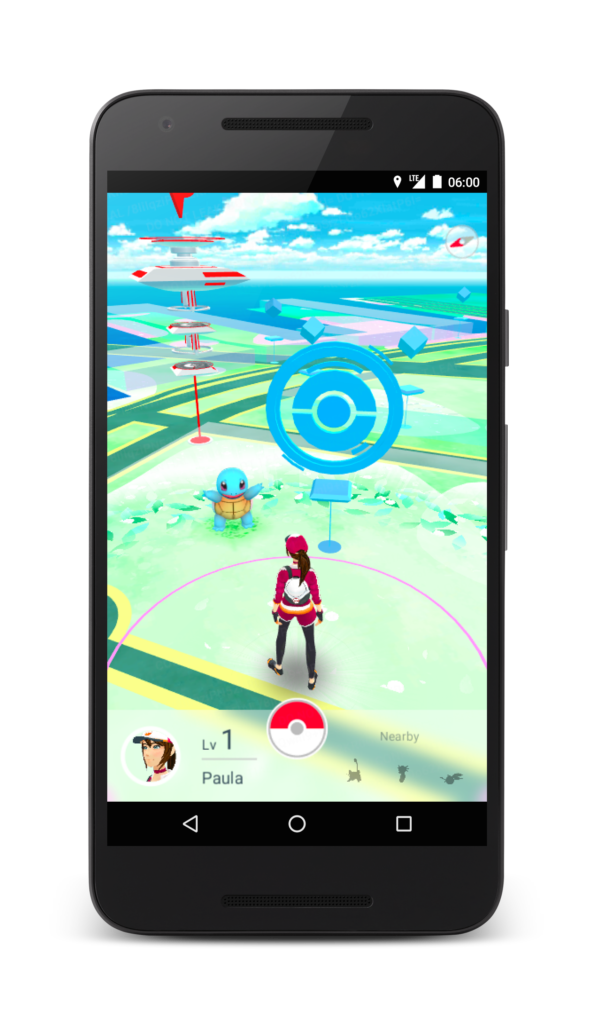
    After a little more background, I’ll make this relevant to the business world, I swear. In addition to the 151 unique Pokémon that people are running around trying to catch, there are two very important structures that have been placed in this game — Gyms and Pokestops.

    Pokemon GO Image 1

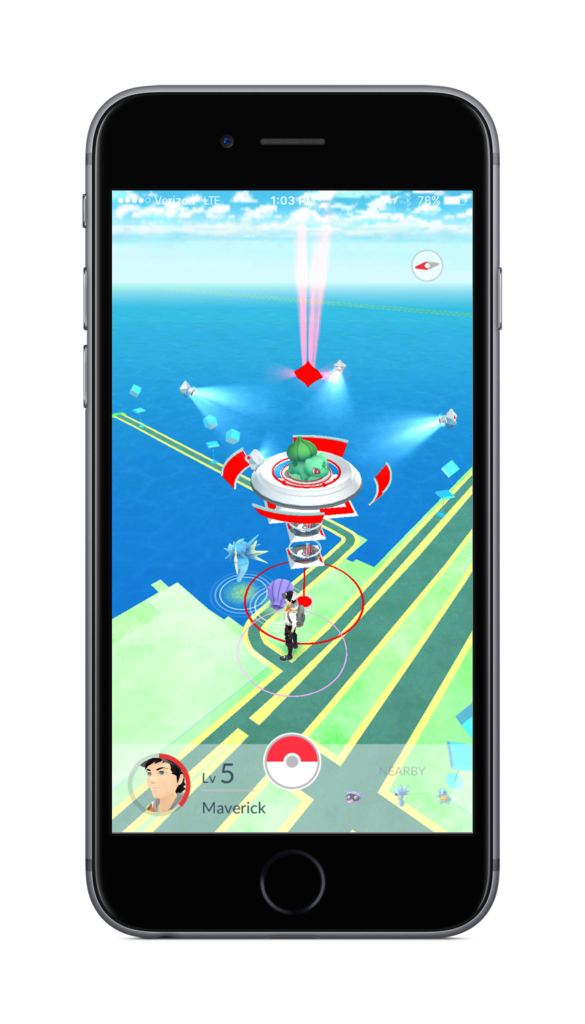
    The image above is a Pokémon Gym. Once a player reaches Level 5 in the game, they join the blue Team Mystic, the yellow Team Instinct, or the red Team Valor, represented by the “legendary” birds Articuno, Zapdos, and Moltres, respectively. These three teams constantly battle their Pokémon for control of these locations and can train with their teammates to help their gym gain more prestige, which allows more teammates to add their Pokémon to it.

    Pokemon GO Image 2

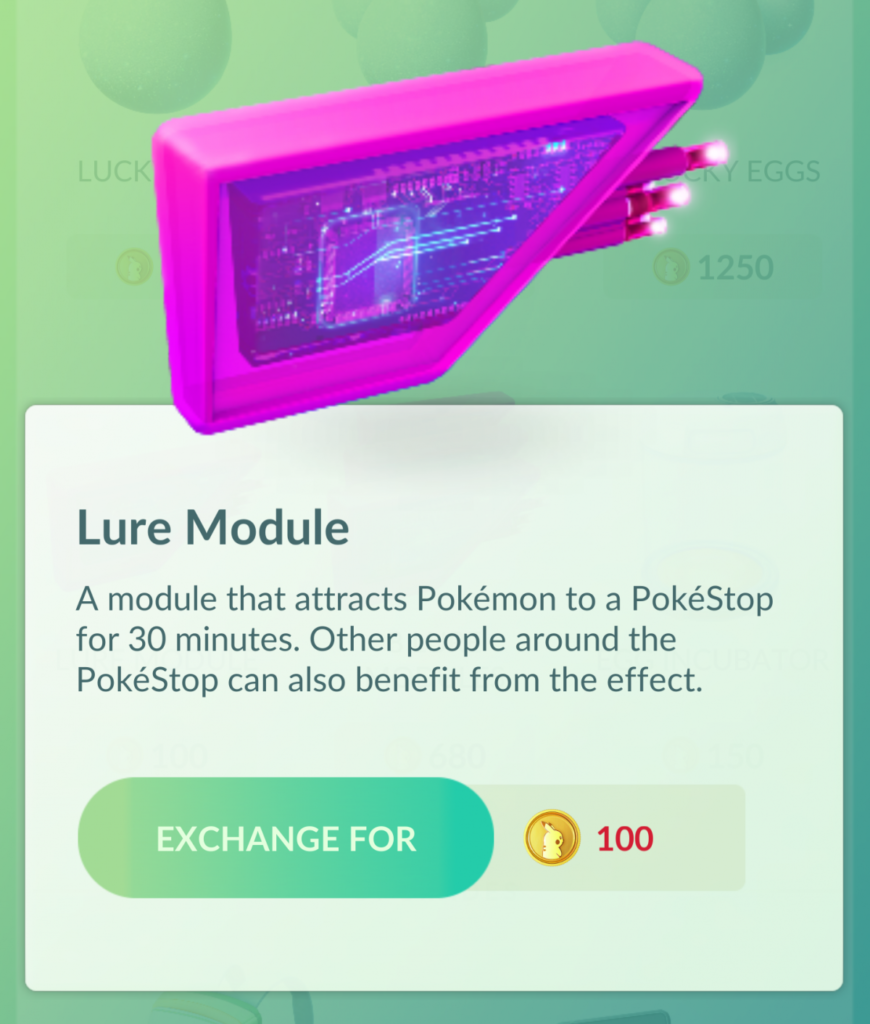
    This image is a Pokestop. These locations were selected as landmarks to add the travel aspect of the game. By tapping on a Pokestop, a detail screen pops up which has the name of the location; a photo of the location; and in some cases, a brief description of the location. Swiping the image causes it to spin, which makes it drop a few items and gives the player 50 experience points towards leveling up their avatar. Pokestops can only be activated every five minutes so, under normal circumstances, it is beneficial to collect your items and continue moving on towards the next Pokestop. However, even the most seasoned Pokémon Trainer needs a break every now and then. Unfortunately, to be the very best, training can’t stop. Niantic, the developer of Pokémon Go, thought of this and included an item called a Lure Module in this game.

    Pokemon GO Image 3

    When a Lure Module is set at a Pokestop, Pokémon are attracted to its location and appear without having to walk around constantly. With enough trainers present, it is even rumored that rare Pokémon show up to the Pokestop. Lure Modules are very seldom given to players as they level up but they are also available for 100 Pokecoins, which is equivalent to $0.99. They only last for 30 minutes, so players are constantly purchasing them and placing them at their favorite Pokestops.

    Okay, So How Does This Actually Affect Me?

    Yes, there is actually a point to all of this, but it requires a little bit of creativity. Businesses that normally serve as gathering places for large groups of people make ideal candidates for utilizing Pokémon Go to bolster their business. First, you need to see if there is a Pokestop near your business. If a player can stay at your business with the Pokestop active, you’re golden. At the base level, it costs a Trainer a dollar per half hour to keep a Lure Module active on a Pokestop. Once the Lure Module is set, other trainers will be attracted just as much as the Pokémon. The Lure Module owner is the particular subject that you want to collaborate with.

    Offering the owner of the Lure Module a small discount is one way to attract business. The chance of getting more business increases as long as you continue to have Lure Modules active. If your business is a coffee shop, maybe consider offering a pastry with a coffee if a customer shows you that they set up a Lure Module. If your business is a bar, maybe consider offering the Lure Module owner a $1 discount on a well drink or domestic beer if they decide to set a Lure Module. The potential is limitless. Some larger locations, such as zoos and parks, can have multiple stops. A zoo, for example, could advertise all of their Pokestops and offer a discount for Pokémon Go players.

    Pokemon GO GIF

    Pokémon Gyms may seem harder to work around than Pokestops, but once you consider that every player has already pledged feverish allegiance to their team, a Pokémon Gym all of a sudden becomes the best thing that could’ve happened to your business. In this case, there’s really nothing that you actually have to do. People will eventually migrate towards your business to try to maintain control. It would be worth mentioning that your establishment is a Pokémon Gym on your social media profiles to help spread the news. Maintaining team neutrality would be a good idea; no one really goes into a New Orleans Saints bar and proclaims the Atlanta Falcons are the best team in the league.

    That’s a Lot to Poke-think About

    Though this may seem very straightforward, any sort of campaign, especially those that involve online presence, is oftentimes left up to the pros. Here at Search Influence, we offer a full suite of online presence options, one of them being Social Media Optimization, which would allow you to relax and let us create your PokeAds for you.

    Image 1 Credit | Image 2 Credit | Image 3 Credit | GIF 1 Credit

  • Top 5 Search Influence Blogs from July 2016

    If you are like many of us at Search Influence, you took a few days off last month to enjoy the summertime. Now that August is here, you may have a few minutes to catch up on your reading. Here are our top five most read blogs from July.

    Top 5 Search Influence Blogs from July 2016 Image 1

    1: Search Influence Reviews: Here Are 5 of the Best Bars We Visit After a Long Day at Work

    Our team members enjoy grabbing a nice cold one after a long day at work! Check out our top five list of local bars—each with a wide selection of beers and delicious bar food in venues only New Orleans can provide.

    2: What Happened to Facebook’s 20% Text Grid Tool?

    Facebook officially rolled out this new update to the 20% text rule in June. Read about it and how it affects Facebook ads in this updated blog.

    3: Learn How to Create a Snapchat On-Demand Geofilter to Boost Your Next Event

    Snapchat launched the ability for users to create On-Demand Geofilters for birthday parties, weddings, business events, or just for fun! Learn how easy it is to submit the filter along with some key metrics to gauge your filter’s success.

    4: 12 Things You May Not Know About Online Marketing

    New to online marketing? Here are 12 things that surprised some of our team members when they started working at Search Influence.

    5: 10 SEO Blogs You Should Be Following

    Every day, we see traditional marketing grow more obsolete. Learn about 10 of the most informative and essential SEO blogs you should be following.

  • Local SEO: How to Clean up Citations for Better SERP Visibility

    seo-google

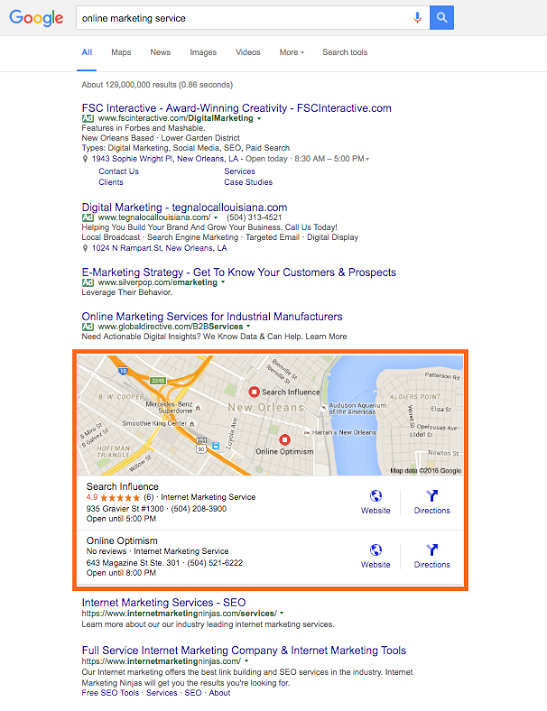
    Google, Bing, and other major search engines are constantly changing and developing their search engine results pages (SERPs). Major components of these pages include organic, paid, and local results. With the ever-increasing use of mobile, these local results are growing in importance in overall SEO strategy.

    SERP Screenshot

    So how does one account for local SEO, you may ask?

    This is where citation cleanup comes into play.

    Citations are the presence of a business’s name, address, and phone number (NAP) on any website. As search engines crawl websites and find instances of a business’s NAP, they look for consistency in that information, so the more accurate and consistent your citations are across the internet, the better your business will rank in a local search (i.e. in Google and Bing maps as well as in the maps packs on SERPs).

    Ensuring this consistency is called citation cleanup. From my experience, there are four major steps to effective citation cleanup:

    1. Ensure your address is USPS verified.
    2. Update your NAP on your website.
    3. Audit and build your citation on the major data feeds and directories.
    4. Find your remaining existing citations and make sure they are all consistent.

    Let’s break this down and go into a little more detail.

    Ensure Your Address Is USPS Verified

    This is an important place to start because, as you’ll find later on, many of the directories you end up submitting to or cleaning up have standard formatting that in most cases aligns with USPS’s own standards. So, if your format doesn’t match it will be harder and less likely to achieve consistency.

    Update the NAP on Your Website

    After the USPS verifies your address, make sure it’s reflected on your website. Include your whole NAP as a structured citation. Your website is the baseline for your NAP; this is what Google and other crawlers will compare other citations to, so it must be correct and formatted here.

    **For a little extra oomph, consider marking up your citation on your website with structured data like Schema. This will help crawlers understand it better as your NAP.

    Audit and Build Citations on Major Data Feeds and Directories

    Local_Search_Ecosystem_US

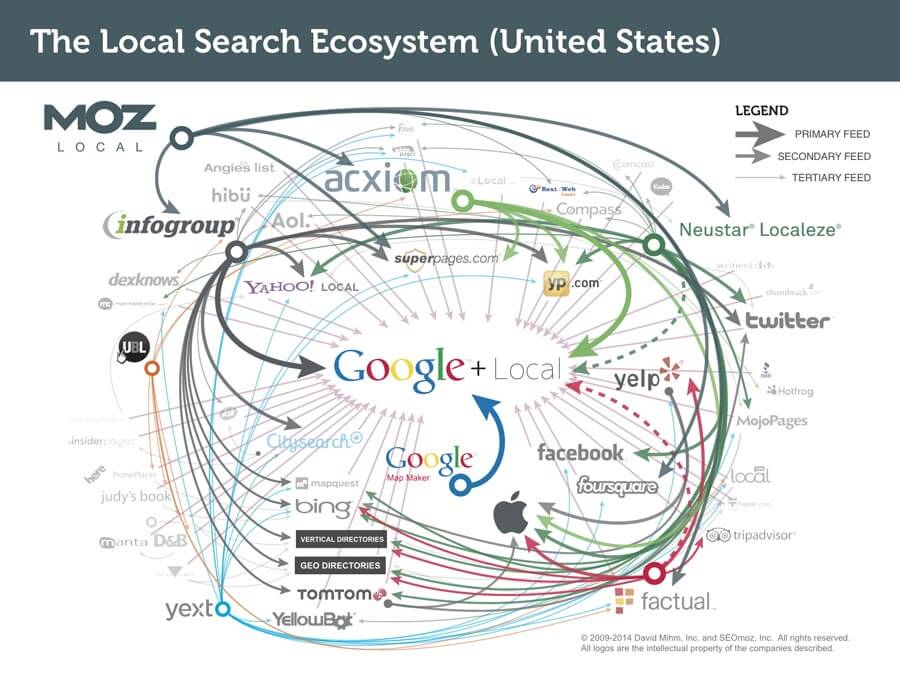
    The reason I put this before doing actual cleanup of existing citations is because citation dissemination is a hierarchical process within a large ecosystem of directories. There are a few feeds that push to other smaller directories where your citation may already exist, so updating these and the major directories first will make cleanup later on a little easier.

    There are four major feeds to check first: Infogroup, Acxiom, Localeze, and Factual. These feeds trickle down to other directories and local search engines, including Yahoo! Local, Apple Maps, SuperPages, etc. This is also where that USPS-verified address comes into play, especially. Part of the reason these four directories are so authoritative is because they have such strict guidelines on address verification.

    Along with those feeds, you also want to update the major local directories. Since many of these are directly on those search engines’ sites, this is absolutely essential to local rankings. These major directories include: Google Maps, Bing Maps, Yelp, YP, Foursquare, etc. You may also consider auditing your social media accounts to make sure your NAP is correct there as well.

    Find Remaining Existing Citations and Make Sure They Are All Consistent

    Once you’ve built your major citations, you’re ready to do some additional cleanup, if necessary. It’s useful for all businesses to be aware of their citations across the internet, but some businesses may need additional cleanup more than others.

    If you’re a business who’s recently changed their name, address, phone number, or website, you should definitely consider more extensive search and cleanup. The same goes for those who are still seeing problems with their local rankings. You may be missing a citation or set of citations that’s affecting your rankings.

    There are a number of ways to do this. You can use Google just to search for instances of your citation manually, or you can use a service to do a more in-depth search for your citation and its variations across the internet.

    Either way, you’ll find that your citation can be updated on some sites more easily than others. You may need to submit forms to have it updated, contact website administrators, or go through other channels to get it done.

    If you’re business is at this point, you may find it more cost-effective to hire an agency or service to do this kind of cleanup.

    However, once you’ve successfully cleaned up your citations, you’ll rest easier knowing that your business information is correct across the internet.

    Citation cleanup is an important factor in local and overall SEO. By ensuring NAP consistency, you’re gaining valuable traffic from local search engines! To learn more about why NAP consistency is important with your SEO, you can watch this short video.

    Image 1 Credit

  • How Can Facebook’s New Profile Layout Affect Your Business?

    1608-SI-TheInfluencer-KL-A-03Large

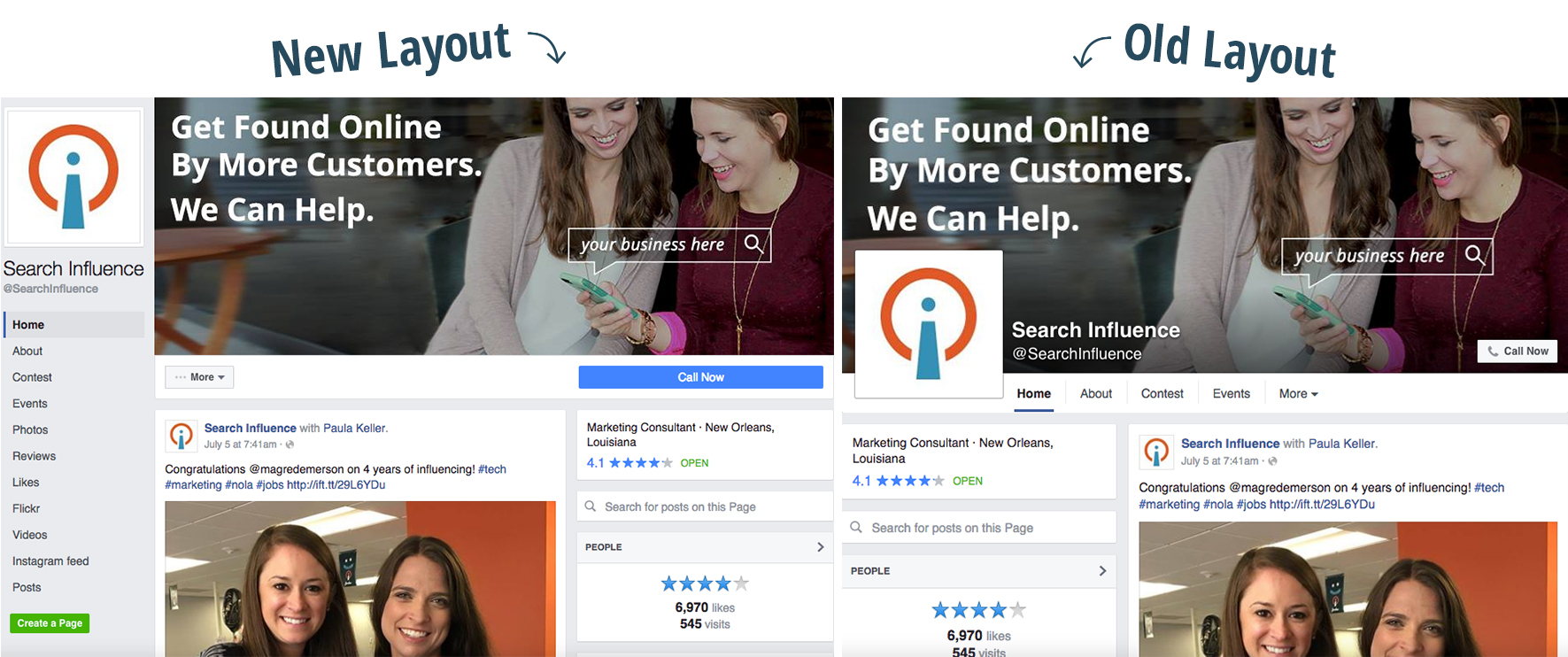
    Facebook recently rolled out a new layout for business pages and the marketing implications could be more than initially meet the eye.

    Profile Picture Positioning

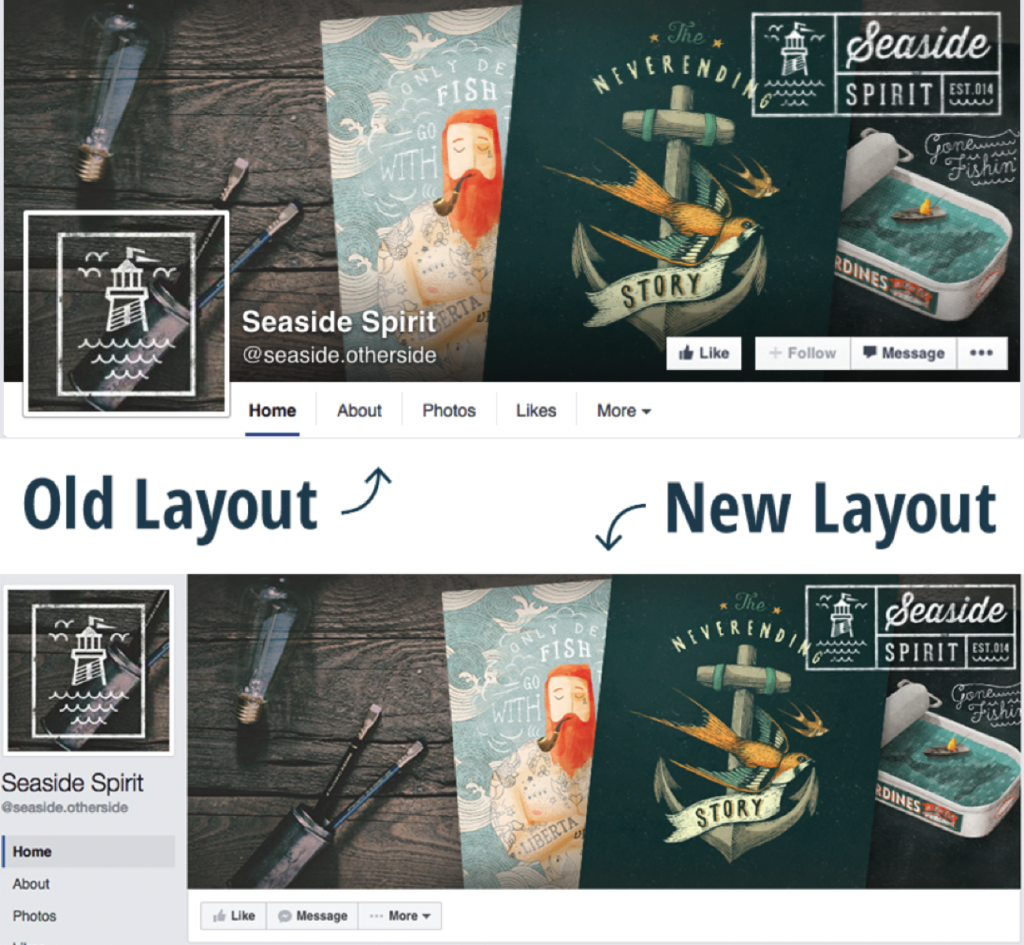
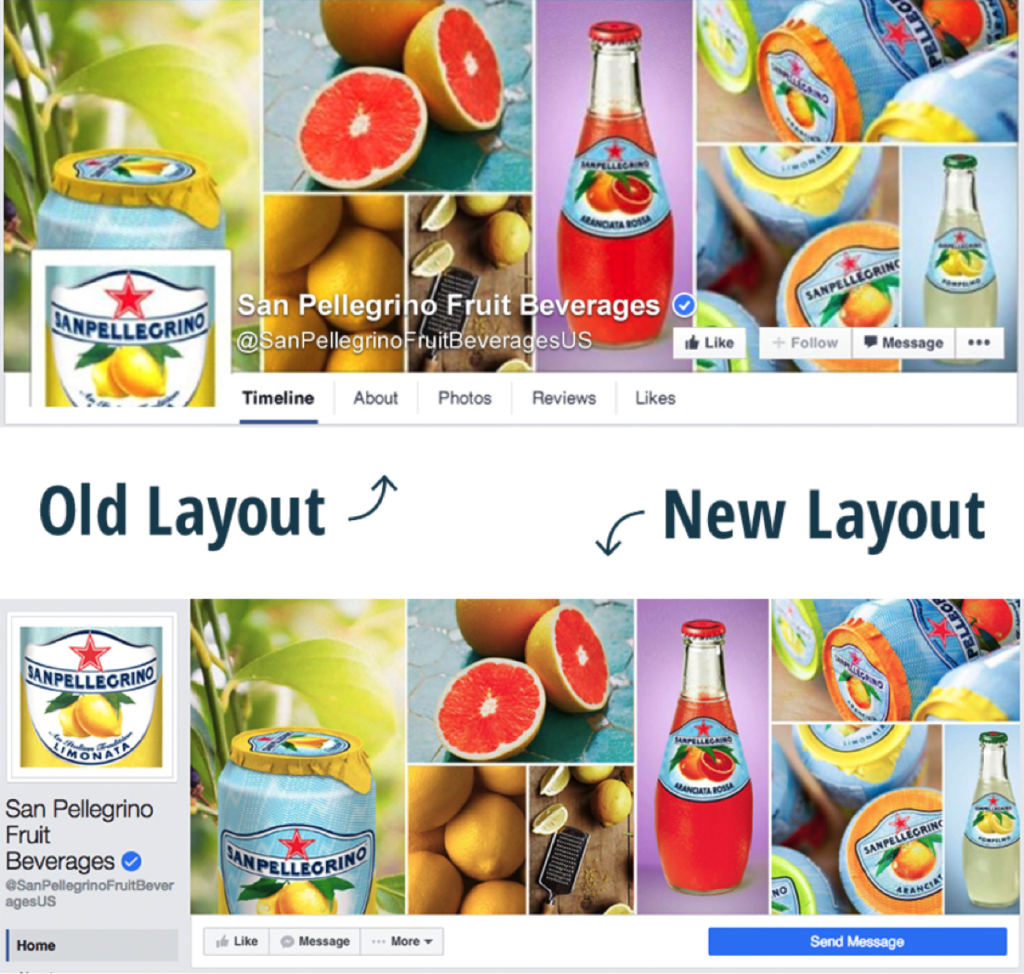
    We’ve all seen clever interactive cover photos with the overlapping square profile image on the standard desktop site. A drink from the cover photo is poured into a glass in the profile picture. A man in the profile picture passes a ball to a woman in the cover photo. A giant cat in the cover photo peers down on a tiny human in the profile picture. The square profile image also acts as quick and effective brand recognition when seen standalone in a newsfeed as well as when viewed on the mobile version of Facebook. But with the profile picture now located in the sidebar to the left of the cover photo, the playful effect of the overlapping images is null and void.

    Example 1:

    Facebook Profile 1

    Example 2:

    Facebook Profile 2

    How Does the Relocation Affect Your Business?

    Although businesses won’t be able to get creative with the overlapping interactive profile images, the relocation of the square profile picture actually frees up a lot of valuable visual real estate on the cover photo that was once covered up by the image, company name, and CTA buttons. Even if you didn’t have interactive profile images on your business page, there’s a lot of space—over 20% of the area of the cover photo to be exact—that was considered off limits for content and is now fair game. Even on the new mobile version of business profiles, the cover photo isn’t covered up by the profile picture or text.

    Additional Sidebar Elements

    Beneath the profile picture, you’ll also see tabs that were once accessible under the cover photo on desktop sites. In the old layout, only a few tabs were visible, with the additional tabs located in the dropdown “More” option. With the new sidebar, however, all of the tabs are now visible. The buttons that were located on the cover photo itself are also positioned right below it, with the main CTA button located on a more eye-catching blue background. This left-aligned navigation also stays in place while the user scrolls down the page.

  • Talk Nerdy to Me: One Influencer Explains Why She Embraces Her Inner Geek

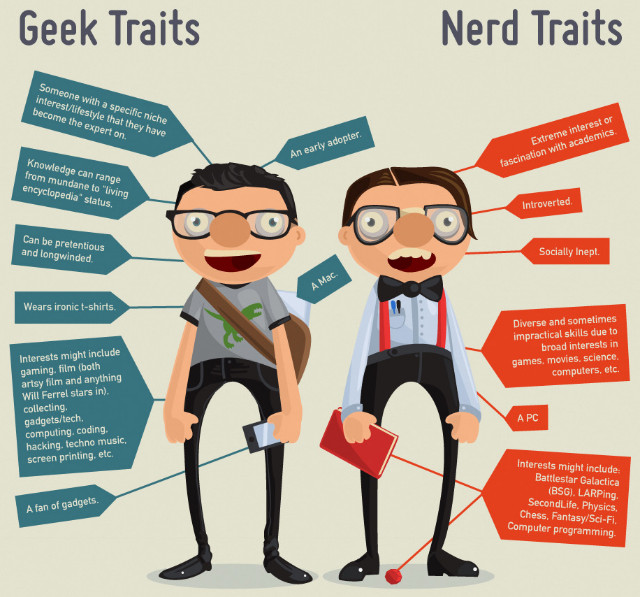
    Today is National Embrace Your Geekness Day, and I’m here to tell you what that means and why I’m personally proud to be a geek.

    So let’s start with the very common question, “Is being a geek the same as being a nerd?” I personally identify as both a geek and a nerd (and am proud of it), but many people prefer to differentiate between the two.

    What Is the Difference: Geeks vs. Nerds

    The terms geek and nerd may sometimes seem synonymous, but they have very different roots in history.

    The term nerd was coined from Dr. Seuss in 1954 in a line that read “A nerkle, a nerd, and a seersucker too!” – So really nerkle and seersucker are synonymous with nerd.

    While used as a derogatory term originally, the word “geek” gained popularity in the circus. Circus performers that performed amazing feats were called Geeks.

    Geeks are often gamers, comic book enthusiasts, or musicians who are really interested in a specific niche hobby that they become an expert on. I’m someone with a weekly pull list at the local comic book store and I love to cosplay at anime conventions, so that’s how I fit that mold. Geeks also tend to be the “living encyclopedia” types who can cite random facts about miscellaneous obscure things like how hemp milk is made or what the dietary habit differences are between hawks and falcons.

    On the other hand, nerds often have an interest in academics. They’re the science and math enthusiasts who usually end up with jobs like computer programming, science research, or engineering.

    Why I’m Proud to Be a Geek

    I’m proud to be a geek. To me, it means that I’m capable of excelling at anything I put my mind to. I have hobbies that range from standards like painting, piano, and photography to less typical ones like glass blowing, fire baton twirling, and comic book collecting. If there’s something I’m interested in, I make it a point to become an expert on that topic. That’s also what makes me pretty good at what I do.

    When I studied online marketing in college, I fell in love and made it a point to become an expert in local SEO. In my time here at Search Influence, I’ve even made it a point to track the changes Google makes in its guidelines for business. Understanding the local search ecosystem and how various mapping systems work together to provide users with information is something I find very interesting and love learning more about.

    So whether you consider yourself a nerd or a geek, know that there are a lot of nerds and geeks out in the world and that it’s something to be proud of. Let your geek flag fly!

    Image 1 Source  | Image 2 Source

  • Should Small Businesses Pick Online or Traditional Marketing?

    Budget graphs

    At some point every year, all marketers must ask themselves one very important question. Whether you’re with a small business, agency, or massive corporation, this question plays an integral role in how you shape that year’s marketing strategy:

    Where Should My Budget Go?

    It’s inevitable, and you need to decide how best to use the money you have to bring in the most valuable customers.

    Now there’s no one answer to this question; it depends wholly on your overall business goals, target audience, internal capacity, and so much more. But I’m not here to tell you how to spend your money.

    Online vs. Traditional Marketing

    You’re not going to figure out every line item before first figuring out the higher level allocations. Here’s where I can offer some insight. The biggest follow-up question when considering marketing budgets these days is how to allocate between online and traditional marketing outlets.

    This is a common point of contention, but here’s what Big Data has to say:

    Online marketing and ad budgets are projected to surpass TV by 2019, taking the lead in highest allocation over radio, print, and cinema, as well.

    Online will soon account for about 35% of marketing budgets, more than each other facet. I know, you’re probably saying, “but I thought online marketing was supposed to be cheaper than traditional.” For the most part, that’s true, and online marketing is shown to reach the same number of consumers at a much lower cost.

    However, marketers and businesses alike are also still exploring and tapping into the myriad ways in which they can use the internet and technology to reach more consumers and increase their conversions. In conjunction, online businesses, marketing services, search engines, and tech companies are mining all the opportunities they can find to meet and expand upon that demand.

    Search (SEO and PPC) and display advertising will take the largest shares of online marketing budgets through 2016.

    Search graphic

    There are differing opinions on which actually comes out on top, but sources seem to agree that these two remain the major contenders for your online marketing budget, primarily because of their ROI measurability and continuing advances in demographic targeting.

    Do note that many marketers report they are still increasing their budget spending on email and social, so let’s not forget about these guys. Falling under the growing umbrella of content marketing, many marketers forecast the steady and growing demand for these outlets as they move focus toward consumer interaction and engagement.

    Finally, there’s mobile. What is there to say about mobile except that it’s become such an integral part of all types of marketing? Regardless of where it falls in your hierarchy of expenditures, mobile implementation is a major consideration, representing 66% of the overall online marketing budget growth through 2019.

    Only newspaper advertising is projected to decline by 2019, in traditional marketing outlets.

    Newspaper gif

    Although they aren’t growing at the same rate, traditional marketing outlets still serve as a complement to expanding online endeavors. Digital TV, radio, and magazines still fall under traditional categories. Online advertising outlets are budget-wise and projected to grow at greater rates than their offline counterparts. However, the point here is that traditional marketing still plays an important role in brand recognition and now, more than ever, in driving users to convert online.

    Ok, this is just a snapshot of the information available (special thanks to Big Data and the industry shift toward data-driven solutions). So, what does this mean with regard to the questions above?

    These projections offer more than just numbers. Remember, marketing is a growing and complex industry. You have so many opportunities and so many choices to make for each campaign. Make sure you’re not missing out on any on- or offline.

    By using online marketing teams to help your efforts, you can focus on what your business does best while still gaining traction and engaging with your consumers online.

    Gif Source