Tag: mobile sites

  • The Verdict Is In: How to Make Your Law Firm Mobile-Friendly

    The Internet is not contained to just desktop computers anymore. With the massive proliferation of mobile devices, including smartphones, tablets, and phablets, users have the Internet wherever they go, and that means there are a lot of mobile search inquiries. In fact, according to Google, more people search using mobile devices than with desktop computers worldwide.

    2283584007_f199332890_z

    Importance for Law Firms

    What this means is that your law firm must be optimized for mobile searches in order to be found, especially by younger generations. Think about it: when a smartphone user needs timely legal advice to handle a situation such as a car accident, they will immediately use it to search for a reputable law firm. And the closer your law firm is to the top of the mobile search rankings, the more likely your firm is to receive that phone call.

    Whether on desktop or mobile, more and more people are using the Internet to find a lawyer. Citing a survey conducted by Moses & Rooth Attorneys at Law and Mike Blumenthal, Will Scott notes that 15.5 percent of those searching for legal assistance use the Internet. He also points out that those between the ages of 18 and 24 have a stronger inclination to search for legal representation using the Internet.

    13677439224_d5d7dc7387_b (1)

    Become Mobile-friendly

    But how can your tell if your law firm is optimized for mobile searches? Google Analytics will provide you with the tools you need to know if your website is up to its standards. Some things to pay attention to when optimizing your site for mobile is your site speed, internal links, how many images are used, the word count, and strong social signals. These elements all affect your search rankings, communicating to Google whether or not your website is mobile-friendly.

    In addition to having a site that is easy to find on Google, you’ll also want to implement strategies to convert mobile website hits into clients. Adding a click-to-call button to your website will allow users to easily call your office so they can arrange a meeting for a consultation. A simple inquiry form is also important to implement on your website so mobile users can fill in the fields with pertinent information about their case without having to wait to find a desktop to do so.

    It is also important to understand what your potential clients will be putting into the search box. Besides specific and location-targeted keywords, Blue Nile research has discovered that 27 percent of search engine users form their searches as questions. That means when a potential client searches for a law firm, over 1 in 4 people will search for phrases such as “where can I find a medical malpractice lawyer?” or “how can I fight a ____ charge?” A detailed and informative FAQ page will help lead these searches to your law firm. Not only does the FAQ page help for search engine optimization purposes, but it also benefits the user experience. A potential client will see the detailed information that answers their question and gain confidence that the site of your law firm has the solution to their legal matters. And with the aforementioned click-to-call button, the initial consultation meeting will be set up with effortlessly.

    As the world transitions further and further into the digital realm, it is important for your law firm to understand how to stand out from the other law firms online. Search Influence is here to make sure your website is optimized for mobile searches to convert hits to consultations.

    Image Credits:

    Law Books

    Mobile Phone Search

  • Running With The Pack: Competing in Local Search Just Got Harder

    Running With The Pack: Competing in Local Search Just Got Harder

    Overnight on Aug. 6, Google updated search results for mobile and desktop searches from local seven-pack to a three-pack. This is not just in the United States; it seems to be worldwide and rolled out at one time. It’s really early to start dissecting this change, but I’m not seeing much good about it.

    What Does This Mean for Organic Search?

    For organic search, it means it’s even harder for searchers to find you. It looks as if these changes from Google are driving consumers to a business’ My Business page and perhaps encouraging more ad spending.

    Organic—Looking a Little Closer

    On Mobile

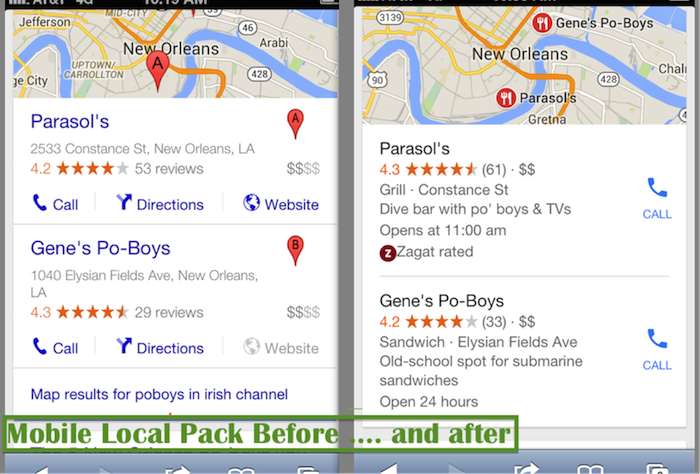
    Before Google rolled out this change, when a search on mobile gave local pack results, the user could immediately click on what they needed directly on the search results page, including:

    • Click-to-call
    • Click to get some directions
    • Click on the website

    Now, the mobile local pack only provides a click-to-call button:
    Mobile Local Pack Click Call Image

    If the searcher wants to visit the website for more info, they have another click in order to navigate to the My Business page:
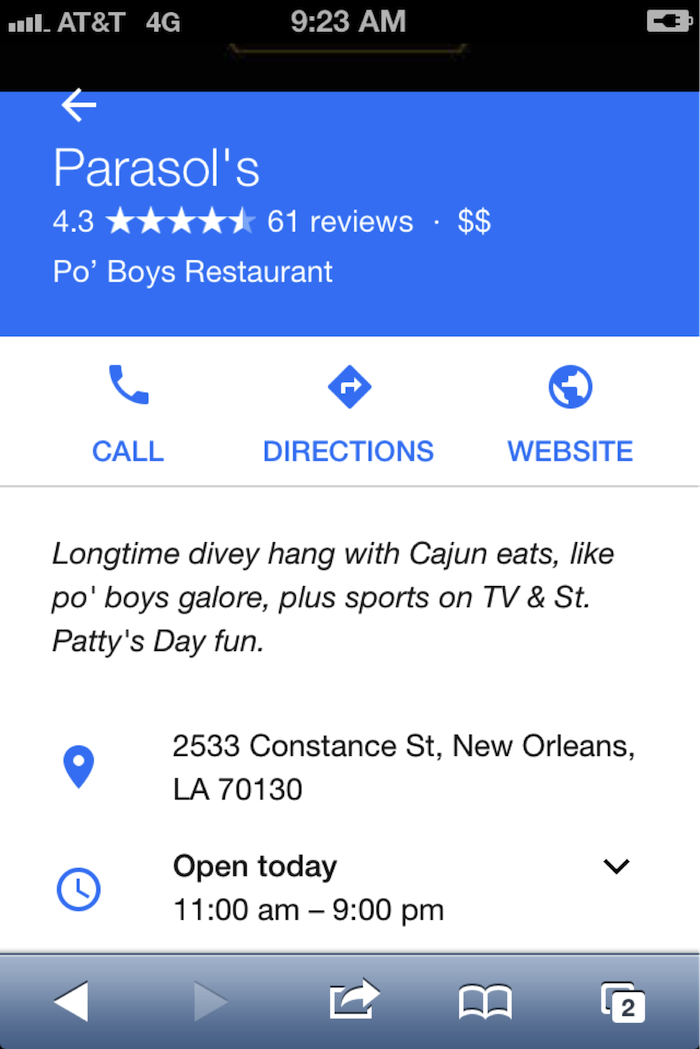
    Navigate Google My Business Page Image

    On Desktop

    With the new update, I get the three-pack with no immediate click opportunities:
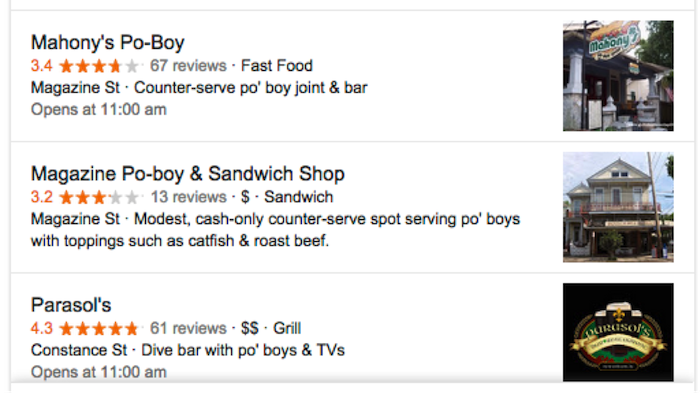
    DesktopThree Pack Google Image - Search Influence

    Update:

    Ryan Schulze, Senior Account Associate, commented, on this published post with an interesting correction. (It takes a village.)  He shows how some searches on desktop are giving the website link in the 3-Pack.  It suggests different search categories have different clicking opportunities.  I would guess this is based on percentage of search performed on mobile vs desktop.
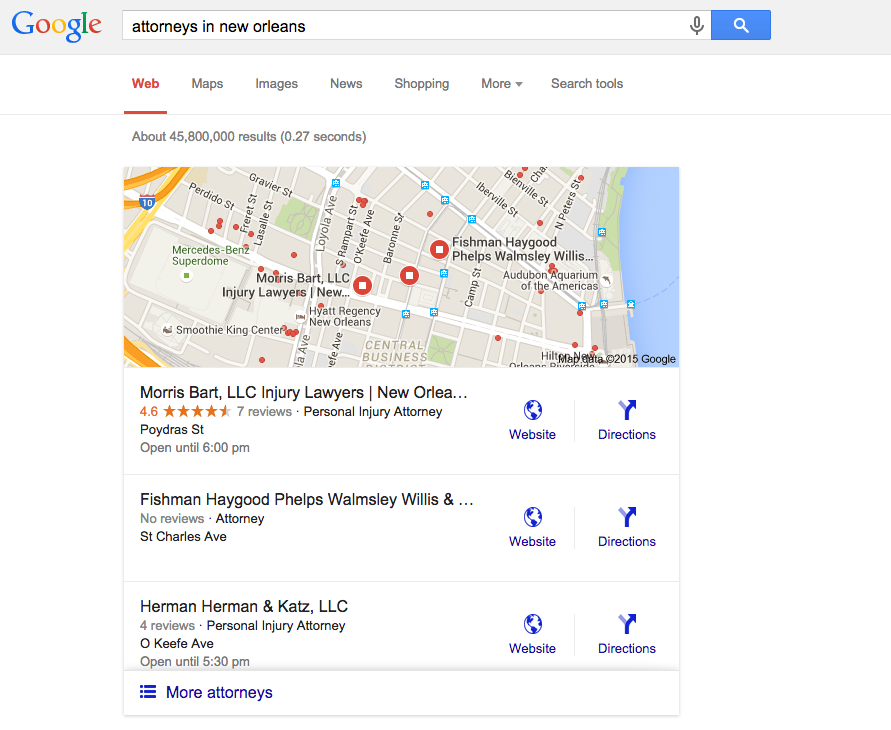
    attorneys in new orleans 3 pack desktop

    Back to the story …

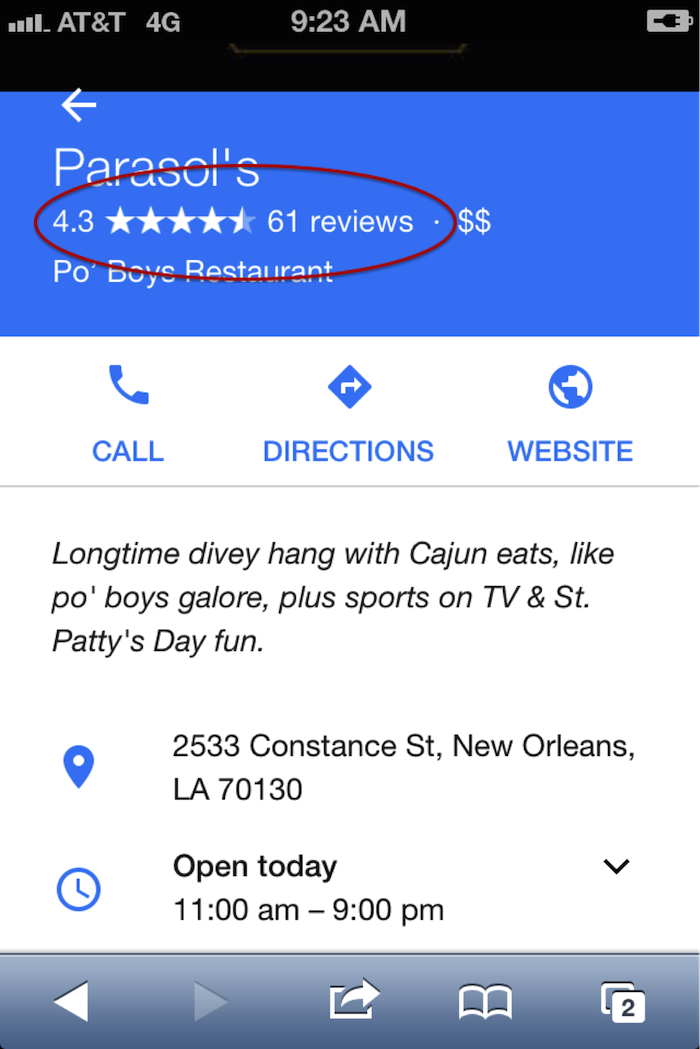
    I click on Parasol’s, thinking I will get its website or the Google My Business listing. Instead, it drives me to the local finder with ALL of the competitors right there!

    • This is not great if you’re in the three-pack because you must fight the competitors again for the searcher’s attention.
    • If you’re not in the three-pack, this levels the playing field. You have a chance to woo the searcher away from their initial choice.
    • If you are a searcher, it’s annoying because you have already indicated your preference with your first click, and Google forces you into an extra click to call the business. In addition, you are forced into viewing more choices after you made your decision.

    Desktop searches are losing ground to mobile, but desktop isn’t dead, and it still dominates search in some industries—usually those that skew to an older population.

    This does show us that it is still incredibly important to claim and optimize a Google My Business listing. Those Google My Business listings can get your business into the desktop local finder list, which is a long list of competition, so images and reviews are still important efforts to woo the searcher over to your business:
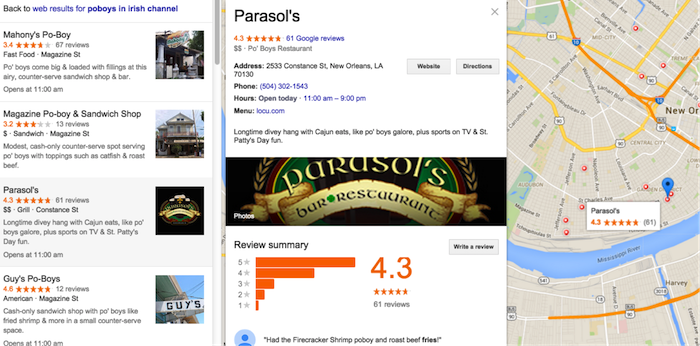
    Local Business Maps Pack Image - Search Influence

    Reviews on branded search results on desktop and mobile:
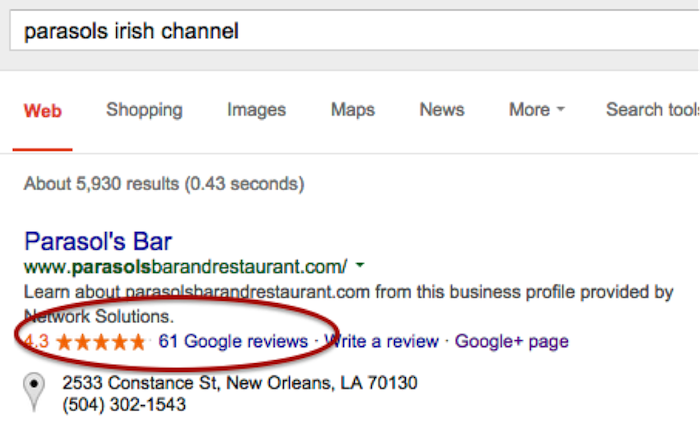
    Online Reviews Branded Search Image - Search Influence

    Online Business Reviews Mobile Image - Search Influence

    (FYI: if you’re ever in New Orleans in March, Parasol’s is a great place to be.)

    Early Data on Organic Visits

    I was chatting with Megan Lindsey, senior account manager at Search Influence, about the effect of this change for one client in particular. Lindsey sums it up nicely: “I imagine now since a searcher has to click on the business name and then once more on the ‘website’ button that people aren’t as inclined to keep clicking. I would think that most clients, even if they were in the top three maps results, are losing organic traffic because of it, but especially the ones who aren’t there anymore.”

    The early Google Analytics data supports Lindsey’s hypothesis. I found no great winners: Several clients’ Google organic was static, and several were worrisome. These clients are local businesses that are historically very strong in their markets. Over the weekend dates, there were 20 percent to 35 percent losses in organic website traffic, which seems to have rebounded Monday to Wednesday, so it appears things are still settling down.

    CLIENT A

    google / organic

    Aug. 7, 2015 – Aug. 10, 2015: 179 visits

    July 30, 2015 – Aug. 3, 2015: 285 visits

    % Change -37.19%

    Aug. 7, 2015 – Aug. 12, 2015: 319 visits

    July 31, 2015 – Aug. 5, 2015: 364 visits

    % Change -12.36%


    CLIENT B

    google / organic

    Aug. 7, 2015 – Aug. 10, 2015: 161 visits

    July 30, 2015 – Aug. 3, 2015: 210 visits

    % Change -23.33%

    Aug. 7, 2015 – Aug. 12, 2015: 161 visits

    July 31, 2015 – Aug. 5, 2015: 210 visits

    % Change -6.76%


    CLIENT C

    google / organic

    Aug. 7, 2015 – Aug. 10, 2015: 36 visits

    July 30, 2015 – Aug. 3, 2015: 54 visits

    % Change -33.33%

    Aug. 7, 2015 – Aug. 12, 2015: 58 visits

    July 31, 2015 – Aug. 5, 2015: 67 visits

    % Change -13.43%


    Have Calls Increased?

    The clients above usually do really well in the local pack and in organic website traffic, so let’s see what happened to their call volume. If you are a lucky business falling in the three-pack, consumers might be calling your business more now than visiting your website.

    When you log into the Google My Business page and go to Insights, this is the data you get:
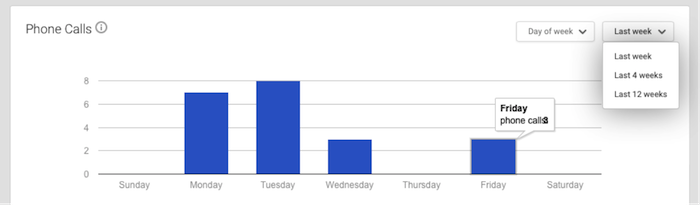
    Phone Call Data 1 Image - Search Influence

    It’s severely limited and not really insightful. The date ranges are not customizable. There is no data after Aug. 8. I have to wait until next week to get any data on effects of call volume from the three-pack rollout, and I can’t compare to the previous week. I will have to do some elementary math that surely Google could program to ensure a better user experience.

    The data is summarized to the point of being so generalized it is virtually useless. This is 12 weeks of call data. I know Google can do better.
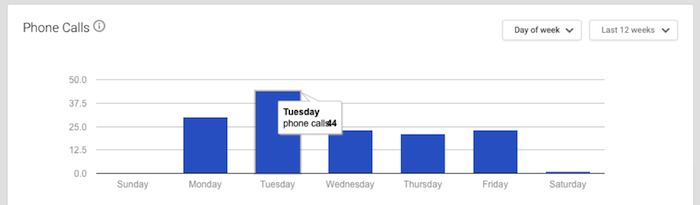
    Phone Call Data 2 Image - Search Influence

    It warns that call volume is “approximate and only significant values may be shown.”

    Also, the call numbers could be calls from three different sources: Google Maps, search and maps for mobile. This is so frustrating for business owners. I would want to know EVERY call I received! And I would want to know where I received the calls! Google has the data, and it just isn’t sharing with business owners.

    And Paid Search?

    On the first day of the this rollout, local search expert Mike Blumenthal made these early comments: “I am not sure what will happen on clicks for AdWords, but those businesses that were lower in the old display may feel compelled to double down on their AdWords activity.”

    I asked Jeanne Lobman, senior online advertising manager at Search Influence, to check it out and give us some input. “Those businesses that were previously only ranking in spots four to seven in the local pack (and nowhere organically) are now going to need to spend money on AdWords ads in order to be seen in the search engine results pages. Additionally, since Google has removed the website URL and the phone number from the local pack info, it could be beneficial to run AdWords in order to make sure searchers can easily find your phone number and call you (on desktop). This would be accomplished by using call extensions with your campaigns, which adds your phone number to your ad (as seen in the below example).

    Plastic Surgery Google Ad Phone Image - Search Influence

    On mobile, the local pack results do include the call button, but there’s no link to the website. When you click the local result on mobile, you are taken to the G+ page, which then has a link to the website. To avoid having that extra step, running an AdWords campaign on mobile ensures you can land people directly on your website with one click.”

    Lobman pulled some AdWords reports to see what impact this change may have had on click-through rate. She says it’s really too early to tell any effects, but the data so far suggests there seems to be an increase in clicks and impressions but little to no change in click-through rate, conversions and conversion rate.

    So Now What?

    We need to give it a little more time to settle in before we make any dramatic changes. When we looked at six days of organic visitor data versus four days of data, we see big improvements, so watching the data to make smart moves is the action item.

    Walk through the process that visitors might use to find your website online, and try to improve what you can control, such as adding phone numbers in your desktop AdWords ads or continuing to encourage reviews from your customers.

    Your engagement online is a reflection of how you engage with your customers in real life. Providing for the searcher with easy linking from ads, Google My Business images, reviews and informative website content is a long-term plan, and it’s a good one to win trust and authority.




  • How Apps Will Change the Future of Online Marketing

    Online Marketing Apps Image - Search Influence

    We use apps for everything. From staying in touch with loved ones to shopping for wedding dresses, apps are quickly taking over the mobile online world. But as businesses prep their sites for mobile in the wake of Mobilegeddon, many are overlooking the potentially lucrative opportunities available with apps. In fact, these handy little features may just shape the way we market to online users in the future. Here are a few ways apps will impact our online behavior, and digital marketing as a result.

    The Way We Search

    As technology develops, the act of pulling up a Web browser and typing in a search query is becoming more and more cumbersome. Add the fact that screens are getting smaller (especially with the introduction of wearable devices), and traditional search methods may soon be gone forever. To adapt to this change in the way we find information, many users will turn to apps for instant access to what they need. A quote on an HVAC system? There will be an app for that. Late night delivery options in their neighborhood. There’s an app for that, too. Small businesses are also utilizing apps to work more productively and efficiently.

    The Way We Buy

    Companies are already seeing a dramatic change in the way customers are making their purchases. There’s a significant shift towards mobile shopping, with even more customers choosing branded apps to make their final decision. For retailers, this is simply an unmissable opportunity. As customers become more and more accustomed to mobile shopping, they’ll be more likely to choose retailers who offer a functional, attractive app.

    The Way We Stand Out

    It’s no secret that a company’s online presence strongly impacts a customer’s or client’s decision to work with them. The time spent in mobile apps has increased 21 percent since last year, and it’s only climbing higher. Customers will be looking for companies with apps, and not having one may sorely hurt your business. Think of it this way: when a customer searches for a business and finds that they don’t even have a website, they’ll be less likely to trust that company. The same may ring true for those without apps, as this technology continues to grow and more customers search the app store. Making the investment now may save you lost customers in the future.

    Apps are changing the way we interact with the online world, and as a result, they will change the way we reach our customers in the future. As the prevalence of this technology continues to grow, it becomes more important than ever for companies to use apps as the powerful digital marketing tools they’re meant to be.

  • Reconstruct the SEO Strategy of Your Medical Practice

    Medical SEO Image - Search Influence

    A referral by a physician used to be the most common way people chose health care specialists. However, now patients are turning to Google and other search engines for health information and to select a physician. In fact, 62 percent of smartphone owners used their phone to search for information about a health condition, according to the latest statistics from the Pew Research Center. Among those who look for online reviews to shop for doctors, roughly one-third reported choosing a physician based on good ratings, according to a national survey on the use of online physician rating sites published just last year in the Journal of the American Medical Association.

    To make the most of this trend, your practice must show up in Google search results prominently. If your practice is getting lost in a sea of search results, implement some of these medical search engine optimization tips to attract more patients.

    Create Great Content

    As demonstrated by the Pew Research Center’s facts on Internet use and health care, consumers today are hungry for health information. Your practice can benefit by providing the information consumers are looking for, but there’s a strategy to this. The days of simply putting the most common medical keyword strings all over your web pages are over. With Google’s new algorithm updates, websites that have consistent, quality content are the ones that will get the bump in the rankings.

    For a medical SEO campaign, create distinct web pages for related topics that prove your practice is  an authority on the subject. For example, an orthopedic practice that wishes to bolster its search engine rankings, should create separate web pages for a diverse range of topics such as  pediatric orthopedics and sports medicine. To offer more detail about specific treatments or procedures, these pages can then be broken down further into subtopics. On the sports medicine page, for example, include a subtopic about ACL reconstruction surgery or muscle tear prevention tips. Unsure what topics and procedures potential patients are interested in? With a personalized SEO package, Search Influence can help determine what topics your target consumers are searching for the most.

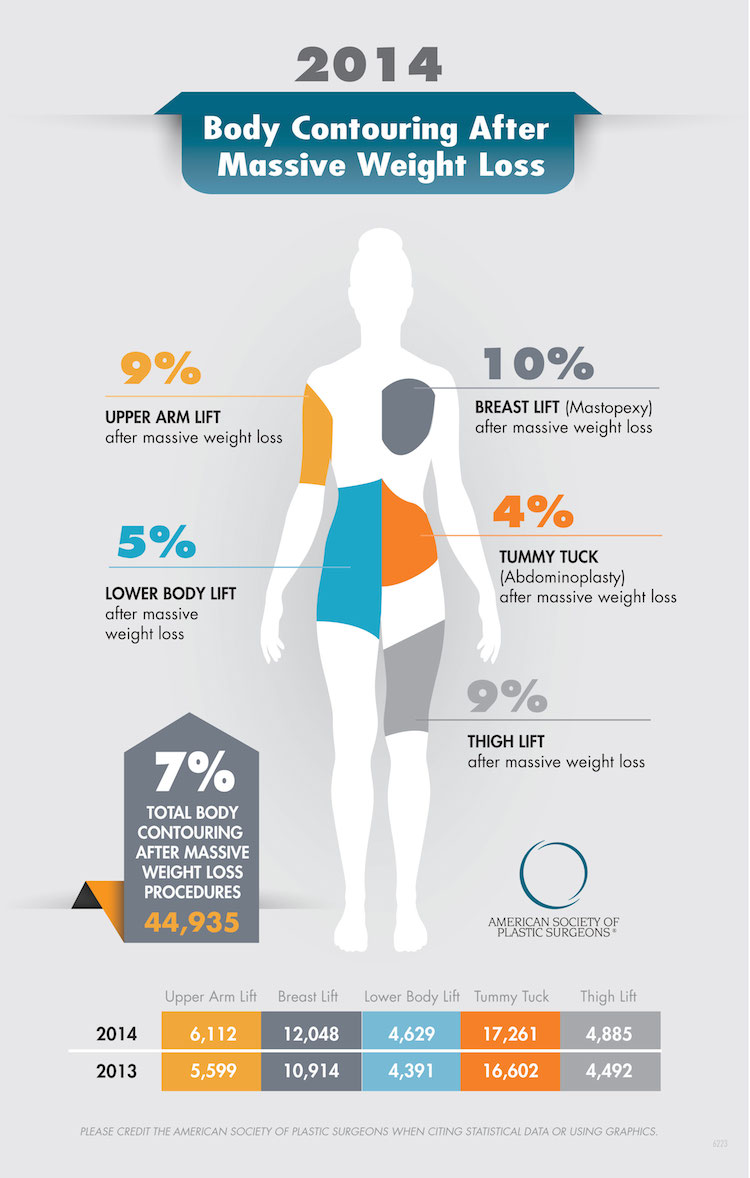
    Infographics are also great content to invest in for medical SEO because infographics can help grow website traffic. Research by AnsonAlex, a tech company focusing on tutorials, found that publishers who use infographics grow website traffic 12 percent faster than those with no infographics. In fact, the popularity of infographics has surged in recent years—increasing by 800 percent from 2010 to 2012, according to research from Web company Unbounce.

    Plastic surgery infographic image - Search Influence

    Image Optimization

    Along with infographics, you will want to include other images on your website as well. As we’ve said before, Google rewards websites that have interesting and relevant images displayed. Images keep people looking at your site longer, which gives you website more authority in the eyes of the algorithm.

    Help people find your pictures by optimizing them to include alternative text. For example,  say your practice has a diagram of what happens when a person suffers from a pulmonary embolism. If you optimize your diagram, it will likely appear when people perform a Google Image Search for pulmonary embolisms—possibly appearing as one of the first images they see. When they click on this image, they are giving a hit to your site and increasing your overall medical SEO ranking.

    Mobile Websites

    As evidenced by the whopping 62 percent of smartphone owners who use their mobile devices to look up health information, a mobile SEO strategy is  crucial. Google’s recent “Mobilegeddon,” or mobile-friendly update, was a move to further demonstrate just how important mobile websites are for SEO. It is imperative your medical practice has  a mobile-friendly design users can easily access on the go.

    But, be warned. Just because your Web developer tells you your site is mobile-friendly does not make it so. To see if your medical website passes the mobile-friendly test, use Google’s testing tool.

    Where has your medical practice seen the most success with Healthcare SEO and content marketing? Let us know in the comments.

    Image source:

    Infographic from the American Society of Plastic Surgeons


  • Web Augmentation: 9 Tips to Get Your Plastic Surgery Practice Trending

    Web Augmentation for Medical Practice Marketing Image - Search Influence

    Every second, there are almost 50,000 unique searches on Google. With that much traffic, it’s crucial to establish your plastic surgery practice as an online authority. By using social media, search engine optimization, and paid search strategies, you’ll be able to climb to the top of Google’s rankings in short order.

    Tips for Social Media

    Utilize “Audience Insight” on Facebook

    As of March 31, 2015, there are 1.44 billion monthly active users on Facebook, making it the platform with the largest audience for your advertisements. With Audience Insight, Facebook helps you sort through your targeted demographics in order to understand the kind of content that is popular among them.

    Use targeted Facebook ads

    If you use targeted Facebook ads, you can choose what kind of Facebook users will see your microdermabrasion advertisements. Not only can you sort your audience by age, location, and gender, but you can also target them according to their relationship status, whether they have children, and their personal interests. Facebook fan-building campaigns are also effective in making patients and customers into fans.

    Tag and post about local events and businesses 

    If you want to maximize your visibility, you’ll have to post outside of your practice. By sharing posts about local events and businesses, you’ll increase your presence in the community. Your potential clients will start to follow and share your content if your page is a reliable source for interesting information. 

    Tips for Search Engine Optimization

    Research Longer Keywords

    A short keyword like “chemical peels” is a competitive keyword, which means a lot of practices will be using it. Try to find a longer keyword that your audience will search for, like “chemical peel for rough skin in NJ.”

    Host Webinars

    Live Internet events boost your SEO rankings because they keep your audience on your website for a long time. Set up some demonstrative or informational webinars that prove your expertise while optimizing your search results.

    Make Your Site Mobile-Friendly

    More and more people use their phones and tablets, rather than a computer, to browse the Internet. A mobile-friendly website will ensure that the information on your website is accessible to everyone. In fact, mobile website traffic for our plastic surgery clients’ websites averaged 48.6 percent. And that doesn’t include tablet traffic; it is purely mobile.

    Another way to pump up your plastic surgery website is to use natural content on your practice’s website. Find out about how medical marketing is making the switch to natural content.

    Tips for Paid Search

    Post Lots of Information on Your Landing Page

    By having a wealth of information on your landing page about topics that are relevant to your practice—such as eyelid surgery—you ensure that your potential client gets the knowledge they desire. When this happens, they’ll stay on your page longer, and their trust in your expertise will grow.

    Invest in High-Quality Video Production

    Potential clients will seek out videos demonstrating a procedure before they schedule an appointment for one. If your practice has a high-quality video demonstration of laser hair removal, 79 percent of the potential clients who watch it will visit your website. In addition to videos, other types of content can help attract patients searching online for your practice. Find out the four ways to drive conversions in the medical industry.

    Have Your Contact Information Readily Available

    The content you make available on your website is meant to inspire more people to come to your practice. Having your contact information readily available increases the chance that potential clients will call your site, visit it, or save it for later.

    Implementing these tips will get your plastic surgery practice trending in no time!


  • Five for Friday: Survived Mobilegeddon? Check Out What Google’s Doing Next

    1. Immediate Mobilegeddon Aftershocks – Moz

    Following the much-anticipated release of Google’s mobile update, a.k.a. “Mobilegeddon,” SEO authority Moz has taken its first look at the immediate aftershocks since the rollout. MozCast Mobile tracked the performance of mobile SERPs across a 10k keyword set over 10 days, but since Google says it could take days or weeks for the update, accurate measurements remain difficult to obtain. Stay tuned, because as more page-one URLs show the “mobile-friendly” tag, better Mobilegeddon data could be right around the corner.

    2. Google+ Launches Collections – Blumenthals

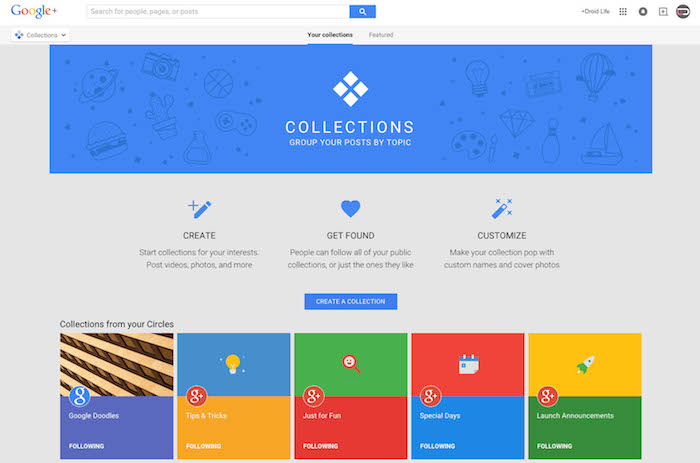
    Interested in using Google+ for your business but unsure how to organize groups of posts? Google+ has a new feature—Collections—that has the potential to help local businesses get more first-page exposure by allowing the organization of posts by topic. It remains to be seen how much of an impact Collections will have, and it very well may depend on Google’s direct marketing and exposure of this new feature.

    Google Collections Image - Search Influence


    3. Hope For Mobile Ads – Marketing Land

    As mobile traffic continues its upward climb, advertisers are finally jumping in and starting to focus on the user experience, particularly as more consumers are looking at content in-app and from social media rather than on the mobile web. Publishers are actively working to figure out how to profit from rapidly growing mobile traffic, while advertisers are grappling with creating ads that will work well on all screen sizes and moving away from trends like ads that are specifically placed to force the user to click on them.

    4. Google Gets Personal – Marketing Land

    Are you ready to optimize for personalized search results? Google is reportedly in talks with advertisers to gain access to their customers’ first-party data and incorporate it into more personalized search results based on enhanced user profiles. If you haven’t done so already, now may be the time to optimize your content by focusing on your product or service and specifically targeting searcher profiles rather than using broad keywords.

    5. Google+ Shows Signs Of Life With Its First Tweet – Marketing Land

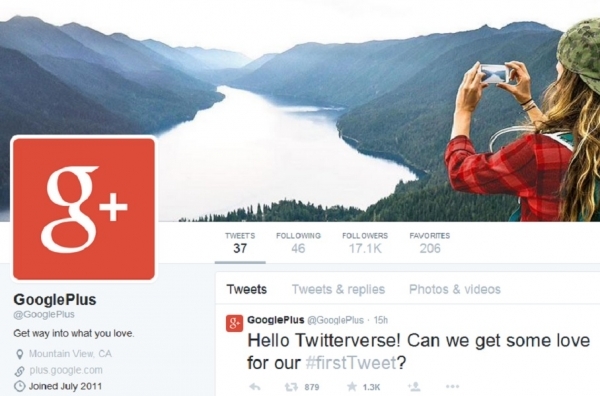
    Google+ has faced ongoing rumors as of late over its future, and for the most part, the social network has remained relatively silent, leaving onlookers to wonder if it would quietly split into its separate products: the social network experience, photos, and Hangouts. Instead, the social network recently showcased its sense of humor by surprising everyone with the network’s very first tweet, signaling that it is still alive and well. Google+ did make sure to point out its longstanding feelings on Facebook by commenting, “Still not on Facebook.”

    Google First Tweet Image - Search Influence

    Image sources:

    Google Collections


  • Five for Friday: Twitter Trends, #Mobilegeddon, the State of Moz, and More!

    1. Twitter Is Rolling Out Trends with Descriptions on the Web – Marketing Land

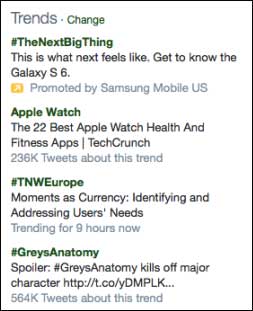
    TwitterTrendsListImageIn an effort to improve engagement with its more casual users, Twitter has made multiple changes to its platform. The most recent has just rolled out on mobile and web, offering descriptions and metrics on trending topics. Now, you can see what a trending topic means and how many other users have shared it.

    2. Moz’s 2014 Annual Report – Moz

    SEO authority Moz has just released their annual report for 2014, showing “many ups and downs.” Despite a few challenges this year, CEO Sarah Bird still proudly showcases the decrease in cost-of-revenue, increase in workplace diversity, and interesting work perks like charity donation totals and paid vacation. In this bid for transparency, we see another interesting example of tech company work culture.

    3. Mobilegeddon Is Here: Google’s Mobile-Friendly Algorithm Is Live! – Search Engine Journal

    Wondering what all the hubbub is about with Google’s new update? Normally, Google doesn’t give much warning ahead of its changes, but this one has been on the SEO world’s radar since last October. Google’s major mobile-friendly push will affect more sites than either Penguin or Panda. But don’t worry: if your site is already mobile-friendly, your ranking won’t be affected. If not, Google’s Webmaster Tools feature will tell you how to fix it.

    4. How Mobilegeddon Impacts Paid Search – PPC Hero

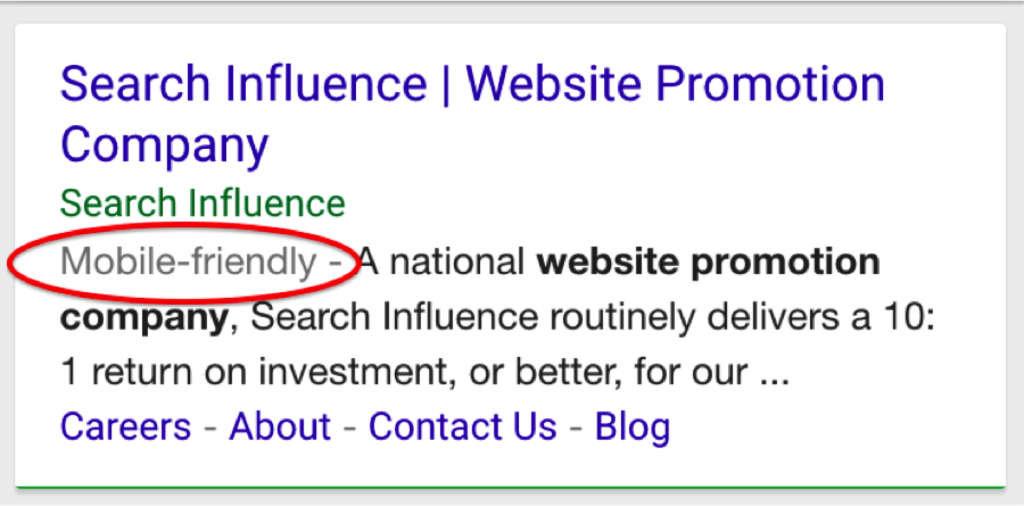
    Speaking of #Mobilegeddon, it’s very likely Google’s Ad Rank formula will be affected by the new mobile criteria. With the changes leading up to the algorithm rollout, we saw both organic search results and AdWords ads labelled with the “mobile-friendly” tag. So it’s not a stretch that AdWords ads will also be affected by how mobile-friendly a website is, both as a factor in the ranking formula and as it affects ad extensions and formatting.

    5. Game of Angels Maps Tech Influence Networks – Tech Crunch

    influencermapimage

    Developer Pierre-Jean Camillieri is trying to answer the question “who influences the influencers” with his new tool, Game of Angels. Though the program is in its early stages, it could help entrepreneurs connect with industry leaders who have the most online clout.

    The tool gives a visual map of influencers and their major connections based on the number of interactions they have. However, it’s currently limited to those Camillieri himself deems major influencers and industry leaders.

    Image Sources:

    Twitter Trends

    Influence Map

  • Survive Google’s ‘Mopocalypse’ with these Tips for Your Mobile Strategy

    Survive Google’s ‘Mopocalypse’ with these Tips for Your Mobile Strategy

    Mobile Friendly Image Search Influence

    Google’s new mobile-friendly update, which I originally discussed in my Search Engine Land column, is rolling out this month, and it’s time to put the focus on mobile. But with all this buzz about mobile websites, you may be thinking, “My website looks fine on my smartphone when I pinch and zoom, so what’s the big deal?”

    Well, there’s much more to it than that.

    Step 1: Get a Mobile Website

    Just because your Web developer tells you your site is mobile doesn’t necessarily make it true. Make sure you’ve used Google’s handy mobile-friendly testing tool to check your website. In Google’s eyes, businesses have three main options for becoming mobile-friendly: responsive website design, dynamic serving, and separate URLs.

    So what option is right for your business? The bottom line is this: for businesses with growing mobile traffic that has not yet reached a critical percent of site traffic, a purely mobile version on a separate URL is a viable option. But for businesses with mobile website traffic pushing 50 percent or more of all site traffic, it is time to invest in a responsive website. While a responsive website typically requires a complete overhaul, your customers will probably thank you when your website can display differently based on the screen size.

    Step 2: Use ‘Barnacle SEO’

    Even before your mobile website is in action, your business needs to attach itself to large, fixed objects, and then wait for mobile customers to float by in the powerful current. I like to call this Barnacle SEO, also known as the “If you can’t beat ‘em, join ‘em” strategy. Basically, this means identifying large, high-ranking online directories such as Yelp, for example, and adding your information there in the hopes of “borrowing” some of their page one rankings. And there are many trusted online directories like Yelp out there you can barnacle up to: Angie’s List, Foursquare, Google+, Avvo (for lawyers), HealthGrades (for doctors), even TripAdvisor.

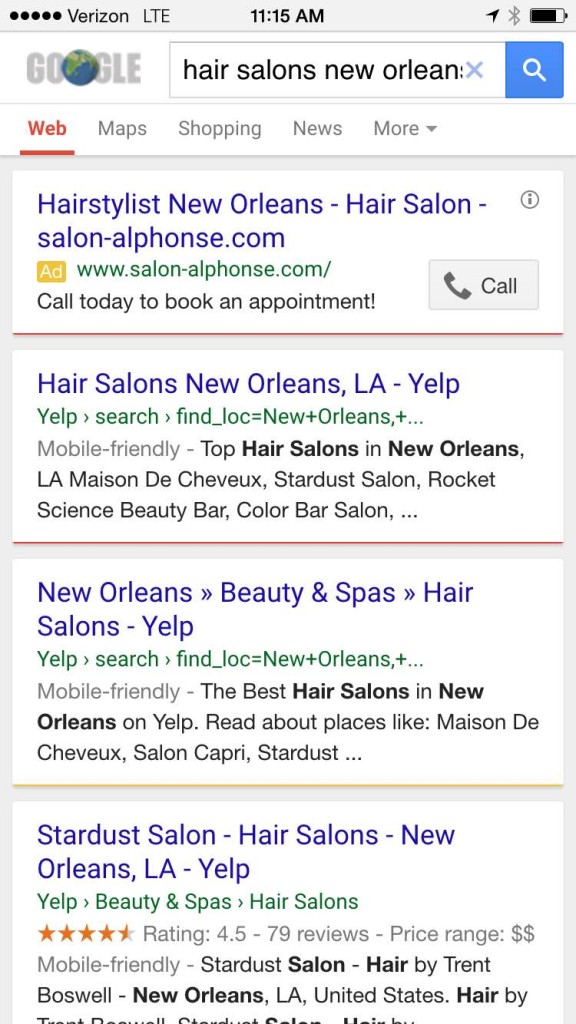
    This strategy works well in mobile because these websites are optimized for the mobile experience—providing the targeted information that local customers searching on their smartphones really need. When you perform a Google search for “hair stylists New Orleans,” for example, the top results are mostly from Yelp:

    Yelp Mobile Screenshot Image - Search Influence

    Step 3: Focus on Location, Location, Location

    Let’s face it: when mobile matters, location matters. Consider this: 50 percent of consumers who performed a local search on a smartphone visited a store within a day, according to a recent study from Google. So that’s good news for brick-and-mortar businesses with a mobile-friendly website. Those businesses will enjoy the additional ranking factors from the upcoming mobile-friendly algorithm, getting these small businesses in front of their target market at the time and place searchers are looking.

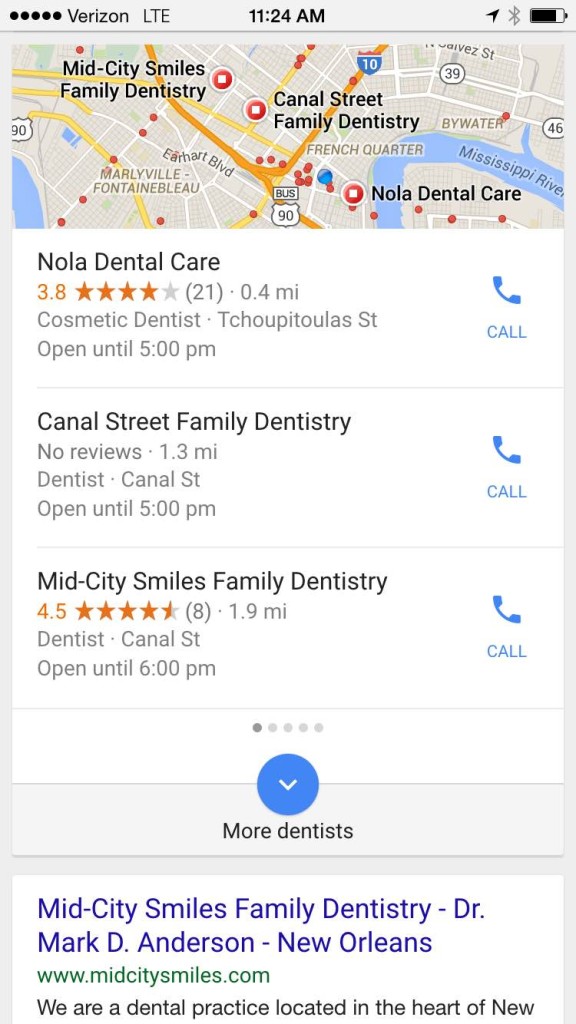
    The challenge? Local businesses must break into the top three local results—the ones typically seen on your smartphone. For example, if I search for “dentists,” Google is going to give me dentists near me … and I see only the first three results:

    Dentists Near Me Search Image - Search Influence

    To wrap it up, these are three steps you can get started on now. But remember, as with all Google algorithm updates, stay calm and give it time. April 21 was not the end-all-be-all date. This rollout will likely be a period of rollouts rather than a single-day launch. We usually recommend giving an update 60 days to see the full impact. And even then, there are revisions and updates and you just don’t know.

    So what’s your next move? Keep an eye on your website traffic to see if the update is impacting your mobile traffic. If you need help, give us a call at 504-208-3900. We’re here to help ease your “Mopocalypse” fears.

  • Search Influence launches Mobile SEO truck helping businesses with mobile-friendly websites

    Internet marketing company launches Web truck, not food truck, in time for ‘Mobile Apocalypse’

    SEARCH INFLUENCE PRESS RELEASE – APRIL 1, 2015

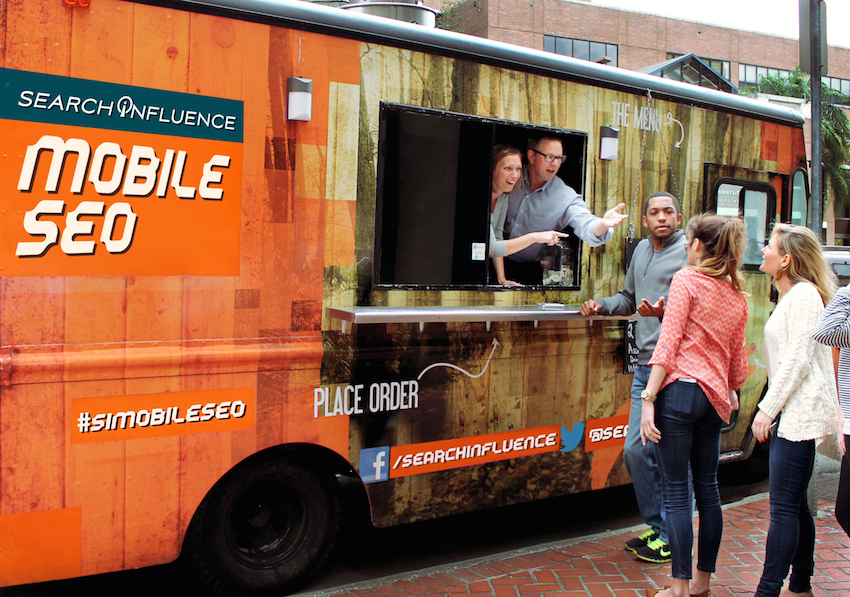
    Search Influence Mobile SEO Truck Image April Fools

    New Orleans-based online marketing company Search Influence launched a new twist on the food truck—the Mobile SEO truck to help businesses become more mobile friendly in advance of Google’s “Mobile Apocalypse” or “Mobilegeddon” deadline Tuesday, April 21. Google’s new focus means businesses with websites that are not mobile friendly may suffer in mobile search results. The Search Influence Mobile SEO truck offers targeted, hands-on services convenient for America’s small- and medium-sized businesses.

    The Mobile SEO truck functions similar to a food truck, but instead of the latest in trendy food, it offers affordable search engine optimization services designed to kick-start a heightened mobile online presence for businesses. The Mobile SEO truck will begin its tour in New Orleans, La., April 1–4. Other cities in the tour include Birmingham, Ala., April 5–8; Atlanta, Ga., April 9–12; Nashville, Tenn., April 1–16; and Washington, D.C., April 17–20.

    The Mobile SEO truck is staffed with Search Influence SEO experts and website designers, and is also equipped with several hands-on stations, including an interactive Responsive Website Booth, an Automatic Click-to-Call Website Button Generator and Driving Directions Optimizer Portal to help companies attract new business from the near majority of customers who search for products and services via smartphones.

    “A mobile-friendly online presence is no longer optional—no matter the size of your business. Our Mobile SEO truck is the perfect solution for any business struggling with Google’s new mobile-friendly algorithm,” said Search Influence CEO Will Scott. “To reach business owners in their own backyard, we’ve given new life to a defunct New Orleans food truck, so we can take these priority services on the road.”

    Early this year, Search Influence purchased an out-of-commission food truck in New Orleans and retrofitted it with the latest hands-on website technology. What was originally a $6,000 fixer-upper was morphed into a $750,000 state-of-the-art online marketing machine.

    “As a business owner, I appreciate the kind of hands-on online marketing help that literally drives to my office. For the best website strategies, you can’t beat the Mobile SEO truck,” said David Scheuermann of PayrollRx. “If they only served food along with the technology, it would be perfect!”

    Search Influence Spacer

    For media interviews or high-resolution photos, please contact Mikel Pak, PR/marketing manager at Search Influence. Please note, this is an April Fools’ Day joke. We hope you enjoyed the humor. Remember, mobile-friendly websites are key to a successful local business.

  • Pick up the Phone: Google is Calling With A Mobile-Friendly Update

    With Google’s recent announcement that mobile-friendliness will be a ranking signal, we have been fielding impressive numbers of emails and phone calls from website owners asking how this affects them.

    Google has been moving toward rewarding websites that are addressing consumer demand with mobile-friendliness. In the official announcement published on February 26, Google says, “Starting April 21, we will be expanding our use of mobile-friendliness as a ranking signal.”

    Two factors to consider regarding this algorithm launch:

    1. This rollout will affect mobile search rankings only.
    2. This rollout will likely be a period of rollouts rather than a single-day launch.

    Mobile Search Rankings Only

    In a hangout the day after the announcement, John Mueller, Web Trends Analyst for Google, mentions at about 9:42, “These ranking changes are effective on smartphones for smartphone users.”

    Again at 44:40, he reiterates that this algorithm is specific to mobile search. Mobile SERPs and desktop SERPs may become significantly different starting in late April.

    JohnMuellerGoogleMobileFriendlyYouTubeImage

    (Thanks, Joshua Berg, for the G+ post with topics time stamped).

    Why is Google launching a mobile-specific algorithm?

    Because mobile use is growing so quickly and is approaching 50% of Internet use, Google wants mobile users to experience relevant, high-quality websites that are designed for mobile use specifically. It’s a recurring theme that Google wants to provide for the user by offering a quality experience.

    Um, is my site mobile-friendly?

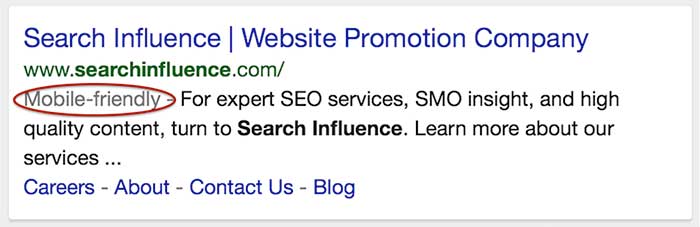
    In November, Google announced the addition of “mobile-friendly” tags in mobile search results.

    mobile-friendly tag in iphone search results

    At the same time, they also gave us a mobile-friendly testing tool. Take note that this testing tool shows you how the Google bots see your site, which is not necessarily how your site resolves on an actual smartphone.

    Passing the test means you qualify for getting the mobile-friendly tag in mobile search.

    However, even if you have a mobile-friendly (“mobfr” per Joshua Berg) site, if the Google bots can’t get to all of the page elements, the testing tool image result may not be how your site really looks on a phone.

    Not passing the test generally means you don’t have a mobfr site. However, I have seen a few sites that are responsive but don’t pass the test. They look great on my iPhone but don’t look great to the Google crawlers.

    This is an example of a responsive website that looks and functions well on my phone, but the mobfr tool just doesn’t see it that way. (The good news is that this website owner has been working on an improved responsive site that should launch soon, well ahead of the April 21 deadline.)

    errors in mobile friendly testing tool show the site different than on iphone

    Do I have to get a mobile site if I want to rank?

    In the hangout video, this question is discussed at about minute 12:00. The summary is that mobile-friendly websites will be getting the edge in mobile rankings. Paraphrasing the hangout conversation, non-mobile-friendly sites will not be dropped out of mobile search completely.

    Any time you boost the position for a specific set of sites, it will naturally result in the loss of position for another set of sites. Giving precedence to mobfr sites just means not-mobfr sites have to move out of the way.

    John Mueller also mentions that if a not-mobfr site renders decently on mobile and is highly relevant, it would be a disservice to the searcher to not serve those sites up in results. It’s all about the searcher.

    How much do I really need to worry about mobile traffic?

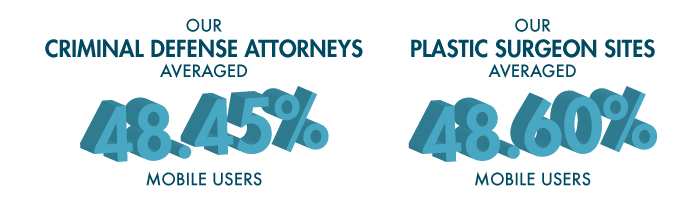
    The number of visitors using a mobile device to access websites has increased dramatically over the last few years. The current average hovers at around 50%, depending on the industry. This is half of a website’s traffic coming from smartphones. I looked at some of our clients to see if I could confirm this stat. I dug around in Analytics and pulled mobile (not tablet) stats for the last six months for two industry types.

    SI-stats-blog-1

    For some industries, this algorithm may not be as big of a concern as it is for the criminal defense and plastic surgery industries. I looked at an admittedly small set of clients to get these two percentages:

    •      Independent insurance agents average 17.48% of traffic as mobile.
    •      K-12 schools have mobile traffic at an average of 13.87%.

    If the mobile traffic to your site is in the double digits but may not be at 50%, you can look at other data points in Analytics. Look at bounce rates, pages visited, and repeat visits from smartphone users to see how satisfied or dissatisfied they were with their visit to your site.

    What are the options to make my site mobile-friendly?

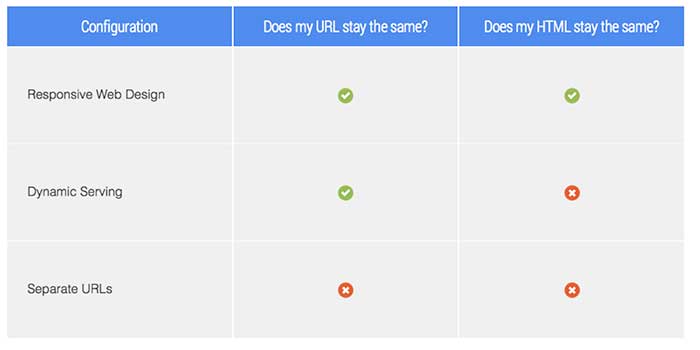
    There are three options for developing a mobile-friendly site version. The most common option is to have responsive and mobile serving separate URLs. Here are three options for mobile sites thatGoogle discusses in detail on their developer site:

    GoogleDeveloperURLConfigurationOptionsImage

    What’s better, mobile or responsive?

    Personally, I love a responsive site because the site has the same HTML, the same URLs, and the same design across all devices: desktop, mobile, tablet.

    It should be noted that a responsive design is an investment because it usually requires a complete rebuild of the site. However, if you rely heavily on website traffic for lead generation and if you haven’t redesigned your site in a few years, this may be the time to invest.

    A mobile version of your site is a good option as well. You can have either a full version or just a portion of your website in a mobile design. Creating a mobile site with a handful of important pages, or the pages most people visit, may be all you need to deliver to mobile users the information they need.

    For websites with an already high percentage of mobile users, I have to recommend responsiveness over mobile. For websites with double-digit mobile traffic, but not 50%, a mobile site may serve you well.

    Also, make sure your developer optimizes images and pages for fast page load. Google has been testing with page load speed tags in SERPs too, and if you’re investing in a site upgrade, you should address as many factors as you can at one time.

    What about duplicate content?

    If you have a mobile site and a desktop site with the same content on two different URLs, these can be seen as duplicate content, which can dilute your content’s authority. Example:

    Domain.com/about-us

    m.domain.com/about-us

    John Mueller commented on this topic: “You don’t have to worry about duplicate content—definitely not when it comes to mobile versions when they’re annotated appropriately.”

    You should make sure to get your developer’s assurance that content will be referenced properly between a mobile site and a desktop site.

    Your website is an asset for your business.

    One small business owner I talk to frequently is in an industry that does not get a lot of leads online. The owner is not interested in anything online, but he knows his customers use his website frequently as a resource, and his site is an asset to the business. He gritted his teeth and devoted a lot of his 2014 budget to technology. He converted his website to a responsive design, and while he was at it, he had the developers add encryption, and he was able to have an app created (which can be an expensive investment for a small business, but in his industry it’s almost required). It’s 2015, and he feels some satisfaction (and relief) that he took care of all of these things last year.

    The takeaway is that a business’ online properties are assets that need regular maintenance and upgrades to keep up with the ever-changing Google and consumer demand. If your site is not mobile-friendly, you should talk to your SEO manager as a first step in finding out what you need.

    For even more information, see:

    March 4, 2015 Google’s Gary Illyes Q&A on Upcoming Mobile Ranking Change

    March 5, 2015 Google: The Mobile-Friendly Ranking Factor Runs In Real-Time & Is On A Page-By-Page Basis

    “…if you have 10 web pages on your web site and 5 of them are mobile-friendly and 5 are not, then only the pages that are mobile-friendly will benefit.”