Blog

  • #FreelanceFriday: Tips and Trends for Freelancing After 40 (and 50)

    There is a false perception that freelancing (and the gig economy in general) is a young person’s game. But now more than ever, older individuals are making their presence felt in the freelance community.

    Proving that age doesn’t matter, writers and other creatives over the ages of 40 and 50 have come to embrace the freedoms and flexibility of the freelance lifestyle. A recent study conducted by UpWork found that 28% of Baby Boomers are freelancing either full or part-time.

    While that is still less than the total for 18-24-year-olds freelancing (48%), these so-called “silver self-employed” are gaining ground quickly. The Association of Independent Professionals and the Self Employed (IPSE) found a 46.5% increase in freelancers over 50 since 2008.

    Actor Tom Hanks preparing to type on his laptop

    What draws older individuals to freelancing?

    Unsurprisingly, it is the very same reasons that draw younger people to it:

    Flexibility

    Everyone–no matter what age–is trying to find the perfect work-life balance. For many, the flexibility of freelancing offers a step in the right direction towards that harmony. Freelancing is also a viable option for those in need of a more flexible schedule when raising children or caring for sick loved one.

    Independence

    Confined to an office for most of their lives, many older freelancers crave the independence that also comes with the freelance lifestyle.

    Creative Fulfillment

    While some 50+ creatives are supplementing their retirement with freelancing, others who are still working have found the same creative outlet that draws most younger freelancers to the game as well. Performing the same job for several years can leave a creative person yearning for more. Freelancing provides a much-needed outlet for all of that bottled up imagination.

    Availability

    And finally, the widespread availability of freelancing gigs makes it easy for older creatives to find work, especially if that person has been unexpectedly laid off. It is significantly easier to take skills culled from your years of work experience and apply them to freelance side gig or use this background to kick off a fresh new direction in your life. There are plenty of freelancing jobs available these days for everyone.
    Respect your elders, punk from Marvel animated series - Search Influence

    Why older freelancers are actually an asset

    In the recent past, people over 40 and 50 have been filled with doubt and trepidation about entering the freelance world. They may have felt that they were too old, lack the proper experience, or were not tech-savvy enough.

    Despite those fears, the exact opposite was often true. First off, no one is too old to freelance! All/any experience is important. There are so many avenues you can explore as a freelancer; you just need to find the one that works for you.

    Older freelancers typically have a greater desire to learn and prove one’s self—this goes for technology too. It may seem intimidating, but you will be surprised how quickly you catch on.

    Self-discipline, accountability, and overall quality are the most important factors to a successful freelancing career.  It is no secret that older adults are proven to be more reliable and focused than most 20-year olds. This will go a long way with those looking to hire freelancers. In the end, being older can actually be an asset to potential clients and employers.
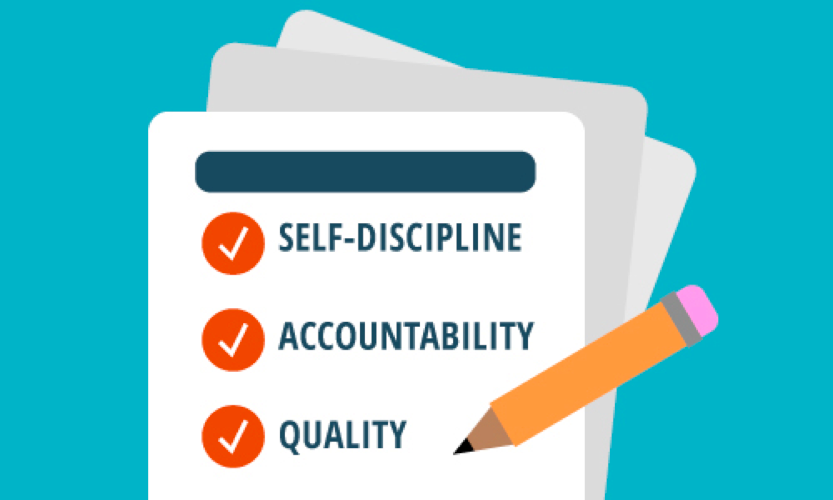
    High-quality Standards Image

    Tips for those over the age of 40 and considering becoming a freelancer

    In addition to general advice for ALL freelancers (stay organized, prioritize, eliminate distractions, don’t take on more than you can handle, etc.), here are a few more tips specifically for the more mature freelancer:

    Be conscious of, but not afraid of the learning curve

    Yes, freelancing is different, in many ways, from your traditional job. Even for the well-prepared, the first time you do something new, it is a bit daunting and full of “what ifs.” Venturing out into a new world will bring with it new processes, new considerations, and new experiences. Rely on what you already know and build on that. Seek out the information you need and gain experience when you can.

    Freelancing may require you to change how you write (at least a bit)

    There are many different avenues you can explore as a freelancer, with many different writing styles attached to each. An experienced, talented writer should be able to adapt their style when needed. In the end, no matter what the style, successful writing usually comes from honesty, connecting with your audience, and provides a direct benefit to the reader (answers questions, entertains, etc.).

    Accept that not every gig is right for you

    While older freelancers can be a tremendous asset to clients, that does not mean they are right for every assignment—just as younger writers are not right for all as well. Whether that reason is based on knowledge or experience, you just may not be the right fit. There is an audience out there for everyone; you just need to find it. Faking it is never easy, and will ultimately be exposed.
    As a more mature writer, you bring a wealth of experience and knowledge, plus a stronger eye to see beyond the challenges a new freelancer will possibly encounter. Combine this with a passion for high-quality work and yearning for more freedom in your life; you should have no regrets for shaping your own track as a freelancer—no matter your age!

    Images:

    Tom Hanks

    Hawkeye

  • Marketing to Males: How Can Your Cosmetic Surgery Practice Draw in More Men?

    In a society that remains focused on physical appearance, plastic surgeons have plenty of healthy competition to appeal to the audience in their community. Because plastic surgery procedures are being purchased overwhelmingly by women—in 2016, women purchased 90.7% of plastic surgery procedures compared to 9.3% purchased by men—most marketers target female prospects. However, research shows that doctors could be doing a lot more with their marketing strategies when it comes to targeting men.

    A New York University Medical Center study demonstrated the highly female-centric marketing campaigns being implemented by plastic surgeons. After analyzing 453 websites and 4,239 images on plastic surgeons’ websites, only 5% of the pictures included males, and 0.9% depicted both men and women together—not to mention that only 22% of these websites included any services related directly to males. In fact, some plastic surgeons completely ignore the male market in online marketing efforts or minimize them significantly.

    While popularity in some procedures has risen in male patients, plastic surgeons are seeking appealing and effective ways to market their services to men. What exactly is drawing in the men who are getting these procedures? Research shows that the following factors could help influence men to feel comfortable undergoing plastic surgery procedures for issues they want to resolve, ultimately helping them to gain more confidence.

    Dos Equis Man Jazzed About Plastic Surgery - Search Influence

    Pay Attention to What’s Already Popular

    When it comes to marketing to male consumers, it’s important to note trends. At the top of the list of surgical procedures performed on men in 2016 were liposuction, breast reduction, eyelid surgery, nose surgery, and facelifts. Popular non-surgical cosmetic procedures included injectables like Botox and Sculptra, as well as skin rejuvenation procedures like dermabrasion. Choosing to focus on these procedures and providing a plethora of before-and-after photos of men who have had these procedures done could prove beneficial to your plastic surgery ad campaign. Plus, the images can demonstrate the natural results that men may be seeking if they associate cosmetic procedures with highly noticeable and dramatic results.

    Focus on Youth and Energy

    The last thing that any male—or person, for that matter—wants to hear is that they look “tired.” Appearing to lack energy can be detrimental in a lot of ways, especially in a busy workplace that may be riddled with young people vying for the next promotion. By decreasing wrinkles and folds through plastic surgery, the fatigued look improves dramatically. Many men want to restore that youthful, energetic look that they had in their twenties, and this could provide effective fuel for your ad campaign. Again, consider highlighting before-and-after photos that demonstrate the great results men might not know they’re looking for!

    Target the Dads

    After years of raising kids, it’s hard for the stress and work not to take a toll on the body and appearance in general. Child raising years are common for the appearance of wrinkles and weight gain. Fathers are an excellent and relatively untapped market for plastic surgeons, in a similar way that mothers have been an effective marketing target. Try changing the dialogue in your ads to focus on hardworking fathers who deserve to treat themselves to a naturally younger look—a.k.a. the “Daddy Do-Over.”

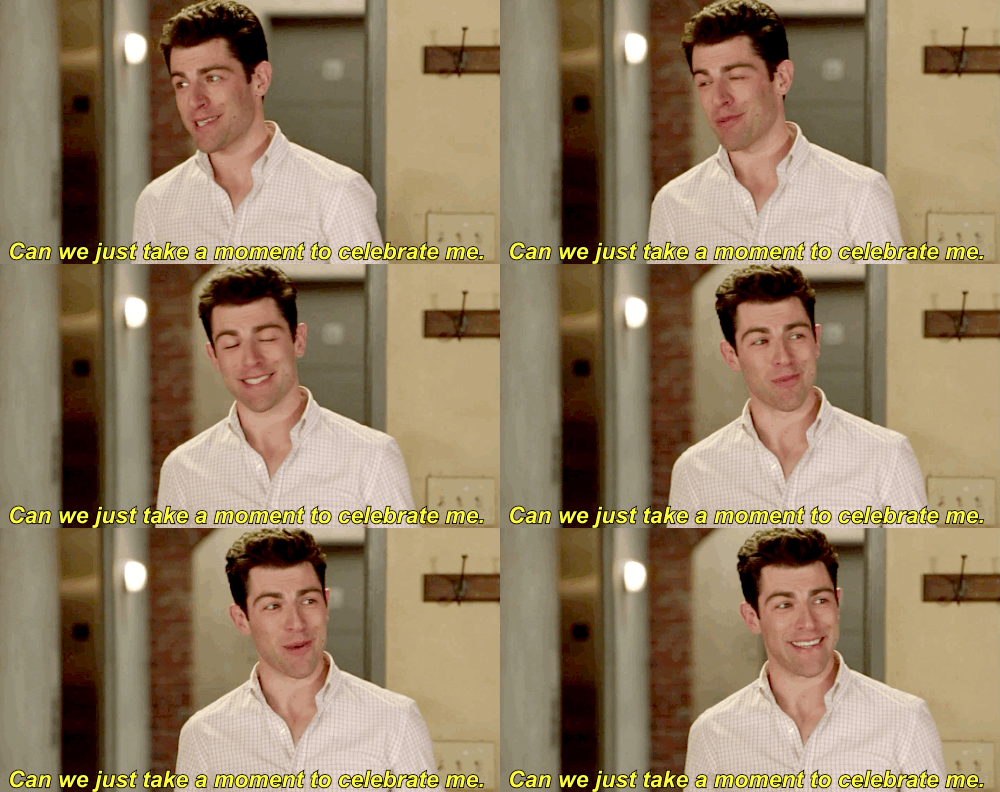
    New Girl's Schmidt Celebrating Himself - Search Influence

    Emphasize a Natural Yet Rugged Look

    While many men may attribute plastic surgery to women and femininity, in reality, strong, masculine features can be enhanced with procedures that can provide natural-looking results. Some of Hollywood’s most notable and masculine heartthrobs haven’t come by their looks completely naturally. Even Dwayne “The Rock” Johnson confessed to having liposuction performed on stubborn flab, and George Clooney admitted to having an eyelid lift to help achieve his youthful glow. Men’s grooming is increasingly popular and less taboo than it has been in previous years, and the idea of shaving off ten years is now a highly acceptable idea.

    Beauty And The Beast Gaston Showing Off His Manly Chest - Search Influence

    Market to Couples

    Perhaps one of the more effective tactics is to reach men through their girlfriends or wives. It isn’t uncommon for a husband or boyfriend to use his girlfriend’s or wife’s products and to become hooked on the results. This can translate to cosmetic procedures as well: if a female significant other comes back from a cosmetic treatment with a refreshed glow, this becomes a recommendation in itself. Target your marketing to couples by age, encouraging them to enhance their bodies together or to reclaim their youthful looks.

    Pay Attention to Male Shopping Trends Online

    Men are increasingly turning their shopping experiences into social experiences, comparing prices and discussing them with others via social media. While this type of online behavior has been typically associated with women in the past, it is becoming increasingly popular among males. An online study from ManScan shows that 72% of men compare prices online, 56% read reviews of products and services, and 44% share this information with others. In many cases, the products and services discussed involve health and wellness. This information bodes well for the sharing of information about potential surgical procedures. By using a cost/benefit analysis with cosmetic procedures, plastic surgeons may see positive results with the male market.

    The male market provides an excellent opportunity for cosmetic surgeons to grow their practice through online advertising. By focusing on trends and behaviors, targeting men in ads can prove highly beneficial when done well. Consider these ideas and get more clicks to your website.

  • Home Sweet Home: Think of Your Website Like a House to Help Your Business

    It’s the American dream: work hard, build your business up, start a family, and buy a house with a white picket fence. Most of us are cruising for the same kind of idyllic dream for our business as well, even if we have a harder time figuring out how to get there. But what if I told you that one of the biggest factors contributing to business growth was, basically, a house? One you don’t need a mortgage to buy.

    Ok, so it’s not really a house: it’s your website.

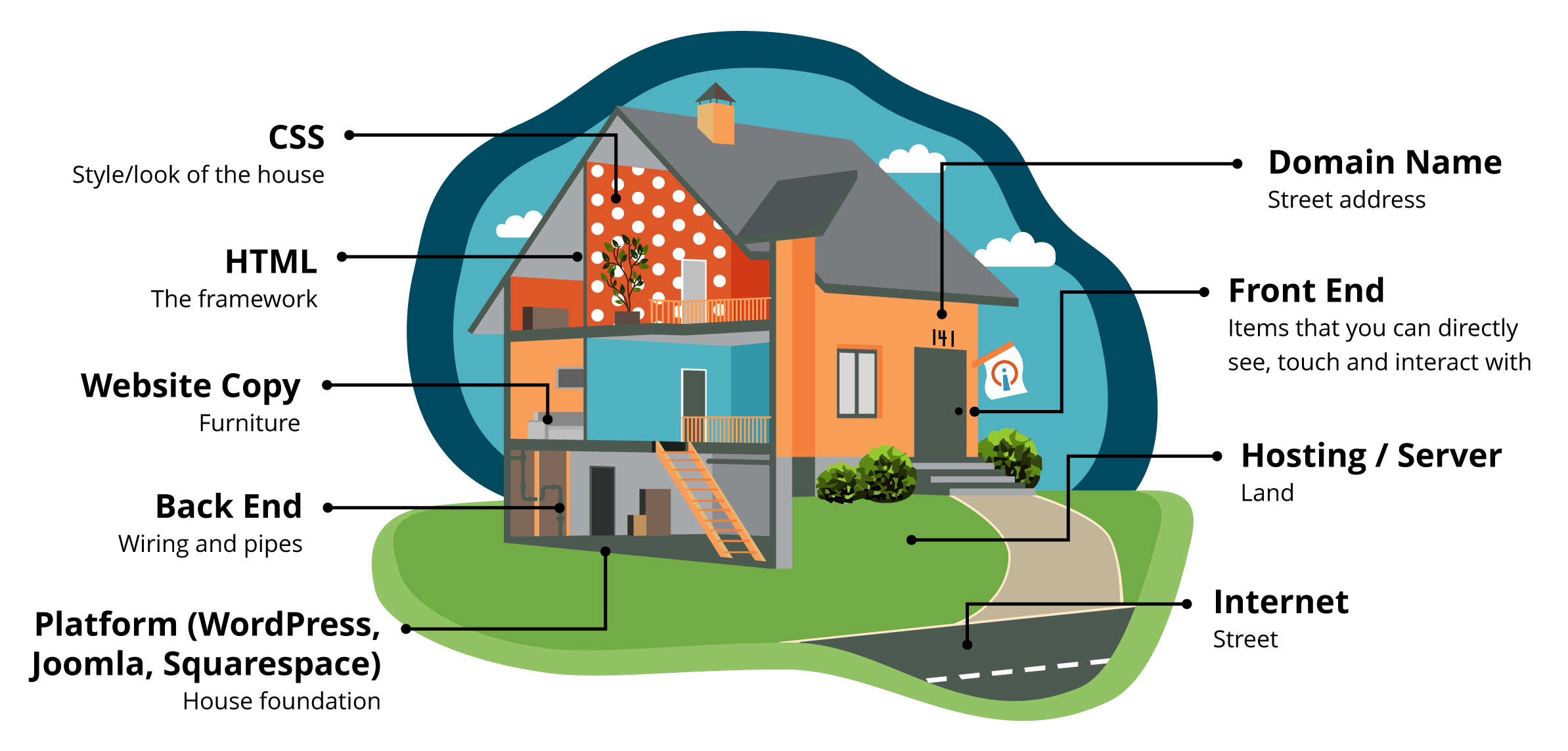
    Image Of A House Working Like A Website - Search Influence

    But a website is a lot like a house. Its construction and design both build on top of each other and work to create a structure that is your business’s online home where people come to visit you. If you need a general contractor to make sure your house isn’t going to cave in, you can request a site analysis from us. But if you’re unsure if that’s necessary, or you’re just really obsessed with House Hunters and need to see where this is going, read on.

    Building From the Ground Up

    Your realtor wants you to see a new house on the market. First things first: you have to drive to it. The road you’re on is like the internet. You can get pretty much anywhere, and each road feeds off into more roads, creating the path you take (or the black hole you find yourself in when you’re “taking a five-minute break”). To avoid following random roads and hoping you get where you want instead of the Arctic, you need to know what your destination is. For a house, that’s the address. For a website, that’s the domain, also called the web address. See, I’m not making this all up; they’re completely related. The domain name in the example URL www.exampleswag.com is “exampleswag.”

    Image Of Floating House From Disney's Up - Search Influence

    So you know how you’re getting there, and you know the address, but what are you going to? Houses don’t float in the sky, and it would be very difficult for municipalities to enforce building regulations if they did.

    Just as a house sits on a physical lot, so too does a website have a physical home—the hosting and server. The server is a physical machine that sits somewhere out in the world, storing all the files that comprise your website onto its hard drive. Your hosting administrator owns and maintains the servers. When you pay someone like GoDaddy or HostGator to host your site, you’re asking them to host your website’s files on their servers, essentially renting land from them to build your house on. Sketchy real estate practice, but totally normal and secure for websites.

    Front End and Back End

    So you roll up to the house with your realtor for the walk-through. What exactly are you looking at as you’re exploring the property? On a website, there are essentially two different halves: the front end and the back end. The front end is everything a visitor to your site can see and interact with, similar to the walls, furniture, and doorknobs in your house. The back end involves the more structural aspects of the site: the wiring, plumbing, and framing of your house. When you’re buying a house, you want it to look nice on the front end and to have all the features you need (clawfoot bathtub, anyone?), but you also need it to function well on the back end. It doesn’t matter how beautiful the granite countertops are if the roof leaks every time it rains. This is why it’s so important to ensure your website has good bones. You can request a site analysis from us to find out where yours stands.

    The Foundational Platform

    Your website is built on a platform just like your house is built on a foundation. Popular platforms include WordPress and SquareSpace, but there are others. These two, in particular, are so popular because they are CMSs (content management systems) with really user-friendly interfaces. Once you get your CMS “key,” meaning the CMS platform has been installed on your site, you get easy access to all the contents of the house and can move furniture around and paint walls to your heart’s content.

    You could, of course, build your house without a foundation, or build your website from scratch one line of code at a time instead of using a CMS. It’s a pretty big job, and it really only works best for websites with few, static pages. Best to leave the roughing it to the survivalists and Mainer moose hunters.

    Bricks and Mortar: What Is Your Site Actually Made Of?

    The first known use of lime mortar was in 4th century BC Greece and Egypt. The first publically available description of HTML was in 1991. Times are a-changing, but structural integrity never goes out of style. HTML stands for HyperText Markup Language, but essentially it’s just the basic coding language used to create a website. Its primary use is to create each page of the site. It’s the framework that holds all of your stylish branding and outstanding content. Speaking of style…

    External Stylesheets Are the New Black

    HTML can be used to add some style to your website, but it’s a bit limited to tinted plaster and popcorn ceiling—think of the oldest website you can remember visiting because it was probably all HTML. The reason it looks so basic is that HTML is also what makes the bones of the house, so it ends up being a bit like trying to use the insulation of your house to create the wall color when that’s just not the insulation’s job.

    CSS (cascading style sheet), however, exists outside of the construction of the functional aspects of the site. All the CSS code is accessed separately from the HTML, so the style is rendered on top of each page as it loads. If HTML is the framework, CSS is the paint, wallpaper, and fancy flooring of your house. You can go crazy with customization and design whatever you can envision (I’m thinking mauve, personally).

    CSS can be housed above the fold content, the chunk of code that fits within the frame you see when the page first loads, but it’s better when it’s kept on an external stylesheet. An external stylesheet is a separate file from the page file and is accessed from the server individually to render a given page. When your site keeps the styling on an external stylesheet, search engines can clearly distinguish between style and substance as they go through the page code, leading to faster and more accurate crawls.

    Bringing In Personal Style

    The house has been bought and built, it’s all spruced up with trendy finishings, and now it’s time to fill it with furniture. Website copy is your site’s furniture. Having stellar copy is important for two reasons: it gives function and form. Each room in your house is divided into different functions by the furniture. Having content on each page of your site that is focused on the topic of the page tells visitors what information they should be expecting from that page and makes it easier to navigate to the information they want. When a guest comes to your house looking for a bathroom, for example, they’ll know which room is the bathroom because they will see bathroom furniture, and they will skip over the room with a bed because they know beds don’t live in bathrooms.

    In addition to having informational and focused content, you need to have strong content. If your copy is full of typos, lacks value, or has a tone that is off-putting to your readers, they’re going to leave, no matter how well the rest of your site functions. Would a guest notice your stunning parquet floors if they’re covered in dirty rugs and chairs that probably aren’t safe to sit on?

    Putting All the Pieces Together

    In the end, each piece of your website ends up working with the others to create the site, and if one isn’t receiving top marks, the whole site isn’t meeting its potential. After all, it only takes one dealbreaker to turn a dream house into a fixer-upper. But you can make your dream house work for you and your business. Take a good hard look at how your website looks now (or use the audit you’ve cleverly gotten from us as a guide), and decide what work needs to be done. If you’re not the DIY home improvement type, don’t worry—Search Influence has master carpenters on staff, so reach out to us for help!

    Image Of A Beautiful House Revealed - Search Influence

  • 5 Medical Professionals Who Use Twitter Effectively and What You Can Learn from Them

    With 319 million people on Twitter and 100 million daily users, it’s clear that this social media platform offers huge potential for growing a medical practice. For doctors striving to attract more patients, 42% of individuals viewing health information on social media look at consumer reviews to guide their medical decision-making. For doctors aiming to spread medical knowledge online, 60% of consumers say they trust the information in doctor’s posts—almost twice the number of people who trust information from pharmaceutical companies. And these numbers are expected to grow, as 18–24-year-olds are over two times as likely as 45–50-year-olds to use social media for health-related discussions.

    Yet, in spite of Twitter’s huge potential, it can be difficult for physicians to justify taking time away from patient care to focus on social media. In the medical industry, it’s especially important for tweets to reach the most people possible in as little time as possible so that doctors can spend less time on marketing and more time on medicine.

    Check out five of the most successful doctors on Twitter for some great inspiration and examples.

    1. Dr. Mehmet Oz

    Handle: @DrOz

    Followers: 4.05 million

    Before you write off Dr. Oz as more television host than medical professional, consider this: He has more followers than any other doctor on Twitter. While Oprah certainly helped him gain this following, he couldn’t keep it if he wasn’t engaging his followers with the media they find valuable. Dr. Oz knows what his audience wants to read, and he regularly posts health tips, news, and advice catered to this demographic. Check out Dr. Oz’s tweets for examples of medical articles you can share to engage your own following.

    2. Dr. Kevin Pho

    Handle: @kevinmd

    Followers: 151,000

    Unlike Dr. Oz, Dr. Pho rose to social media stardom largely through his own savvy use of integrated digital marketing. While he also regularly posts engaging articles, with topics ranging from science to politics to personal health journeys, much of this media comes from his own blog. Dr. Pho also publishes many posts written by guest bloggers, which not only cuts down the time required to maintain an active social media presence but also offers a great opportunity to collaborate and network with other doctors online. Visit Dr. Pho’s Twitter and blog for a great example of an integrated marketing plan.

    3. Dr. Joseph Kim

    Handle: @DrJosephKim

    Followers: 31,000

    If you’re worrying because Dr. Oz and Dr. Pho share a lot more personal stories than cold, hard science, never fear! Dr. Kim proves that you can take a largely academic approach to social media and still become a Twitter star. His posts strike the perfect balance of career resources and medical studies, appealing to both doctors and patients. Check out Dr. Kim’s twitter feed for strong examples of how to post academic information while still keeping your following engaged.

    4. Dr. Mike Sevilla

    Handle: @DrMikeSevilla

    Followers: 26,000

    Much more than the other doctors on this list, Dr. Sevilla projects a goofy, jovial personality into his tweets. He makes Family Medicine seem friendly and approachable, posting kooky holiday selfies and words of encouragement for residents going through the stressful match process. He is also a generous re-tweeter, interacting not only with other online physicians but also with local news and fundraising organizations. Scroll through Dr. Sevilla’s posts to see how to have fun with social media while still maintaining the knowledgeable persona of a physician.

    5. Dr. Val Jones

    Handle: @drval

    Followers: 25,800

    Women make up roughly 1/3 of all physicians in the United States, but they are underrepresented among the top doctors on Twitter. Nevertheless, Dr. Jones has fought her way to the top as a prolific author and lecturer, as well as the founder of Better Health, LLC, one of the largest networks of medical bloggers. Like Dr. Pho, she offers a great example of an effective integrated marketing plan, using her tweets to drive traffic to her blog and other writings, and her writings to provide engaging content for her Twitter following. Check out Dr. Jones’s Twitter feed and blog for examples of how to use social media to build on your professional accomplishments.

    Top Takeaway

    While these five physicians are great sources of inspiration, it can seem daunting to apply their successes to your own practice. If Oprah doesn’t introduce you to daytime television, where do you start?

    One main takeaway from successful physicians on Twitter is targeting the right demographic. Dr. Sevilla runs a Family Medicine practice, so his ideal audience includes parents and young children. Therefore, a friendly, goofy personality is appealing. No parent wants to bring her kids to a stern, intimidating doctor. Dr. Oz, on the other hand, is more interested in an audience that watches his daytime television show. Thus, his posts feature more “popular science” topics, such as popular diets or healthy recipes.

    The good news is you can easily apply this strategy to your own practice. As an expert in your field, you know what topics would interest your target demographic, be it low-sodium snack suggestions for dialysis patients or skin care tips for dermatology patients. So, post about it!

    With your target demographic in place, you are well equipped to take the next steps in growing and maintaining your Twitter following. Like the successful physicians in this post, you can collaborate online with other medical professionals, or write relevant, engaging blog posts to share on Twitter as part of an integrated social media marketing campaign.

    If you don’t want to go through this process alone, we can help you there as well! For a do-it-yourself approach, download “Up Your Social Media Game With This Handy Reference Guide.” It’s an infographic to equip you with insights into which social media platform and what time of day would be most effective for targeting your ideal demographic. For a more assisted approach, see how our social media services can help you.

    Happy tweeting!

    If you don’t want to go through this process alone, we can help you there as well! Contact an expert from our team today.

  • Meet Amy Cannon, Our Hardest Working Woman in New Orleans Contest Winner!

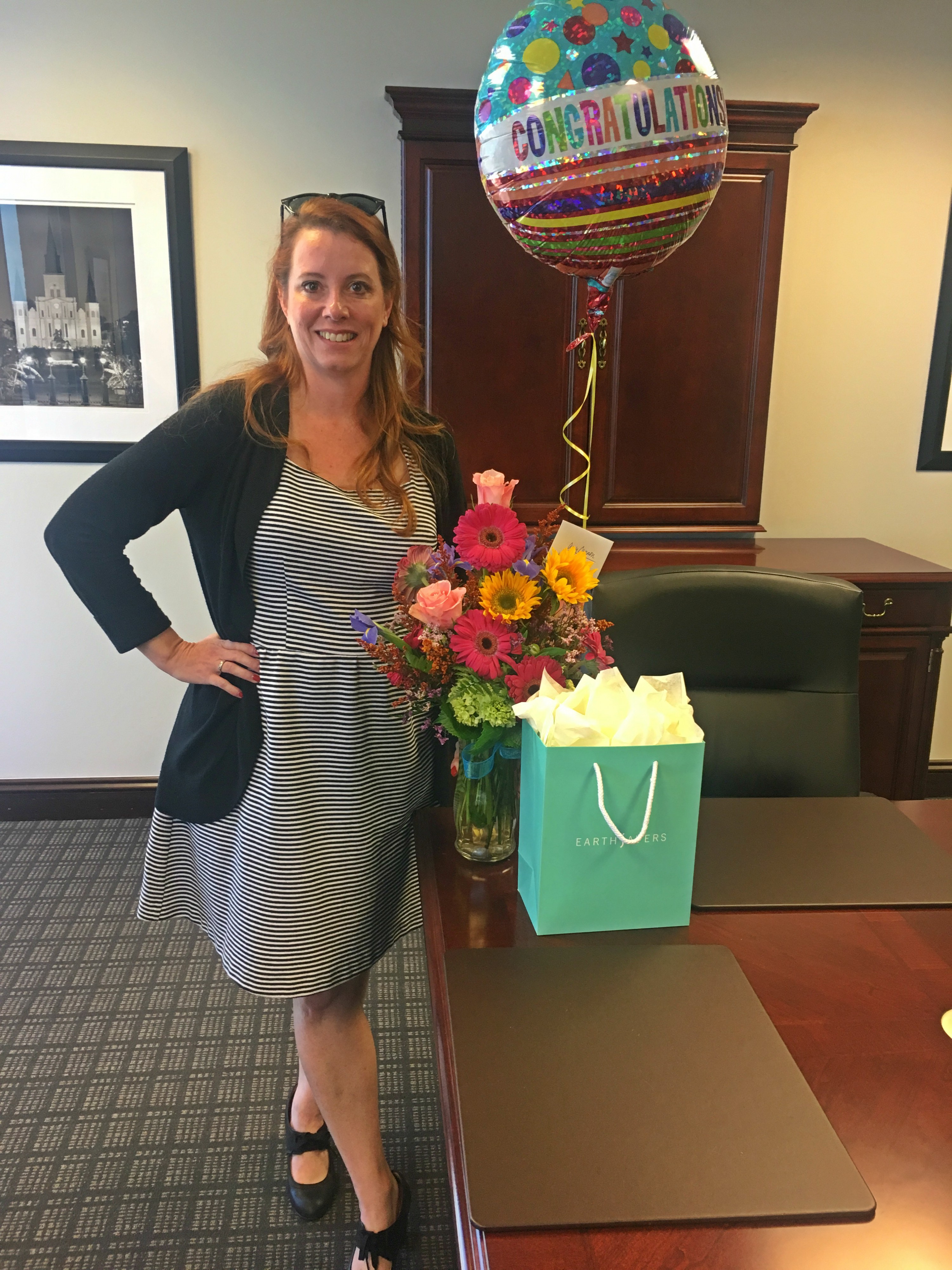
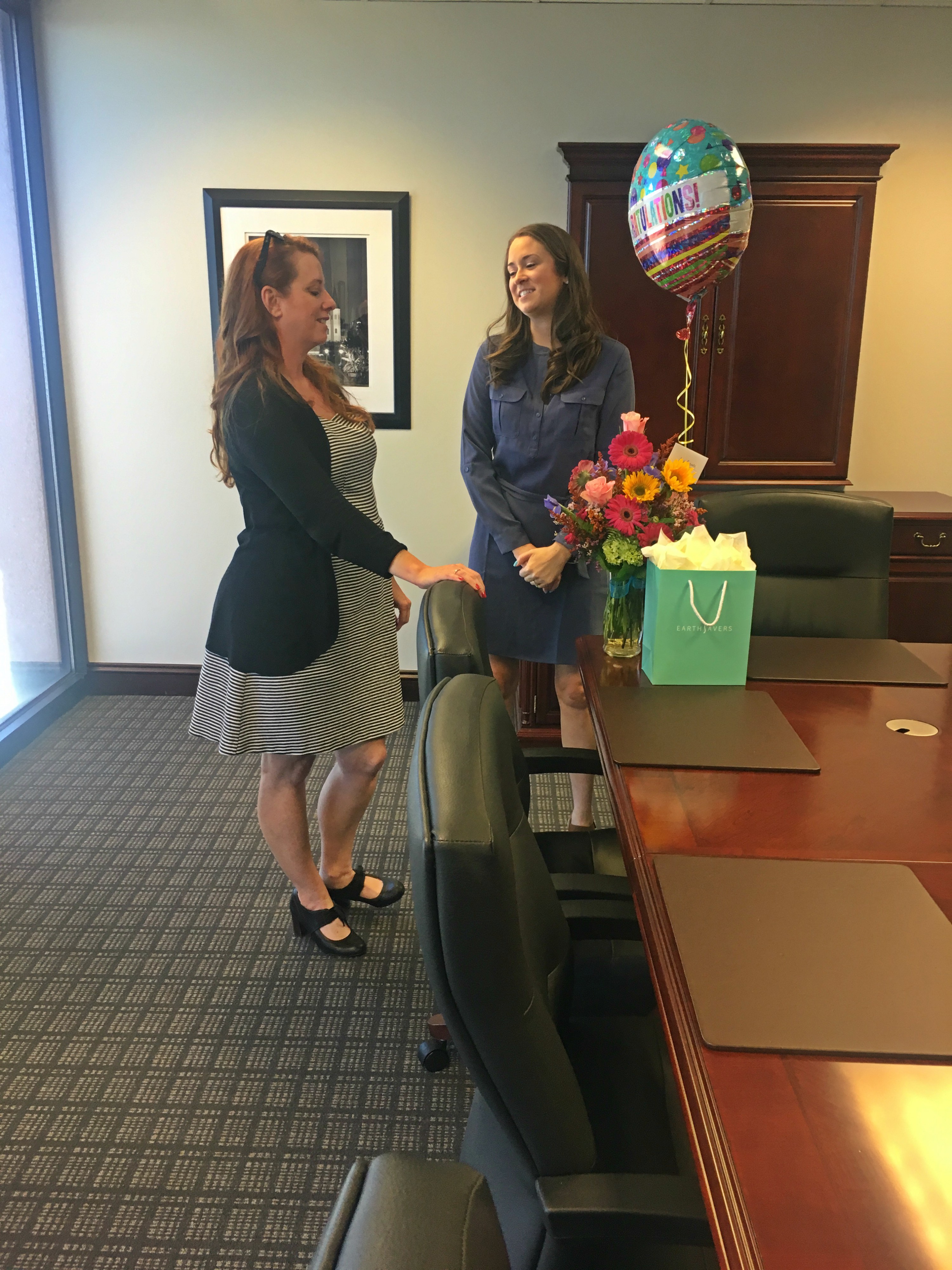
    Image Of Amy Cannon, Hardest Working Woman In New Orleans - Search InfluenceIn celebration of International Women’s Day on March 8, 2017, and in the spirit of last month March being Women’s History Month, Search Influence held a contest to honor the hardest working woman in New Orleans. Local businesses and individuals were encouraged to nominate a woman who either owns her own business or works 40+ hours making a difference with a New Orleans company. The goal of the project was to raise awareness about the importance of equal pay for women and company benefits that allow women to succeed in the workplace without sacrificing the responsibilities of motherhood. After receiving countless nominations, Search Influence selected Amy Cannon as a true example of a hard-working woman who has made a difference and achieved great success.

    Amy Cannon is a Corporate Director of Human Resources at Hammerman & Gainer Inc., a Louisiana-based firm that provides a wide range of third-party administrative management services, business process outsourcing, and project management services. Amy works at the New Orleans office where she plans, develops, and implements the firm’s HR functions and performance to build a world-class human resources department.

    Outside of her dedication and long hours at work, Amy is committed to her family. She is a single mother to three children—one in college, one in high school, and one in elementary school. It’s no easy feat, but Amy manages to financially and emotionally support her children, as well as work immeasurably hard at her job. Her family, friends, and colleagues who nominated her describe Amy as selfless, amazing, hard working, kind hearted, and genuine.

    Photo Of Amy Cannon With Paula Keller French - Search Influence            Image Of A Spa Day Package - Search Influence

    Search Influence is thrilled to have presented Amy Cannon with a spa day of relaxation for her continued hard work, contributions to her job, family, and community, and for not sacrificing being a wonderful mom.

  • Lost about LinkedIn? Here Are 7 Tips for Legal Professionals

    Image Of Worker Using LinkedIn - Search Influence

    LinkedIn was used by 467 million users in 2016. A simple search in LinkedIn showed 384,071 lawyers. Not only are these numbers worth giving LinkedIn some notice, but the B2B and B2C client acquisitions are increasing at rates over 100% each year as well. There is no longer a reason to put off establishing yourself and your law firm on LinkedIn. If you are lost on where to start, here are seven simple tips to improve your LinkedIn presence.

    1. Know the Laws and Ethical Guidelines for Your Area

    This is the legal profession after all, so there are very particular rules to follow when marketing yourself. Depending on the state in which you practice, the words “specialist” and “expert” may be against ethical guidelines. The New York City Bar came out with a formal opinion on the matter in late 2015, which applied general advertising rules to social media explicitly. Though this is a great platform to reach out to colleagues and clients, make sure to follow the guidelines.

    2. Create Your Profile

    If you have already done this step, you are already ahead of the game. If not, signing up for a free profile is the easiest way to start. This will open the wide world of LinkedIn to you. You can also associate yourself with a firm profile. If your firm does not already have a profile, you can check to see if it meets LinkedIn requirements for company profiles and follow the steps to get one created yourself.

    3. Optimize Your Profile

    Once you have created your profile, there are some things that you should add to your personal profile to help you stand out. These include:

    • A professional photo
    • A headline
    • Title and description of your legal experience
    • Skills sections
    • Interest section
    • Education section
    • Volunteer experience & causes

    These sections have varying character counts, ranging from 100 to 1000 characters. All of these sections need to be unique and targeted to give clients a good view of the kind of attorney you are. However, these sections, especially skills, can lead to ethical issues so make sure to follow guidelines.

    4. Make Connections on LinkedIn

    After making and optimizing your profile, it’s time to make connections. These can easily be drawn from your already existing email connections through some simple downloading steps. This will automatically give you instant connections to people that you already interact with, both colleagues and clients. Adding yourself to your firm’s page will also allow other attorneys at your firm to find you easily.

    Continually adding more connections from outside of LinkedIn and through LinkedIn will build a network to interact with, share information with, and get new clients from.

    5. Join LinkedIn Groups

    Groups on LinkedIn are a great place to find pertinent information to share with your colleagues and clients. You should join your local Bar Association page, your former law school, and other ABA organizations that apply to your practice areas. Those can just be a jumping off point for what groups you should join. The possibilities are endless.

    6. Engage with Other Users

    Engaging with users on LinkedIn can be done in a large variety of ways. Just made a new connection? Message them and remind them how you know each other. See an excellent article? Comment on it. Know a fellow attorney you have seen in action? Verify one of their skills. Not only will this build the strength of your connection but it will also get others to interact with you. 50% of LinkedIn members said they are more likely to buy from a business they interact with on the site.

    Another good way to keep up to date is, if you have a smartphone, download the LinkedIn app to keep up to date without your computer.

    Image Of Coworkers Using A Mobile App - Search Influence

    7. Post Content

    This is the last tip on the list, but it just might be the biggest. LinkedIn is a professional network that connects professionals with each other. This is a perfect place to share industry specific news. If you already run a blog, make sure to share the content on your profile. Found an article that pertains to your practice area? Share it on your page with your take on the information. Have some information to share about a case? Share that on your page. The more content you post with your unique voice, the more you build your authority on LinkedIn on the topic. However, make sure to include proper disclaimers with any content you share that could be construed as legal advice.

    Great content on LinkedIn can grow your connections with those within the industry and those that need the help of attorneys. By following these tips and making your presence known on LinkedIn, you can increase your impact online and offline. For more strategic advice about LinkedIn, contact an expert from our team.

  • #FreelanceFriday: Best Places to Work Remotely (Other Than a Coffee Shop)

    This post is part of our Freelance Friday series, where we discuss everything and anything related to freelancing. Follow us on Twitter (@SIfreelance) for more freelance-focused content—from writing tips to industry-related best practices.

    Everyone knows that freelancing = freedom. And one of the major draws of that freedom is the ability to work from anywhere.

    So, where do most freelancers work? Well, to be honest, mostly at home and in coffee shops.

    Many people have delusions of grandeur when it comes to working remotely, picturing themselves on a far-off beach somewhere with their laptop in one hand and a cocktail in another. While certainly feasible, that is not really how freelancing works for most people.

    But, that does not mean you are restricted to the confines of your home or apartment as a freelancer. You don’t even have to join the countless clichéd coffee shop denizens clacking away on their laptop amidst the distracting chatter and overpriced macchiato.

    Here is a list of the best places to work remotely (other than a coffee shop):

    Library

    Today, the world’s information may be collected primarily online, but for centuries before, libraries possessed this wealth of knowledge. So, why not surround yourself with both? Plus, it is quiet and littered with big desks and comfy chairs.

    Image Of Ferris Bueller In The Library Dancing With Children - Search Influence

    Museum

    Seeking similar worldly inspiration in a different setting? Surround yourself with great art. Also, like the library, museums offer peace and quiet and lots of space to get lost in thought.

    Park

    Nature can also be a great source of inspiration–from the towering trees to the serene green fields. Enjoying the sun and fresh air is always better than being hunkered down in an office. Just make sure you have access to Wi-Fi.

    College Campus

    Campuses are kind of like a combination of all the above. There is a library, student center, and lush green spaces spread throughout. You spent hours and hours studying here while in school, so why not go back to get some actual work done?

    Mall

    The food court can be a rowdy place, but if you can tune out the ambient noise, malls are a great place to get work done—especially on weekdays. Free parking and close access to food never hurts either!

    Image Of Robyn Sparkles Let's Go To The Mall - Search Influence

    Hotel Lobby

    Likewise, during the week, hotel lobbies are typically deserted, leaving copious amounts of room and silence to get work done. Wi-Fi may be password protected, but a passing employee likely won’t mind divulging the access code if you ask nicely.

    Bar

    During the day, bars are just like coffee shops, only better. You also likely won’t have to fight for table space with all the other writers crammed into the coffeehouse.

    Fast Food Restaurant

    McDonald’s, Burger King, Wendy’s, Subway, Taco Bell, and others all offer free Wi-Fi. In the ongoing fast food wars, these restaurants are all trying to one-up one another with new amenities. Take advantage of it to get some work done—just take it easy on the snacking.

    Image Of Good Burger Kennan And Kel - Search Influence

    Airport

    Not just a great spot to people watch. Most airports offer the same amenities as those mentioned before—Wi-Fi, food, bathrooms, plenty of space, ambient noise, inspiration, etc. Plus, you don’t have to deal with the hassle of traveling or missing your flight.

    Co-Working Spaces

    This option is definitely great, but can end up being fairly expensive. Co-working spaces are a hot new trend and growing fast. Every major city and most mid-major cities are filling up with these unique shared spaces. Typically, they can be paid by the day or monthly, and certainly gives the feel of “going” to work, but on your own terms.

  • We Are MAD About These Two New Influencers

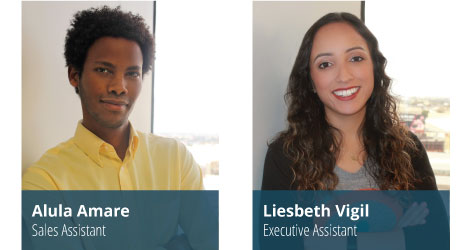
    Search Influence is kicking off March Madness with two new Influencers on our team. We are excited to welcome Alula Amare and Liesbeth Vigil!

    Picture Of New Influencers Alula Amare And Liesbeth Vigil - Search Influence

    Alula Amare – Sales Assistant

    Alula was born and raised in Kenner, bruh. He went to NYU and majored in Marketing and Creative Writing. Although he loved the city, he missed New Orleans. So a couple years ago, he moved back on Endymion. In his free time, he’s probably playing soccer, listening to music, or using the Oxford comma.

    Liesbeth Vigil – Executive Assistant

    Liesbeth joins Search Influence as our new Executive Assistant. She is from the greater New Orleans area, where she graduated from Tulane with a B.A. in Communication and a minor in Spanish. Shortly after college, Liesbeth lived in NYC for 5 years and is happy to have recently returned to her hometown. In her spare time, Liesbeth enjoys morning runs, takes salsa dance classes, loves cooking, and attends sporting events and music shows.

    Welcome to the team Liesbeth and Alula!

  • Freelance Friday: Let Stephen King Teach You How to Edit Your Own Writing

    This blog is part of our Freelance Friday series, where we discuss everything and anything related to freelancing. Consider following our Freelance Twitter account.

    Image Of Stephen King Giving Writing Tips - Search Influence

    Stephen King once said, “To write is human, to edit is divine.” Writing and editing go hand-in-hand. You cannot have one without the other. Like a novel or short story, every blog post, page of web content, and even social media post must be edited before it is published.

    While many writers can (thankfully) depend on outside editors for their work, many freelance writers must rely on themselves for editing—a tricky and sometimes mistake-prone arrangement.

    Even for writers who have the benefit of an unaffiliated editor, self-editing is the first line of defense and an important one. Mistakes happen and simple issues are easy to overlook. Improving your competency as a self-editor will only benefit your writing.

    Here are 10 easy tips for editing your own writing:

    1. Read It Aloud

    This is perhaps the most common and easiest tip, nonetheless, an important and proven one. Reading out loud to yourself­–or to another person–can highlight glaring errors that you might have missed. When you read silently, your mind will often compensate for the errors, such as missed words, because it knows they should be there. Reading aloud helps expose those oversights. Plus, things always sound better in your head, but your writing is smoother and more colloquial when easily read aloud.

    2. Set It Aside, or Better Yet, Sleep on It

    After completing an assignment, put it aside and don’t even think about it for a while. Refresh your mind. If possible, sleep on it and let it sit until tomorrow. Return to it when it is not so fresh in your mind and you are not so easily swayed by the post-writing haze. Putting physical distance between it can also put emotional distance between it. A fresh mind will give you a much-needed fresh perspective.

    3. Print It Out

    Another trick to help you catch those mistakes is to print out your work and edit it by hand rather than on your screen. Getting the chance to review it in another form helps simulate an “outside” editor perspective. Make sure to have your handy red pen ready!

    Image Of An Editor Counting Pages - Search Influence

    4. Change the Format/Style

    This tip works similarly to printing it out, but if you don’t have access to a printer, these changes should work just as well. Change the text to a different font, bigger size, or even a different color. You can also  convert regular text into HTML for an altered view. Seeing things in a different format often sheds new light on something you have been working on for a long time.

    5. Read It Backward

    Though this may seem odd, it actually works! You will be surprised at how many misspellings and typos you will ultimately find. It forces you to read more slowly and carefully, plus, it helps you focus on the actual text rather than getting distracted by the context.

    6. Focus on One Thing at a Time

    Don’t waste time editing every word and every sentence. Accept the fact that some things, even major chunks, will be cut out in the edit. To avoid wasting time editing something you are just going to remove anyway, do the “big picture” editing first by starting with structure and overall content. Major cuts, additions, and rewrites need to happen before you focus on the individual words and sentences.

    Image Of Johnny Depp Contemplating With A Slinky - Search Influence

    7. Know Your Writing Weaknesses

    If you are an experienced writer, you should know your own weaknesses—from simple things like words/phrases you overuse, typos you often make, and common spelling errors to more complex issues like active and passive voice. Identifying these beforehand will make them easier to find and fix while editing.

    8. Make Time for Multiple Rounds of Edits

    As stated previously, time brings all things to light. The more time that passes in between writing and editing, the more detached you are and the better your writing can become. Write, break, edit, repeat. And if the mere thought of editing seems daunting, you can break it up as well. One read-through can be for big picture things, the next for punctuation, another can be dedicated to common errors, and so on.

    9. Don’t Over Edit

    We have talked a lot about what needs to be edited and how to edit, but is there such a thing as over-editing? The optimal middle ground exists somewhere in between an impossible grasp for perfection and those too negligent to run spell check. In the end, editing is about being efficient and improving the content, not rewriting it.

    Image Of Kathy Bates Swinging A Sledgehammer In Stephen King's Misery - Search Influence

    10. Be Ruthless

    Finally, don’t be afraid to edit yourself. It doesn’t make you a bad writer, it makes you a good editor—two sides of the same coin. Ultimately, being a better editor will, in turn, make you a better writer. Keep paragraphs short. Reduce sentences to only their essential parts. Avoid overusing clauses, adverbs, and too many adjectives. When editing, you are no longer looking at it as the writer; instead, you should approach the piece from the POV of the reader.

    To end with another famous editing quote—one that has been attributed to many different writers over the years in many different iterations, but perhaps best recapitulated by, again, Stephen King: “Kill your darlings, kill your darlings, even when it breaks your egocentric little scribbler’s heart, kill your darlings.”

    Be ruthless in your editing. In the end, the writer in you will thank you.

  • Fake News, Audience Targeting, and the Death of the 4th Estate

    Content marketing. Political marketing. Fake news. Content amplification. These are all instruments in providing pertinent information to audiences who will become newly inspired and be provided with valuable takeaways. What happens when you elevate content? Your audiences increase, consumption rises, and you essentially engage and “steal” influencers. Here are 3 key ways to leverage more devoted and more precious followers.

    1. Understanding the Traditional Media Tailspin

    Though traditional media has been effective throughout the history of marketing, it is important to realize the descent and, in some cases, collapse it has experienced in the last few years. Newspaper advertising looks to take the hardest hit with a decline in revenues between now and 2020, falling from $18.8 billion to $14.9 billion. (Source: Marketing Charts) While print dropped, digital advertising soared. As consumer behavior shifted online, this new media rose and grew tremendously over the years. Digital advertising has demonstrated continued growth where revenue rose 6 percent last year to $209 million. (Source: NYT) Surviving the tailspin and crash of traditional media and understanding digital marketing is essential to getting re-established as a marketer and to attracting audiences.

    Image Of Papers Writing - Search Influence

    2. Attach Yourself to Amplified Content

    Seek audiences floating by in the online and social media currents and latch onto them by serving them pertinent, targeted content. You will need to learn what interests your targeted audiences and how to keep them engaged at the right time. Once you know your audience, have and maintain a large online presence.

    Social interaction vector image - Search Influence

    To obtain online existence that lasts,  you will have to create valuable and amazing content. Venture into using infographics, videos, memes, guides, reviews, etc. These are all great ways to persuade and capture. But, you must realize your wonderful content will need help.

    Though your content is at it’s highest quality, it is competing with countless information out there. To wean out the competition, you should look into Content Amplification Tools. Taboola, Polar, and Nativo are some tools to name a few. These resources all strive to streamline the creation of producing ads, optimize ads in real time, deliver ads across devices, and drive traffic to your content.

    3. Learn from Political Marketing and Fake News

    Want to “steal” and keep influence and get away with it? You can!

    We’ve seen “fake news” in the news in the last year and a half and the tremendous amount of influence it’s had on audiences worldwide. We’ve seen it influence the 2016 presidential election, and we’ve witnessed big brands such as Pepsi and New Balance endure its pitfalls when their statements were misconstrued as political biases that went viral. What is the lesson here? Though brands should be careful not to get involved in sticky situations, it’s vital to realize what has made audiences so enthralled and how to keep them.

    Image Of Fake News Keyboard Button - Search Influence

    When we revisit the 2016 presidential election, we remember just how loyal audiences were to the candidate they supported. They were essentially brand loyal, and the victory of their candidate was the product they sought and trusted. How can other big brands gain such loyalty and following? It’s using social media, like Facebook, to promote content. It’s considering sponsored posts to reach even more audiences and raise awareness. More importantly, it’s big brands considering and creating a plan of action to think more strategically and to elevate the truth of their brand. The big lesson here is, “Will our audiences believe us?” If they believe, “How do we build and keep their trust?”

    Brands will, more than ever before, think critically, keep demonstrating authenticity, and share valuable insights while taking back what fake news has stolen.