Expert oversight, constant adjustments, and data-driven strategies to drive results.
Success in advertising requires more than just automation—it takes a human touch. Ever wondered what goes into managing your campaigns?
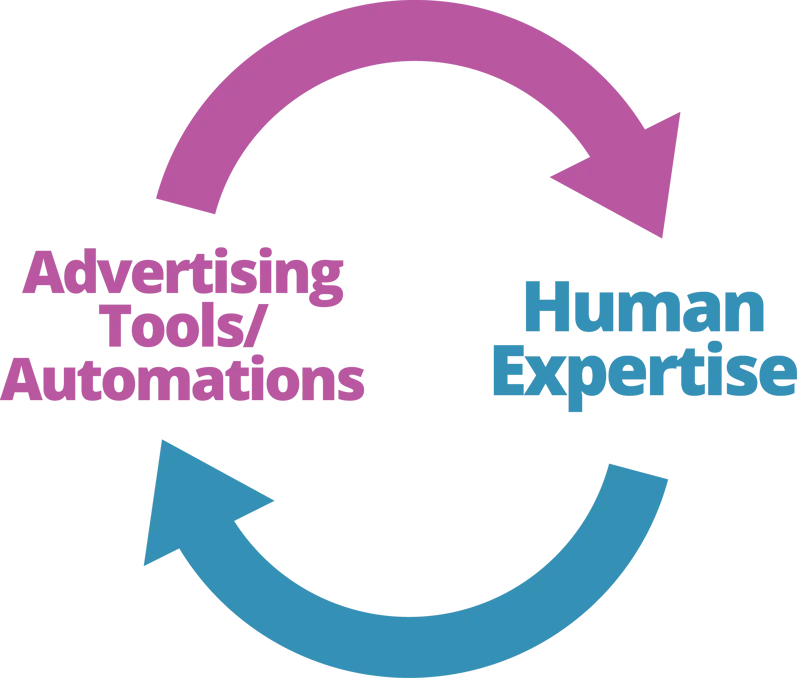
Your management fee is an investment in expert-driven strategies to deliver results consistently, not just a line item on an invoice. While tools like Google Ads offer advanced automation, such as automatic bidding, they require expert oversight to ensure lead quality and maximize ROI. That’s where our team comes in.
Here’s what your management fee covers:
Ongoing Campaign Optimization: This isn’t a one-and-done setup; it’s an evolving process requiring human expertise to refine ad copy, targeting, and strategy based on real-time performance.
Data-Driven, Professional Management: Our certified professionals leverage their expertise to monitor and adjust your campaigns, pairing the power of automation with expert judgment for maximum ROI. They use your data—like lead quality ratings and offline sales, which automated campaign tools often can’t access—to make adjustments that will impact your bottom line.
Fresh Creative Insights: The best ad campaigns creatively evolve. Our optimizations include testing multiple ad variations, identifying the most resonant messaging, and creating new ad materials and messaging to enhance results.
Why does this matter? Machines are powerful, but they can’t replace the insight of the skilled Search Influence marketers who manage your campaigns.
Ready to optimize your success in 2025? Reach out to your Account Manager today to discuss new digital advertising channels to expand your reach.
Stay ahead in digital marketing with The Influencer, Search Influence’s monthly newsletter covering SEO, digital advertising, and content strategy. Get top tips to fuel your online growth, expert insights from the Search Influence team, and our latest company news. Don’t miss out!
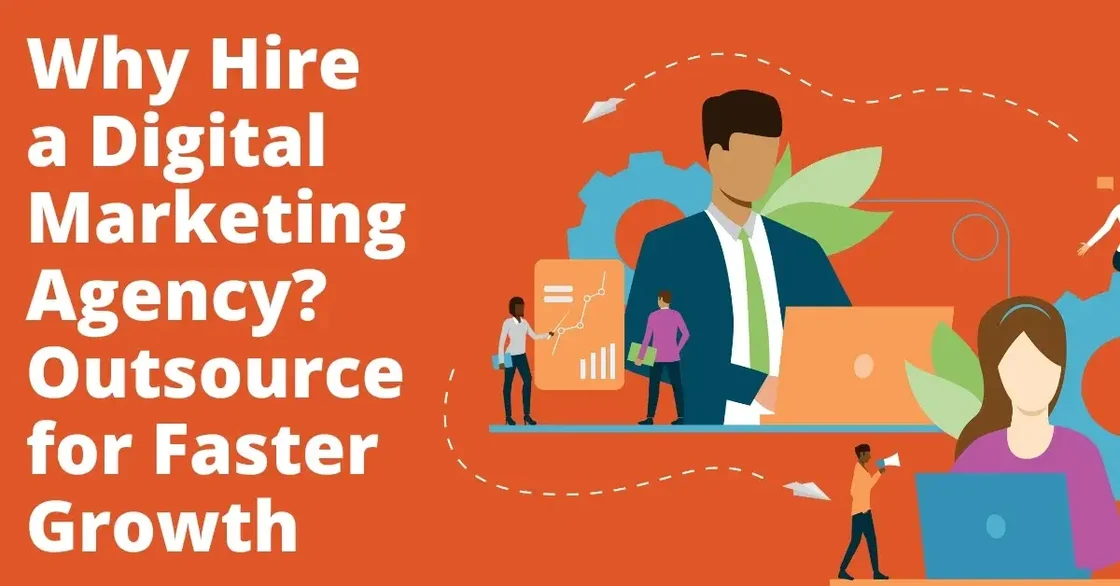
Why Hire a Digital Marketing Agency? Outsource for Faster Growth
PAULA KELLER FRENCH | 7-MINUTE READ
Discover how hiring a digital marketing agency can enhance your marketing campaign by giving you expert strategies, faster solutions, and greater capacity.
UPCEA Webinar Recap: Top Higher Education SEO Trends for 2025
MICHELLE NEUHOFF BOYD | 13-MINUTE READ
In a webinar with UPCEA, Search Influence unpacked the higher ed SEO trends shaping the industry. Discover fresh opportunities to futureproof your SEO strategy in 2025.
Imagine this: You’re part of a university marketing team tasked with boosting visibility for a new program. You know SEO is critical, but with so many options and resources to consider, figuring out where to begin feels overwhelming.
You’re not alone — according to our higher ed research study we conducted with UPCEA, 51% of higher ed marketers report not having an SEO strategy in place.
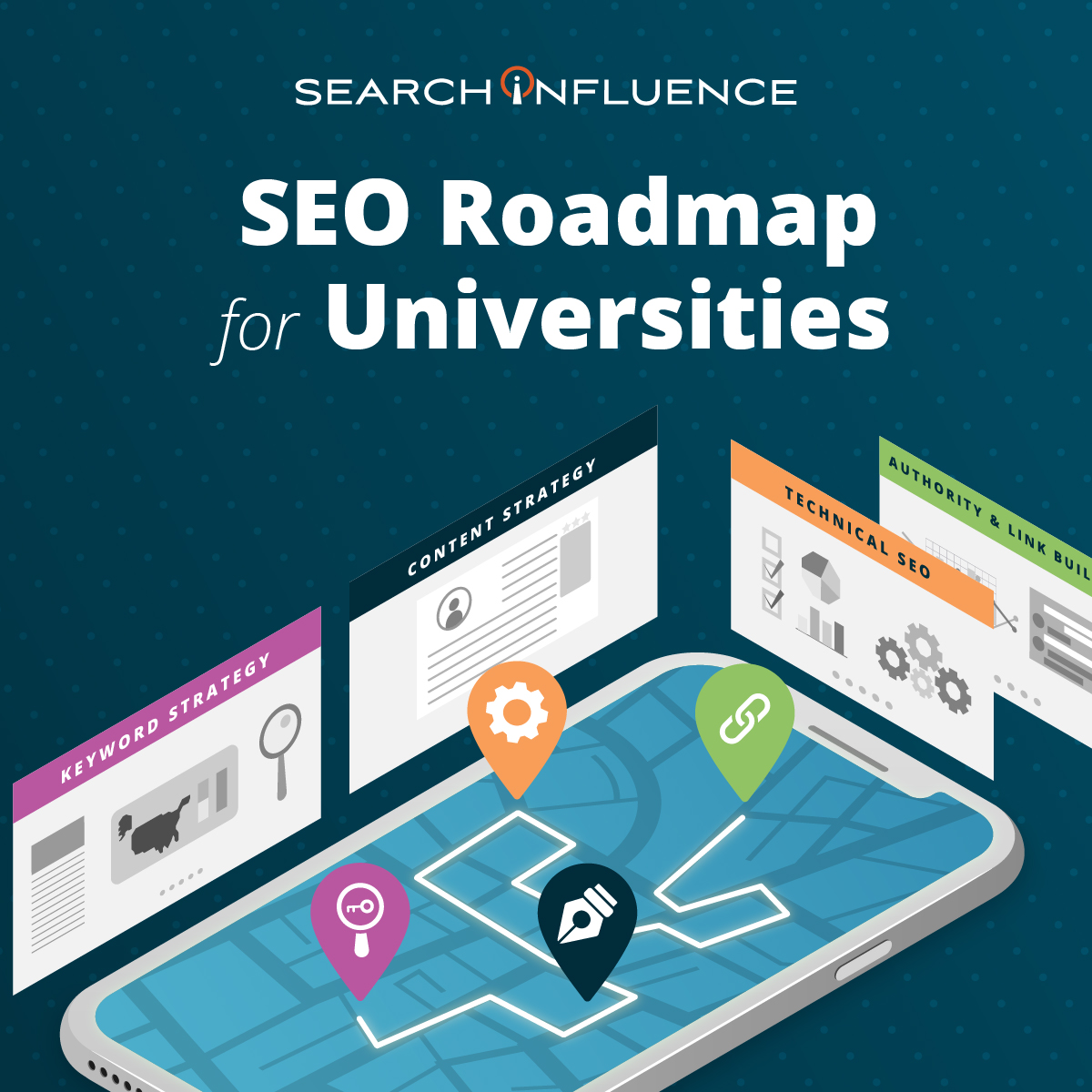
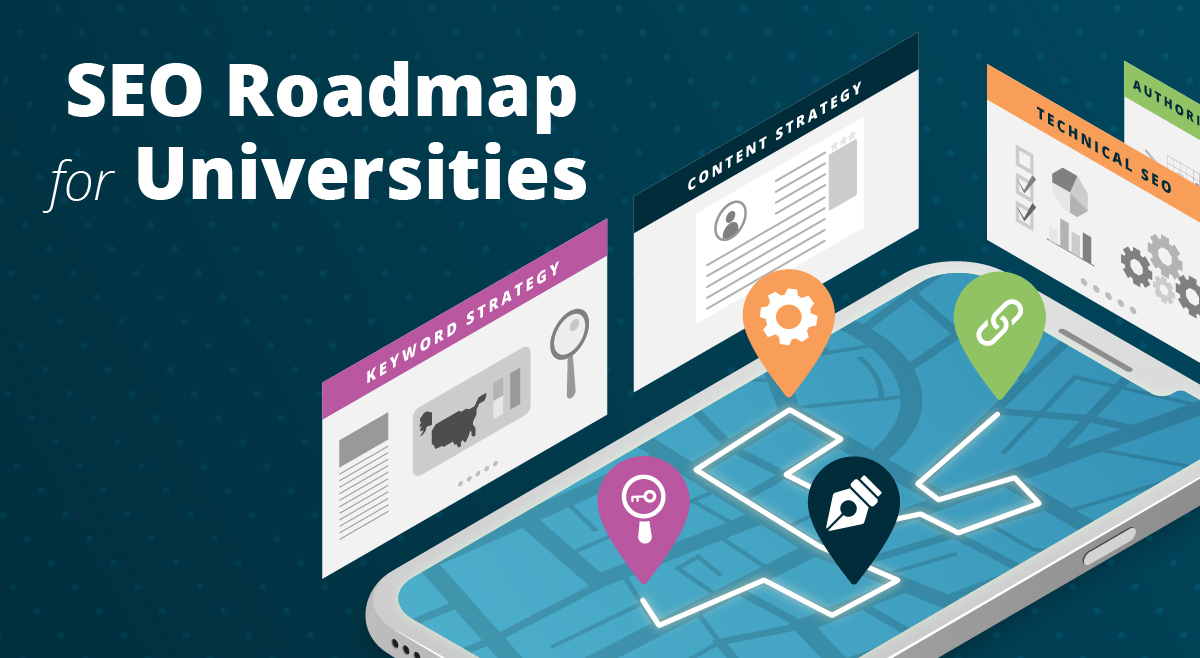
Here’s where Search Influence’s SEO Roadmap will help. Designed to provide a clear, actionable plan for your institution, our SEO Roadmap focuses on one top program or degree, delivering custom recommendations you can implement immediately.
The value of implementing an expertly developed SEO strategy cannot be understated. Consistent online visibility is the key to maintaining and growing enrollment for your programs. An SEO Roadmap gives you the tools you need to build that online presence while exploring the value of agency support without a long-term commitment.
Our higher education SEO Roadmap is ideal for launching a new program or refreshing an existing one, providing a budget-friendly entry point that gives your institution a strategic edge in the crowded higher ed landscape.
Read on to discover how our SEO Roadmap will drive meaningful results for your program.
What Is an SEO Roadmap for Higher Education?
Educational websites are large, complex entities, often involving many voices — from marketing teams to IT, communications, and even department heads.
Each team has its own ideas about how to increase enrollment and make an impact, leading to a multitude of directions without a unified strategy.
This is why a detailed, custom SEO roadmap is essential. You need an action plan tailored to the unique strengths and opportunities of your program, rather than a generalized report from a basic SEO tool.
Backed by a deep understanding of higher ed audiences and how they search, the SEO Roadmap from Search Influence provides actionable insights specifically designed to help you reach and connect with more prospective students.
SEO Roadmap vs. Audit: Which Is Right for Me?
An SEO roadmap may be right for you if…
You want to understand the SEO opportunities for a specific program, degree, or credential
You recognize the need for external SEO support
You want to understand what expertise you are missing in your SEO strategy
You want to make a case for SEO to your team or boss
You want to see what it’s like to work with Search Influence
You want to try working with an SEO agency without a long-term commitment
Search Influence’s SEO Roadmap is ideal for higher ed marketers who recognize the need for dedicated SEO support but need a little extra help developing their strategy.
An SEO audit may be right for you if…
You have a strong in-house SEO team and want an expert opinion on your performance
You want dedicated external SEO support and are ready to dive deep into improving your website as a whole as well as focus on program-specific enrollment
You have worked hard on your SEO, but the rankings and traffic aren’t improving
You have concerns about the navigation and user experience on your site
You believe your website setup may be holding you back
Search Influence’s SEO Audit is perfect for…
Experienced in-house marketers looking to refine their strategies and tackle challenges that limit their website’s SEO effectiveness
Marketers who want dedicated external SEO help to dive deep into improving their entire website as well as focus on program-specific enrollment
Search Influence’s SEO Roadmap
Experience the value of working with Search Influence through our SEO Roadmap — a targeted, customized strategy designed to elevate one of your institution’s top programs or degrees. This Roadmap provides a firsthand look at our proven SEO approach and delivers expert recommendations you can implement right away that will make a real impact on visibility and enrollment.
Our SEO Roadmap covers the essential pillars of an effective SEO strategy, giving you a comprehensive taste of the results we will achieve together:
Keyword Research: Discover what prospective students are searching for and uncover the key terms that position your program front and center.
Content Strategy: Receive tailored insights to optimize your existing content, create engaging new pieces, and reach students on and off your website.
Technical SEO: Understand the technical steps needed to enhance your site’s performance, ensuring a smooth user experience that search engines reward.
Authority & Link Building: Build credibility through targeted link-building strategies and connections to trusted sources that strengthen your program’s authority online.
This Roadmap is more than a one-off solution — it’s a glimpse into the level of expertise and dedication our team brings to every partnership. Powered by 20 years of SEO success, your Roadmap reflects our deep commitment to helping institutions like yours thrive in the digital arena.
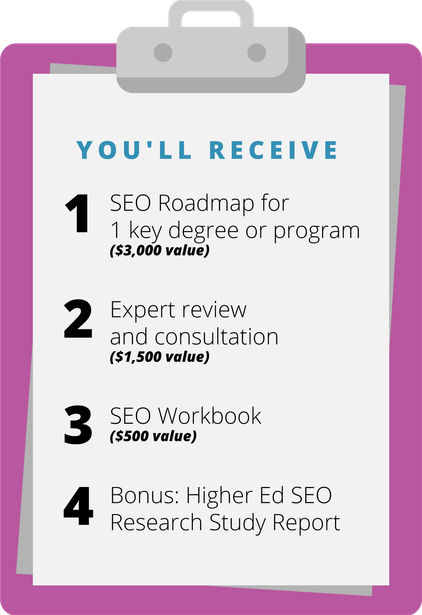
For only $1,497, you’ll get:
SEO Roadmap for 1 Key Degree or Program – A $3,000 value
Expert Review and Consultation – A $1,500 value
SEO Workbook – A $500 value
Bonus: Higher Ed SEO Research Study Report
We’ll also schedule a one-on-one review meeting, to guide you through each recommendation and ensure you feel confident in implementing each step.
This Roadmap is an opportunity to see what’s possible when Search Influence is in your corner. Get started today, and together we’ll build a path to long-term success.
Learn More About Our SEO Roadmap
Search Influence has helped countless higher education institutions boost their online presence and attract more students.
This includes longtime client, Tulane SoPA, who saw a 569% increase in keywords ranking in Google’s top spots and a 445% rise in organic traffic after working with us.
Our SEO Roadmap gives you an actionable plan to achieve top search rankings and greater visibility — just as we’ve done for Tulane SoPA and countless other higher ed institutions.
We continue to research and adapt to the latest search trends, including the impact of AI-generated search and social search on student behavior. Watch our joint webinar with UPCEA for expert insights and recommendations on these subjects.
Get started on the Higher Ed SEO Roadmap with our easy online checkout, or reach out to schedule a call with our team to explore how we will support your goals.
Alternative credentials and other innovative program offerings are reshaping higher education. To successfully launch these programs, your institution needs a strategic approach tailored to its unique structure, appeal, and audience.
SEO ensures your program is visible to prospective students at the start of their search, putting your institution on their radar early and making it a critical component of your launch strategy.
A well-executed higher ed SEO strategy drives sustained traffic, boosts enrollment, and amplifies the impact of your other marketing efforts, all while saving time and resources down the road.
Our SEO Roadmap provides a step-by-step plan to help you market your new program effectively. It ensures maximum visibility through proper keyword research, content strategy, technical SEO, and link building.
Higher education institutions are adapting to meet workforce demands and shifting learner interests. This evolution introduces entirely new offerings, including microcredentials — short-term programs designed to provide flexibility, affordability, and career-aligned skills.
Despite their growing popularity, many universities lack a clear, institution-wide strategy for effectively marketing these programs. Unlike traditional degrees, marketing credentials require a different approach — one that reflects their shorter duration, lower cost, and the fact that they are often purchased directly rather than requiring an application.
To successfully promote any new academic offering, whether it’s a four-year degree or an alternative credential, search engine optimization (SEO) must be the foundation. This ensures the program gains visibility where today’s learners begin their search: online.
If you’re launching a new program, here’s how to market it using SEO as the framework.
Why Use SEO to Promote New Academic Programs
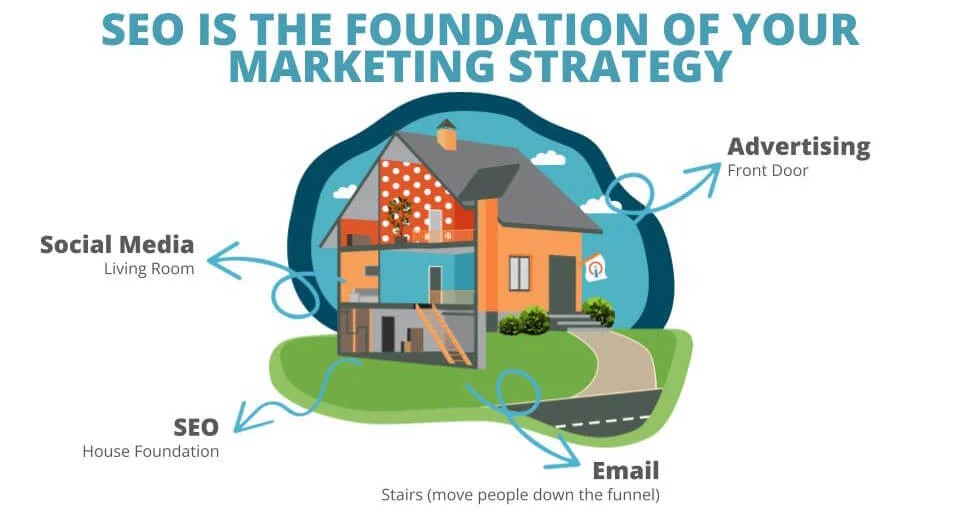
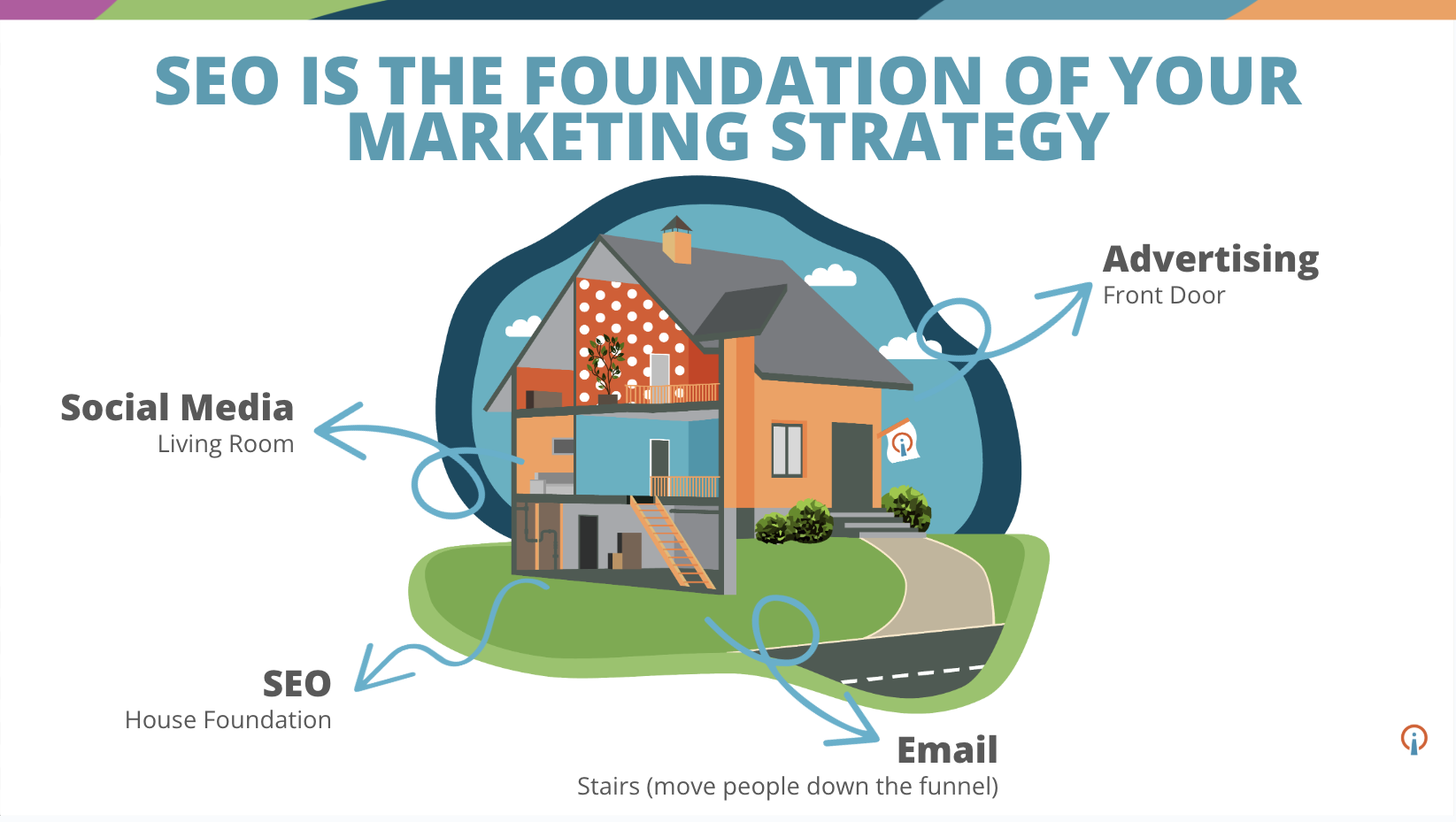
SEO is your marketing foundation
SEO isn’t an optional tactic; it’s the cornerstone of a successful higher education marketing strategy. As highlighted in our UPCEA webinar, “Top Trends for Your 2025 SEO Strategy to Attract the Modern Learner,” universities must change their view of SEO and integrate it from the start.
At its core, higher ed SEO focuses on improving your website, which is the central hub for all marketing activities. The student journey always leads back to your site, whether students arrive through paid search, social media, or email campaigns. A strong SEO foundation aligns your website with institutional goals, helps prospects find the information they’re looking for, and delivers measurable outcomes.
Adding SEO later or tackling it piecemeal limits your program’s reach and engagement potential.
When you prioritize SEO from the outset, you save time and resources, eliminating the need to retrofit a more expensive website later.
SEO reaches learners at the beginning of their search
Search engines are a prime starting point for most learners exploring education opportunities. For example, according to EducationDynamics research, 70% of online college students rely on search engines as their first source of information when researching higher education institutions.
Failing to invest in strategic SEO for your new program means missing out on early-stage prospects, leaving your competitors to dominate the organic search results.
SEO puts your institution on your prospect’s radar during the awareness stage. In the consideration stage, it fills a critical gap in being present when your prospects are actively searching for educational offerings.
SEO supports long-term growth
SEO is one of the most sustainable strategies for promoting new programs.
Unlike paid advertising, which stops driving traffic when campaigns end, SEO continues to deliver long-term advantages. Strong search engine rankings drive consistent website traffic and leads, even after the initial optimization work is complete.
SEO also enhances the success of your advertising campaigns. Your paid advertising efforts drive traffic to your website, where strong SEO ensures users find valuable, well-optimized content that encourages them to take the next step.
Combine SEO with other marketing efforts to create a synergistic strategy that boosts enrollment and maximizes your ROI.
For instance, a prospective student may see your ad, conduct a follow-up Google search for your program, and land on your well-optimized page. Without SEO, they might struggle to find your program in search results, reducing the return on your ad spend.
SEO sets the stage for site-wide success
Optimizing your new program page benefits your entire website.
SEO improvements made for one program can inform strategies for other pages, creating a ripple effect of improved rankings and organic traffic. For example, a student researching a credential in digital marketing might discover related offerings like a certificate in data analytics, increasing the likelihood of enrollment in multiple programs.
Start by optimizing your new program page and testing the results. Then, use the valuable insights gained to refine your approach and apply successful strategies to other program pages.
Over time, your collective SEO efforts will compound, leading to exponential growth in visibility and enrollment.
How to Market a New Program FAQs
SEO is the core of your new program launch, but getting started may lead to more questions than initially accounted for. If you’re finding it troubling to develop a marketing strategy that reaches prospective students, these FAQs may help.
What marketing strategies do colleges use?
Digital marketing for universities involves a myriad of strategies to attract students and guide them toward enrollment. Your new program marketing strategy should include:
SEO: Optimize your website so students can easily find programs through search engines.
Paid Search Advertising: Place targeted ads to reach prospective students actively searching for programs.
Social Media Marketing: Connect with students on the social media platforms they already use, such as Instagram and LinkedIn.
Email Campaigns: Share personalized updates about programs, deadlines, and events directly with prospects.
Content Marketing: Create blog posts, videos, and other resources that build trust and answer student questions.
These strategies work best when combined with a cohesive marketing plan tailored to your audience and overall goals.
How do I plan a marketing campaign for a single degree?
Planning a campaign for one degree starts with understanding your audience. Who are you trying to reach, and what matters most to them?
For example, if you’re marketing microcredentials, focus on professionals and career changers who prioritize flexibility, affordability, and specific skills over prestige. Create program pages that cover key details like career outcomes, professional development opportunities, ROI, and other unique benefits.
Make sure your new program page is optimized for SEO so prospective students can find it online.
From there, build a funnel that matches the student’s journey and decision-making process. Include relevant marketing channels like digital advertising, social media, and email to build awareness and drive traffic. Your campaign should lead back to your program page or dedicated landing page, where students can take the next step.
Then, ensure a nurture strategy is in place (with an automated email nurture strategy at a minimum), and ideally include texts and personal outreach.
How can my higher education institution optimize my website for SEO?
Proper site optimization relies on a solid site structure.
Is it mobile-friendly, fast-loading, and free of broken links? Once the foundation is strong, focus on creating informative content that speaks directly to what students are searching for. Research relevant keywords they use and incorporate them naturally into your pages. Make navigation easy so students can find what they need without frustration, and build credibility by earning backlinks from trusted sources.
With these steps, your website becomes a resource students can count on — and a tool that drives enrollment.
How can I create high-performing program pages?
Think of a program page as more than just an information source. It’s ultimately where students decide if your program is right for them.
Start with the basics: Include program outcomes, costs, and timelines, but present them clearly and engagingly. If you’re marketing microcredentials, lean on testimonials and success stories that emphasize quick, tangible results (e.g., “Gain advanced coding skills in just 4 weeks!”)
Remember to use action-oriented CTAs to guide students down the funnel, whether that’s requesting more information or applying. For microcredentials, skip the long admissions cycle and simplify your sales funnel with direct CTAs like “Enroll Now.”
Aligning your messaging with your audience’s specific needs ensures your program page converts interest into action.
How can I measure the success of my new program marketing?
Measuring your program’s marketing success is about seeing how well you connect with prospective students.
Do students find your program when they search online? Tools like Google Analytics can show you how much traffic your program page gets and what keywords drive it. Next, look at how students engage — do they spend time on the page, exploring other areas of your site, or clicking on CTAs? Most importantly, check if they take action, like filling out an inquiry form.
By monitoring these higher education metrics, you will see what’s working and what isn’t and make adjustments that bring you closer to your goals.
SEO Roadmap for Marketing New University Programs
Marketing a new program requires a strategic plan, but many institutions struggle to find the time or resources to develop one. Our SEO Research Study revealed that 51% of higher education institutions don’t have an established strategy — severely limiting their ability to compete online.
At Search Influence, our SEO Roadmap provides a clear and practical solution designed to address how to market a new college program. This three-month plan includes easy-to-implement recommendations for one top program, allowing you to build an SEO basis for your new launch.
With your SEO Roadmap, you’ll receive an actionable higher ed SEO strategy from our team of seasoned strategists, covering:
Keyword Research: A comprehensive analysis of the terms prospective students use to find programs like yours.
Content Strategy: A framework for building a program page that resonates with your target audience.
Technical SEO: An assessment of site speed, mobile usability, and technical factors affecting search rankings.
Authority & Link Building: Recommendations for improving credibility and search visibility through high-quality backlinks.
This Roadmap provides a focused starting point for improving your program’s visibility and impact online. Use it to test the waters, refine your approach, and expand the marketing tactics to your other program pages.
Ready to market your new program in a way that effectively converts? Request your personalized Roadmap today to master SEO for college programs!
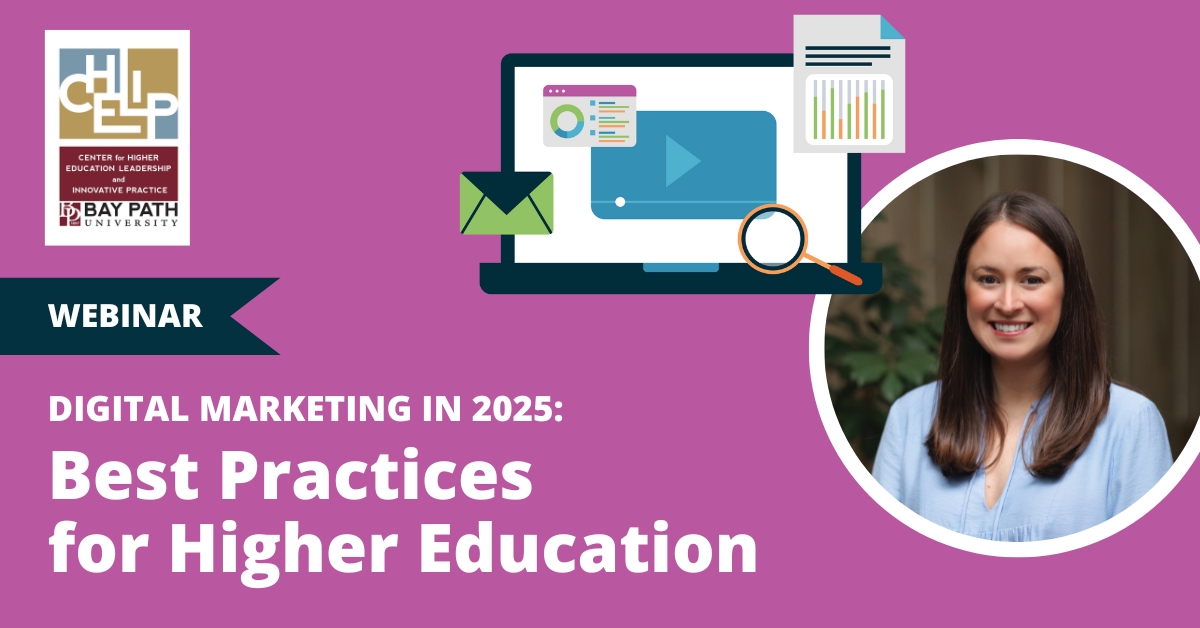
Search Influence’s Director of Sales and Marketing, Paula French, presents the guest webinar Digital Marketing in 2025: Best Practices for Higher Education on Wednesday, January 22 at 12 PM EST, as part of Bay Path University’s Leading Edge Thinking in Higher Education Series.
In her webinar, Paula will explore three pivotal trends transforming enrollment marketing:
Attendees will gain insights into leveraging AI to optimize SEO, adapting to evolving student behaviors on social platforms, and navigating new targeting strategies in a post-cookie world.
Established in 2019, CHELIP leverages over 120 years of Bay Path’s leadership in teaching and learning excellence to foster bold ideas and collaborative solutions. Guided by a forward-thinking advisory board and reporting directly to the University President, the Center encourages research, scholarship, and creative approaches to address the evolving needs of students and institutions.
Through initiatives like the Leading Edge Thinking in Higher Education Series, CHELIP continues to shape the future of academia.
This webinar series invites leaders across the nation to discuss advancements and challenges in higher education.
Past speakers include:
Vice President for Enrollment Management at RHB, Ken Anselment
Nationally renowned enrollment expert, Michael Ritter
Honorary Faculty Fellow in Innovation With CHELIP, David J. Staley, PhD
About Paula French
Paula French is a seasoned digital marketing expert with over 15 years of agency experience. Her passion for innovation makes her a trusted voice in navigating the complexities of modern digital marketing.
Renowned for her ability to craft data-driven strategies, Paula has helped institutions like Tulane SoPA connect with and engage their audiences effectively. Her specialization in higher education marketing measurement ensures campaigns align seamlessly with institutional goals, driving meaningful results.
A sought-after speaker, she regularly shares her insights at key industry events including UPCEA, Pubcon, MozCon, and LocalU, and her thought leadership has been featured in publications like University Business.
Learn More About Digital Marketing Trends With Search Influence
Stay ahead in digital marketing with The Influencer, Search Influence’s monthly newsletter covering SEO, digital advertising, and content strategy. Get top tips to fuel your online growth, expert insights from the Search Influence team, and our latest company news. Don’t miss out!
Should You Be Marketing During a National Crisis?
ALISON ZERINGUE | 10-MINUTE READ
Marketing during a national crisis helps your brand stay the course in the face of adversity. Explore budget-friendly strategies with Search Influence.
Effective SEO Strategy Must-Haves: Why Partner With Search Influence
PAULA KELLER FRENCH | 11-MINUTE READ
Effective SEO strategies demand an approach that accounts for a business’ goals and challenges. In this blog post, we’ll share the benefits of a personalized SEO strategy and pull the curtain back on our process.
With enrollment trends shifting, target learners evolving, and search habits changing, your 2025 higher ed SEO strategy may need a refresh.
In a webinar with UPCEA, Search Influence shared tips and tricks for accommodating new search trends such as AI Overviews and social search to ensure your institution remains visible to prospective students.
As these trends shake up the higher ed playing field, your university must have an up-to-date SEO strategy in place to outpace the competition and reach your enrollment goals.
Search Influence and UPCEA hosted our webinar, “Top Trends for Your 2025 SEO Strategy to Attract the Modern Learner.”
As SEO and Creative Manager at Search Influence, I joined Paula French, our Director of Sales and Marketing, alongside UPCEA’s Chief Research Officer Jim Fong, and Bruce Etter, Senior Director of Research and Consulting, to discuss the state of higher ed SEO going into 2025.
In the webinar, we unpacked how the industry faces a seismic shift — one that universities must adapt to remain relevant in the eyes of prospective students.
With enrollment decline upon us and a change in how students research potential schools, many marketing leaders are left to rethink their SEO strategy. Emerging trends like Google’s AI Overviews and the rise of social search are disrupting traditional search patterns, but they’re not without the promise of new possibilities to connect with prospects.
Our webinar explored practical ways of thinking about the “new wave” of SEO and how your university can future-proof its strategy in the face of evolving search behavior.
If you missed it live, here’s a recap of the top takeaways to help you build an SEO strategy that outlasts trends and attracts the modern learner.
Higher Ed SEO Webinar: Top Takeaways
The state of higher education
The higher ed industry is reckoning with both a “demographic cliff” and changing perceptions of college’s value:
Only 36% of those surveyed have a “great deal” or ”quite a lot” of confidence in higher education, down 19% from 2015. (Gallup, 2023)
Though high school graduation rates are strong, fewer learners pursue college immediately after graduating, with the rate dropping from 70% to 62% over the past decade. (National Center for Education Statistics, 2024)
In fall 2023, first-time student enrollment declined by 3.6%. Undergraduate enrollment rebounded during this time, mostly due to community college (+4.4%) and certificate growth. (National Student Clearinghouse, 2023)
Despite justifiable concern for how this shifting student outlook may affect your institution, it opens the door to a new target demographic: the modern learner.
This type of learner, often categorized by their interest in program flexibility, is exploring alternative pathways to achieving their career goals. They take an interest in non-traditional programs, including for- and non-credit training and certificates, as well as stackable undergraduate and graduate credentials.
To stay competitive, university and marketing leaders must broaden their focus to develop and effectively promote diverse program types. Achieving this requires an SEO strategy that aligns with evolving trends in how students search for and choose schools.
SEO higher education trends for 2025
Impact of AI on SEO
Generative AI platforms like ChatGPT are changing the way people find information online. According to 2024 Hubspot research, 1 in 3 (33%) of people use gen AI to complete their searches online, compared to just 12% in 2023.
In the context of higher ed, this equates to a growing deviation from the search for programs in traditional search engines like Google or Bing. Students can learn about your institution and decide whether or not your programs are a good fit for them without ever having visited your website. (Note: ChatGPT’s paid version and Perplexity’s free version do include sources, so you may get referral traffic to your site if you are filtered into responses.)
Though the mass movement is toward AI, traditional search engines still hold high prominence in the search journey, with Google processing 5.9 million searches each minute.
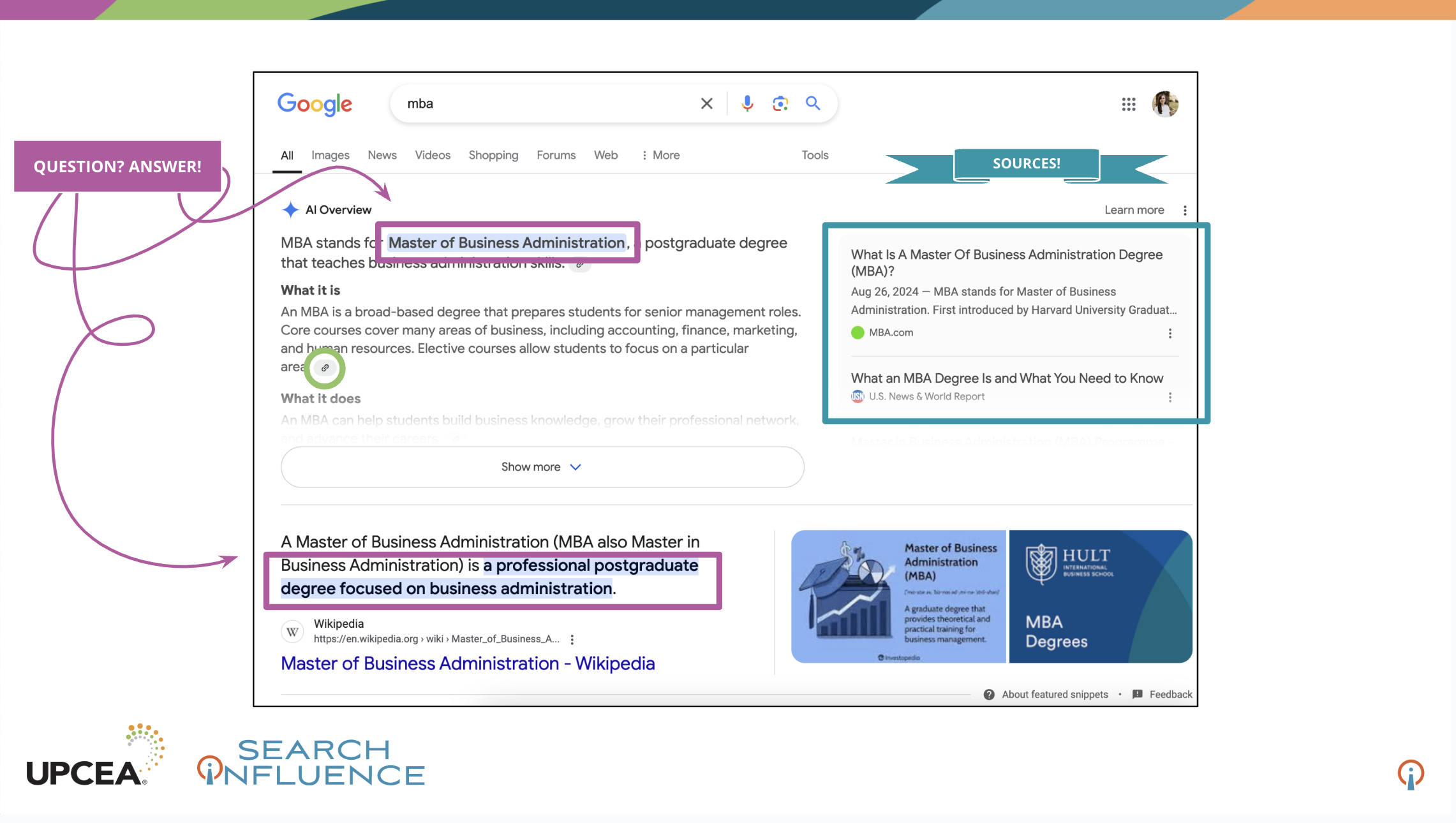
However, the rise of AI-driven tools is reshaping user expectations for speed and relevance in search results. To stay ahead of these shifts, Google has responded by introducing its own AI-powered feature, AI Overviews (AIOs).
AI Overviews
Launched in May 2024, AIOs surface above organic search results to deliver quick, concise summaries of key information in response to queries. Each overview includes clickable sources, allowing users to explore the original content behind the summarized insights.
While helpful for users, AIOs push organic listings further down, reducing visibility — even for top 5 rankings — as prospects may not scroll far enough to find your site.
Research by Seer Interactive shows that the organic click-through rate (CTR) declines by roughly 70% when an AIO is present in the search engine results. For queries that do not generate an AIO, organic CTR trends around 2.94%. When an AIO is present, organic CTR declines to about 0.84%.
On the positive side, organic CTR increases to 1.08% when a site is included as an AIO source.
Adapting your strategy for AI
While gen AI, whether ChatGPT or an AI Overview, is disrupting the search landscape, it doesn’t mean you should abandon focus on your SEO strategy. Instead, refine your university’s strategy to embrace AI and use it as a different opportunity to appear in front of prospects.
To adapt your strategy to account for AI searches:
Optimize for commercial/transactional keywords: Informational-intent keywords (ex: “Why pursue an MBA?”) trigger an AIO 99.2% of the time. However, they only display 10% of the time for commercial and transactional-intent keywords (ex: “MBA program online”). Organic click-through rates are likely higher for these types of searches since they are less likely to be overshadowed by an AIO. While you shouldn’t deprioritize informational-intent keywords entirely, you should pay love to relevant commercial and transactional terms.
Evaluate search competition and how well you rank: Knowing how competitive your search phrases are and where your content ranks helps identify the changes needed to improve your visibility. If a search term does not have considerable competition and you rank well for it already, you may just need to optimize the content to potentially grab a spot in an AIO.
Look at search intent: Search intent informs how to develop your content. For example, if the search intent is informational, you’ll want to draft your content in the format that Google most often prefers for these types of searches (i.e., articles, videos, and guides). Step-by-step, “how-to” content generally ranks best, and thus gets pulled into an AIO, for informational content.
Develop question-based content: Google’s primary job is to help people find answers to their questions. Your content should always be positioned toward providing answers to those questions. If you’re unsure of the questions your prospective students are asking, you can perform a search of the root keyword term and look at the People Also Ask (PAA) section.
Make your content digestible: Your content should be clear and scannable for both prospects and search engines, using headings, bullet points, and short paragraphs. AI platforms like ChatGPT favor conversational, natural language, so optimizing for human-like speech can also boost your chances of being included in AI-generated responses.
Impact of social search on SEO
After AI, the second most disruptive search trend to consider in 2025 and beyond is social search.
Social search refers to the use of social media platforms as search outlets, where users find information, recommendations, or content within platforms like TikTok, Instagram, or LinkedIn. This trend leverages the power of community-driven insights and visually engaging formats to connect users with information in a more interactive way.
For higher education, social search means prospective students are increasingly using these platforms to explore programs, read reviews, and engage with content that shapes their enrollment decisions.
To effectively reach these searchers, institutions must understand the different sides of social search and how each offers a new way of meeting prospects online.
Types of social search
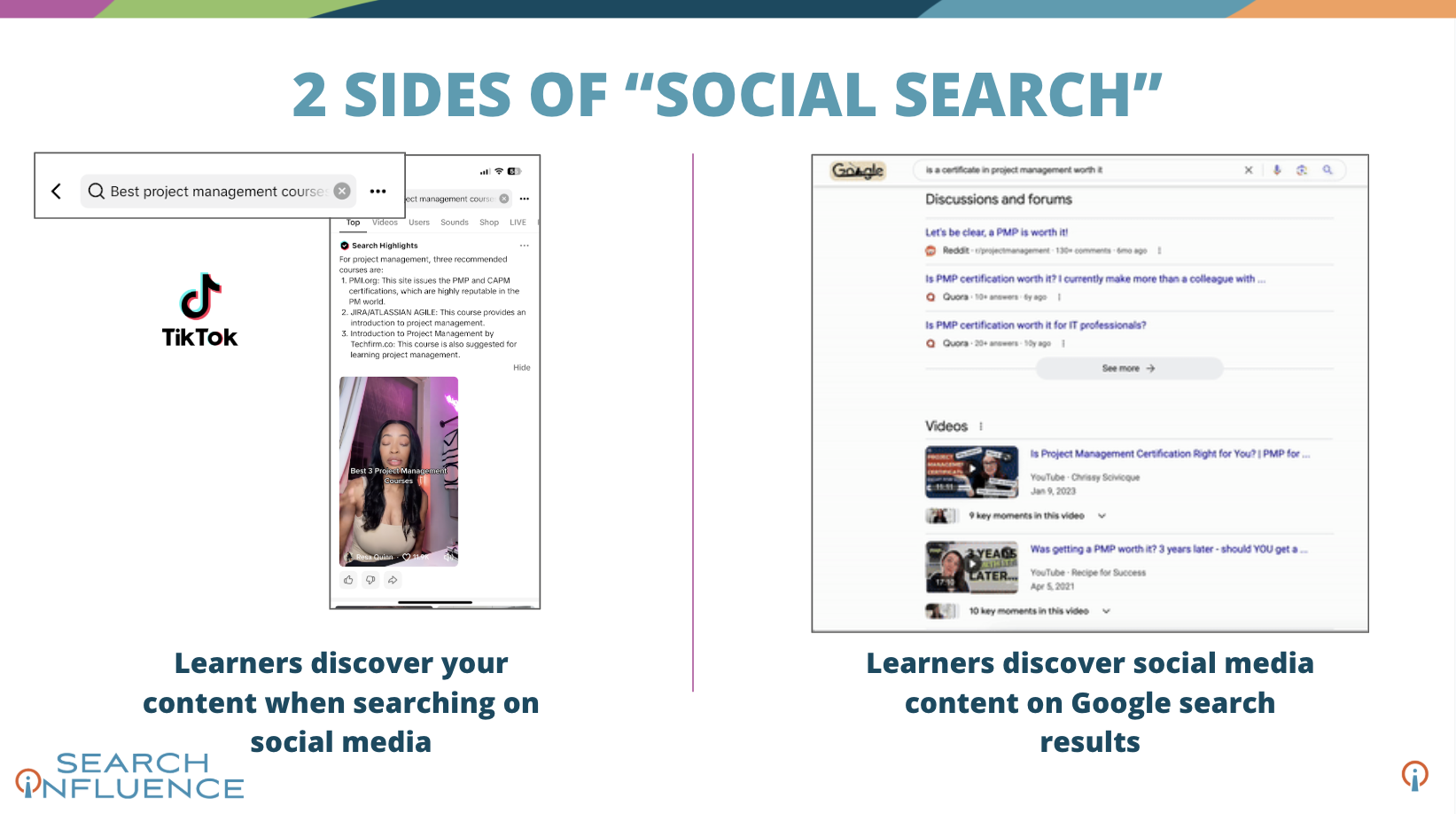
There are two ways social search works. One involves prospective students searching for your content directly on social media, while the other happens when your social media content surfaces in search engine results
The first side to social search is gaining steady favorability among searchers, primarily younger generations. According to Hubspot research, in 2023, roughly 15% of people preferred to search directly on social media over traditional search engines, with about 30% of Gen Z and Millennials most likely to use this method. However, in 2024, Hubspot found that the percentage of all generations that prefer to search on social media had increased, up from 15% to 21%.
The other side of social search presents the opportunity to enhance your brand’s visibility directly within search engine results. More and more social sites, like LinkedIn and YouTube, are ranking on Google, and sometimes they even pull into AIOs. By optimizing your social profiles for search, you can increase the likelihood of appearing in these high-visibility spots, referring more prospects to your institution.
Adapting your strategy for social search
Since it offers more real estate for you to be found online, social search can have a considerable impact on your SEO strategy. When you prioritize building robust social media content, you can reach prospects both in traditional search engines and across highly trafficked social media platforms.
To successfully integrate social search into your SEO strategy:
Repurpose your website content on social: The most efficient way to get started is to repurpose your high-performing content on your social accounts. You can do this by republishing videos from your site to your social account or publishing text-based articles on platforms like LinkedIn. Other ideas include adapting your blog content into videos or crafting video overviews of key program page information.
Expand your definition of social: When most people think of social media, they picture Instagram, TikTok, and Facebook. However, sites like YouTube, Quora, and Reddit are their own forms of social media and are often filtered into the search results, too. When you embrace all social search outlets, you can improve your visibility on social platforms themselves, potentially making you more visible in a Google search.
Strategies to attract and enroll the modern learner
Start investing in SEO now
The definition of SEO has broadened to include three mediums for meeting your audience online: traditional search engines, AI platforms, and social media. As a higher education marketer, you now have extra opportunities to nurture your prospects down the funnel, but it won’t happen without a solid investment in SEO.
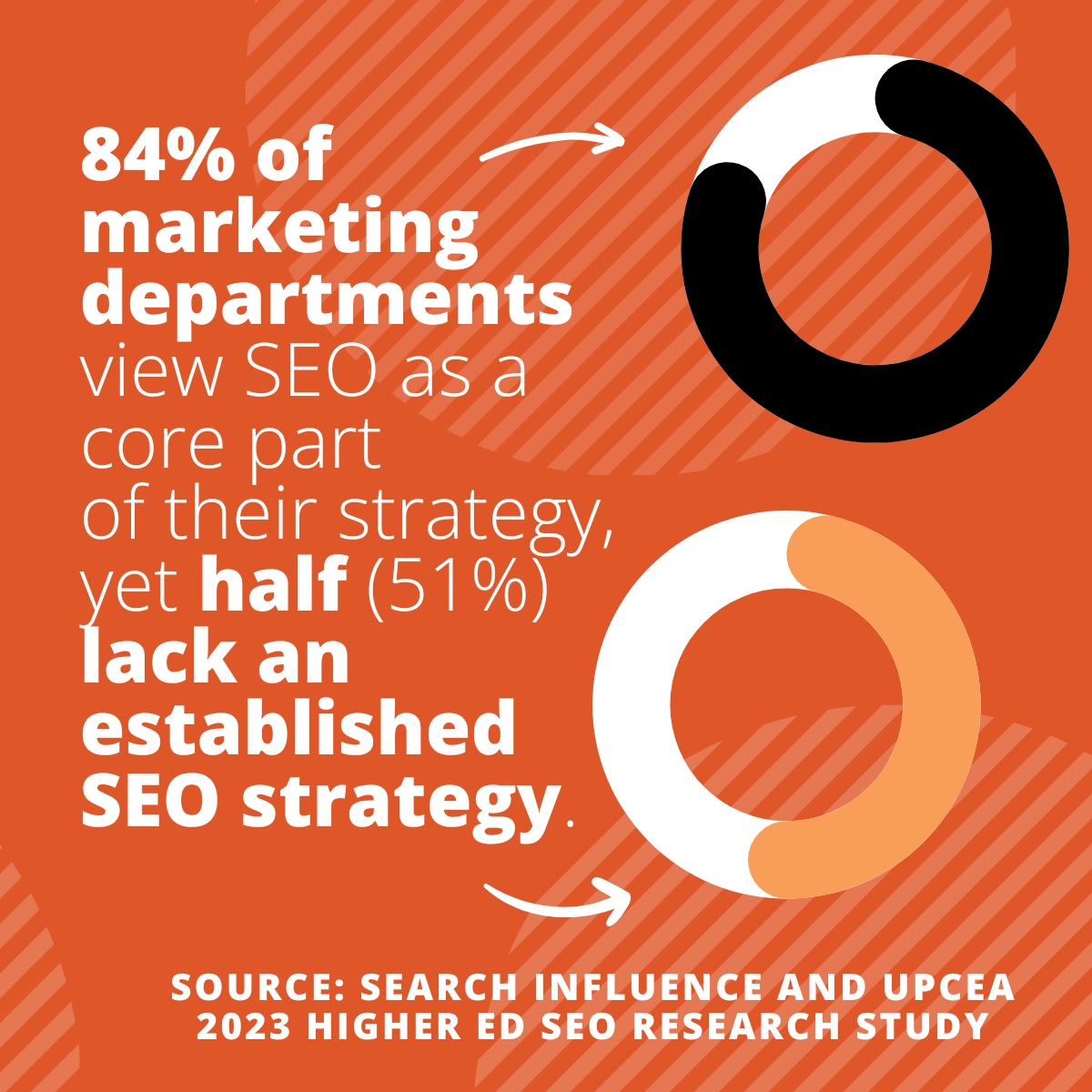
While 84% of marketing departments view SEO as a core part of their marketing strategy, half (51%) do not have an established strategy in place. SEO is not additive or something to execute piecemeal when you have time or can just do the easy bits — it’s the foundation of your marketing strategy. Your website is where all your other marketing efforts lead, with SEO being the area of marketing that yields the most long-term results.
Ranking high in search continuously becomes more complex with the latest trends, and the student journey is changing. If your university fails to adopt a comprehensive SEO strategy, it could result in losing prospects to more visible competitors.
Develop the tenets of a solid SEO strategy
Since SEO is foundational, it must serve as the solid framework upon which your entire marketing strategy is built. A strong SEO strategy prioritizes impactful tactics such as:
Targeted, relevant keywords tailored to each program, degree, or certificate page
Content plans for every offering, including pillar pages and cluster content
Link-building strategies that leverage profiles, directories, PR/media, and internal linking
Regular monitoring of technical site health to ensure peak performance
Equally important is establishing key performance indicators (KPIs) and implementing a routine reporting process. Metrics such as organic inquiries, organic traffic, referral traffic from key sources, and rankings — including competitive comparisons — are essential for tracking success.
Despite its importance, reporting is often overlooked. Our research with UPCEA reveals that while 62% of institutional leaders want regular updates on SEO metrics, only 31% currently receive them, leaving a critical gap in strategic oversight.
If you lack the skills, time, and resources to execute a proper SEO strategy, consider working with an agency. They can help take much of the strategizing off your plate, while also granting you the confidence that your strategy is both up-to-date and optimized for success.
Key Questions From the Webinar Audience
Should we write in the first person when using question-based content since many users search using first-person wording?
Using first-person language in question-based content can be effective but isn’t mandatory. FAQs and similar website sections typically adopt a second-person perspective, as it directly addresses the reader. Both approaches can rank well in search results, so the choice ultimately depends on your university’s style and tone. However, consistency across your content should always remain a priority.
What’s the best way to find keywords to help with an SEO strategy?
Begin by identifying root keywords related to your programs and understanding what prospective students are searching for. You can also utilize keyword research tools to expand this list and analyze metrics like search volume and ranking difficulty. Once you have a refined list, evaluate search intent to ensure the keywords align with your content’s purpose. A practical approach is to search for the keyword directly and review the top-ranking results to confirm its relevance to your target audience and content strategy.
Should social media efforts focus on university accounts, personal accounts, or both?
University accounts are often the primary choice for social media efforts. However, leveraging personal accounts, such as those of professors or staff who can act as influencers or thought leaders, can significantly enhance your strategy. Using both in tandem allows for broader reach and a more personalized connection with your audience.
Guest writers tend to get better rankings within search engines. Is it wise to invest in such writers?
The value of guest writers depends on their qualifications and expertise. Writers with specialized credentials or industry authority can enhance content ranking and credibility. Additionally, consider whether their content is well-optimized for SEO and aligns with your goals. Evaluating these factors will help determine whether guest writers are a worthwhile investment for your strategy.
Is the shift to conversational content replacing keyword-centric strategies?
While conversational content is becoming increasingly important, it doesn’t replace the need for keyword-centric strategies. High-value head terms and less conversational searches will always play a crucial role in driving visibility. A smarter approach balances both, integrating conversational content alongside targeted keywords to address diverse user intents.
Discover More Higher Education SEO Best Practices
Staying ahead of the latest trends in SEO is the most effective way to reach the modern learner and meet your enrollment goals in 2025. For deeper insights into the state of the industry and how you can adapt, be sure to watch the full recording of “Top Trends for Your 2025 SEO Strategy to Attract the Modern Learner,” linked here.
Feeling stuck on implementing a strategy that moves the needle toward full-funnel success? Search Influence is here to help with higher ed resources to fuel your enrollment pipeline:
SEO Higher Ed Research Study: Read the latest on higher ed SEO, where marketing leader priorities lie, and the work that your university must do to outpace your competitors.
SEO Blog: Learn how to make a strong case for SEO to your higher-ups to ensure your university’s organic presence is optimized for success.
SEO Workbook: Gain access to exercises that help you develop three months of SEO techniques to boost your online visibility, from keyword strategy to technical SEO improvements.
SEO Roadmap: Rev up your SEO engine with snackable strategy recommendations for one top degree or program, plus dedicated time with our team to review and consult.
Your higher ed SEO goals are within reach. Solidify your visibility in changing times with expert support today.
Hiring a digital marketing agency gives in-house marketers access to a team of experts with specialized skills and knowledge. Companies benefit from advanced marketing techniques without ongoing in-house training and investment in expensive tools.
Outsourcing digital marketing to an agency frees up time for businesses and internal teams to focus on their core operations.
Hiring and managing an in-house marketing team comes with risks, such as turnover and unmet expectations.
If your online growth is slowing because your advertising strategies fall short…
Taking on all aspects of marketing in-house is scary, especially when you lack the time, expertise, and resources to create campaigns that connect with potential customers.
A good digital marketing agency helps you reach your target audience with results-driven campaigns that meet your business goals. It also requires less commitment while adding more overall capacity to your business.
Hiring an experienced digital marketing company will offer a fresh perspective and help grow your business online.
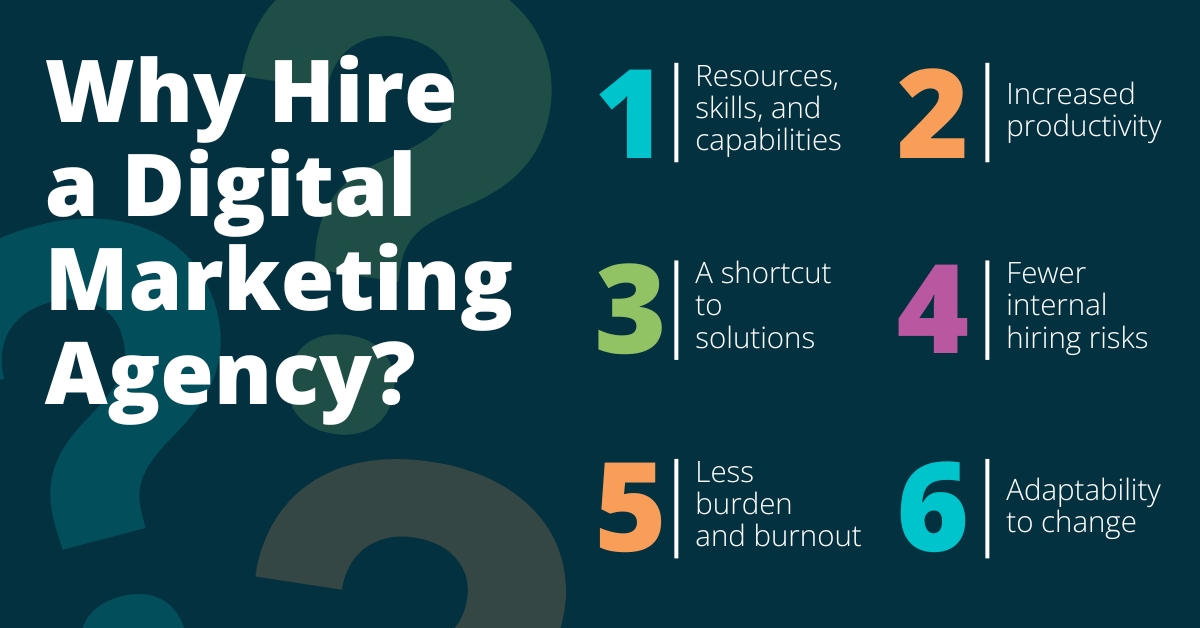
Why Hire a Digital Marketing Agency?
When you hire the right digital marketing agency, their team becomes an expansion of your own. A great digital marketing agency is an invaluable asset, from handling your social media advertising and paid digital advertising to helping you create marketing materials and optimizing your website for search engines.
There’s no need to spend the time, effort, and money on building an in-house marketing team when the benefits of hiring a digital marketing agency are abundantly clear.
1. Expand your resources, skills, and capabilities
Outsourcing your digital marketing services allows you to access more specialized skills, knowledge, and tools without the long-term commitment of hiring an in-house team.
Digital marketing agencies stay updated on the latest marketing trends and strategies. This allows you to reap the benefits of the most advanced marketing campaigns without committing time and resources to keep up with this constantly evolving industry.
And with those trends comes a rollout of new (and expensive!) tools and skills you must master to stay in stride with the industry.
2. Gain greater capacity for increased productivity
We get it; we’re marketers, too. You take pride in your adaptability and knack for learning new skills on the fly.
But there is hardly enough time in a day to complete all your to-dos, much less become an experienced SEO professional, creative copywriter, and detail-oriented digital ads manager.
You’re wearing more hats than an MLB dugout!
Hiring a digital marketing agency allows you to be the manager without having to play first base and shortstop too.
This helps you focus on your other daily responsibilities, freeing you up so you can be more effective.
3. Receive a shortcut to solutions
An agency solves your marketing challenges fast and with proven expertise.
Like any industry, digital marketing is full of its own quirks. Digital marketers are well aware of these oddities and are prepared to anticipate and navigate them.
For example, say you’re struggling with rising online advertising costs in 2024. The right agency would pinpoint that online advertising costs are rising because it’s an election year and then pivot your marketing strategy to a more cost-effective solution.
4. Mitigate common risks associated with internal hiring
Hiring a digital marketing agency to expand your team requires less commitment and time than building one in-house team while delivering greater lead generation in return.
Building a full-service in-house team is no small task.
You have to spend time and money on recruiting and training new employees, all while risking turnover or not meeting expectations.
Why gamble on an in-house marketing team when you can pay for what you need when you need it with a digital marketing agency?
The answer is clear.
5. Decrease burden and burnout
Being a marketing manager is hard enough. Don’t add to your burden by hiring and overseeing a full-on team to manage your marketing process. Your time should focus on the broader marketing picture, not nearing burnout because you’re trying to master new digital advertising techniques.
6. Adapt quickly to change
You must be a campaign chameleon to ensure longevity in your marketing efforts, always ready to adapt to new environments and circumstances.
But if you’re not much for reptiles, a knowledgeable digital marketing agency brings a similar knack for adaptability.
A marketing agency can pivot your strategy at a moment’s notice. Whether your key performance indicators are down or you need to update your social media platforms, your agency is there.
Why Businesses Choose Digital Marketing Agencies Over In-House Teams
At this point, you might be thinking, “Of course, a blog written by a digital marketing agency recommends hiring a digital marketing agency.”
While your skepticism is understandable, we aren’t the only ones who recommend hiring a digital marketing agency. Our clients do, too.
An hour’s worth of your research goes beyond what we can come up with in a week” – B2B SaaS Company
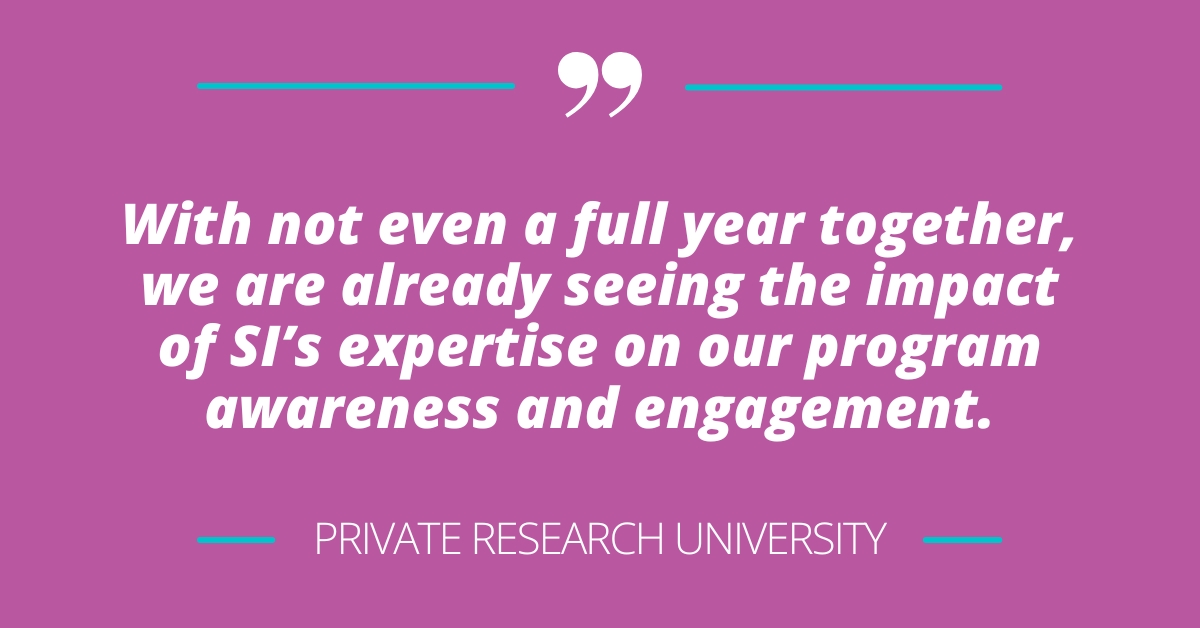
“With not even a full year together, we are already seeing the impact of SI’s expertise on our program awareness and engagement.” – Private Research University
“Search Influence offers the expertise of a large and long-established organization with the culture and adaptability of a small boutique shop.” – State University
“Knowledgeable, professional staff who are leaders in their field.” – Regional Cultural Venue
“The overall turnaround time from the first meeting to the deliverables was quick, and they were always communicative.” – State University
The payoffs in action
Below is a perfect example of how partnering with an agency can elevate your marketing efforts.
The marketing team at a continuing education school at a large university had the skills to build their website and write content, but they needed guidance on how to build the site with SEO in mind from the start.
Search Influence completed an SEO audit and UX audit for them. This client brought us in at the start of the website redesign so we could offer extra guidance on what was good and not so good about their current website.
Since completing the audit, the school partnered with us on six months of consulting to ensure our recommendations were carried out during the redesign.
This is a perfect example of how partnering with an agency can elevate your marketing efforts. With our recommendations, the client’s website is expertly built to dominate the SERPs from day one.
Take Our Higher Ed SEO Quiz to Find Your Best Approach
Making decisions about managing your SEO strategy in-house or outsourcing it to an agency can feel overwhelming.
Fortunately, tools and frameworks exist to streamline this process — like Search Influence’s Quiz: Higher Ed SEO – In-House or Outsource?
Our Higher Ed SEO Quiz simplifies the decision-making process for university marketers by helping you determine the best approach for managing your SEO — whether that’s keeping it in-house, outsourcing, or adopting a hybrid model. In just a few minutes, you’ll gain customized recommendations that align with your institution’s goals and resources.
These actionable insights empower you to make smarter staffing decisions, maximize your team’s potential, and enhance the effectiveness of your SEO strategy.
The Higher Ed SEO Quiz is designed with busy higher education professionals in mind, offering quick and actionable results.
By integrating this decision-making framework into your broader marketing strategy, you can make informed decisions about your staffing choices, ultimately boosting your SEO efforts and your institution’s ability to connect with prospective students in a highly competitive marketplace.
Search Influence proudly announces that our search engine marketing agency has been named to New Orleans CityBusiness’s 2024 Best Places to Work list in the Small Company category.
This is our team’s third year in a row receiving this honor and our fifth time overall. This recognition is a testament to the honorees’ commitment to creating environments where employees thrive, reinforcing their reputations as employers of choice in the region.
About the CityBusiness Best Places to Work List
Since its inception in 2003, the New Orleans CityBusiness Best Places to Work list has highlighted top employers in the New Orleans area, celebrating both large and small businesses that excel in fostering outstanding workplaces. Companies are selected based on a thorough evaluation process that combines employee feedback with an analysis of workplace benefits, such as health care options, paid time off, salary averages, and employee programs.
To qualify for consideration, businesses must meet two key criteria. First, they must achieve a minimum survey response rate: 40% for companies with 25 or more employees, and 80% for organizations with fewer than 25 employees. Second, businesses must secure an average positive response rate of at least 80% from their employees across eight core focus areas, including Leadership and Planning, Corporate Culture and Communications, Role Satisfaction, and Pay and Benefits.
CityBusiness categorizes companies by size, using the U.S. Small Business Administration’s guidelines that define small businesses as having fewer than 50 employees and large businesses as having 50 or more employees.
Build Your Career at Search Influence
For many of our team members, Search Influence isn’t just a job; it’s where they build their careers.
Our average employee tenure of 5.9 years is a testament to the healthy work environment Co-Founders Will and Angie Scott set out to create nearly 20 years ago.
Search Influence has come a long way since our early days as a spare bedroom operation. We now boast a client list featuring household names across several industries including higher education, healthcare, and hospitality.
With that progress, we’ve created robust benefits for our team, including:
Generous paid time off, which increases with tenure
Director of Sales & Marketing Paula French, Digital Advertising Manager Jeanne Lobman, and Co-Founder and CEO Will Scott represented Search Influence at the 33rd Annual UPCEA Marketing, Enrollment Management, and Student Success (MEMS) Conference in Philadelphia.
The Search Influence team made a splash at our third appearance at the higher education marketing, enrollment, and student success conference.
Paula introduced a Breakfast Briefing and led two insightful sessions on higher education SEO and higher education marketing metrics. Will and Jeanne connected with attendees at our booth and showed them how to use SEO to attract modern learners into 2025 and beyond.
Paula French’s Higher Education SEO Sessions
Practical Magic: How to Navigate 2025 SEO Trends
In her first session, Practical Magic: How to Navigate 2025 SEO Trends, Search Influence’s Director of Sales and Marketing discussed the evolution of search behavior — specifically Google’s AI Overviews and the evolution of social search.
Attendees walked away from this quickfire 10-minute session with practical strategies to implement to conquer these trends and future-proof their SEO strategy to attract more students through the enrollment funnel.
Visibility is Vital: Maximize Enrollment by Tracking Marketing Metrics
In Paula’s second session, Visibility is Vital: Maximize Enrollment by Tracking Marketing Metrics, the higher ed marketing expert co-presented a 30-minute roundtable discussion with UPCEA’s Senior Director of Research and Consulting Bruce Etter.
This session provided an overview the key findings of UPCEA and Search Influence’s Higher Ed Marketing Metrics Research Study, highlighting one shocking finding in particular: The majority of professional and online education schools don’t track critical marketing metrics.
Driving Engagement: Marketing Strategies for Online Learning
For Paula’s third presentation, she moderated Driving Engagement: Marketing Strategies for Online Learning.
This session, presented by Auris Calvino and Cari Gold of The University of Texas at San Antonio, explored how UTSA Online’s multifaceted content strategy drives student attraction, engagement, and retention.
At the Search Influence Booth
Search Influence Digital Advertising Manager Jeanne Lobman and CEO & Co-Founder Will Scott joined Paula French to host the Search Influence booth.
Will is a recognized digital marketing leader who regularly presents and writes about the industry.
Take our higher education SEO Quiz
Booth visitors could take our new Higher Ed SEO In-House vs. Outsourcing Quiz, specifically designed for higher education marketers.
This quiz provides personalized higher education marketing recommendations based on user input, categorizing them as “Outsourcing Whiz,” “In-House Hero,” or “Hybrid Hotshot.”
In just minutes, you’ll be equipped with tailored insights to optimize your resources and make informed staffing choices, ultimately boosting your SEO strategy and student recruitment efforts.
After taking the quiz, booth visitors received personalized feedback and recommendations from our experienced team about their current digital marketing approach.
About MEMS
UPCEA MEMS is the premier conference for online and continuing education marketers and enrollment managers worldwide.
Held annually for over 30 years, MEMS offers strategically focused presentations and sessions that cover the tactical components of higher education marketing and enrollment management.
Boost Your Higher Education Marketing Strategy With Search Influence
Whether speaking at conferences or providing ROI-focused digital marketing services, Search Influence is dedicated to helping higher ed institutions meet their enrollment goals.
Ready to get started?
Take our SEO In-House vs. Outsourcing Quiz to learn whether working with a higher education digital marketing agency is right for you.