Category: Healthcare Marketing

  • Reconstruct the SEO Strategy of Your Medical Practice

    Medical SEO Image - Search Influence

    A referral by a physician used to be the most common way people chose health care specialists. However, now patients are turning to Google and other search engines for health information and to select a physician. In fact, 62 percent of smartphone owners used their phone to search for information about a health condition, according to the latest statistics from the Pew Research Center. Among those who look for online reviews to shop for doctors, roughly one-third reported choosing a physician based on good ratings, according to a national survey on the use of online physician rating sites published just last year in the Journal of the American Medical Association.

    To make the most of this trend, your practice must show up in Google search results prominently. If your practice is getting lost in a sea of search results, implement some of these medical search engine optimization tips to attract more patients.

    Create Great Content

    As demonstrated by the Pew Research Center’s facts on Internet use and health care, consumers today are hungry for health information. Your practice can benefit by providing the information consumers are looking for, but there’s a strategy to this. The days of simply putting the most common medical keyword strings all over your web pages are over. With Google’s new algorithm updates, websites that have consistent, quality content are the ones that will get the bump in the rankings.

    For a medical SEO campaign, create distinct web pages for related topics that prove your practice is  an authority on the subject. For example, an orthopedic practice that wishes to bolster its search engine rankings, should create separate web pages for a diverse range of topics such as  pediatric orthopedics and sports medicine. To offer more detail about specific treatments or procedures, these pages can then be broken down further into subtopics. On the sports medicine page, for example, include a subtopic about ACL reconstruction surgery or muscle tear prevention tips. Unsure what topics and procedures potential patients are interested in? With a personalized SEO package, Search Influence can help determine what topics your target consumers are searching for the most.

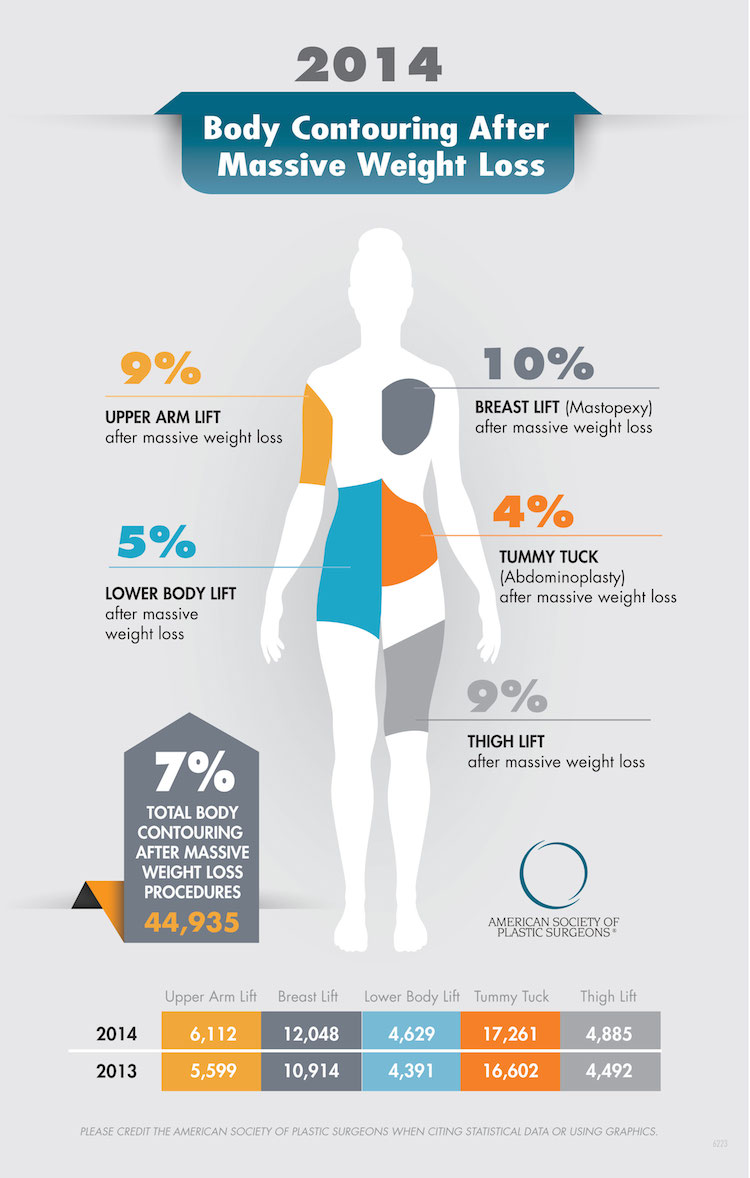
    Infographics are also great content to invest in for medical SEO because infographics can help grow website traffic. Research by AnsonAlex, a tech company focusing on tutorials, found that publishers who use infographics grow website traffic 12 percent faster than those with no infographics. In fact, the popularity of infographics has surged in recent years—increasing by 800 percent from 2010 to 2012, according to research from Web company Unbounce.
    Plastic surgery infographic image - Search Influence

    Image Optimization

    Along with infographics, you will want to include other images on your website as well. As we’ve said before, Google rewards websites that have interesting and relevant images displayed. Images keep people looking at your site longer, which gives you website more authority in the eyes of the algorithm.

    Help people find your pictures by optimizing them to include alternative text. For example,  say your practice has a diagram of what happens when a person suffers from a pulmonary embolism. If you optimize your diagram, it will likely appear when people perform a Google Image Search for pulmonary embolisms—possibly appearing as one of the first images they see. When they click on this image, they are giving a hit to your site and increasing your overall medical SEO ranking.

    Mobile Websites

    As evidenced by the whopping 62 percent of smartphone owners who use their mobile devices to look up health information, a mobile SEO strategy is  crucial. Google’s recent “Mobilegeddon,” or mobile-friendly update, was a move to further demonstrate just how important mobile websites are for SEO. It is imperative your medical practice has  a mobile-friendly design users can easily access on the go.

    But, be warned. Just because your Web developer tells you your site is mobile-friendly does not make it so. To see if your medical website passes the mobile-friendly test, use Google’s testing tool.

    Where has your medical practice seen the most success with Healthcare SEO and content marketing? Let us know in the comments.

    Image source:

    Infographic from the American Society of Plastic Surgeons
     

  • Give Your Facebook a Facelift: Social Media for Dermatologists and Plastic Surgeons

    Facebook Facelift Image - Search Influence

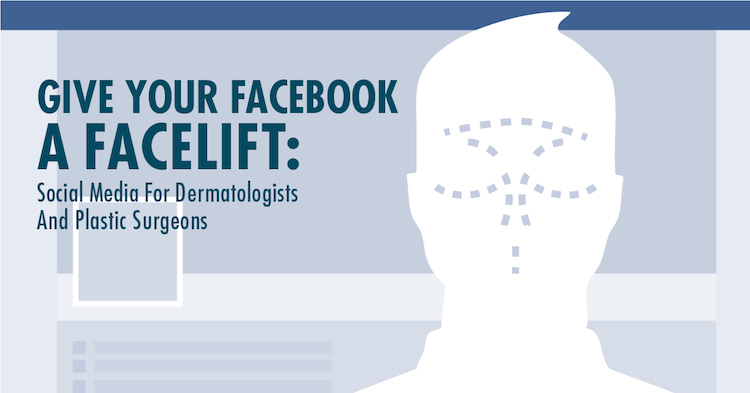
    Time Magazine recently posed the question, “Can Plastic Surgery Make You More Likeable?” Certainly, there are many benefits to cosmetic procedures for the patients, but it is also time for plastic surgeons and other physicians to think about how to make their practices more “likeable.” Facebook and social media can be used to attract new patients and shape the local perception of a business. For example, Search Influence helped one plastic surgery practice attract nearly 70,000 new fans on Facebook. Search Influence can help create and manage the online presence of your business through social media, but if you want to get started on your own, follow these five steps:

    1. Make a Facebook Page

    Most Internet users visit social media sites daily, and social media can be a cost-effective place to advertise. Facebook accounts are free to create and maintain, and AdWeek reported last year that advertising on Facebook is 70 percent cheaper than the industry average. While using it effectively will take a significant amount of work, creating a Facebook page for your practice takes only a few minutes. With pictures and information about the procedures you offer, a Facebook page allows potential clients to learn about your practice without following an external link. This can be a great place for a list of services and a few testimonials from past patients. It’s a streamlined version of the most relevant information, and you can direct people to call your office or visit your website to learn more.

    2. Get More “Likes”

    It’s easier said than done, but awareness about your practice will grow as users “like” your page. To draw their attention, it helps to have compelling pictures and interesting information. Showing a little personality can encourage people to identify with your practice, which helps set you apart from the competition. As more people interact with your page, Facebook will give you demographic information about their ages, where they live and other details that can help you better know the local market.

    Struggling to get potential patients and customers to follow you on Facebook? One way to get more likes on Facebook is through Facebook fan-building campaigns, which have been effective for Search Influence plastic surgery clients.

    3. Get People Involved

    Ask questions, and post updates that encourage people to interact with your page. When fans “like” an image you’ve posted, it makes it more likely that their friends will also see your page. If you post about local events and holidays, it will help connect you with your community.

    4. Update Your Page Regularly

    While it’s inadvisable to offer medical advice over social media, your page or a separate blog can be a great place to explain procedures or post updates about your practice. If you explain medical terminology and correct common misunderstandings, then potential patients will see you as more qualified and trustworthy.

    5. Pay to Play

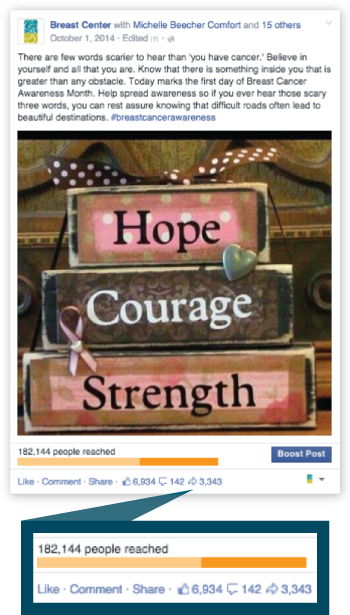
    Advertising your page on Facebook involves a lot of choices. Do you want help accumulating “likes,” or is it more important that people visit your website from your Facebook posts? While pay-per-click (PPC) advertising assures that people are viewing your page, your name will show up on more news feeds if you pay for exposure. For example, a promoted Facebook post for a Search Influence plastic surgery client reached more than 182,000 people.

    First Promoted Facebook Post - Success Study - Search Influence

    Because of the variety of choices involved, streamline your social media strategy and achieve successful results with the team at Search Influence managing your advertising plan. Search Influence can advertise on several sites and measure results in the ways that matter most to your practice, including new patients and calls to your office.

    If you want to give your whole business image a facelift, then injecting social media into your marketing plan is the most cost-effective option. Our team at Search Influence can help you create and manage your online image, and we can advertise on a variety of platforms including Facebook, Google+, Youtube, Pinterest and Twitter. Continuously providing updates can be a lot of extra work for your busy staff, and some employees may already spend too many work hours on their social media accounts. Let Search Influence manage your online image to make sure everything is handled professionally. Find out more about our services by browsing our website.

  • Web Augmentation: 9 Tips to Get Your Plastic Surgery Practice Trending

    Web Augmentation for Medical Practice Marketing Image - Search Influence

    Every second, there are almost 50,000 unique searches on Google. With that much traffic, it’s crucial to establish your plastic surgery practice as an online authority. By using social media, search engine optimization, and paid search strategies, you’ll be able to climb to the top of Google’s rankings in short order.

    Tips for Social Media

    Utilize “Audience Insight” on Facebook

    As of March 31, 2015, there are 1.44 billion monthly active users on Facebook, making it the platform with the largest audience for your advertisements. With Audience Insight, Facebook helps you sort through your targeted demographics in order to understand the kind of content that is popular among them.

    Use targeted Facebook ads

    If you use targeted Facebook ads, you can choose what kind of Facebook users will see your microdermabrasion advertisements. Not only can you sort your audience by age, location, and gender, but you can also target them according to their relationship status, whether they have children, and their personal interests. Facebook fan-building campaigns are also effective in making patients and customers into fans.

    Tag and post about local events and businesses 

    If you want to maximize your visibility, you’ll have to post outside of your practice. By sharing posts about local events and businesses, you’ll increase your presence in the community. Your potential clients will start to follow and share your content if your page is a reliable source for interesting information. 

    Tips for Search Engine Optimization

    Research Longer Keywords

    A short keyword like “chemical peels” is a competitive keyword, which means a lot of practices will be using it. Try to find a longer keyword that your audience will search for, like “chemical peel for rough skin in NJ.”

    Host Webinars

    Live Internet events boost your SEO rankings because they keep your audience on your website for a long time. Set up some demonstrative or informational webinars that prove your expertise while optimizing your search results.

    Make Your Site Mobile-Friendly

    More and more people use their phones and tablets, rather than a computer, to browse the Internet. A mobile-friendly website will ensure that the information on your website is accessible to everyone. In fact, mobile website traffic for our plastic surgery clients’ websites averaged 48.6 percent. And that doesn’t include tablet traffic; it is purely mobile.

    Another way to pump up your plastic surgery website is to use natural content on your practice’s website. Find out about how medical marketing is making the switch to natural content.

    Tips for Paid Search

    Post Lots of Information on Your Landing Page

    By having a wealth of information on your landing page about topics that are relevant to your practice—such as eyelid surgery—you ensure that your potential client gets the knowledge they desire. When this happens, they’ll stay on your page longer, and their trust in your expertise will grow.

    Invest in High-Quality Video Production

    Potential clients will seek out videos demonstrating a procedure before they schedule an appointment for one. If your practice has a high-quality video demonstration of laser hair removal, 79 percent of the potential clients who watch it will visit your website. In addition to videos, other types of content can help attract patients searching online for your practice. Find out the four ways to drive conversions in the medical industry.

    Have Your Contact Information Readily Available

    The content you make available on your website is meant to inspire more people to come to your practice. Having your contact information readily available increases the chance that potential clients will call your site, visit it, or save it for later.

    Implementing these tips will get your plastic surgery practice trending in no time!


  • Healthy Content: 4 Tips to Drive Conversions in the Medical Industry

    Healthy Content Marketing Image - Search Influence

    In the medical and plastic surgery industries, it can be hard to get past the medical jargon and engage with readers online. But despite these challenges, building up an online presence is vital in this day and age. Everyone online wants to gather information quickly, and they seek immediate gratification when it comes to scheduling appointments and learning about procedures. To keep their interest, you have to present your content in a user-friendly, engaging and attractive way. Let go of the olden days of long-winded explanations and paragraphs upon paragraphs of medical terminology that no one can understand. Step into the 21st Century with these four types of content:

    1. Infographics

    We all want something that is nice to look at and easy to understand. Infographics are not only engaging, but they can also be super informative! The medical terminology that your current and prospective patients need to know can be easily explained in shorter phrases and pictures or guidelines. Infographics help your patients connect with you and your practice.

    Infographics are also more likely to be shared by your customers. People love sharing fun and interesting infographics on their own social media pages, so this will ensure more conversions and potential new clients! Find out more about how infographics can give your content marketing strategy a facelift.

    2. Videos

    Videos are another great visual way to engage your website visitors. You could explain your processes and surgical procedures easily without scaring visitors off with long, complicated paragraphs. This is also a great way to introduce yourself and your practice to potential patients.

    You don’t have to do a stand-up; you could make a slideshow video with voiceover narration, or if your budget allows, an animated video. Make sure you include a call to action at the end so the viewer can take the next step in becoming a patient!

    3. Lists

    Lists are great. You’re reading one now! Putting the number of listed items in the title is especially helpful so people know exactly what they’re getting into. Readers are more likely to click through and take the time to read if there are 10 or fewer items. They’ll think it will only take a couple of minutes, then BAM! They’re hooked. They’re converting, and they’re your next patient!

    Make sure to write lists that are interesting and preferably not common knowledge, such as “10 Things You Didn’t Know about ____” or “5 Ways to Look Younger Without Surgery.” You could even promote your products or services with a list of great products for this, that, or the other thing. Keep it short, sweet, and to the point.

    4. Guides

    Because you specialize in a certain medical field, you have knowledge that is credible, useful, and interesting. Write it down! Guides can be about absolutely anything, and they’re excellent sharing material for those who want to stay informed and keep their social media followers/friends informed. For an example, check out the Search Influence guide on how your online presence can win and lose patients.

    An excellent way to drive up conversions is to make your guide a downloadable file and request information from the reader before they can download. This allows you to add them to your email newsletter list, which will make them more likely to become a patient in the future.

    Deciding how you want to present yourself online can be time-consuming and frustrating, but these four winning types of content are fun, engaging, and can help your conversion rates. Play around with some ideas and be sure to use different content on different pages to keep people wanting more!

    Interested in more content marketing tips for medical marketing? See how natural content can help your practice’s website attract patients.


  • Give Content a Natural Glow: Medical Marketing Makes the Switch to Natural Content

    Content marketing natural glow image - Search Influence

    Back in the early days of search engine optimization, there were a lot of shady practices that were less than ideal for site visitors. Keyword-stuffing, spammy tweets, backlink schemes, and useless content were often the norm, as these tactics helped websites climb the ranks of the search engine results page. With content more focused on algorithms than the audience, many websites scared off potential users. While some of these tactics have been left firmly in the past, many SEO strategies still optimize for Google bots instead of users. This is especially true when it comes to geo-modified keywords in healthcare marketing (think “plastic surgeon new orleans”), which continue to make many pages feel stuffy and awkward.

    Of course, letting go of geo-modified keywords can seem like a hard pill to swallow—especially for those in highly competitive fields such as the plastic surgery industry, where medical practices are constantly battling for the top spots in a Google search. “Going natural” when it comes to content might seem like an overwhelming change at first, but the benefits to your patients and your practice make it a worthwhile strategy in the long run.

    Content is King

    So what do we have when we eliminate all the spam? Natural content. Google rewards sites that provide better user experiences, relevant information, and quality content—those with high click-through rates, low bounce rates, and long time-on-site—with better overall rankings.

    What’s more, all of the updates to Google’s algorithm have made the search giant incredibly advanced, and you might be surprised by some of the astonishing leaps it can make. A search engine results page might pull up one or more high-ranking pages that never actually include the words a user originally entered as a query. For example, a search for “breast implants new orleans” might return pages that never actually use this exact term. Highly relevant pages on “breast augmentation” might rank higher in a Google search than irrelevant, keyword-stuffed pages. What does all this mean? Google’s smarter than you thought.

    Interested in more content marketing strategies for your website? Find out how infographics can give your online strategy a facelift.

    It’s All About the Audience

    As its name suggests, SEO has always focused on search engine optimization—but the best way to earn trust from your patients is to focus on your patients. Forget trying to keep up with algorithm changes: Google’s updates are always centered around providing a better user experience, so why not focus on that as well?

    Spammy, keyword-stuffed content isn’t doing your patients any favors. Visitors to your site can see through the awkward “fluff” content, and they’ll abandon it to find content that actually answers their questions and meets their needs. Sites with overly optimized content tend to see higher bounce rates and less time spent on the site overall.

    Protection Against Algorithm Updates

    Beyond the fact that you’re losing your human visitors by focusing your content on the needs of Google bots, you also hurt yourself with this approach. Overly optimized content is vulnerable to every new update to Google’s algorithm. Well-written natural content, on the other hand, won’t need any of the major edits that spammy content will regularly require. Content that is relevant to the needs of your patients will always be useful—and Google’s algorithm can see that without your help. If you need help determining whether your website content will pass the Google test, fill out the short form on our homepage to sign up for a free website analysis.

    Search Intent Optimization

    At the end of the day, your potential patients are looking for something, and it’s your job to figure out what. Maybe they need help to become informed about a procedure they’re considering, maybe they’re weighing the pros and cons of several medical options, or maybe they know what they need and are searching for a trustworthy practice in the area.

    Whatever the case, you’ll need to do your research. Figure out what they consider useful and decide how you can use unique and creative content to solve their problems. Patients will be able to see the value in content that gives them the answers they need, and they’ll trust the information more if it doesn’t seem awkward or spammy. Go from there to build your relationship with them—rather than building a relationship with an algorithm.

    If you’re ready to take the dive into offering patients more natural content, but you’re not sure where to start, let us know how we can help! Interested in the ins-and-outs of search engine optimization for the medical industry? Check out our tips on the art of “Googleplasty.”

  • How Infographics Can Give Your Online Strategy a Facelift

    Infographics Facelift Image - Search Influence

    No industry knows the importance of image more than plastic surgery. Before and after pictures are worth a thousand words, and prospective patients heavily rely on visual information derived from those pictures when deciding which cosmetic procedures to explore. However, plastic surgery websites do not have to restrict themselves to just pre- and post-op imagery.

    Introducing Infographics

    Simply put, infographics are images that visualize information or data in a compelling, creative, and colorful way.

    Businesses are increasingly turning to infographics to present their industry contributions. For example, Web company Unbounce, estimates that the use of infographics has seen a huge surge in recent years—an 800 percent increase from 2010 to 2012. Research conducted by AnsonAlex, a tech company specializing in producing tutorials, found that publishers with ample infographics grow website traffic 12 percent faster than those with no infographics.

    Infographics are clearly more than a passing trend; they are a strategic marketing opportunities upon which the plastic surgery industry can capitalize.

    Infographics Make Eye-Catching Websites

    If you are looking for a new way to promote your plastic surgery clinic’s webpage, infographics are a surefire strategy for keeping eyeballs glued to your site. A single infographic has the potential to reach as many as 15 million Internet users through web searches, according to an infographic by Top Marketing Schools.  In fact, searching ‘plastic surgery infographic’ yields 283,000 results on Google. Create and post infographics on your site to take advantage of this pool of interested users.

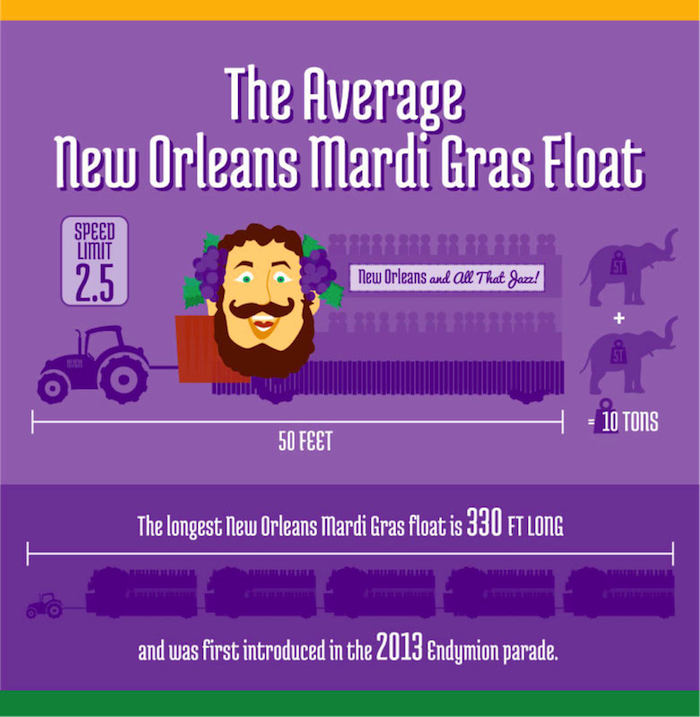
    The average page visit lasts under a minute, but an infographic can keep a user reading for longer. In fact, a Search Influence-produced infographic detailing the legendary New Orleans Mardi Gras renewed interest among people that visited the official New Orleans tourism guide website. While visitors to the website typically spend an average of two minutes browsing, visitors to the Mardi Gras infographic page were spending upwards of eight minutes.

    Infographic Content Marketing Image Search Influence

    Ninety percent of the information processed by our brains is visual, so it’s only logical that we are more drawn to vibrant images than walls of text. Readers are likely to skim the infographic, absorb the information, and then explore the site further to learn what else you have to offer.

    Be sure to add some written content outside the graphic. Site crawlers cannot scan images, so your optimized content must also appear elsewhere on the page in order to attract search engine hits.

    To keep your users on your website, it is vital that your infographic loads quickly! The average user expects a page to load in under three seconds and will not hesitate to close a window that does not deliver fast enough. The quicker your site loads, the better your conversion rates will be.

    Infographics Boost Social Media Reach

    Your plastic surgery clinic can also use infographics to attract more social media followers and shares. That’s because images perform well on Twitter—even better than videos! For example, images get 128 percent more retweets than video tweets, according to Quicksprout. Similar to web pages, our eyes are instinctively drawn to tweets with alluring images.

    To properly post your infographic on social media, however, you have to make sure it is shareable and easily traced back to your site. Use an embed code in the infographic so other industry professionals can easily add it to their sites. On the graphic, place your website address and the name of your clinic in bold letters. If your link or commentary is deleted through sharing, your clinic name will still remain. Using easy share links such as ow.ly or bit.ly can also make it easier to share on Twitter, Facebook, and Pinterest.

  • Making Patients & Customers into Fans: Are Facebook Fan-Building Campaigns Effective?

    Medical Facebook Likes Image Preview - Search Influence

    Looking to connect with your ideal patients and customers online? Facebook fan-building campaigns are just what the doctor ordered for creating the perfect online experience for your audience as well as building your community of followers.

    But before we delve into the specifics of Facebook fan-building campaigns and how this online marketing strategy can win you customers and patients alike, let’s briefly go over what fan building is. Fan building is a way for businesses to acquire likes on Facebook and to connect with all the people that matter to them. While a business can acquire fans organically, paid ads are more effective and efficient at increasing a business’s fan base and amplifying the rate of fan growth.

    Part 1: Are Page Like Ads Effective at Fan Building?

    Short answer: Yes. Facebook page like ads are effective.

    Case Study 1: 

    Let’s look at Client A. Client A is a well-established business specializing in reconstructive surgery. Search Influence started a fan-building campaign for Client A toward the end of 2011 and have been actively managing it ever since.

    In order to maximize the client’s budget, we focused ad copy around the authoritative nature of our client in the field of reconstructive surgery and targeted these ads to users we identified as most likely to convert (in the form of a page like) based on their interests and online behaviors.

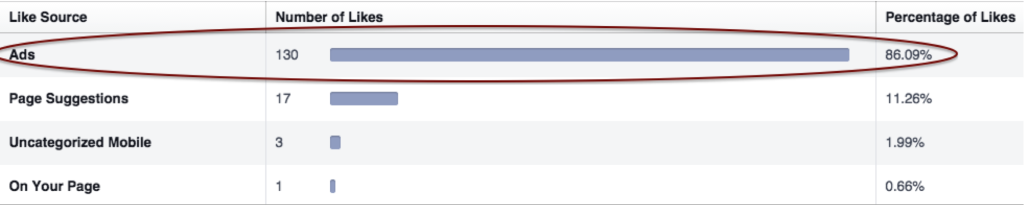
    Prior to the Facebook fan-building campaign, Client A had around 550 page likes from various organic sources. Not a shabby number to begin with, but we were able to get that number up to 21,000 within a year. Within two years, Client A had more than 30,000 fans … within three years, more than 65,000 fans. And likes acquired from our fan-building advertising campaign made up of a majority of the fan growth:

    Page Likes By Source (Daily):

    Facebook Fan Buikding Likes Image Search Influence

    The above segments the daily page likes gained by source. As you can see, likes as a result of fan-building ads made up more than 85 percent of the likes gained.

    Case Study 2:

    Client B is a multi-location addiction treatment and recovery facility. We started running a fan-building campaign for Client B toward the end of 2012. The campaign lasted two years and increased Client B’s fan base by more than 6,000. For Client B, we focused on grabbing the attention of users by including encouraging and supportive language within our ad copy, and we targeted users that we identified as most likely to be interested in the services offered by the client or to know someone that could benefit from the services offered.

    One of the main roadblocks was getting users to like a page that focused on such a sensitive subject. After all, why would anyone want to publicly like a page about addiction treatment and recovery? Well, if you fill your page with interesting content that is relevant to your business and engaging to your audience, users are more likely to follow and interact with your page. So with Client B, we first got users’ attention with our page like ads, and we kept their attention with the content on the page!

    Once we stopped running Client B’s fan-building campaign, we noticed that while the fans gained from the campaign were still there … the rate at which new fans were coming in has stalled. Take that as you will, but we came to the conclusion that fan-building campaigns are, in fact, effective. Moreover, fan-building campaigns are sustainable (more on that next).

    Part 2: Is Fan Building Sustainable? YES!

    Fan-building campaigns are a sustainable way to increase your fan base. If you create an effective campaign with the right message and proper targeting, page likes gained from fan-building campaigns don’t just disappear once the campaign ends. Users like pages because they’re interested in the product, the business, or the brand, and they want to know what’s going on and to get updates.

    That being said, just having an active fan-building campaign isn’t the be-all and end-all to building and maintaining fans. As demonstrated in Case Study 2, an effective fan-building campaign only starts with knowing who your target audience is, how to reach them, and what message will speak best to your target audience. From there, the campaign flows into what is actually on your page.

    You can get page likes by having the most interesting and enticing messaging in your ads and by targeting the exact audience that should be interested … but if your page is boring and dry, you’re not going to be able to sustain the page likes you gain and maximize your fan-building campaign’s potential.

    Lagniappe: Likes For Lives

    A relatively recent tactic used for fan-building campaigns is called “Likes For Lives.” The concept behind Likes For Lives is that for every like a business receives on its page, it will take some sort of action to save a life. The action is usually a donation of some sort.

    Below is an ad from our most recent Likes For Lives campaign we ran for a client of ours during October 2014. October happens to be breast cancer awareness month, so we decided to incentivize Facebook users to click like by pledging to give a $1 donation for every like. This particular Likes For Lives campaign gained our client 748 likes from October 10 to October 30, 2014. The average cost per like was 48 cents.

    The Likes For Lives campaign generated more clicks in the 20 days that it ran compared to this client’s monthly average of 150 likes from its regular fan-building campaign. Therefore, a Likes For Lives campaign for this specific client was very successful.

    Likes For Lives Faebook Fan Building Image Search Influence

    One of the best ways to stand out and speak to users, no matter what type of advertising campaign you’re running, is to have a unique and attention-grabbing ad copy. And Likes For Lives campaigns provide just that. If you know who you’re trying to reach and how to create the targeting needed on Facebook to reach them, why not utilize the Likes For Lives incentive to build your fans and help a cause? Likes For Lives campaigns are a great way for all businesses, especially those with a health care focus, to gain positive brand awareness and to strengthen the fan base.

  • Googleplasty: How to Reshape Your Search Results (Part 2)

    As more businesses begin to take efforts to improve their online presence, standing out in search results of highly competitive markets and areas becomes even more difficult—and nowhere is this perhaps more true than in the cosmetic medicine industry.

    In order to reshape your search results through the art of “Googleplasty,” you must know what factors make your business rank high in a Google search. Since we now know all about the different types of search results from part one of this two-part blog series, let’s talk about the most important factors that play a role in how high your practice ranks.

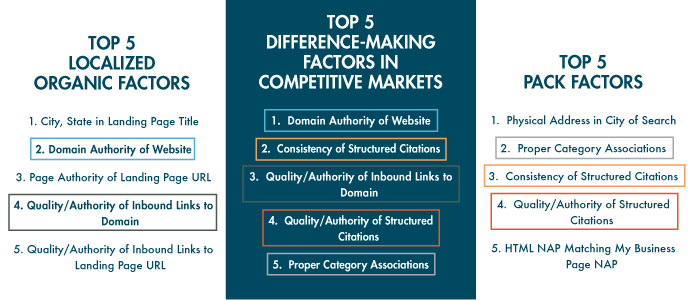
    The following three “Top 5” lists of factors are from from Moz’s 2014 Local Search Ranking Factors survey. The information came as a result of surveying 40 industry experts to determine what had the most influence on ranking in Google search results.

    top 5 search ranking factors

    As you can see, all of the factors that are integral in competitive markets also play a part in either localized organic or maps pack results. Due to their repeat importance, I think they’re the five factors most worthy of discussing in detail.

    1. Domain Authority of Website

    domain authority

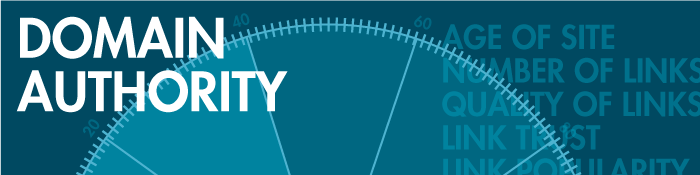
    First up on our list as the most important factor in competitive markets is Domain Authority, which isn’t much of a shocker. Domain Authority is a proprietary measurement (created by Moz geniuses) of a domain’s power within a 100-point scale. This score can be used to predict if a site is likely to rank in Google’s search results and can also be used to track a site’s growth and increase in strength.

    It is a metric that combines other metrics such as age, number of links, and quality of links, so it’s not easy to manipulate through singular or direct efforts. As it is directly put on Moz’s site, “The best way to influence this metric is to improve your overall SEO.”

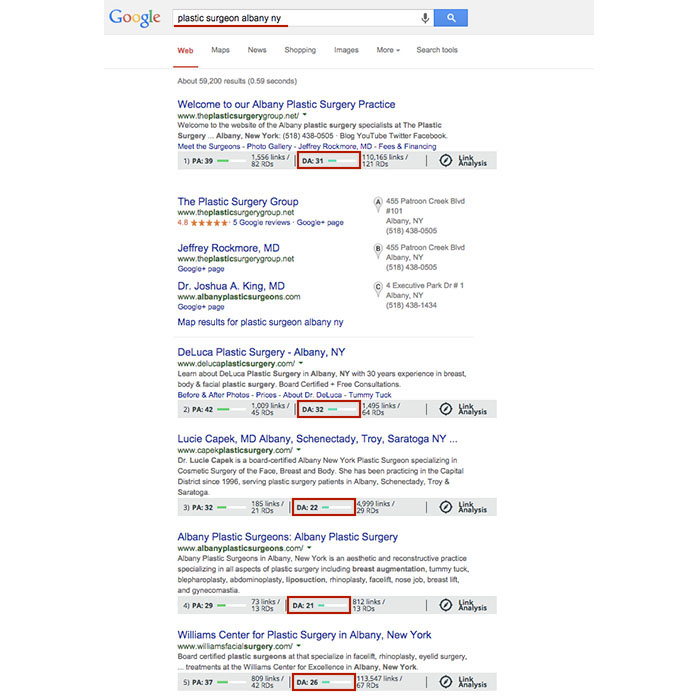
    Using Moz’s MozBar to see domain authority of pages in search results, you’ll see that the top five business sites in the localized organic results for “plastic surgeon albany ny” have Domain Authorities of 31, 32, 22, 21, and 26, respectively. As you can see here, having a score that is higher by a single point won’t guarantee that you rank above your competitor, but in this search example, business sites past the first page of results tended to have Domain Authorities lower than 20.

    Domain Authority Search Results

    2. Consistency of Structured Citations

    structured citation consistency

    While this factor isn’t as high ranking for localized organic results, it is third for the top maps pack factors and second here in the top factors for competitive markets. One reason for this is that in many competitive markets, such as plastic surgery or cosmetic dermatology, you’ll find maps packs in search results.

    To start, a citation is a place on the Web where a business’ name, address, phone number, and often website can be listed (sometimes referred to as the NAP of a business – name, address, phone). Any combination of the NAP, with or without all parts, listed on a site is considered a citation. A structured citation in particular is a listing of business information found on a directory website (e.g. YellowPages.com and Yelp.com). On the other hand, an unstructured citation can be business information on non-directory sites like newspaper sites, press release sites, and blogs, to name a few.

    By increasing the number of matching information sources (and therefore matching signals) to Google, you also increase your chances in having Google match this information to search queries, according to a recent webinar with Google’s Heather Wilburn. So if you want to be matched with potential patients searching for businesses like yours in your area, consistent business information across the Web is one of your best bets, especially in competitive industries like cosmetic surgery.

    3. Quality/Authority of Inbound Links to Domain

    inbound links to domain

    An inbound link to your domain (aka inlink or backlink) is exactly what it sounds like, a link leading to your website. The relevance to your industry or location and the authority of a website linking to yours in and of itself are the two best traits for quality links. Buying links or having links from random, spammy sites will hurt, not help you. Links from local sites and popular sites are a pretty safe bet. You can seek out local sponsorship opportunities as a good link-building effort or help other sites clean up their broken backlinks by using your working ones.

    To differentiate between natural link building versus spammy link building, remember that it’s all about user experience and what makes sense to the user. If your efforts don’t uphold the ideal of providing the best user experience possible, then they’re probably not good.

    4. Quality/Authority of Structured Citations

    structured citation quality

    As mentioned above, a structured citation can be any directory site that lists any variation of your business’ NAP or website. While consistency is most important, you also want to make efforts to build high-quality, authoritative citations in directories.

    Just like there are many factors to improve your own site’s authority, there are also many factors to determine the quality of a directory. You can delve into Whitespark’s blog on how to identify quality citation sources for a detailed breakdown, but basically a good rule of thumb is to look for high domain authority and human moderation in directory sites. Examples of human moderation include how DMOZ requires submission review by its team before a link goes live or how Google Plus, Yelp, and Bing listings all require verification via phone call or a postcard sent to the business.

    Google also considers niche directories highly authoritative. A niche directory is an industry-specific or location-specific directory. Since the Pigeon algorithm update, this kind of citation building has become especially important, and searching for your industry’s keywords will often help you identify these niche directories. If you search for “plastic surgeon columbus oh,” you’ll see that the directories healthgrades.com, vitals.com, and smartplasticsurgery.com appear on the second page of search results. Often, these types of directories require either verification or payment for those seeking to be listed on their site. If you understand the concept of barnacle SEO, you know that being listed on these types of big, authoritative sites is a great way to improve your own visibility to potential customers. Use your discretion to decide if the opportunity cost of getting on a directory isn’t too high to be worth the effort.

    Warning: If a site ever requests a “reciprocal link” to its site on your site in order to be listed, this is NOT A GOOD practice, and they are not worth your time.

    5. Proper Category Associations

    category associations

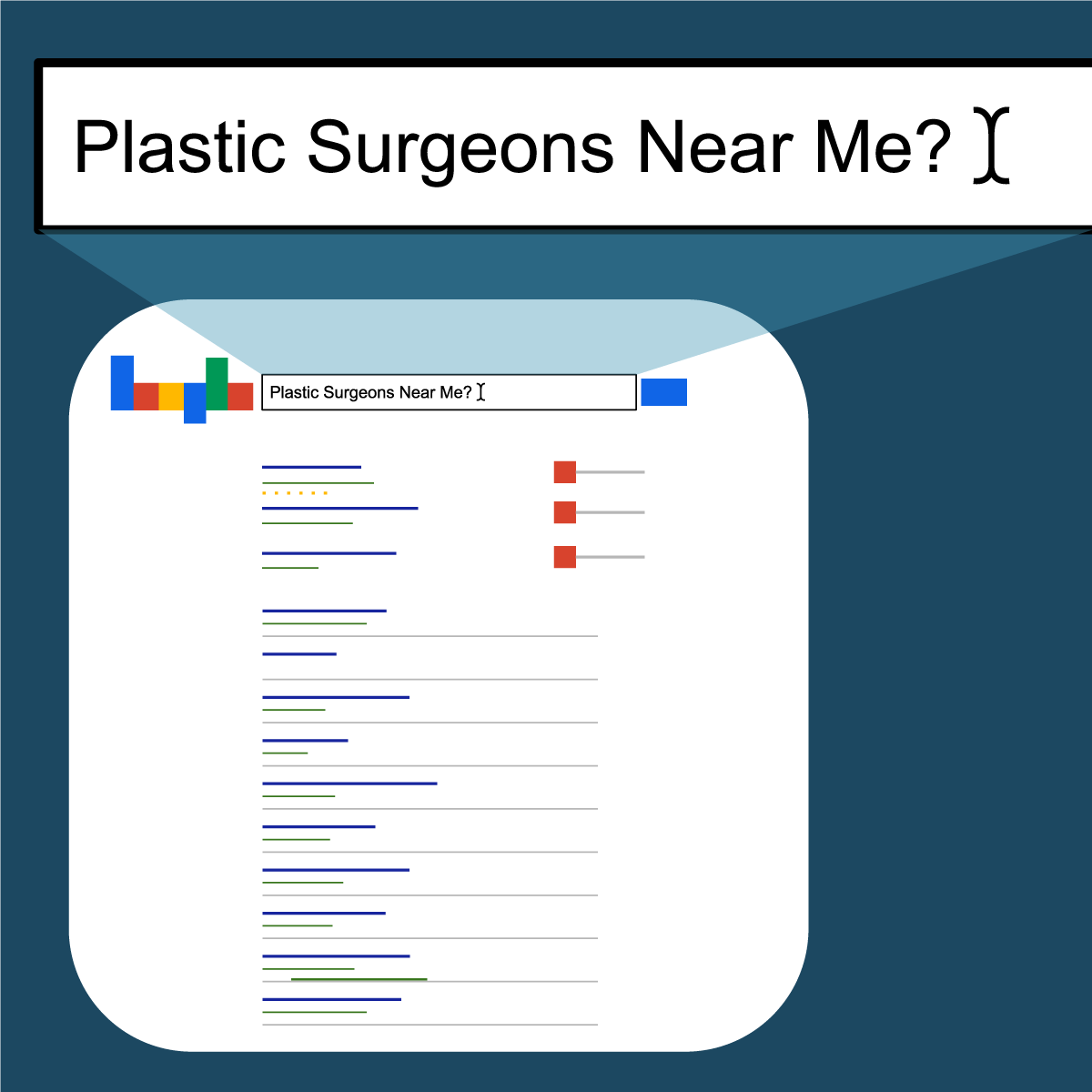
    Having proper category associations is another important factor for ranking in the maps pack that can set you apart from the rest in a competitive market. It’s a pretty simple concept, and it basically boils down to the part of the guidelines for representing your business on Google that tells businesses to “Choose categories that are as specific as possible, but representative of your main business.” A cosmetic surgeon with the primary category on the Google Plus local listing set to “surgeon” is less likely to rank above one with a primary category set as “plastic surgeon” in the maps pack, for example.

    Though this is a lot to grasp and take action on all at once, having the foundation and understanding of best practices to improve user experience and to better your business online will greatly improve your successes online in the long run.

  • How Your Online Presence Wins and Loses Cosmetic Patients [Download Free Guide]

    Online Medical Presence Guide Image - Search Influence

    Download the Free Guide

    Want tips, stats, and strategies about how to take charge of your practice’s online presence? Fill out the form below to download the free guide, “Attracting Patients by Proactively Managing Your Online Reputation.”

    Consider this: one person wrote a negative online review for a plastic surgeon. In the next few months, the practice’s online leads and Internet referrals mysteriously plummeted by 28 percent. Coincidence? Don’t bet on it. Even if that single negative online review only contributed to the decrease, that drop in leads translated to the loss of literally hundreds of potential customers.

    If you think your practice’s online presence doesn’t have the power to attract—or repel—patients, think again. For physicians in the cosmetic medicine industry—whether plastic surgery, dermatology, or even cosmetic dentistry—a practice’s online presence is a powerful tool. And if it is left uncultivated, it can be dangerous.

    Search Influence details this pressing issue and its real-world implications for your cosmetic medical practice in a new guide, “Attracting Patients by Proactively Managing Your Online Reputation,” available to download for free by filling out the form below. The guide was produced with input from Richard M. Escoffery, an attorney with the law firm Elarbee, Thompson, Sapp & Wilson, LLP.

    Patient Reviews … Haunting or Rewarding?

    In the digital era of online marketing, even when a cosmetic surgeon is heavily recommended by a friend, coworker, or family member, 94 percent of people still take to the Internet to perform secondary online research before making a commitment, according to our free online guide. What’s even more astounding is that 72 percent of all consumers give an online review the same weight and credibility as a personal recommendation, the guide reports.

    For example, here’s a general view of how customers typically find many plastic surgery practices online by using organic (or free) search methods:

    1. Potential patients research the procedure they want.
    2. They research the cosmetic and plastic surgeons in their area, usually looking through numerous review sites.
    3. They start searching for their surgeon of interest by name, which is often termed a “branded organic search” in the online world.

    Paging Dr. Google

    Yes, this means patients are “googling” the cosmetic procedures you offer and your practice. How high a practice’s site ranks on search engines has a lot to do with the amount of website traffic the practice receives. And the very first search result in a Google search typically receives a third of the traffic share. Having your practice show up as a top search result for targeted keywords ranging from “breast augmentation” to “tummy tuck” takes not only cultivation, but also online marketing expertise.

    In the free “Attracting Patients by Proactively Managing Your Online Reputation” guide, you’ll find more important takeaways. For example, Google and other search engines give higher ranking to such sites as Angie’s List, Yelp, RateMDs, and the like. These sites not only perch atop search engine rankings due to Google’s algorithm updates, but they also often feature regularly updated content, which, in search engine terms, is an important indication of reliability.

    In other words, patient or customer review sites have all the makings of a search-engine friendly site. So, negative online comments and an uncultivated online presence can literally tank a practice’s website traffic.

    Get a FREE guide & take charge of your online presence

  • Googleplasty: How to Reshape Your Search Results (Part 1)

    As businesses grow more in touch with their online presence, it becomes more and more challenging to stand out in the search results of highly competitive markets and areas—and nowhere is this perhaps more true than in the cosmetic medicine industry.

    Search Influence - Plastic Surgeon Local Google Search Results

    First things first, let’s make sure we’re on the same page about the two major kinds of results that we see in desktop results for plastic surgeons. “Localized organic” search results and “maps pack” results typically appear together in what is referred to as “combined” search results. The factors that determine what appears in these two areas are not the same, as you can tell by the the difference in results and by the appearance of a site more than once between the two. Maps packs can come in a variety of forms and don’t show up for all search queries, which is also important to note.

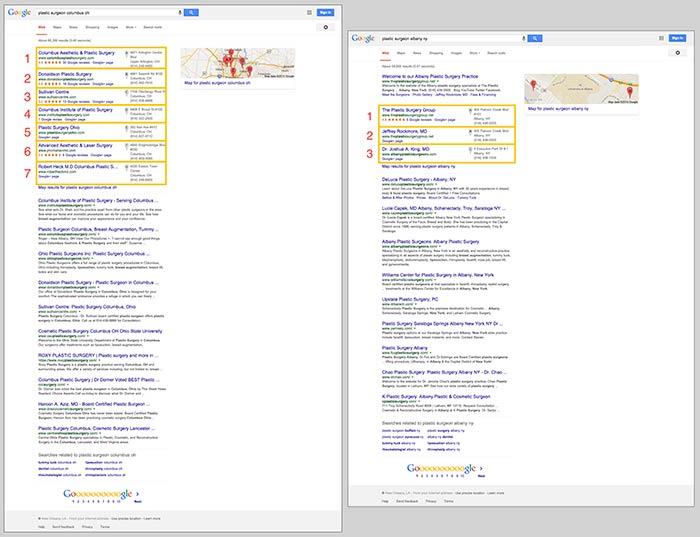
    In the screenshot below on the left for the search “plastic surgeon columbus oh,” you’ll see 10 localized organic results below a 7-count maps pack. In the screenshot on the right for “plastic surgeon albany ny,” you’ll see 10 localized organic results, but the 3-count maps pack appears below the first organic result.

    Search Influence - Google Maps Pack Plastic Surgeon

    Stand Out in the Maps Pack

    In the maps pack itself, the most striking features are the review stars and rating display. The data in the maps pack area is pulled directly from Google Plus local listings in Google Maps. So, to make your practice stand out in the maps pack, you should claim and verify your Google Plus listing via Google My Business.

    Once you’ve claimed and verified your listing, you’ll want to get reviews from your patients. It’s important to understand that one or two reviews a month over a few months is better than 15 reviews in one week. As with most online marketing strategies, natural behavior is the best behavior.

    Stand Out in Localized Organic

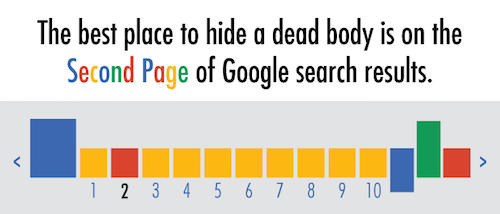
    The most obvious way to stand out in the localized organic results is to be ranking as high as possible and to AT LEAST be in the top 10 so that you’re on the first page. As the age-old SEO joke goes, “The best place to hide a dead body is on the second page of Google search results.” Hardly anyone looks past the first page, and—according to eye-tracking data—not many look past the top half of the search results page.

    Search Influence - dead body Google Search Results meme

    The Google PageRank algorithm that determines these rankings takes into account somewhere around 200 factors, so it’s not as simple as pinpointing one or two efforts to be made.

    Now that we’ve got a better understanding of what we’re looking at in search results, we can start to understand the major factors that affect ranking in each of these sections. Stay tuned for my next blog, where we’ll talk about the top five ranking factors in the maps pack, in the localized organic results, and in competitive markets!