Tag: social media marketing

  • 7 Tips for Eye-Catching Social Media Posts

    For years, social media has been the most cost-effective place to advertise your business, but it takes planning to stand out from the competition. In the up-to-the-minute marketplace of memes, it pays to use eye-catching colors, animated images, and consistent, compelling branding. Fortunately, once you develop a digital marketing strategy that reflects the strengths of your company, you’ll be able to create and share content with a minimal investment of time and effort.

    1. A “Social Media Strategy” is Key.

    Every month, 30 percent of millennials interact with a brand on social media platforms like Facebook. Consumers expect to find information about your business on social media, and they want to be able to reference your company’s page when bragging about their positive experience at your establishment. Pictures of meals have been some of the most popular content on Instagram, and a lot of those pictures are copied to other social media platforms. When the friends of your customers ask where they can get that ice cream fudge volcano, wouldn’t it be great if your business page was suggested as a hyperlink? Customers are already talking about your business online, but your business has to be on social media to join that conversation.

    Social media photographer holding up lens to nature scene

    2. Source High-Quality Images.

    We’ve all learned to spot them: bland stock photos show smiling employees or hands at a keyboard, but they don’t inspire trust in the business. Instead of using generic, one-size-fits-all images, consider hiring a photographer to take real photos of your business and products. Alternatively, grab your iPhone and take a few pictures yourself. DIY photos convey relatable authenticity, and they can work as short-term images on social media, but a professional photographer will take lighting and composition into account, digitally adjusting images as needed. Whenever you can afford the expense, make quality images a priority, especially for the long-term images that become profiles and header images on your social media pages.
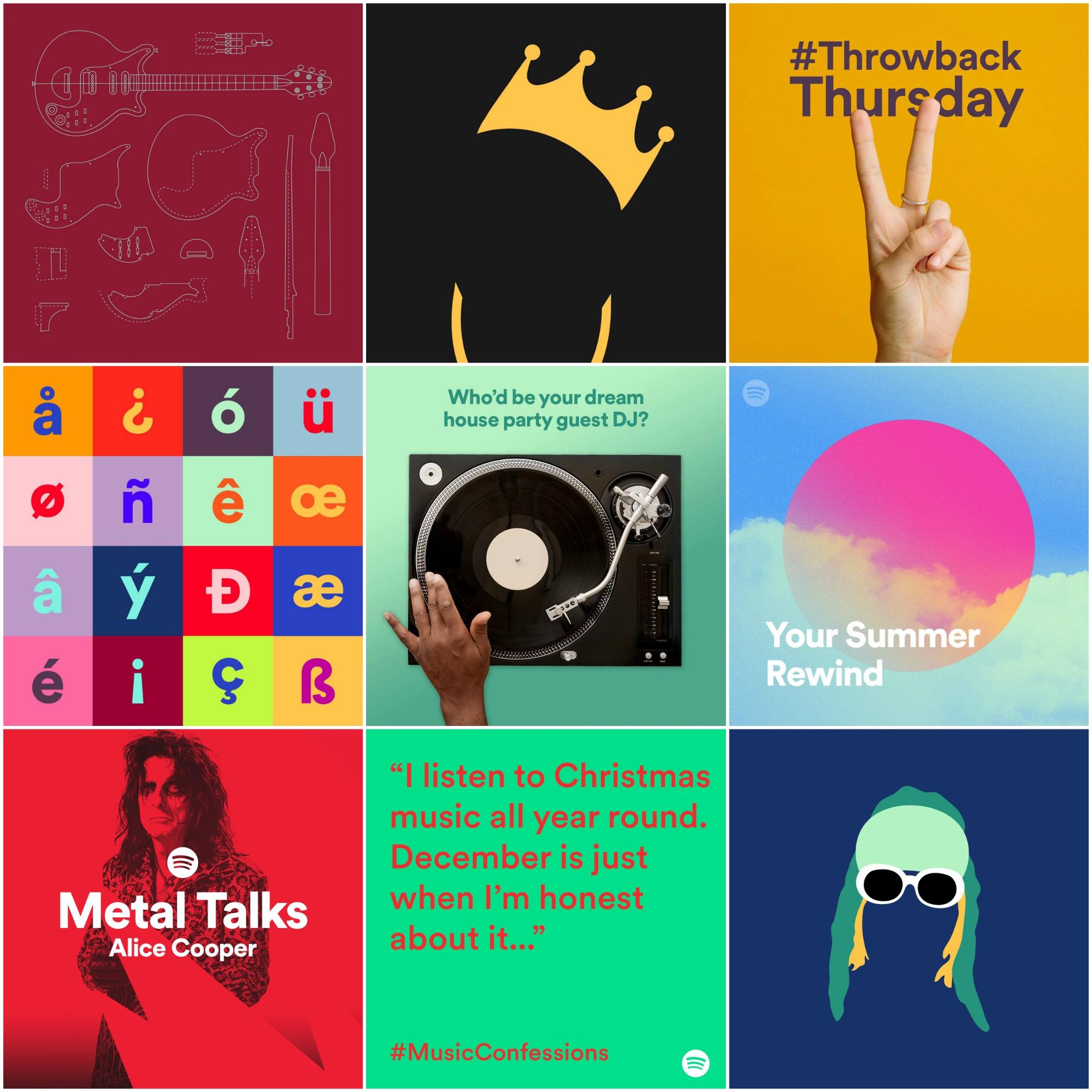
    Example of Spotify leveraging Instagram post

    3. Pay Attention to Color Schemes.

    Does your branding consistently utilize a couple of key colors? Great! But consider using slightly different (but still complementary) colors for different lines of products and services. Spotify is a great example of a brand that makes use of dynamic color schemes but still manages to keep it consistent. In the image from Venngage above, you can see how they’re easy to recognize but hard to forget.

    Colors convey a personality and warmth, and it’s worth a little time to evaluate whether to choose bright and bold colors or something more subdued and approachable. Rather than defaulting to flat reds and blues, use light and dark gradients to achieve something more unique than the local high school’s color scheme. Choose unconventional colors to make your posts more recognizable on social media. Spotify makes use of dynamic color schemes throughout all of their branding designs. This creates a stronger visual for their brand and allows visitors to instantly recognize their graphics and associate them with their company.

    Taylor Swift drinking a Diet Coke

    4. Make Your Own Custom Branded GIFs.

    A step beyond quality still images, GIFs are animated bitmap images. While its pronunciation is debatable, the acronym stands for graphics interchange format. Clips from TV shows and other videos are popular fodder for GIF images, where a gesture or a moment of action is captured and repeated in a short loop. Moving images naturally stand out in the newsfeeds of customers, and humorous GIFs inspire a lot of organic engagement. GIFs are recirculated for free online, but creating your own has distinct advantages. First, when you create your own content, it’s easier to avoid potential copyright issues. Second, when your custom GIFs are fun and compelling, those GIFs can lead people back to your website, helping you build authority online.

    Reeds blowing in the wind

    5. Leverage Cinemagraphs.

    Cinemagraphs can be made in video or GIF format, so there’s naturally some confusion and overlap. Still, GIFs tend to be loops of a video where the beginning and end are clear, not unlike an instant replay from a sporting event. Cinemagraphs, on the other hand, tend to be artistically made in a way in which it’s hard to tell when the image begins to repeat, giving the effect of a live picture or streaming video. A steaming cup of coffee, a waterfall, and a drink being poured are examples of subject matter for cinemagraphs. Naturally captivating, this type of media is harder to DIY, but it can make a crucial difference at the moment when users decide whether to stop or keep scrolling.

    Happy Father's Day custom graphic for Search Influence social media channels

    6. Keep It Consistent But Exciting!

    While experimenting with different types of media and formats, remember to keep your messaging on track. Don’t get bogged down with details, either in perfecting a single post or cramming as much information as possible. With the short attention spans on social media, clarity and brevity are essential.

    – Bullet points and clear headers are helpful with any text. If you haven’t hired a professional graphic designer, then avoid the temptation to use artistic (but hard to read) fonts.

    – Big, clear lettering is safest, especially when your target audience includes older demographics.

    – Numbers, percentages, and impressive statistics can help catch the reader’s eye.

    – Don’t be afraid to try different techniques and learn what works best for your audience, but stay close to home base while you develop your image as a reliable, professional authority.

    Alternatively, a broader presence in the community can make your business a topic of conversation, but that type of campaign can have a more gradual impact on walk-in clients and leads.

    Search Influence employees posing on Canal Street for social media channels

    7. Always Keep Your Marketing Goals in Mind

    Especially when you’re first getting started, it’s a good idea to check out the social media presence of others in the same industry. You may find businesses in the same industry that have a different service area, and therefore they aren’t direct competition. Take a look at how different types of posts inspire different amounts of engagement, and you may find ideas for developing content of your own. As with any type of marketing, it’s also important to clearly define your goals at the outset. Is your objective to build a following and make your brand more recognizable in the community? Or are you mainly looking to generate leads for potential clients? Depending on your industry, dominating local search may be the most effective way to get clients to call your company.

    If you don’t have the time to juggle business operations with digital marketing, then you can always outsource your social media management to professionals. The experienced team at Search Influence can provide a digital marketing and SEO consultation, identifying opportunities to strengthen your online presence. Follow our blog for the latest tips on GIFs and marketing trends.

    Images:

    Camera lens

    Spotify covers

    Taylor Swift

    Cinemagraph

  • Connect Your Brand With Your Community

    Human beings are social animals, but what kind of community would form around your company’s online branding? Brand loyalty is easily observed in beverage and automotive industries, and fans of a particular brewery or manufacturer often consider that brand preference a part of their personal identity. Coke or Pepsi, Chevy or Ford, and Windows or Mac: these rivalries and preferences elicit emotions like the choice between sports teams. The fans of a brand develop a tribal sense of community, but it doesn’t happen with just any company. What if you could make your brand inspire that degree of enthusiasm and loyalty?

    A collection of company branding icons - Search Influence

    Make Your Brand Relatable

    When kids try to make friends, the classic advice is to “be yourself.” Similarly, your online branding strategy needs to come from a genuine place if it’s going to build a following. Big promises and low prices will motivate a purchase, but you need to meet or exceed a customer’s expectations in order to make them a fan. When you think about brands that have been popular for decades, they have earned the lasting support of repeat customers. Quality products and reliable service aren’t just slogans, they’re perceptions that match the experience of satisfied customers.

    A branding campaign should not require an overhaul of the way you do business. It can be as simple as identifying your strengths or making your marketing more consistent. But where do you go once you’ve got your brand established? The first step is finding those that relate to your brand the most. Target the interest groups and demographics most likely to identify with your brand through online advertising, and track their progress along the consumer journey. After they’ve visited your site or clicked on an advertisement, keep your brand visible with targeted remarketing. Every impression and interaction is an opportunity to confirm the value and reliability of your brand.

    Three women having coffee and a business conversation at a diner - Search Influence

    Emphasize Human Interaction

    Automation is great for business efficiency, but customers appreciate interacting with your human employees. When an existing customer calls with a problem or question, they react differently when answers come directly from a person instead of a recorded message. We’ve all experienced the frustration of answering a dozen automated questions in order to complete a simple task. In contrast, it’s easy to imagine how it feels to interact with a single employee throughout an interaction with a business. Whether they’re contacting a travel agent, realtor, or secretary at a law firm, people have a different experience when they have the chance to repeatedly connect with the same human being. Their connection with that individual becomes their connection with the whole company.

    Of course, the conduct of your employees can have a positive or negative impact on the way your brand is perceived, depending on how they interact with customers. When training and managing employees, remember how their treatment of customers can impact the long-term reputation of the business. Efficiency is important, but be sure to acknowledge and reward employees who go the extra mile for customers. It can be as simple as remembering a name or some other personal detail. A friendly voice and attention to detail can make customers feel valued by your company, even when you’re offering a no-frills product or service.

    Find Followers on Social Media

    Find a voice that resonates with your target audience and sets your business apart from the competition. On social media, your company’s response to news and trends will give the public additional opportunities to identify with your brand. Whether you develop a presence on Facebook, Instagram, LinkedIn, or Pinterest will depend on your target audience and what’s appropriate for your industry.

    You’ll want to post frequently in order to keep your business visible, but the majority of the posts should not be directly promotional. That doesn’t mean you have to spend all your time writing your own witty blogs. Not everyone is rocking the digital marketing industry like Search Influence. Rather, you can share news stories and articles related to your industry and community. By sharing authoritative, newsworthy content, you prove to followers that your business is keeping up with the latest trends. Not only are you building your brand, but you’re also making your business a valuable resource to potential customers, even when they aren’t currently in the market for your services.

    One of the biggest benefits of social media is that it provides a more detailed view of your target audience. As your following grows, you’ll gain a more detailed understanding of the interests, demographics, and preferences of people interested in your company. This information enables you to develop customer profiles and more specifically define your target audience. Identify the trends that groups of your fans have in common, and you’ll have an edge on the competitors who still advertise indiscriminately to the public at large.

    How Does Community Generate Revenue?

    Your customers understand how traditional advertising works. Across all platforms, paid content and advertisements get a lower CTR than personal content generated by close friends and family. When a friend recommends a business or vacation destination, that recommendation is more impactful than a commercial. By building a connection with the community, your online branding can make itself a topic of conversation. You can design promotions that encourage fans to show their support on social media. When people see that a close friend voluntarily supports your business, that recommendation carries weight. Get customers to advocate for your tourist attraction, dealership, or boutique, and you have a powerful alternative to conventional ads.

    Establish Your Brand As a Community Ambassador

    Members of the public are generally skeptical about the motivations of corporations and businesses. The global economy never ran on gumdrops and compliments, but consumers like to see brands that make a visible effort toward conservation, disaster relief, and other causes with a broad base of support. Politically controversial issues are a gamble because they needlessly turn away potential customers. It’s far better to publicly give to a popular cause and leverage social media so that fans can share the news of your good work. Many of your donations to non-profits can be tax-deductible. Improving the image of your company isn’t a fast process, but it has the potential to greatly increase your revenue by converting potential customers into supportive fans.

    If you need help clarifying your brand or marketing your business online, our team can help. Grounded in a foundational understanding of SEO, we know how to build authority and make your business stand out. Digital marketing isn’t just a way to generate new leads—it’s an increasingly vital part of remaining competitive in today’s marketplace. Request a proposal from Search Influence to amplify the digital voice of your online branding.

    Images:

    Brands

    Facebook

    We Like You

  • What Can Canva Do for You?

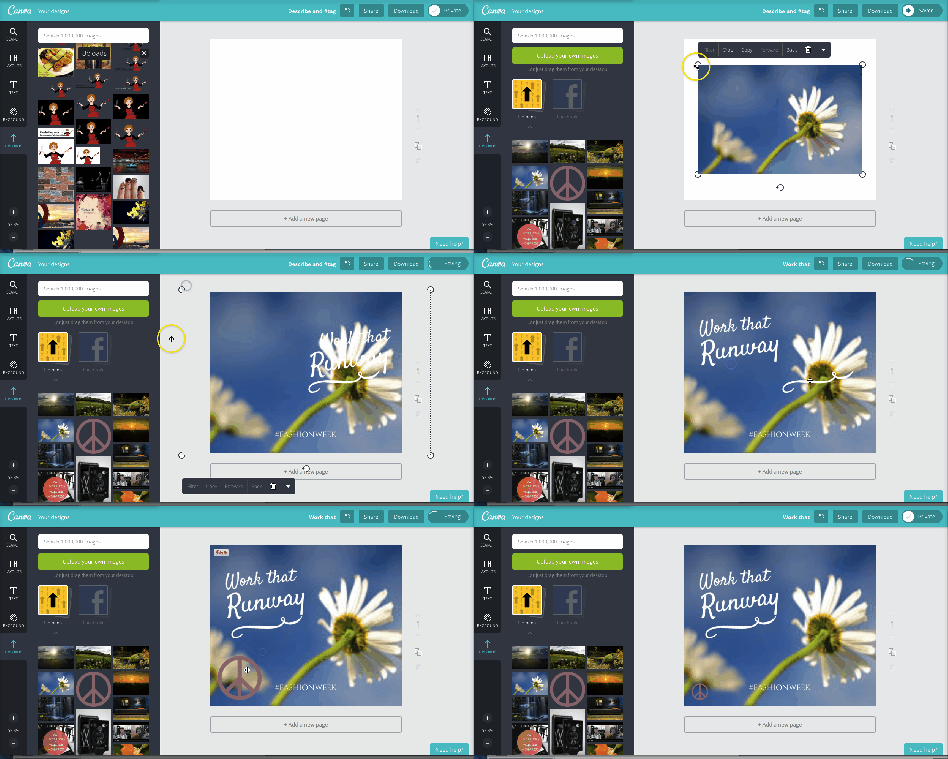
    Need a custom graphic for your blog or social media page? Canva is a drag-and-drop tool with millions of images and hundreds of fonts. Over ten million users have created over 100 million designs with the help of Canva’s user-friendly interface. While nothing will replace the instinct and creativity of a trained graphic designer, Canva offers a tool for simple, creative designs. Fortunately, it’s easy to sign up for Canva and take their free version for a test drive.

    What Is Canva?

    Whether you want custom social media icons for your website or new business cards for your sales team, Canva has free tools to support your visual projects. You can edit photos, create graphs, and develop print media. When you need a graph for your website or an upcoming presentation, you can start with a wide range of templates to graphically represent your data. When it comes to social media management, you may know that it can be a hassle to get images in exactly the right dimensions for each social media platform. With Canva, the images practically format themselves. Whether you need an ebook cover or Instagram post, Canva can hook you up with the proper dimensions. And, when you need to adapt a graphic for something new, you can even copy images from one project to the next.

    The variety of free templates, images, and other resources is staggering, and it is the ease of use that really puts this program in a league of its own. As if that weren’t enough, you can do the work in your web browser—no need to install software or download updates. Exploring their site is the best way to understand the full range of tools and options available.

    How Do I Get Started?

    When you sign up for Canva, an introductory tour highlights the key features of the site and their editing tools. Whatever you want to accomplish, you’ll have a wide range of templates available as starting points. For quick social media posts, templates are a great way to save time. By swapping out fonts and images, you can transform a template into something fresh, customized for your brand and message. Templates exist for all types of projects, and they can be tweaked as much as needed. As you become more comfortable with the process, you may eventually create your own layouts and designs from scratch, but templates make the design process fast and easy.

    Do I Need My Own Images?

    Not necessarily. Stock images and templates are great for a wide variety of applications. Browse through extensive folders of free-to-use images, grouped by theme and subject matter. You can even use the search tool for more specific images. If you want a higher quality photo, Canva allows you to purchase professional quality images for just $1. Plus, when you do have your own images to use for a project, they are easy to upload. Whatever image you choose, you’ll find the photo editing tools helpful in getting the color and size just right.

    What If I’m Not an Artist?

    If you don’t have a background in graphic design, then you’ll benefit from Canva’s extensive educational resources. Read blogs about the principles of design and composition, and complete tutorials on layouts, image editing, and advanced features on Canva. Some design lessons are even structured as weeklong courses on subjects like branding and social media. Even accomplished artists can still learn more about online promotion and education. A wealth of resources helps you optimize visual displays for business applications and the classroom.

    How Can I Collaborate With Coworkers in Canva?

    When you start developing content for your business, be sure to keep your work private, sharing only the finished work for public use. On the other hand, if you want to collaborate with a co-worker or client, you can also share access to unfinished projects. Whether you’re collaborating with someone in the same room or a different hemisphere, both of you can make changes to the same image. By working together, you can avoid the hassle of sending drafts and repeatedly getting feedback for each proof. For effective collaboration and a bigger variety of resources, it’s worth investing in a paid version of Canva.

    What’s the Difference Between Canva Free and Paid Versions?

    The basic editing tools on Canva are free. All users enjoy a gigabyte of storage for their files and photos, and they can use over 8,000 free templates. Up to 10 free users can collaborate together as a team, but more team functionalities are available to paid members, in addition to access to hundreds of thousands of photos and illustrations. You can get a better idea of the advantages of paying for Canva by signing up for the free trial period. A higher tier of professional service and support is available for companies that would benefit from having their own account manager and teams of up to 30 users. Discounts are available for users who pay by the year instead of monthly.

    Graphics are an important piece of any content marketing strategy, and Canva has the right tools to create your own custom images. The right visuals complete your branding and make every message more digestible from the first glance. Of course, even with the best tools, digital marketing takes time and expertise. To find out how our team at Search Influence can help you create the right infographics or social media campaign for your target audience, request a proposal today.

    Images:

    Canva

    Bob Ross

  • 3 Practical SEO Tips to Get More Clients for Your Law Firm

    1603-SI-TheInfluencer-KL-A-04-lg

    Have you ever wondered why your competition appears at the top of search engine results pages while your firm is nowhere to be found? Attorneys today face new marketing challenges, including how to access the ever-increasing number of clients who are using the Internet to search for legal services online. These three practical SEO tips are the stepping stones to getting your firm’s website and the specific practice areas of your firm’s lawyers to appear prominently on the results pages of search engines like Google and Bing.

    Law Books Image

    1. Create High-Quality Content

    Most importantly, your site should feature content that is compelling and thoughtful. Rather than prioritizing obvious and underhanded SEO tactics such as keyword stuffing, organize your website so that there are separate pages dedicated to each of your practice areas and focus on writing comprehensive and user-friendly text to explain each practice area. Your content will naturally include the keywords that potential clients search for when they need legal help. For example, if a consumer is searching for a personal injury lawyer in New Orleans, they will be directed to the page on your site that explains how personal injury attorneys can help clients who have been injured in an accident that was the fault of another.

    2. Select High-Value Keywords

    Speaking of keywords, to see results with SEO, you need to do your due diligence and conduct keyword research so that you know exactly what consumers are searching for. The trick is to focus on your local area by using keywords related to your practice areas and where you are physically located. Try using a keyword planning tool that will tell you what keywords consumers are using to search for your type of legal services. For example, consider the case of The Law Office of Jerod Gunsberg. When their campaign first started with us in 2010, the firm was not ranking for any of their crucial competitive keywords. As of May 2018, they rank #3 for “domestic violence defense attorney los angeles”, #6 for “theft defense attorney los angeles” and #2 for “meth lawyer los angeles” and “prostitution lawyer”. By implementing an aggressive strategy in a highly competitive market, we got Jerod Gunsberg in front those in need of a defense attorney and closed quality cases. In the first 5 years of their campaign with us, the SEO strategy brought in 589 leads. With a 469% increase in organic traffic compared to the first month of their campaign, we continue to connect the right audience with strong cases to The Law Office of Jerod Gunsberg.

    Social media icons image

    3. Create and Optimize Social Media and Blog Presence

    For law firms, creating and regularly updating social media pages is another important step in making your firm more visible online. One way to build authority on Google is to create and optimize your Google My Business profile and engage in evolving Google My Business activity to increase your local presence. Most legal professionals make an effort to build their brand and audience on LinkedIn, but you can also create a social profile on sites like Facebook and Twitter and integrate them into your website. Make sure you focus on regular and relevant updates to your social media profiles by simply making updates on topics related to your practice areas. You can also increase the relevancy of your profiles by adding two or three paragraphs of information describing the type of legal services your firm provides. Lastly, consider setting up a blog where you publish your own interesting and unique content focused on your areas of law. Once your social media and blog presence is relevant and current, you will further strengthen your site’s SEO capabilities.

    Let us help you follow these three steps to build your online presence and help potential clients find you when they would never have known you existed!

    Image Credits:
    Law Books Image
    Social Media Icons Image

  • Four Smart Ways to Market Your Tourism Business in the Off-season

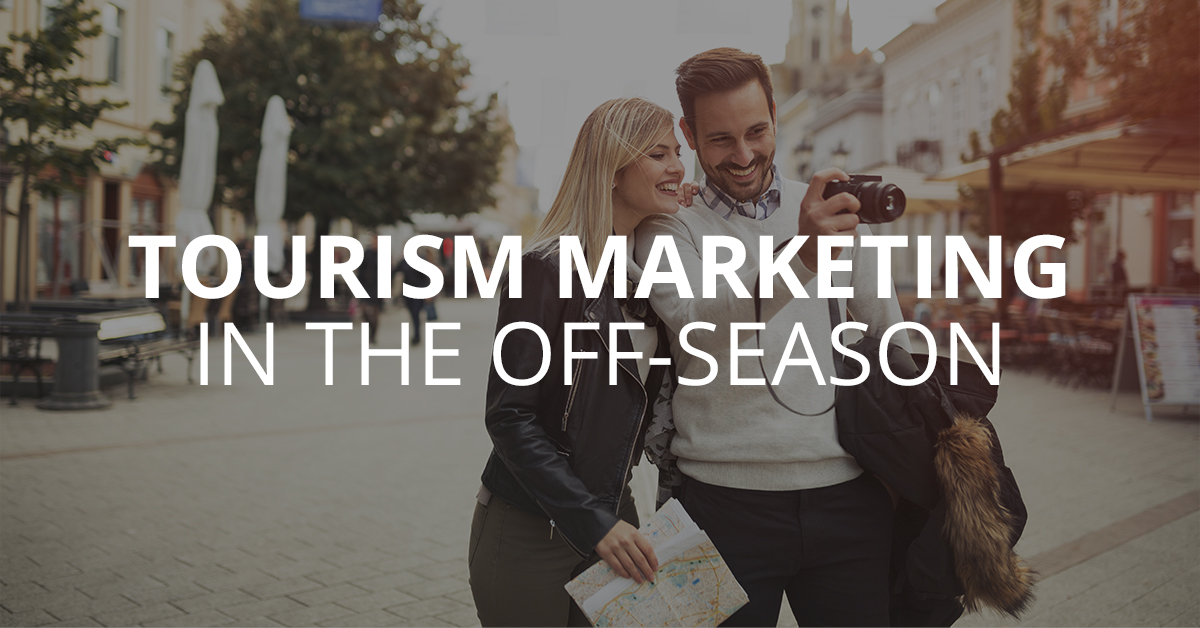
    Seasonality is a major marketing challenge for the tourism industry. Considering the struggle to turn a profit during the low season, and the rush of overtime work during the high season, this challenge should come as no surprise. The good news, however, is that we have solutions! With these four smart ways to market during the off-season, travel and tourism companies can combat seasonality and improve business year-round.

    1. Build Email Databases All Year

    Email might seem a bit old-school in the world of digital marketing, but even in 2018, email databases provide a valuable list of people who are genuinely interested in your brand. And when it comes to efficiently targeting your marketing campaigns, interested people who have subscribed to your database are much more likely to buy your product than those who haven’t subscribed. Some simple ways to build your database include prominently featuring sign-up forms on your website and across your social media channels and clearly informing new customers when they will be added to your email list. This transparency will promote trust in your brand and cut down on any annoying surprise emails, thereby limiting your number of unsubscribers and keeping your database numbers strong.

    Even though you’ll be using your email database to communicate during the off-season, it should be a priority during your peak season, as this is when you’ll be interacting with the most customers, both on and offline. For more tips on how to make the most of your email marketing campaign—and which crucial mistakes to avoid—read our past blog post on email marketing for small businesses.

    2. Create a Low-Season Content Strategy

    With your email database in place, you’ll need fantastic content to send to your customers and leads, keeping them engaged with your brand even when they aren’t able to purchase your products or experiences. This Hubspot blog, for example, suggests some great off-season blog topics for pick-your-own fruit or vegetable businesses, including smoothie recipes with frozen berries, and lists of foods for families to grow in the winter. Providing useful and engaging information even when you’re closed can build customer loyalty and encourage people to remember your business for once you’re back open.

    If your business is still open during the off-season, you have even more opportunity to drive sales with content! Consider a blog that addresses a common tourist concern and turns it into a positive opportunity. For example, a company in the tropics, where the rainy season is a big concern, could write a blog focusing on their location’s amazing indoor experiences, like shopping or museums. Or, if the company is a local zoo, they could write a blog explaining different animals that thrive in wet and humid conditions, and then promote the decreased prices and cooler weather that come with a little rain. To make these blogs especially compelling, your team should get out and about during the off-season and share first-hand accounts and photographs of their activities. This will show potential customers what your area is truly like during the off-season and likely convince them that an off-season trip will still be loads of fun. For more great content ideas, visit our content marketing services page, and learn how our business can help yours!

    3. Offer Discounted Off-season Experience Packages

    In addition to sending your team out and about during the off-season, consider using discounted experience packages to send customers exploring, as well. While discounts can feel like a risky strategy for driving business, there are many ways to leverage these discounts to your advantage. For example, host a contest or giveaway and then require the winners to submit photos, videos, or diary entries while on the trip. You can then form these first-hand customer experiences into a blog for your content strategy, or otherwise use them to promote your experience package.

    Because activities and accommodations are already planned in this type of discounted trip, experience packages will likely appeal to short-on-time travelers who want to get straight from Dreaming to Experiencing Moments, without slogging through Organizing and Booking. For more information on these crucial moments, and how your business can use them to attract customers, read our recent blog post on travel micro-moments.

    4. Don’t Forget About the Locals

    Locals deserve a lot of love for showing their hometown love and support during the off-season. The off-season is the perfect time to say thanks to locals, and make some money while you’re at it! Consider offering discounts for local residents, or altering your marketing strategy to promote staycations or otherwise appeal to the local community. Sometimes people just need a reminder of all the fun things they can do in their own city!

    Also, don’t forget that locals are the primary source for visiting friends and relatives, which can contribute heavily to your customer base, especially during the off-season. To see how Search Influence has helped tourism customers in our community market to both locals and visitors, visit our Zoos, Museums, and Attractions page.

    Seasonality will always be a challenge for businesses in the seasonal tourism industry—after all, it’s right there in the name! However, with these four marketing strategies, you can combat the low profits of the low season and improve your business year-round.

    Images:

    Winter, Spring

    Experiences

    Spring in the City

  • Marketing Basics for Animal and Pet Influencers

    Pictures of animals are consistent crowd-pleasers on the internet. Unlike content that’s favored by certain demographics, kittens and puppies (or baby animals of any variety) are universally appreciated by just about all age groups and political alignments. Animals can even be educational, like our cats that explained Google Analytics. Still, with all the competition out there, effective influencer marketing requires more than a cute nose and furry belly. Learn how to make the most of your pet’s presence on social media platforms like Instagram, and how this strategy can even help bigger organizations like zoos engage with their audience.

    1. Keep a Leash on Your Branding

    Once you have a clever name that encapsulates the animal’s personality, decide whether you are aiming for funny, artistic, or educational content. Rather than following every trend and impulse, stick to consistent types of posts. If you have a quality camera and understand the basic rules of composition in photography, then your artistic approach might capture your pet in the best possible light. On the other hand, if your pet is constantly getting into trouble, then documenting messes and misadventures will keep followers entertained. Adapt your strategy to the starring animal’s strengths, and watch which images get the biggest reactions.

    2. Use Captions, Hashtags, & Locations

    Picture captions reward viewers for spending time with each image, and hashtags are a critical part of Instagram and Twitter communities. Creative hashtags add humor, and they’re an opportunity to link your pet’s profile to similar pages or topics. Link your pet to pages with the same breed and the same region. Depending on the size of your town, you can make your city or state part of your pet’s profile, including pictures of your pet at local landmarks. Don’t forget to use Instagram’s location tagging to let users know where your photos were taken. Instagram’s geo-tagging feature makes it really easy to select a nearby location based on your GPS location. And, posts with a location receive 79% more engagement than those without.

    3. Find Your Animal’s Photogenic Side

    If you’re serious about pet marketing, then you’ll need to post nearly every day to keep your audience engaged. Don’t forget to use the “Stories” feature for video updates and behind-the-scenes snippets, and you can even highlight stories in the bio for your pet’s account. On Instagram, your pet’s profile pic should be an endearing headshot that works well as a circular thumbnail. It should be close enough to nearly fill the available space, but it shouldn’t be so close that your pet is hard to identify. A background of a contrasting color is helpful. It also helps if your animal has a distinctive appearance, but an engaging personality is even better. Maru the cat is the Guinness world record holder as the most watched animal on YouTube, and he’s most popular for his awkwardly persistent attempts to fit into tiny boxes.

    4. Make Your Furry Friend a Brand Ambassador

    Zoo animals and business mascots are popular, and they make organizations more relatable. Inundated with advertisements and marketing campaigns, most customers are suspicious of salespeople. Even when a business representative is friendly and helpful, the potential customers are waiting for the sales pitch. A labrador mascot might be motivated by attention and food, but his wagging tail disarms even the most cynical viewer. The customers who meet your cat or dog at the office will appreciate being able to share their antics with friends. Rather than using your furry friend to promote your business, connect them to the values and causes that align with your mission. For a zoo, this could be spreading the word about endangered animals or sharing fun facts about the animal.

    5. Choose a Unique Animal

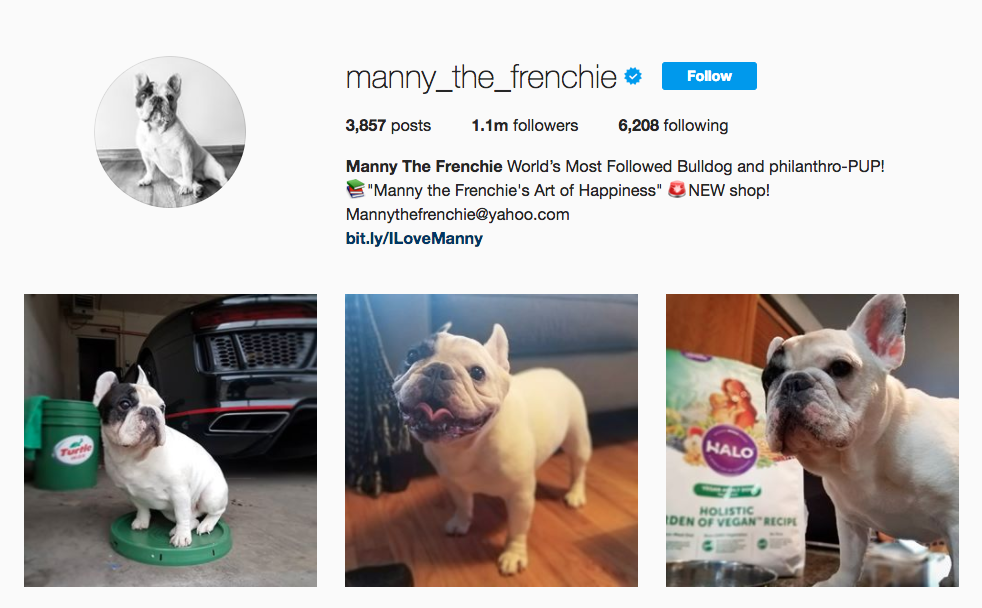
    Zoos and businesses looking for mascots have a wide range of options. A unique species, like an orangutan or llama, makes it easier to stand above the herd. If you already have a personal pet or a dog that regularly comes to the office, then there’s no need to shop for something more exotic. When it comes to animal ownership, it would be irresponsible to get an animal that you don’t have the time or resources to keep for the duration of its life. Businesses in need of a mascot might be able to sponsor an animal at the zoo or find someone in the community who already owns a unique animal. If you’re working with a dog or cat, just try to find the qualities that make your pet unique. Browse through successful pages like Mannie the Frenchie, and you’ll see what it takes to become “the world’s most followed bulldog.”

    6. Avoid Overtly Promotional Posts

    After they reach a certain level of popularity, the owners of influencer pets are often contacted by businesses looking to sell and promote products. Freebies might be offered in exchange for promotional posts showing or mentioning the product. Some owners will be happy accepting free swag, but their more ambitious peers will hold out for paid sponsorship deals. When profiles advertise for every company that sends free swag, they risk alienating their fanbase. The same trap is possible with business mascots that always seem to announce sales and products. Your fans would prefer to see cute pictures, rather than constant sales pitches.

    7. Socialize With Others

    Especially when you’re first getting started, it’s a good idea to seek out profiles with a similar style. First, you’ll need to have a few pictures to establish your brand. Then, you can interact with posts and pages that feature the same breed or deploy a similar sense of humor. That way, people who follow the other page are more likely to notice that there’s a new dog on the scene. With luck, you might even get likes and shares from the leaders in the pack. If you’re still getting the hang of Instagram and other social media platforms, then following successful pages will provide inspiration for how to make the most of the site.

    Developing and curating an animal’s social media channels can require a significant investment of time. It’s important to learn about the community and determine what kind of niche your content can fill. It’s even more important to have fun, both because it makes your enthusiasm infectious, and it helps you avoid producing stale content. If you’re not already familiar with online communities like YouTube and Facebook, consider contracting a company to handle your social media management. Search Influence provides a variety of digital marketing and SEO consulting services.

    We’d be happy to help you design a strategy to effectively promote and strengthen your brand’s presence and following online. Pet influencers are a great alternative to more conventional marketing techniques, and animal content reaches across a diverse spectrum of communities online. Contact the team at Search Influence to get an assessment of your online presence, and we can help you become top dog in your chosen field.

    Images:

    Dog With Shades

    Maru the Cat

  • Mobile Travelers: 4 Ways Mobile Search is Used in Vacation Planning

    Mobile Travelers: 4 Ways Mobile Search is Used in Vacation Planning

    We’ve come a long way from lugging around heavy guidebooks and drawing out routes on paper maps. In fact, we’ve even come a long way from planning vacations on desktop computers. Google shares that a growing number of travelers are planning vacations on their mobile devices, with mobile’s share of travel visits growing 48 percent in 2016, and mobile web conversions for travel sites growing 88 percent that same year. As a result, it’s increasingly important for businesses in the tourism and travel industries to optimize their websites for mobile and make researching and booking trips easy for mobile customers. Here’s how!

    Take me away - Search Influence

    “Micro-Moments”

    According to the same source from Google, the key to a successful mobile travel site is leveraging micro-moments. These are moments of intent when someone acts on a need—for example, looking for a hotel once they’ve booked a flight to that city. Google names the core four micro-moments of planning a trip as I-want-to-get-away, Time-to-make-a-plan, Let’s-book-it, and Can’t-wait-to-explore. Different businesses in the travel industry will prioritize different micro-moments—for example, an influencer on Instagram might focus on I-want-to-get-away while a local tourism bureau might concentrate on Can’t-wait-to-explore. But, catering to customers across all four micro-moments certainly can’t hurt!

    1. I-want-to-get-away

    Also called Dreaming Moments, these are the times when people start thinking about their next vacations—and Dreaming Moments happen often. Again, according to Google, 37 percent of U.S. travelers think about planning vacations once a month, and 17 percent think about it once a week or more. In 2015, 38 percent of non-branded travel searches came from mobile devices. Today, that number is only increasing. So, how can travel and tourism businesses cater to this growing audience?

    One option is using SEO services to help your website rank higher in search engine results for questions like, “What to do in [destination]?” and, “Where is [destination]?” These are two of the top travel questions people ask Google. Another great resource is YouTube. Google estimates that roughly 106 million of YouTube’s monthly unique visitors are travelers, and 64 percent of people who watched travel-related videos did so during Dreaming Moments. This means that learning to attract customers on YouTube is a must for businesses catering to I-want-to-get-away micro-moments.

    Animation of a plane flying - Search Influence

    2. Time-to-make-a-plan

    Also called Organizing Moments, these are the times when travelers have decided to take a trip but are still considering different hotels and airlines with an open mind. During these moments, travelers are figuring out the logistical details of their journey—like how long flights will take or how much hotels will cost. And, they’re figuring out these logistical details on mobile. On Google, mobile flight-related searches are up 33 percent year over year, and mobile hotel searches are up 49 percent.

    To reach customers during Time-to-make-a-plan Moments, consider online advertising campaigns, or Google services such as Hotel Ads and Google Flights. And, of course, make sure that your website is fully optimized for mobile!

    3. Let’s-book-it

    Booking Moments are incredibly important—not only because they’re the times when travelers start spending money, but also because these moments may have the most room for newcomers to make an impact. Going back to data from Google, 46 percent of travelers who do mobile travel research made their final booking decisions on mobile but did the actual booking itself on a desktop or laptop computer. This means that customers are likely not getting everything they need from mobile during Booking Moments. Businesses that improve their mobile booking have an opportunity to rise above the competition.

    Google recommends Book on Google as a way to increase conversion rates for mobile Booking Moments. But, other ways to improve customers’ mobile booking experience include streamlining the check-out process to remove any unnecessary steps and making sure your site is secure. Customers will be more likely to book on-the-go if they trust that their information is safe and secure.

    4. Can’t-wait-to-explore

    Also called Experiencing Moments, data from Google proves that these are also areas of huge potential. Travelers are increasingly planning their vacation activities while they’re on the trip, with 85 percent of 2016 leisure travelers deciding on activities after arriving at their destinations. Here again, travelers are making these plans on mobile. In fact, mobile searches from hotels increased 30 percent in 2016. Companies who aren’t catering to this growing audience are missing out on potential business.

    So, how can a travel industry business appeal to customers in Experiencing Moments? Provide travelers with information! The same source from Google found that 53 percent of leisure travelers are interested in visiting new places, compared to just 18 percent who want to return to previous destinations. This means that the majority of vacationers are somewhere they’ve never been before. Offer recommendations for restaurants or attractions, and make these recommendations location-aware—Google searches for “places to eat near me” more than doubled in 2016.

    Two planes making a heart shape in the sky - Search Influence

    Travel is increasingly becoming a mobile-centric industry, and businesses have a lot to gain by targeting customers in these core travel micro-moments. Whether it’s improving YouTube reach to grab viewers during I-want-to-get-away Moments, or making sure a site is hosted on a secure server for Let’s-book-it Moments, Search Influence is here to help. Bon Voyage!

    Images:

    Take Me Away

    Want to Get Away

    Bon Voyage

  • 5 Strategies to Get Guests Talking and Increase Event Attendance

    5 Strategies to Get Guests Talking and Increase Event Attendance

    With the right marketing strategy, your event will be the topic that everyone seems to be discussing. Potential attendees will feel compelled to join in the fun. Millennials have coined a term for this pervasive social anxiety: “FOMO,” for “fear of missing out.” This social enthusiasm is great at motivating that final step for a successful gathering: converting people who are merely aware of the event into participants who actually attend. Whether you’re still sending invitations or collecting RSVPs, every event planner needs to know how to make their big bash the talk of the town.

    Image of Ariel from little mermaid in New Orleans, LA

    Email Marketing

    You know the contact information for your most dedicated fans and colleagues. Give newsletter subscribers and loyal customers the inside scoop, and they’ll be happy to make plans in advance. Include links to any special promotions or contests leading up to the event to help encourage your fans to spread the word and invite friends through social media. And be sure to tease out the event over a few targeted emails, building excitement and revealing new surprises that your customers can’t get enough of.

    Whether it is your regular newsletter or promotional messages for the big event, less is more, especially when it comes to emails. Flooded inboxes are a familiar experience, and many people cull through their incoming mail on a smartphone, further limiting the time and screen space allowed for each message to make its case. When you’re promoting an event, don’t send out too many emails to the same recipients, or you may turn potential attendees into unsubscribers.

    Facebook Promotion

    Facebook events allow you to track RSVPs and disseminate essential information. People need clear details about the time, location, and parking. Facebook makes key logistical information easily accessible, and it also provides a platform for easy promotion. With event marketing on Facebook, you can pay for promotion to get more views and attendees. Even without paying for advertising, you can design posts that encourage engagement. Produce exciting promotional infographics, and your fans will be happy to spread the word.

    Schedule important posts for the early afternoon, preferably from Wednesday to Friday. Those times allow a larger number of active Facebook users to see your posts, and they can still share the news before the weekend. Social media also allows you to gauge enthusiasm and adjust your promotional strategy, depending on which posts get more engagement. Learn more about how social media management can help you find attendees for your big event on Facebook and other platforms.

    Remarketing

    Not everyone who clicks on your page will attend, but people who visit your website and event page have demonstrated interest. Target those undecided visitors with remarketing through Google Display or Facebook Display to remind them about the event and keep it top of mind. This is especially important if your event tickets typically sell closer to your event. As with other forms of targeted advertising, you can put your message in front of local viewers with relevant interests, and you can even filter by age groups and other demographic variables. Remarketing is special because it is tailored to potential guests who have demonstrated a very specific interest.

    Not everyone checks Facebook more than five times a day, and it’s easy to forget about upcoming events. Online advertising provides reminders for converting interested viewers into actual attendees. Even users without a social media presence will still see advertising on search engines and other web page banners.

    Influencer Marketing

    Advertisements are great reminders for upcoming occasions, but trusted online personalities can have an even more profound influence on attendance. Make your gathering popular by getting relevant influencers on board. In some ways, the internet is still a lot like high school, and influencers are the popular kids with a lot of sway over which parties and trends are “cool.”

    Reach out to the internet personalities relevant to your industry and audience, and they may be interested in helping to spread the word. Some influencers are content creators who rely on sponsorship. Others are bloggers who share reviews and news relevant to their followers. Influencers make great VIPs, and they may also be interested in giving away tickets, further spreading the word.

    Social media icons rotating in New Orleans, LA

    Snapchat and Instagram Stories

    If you’re targeting a younger audience, you need to keep up with the latest trends. Snapchat and Instagram allow you to tell a compelling visual story. The week and day of the event, be sure to have someone on staff dedicated to updating your feed with behind-the-scenes videos, live updates, and reactions from attendees. You can even get your influencer to take over your social account during the event to stir more excitement. Publishing a lot of content during the event, and encouraging your guests to do the same, is the best way to jumpstart your marketing and attendance for the following year.

    From underwater welders to teenaged musicians, a surprising range of communities are active on Instagram and Snapchat. If you aren’t sure about the best place to reach your audience, then it’s worth getting professional help. Consulting services can help you determine which outlets are most effective for your industry and target audience, while lead tracking and analytics will help you determine how best to elicit reactions from followers.

    Event marketing is about more than spreading the word. Use your established branding to show how every attendee will have a great time. With the right impression and frequent reminders, your local community will be FOMO-ing all the way to your big day. Whether you’ve booked an exclusive venue or amazing guest speaker, promotion (through advertising or social media) is just a way to spread the exciting news. Once you’ve done the hard work of planning a gathering, FOMO is the natural reaction of people who understand what a great time you have pulled together.

    Have a big event coming up but no time to promote it? Request a proposal to learn how Search Influence can help you succeed.


    Images:

    Social Media Pendulum 

  • Five Surefire Signs Your Online Reputation Needs Work

    A bad reputation is terrible for business, and yet online reputations are difficult for many business owners to fully understand—much less control. When a customer is upset in your restaurant or store, it’s relatively easy for a manager to handle the situation in person. Problems with online branding can be harder to detect than an angry patron. A negative online review might feel less urgent than a disgruntled customer screaming at your employees, but that review may be seen by countless potential customers in the future. An unpopular social media presence is a missed opportunity for cost-effective community engagement, and unpopular websites appear lower in search rankings. Learn how to identify the signs of a reputation problem online and protect the future of your brand.

    Thumbs down key on a keyboard - Search Influence

    1. Your Bounce Rate Is High

    We all do it. You visit a website, but it doesn’t have what you wanted, so you return to the search engine and try elsewhere. When your website has a high bounce rate, it means that people aren’t finding what they wanted. Bounce rate issues are insidious because they erode your online reputation with search engines, but they can be caused by a combination of overlapping factors. Low-quality content can drive up a bounce rate, but so can technical details about website formatting.

    Websites that aren’t responsive or mobile-friendly have a high bounce rate because mobile users are unable to access the content. On the other hand, some sites are difficult to navigate on any device because of unclear menu options and poor organization. The text on a page should be clear and helpful, relevant to the topic at hand. If a link about a specific product directs to a landing page with information about the general industry, then users may decide to search elsewhere. The easiest way to address a high bounce rate is to work with a web designer and content creator to improve the user experience.

    2. There’s an Increase in Negative Reviews

    It’s impossible to please everyone, and some customers always seem to find a reason to be disappointed. Nevertheless, a streak of negative reviews can undermine any online reputation. When negative reviews appear, it is important to address the reviewer’s concern within your company. Accept the feedback as an opportunity to prevent a repeat of the same disappointment.

    When the reviewer’s concerns are being addressed, it sometimes makes sense to reply to the review. Make it a brief and professional response to avoid getting entangled in an argument. As quickly as possible, move the discussion out of the public eye, preferably by providing an email address for further correspondence. Many people are more understanding and open to resolution in direct correspondence, but remember that anything you write in email can still be copied into a public forum. Ultimately, any response to negative reviews is an exercise in damage control. The best solution is prevention, providing such a high quality of service that the positive reviews outnumber negative ones.

    3. Your Social Media Engagement Is Lacking

    Social media marketing is a cost-effective way to interact with customers and build your brand awareness. An inactive Facebook page is a missed opportunity for advertising, and so is a mismanaged page. Excessively promotional posts don’t offer value to your audience and can give a negative impression. If none of your recent posts have any likes, shares, or comments, then your audience is not engaged with your message.

    Rather than only promoting your business, use social media to share other kinds of content as well. Share informational posts about recent news and updates relevant to your industry or community. Include frequent posts that aim primarily to elicit engagement, whether they share a cute animal picture or joke. Depending on what’s appropriate for your industry, you can also post a poll asking for people to voice their preference between popular techniques or theories.

    4. Your Website Is Not Authoritative

    Authoritative websites rank higher on Google, but building authority takes time. One of the most reliable methods for building authority is inbound links. When important, trustworthy websites link to your website, it shows search engines that your content is a trustworthy authority on those subjects. In the early days of search engine optimization, you could improve your ranking by posting links to your website in random blog comments and basically spreading the links as many places as possible. Now, algorithms are smart enough to sort out what is authentic, and will not reward those who take shortcuts to improve their ranking.

    To build authority, invest time into quality content that provides useful information to visitors. Accelerate the authority-building process by getting your business (and website) mentioned in newspapers and trade journals, resources that have already established themselves as reliable. Ultimately, a high quality and helpful website will be shared by people organically as a resource. Your authority will grow as visitors share your page with their friends.

    Rotating image of a person's identity - Search Influence

    5. Your Branding Is Inconsistent

    Inconsistent branding isn’t always as obvious as it sounds. Some companies might change their name while keeping the same website, and then it’s obviously important to go through and eliminate all appearances of the old name. On the other hand, many businesses use a shortened version of their full name in casual conversation. It can be tempting to use the shorter name in website content, making the tone friendly and hospitable, but search engines don’t appreciate that your company’s nickname isn’t an altogether different name. If a search engine thinks your business can’t keep its own name straight, then that’s a sign that the content may not be reliable. Avoid using shortened versions of your name, and make sure to proofread when you’re publishing content and adding your business to online directories.

    To protect and improve your online reputation, talk with a digital marketing consultant. The team at Search Influence has experience managing all the key aspects of your brand’s internet presence.

    Images:

    Changing Identity 

  • Your Website Is Yours—Make Sure You Own It

    Imagine you open your dream business with the perfect name, perfect location, great employees at every level, and a great building to host your perfect products. To finish off the grand opening, you hire an outside contractor to do some work for you and you give them all of your keys and tell them to hold on to them even after the work is done and you never ask for them back. This sounds like a silly mistake that is complete hyperbole that no business owner would ever commit. But sadly, this happens every single day when business owners don’t secure their credentials after outsourcing for website creation. Regardless of whether this action was malicious, careless, or just protocol, you stand to lose a lot and have a giant headache if you don’t have proper control of your website and online presence.

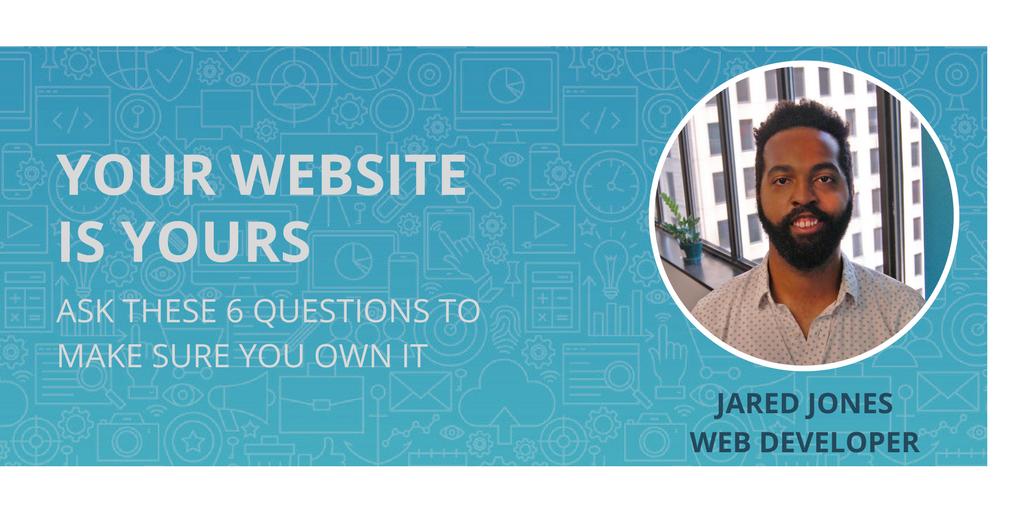
    6 questions to ask your website provider

    If your site has yet to launch and you’re reading this right now, you need to take proactive measures to ensure that you have complete control of your website. When a company creates a website for you, they like to use the companies and resources that they like to use. The glitz and glamor of a slick and pretty website can quickly make a business owner forget to ask for administrative access to their own property. Before signing a contract to have a website created for you, make sure you ask the right questions.

    1. Who is hosting my site?

    There are plenty of hosts across the internet, and knowing which one hosts your site is vital if you need to wrest control of your intellectual property. If you forget which one hosts your site, you can search Domaintools, a free domain lookup resource that can tell you which company hosts your domain, unless you opted to pay to have your information hidden. You should also ensure that your email has its own account and is the primary owner of the hosting service. Even if you pay the contractor to complete the necessary setup for you, there is a chance that they’ll add your site to their list of websites that they own. If your relationship fractures, you’re at their mercy. If the contractor chooses not to release your domain, you might have to find a new domain and site.

    Mark Wahlburg Smashing A Computer - Search Influence

    2. What is my server login information?

    Though this may not be relevant to you directly, if you do decide to use a different company for implementing website content, there is a 100% chance that they will at least request this information. Our web developers here at Search Influence, such as myself, utilize this information to create a staging environment for your website. That way we can add all of our changes without altering the live site or disrupting the flow of your website while we work on it. If you don’t have this information but you are the primary owner of your domain and hosting service, you can contact them to receive this information or retrieve it from the backend.

    3. What is my CMS login?

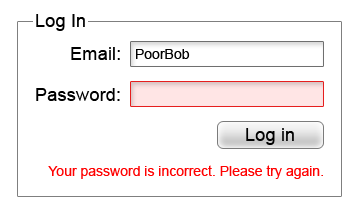
    Incorrect Password Screenshot - Search Influence

    Please—I’m actually begging, please do not sign a contract to purchase a website and not have a login created for yourself where you are the primary owner. With ownership of the CMS, you can easily give another web developer the necessary permissions they need to make any edits to your website. Some website creators may be reluctant to hand this information out or give you the highest level of access since there is the potential to completely take a site down permanently if the user changes some files that are integral for the site to run. Your CMS login may also be called your WordPress, Joomla, Drupal, or Squarespace login.

    4. Do I own my domain name?

    With easy-to-use services such as Namecheap, it is easier than ever to own your own domain even if you don’t plan on building the website yourself. The purchaser of the domain can add it to any profile they so choose. If you don’t have ownership of whatever account the new domain name is attached to, you don’t own your website.

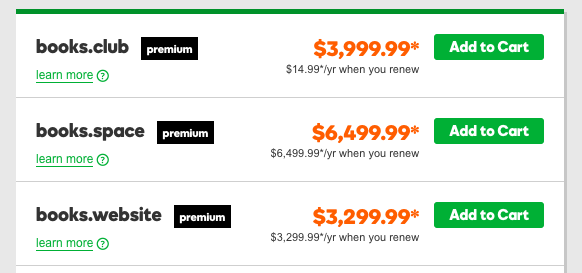
    How Much Popular Sites Go For - Search Influence

    Knowing the potential of how much popular website names can go for, someone that owns your domain can take as much of your money as you’re willing to give them to get it back. Not only that, the likelihood of legal recourse being in your favor is close to none unless you can somehow find a loophole in the contract that is probably ironclad.

    5. Do I own my social media profiles?

    While this doesn’t relate directly to your website itself, this is still in the same vein. Most social media platforms will either have a way to add users as managers on your account, or the company that will handle your online reputation management will have a third party platform that they use to add content to your favorite social media platforms. Facebook, for example, will allow you to add managers to your business account, and managers can write and schedule posts in your steed. As far as social media management platforms are concerned, your social media company will be required to log in, but once will be sufficient unless you decide to change your password. This is very important because the process of re-claiming a social media profile is a very long and drawn out process requiring many different steps of verification. Not my idea of a good time if you ask me.

    6. What about my Google Analytics account?

    Just like everything else outlined here, you will also need to have control of your Google Analytics account. In case you don’t have any tracking on your site, Google Analytics is the popular service offered by Google that allows you to track site visits and a multitude of other metrics. The first rule of Google Analytics is once your historical data is gone, it’s gone forever. If you request Google Analytics to be added to your site for the first time, create the account yourself and then add other users as administrators to take care of the rest. Lunametrics gives a great run down of different views in Google Analytics. At the very least, you should have your own view with completely untouched data, and it should be labeled as such before any marketing company tinkers around with your views.

    Even if you’re past the point of setup, all of these outlined items are necessary to maintain complete control of your website and your online branding. Without it, you could get locked out of your business’ entire online personality. It doesn’t even have to be anything malicious either. Your best friend who is a developer could go on vacation in the Appalachian Mountains and not have access to email. Your nephew who runs your Google Analytics account can get a new phone number and lose access to the Google account and have to wait however long Google decides to verify his identity before you can see the results of your latest paid search campaign.

    If this seems like a huge undertaking, our talented experts at Search Influence have everything you need to get launched properly. In addition to our web development team that is dedicated to the technical performance of your website, every client at Search Influence is assigned a dedicated Account Manager to help you strategize, and even keep your website’s credentials in order. Contact us and request a free digital marketing analysis today.


    Images:

    Mark Wahlberg Computer Smash