Tag: Twitter

  • These 10 Expert Tips Will Drive Traffic to Your Business’s Website

    Grow Your Business Graphic

    It doesn’t take a web expert to know that more traffic to your website means more business. However, researching ways to improve your online traffic isn’t always easy. We asked our in-house experts for their thoughts and came up with these ten ways to drive traffic to your website.

    1: Implement Schema Markup and Rich Snippets on Your Site

    Schema Markup is structured data that labels existing elements on your website so search engines can better understand the content. Essentially, when Schema.org markup is implemented into your website’s HTML source (the only place where it should be visible), it clearly defines specific parts of your content, such as your business address and telephone number.

    Rich Snippets are a structured data markup only recognized by search engine algorithms. When used on appropriate content, Rich Snippets can show exact content from a website on Search Engine Result Pages (SERPs) of search engines like Google, Yahoo, and Bing. These snippets are the few lines of text under every search result. For example, if you run a medical practice that wants to advertise its high rate of patient satisfaction, you can markup content from patient testimonials so that your glowing reviews show up when people search for doctors in your area.

    Healthgrades Screenshot

    2: Improve Your Site Speed

    Site speed is the amount of time a page needs to completely load. This matters for both users and search engines, as users are less likely to stay on a website that takes a long time to load and search engines will penalize your website for being too slow. Google’s PageSpeed Insights Tool is a great way to analyze your site for ways to improve your site speed and will provide you with detailed information on how to fix each issue.

    3: Use Google Search Console

    Google Search Console (formerly Webmaster Tools) allows you to indicate to Google the various details of your site. A very important part of this process is submitting your sitemap so that search engines can better crawl and categorize your site—if you haven’t done this yet, you should! Search Console will give you a report on the average ranking of your website on SERPs for specific search queries. These reports will let you know what you should be improving on your site to gain a high position and click rate.

    4: Publish Press Releases

    Press Releases are great when you have an announcement to make or a story to tell. They’re also highly useful for helping you own your business name in SERPs. Sites like PRWeb and Cision will distribute your press releases for you and get them published on news sites and blogs. For a little extra money, they’ll also send your release to journalists and bloggers, in hopes that they’ll publish it on their sites as well.

    5: Perform On-Site Link Building

    Internal Linking is a link from one page to another on your website. This process fosters a great user experience, as anyone visiting your site will find themselves easily hopping from one page to another without having to really search for the information they’re looking for. Search engines like Google are very focused on user experience. Good internal link building helps googlebot understand the relationship between pages, among a set of content.

    6: Perform Off-Site Link Earning

    By submitting your website to online forums, specifically those that pertain to your business’ physical and professional communities, you’re naturally increasing the chances that someone will visit your website. Engaging on social platforms like StumbleUpon, Reddit, Digg, and Delicious can be more valuable than you think.

    7: Perform Off-Site Citation Building

    Similarly to off-site link earning, submitting business listings to niche directories (industry & categorical), data feeds, major directories like Google, Yelp, Bing, Foursquare, YP.com, and secondary directories like Merchant Circle, HotFrog is a great way to drive traffic to your website.

    8: Syndicate Your Videos

    It’s no secret that having a YouTube channel filled with optimized videos drives up web traffic. However, you should also syndicate your videos across other sustainable video channels, such as Vimeo and DailyMotion. Videos will earn links and citations on social sites because they’re highly shareable. These increase link source diversity.

    9: Post and Promote on Social Media

    This may seem like a no-brainer, but you would be surprised by how many businesses don’t actually do this. Paying for promoted posts on Facebook offers a relatively inexpensive way to get your business in front of target consumers. Facebook also offers radius-based targeting for ads, which lets you target people who are/were:

    • Living in your area
    • Located in your area
    • Recently visiting your area
    • Traveling to/in your area

    Posting and promoting isn’t limited to Facebook, though! LinkedIn and Pinterest are other examples of great social media sites that are perfect for driving traffic to your website.

    10: Be a Resource in Your Industry Through Sharable Content

    It’s one thing to be ahead of your competition, but it’s another thing entirely to be an industry thought leader. You can do this by creating shareable content. For example, you MUST have a blog. Your blog should be on site, not offsite. If your website is hosted on a CMS like WordPress, then you can easily integrate a blog within your existing site! Not only does blogging build authority for your brand and show off the human side of your company, but according to Hubspot, businesses who prioritize blogging experience 13 times increase in ROI.

    You should also start to create infographics. They combine easily digestible—but valuable—information with a visually appealing information, making them highly shareable across all social media websites. For example, this infographic, created for a medical directory, was shared more than 900 times, got more than 300 Facebook shares, and was pinned more than 150 times.

    Want more information? Watch our recent webinar for more information and tips.
  • 3 Tips to Help Law Firms Generate More Leads on Social Media

    In 2015, 35% of all lawyers obtained clients from their social networks, according to an ABA survey. Tech-savvy attorneys and digital marketing experts alike know that social media sites like LinkedIn, Google+, and Facebook are great business development tools. Engagement is an imperative. In fact, it is the new word-of-mouth for client referrals. Here are three tips to help any firm develop a strong social media strategy.

    1. Start Slow and Develop a Message

    To start, a firm or individual attorney should pick out one or two social media platforms and focus on posting quality, engaging posts. There are only 24 hours in a day, and legal professionals already have a lot on their plate. By focusing efforts on posting good content on a few outlets, a firm can develop its own individual image and message. Once a lawyer becomes comfortable on one or two platforms, they can open various social media accounts and integrate their message across all of them. In 2015, 96% of lawyers and 90% of law firms maintained a presence on LinkedIn, while 33% of lawyers and 52% of law firms maintained a presence on Facebook. As the most popular social media sites in the legal field, these are the best places to start networking. Legal professionals also use Twitter, Google+, blogs, and several other niche social media platforms.

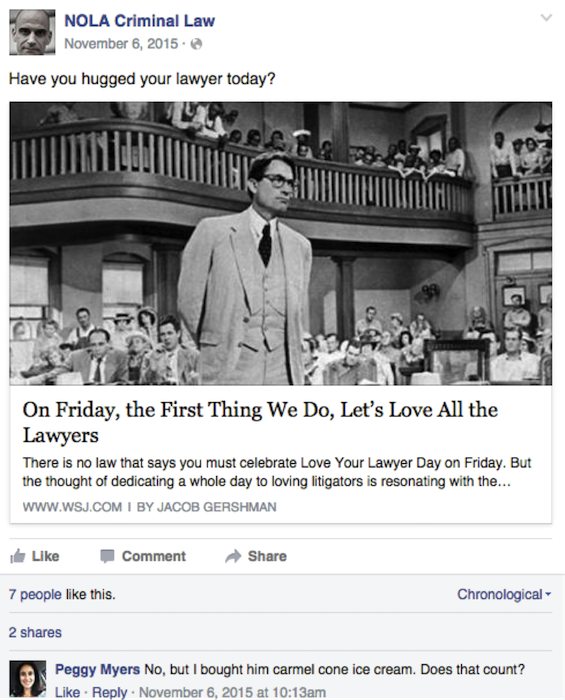
    Lawyer Social Media Engagement Post Image

    2. Set a Policy: Reactionary Content

    Who is the target audience, and what will solicit a response from them? Because of the conservative nature of law, many attorneys may shy away from controversial topics. However, as long as the information is within the constraints of what an attorney is allowed to say in public, it can be posted on the Internet. The whole point of social media is to provoke a reaction. Effective legal social media means not only engaging with potential clients on industry-specific topics, but also provoking a share, like, +1, or comment. One tactic involves posting about real world events, changes to state or federal law, landmark rulings, or events the firm is hosting. These posts showcase the attorney as an expert who is aware of the most recent changes shaping the dynamic field. Up-to-date content appeals to potential clients who may respond with their own opinions, creating a conversation and potential leads.

    Lawyer Social Media News Post Image

    3. Build Relationships

    To maximize the reach of a firm’s social media message, make sure every attorney is involved. If one partner writes a blog or is featured in a local news story, make sure everyone in the office does what they can to promote the story. Through re-posts and shares, good news stories can reach a much larger audience. Each and every digital connection is a lead. To build professional relationships, use social media platforms at conferences, local business events, or any other professional event the firm is involved in. By connecting with other attendees or organizers, a lawyer can expand their social media outreach even further.

    As long as a firm approaches social media as part of a modern marketing campaign, it is easy to develop a successful strategy. Social media is not just for the young: the largest-growing demographic for Facebook is ages 30-50. A creative law firm can connect with social media users of all ages to generate leads and gain new clients.

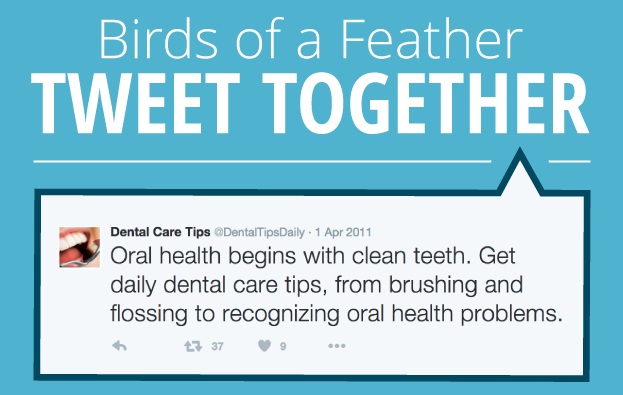
  • Birds of a Feather Tweet Together: How to Shape Your Dental Practice’s Strategy

    1601-SI-Newsletter-0112-Big-KG-D-01

    With today being National Bird Day, one saying comes to mind, and it’s one that forever rings true: “Birds of a feather…” Like-minded individuals with similar interests and agendas generally come together and communicate with each other more regularly. This can be beneficial for dentists, periodontists, and orthodontists as they work on growing their audiences online.

    Who’s in Your Flock?

    For those in the family dental industry, consider who will be most inclined to tweet about your services. First to note in the flock is, of course, parents and families. With that in mind, crafting your content with families in mind can benefit both your business as well as your audience, both of which will do wonders for your online presence and, in turn, grow your respective audience as more of that same audience is brought in by their own family and like-minded friends.

    Tweet to Your Birds

    Birds go where other birds go. If you want your Twitter audience to grow, start with those on Twitter who fit your audience to a tee. From there, encourage interaction and engagement with them and their fellow followers who share the same general mindset and lifestyle. For example, if you share a great joke, infographic, or helpful fact about oral health practices and end it with “RT to your friends and fam!,” more will learn of your company’s personality and expertise through shared tweets, and those with whom the messages resonate will join your flock of followers, allowing your audience to continue to grow and prosper.

    Take Flight Today

    The idea of growing your audience online can be daunting to those who aren’t entirely familiar with the method, as the Internet has grown to become a whole new world of its own. Don’t worry, though—that’s what online marketing services are for! Allow a professional company to best serve you in the way that will grow your audience, your company, and your success via online marketing today.

  • Only One Direction for New Twitter Hashflags: Up

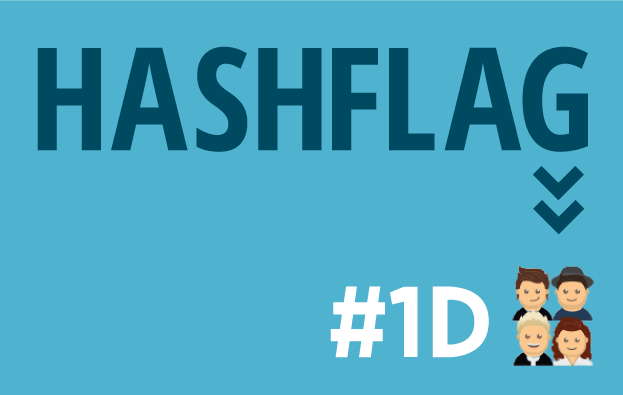
    Anyone who has been on Twitter recently has seen the popular custom Twitter emojis known as Hashflags. Hashflag images appear after a #hashtag and are activated on Twitter for specific occasions or events. Artists and events use these to generate trending hashtags, and having the specific Hashflag gives an incentive to tweet it.

    Even though they have been around for some time, the first sighting for me was during the album release of One Direction’s new album, Made in the A.M. Clearly, this sparked my interest.

    One Direction Hashflags

    One Direction used these to promote their new album and pretty much took over Twitter feeds. Every fan girl (including myself) used one of the Hashflags to display their favorite member. I’m sure Harry Styles had the most #1DHarry tweets, but I may be biased.

    1511-SI-Newsletter-KG-C-02

    After a few days of the Hashflags being available, One Direction collaborated with Twitter to set up a worldwide competition to find the biggest fans in the top 10 countries. More than 140 countries battled it out in a Twitter vote to show how devoted they were by using assigned One Direction country hashtags. Sadly, the USA didn’t make the top 10, but we know our loyalty stands strong.

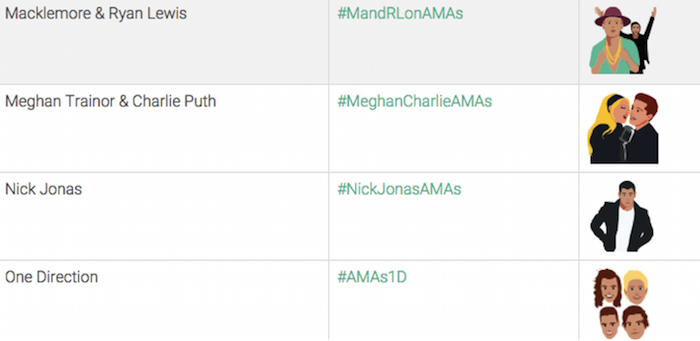
    Because Twitter has released this for events as well, the most recent American Music Awards took part in the new trend. Twenty unique Hashflags were released during the airing of the #AMAs on November 21, 2015.  Each time a performance graced our television screens, a hashtag displayed at the bottom for us to use when live tweeting. Macklemore, Meghan Trainor, Nick Jonas, and One Direction are a few of the artists that had a custom Hashflag.

    Screenshot Image Of Twitter Hashflags

    If you are curious to know what Hashflags and artists generated the most talk on Twitter during the AMAs, you can take one guess. One Direction made a clean sweep of the awards won, and they were also the most discussed artist on Twitter during the show. I’d say they are doing just fine without Zayn…SLAY!

    How to Use Hashflags

    As the rise of Hashflags continues, here is a list of things to keep in mind:

    • They are not permanent. The lifespan of a Hashflag lasts as long as the event/occasion it is associated with.
    • They don’t count as characters. YAY! 🙂
    • Hashflags’ view is currently limited to desktops and the Twitter app.
    • All active Hashflags are visible on hashfla.gs. Check it out to see a list of all the current/available Hashflags you can use in your tweets.

    What has been your favorite Hashflag on Twitter… besides #1DHarry?

  • For Small Law Practices, Online Resources Can Be Judge & Jury

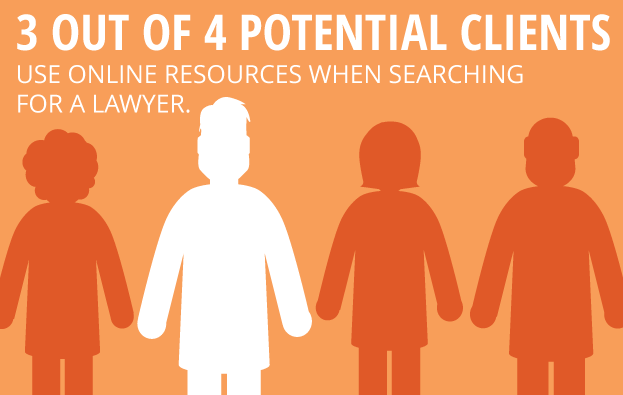
    For many solo practitioners and small law firms just starting out, establishing a consistent client base is the number one priority. In the increasingly competitive land of marketing your law practice, it’s imperative to look beyond the traditional methods such as putting your picture on a billboard, directly contacting potential clients, or simply hanging out your shingle. According to a survey conducted by the Research Intelligence Group, three out of four potential clients use online resources when searching for a lawyer. With that in mind, utilizing a few simple tips can make a huge difference in getting your new law practice found online.

    1511-SI-Newsletter-KG-E-02

    1. Develop and Promote High-Quality Content

    If you’re just in the initial stages of developing your website, it’s wise to keep things simple and focus on quality rather than quantity. For instance, create a few targeted website pages that are written with the potential client in mind, rather than cluttering up your site with an overload of information. Once you have high-quality content in your arsenal, make sure to utilize a social network to promote that content. Also, consider focusing on one social network that you expect will attract the most business, and write timely and substantive posts for that one network.

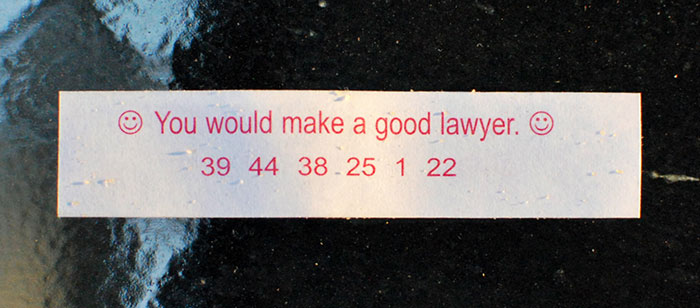
    LawyerFortunCookie

    2. Create a Blog

    One important way to increase your online visibility and improve your chances of getting to the top of Google’s organic search results is to create a relevant and authoritative blog on your website. A blog is a great way to establish your authority on subjects relevant to your practice while also allowing for the occasional posting of upcoming community events or helpful nonlegal articles. You can also set your blog to automatically post to social media platforms such as Facebook, Twitter, and LinkedIn.

    GavelAndGlobe

    3. Focus on Local

    Think of your potential client base and how you would traditionally market to that group. Getting involved with your community by speaking at regional networking events and participating in local organizations can help establish yourself as a local expert in your field. Internet marketing is another step in that process and can go a long way in bringing in new business. For example, creating consistent profiles across local directories can help you rank higher on Google. Also, consider developing a strategy for gaining local user reviews on websites such as Yelp.

    Starting your own law practice can be daunting, but utilizing these simple tools can make a big impact in helping potential clients find you online.

    Image Sources:

    Lawyer Fortune Cookie

    Gavel and Globe

  • Have Hashtags Become the New Slogans?

    Hashtag Art Image Search Influence

    In the world of marketing, businesses seem more focused on creating a captivating hashtag to correspond with the newest campaign rather than a fresh slogan. Is it possible for the two to coexist, or are slogans as we know them well on their way to becoming a thing of the past?

    Slogans 101

    Slogans are defined as brief, catchy phrases used in marketing campaigns with the intent to direct a customer’s attention toward a particular product or company. Often referred to as taglines, especially in advertising, these short strings of words often stick with the company for a long time or forever if they are successful.

    McDonalds Slogan Image Search Influence

    However, that success may have been transferred over to the power of the hashtag, as there has been a steady decline in the use of advertising slogans in both the United States as well as the UK over the past 20 years. Perhaps they were on their way out before hashtags were more than just a pound sign smashed into a string of words.

    The Hashtag Takeover

    Hashtag is defined as a word or phrase that is preceded by a hash or pound sign and used to identify messages on a specific topic, generally on social media sites such as Twitter.

    The newly invented hashtag first appeared as a practice of writing for Twitter posts during the 2009-2010 Iranian election protests by both English- and Persian-speaking users.

    However, the term was presented in a blog post by Stowe Boyd, where “Hash Tags = Twitter Groupings” was written Aug. 26, 2007. Twitter jumped on board and began to hyperlink hashtags in tweets July 2, 2009 as a way to link all corresponding tweets to a particular hashtag to be incorporated in search results for Twitter users.

    A Look at #TodayAsWeKnowIt

    Fast forward to 2015, and hashtags are used for numerous reasons, including event promotion, campaigns, human rights, awareness and absolutely for marketing, making the hashtag far more versatile than the slogan. For example, the recent trending hashtag #mondaymotivation received more than 76,000 tweets as of July 28, according to Twitter. The #betterforit Nike Women brand campaign hashtag, for example, has received more than 800 tweets just this month. That’s according to Hashtracking.com, a website that tracks hashtag mentions. And so we circle back to the question at hand: Is the traditional slogan to be replaced by the ever-present hashtag?

    Image sources:

    Hashtag image

    McDonald’s cart image


  • Five for Friday: Facebook Aims to Please, Amazon Goes the Way of Uber, & More!

    1. Facebook Update Takes Into Account Time Spent Reading Stories – Search Engine Journal  

    Facebook looks to be taking the next step forward in studying user behavior. The social networking giant is now directly measuring user activity and engagement, even when the user isn’t interacting with content. How important to us are news stories that we just want to skim? The next time you stop scrolling to look over a story, you are casting a silent vote for that type of content in comparison to other stories in your feed. Facebook has already rolled this update out, which means you no longer have to comment on or like a story for your feed to be modified. If you feel like you’ve been seeing more of what you want to see, well, you probably are. 

    2. Twitter Makes Your Conversations Easier to Follow – Mashable

    Having trouble following that long chain of tweets and retweets? Good news! Reading Twitter discussions will no longer test your mental sorting abilities. Dialogues are now conveniently grouped for maximum readability. If you have frequently wondered who is talking to whom, fret no more! Talks are joined by a single solid line.

    Following Tiwtter Conversations Image - Search Influence

    3. Google Uses Sitelinks Based on Significance – SEO by the Sea

    Google, acting as the undisputed market leader in search, is continually looking to improve the way their search performs. In a patent granted earlier last week, Google now seeks to identify the most “visually and/or functionally significant hyperlinks within the document.” This means that the location a link points to isn’t the only attribute considered when Google thinks about links, but where a link visually is on a page matters as well. 

    4. Amazon Debates Paying People for Deliveries – The Wall Street Journal

    Amazon Deliveries Image - Search Influence

    A big part of Amazon’s costs come from shipping, so it seems only natural they should be seeking to cut costs. Only, this time it isn’t drones: Amazon would like to turn every potential income-seeking individual into an Uber-like delivery driver.

    5. European Sites Are Declared Liable for User Comments – Techdirt

    On Tuesday, the European Court of Human Rights ruled that sites can be declared liable for what any random user posts on them. This has massive implications for sites that allow users to regularly post content. What lies in the future of censorship?

    Image sources:

    Cell phone image

    Delivery image


  • Five for Friday: Google’s Phantom Update Revealed, Remembering Sally Ride & More!

    1. Google’s “Phantom Update” Is a “Quality Update” – Search Engine Land

    In early May, many people noticed significant ranking changes, which led to the rumor that Google had run a Panda update or a spam-related update. However, Google denied this, leaving many stumped by what could have mysteriously caused these rankings changes. Now, Google has finally confirmed that the “Phantom Update” actually included changes to how content quality is ranked, leading some to call it the “Quality Update.” However, exactly what changes were made and how quality is now assessed by Google is still being kept top secret.

    2. New Cortana App Will Sync iPhones to Windows 10 “Very Soon” – Marketing Land

    Microsoft announced its plans to make Windows 10 cross-device friendly with a new Cortana “Phone Companion” application that will connect your Windows PC to mobile devices, including iPhones. This app will take Apple’s “Continuity” feature to the next level by not only syncing across devices, but by syncing across devices regardless of your operating system. Stay tuned for the Android version of Cortana at the end of June; iPhone users will be on hold for the app until “later this year.”

    3. Google Webmaster Tools Becomes Google Search Console – Google Webmaster Central Blog

    Say goodbye to the name Google Webmaster Tools and start becoming familiar with the term Google Search Console in its place. After 10 years of offering the beloved Webmaster Tools, Google announced the rebranding change last week. The company stated that there were many types of Google fans using the tool, from small business owners to marketers to true webmasters, and the goal is to make sure that the “product includes everyone who cares about Search.” No drastic changes to the tool’s functions were announced with the new name. Contrary to speculation, Bing says that renaming its Webmaster Tools is “not on the radar.”

    4. Twitter Helps Reinforce Your Mobile Local Branding In Search Results – Blumenthals

    Google mobile search results can now display Twitter content for branded searches, which provides a great place for local businesses to increase their visibility and positive brand message while also pushing competitors further down on the search engine results page. This also gives local businesses another platform for sharing content, which can easily be synced to a Facebook page, and more ways to control front-page content for reputation management.

    5. Google Doodle Celebrates Sally Ride’s 64th Birthday – Search Engine Roundtable

    Tuesday, May 26 would have marked the late Sally Ride’s 64th birthday. Google remembered the birthday of the first American female astronaut in space with a series of Google Doodles inspired by her life’s many accomplishments. On June 18, 1983, Sally became the first American female in space—and the youngest still to date! After another successful mission, Sally founded Sally Ride Science, where she focused on educating young people, especially girls, about careers in science, technology, math and engineering. As a woman in the technology field, I would like to say “thank you” to Sally Ride for all she has done to pave the way for those who have come after her.

    Image sources:

    It’s classified GIF

    Goodbye elephant GIF

    Sally Ride GIF

  • Five for Friday: Survived Mobilegeddon? Check Out What Google’s Doing Next

    1. Immediate Mobilegeddon Aftershocks – Moz

    Following the much-anticipated release of Google’s mobile update, a.k.a. “Mobilegeddon,” SEO authority Moz has taken its first look at the immediate aftershocks since the rollout. MozCast Mobile tracked the performance of mobile SERPs across a 10k keyword set over 10 days, but since Google says it could take days or weeks for the update, accurate measurements remain difficult to obtain. Stay tuned, because as more page-one URLs show the “mobile-friendly” tag, better Mobilegeddon data could be right around the corner.

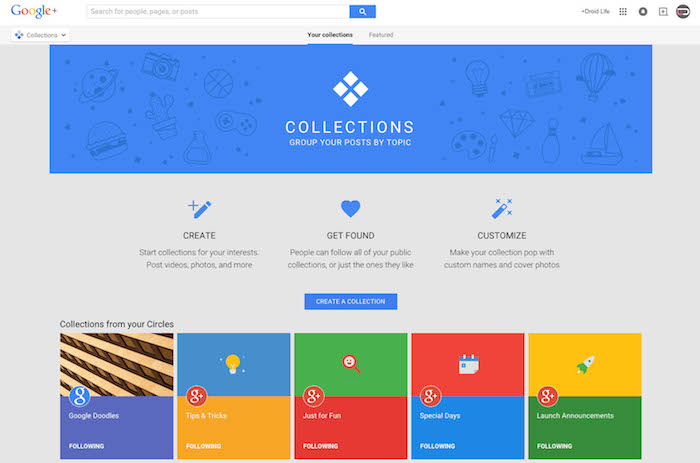
    2. Google+ Launches Collections – Blumenthals

    Interested in using Google+ for your business but unsure how to organize groups of posts? Google+ has a new feature—Collections—that has the potential to help local businesses get more first-page exposure by allowing the organization of posts by topic. It remains to be seen how much of an impact Collections will have, and it very well may depend on Google’s direct marketing and exposure of this new feature.

    Google Collections Image - Search Influence


    3. Hope For Mobile Ads – Marketing Land

    As mobile traffic continues its upward climb, advertisers are finally jumping in and starting to focus on the user experience, particularly as more consumers are looking at content in-app and from social media rather than on the mobile web. Publishers are actively working to figure out how to profit from rapidly growing mobile traffic, while advertisers are grappling with creating ads that will work well on all screen sizes and moving away from trends like ads that are specifically placed to force the user to click on them.

    4. Google Gets Personal – Marketing Land

    Are you ready to optimize for personalized search results? Google is reportedly in talks with advertisers to gain access to their customers’ first-party data and incorporate it into more personalized search results based on enhanced user profiles. If you haven’t done so already, now may be the time to optimize your content by focusing on your product or service and specifically targeting searcher profiles rather than using broad keywords.

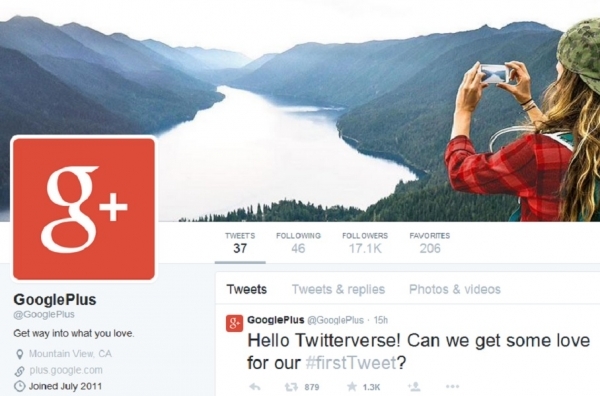
    5. Google+ Shows Signs Of Life With Its First Tweet – Marketing Land

    Google+ has faced ongoing rumors as of late over its future, and for the most part, the social network has remained relatively silent, leaving onlookers to wonder if it would quietly split into its separate products: the social network experience, photos, and Hangouts. Instead, the social network recently showcased its sense of humor by surprising everyone with the network’s very first tweet, signaling that it is still alive and well. Google+ did make sure to point out its longstanding feelings on Facebook by commenting, “Still not on Facebook.”

    Google First Tweet Image - Search Influence

    Image sources:

    Google Collections


  • Taking Flight in 140 Characters or Less: Twitter Advertising 101

    Twitter advertising can be a great way to increase your follower base and drive traffic to both your social media pages and your website. It is relatively cost efficient, and it can help you drive the right traffic to your pages. There are three different types of Twitter ads all used for different purposes.

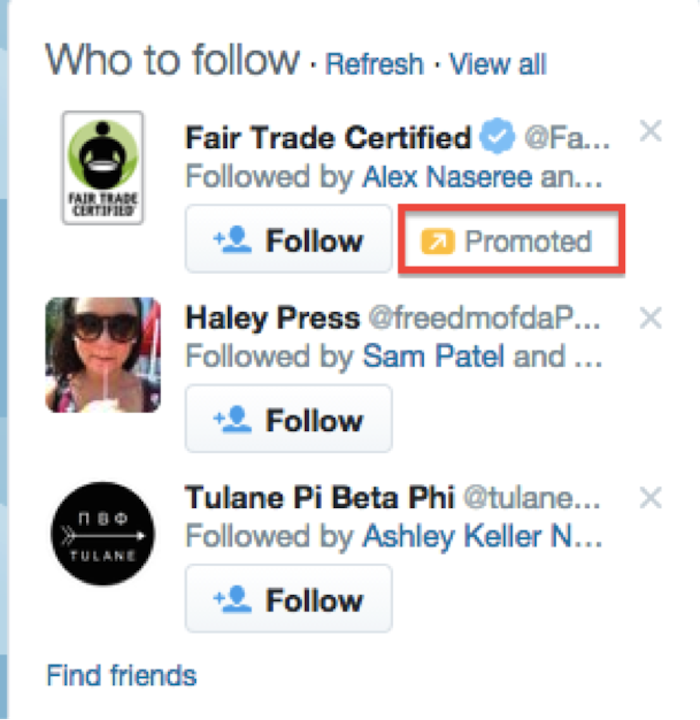
    Promoted Accounts

    For those of you who are familiar with Facebook advertising, this type of ad is very similar to Facebook fan-building ads. They are used to grow your follower base and draw more attention to your Twitter account. Promoted accounts typically range between $2-4 per follower. This price is dependent upon targeting: the more specifically targeted the ad is, the more it costs. The cost of these ads is subject to results, because you are charged when a user clicks on the ad and follows your account, but you do have the ability to set a maximum budget.

    Who to Follow Twitter Ads Image - Search Influence

    Promoted Tweets

    Promoted tweets can be used to promote a specific product or service, and they can also be used to get more attention and exposure for your quality tweets. These ads help promote user engagement and show your content to people who are not necessarily following you on Twitter. These ads are also on a “pay per” basis, but instead of paying per follow, you pay per interaction. “Interacting” includes clicking, replying, retweeting, or favoriting your tweet. These interactions typically cost between $0.50-$2, depending on your targeting. Just like with the promoted accounts, you can set a budget so that you don’t end up spending more than you can afford (due to the awesome success of the campaign, of course).

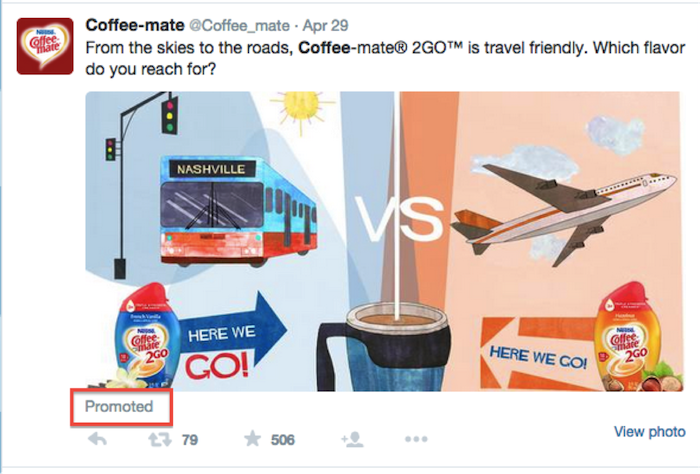
    Twitter Advertising Promoted Tweet - Search Influence

    Promoted Trends

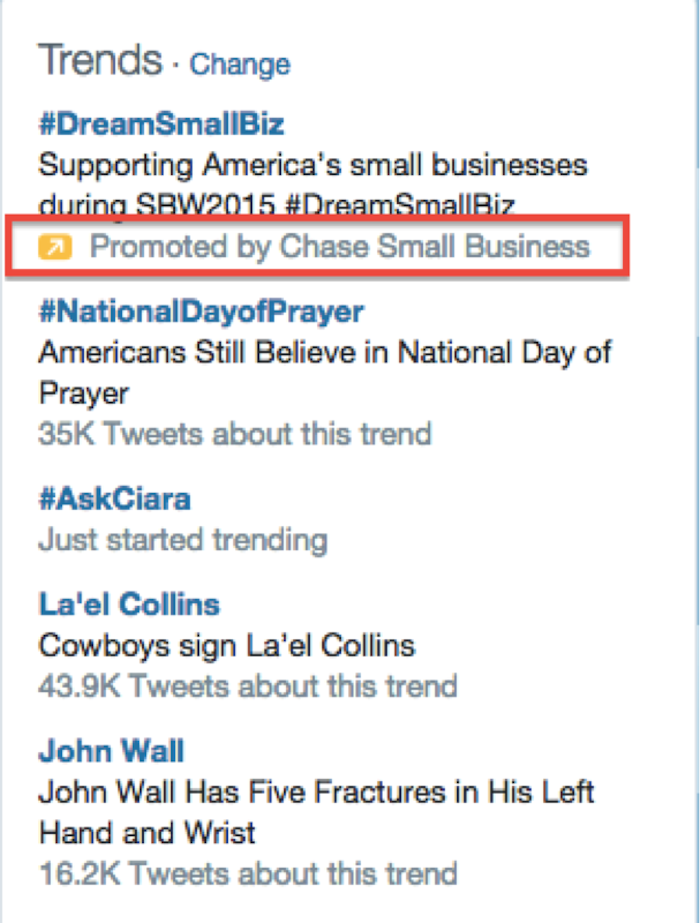
    This type of Twitter advertising is really meant for the iconic brands of the world. These will only work for you if you are looking for significant exposure in a short amount of time. Promoted trends are guaranteed placement in the “trends” section and are shown to everybody. The types of businesses that do this appeal to the masses (McDonald’s, Nike, Chase, etc.). Another reason that this type of ad only appeals to huge companies is the large price tag: it costs $200,000 to run a promoted trend for one day.

    Twitter Advertising Trends Image - Search Influence

    Targeting

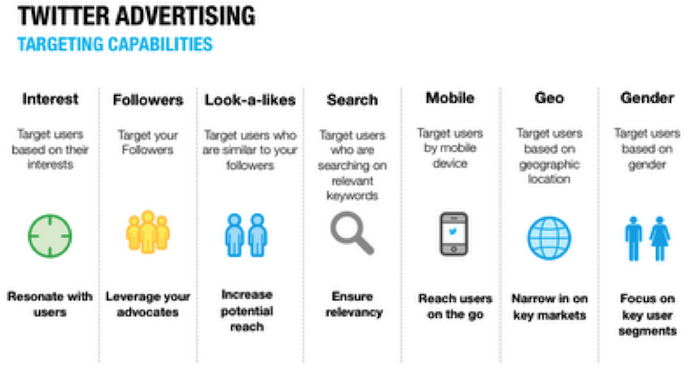
    For promoted accounts and tweets, you can get pretty granular with the targeting. Twitter allows you to target based on a multitude of different demographic and behavioral factors. Advertisers can target based on behaviors, gender, region, device (mobile, desktop, or tablet), and more. Social media targeting is a delicate balance because as you get more specific, the price per click or interaction goes up, but it is important to be specific enough that you are targeting people who are likely to convert.

    Twitter ads can be a really great way to drive more followers, engagement, and even traffic to your website. Using this ad platform also allows advertisers full access to Twitter analytics so they can see what types of tweets perform the best, which helps them choose which ones to promote in the future. Happy tweeting!

    Twitter Advertising Targeting Image - Search Influence

    Image sources:

    Twitter targeting image