Tag: marketing

  • New Orleans: A Growing Tech City

    For those of you who don’t know, before Hurricane Katrina ripped through the Gulf South, New Orleans was on a steady rate of decline. However, the city we love to call home here at Search Influence is in the middle of a major renaissance. News sources across the nation have reported New Orleans is the fastest growing city in America.

    • Population in April 2010: 343,829
    • Population in July of 2011: 360,740
    • Change in population: 4.9 percent (national average 0.73%)
    • Unemployment rate May 2012: 7.2%
    • Unemployment rate December 2012: 6.8 % (national average 7.8%)


    With all of these growth changes and increase in jobs, New Orleans has also become a hub of entrepreneurial activity. Forbes recently said New Orleans is one of the biggest brain magnets in the country, attracting young, innovative minds. It is reported that 427 out of every 100,000 adults started up a new business in the New Orleans metro area, which is 40% above the national average.

    Many of these entrepreneurial efforts are tech-based. Companies such as Idea Village and LaunchPad have helped young tech and digital media entrepreneurs start their businesses, giving them advice, a place to work, and grants. Marketing firms, apps, and software are all being developed in this city, which is quite shocking considering this has always been a city known for being 10 years behind everyone else. Kickboard, started by Jennifer Medbery after teaching at a charter school, is software that provides a centralized location for teachers to record their students’ progress.

    Even Search Influence was founded during Katrina’s aftermath, and along with this city, we have grown at a rapid rate. In 2011 we made it on Inc. 500’s list of fastest growing companies, and we are now the largest online marketing firm in New Orleans. Digital media has many different facets, and we are proud to offer SEO, social media, and paid search services.

    New Orleans institutions such as the Audubon Institute, Naked Pizza, and Southern Costume Company have integrated the digital space into their marketing efforts. Naked Pizza tweets on a regular basis, and they have truly embraced pop-culture (I strongly encourage you to watch their Harlem Shake video).


    The Audubon Institute and Southern Costume Company have opened their marketing efforts to include social media promotions and building their brand on Facebook.


    Digital Media, online marketing, and social media have become vital factors for today’s businesses to succeed. It’s all about the conversation and being transparent with your customers. We are so happy to report that our city and businesses are flourishing due to technology and media advancements.


  • The New Facebook News Feed – What Brands and Users Need to Know

    8539089499_eb76f0393d_b Facebook announced a new look to their News Feed yesterday, which aims to streamline its appearance and cut down on irrelevant stories. In fact, the tagline on their announcement reads “Goodbye Clutter… Hello bright, beautiful stories.” The new version will focus on images, and they will appear much larger and richer than they had previously. To many reviewers, the updated feed looks like a cross between Google+ and the Facebook Mobile app. For the first time, the platform will look virtually the same across different devices. This leaves just one big question for both Facebook users and brands… Where will the ads go?

    Never fear, Facebook advertisers, this update looks poised to deliver even larger and more effective ads than those that are available on the current version of News Feed. The three column design of the new layout allows for larger images and stories from your friends, but also allows for richer, more striking sponsored stories from advertisers. And in the end, isn’t that what Facebook shareholders are demanding? The new update downplays and shrinks the traditional right side bar ads, which seems designed to push brands to utilize creative content and sponsored stories to target potential fans.

    The updated News Feed may impact businesses’ organic reach significantly. And truthfully, this may be a deliberate plan to get more brands to utilize sponsored stories in order to reach a wider audience. Facebook quietly released a “Pages” feed several months ago, which has been popping up more and more on my News Feed in the last few weeks to highlight brands I rarely click on. With the new update comes an “All Friends” feed, which allows you to only see people you are friends with in real life on your News Feed. Although Facebook claims the News Feed algorithm will not be changing, its not hard to imagine many users will be clicking “All Friends” rather than viewing their entire feed.

    Mashable has some great tips on some ways brands and publishers can get a jump start on succeeding in the new News Feed, many of which are as simple as updating your brand’s cover photo. The biggest takeaway from Facebook’s new look is that brands need to focus more intently on sharable, high quality images, videos, and links rather than plain text updates. For some this might take a bit of adjustment, but it has been a known fact for some time that posts with photos or links get far more interaction on the social media network than text-only statuses.

    Screen Shot 2013-03-07 at 3.52.03 PM For the average user, this update seems like an overall positive design change. The look of the News Feed hasn’t been updated in over two years, and quite frankly seems overrun by apps and useless stories. Personally, if the top story on my News Feed is never about “Candy Crush Saga” again (a game I don’t play, for the record) I will be one happy girl. With this redesign, Facebook seems to be getting back to what matters, content from people you actually care about. In the end, isn’t that the point of social media?

  • What’s Everyone Yelling About?

    Why is Everyone Yelling?First a caveat, I am not a psychologist, but we’ve all felt the urge to ask the question “Why Is Everyone on the Internet So Angry?” The article linked here addresses the cultural pressures on the individual that may result in the bombastic tirades we often see on message boards or in comment sections. But, what if the connection goes deeper than a desire to exploit anonymity or a mimicry of pundits. Then the question is why do people act mean on the Internet, or more broadly, why would ordinary people act so belligerently? Thus we arrive at the Stanford prison experiments. Now if you’ve never heard of it, the long and short basically reveals the extreme nature of people to psychologically adapt to the roles a situation places them in, ie. prisoners and guards. Here’s the funny part. This experiment was a big step in the world of Attribution Theory, something directly applicable to the world of … wait for it… Marketing.

    If you clicked on that link you’d find Hull University’s Stephen Dahl’s, a Professor of Business, explanation of attribution theory as it applies to how we interpret another person’s comments about a product or service. Namely, we “attribute” motivations to another person’s actions or comments, based on three categories: consensus, consistency, and distinctiveness. Is everyone else saying that? Has this person always said that? Does he say that about everything? If he is acting with low values in these categories, it’s likely he has a personal motivation. How does this apply to anger? The simple answer is, trolls. Individuals on the Internet who are trying to make you act a certain way, their words are not based on true opinion or interpretation of something, but on the wholly personal desire of enjoying another person feeling upset by their actions. And a lot of people are buying what they are selling. You can find that most of these heated exchanges online are traced back to, or at least spurred on by these mischievous instigators.

    I’m not disagreeing with the other explanations for this anger on the Internet, but merely adding another facet to understanding it. Some people are not trying to have a conversation; they are trying to persuade you to act irrationally for their amusement. Most people who have been on the message boards long enough have honed their senses and research abilities to more accurately attribute a “troll” motivation to these individuals, and thus avoid these situations entirely. We aren’t all angry, angry just has a very aggressive sales team working for it. And thats the problem.

    People who spend large sessions in communities, like Reddit and Tumblr, have sharpened their instincts for picking up personal motives. Initially to avoid being manipulated by these people, but now they see personal motives as deceptive in some ways and can react strongly against them. It’s important to be open about your marketing intentions or backgrounds when dealing with some communities or else the backlash can be harsh.

  • Surprise Oscar Winner: jcpenney’s #YoursTruly Real-Time Marketing Campaign

    During this evening’s 85th Academy Awards, jcpenney used real-time marketing to capitalize on our here and now, instant gratification tendencies by launching a strong activation through social media. The goal of the Oscars campaign was to grab new viewers and continue to update their more-than-outdated, less-than-classy image.

    To begin, their Twitter page, much like many Oscar attendees, put its best face forward with a glitzy makeover. Before this evening it’s very likely that you, your wife, girlfriend, or 20 something daughter certainly didn’t think of jcpenney as fresh, on trend, glitzy, luxurious, or modern. Some of you may not have even thought it was still a surviving entity.

    Well, as long-time believer that shopping at this store was calm, easy, and reliable, I have been having so much fun spreading the news of the come-back-company. About 15 months ago, Ron Johnson, the man who made the Apple Store the addictive adult version of a candy store, stepped in as CEO of jcpenney and vowed to not just turn the company around, but completely transform it.

    There has been a slow, but certainly not subtle, roll out of a new store layout including mini brand shops, major tech updates and store renovations, and even a dramatically new “everyday low price” structure that so strongly alienated long-time customers and enraged critics that jcp back-pedaled and brought back the idea of traditional “sales” within months.

    Throughout this time, Johnson had a flurry of critics but I always believed and still do believe they will succeed at their task of complete rebranding, taking the “affordable luxury” phenomenon to the next level.

    Their most significant splash into the homes of their target demographic? Oscars 2013, when the company our children will know as “jcp” and my mom will always call “Penney’s” launched a feel good real-time cross-channel campaign that spanned from our televisions to our tweets.

    In the commercial that aired this evening, jcp writes us a personal love letter stating, “Dear America, you deserve to look better and live better.”  Why wouldn’t I want to shop somewhere that tells me I deserve more!?

    The Key Components of the Real-Time Marketing Campaign:

    In addition to appealing to our egos, let’s discuss the other aspects of the award-winning combination that made this campaign effective.

    On-Time and On-Point Tweets

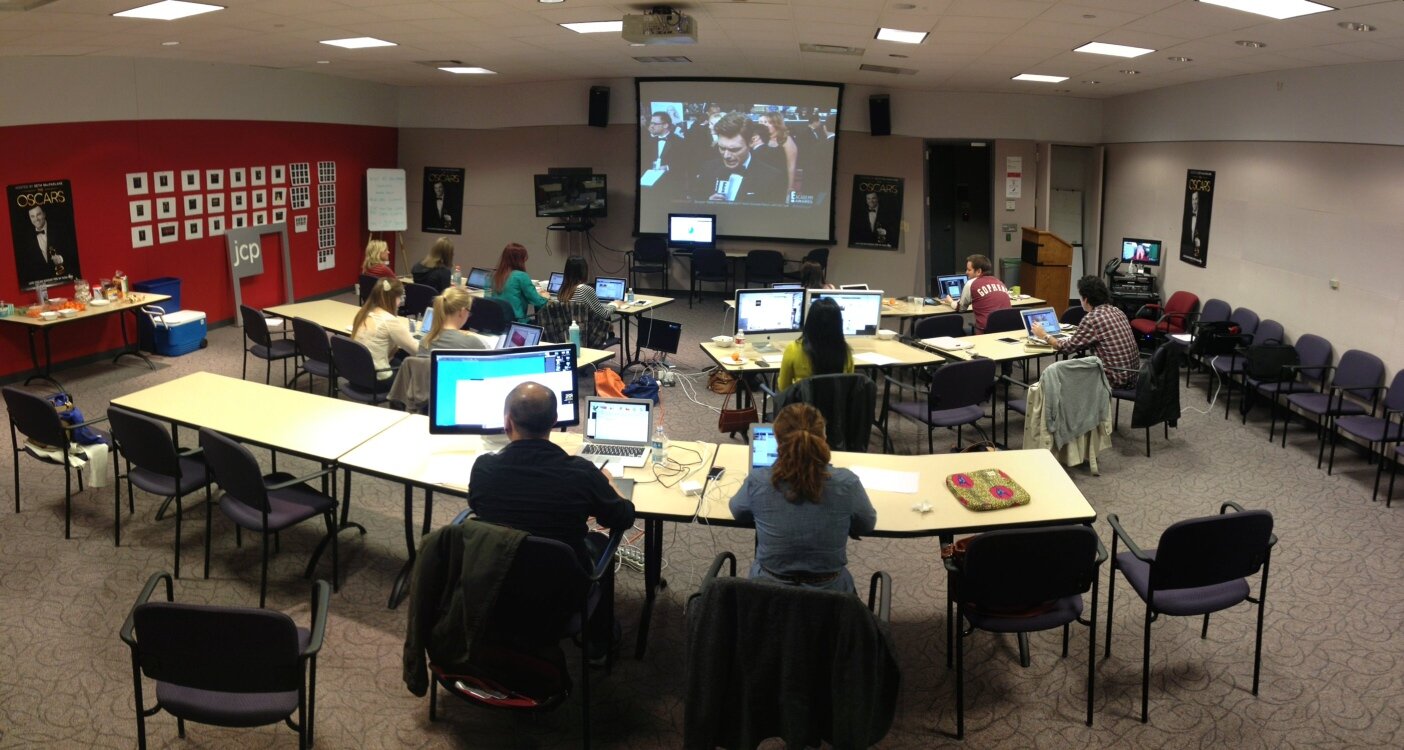
    Early in the evening, @jcpenny tweeted a back-stage peek inside their social media command center. Many team members were on hand, watching the show on a larger than life projector, all well-situated for quick tweeting and ad targeting. I’m sure they were ready for quick fire graphics in case they needed to step up to the plate to try to out-Oreo Oreo, who gathered with their marketing team to attempt to re-create the magic of their Super Bowl 2013 social media win.

    jcp Oscars 2013 Social Media Command Center

    Demographically Targeted Twitter Ads

    I am clearly in jcp’s target demographic. As I launched Twitter, this was the first thing I saw:

    Even if I had not been popping open my computer to pen this post on the very campaign that was being targeted to me, I, or those out there with similar demographic profiles as me, would have been pulled into the well composed and thought out campaign.

    Shareable Graphics

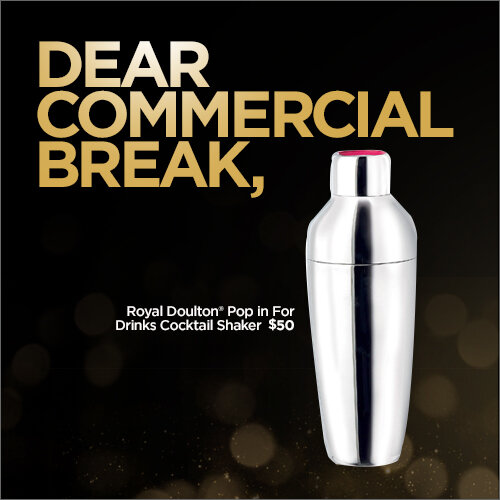
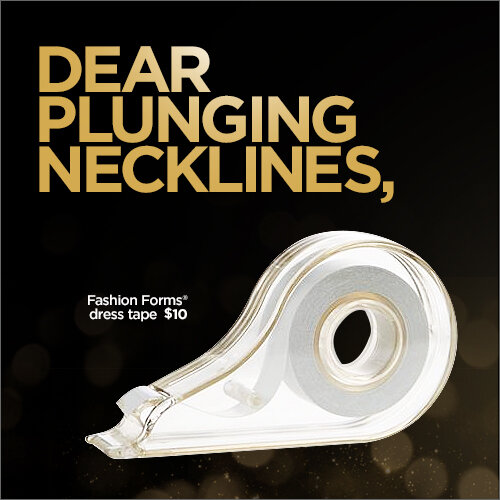
    The rapid fire team rolled out right-on-time, clearly pre-planned graphics that tied in with the “Dear America” theme all while promoting niche, desirable products.

    jcp Oscars 2013 campaign - Dear Commercial Break,  jcp Oscars 2013 Campaign - Dear Red Carpet  jcp Oscars 2013 Social Media Campaign - Dear Plunging Necklines  jcp Oscars 2013 Social Media Campaign - Dear Mani-Cam

    Strong Television Placement

    Not only was the “Yours Truly” spot placed early in the broadcast, it had all the makings of a 90 second must-keep-watching commercial: the “who’s ad is this” mystery, a montage of memories, a cinematic soundtrack, clever word play, and continuing bold use of text throughout. All ending with the most important piece of the pie…

    Calls-to-Action

    If you happened to catch the ad, you saw the strong close driving you to jcp.com/yourstruly, a buy-now optimized mini site that directed you straight to the promoted products. In case you may have landed straight on jcp.com, they had a nice reminder of the evening’s festivities and invited all their new admirers to join them on Twitter.

    The Free Prize Inside: $100 Gift Cards Galore

    For many of those that jumped in the conversation, @jcpenney quickly returned their tweet with a $100 gift card. 2 big benefits here: 1. getting new customers into the store to see the new changes 2. creating social buzz. If you were given $100, you would tweet it, wouldn’t you?

    That’s right. Congratulations, jcp. Although you didn’t have to try too hard here as I’ve always been a fan, I am sure you have turned a number of heads this evening on the red carpet.

    You have our attention, and now, we’re tipping our hats to you.

    Yours Truly,

    plmk

  • 5 for Friday – Links, Stories & Posts For Your Weekend

    Brands That Understand Marketing on Instagram – Mashable

    Much like Pinterest, businesses are slowly but surely beginning to utilize Instagram as a marketing tool. By encouraging your customers or your fan base to be actively — and creatively — involved with your brand, you can engage them in a unique and effective way. Whether you have a clothing brand or a restaurant, this is a great example of how Instagram can boost your social media campaign with user-generated content.

    Pinterest Makes Top 50 Website List – Search Engine Journal

    Speaking of Pinterest, the social media site has secured a spot on comScore’s top 50 most-visited websites list. In addition to its phenomenal growth over the past year, the fact that registration is now open to anyone (no invite needed!) has certainly helped with Pinterest’s latest visitor boom. And with the holidays right around the corner, it’s likely that we’ll see even more traffic from shoppers in the coming months.

    5 Reasons Why Visual Content Needs to Be Included In Your Marketing – Social Media Today

    In case the two previous stories didn’t convince you, visual content should absolutely be a part of your marketing strategy. Images affect people differently than words. They are easily shareable on social networks, and they can quickly capture the interest of your audience. Carefully chosen visual content can engage your customers and connect with them in a simple, effective way. Are you incorporating images in your marketing efforts?

    Apple Drops an iPad Mini on Rivals – The Wall Street Journal

    The iPad Mini was announced this week, and Apple will begin taking orders for the device today. Lightweight and super thin, it measures 7.9 inches diagonally, but has a lower screen resolution than the iPad. At a pricey $329, it’s significantly more expensive than other 7-inch tablets on the market, but hardcore Apple fans could be happy to pay up. Will you be adding it to your wish list?

    Google Takes Street View Tech Into the Grand Canyon – Wired

    Google Maps has captured images of locations using cars, snowmobiles, and even tricycles, but their latest effort to map terrain that is unreachable by traditional methods is really ambitious. The Trekker, a backpack version of the equipment used on Google’s Street View cars, is now being used to map inaccessible sites. This week, the backpacks journeyed into the Grand Canyon. What will Google’s Street View engineers think of next?

  • When Did The Chicken Cross The Road? Chick-Fil-A, Facebook Foul Ups and Web 2.0

    It’s January 1st, 1999.

    The Euro is established. A month later, the U.S. Senate acquits Bill Clinton of impeachment charges. Then Star Wars Episode I, Napster, Columbine. And in an article entitled “Fragmented Future,” Darcy DiNucci states that, “The first glimmerings of Web 2.0 are beginning to appear…” That was thirteen years ago, and I don’t remember anything called Web 2.0. What I do remember are static web browsers, a screeching dial up modem, fights with my sister, and AIM chat rooms — certainly not the Post-Internet proposed by DiNucci.

    So what was she seeing that I wasn’t? When she said “The web we know now… is only an embryo of the Web to come,” did anybody stop to ask her what she meant?

    Is the Internet of today even knit from the same quilt as that of 1999? Perhaps. It takes benchmarks to notice the change. Here was my wakeup call: Chick-Fil-A.

    Blasted by liberal groups for being opposed to gay marriage, the conservative corporation now finds itself in hot water for allegedly creating a fake Facebook profile (of a teenage girl), then using it to defend the company’s actions and promote blatant falsehoods. The non-existent girl, Abby Farle, even quotes the Bible, ending her post with “…John 3:16,” and “derrr,” which is appropriate because nobody says “derrr” anymore.

    The wakeup call is not that corporations lie: it’s how saddeningly fickle this whole story is. More concerning than the fact that Chick-fil-A, a quick-service chicken restaurant, is opposed to gay marriage, is the fact that we care that a quick-service chicken restaurant is opposed to gay marriage.

    What causes a billion dollar corporation to resort to such childish techniques? To actually embody a child to plead their case? Why can’t you just be you, chicken company? Do fake people defend better than real people?

    Even the article “Did Chick-fil-A Pretend to Be a Teenage Girl on Facebook?” published by Gizmodo.com that “broke” the story seems strangely suspect. The story’s screenshot of Chick-fil-A’s Facebook page depicts the conversation, where would-be Chick-Fil-A savior Abby Farle is exposed for being non-existent just two hours after telling one of the belligerents, Chris, to “check his info…” Yet the odd part is that whoever took the screenshot only has one friend on chat. Who has only one friend, right?

    If social media has come to serve as the hammer and anvil of democracy (see Wikileaks, Tahrir Square, Syria) and if our own voices are to be the liberalizing agent, what’s to be done when a conservative voice, like Chick-Fil-A CEO S. Truett Cathy, starts chirping “We are very much supportive of the family — the biblical definition of the family unit.”

    To me, this is the high water mark of social media: when an asshole can’t be an asshole in peace.

    When a four billion dollar (and growing) corporation cares about public opinion enough to create a fake consumer to defend the owner’s socio-religious beliefs, something is very, very wrong. It’s not Chick-Fil-A. It’s us.

    Take 400 years of rabid capitalistic mentality, add a dash of recession-inspired fear, introduce social media and you’ve got the current “debacle.” If Web 1.0 took our bodies, 2.0 has edged toward our souls. Is this what Darcy DiNucci was talking about?

    The unprecedented access and information Web 2.0 provides to marketers (via social media platforms) allows businesses endless opportunities, if they only knew how to take advantage. Don’t overestimate the importance of assenting voices on Facebook, as Chick-Fil-A has. It’s at least reassuring to know that in our world of expressive freedom, backfires do still exist; genuine goodwill is the strongest form of PR a company has (and it’s free, too!), and faking it just won’t cut it. Moreover, the astroturfing of social media platforms, when discovered, inevitably leads to enormous backlash.

    So to the people who post pictures of all their meals on Facebook, I say, “Just eat it,” and to Chick-Fil-A, I say nothing.

    (P.S. I just found out Gore Vidal is dead. Welcome to Web 2.0.)

  • How To Twitter: Using Hashtags at San Diego Comic-Con

    Since I’m an Level 9000 bona fide nerd, I traveled to San Diego last weekend to celebrate Comic-Con. Of course, I took lots of pictures of what was going on when I was there. If you don’t already know, you can join the Twitter party of any major event by using the hashtag associated with it. This year’s Comic-Con used #SDCC — by hashtagging all of my related tweets, I was able to add my feedback to the public conversation about the convention, which anyone looking for the hashtag can read. If one of the people that reads one of my tweets wants to know more about me (or my business!), they might just follow me. What a neat way to network, right? (Don’t forget to check the “wrong” hashtags, too. It’s definitely not called “San Diego Comiccon“, but a lot of people searching the internet think it is.)

    Another key to getting involved in hashtags is trending. On Twitter’s Discover page, you can always see a list of the most popular hashtags for any given day. If you can get enough people talking about your topic, it will trend. While this is no small feat, it does mean TONS of exposure for you … not to mention for your business. If you have a strong Twitter following, it’s well worth it to engage your user base and ask them to use the hashtag if you are trying to promote an event. The best part about promotion like this is that it’s completely free, and you’re using one of the most popular social platforms out there today. What a deal!

    Of course, hashtags aren’t the only way to show your participation in an event. In the last few years, Tweetups have been popular, which are basically in-person meetups of your Twitter followers. It’s a great way to unify people and allow internet friends to meet in real life. It’s also an excellent way to meet business contacts.

    While hashtags like this are priceless way to be included in any event’s buzz, there’s no reason you can’t create your own as well. Geek goddess Felicia Day has put her own Twitter to work in this way, promoting several events, including her own @GeekandSundry project. Since Day has well over a million followers, plenty of people are listening.

    So how do you use Twitter hashtags on your own to best take advantage of the trend? If you’re at an event, make sure to find out what the hashtag is (and make sure its the right one!). Once you do, make a point of adding it to the end of all your tweets. That way, when people click the hashtag, they will see what you have to say along with everyone else.

    Want to create your own hashtag for an event? Make sure to keep it short. The easier it is to type, the more likely people will use it. Up to the date of your event, announce the hashtag and ask your followers to retweet it. That way, once your event begins, they will already know what to expect. If you’re lucky, they’ll use it too, and the more of them that do, the closer you are to that sweet high of a trending hashtag.


  • 5 Most Memorable Marketing Fails

    marketing failsOver the years, I’ve seen many companies going into damage control for missteps that they took in pushing their message. To learn from the mistakes of others, I’ve compiled a few of the most memorable marketing fails. These companies tried to do something unique or different to increase their brand awareness or create social interaction — but sometimes, things do not go as plan. Below is a list of the top marketing backfires that some of the biggest corporations have faced, offending or even repelling their customers.

    1. New Orleans hosted the NCAA Men’s Final Four the weekend of March 30, 2012. Coca-Cola, one of the NCAA Final Four sponsors, sprayed painted their logo using a chalk spray throughout the French Quarter. Residents were angered by the graffiti in their neighborhood, and Twitter blew up with tweets to Coca-Cola about the guerilla marketing that defaced their neighborhood. You can see their response and their graffiti below:

    Response_CocaCola

    graffiti

    2. McDonald’s started a hashtag twitter campaign #McDStories to connect with their customers about their new healthy food initiative back in January. Instead of getting positive stories, they received negative backlash. People replied with health issues from eating at McDonald’s, criticism of the business model and disgusting things they had found in their food.

    mcdstories

    3. In March 2011, GoDaddy CEO Bob Parsons posted a video on his blog of him shooting an elephant in Zimbabwe. PETA and several others were upset by this video and shortly after, PETA cancelled their contract with GoDaddy.

    4. Groupon’s offensive ad during the 2011 Super Bowl showed poor taste in making a parody of the problems that the Tibetan people face. This controversial ad caused Groupon to go into damage control mode. This ad was no laughing matter when Twitter users lashed back with hard facts on the deaths caused by the Chinese occupation of Tibet.

    5. While the 2010 BP oil spill devastated the Gulf of Mexico, Spirit Airlines turned the matter into a mockery. No stranger to controversial ads, they launched several ads that said “Check Out The Oil On Our Beaches”. The tasteless campaign did not sit well with Gulf Coast residents whose coastline and wildlife were devastated by the spill.

    When companies think they are on the verge of some creative marketing breakthrough, they’re often failing to see the big picture or contextualize their campaign from the targets’ viewpoint. It’s a miracle some of these even made it past the cutting room. As tempting as it may be to commit our own marketing fail, it’s never funny to just poke fun at someone’s plight: we can all learn from these blunders. What do you think these companies should have done differently, or was their damage control appropriate? Any gaffes of your own to share?

  • New Kid on the Social Media Block – How to Generate Brand Awareness and Valuable Links using Pinterest

    As an admittedly addicted Pinterest user, I’d like to clear up a few things about the relatively young social media site and its potential use for marketing and SEO linkbuilding.Definition of Pinterest With Pinterest quickly rising in popularity, I’m constantly hearing it referred to as a social bookmarking tool for sharing images.  Pinterest is in fact a social bookmarking tool, but it is not only about the images. The site allows users to “pin” or save links to external sites in an organized way, with few limits to what type of site or image can be pinned.  Users can save anything from a favorite blog post to products they love, from recipes to tutorials. Each and every pin not only pulls in an image, but also a do-follow link back to the source site! Can you smell the SEO potential yet? The brilliance of Pinterest is that it combines some of the most compelling features of social media in general: visually stimulating content and the opportunity to share your ideas, interests and inspiration. Upon signing up, users are provided with fully customizable “pin boards” and can easily find friends to follow using the Facebook and Twitter connected features.
    I escape to Pinterest to avoid all the drama and bad grammar on Facebook.
    As a marketing tool, Pinterest has great potential for small retail businesses that may have a hard time competing in search results. For example, a local boutique clothing store may find it incredibly difficult to outrank Macy’s and Saks in the SERPs for a keyword like “New Orleans shopping.” When users find something they like (usually pinned by someone they follow and are influenced by), chances are they will, at the very least, click the source link. Everyday I’m introduced to new brands and products on Pinterest, and more than once I’ve used what my friends are pinning as inspiration for making purchases. There are currently few brands using Pinterest, but with its popularity and the site’s high (and still growing) domain authority, all signs are pointing to increased use by brands and businesses in the near future.

    A few tips for putting Pinterest to work for your brand:Pin It Button

    • Add the “Pin It” button to your product pages or blog posts. It’s easy to do and you can add the button along with your other social media sharing buttons.
    • Create a Pinterest account for the brand itself and reach out to “visual influencers” on Pinterest for help getting your images re-pinned. Pinterest allows any user to follow any other user without requiring a follow-back. You may also tag other users in your pins, comment on pins and re-pin (the Pinterest version of a retweet) others’ content.
    • Create boards beyond your own products and brand, but relevant to your location and industry.
    • Utilize the description fields when creating Pins by adding keywords and geo-modifiers. Not only is this SEO 101, but Pinterest addicts often use the search feature to find relevant pins.
    • Keep pinning!  The search results and Pin feeds change up-to-the-minute, much like the Twitter feed and Facebook Ticker. Maintain a steady flow of Pins to ensure your products are staying top-of-mind.

    For SEO linkbuilding purposes, the benefits of Pinterest are pretty self-evident. Some basic info on Pinterest links:

    • Each and every Pin links back to the original source site or the file location (depending on where it was originally pinned from). Unless you’re purposely optimizing for image seach, a product page or site link is probably better.

      Pin Link Locations
      Standard pins provide links to the source site in two locations.
    • A Pin provides do-follow links in multiple places. The image itself acts as a link in addition to the “From:” link in the top right-hand-corner.
    • A pin comes with embed code for syndication to other sites like Facebook and Twitter, helping to develop backlinks to the Pin itself.
    • Pins are editable! You can edit your own Pins with updated URLs or reach out to Pinners who may have pinned your images from an unfavorable source site. Pins are easy to edit and the new URL you provide does not need to host the image, though I don’t recommend you use a link without the original image.
    • Because of the visual nature of Pinterest, it is a great way to promote infographics. Make sure they are Pinned to appropriate boards and contain relevant descriptions to ensure they are shared.
    • You can even add a Pin It button to your company’s blog pages by using the WordPress plug-in.

    Thanks to the intuitive nature of Pinterest’s interface, I think the best way to get going is to request an invite and just dive in. Remember, sign-up is currently via invitation-only, so ask a friend to invite you or request one from the site (it doesn’t take long). Let me know what you think about these tips in the comments, and if my screenshots piqued your interest, follow me on Pinterest!

  • Radiohead and Social Media: The Twitterized Release of “The King of Limbs”

    The members of Radiohead are a private bunch, often very selective with their interviews and keeping low-profile lives in their hometown of Oxford, England. As such, the press scrambles over every utterance that the band might put forth, which isn’t much. But their online presence, long established, is staggering. Their website, entitled “Dead Air Space,” has gone through countless incarnations, including wormholes of old information about their previous art and music. It primarily serves as the band’s blog, strewn with “office charts” of the music they’re listening to and links to new music or websites of political and social issues. Some of the members keep more-or-less active Twitter accounts, including one for the band itself, and the people they follow seem to form some of their inner circle, like the artist Stanley Donwood, amongst others.

    These twitter accounts, along with those of their fans, were an epicenter of activity last week. On Monday, February 14th, Radiohead posted via Twitter: “Thank you for waiting…”, which was followed by a link to www.thekingoflimbs.com, a website designed for the release of “The King of Limbs,” their new album slated to become available for download the following Saturday. Four days later, on Friday the 18th, Radiohead tweeted again: “It’s Friday…It’s almost the weekend…You can download ‘The King of Limbs’ now if you so wish!”
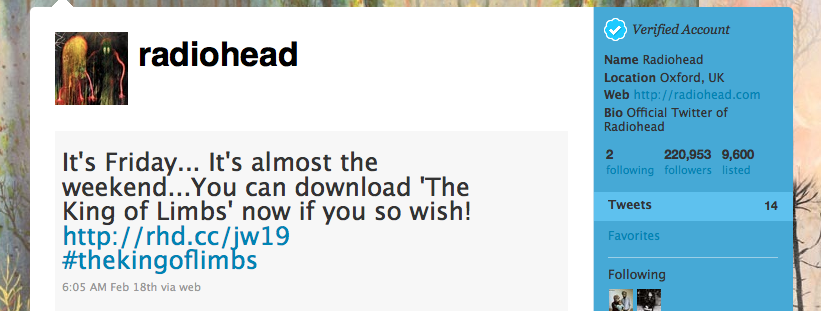
    Fond of doing things differently, Radiohead are known for their innovative and genre-bending music. While the quintet could be cited as one of the most influential bands in modern music, it’s also clear that they are also exploring the marketing of their music in a way that no other mainstream band has attempted before.

    Anyone who followed the most recent album releases by Radiohead already knows that they’re changing the way music can be released to the public, especially by a major artist. After completing “Hail to the Thief” in 2003, they had fulfilled their recording contract with EMI, and they chose to remain independent rather than signing with another label. They recorded 2007’s “In Rainbows” on their own and released it on their website as a direct download with the asking price of “pay what you want.”

    This alone posed numerous questions to musicians, music lovers, and music industry professionals, causing a minor existential crisis in the recording industry. It called into question the value of music, especially considering the widespread piracy of music. It questioned whether musicians really need major record labels to market their work. But most importantly, it bridged the gap between the band and their fans. Radiohead offered an immediate and direct transaction, so one would know that the money they paid for the music (if they chose to pay at all) was going directly to the artists and producers responsible for creating it.

    By default, Radiohead relied on their previous successes, fan base, and name to market their new music, so their achievements with “In Rainbows” cannot be applied to unknown artists. However, the way “The King of Limbs” was released last Friday redefines the relationship between musicians and their fans. The band chose to use Twitter as the medium for announcing the album, and they again utilized their own web servers to facilitate the release. While the “pay what you want” aspect was ditched for a $9 price tag on a set of eight mp3s, fans could still remain happy knowing that their money was going directly to the artists that they want to support.

    Already on very short notice, the instantaneous “early” release of “The King of Limbs” caused Twitter and other social media sites to flood with reactions to the album, and it nearly caused Radiohead’s download site to crash. Music critics, eager to get the official first review, listened to the album hastily on their laptops that morning and posted track-by-track assessments merely an hour or two after the album was released–to much criticism by fans, claiming that new music cannot be properly reviewed so quickly. Regardless, the social media world was rocked by this new release, providing an open channel of communication between the band, their critics, and their fans. Whether you like the new music or not, it doesn’t take much to think that Radiohead might be up to something.

    Six days prior to the announcement of “The King of Limbs,” Ed O’Brien, guitarist and back-up vocalist, posted a blog entry on the band’s web site entitled “The Dignity Revolution.” (Also coupled with a tweet–they’ve connected their blog and Twitter account, a sign that they’re aware if the importance of social media.) It reads as follows:

    What have twitter and facebook ever done for us?

    Obviously, keeping in touch with everyone but I have to say I have become increasingly excited over the last 3 months about the possibilities of this form of communication.Yes I am very slow out of the blocks. It’s in the arena of public protest that it seems twitter and facebook are increasingly the means by which popular movements throughout the world are able to come together and mobilise.

    In some ways, one could argue that Radiohead are leading a popular movement, and Mr. O’Brien has an extremely valid point. Their use of social media, like Twitter, allowed for a direct and instantaneous connection between the artists and their audience, just as the release of “In Rainbows” allowed for a direct and open transaction. Thom Yorke, lead singer, once remarked in an interview: “If people want to play it for themselves, why don’t we just give it to them to listen to?”

    Aware of their massive fan base, the band decided that they can conduct business as they so please, using the high-speed connectivity of social media to do so. And while lesser-known artists may not have the audience that Radiohead has, thus being more vulnerable to reviews, it’s also clear that those musicians also use social networks as a way to market themselves on their own terms. That trend can only increase in the future, and that is what I believe Yorke and Co. are trying to prove.

    Is Radiohead leading a music industry revolution? It’s hard to say. With highly successful performers such as Justin Bieber and Taylor Swift, who are promoted and made famous through the marketing strategies of major recording labels, Radiohead’s business model might not be for everyone. Either way, social media provides an effective channel to promote their music, and Radiohead have become a successful example of a group of artists marketing and releasing their own work, instantly and directly, as they see fit.