Tag: Facebook

  • In-House Marketing vs. Agency Teams: Build a Strong Strategy Together

    In-House Marketing vs. Agency Teams: Build a Strong Strategy Together

    This post was updated by Paula French on 2/28/25 to reflect recent trends and best practice. It was originally published on 12/6/2018.

    Working professionals giving each other a high five

    Key Insights

    • As brands grow, marketing demands increase, making it difficult for internal teams to execute strategy, create content, analyze performance, and keep up with industry shifts all at once.
    • Agencies provide specialized expertise and resources that complement in-house efforts, allowing internal teams to focus on core business priorities and guide overall strategy.
    • Combining internal marketing strengths with agency support creates a scalable, results-driven strategy that adapts to changing needs without overloading your team.

    Internal marketing teams are often expected to manage it all — strategy, execution, and analysis — on top of keeping up with regular day-to-day tasks. But as the workload grows, so does the risk of burnout, missed priorities and deadlines, and campaigns that don’t perform as expected. The faster the industry evolves, the harder it is for stretched-thin teams to keep up, leading to outdated strategies and missed opportunities.

    While outsourcing can help lighten the internal load, some in-house teams hesitate to seek out agency support, fearing they’ll lose control over their marketing strategy. In reality, internal teams and agencies don’t have to compete. They can leverage their respective strengths to create an agile, focused, and impactful marketing approach.

    If you’re deciding between keeping all of your marketing in-house or partnering with an agency, here’s why you don’t have to choose just one, plus how to balance both for the best results.

    How Can an Agency Help Me If I Am a…

    Single-person marketing team

    Instead of feeling like a one-person show, you’ll have a team to bounce ideas off, refine strategies, and make sure nothing slips through the cracks while improving your results.

    Single-person marketing “teams” can feel isolated and underappreciated. Your organization’s leaders expect you to handle it on your own, but as you’ve tried to run campaigns, manage vendors, write content, plan the strategy, update your website, and still get results, you find two challenges:

    1. There isn’t enough time to do it all yourself.
    2. One person rarely has the skills to be strategic, create graphics, update a website, monitor results, and evaluate and manage vendors.

    A marketing agency takes the weight off your shoulders by acting as an extension of your team. They bring the time, skills, and experience to tackle everything from strategy planning to execution and performance tracking, so you’re not stuck doing it alone.

    Business leader

    No more juggling ads, content, and campaigns on the fly. Partnering with an agency ensures your marketing is always working, even when you’re too busy to think about it.

    When you’re responsible for driving the business forward, marketing is just one of many things competing for your time. Whether you’re managing it all yourself or working with local media vendors, it can be difficult to stay strategic and aligned with your goals.

    You may often feel that:

    1. Marketing takes a back seat when business operations call for urgent attention.
    2. You got into your field to do what you love, not market what you love.
    3. You are reacting to promotional ideas as they cross your desk, with no real strategy about how to best reach your customers.

    Being a leader means wearing many hats, and marketing often ends up as an afterthought. An agency helps shift it from a scattered, reactionary task to a well-planned strategy that actually supports your growth.

    Medium-to-large marketing team

    Even with a well-staffed, in-house department, keeping up with every aspect of marketing can be a challenge. Between aligning team members, executing campaigns, and adapting to industry updates, it’s easy to get stuck in the weeds and lose valuable time for strategy. You may find that:

    1. Your internal marketing team needs support in strategy and direction.
    2. The time it takes to execute tactics gets in the way of strategically analyzing what is truly working (and what is not).
    3. You struggle to keep up with new and changing marketing technologies and ideas.

    Partnering with a marketing agency helps bridge these gaps by bringing fresh insights, specialized expertise, and extra hands where you need them most.  Whether it’s adjusting your strategy, handling time-consuming execution, or keeping your team ahead of evolving trends, they’ll keep your marketing in check and on track without overloading your internal resources.

    Higher education marketer

    Instead of constantly shifting from one urgent task to the next, an agency’s support helps you be more intentional with your marketing.

    Higher education marketing is a constant balancing act. One minute you’re fine-tuning messaging for a new degree program, the next you’re trying to boost student engagement — all while keeping an eye on enrollment goals. With so many priorities commanding your attention, it’s easy to feel like you’re always in reactive mode and that:

    1. Your marketing efforts are spread too thin. You’re trying to serve prospective students, current students, and alumni all at once while balancing multiple degrees and programs.
    2. Data analysis and performance reporting fall by the wayside due to time constraints.
    3. Meeting ambitious enrollment goals feels unattainable without additional resources or expertise.

    An agency will take on recruitment and retention efforts, ensuring you reach the right students at the right time. With deeper data insights, you’ll make informed strategic decisions, focusing your time and budget on what drives real results.

    Want to find out if partnering with an agency is right for your institution? Take our Higher Ed SEO Quiz to discover your best staffing approach based on your current resources, strategy, and performance.

    In-House Marketing vs. Agency Partnerships

    A person giving a presentation in a conference room

    Balancing in-house marketing with agency support lets you stay involved while tapping into advanced expertise. Your team knows your brand best, while an agency brings the skills, strategy, and execution power to amplify your efforts.

    At Search Influence, many of our clients handle routine tasks internally while relying on us for more strategic, high-impact initiatives. The key is knowing which responsibilities are best handled by your in-house team and which most benefit from external support.

    What work should my in-house marketing team handle?

    Identifying unique stories that can be included in marketing

    Great marketing starts with great stories, but you can’t share what you don’t know.

    As part of your internal tasks, build relationships with departments and stakeholders across your organization. This ensures you stay informed of exciting news and developments that bring your marketing to life.

    For example, let’s say you are marketing for a university, and one of your instructors learns that one of her students won a research award. Would your marketing team hear about it?

    If you educate your staff on your marketing goals and build vital relationships, you’ll be less likely to miss valuable stories that strengthen your outreach.

    Serving as spokespeople for public relations and media opportunities

    Having the right people represent your organization in the media bolsters your brand’s credibility and reach. Instead of scrambling when a press opportunity arises, establish a roster of internal experts who can confidently speak on key topics.

    Identifying multiple spokespeople prevents over-reliance on a single person, speeds up media responses, and ensures you always have a knowledgeable representative prepared to engage with the public.

    By designating these spokespeople internally, you streamline the process and create a sense of ownership within your team. When staff members are prepared and empowered to speak on behalf of the organization, it fosters consistent messaging and a proactive approach to media inquiries.

    Creating day-to-day organic social posts

    Social media is where you build a genuine connection with your audience, and staying consistent is what’s key to maintaining that bond. Hubspot reports that social media is the preferred means for product discovery among consumers aged 18 to 44, making routine posting all the more important.

    For businesses with the right in-house resources, managing daily posts can be straightforward. But when time or expertise is limited, outsourcing certain aspects to an agency — like content scheduling, caption writing, or hashtag strategy — can help maintain consistency without adding to your team’s workload.

    You may find that capturing photos or videos in-house and passing them along to an agency for posting works best. This ensures fresh, timely content without the hassle of managing every detail.

    When should I hire a digital marketing agency?

    To improve your website’s SEO and increase organic traffic

    If your in-house team can’t keep up with the nuances of SEO, it’s time to bring in the experts.

    SEO is fundamental to getting your site seen, but it’s far from a one-size-fits-all solution. It takes ongoing attention, work, and a deep understanding of both on and off-site SEO tactics to rank high and stay ranked high.

    An agency will create a comprehensive SEO strategy that aligns with your specific goals, covering key areas like:

    • Deep keyword research to target the right audience
    • On-page optimization to improve visibility, from meta descriptions to header tags
    • Content creation that considers what your audience is actually searching for
    • Site performance improvements, from navigation to mobile optimization
    • Building valuable backlinks to boost your site’s authority
    • Performance tracking to refine strategies and stay ahead of the curve

    When an agency handles these technical details, you free up your team to focus on bigger-picture goals, knowing that your SEO is in the best hands.

    To manage and optimize your digital advertising campaigns

    With an agency managing your digital ads, you’ll rest easy knowing your budget is being spent efficiently, your ads are reaching the right people, and your strategy is always evolving to stay competitive.

    Digital advertising is one of the fastest ways to get your brand in front of the right audience. However, making the most of it is no easy feat. If you’re struggling to create effective campaigns, manage budgets, or keep up with performance tracking, an agency will give your campaigns the focus they need.

    Applying their specialized expertise, an agency positions your brand for paid advertising success by:

    • Crafting targeted campaigns on platforms like Google Ads and Meta
    • Selecting and optimizing keywords for maximum visibility
    • Writing engaging ad copy and designing eye-catching visuals
    • Leveraging advanced targeting to refine audience demographics and interests
    • Setting and managing budgets to ensure your ads reach the right people without overspending
    • Testing different ad variations to identify the most effective strategy
    • Monitoring and adjusting campaigns to keep things running smoothly

    To monitor campaign success through advanced analytics tracking and reporting

    Let an agency take the guesswork out of ad management, using data to refine and enhance your campaigns for maximum performance.

    Analytics and lead tracking require more than just simple data collection. It takes advanced know-how to make sense of your metrics, assess your performance, and use the insights as fuel for your future strategy. If you’re feeling lost in a sea of metrics, an agency will interpret the numbers and guide you toward smarter decisions.

    Trust your advanced tracking and reporting to an agency when you need support with:

    • Tracking leads from forms, calls, and other inquiries
    • Identifying the top-performing marketing channels to allocate resources effectively
    • Analyzing lead quality to improve conversion rates and maximize ROI
    • Conversion tracking set-up to measure sales, sign-ups, and other key outcomes
    • Making sense of your data with customized reports and KPI dashboards 
    • Conducting an ROI analysis to showcase the effectiveness of your efforts
    • Optimizing your campaigns based on performance data

    To craft and execute customized email marketing strategies

    With an agency’s guidance, your email marketing will be a well-oiled machine that consistently delivers high-quality, results-driven campaigns.

    Email marketing often gets treated as an internal “check the box” task without much thought beyond getting the message sent. But when the average cold email open rate is only 27.7%, it’s clear that every detail matters to help your emails stand out in a cluttered inbox.

    From timing to content, getting it right from the start is how you improve opens, reads, and conversions. An agency helps support your email strategy by:

    • Developing the right mix, whether that’s newsletters, nurture campaigns, or frequent email reminders
    • Curating relevant, targeted content that aligns with recipients’ interests and needs
    • Crafting compelling subject lines designed to increase open rates
    • Designing visually appealing emails that work across all types and prompt clicks
    • Segmenting your audience to send the right emails to the right people at the right time
    • Timing emails to ensure they land in inboxes at peak engagement times

    But I Don’t Want to Give Up Control! How Do I Balance In-House and Outsourced Marketing?

    Still debating between in-house vs. agency marketing, or a hybrid approach?

    For the aspects you are currently handling internally, take a moment and ask yourself if it’s the right responsibility for your business. As you go through each item, think…

    Yes, you CAN do it, but…

    1. Are you doing it well?
    2. Are you doing consistently?
    3. Are you monitoring results and making adjustments?
    4. If you were not spending time on this, what else could you be doing?

    If you’re worried about losing control over your marketing when you outsource, rest assured. While your agency will take the heavy lifting off your plate, you’ll still have the head seat at the dinner table. The best agency for you will integrate themselves as part of your team and include you in the strategy and reporting of results, at a minimum.

    Find Your Right Approach to Working With a Marketing Agency

    Are you feeling stretched thin in your marketing approach?

    When your in-house team partners with an agency, you create a dream duo that distributes the workload, increases your day-to-day efficiency, and grants you the extra bandwidth to achieve sustainable success.

    If you’re a higher education marketer interested in further assessing your ideal marketing approach, check out our Higher Ed SEO Quiz. This 5-question quiz will help you determine whether to outsource your work, keep it internal, or take on a hybrid strategy. In just minutes, you’ll have personalized insights to make informed staffing choices.

    See how Search Influence can help you develop a marketing plan that works for your team today!

  • What Happened to Facebook’s 20% Text Grid Tool? (Updated 2020)

    Editor’s Note: This post was originally published on March 25th, 2016, and has been updated to provide you with the latest information.

    Update (October 1, 2020):

    Back in 2016, we were all so very excited to see the Facebook Grid Tool disappear. Unfortunately, it was replaced with similar restrictions of labeling ads with High, Medium, Low, or Ok amounts of text, and we found that ads were still being penalized for including large amounts of text. So is it true this time? Is it really gone?

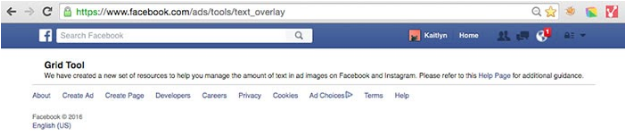
    Facebook Grid Tool OFFICIALLY Removed

    See for yourself! The original Facebook Grid Tool (https://www.facebook.com/ads/tools/text_overlay) now redirects to the Business Help Center page on Best Practices For Image Ads on Facebook. These new guidelines strongly advise that testing is the best way to find out what works best for your audience, and we agree! Of course, Facebook still recommends that you should avoid excessive image text. Their new guidelines state “We’ve found that images with less than 20% text perform better,” so it’s clear that they still stand behind their 20% even if they are not enforcing it. As a designer, I agree that there is something to be said for that. Too much text, especially on smaller ads, can negatively impact readability. But what’s so great about the update is that you can now A/B test different types of creative and find what best meets your campaign goals without being limited by Facebook.

    Backend Warnings Removed

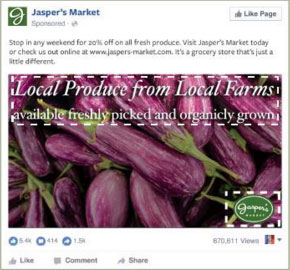
    On top of the removal of the actual grid tool itself, we also found that ads with large amounts of text, like this example below, are no longer being flagged by Facebook and campaign reach has not been affected.

    Example of effective Facebook ad with text

    What Does This Mean For You?

    As advertisers, we are thrilled to be more in control over testing creative and optimizing our campaigns. We live for it! For business owners running their own campaigns, this might be somewhat of a scary change. Optimizing campaigns for peak performance can take time and effort, which may be challenging to manage on top of other things. Let us help you! Schedule some time to meet with one of our strategists and discuss your goals as well as any questions you have.


    Wondering about the history of the 20% text grid tool? We’ve been monitoring this for years. Here’s our update from June 13, 2016:

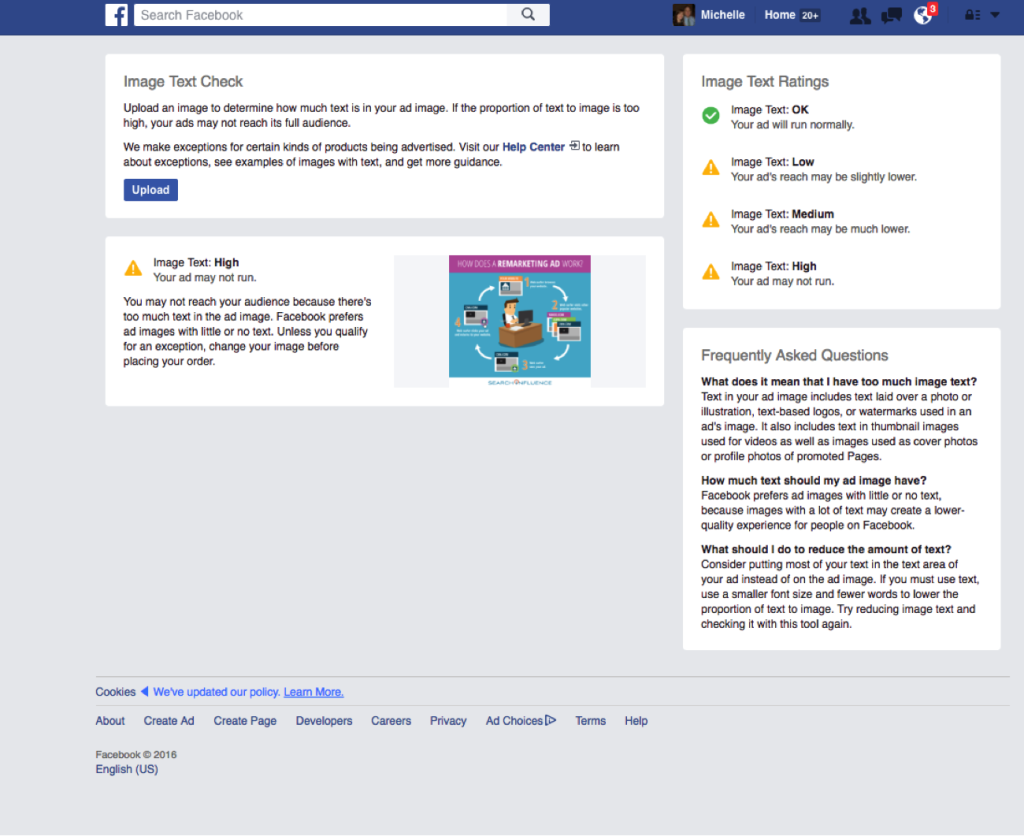
    It looks as though Facebook has officially rolled out this update to the 20% text rule! Here is the link to the new help page. When uploading your images to the new “Image Text Check” tool, you’ll automatically be notified of the likelihood of your ad reaching its intended audience (see our new screenshot below). If you’d like to better understand why your ad receiving less delivery, you can check the Ads Manager “Delivery” column.

    Facebook Screenshot

    Original Post (March 25th, 2016):

    Facebook seems to slowly be rolling up an update to their 20% text rule for Facebook Ads and Promoted Posts, which means some people are no longer able to access the Facebook Grid Tool. Our very own Kaitlyn Levy made this discovery when she was redirected to a Facebook Help Center page after trying to use the grid tool. But this new help page only seems to be accessible to a few, select users.

    So What’s Changed?

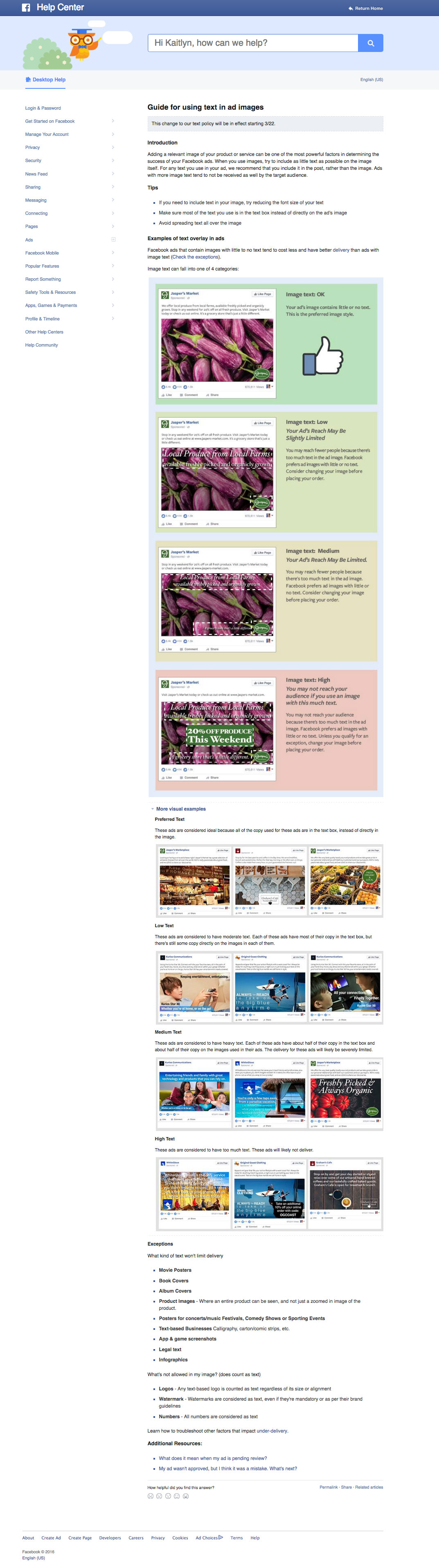
    There are four categories for the amount of text allowed on a Facebook ad. Your image text can be considered “OK”, “Low”, “Medium”, or “High.” The amount of text on your ad will determine the reach that it could potentially have. For example, an image that has the following text would be considered “Medium,” which may cause your ad to reach fewer people.

    MediumText

    What Does This Mean for You?

    While the strict 20% text rule seems to be falling by the wayside, the overall amount of text allowed on your ad can still have a huge impact on your ad’s reach. Your ad may not be rejected, but Facebook says that an ad with “High” amounts of image text may not reach your audience.

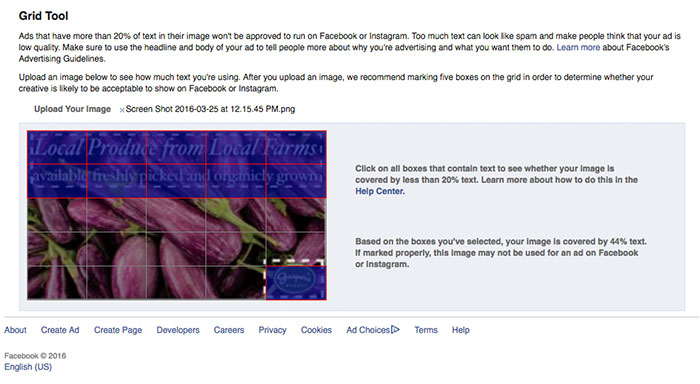
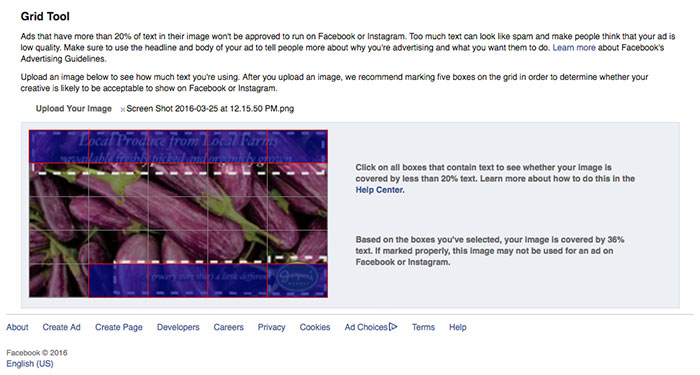
    Additionally, without a strict grid in place, you may have a bit more flexibility with the layout of your ad, but you still need to keep in mind the overall amount of copy in your message. When loading the examples provided on the help center page into the Facebook Grid Tool, you will see that the example in the “Low” category has 44% text, but the example in the “Medium” category has 36% text. The difference between the two examples is that the “Low” category, even with a larger font that takes up slightly more space on the ad, still has more copy than the “Medium” category example.

    The “Low” Category Example in the Grid Tool:

    NewTextRuleLowCategory

    The “Medium” Category Example in the Grid Tool:

    NewTextRuleMediumCategory

    Are There Any Perks to the New Guidelines?

    Yes! Along with the rollout of the new guidelines, they have also included some “exceptions” to the rule. There are some types of text that won’t limit your ad’s reach. Some of these exceptions include, movie posters, book covers, product images (only where the entire product is seen), legal text, and infographics. Some of the items that will still be counted as text are logos, watermarks, and numbers.

    Do You Have Access to the New Guidelines?

    Check here to find out and let us know by leaving a comment!

    Don’t Have Access? Here’s a Peek at the New Help Center Page:

    NewFBAdTextGuidelines


  • Facebook Ads Boycott: What Advertisers Need to Know

    Facebook Ads Boycott: What Advertisers Need to Know

    Key Insights:

    • A Facebook Ads boycott is taking shape under the hashtag #StopHateforProfit aimed at forcing action from Facebook regarding its policies on hate speech, political ads, and disinformation.
    • While the list of brands pausing Facebook Ads grows, so does the opportunity for smaller or competitor brands to eat up some of the market share, likely at lower costs due to the already high usage rates of social media and apps, as well as decreased competition.
    • SMBs and values-driven organizations, especially those already in a fragile state due to the economic impact of COVID-19, will need to take a hard look at opportunity costs.

    A person scratching out Facebook's name on a smart phone with a stylus

    What do Coca-Cola, Birchbox, Eddie Bauer, The Hershey Company, Verizon, and The North Face have in common? At least this: you won’t see their ads on Facebook in the next month.

    In the last week, an advertiser boycott of the highly effective Facebook Ads platform has taken shape under the hashtag #StopHateforProfit, a campaign that picked up steam when civil rights groups backed it in June. So far, full support comes from groups including the Anti-Defamation League, Color of Change, Common Sense Media, Free Press, the NAACP, and Sleeping Giants.

    Many believe Facebook has a history of refraining from action against misleading political advertisements, hateful content, and disinformation. They have called for brands to pause advertising on the platform in July to make Facebook feel the heat.

    What do these groups want? The call to action for Facebook involves stopping hateful content— in particular, generating ad revenue from offensive content—and a further list of demands. This list includes (but is not limited to) policing Facebook groups over 150 members in size and flagging hateful content for review. Learn more about what is included in this AdWeek article.

    The social media giant has weathered other scandals and criticism in the past, most recently the Cambridge Analytica scandal over privacy. Facebook, with its 7 million advertisers, is likely to weather this boycott as well. But some in the industry believe this time is “different” due to the current climate and public sentiment among Americans.

    The boycott organizers have called on more advertisers to follow suit. At Search Influence, we’ve had at least one client consider pausing their advertising to take part in this boycott.

    A neon sign of a heart and a 0

    How should an advertiser decide if they should take part? Consider these facts:

    Facebook Ads Are Still Highly Effective

    In the first quarter of the year, thanks to quarantine and economic shutdowns, people spent more time in apps and on social media than ever before. Worldwide, average weekly time spent in apps and games on Android phones grew 20% year-over-year in Q1 2020, and experts expect this to normalize going forward.

    For companies who depend on Facebook Ads for the growth of their livelihoods, joining this boycott will be a difficult task. Costs and targeting options available in Facebook Ads are unmatched in the digital advertising industry. The knowledge of their effectiveness for advertisers is evidenced by the fact that many of the advertisers participating in the boycott only committed to pausing their ads for one month, only in the US, and only on Facebook—but not Instagram, which is owned by Facebook and still managed through Facebook Ads platform.

    Opportunity Will Be Created by Advertisers Who Pause

    At the onset of the COVID-19 pandemic, consumers in quarantine spent more time than ever on social media and in apps, which created more “inventory” for ads to be served. At the same time, advertisers pulled their campaigns due to budget cuts. Less competition drove down costs dramatically. Due to these reduced rates, we saw our clients’ budgets stretch farther than ever and their campaigns experience record engagement rates. Portfolio wide, our clients who continued spending on Facebook Ads saw improved costs across the board for every campaign objective. For conversion-objective campaigns—which we typically use for our clients who need to generate leads or purchases—costs per acquisition were down 32%.

    Some industry experts predict this boycott could create similar conditions to the early days of the pandemic. While the list of brands pausing Facebook Ads grows, so does the opportunity for smaller or competitor brands to eat up some of the market share, likely at lower costs due to decreased competition and already high usage rates of social media and apps.

    Pausing Digital Ads Can Affect Your Campaigns’ Performance

    If you plan to pause and restart your Facebook or other digital advertising campaigns for a boycott (or any other reason), it’s important to understand the opportunity cost created by the downtime. Disrupting your data can send your campaigns back into “learning” mode, and create a setback. It won’t be as simple as turning your campaigns back on and expecting results at the same pace as when you stopped. Platforms like Facebook Ads are designed to nurture campaign improvements the longer a campaign runs because the platform collects more data and optimizes as time goes on. For example, a conversion-objective campaign will gain more conversions as data is collected about what parts of the audience are converting at higher rates than others.

    Big Brands Benefit in Publicity

    Brands like Starbucks and Ben & Jerry’s may (or may not) take a sizable hit from suspending their Facebook advertising for a month or more, but they certainly benefit from publicity. By joining this cause, they’re being featured in the media and press coverage on the boycott. If we could place a valuation on the earned media as a result, it could certainly make a dent in the share of voice lost from their campaign pauses.

    Also of note are companies joining the boycott likely for the goodwill who don’t stand to lose much. The Clorox Company plans to maintain its total advertising budget, but shift it’s spending to other media. Surely a company with soaring stock prices that profited from the global pandemic can afford to risk their advertising results for the rest of the year… but can a small business with less prior experience testing and tuning other advertising platforms afford the risk?

    Is Joining the Boycott Right for Your Organization or Business?

    While you may feel compelled to take part in a boycott backed by civil rights groups should it align with your values, it’s important to weigh the consequences fully. With many SMBs already in fragile financial states due to COVID-19’s economic impact, now may not be the ideal time to risk losing additional business. Could more jobs be at stake? As an advertiser, you should also consider how this aligns with your target customer. Will you be perceived as insensitive, or “not down for the cause,” if you continue to advertise?

    Five factors you should consider:

    • What is your opportunity cost of pausing advertising on Facebook?
    • How significantly are Facebook, Instagram, and Audience Network ads contributing to your overall performance?
    • If you pause, what would it take for you to be comfortable resuming your Facebook Ads, What is the likelihood that those conditions will be met? In the meantime, can you withstand the pause in advertising?
    • If you pause, where will you funnel that media spend? What are the results you could expect from those channels?
    • As an alternative to boycotting, are there other ways your organization could support civil rights groups?

    As a small or medium-sized business or organization, we recommend consulting with your digital advertising team or an expert here at Search Influence to fully evaluate whether joining a boycott of Facebook Ads is the right move for your short and long term growth. Contact us today to learn how you can enhance your online marketing efforts with our recommendations.

    Images:

    Facebook

    Neon Sign

  • Facebook’s Pared-Down Targeting is the New Deal… But Is It a Big Deal?

    If you are as enthusiastic about Facebook advertising as the nerds at Search Influence, then 2019 was an exciting year for you. Among other developments, Facebook made some major changes to their targeting options, beginning in the Spring with new requirements for Special Ad Categories like housing, financial services, and employment. These new targeting restrictions were intended to prevent advertisers from doing what I call “creative discrimination,” for example, only targeting high-income people for real estate ads. Many resources explain these new Special Ad Categories and how to create effective audiences for them.

    Spiral staircase photographed from the top down

    However, in Summer 2019, Facebook announced another round of changes to targeting, including thousands of interest, behavior, and demographic criteria. This time, there was very little information available about the upcoming changes, and advertisers were understandably agitated. Facebook announced, “As of August 19, 2019, some targeting options may no longer be available for new campaigns.” Digital advertising discussion threads from Reddit to Quora lit up with discussions and speculation about the new changes. Advertisers feared they either wouldn’t be able to target their ideal customers anymore or that it would become more expensive to target them.

    I have great news, though: you probably have nothing to worry about. Three major factors should help mitigate your fears. First, although Facebook was not specific about which targeting features they removed, advertisers found that the criteria removed were outdated, redundant, or just not that useful. Second, creative advertisers could leverage other targeting criteria to make up gaps in audience coverage. Finally, cleaning up available targeting criteria falls in line with Facebook’s push for broader targeting in advertising campaigns.

    Facebook Taketh Away… But Also Giveth

    Before the changes took hold, Facebook helpfully highlighted affected audiences in Ads Manager so advertisers could get a head start on editing their targeting. The eliminated categories were largely irrelevant to all but the most targeted campaigns. For example, here at Search Influence, we found that some removed targeting options included song titles, foods, and streets in the French Quarter.

    Facebook suggested appropriate replacements for some of these targeting options (“Louisiana Creole Cuisine” instead of “shrimp and grits,” “French Quarter” instead of “Royal Street,” etc.). Some other criteria did not have a suggested replacement, but we found them easy to discard or replace with better targeting. Other removed categories included particular job titles, interests, and behaviors whose audience sizes were very small and not very useful. The result is that although thousands of categories were removed, there are still many ways to reach the exact audience you want with your Facebook ads.

    Introducing… The Replacements!

    Even advertisers who relied heavily on precise targeting could still find their ideal audiences with clever workarounds. As I noted above, Facebook offered alternatives for removed criteria right in Ads Manager. These alternatives seemed widely relevant and showed that Facebook had put some thought into the effects of their changes. Savvy advertisers immediately researched alternative criteria to replace the ones that had been removed.

    For example, we could replace the interest “Royal Street” (a shopping mecca in New Orleans’ French Quarter) with the interests “shopping” and “French Quarter.” This alternative could not only replace the “Royal Street” interest but could also help us reach other audience members who are likely to convert on our ads.

    Broaden Your Advertising Horizons

    Speaking of reaching more audience members, advertisers realized these changes fell in line with Facebook’s advice of broader targeting from advertisers. This advice seemed counterintuitive to many advertisers, who saw targeting changes as a ploy to force Facebook advertisers into paying more. However, Search Influence has found that broadened targeting has improved performance in many of our campaigns.

    Facebook explains broad targeting as “mostly relying on our delivery system to find the best people to show your ads to.” Essentially, you are leveraging a tool that Facebook has spent millions of dollars optimizing. As Facebook points out, “This approach can lead to us finding potential customers you never would’ve known about otherwise.”

    To help advertisers transition to this unfamiliar method of casting a wider net, Facebook bolstered some Ads Manager tools to help advertisers evaluate audience performance. The Audience Insights feature now shows advertisers detailed information about their audiences, allowing for better optimizations and planning.

    Along with new analytic tools, Facebook rolled out and encouraged advertisers to use the Detailed Targeting Expansion setting with somewhat broad audiences. This feature allows Facebook to find users who are similar to your audience for detailed targeting but can provide better results for your campaign at a lower price. Many advertisers have had success with broad targeting and Detailed Targeting Expansion and now advocate for simplified campaigns as a way to let Facebook do the work for your campaign.

    Target with arrows piercing the yellow center

    Stay on Target

    If you’ve made it this far since the targeting changes without any problems, you should be good to go. Because there are still thousands of options left to help you find those high-intent audience members, you may not even have noticed that thousands of options are suddenly gone. There are lots of ways to find your audience members, even if it means some creative combinations of interest, behavior, and demographic targeting.

    Finally, embrace broad targeting. Facebook has invested millions in technology that predicts user behavior, so do yourself a favor and use it. At the very least, testing your ideas against Facebook’s algorithm is a prudent way to optimize your campaigns. If you need help setting up a Facebook campaign or running tests in your current one, contact Search Influence to collaborate with one of our digital advertising experts!

    Images

    Stairs

    Target

  • National Emoji Day – Katelyn Mulkey on WWL

    Katelyn Mulkey, Account Coordinator at Search Influence, joined Great Day Louisiana on National Emoji day to share her knowledge on:

    • The history of emojis
    • New emojis being released in 2019
    • How emojis relate to inclusivity and the all-inclusive-web
    • Misused emojis

    Emojis have been popular since they first appeared on Japanese mobile phones in the late ’90s, and in the past few years they have become a hallmark of the way people communicate. They show up everywhere—from texts and Facebook posts to press releases and corporate emails. At Search Influence, we’re always up-to-date with social media best practices. Learn more about our digital marketing services and how we can help your business get found online. Reach out to a strategist today to get started.

  • Nine Reasons Facebook & Instagram Ads Are a Powerful Combo

    If you asked someone to name a social media network five years ago, their answer would probably have been “Facebook.” But in 2019, there’s an entire social media ecosystem with distinct content, styles, and user groups. Facebook continues to dominate, but with such a dynamic social media landscape, who knows how long that will last. For marketers, the uncertainty can be unnerving.

    The good news is that digital marketing spend is growing steadily. The great news is that just two of the major social media networks will give you incredible advertising coverage. As a bonus, you can create ads and manage campaigns on both networks with one ad platform. Of course, I’m talking about Facebook and Instagram. Let’s look at some statistics to see how powerful this combination can be.

    Map of the world

    Facebook: Older and More Experienced

    Facebook has been the world’s leading social media network since January 2009. The company announced that it had reached 500 million users in July 2010. As of March 2019, Facebook had 1.56 billion active users each day and 2.38 billion active users each month. Facebook has more daily users than the entire population of India.

    According to Statista, 214 million American adults used Facebook by the end of 2018. The most well-represented age range was 25 to 34, with 58.3 million users. Even though the bulk of its users are over 35, Facebook has 46 million American users under 25.

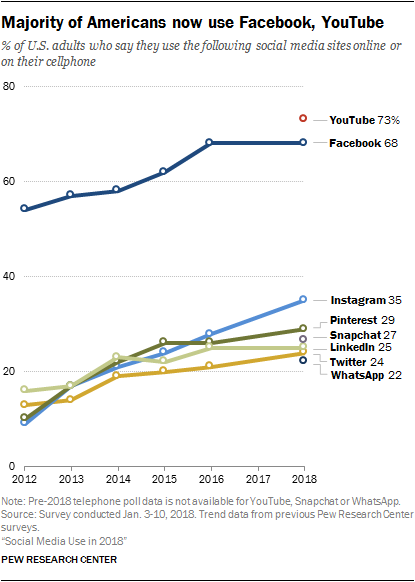
    By early 2019, about 69% of adults in the U.S. used Facebook. YouTube is the only major social media platform in the same range, with 73%. Facebook remains popular with all demographics but attracts certain groups at higher levels. About 75% of U.S. women use Facebook, compared to 63% of men. Users also differ by education level. Around 74% of adults with a college degree use Facebook, compared to 61% of those with a high school diploma or less.

    Facebook, like MySpace before it, was once considered a platform for younger users. About 79% of people aged 18 to 29 use Facebook, while only 46% of users are 65 and older. But users over 65 have more than doubled since 2012. This reflects Facebook’s diversification from mostly features for socializing to ones that include marketing, shopping, event management, news, and other aspects of business.

    Though Facebook has reached new global user records, its U.S. market share has been declining for a few years. Facebook once enjoyed 70% of the American market, but this has slipped to 36.6%. Data from 2019 revealed that about 15 million fewer Americans use Facebook compared to 2017. The losses have mainly been in the teen and millennial groups. Other networks like Instagram, Snapchat, Pinterest, Reddit, and WhatsApp have picked up the slack.

    Walking during a Pride Parade

    Instagram: Younger and Faster

    Instagram has become insanely popular since its 2010 launch. The photo-sharing app has bloomed into a news source, marketing tool, social influence platform, and meme-sharing community. About 500 million people use Instagram every day, and over 1 billion use it every month.

    Instagram’s largest market is the United States, with over 120 million active users. In February of 2019, about 67% of U.S. adults from 18 to 29 used the platform. Around 72% of U.S. teens and 35% of U.S. adults use Instagram.

    Unlike Facebook, Instagram has not become as popular with older age groups (yet). Facebook attracts about 79% of U.S. adults from 30 to 49, while Instagram attracts only 47% of the same group. People over 65 rarely use Instagram and only make up about 8% of its users.

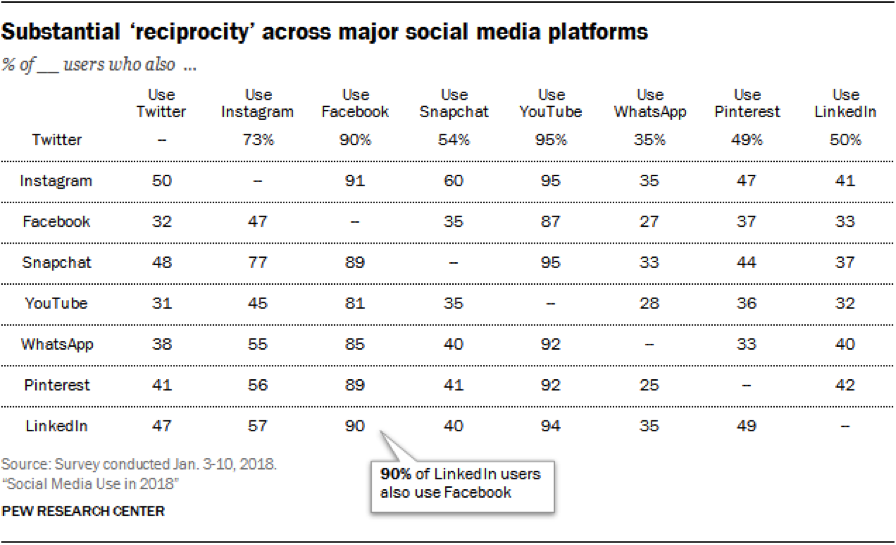
    Although Instagram has a smaller user base than Facebook, Instagram users tend to use the app heavily. Over 76% of Instagram users 18 to 29 use the app daily, while 60% use it multiple times per day. Instagram users are also prone to use multiple social media networks: 95% of Instagram users also use YouTube, 91% use Facebook, and 60% use Snapchat.

    When Your Powers Combine…

    So, to recap: Facebook has been losing market share and its user base is getting older. Teens and millennials are moving towards Instagram and other networks. These factors make a compelling case for shifting your advertising focus to Instagram.

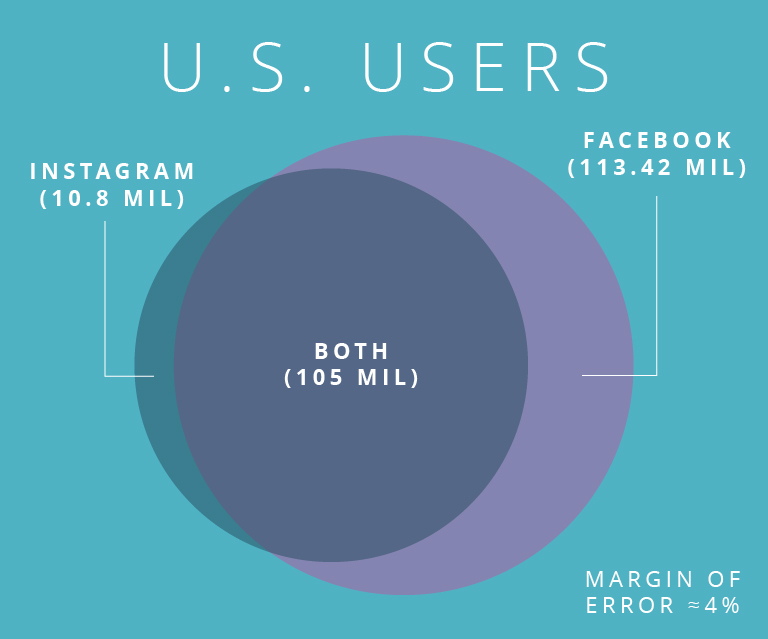
    Luckily, you don’t have to make that decision. Since Facebook has integrated advertising through Ads Manager, you can reach Instagram and Facebook users on one platform. Even better, about 91% of Instagram users use Facebook, so you can potentially reach 323 million Americans with only Facebook ads.

    However, with just a few tweaks of our ads, we can optimize them for both Facebook and Instagram. This is a level of direct access for marketers that hasn’t been available since the expensive days of mass mailing. Now, with a few clicks, you can deliver your message to millions of potential customers.

    Here are nine reasons marketers should be advertising on both Facebook and Instagram in 2019:

    • The combined U.S. audience of Facebook and Instagram is about 230 million users, who are all reachable with one ad platform.
    • 2 million brands are using Instagram Stories to tell their brand’s story.
    • 60% of Instagram users discover new products on the platform.
    • 78% of Facebook users discover new products on the platform.
    • 50% of Instagram users follow brands, the most of any social media network.
    • Instagram users are 70% more likely to buy on their mobile devices.
    • The average Facebook user clicks on 8 ads per month.
    • Facebook’s e-commerce click-through rates tripled between 2017 to 2019.
    • TV advertising costs 10x more than Facebook videos, for the same size audience.

    As you can see, there is huge potential for marketing on Facebook and Instagram, despite Facebook’s supposed “saturation” and Instagram’s less serious reputation. Facebook and Instagram have millions of users in the U.S. This audience includes 72% of teens, about 80% of millennials, and 46% of the elusive 65+ crowd.

    Facebook and Instagram’s large market shares, combined with the targeting features in Ads Manager, means marketers can find and reach potential customers more easily than on other platforms. The browsing behaviors of users on both platforms means that marketers have a higher likelihood of making a sale. All of this means a higher return on investment and happier marketing directors. If you’d like more information on leveraging social media to generate more business for your agency, contact our team at Search Influence for a digital marketing analysis.

    Images
    B & R
    Map
    Parade

  • A Physician’s Guide to Choosing Target Audiences on Facebook

    One of the most important assets in any physician’s marketing strategy is knowing your potential patients. In a field as diverse as medicine, this can mean the difference between success and failure. Therefore, we’ve put together a helpful guide to Facebook’s targeting tools to help build and improve your online audiences.

    Define Your Patients

    The first step in any successful strategy is defining who you want to get in front of. Imagine the type of patient you’d like to attract and jot down every characteristic about them that you can think of. For example, if you’re a plastic surgeon who would like to do more tummy tucks, then what are some general attributes of a typical tummy tuck patient? Here are some questions to help you get started:

    • Are they women or men?
    • How old are they?
    • Are they married or single?
    • What is their household income?
    • How much disposable income do they have?
    • Do they have children? If so, how many and how old are they?
    • What kind of car do they drive?
    • What do they do for a living?
    • Which schools did they attend? What level of education did they reach?
    • What are their hobbies?
    • What types of clubs or organization are they typically involved in?
    • How do they spend their free time?
    • Have they ever had plastic surgery?
    • Have their friends had plastic surgery?

    Once your ideal patient has been defined, review Facebook’s guidelines to see which targeting options are available, or you can see all of Facebook’s Ad Targeting Options in one epic infographic.

    Locate Your Patients

    After your ideal patient has been profiled, the next step is to determine where they are. One of the biggest mistakes in marketing is casting your net too wide and spending advertising dollars on people who won’t turn into patients. Physicians must check their pride at the door and determine how far patients would realistically travel for their services. For example, a patient might travel 30 miles to see a specialist or surgeon but would likely never travel farther than 15 miles for primary care. Once you’ve determined how far a patient would be willing to travel to visit your practice, use Facebook’s tools to limit your targeting to these areas.

    Refine Audience Size

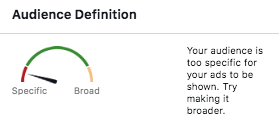
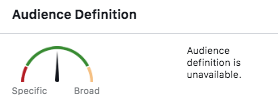
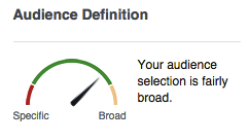
    Once your audience had been defined, take a step back to consider the size of the group. Review the  “Audience Definition” meter along with the “Potential Reach” number within Facebook’s campaign manager. The ideal audience has fairly specific targeting, but not so specific that the number of potential viewers is under 1,000. This ideal audience size is broad enough to be inclusive to anyone who shares the targeted interests but specific enough that the impressions aren’t wasted. You can tell that you’ve reached the ideal audience size once all of the necessary layers have been added and the numbers aren’t fluctuating as much.  

    Very specific Facebook audience targeting for Search Influence in New Orleans, LA

    Less specific, more general Facebook audience targeting for Search Influence in New Orleans, LA

    Very broad audience targeting for Facebook campaign done by Search Influence in New Orleans, LA

    Medical Industry Audience Limitations

    Due to ever-evolving privacy laws worldwide, specifically in the medical field, physicians must operate (pun intended) under more strict targeting regulations. This is especially true on Facebook. One of Facebook’s most useful features allows business to upload email addresses or phone numbers directly into the platform and create custom audiences from these lists. You can then create a wide variety of custom audiences based on those lists. However, businesses in the medical industry are not permitted to create such audiences through an upload or pixel users who have visited their site because it violates medical privacy laws. Therefore, medical practices must give their targeting even more thought to serve up ads to their ideal audience.

    With the tips outlined in this helpful guide to thoughtful audience creation, you, too, can be on your way to increasing engagement and building your online presence! At Search Influence, we have extensive experience working with clients in the medical industry. For more information about how we can help promote your practice on Facebook and other social media platforms, start a conversation with us today.

    Images

    Doctor

  • 7 Best Social Media Platforms for Your Digital Marketing Strategy in 2019

    A group of people using social media on their mobile devices at Search Influence in New Orleans, LA

    Social media is an essential element of a holistic and integrated marketing plan. Different social media platforms allow you to create and share content, reach specific audiences, and accomplish your marketing and business goals. Before you begin expanding your current social media marketing, make a plan. Here are some questions to help you get started:

    • Who are you trying to reach?
    • Where does your target audience consume content online?
    • Which message(s) do you want to send your target audience?
    • What is your end business goal?

    Your answers to these questions will help you define your business goals and translate them into social media marketing goals. You will then be able to prioritize which social platform to use. If you are new to social media marketing, Facebook is where you should start. If you already have decent engagement on one platform, where should you go next? Most Americans are active on two to three social platforms, so why limit your marketing to just one?

    Screen shot of social media stats

    Which Social Media Platform Is Best for Marketing?

      1. Facebook – With more than 2.27 billion active monthly users, Facebook is definitely your number one choice. Through Facebook Ads Manager, you can target users based on their location, age, gender, level of education, relationship status, job title, interests, purchase behavior, device usage, and so much more. And it doesn’t end there! Facebook allows you to create Custom Audiences to reach current customers or patients. Custom Audiences can be created from the phone numbers or email addresses you’re already collecting, or from Facebook Pixel to target people who have visited your website. To reach new customers, use Lookalike Audiences; these are created from Facebook’s insights about Custom Audiences to target users with similar online behaviors. You may think “My target demographic isn’t on Facebook,” and you could be right, but Facebook Ads Manager takes the guesswork out of it. This platform allows you to create and serve your message to the right user on Facebook, Instagram, or (through the Audience Network) across the web. As stated by Facebook,

    “1 billion+ people see a [Facebook] Audience Network ad each month.”

      1. Instagram – Owned by Facebook, Instagram boasts more than 1 billion monthly active users and has the same advertising options as Facebook. First and foremost, it’s a visual platform, which provides you with an opportunity to showcase your business’s personality. There are a number of free tools you can use to improve your audience’s creative experience.
      2. YouTube – YouTube allows your business to post and share an unlimited amount of video content, which you can then share on social media, send via email, or embed on your website. As a product of Google, there is also an added SEO benefit of having a YouTube channel and producing video content on the platform. With more than 1.8 billion active monthly users worldwide, YouTube has essentially become the second largest search engine behind Google. When it comes to paid advertising on YouTube, it takes the lead over Facebook for video. Facebook charges your account for each 10-second view, while YouTube does not charge you until a user has consumed at least 30 seconds of an ad. According to expandedramblings.com,

    “YouTube overall reaches more 18-34 and 18-49 year-olds than any cable network in the U.S.”

    1. Google My Business – You may not consider Google My Business to be a social network per se, but this free platform offers features that Facebook, Instagram, Twitter, etc. do not. Posts are searchable via keywords, they positively affect your SEO rankings, and they provide an opportunity for backlinks. You can read more about why you should be posting on Google My Business.
    2. LinkedIn – This platform is known as the primary social networking platform for professionals. You can use LinkedIn to update customers on your business, connect with industry partners, and recruit new team members. As a professional network, it is the top choice for B2B social media marketing. According to Forbes, “LinkedIn is one of the best platforms for generating leads and now makes up 46 percent of the social media traffic generated to company websites for B2B firms.”
    3. Pinterest – Similar to Instagram, Pinterest is a visual platform. Pinterest allows your business to show off your product offerings, before-and-after images (great for home improvement, beauty, and cosmetic surgery industries), and curated pin-boards. As you are probably already aware, its audience is primarily female. Pinterest is an oasis for hobbyists, brides and grooms, and day-dreamers in general. Keep this in mind when sharing content. Travel itineraries, suggested packing lists, landscaping ideas, craft projects, and wedding inspiration are the bread and butter of this platform. But don’t think you’re limited to just engaging with your audience. According to Hootsuite, 87 percent of Pinners have made a purchase through the platform.
    4. Twitter – Twitter is a quick-paced platform that’s perfect for sharing the latest trends or your business’s take on current events. Its audience skews somewhat younger but is split pretty evenly between men and women. Your business can participate in a larger conversation by using hashtags for trending topics. These hashtags allow you to reach new potential customers in your industry. Twitter can also be used to monitor positive and negative reactions from existing customers, and you can use the platform to provide additional customer service.

    How Do You Decide Which Social Platforms to Use?

    So, now that you’re familiar with the seven best social platforms for your digital marketing strategy, you should keep these tips in mind. When trying to decide which platform(s) are best for your business, first review your goals and audience, and then make a plan. Then, meet your audience where they are engaging online. Once you have started sharing on one of these platforms, analyze your efforts and look for areas to fine-tune your targeting and content strategy before jumping to another platform. If you’d like more advice on how to use social media platforms to effectively target your ideal clients, start a conversation with our experts by calling (504) 208-3900.

    Whichever type of social media platform you decide to use in your marketing strategy, Search Influence has your back. Our social media experts can work with you to implement a strategy and track the campaign’s performance. Start a conversation with one of our strategists today to make the most of your social media.

    Images:

    Group of people using mobile devices
    Reciprocity Table
    Social Media Line Chart

  • Harness the Power of Video on Social Media

    To succeed in today’s competitive environment, companies have to convince us to choose their products and services in an instant.

    What better way to do that than with videos?

    Let’s face it, people love videos!

    Sight, sound, and motion can be a powerfully positive combination. We’ve all felt it.

    Two hands together making a heart with sun in background

    Videos are a very effective marketing tool, and businesses should make the most of them on different media platforms, including YouTube, Google Ads, and social media. According to Cisco’s Visual Networking Index on Forecasts and Trends, by 2019, global consumer internet video traffic will account for 80 percent of all consumer internet traffic. And this doesn’t even include the videos we send directly to each other.

    People really love videos!

    We also love to share them. According to Sprout Social, videos generated 12 times more shares on social media than images and text combined.

    Chris Pratt being mind blown

    This Is Where You Want to Be and Be Seen

    To really stand out today, business owners need to find ways to stay relevant in real time. That’s where posting videos on key social media channels comes in.

    Iphone on facebook app and scrabble words spelling out social media

    Facebook

    When asked why his company was making enormous investments in video on a 2017 earnings call with investors, Facebook CEO Mark Zuckerberg replied, “I see video as a megatrend.”

    Mark was spot on.

    Today, over 8 billion video views take place on Facebook every day.

    We encourage you to upload videos directly to Facebook, rather than sharing videos from other sites like YouTube, to boost your ability to reach potential clients organically.

    Instagram

    Last summer, Instagram reached 1 billion monthly active users, up from 800 million in September 2017.

    Instagram and video marketing are a match made in social media heaven.

    Videos on this platform can be highly effective at telling your brand’s story in 60 seconds or less. And storytelling is a sure-fire way to market your brand and create engaging content.

    Hashtags are everywhere these days, from casual conversations to TV commercials, and hashtags on Instagram are a game changer. They help Instagram users discover new content and can help optimize your campaign.

    Twitter

    According to Twitter: “Research shows that people who view videos on Twitter are 50 percent more likely to be aware of an advertiser’s brand, and that videos on Twitter are 2x as memorable as those on other premium platforms.”

    On Twitter, the length of your video is a significant consideration. Several studies have shown that a 15-second video on the platform is just as effective as a 30-second video, in terms of recall and impact. Since Twitter users are used to quick updates, it’s best to keep your video content brief.

    We Are Here for You

    Whether your business needs help with social media or video creation, Search Influence can handle all of your digital marketing needs. Start a conversation with one of our experts today.  

    Images:

    Heart Hands
    Mind Blown
    Social Media

  • Everything You Need to Know About Social Media Images

    Social media users are 10x more likely to engage with a post that includes a photograph or other visual. And, on platforms like Instagram, without a photo, you can’t post at all. So, no matter what industry you’re in—or even for your personal profiles—if you want to reach the 2.34 billion social media users worldwide, knowing the dos and don’ts of quality images is essential. Luckily, the social media experts at Search Influence are here to help.

    Use Professional Photos

    It’s the number one rule of social media—professional quality photos only. Nothing blurry or out of focus, no limbs cut out of the frame. And if no one on your team has top-notch photography skills, it’s worth hiring a professional or reaching out to your design agency, if you use one. As far as the content of these photos, always use positive imagery to keep viewers feeling happy and eager to return to your profile in the future. This might seem obvious, but it can be surprisingly easy to slide into negative territory. Many dentists, for example, feature before and after pictures on their social media—but viewers don’t want to see images of ugly teeth! Avoid the negativity and only showcase the after photos to keep things upbeat. Photos of people are also a good choice. These tend to perform better across social media channels because people relate to other people. Quite simply, if you’re taking social media photos in-house, keep it professional, keep it happy, and feature people whenever possible.

    Make It Personal

    Unique images will always get more traction than generic ones. So, whenever possible, make your social media photos specific to your corporate or personal brand. One great way for businesses to do this is sharing photos of team members or happy customers—taking those high-performing photos of people to the next level. When you post about team members, whether to welcome a new employee or profile a well-established manager, it helps viewers connect with your company on a personal level. Rather than a faceless corporation, you’ll seem like a group of individuals—a much more approachable and engaging online persona. When you post about happy customers, it not only reinforces positive messages about good customer service and high customer satisfaction, but it’s also a great opportunity to expand your presence online. Tag the featured customers whenever possible so their personal networks will see your post. And remember, social media is first and foremost a platform to build relationships.

    Choose Stock Images Wisely

    While it’s always better to take your own professional photos, unfortunately, it’s sometimes impossible to do so. For example, a new apartment complex should start advertising before it’s completed, but mid-construction photos won’t provide viewers with a good idea of the finished product. That’s where stock photos come in. They’ve developed a bit of a bad reputation for being cheesy, over-posed, and filled with women who are way too happy about salad or teams of coworkers that love giving the thumbs up. But, with a discerning eye, it’s possible to pick good stock photos to fill the gaps in your personal photos. Once again, go for photos that feature real people, and choose ones that look as candid as possible. Absolutely no clichéd photos of business people shaking hands!

    Bad stock images:

    Good stock images:

    Also, pay attention to the color palette and make sure it fits with your existing photos and branding. Upcity.com features a list of both free and paid websites for finding stock images. But remember, don’t go with the first photo you find. Hunting through pages of images might seem tedious, but the increased quality and social media engagement will be worth it in the end.

    Don’t Forget Your Audience

    Every social media platform has a different user demographic, and to maximize engagement, you should tailor your image choices to each audience. On Facebook, for example, users are looking for helpful information about your business and an authentic inside look at your company culture. Photos for this platform can be a bit more casual and candid and should especially focus on featuring team members and customers, as discussed earlier.

    Surfers on a beach - Search Influence

    Instagram, on the other hand, requires strong, visually appealing images geared toward a younger audience. In addition to informing image choices, your target audience should also determine how much you advertise on each platform. For example, if you run a community for active seniors, you should primarily advertise on Facebook rather than Instagram, since that’s the platform your target age demographic is more likely to use. If you do advertise on Instagram, your posts should be targeting your customers’ children. Whichever platform you choose, try to put yourself in your audience’s mindset.

    With these dos and don’ts of social media images in your knowledge bank, get ready to see your engagement rates soar. But, if you’re still not getting the results you want, it never hurts to contact the professionals. With services ranging from customized consulting to online advertising, the experts at Search Influence are always happy to help.

    Images:

    Happy Salad Woman

    Fresh Salad

    Surfers