Tag: business

  • In-House Marketing vs. Agency Teams: Build a Strong Strategy Together

    In-House Marketing vs. Agency Teams: Build a Strong Strategy Together

    This post was updated by Paula French on 2/28/25 to reflect recent trends and best practice. It was originally published on 12/6/2018.

    Working professionals giving each other a high five

    Key Insights

    • As brands grow, marketing demands increase, making it difficult for internal teams to execute strategy, create content, analyze performance, and keep up with industry shifts all at once.
    • Agencies provide specialized expertise and resources that complement in-house efforts, allowing internal teams to focus on core business priorities and guide overall strategy.
    • Combining internal marketing strengths with agency support creates a scalable, results-driven strategy that adapts to changing needs without overloading your team.

    Internal marketing teams are often expected to manage it all — strategy, execution, and analysis — on top of keeping up with regular day-to-day tasks. But as the workload grows, so does the risk of burnout, missed priorities and deadlines, and campaigns that don’t perform as expected. The faster the industry evolves, the harder it is for stretched-thin teams to keep up, leading to outdated strategies and missed opportunities.

    While outsourcing can help lighten the internal load, some in-house teams hesitate to seek out agency support, fearing they’ll lose control over their marketing strategy. In reality, internal teams and agencies don’t have to compete. They can leverage their respective strengths to create an agile, focused, and impactful marketing approach.

    If you’re deciding between keeping all of your marketing in-house or partnering with an agency, here’s why you don’t have to choose just one, plus how to balance both for the best results.

    How Can an Agency Help Me If I Am a…

    Single-person marketing team

    Instead of feeling like a one-person show, you’ll have a team to bounce ideas off, refine strategies, and make sure nothing slips through the cracks while improving your results.

    Single-person marketing “teams” can feel isolated and underappreciated. Your organization’s leaders expect you to handle it on your own, but as you’ve tried to run campaigns, manage vendors, write content, plan the strategy, update your website, and still get results, you find two challenges:

    1. There isn’t enough time to do it all yourself.
    2. One person rarely has the skills to be strategic, create graphics, update a website, monitor results, and evaluate and manage vendors.

    A marketing agency takes the weight off your shoulders by acting as an extension of your team. They bring the time, skills, and experience to tackle everything from strategy planning to execution and performance tracking, so you’re not stuck doing it alone.

    Business leader

    No more juggling ads, content, and campaigns on the fly. Partnering with an agency ensures your marketing is always working, even when you’re too busy to think about it.

    When you’re responsible for driving the business forward, marketing is just one of many things competing for your time. Whether you’re managing it all yourself or working with local media vendors, it can be difficult to stay strategic and aligned with your goals.

    You may often feel that:

    1. Marketing takes a back seat when business operations call for urgent attention.
    2. You got into your field to do what you love, not market what you love.
    3. You are reacting to promotional ideas as they cross your desk, with no real strategy about how to best reach your customers.

    Being a leader means wearing many hats, and marketing often ends up as an afterthought. An agency helps shift it from a scattered, reactionary task to a well-planned strategy that actually supports your growth.

    Medium-to-large marketing team

    Even with a well-staffed, in-house department, keeping up with every aspect of marketing can be a challenge. Between aligning team members, executing campaigns, and adapting to industry updates, it’s easy to get stuck in the weeds and lose valuable time for strategy. You may find that:

    1. Your internal marketing team needs support in strategy and direction.
    2. The time it takes to execute tactics gets in the way of strategically analyzing what is truly working (and what is not).
    3. You struggle to keep up with new and changing marketing technologies and ideas.

    Partnering with a marketing agency helps bridge these gaps by bringing fresh insights, specialized expertise, and extra hands where you need them most.  Whether it’s adjusting your strategy, handling time-consuming execution, or keeping your team ahead of evolving trends, they’ll keep your marketing in check and on track without overloading your internal resources.

    Higher education marketer

    Instead of constantly shifting from one urgent task to the next, an agency’s support helps you be more intentional with your marketing.

    Higher education marketing is a constant balancing act. One minute you’re fine-tuning messaging for a new degree program, the next you’re trying to boost student engagement — all while keeping an eye on enrollment goals. With so many priorities commanding your attention, it’s easy to feel like you’re always in reactive mode and that:

    1. Your marketing efforts are spread too thin. You’re trying to serve prospective students, current students, and alumni all at once while balancing multiple degrees and programs.
    2. Data analysis and performance reporting fall by the wayside due to time constraints.
    3. Meeting ambitious enrollment goals feels unattainable without additional resources or expertise.

    An agency will take on recruitment and retention efforts, ensuring you reach the right students at the right time. With deeper data insights, you’ll make informed strategic decisions, focusing your time and budget on what drives real results.

    Want to find out if partnering with an agency is right for your institution? Take our Higher Ed SEO Quiz to discover your best staffing approach based on your current resources, strategy, and performance.

    In-House Marketing vs. Agency Partnerships

    A person giving a presentation in a conference room

    Balancing in-house marketing with agency support lets you stay involved while tapping into advanced expertise. Your team knows your brand best, while an agency brings the skills, strategy, and execution power to amplify your efforts.

    At Search Influence, many of our clients handle routine tasks internally while relying on us for more strategic, high-impact initiatives. The key is knowing which responsibilities are best handled by your in-house team and which most benefit from external support.

    What work should my in-house marketing team handle?

    Identifying unique stories that can be included in marketing

    Great marketing starts with great stories, but you can’t share what you don’t know.

    As part of your internal tasks, build relationships with departments and stakeholders across your organization. This ensures you stay informed of exciting news and developments that bring your marketing to life.

    For example, let’s say you are marketing for a university, and one of your instructors learns that one of her students won a research award. Would your marketing team hear about it?

    If you educate your staff on your marketing goals and build vital relationships, you’ll be less likely to miss valuable stories that strengthen your outreach.

    Serving as spokespeople for public relations and media opportunities

    Having the right people represent your organization in the media bolsters your brand’s credibility and reach. Instead of scrambling when a press opportunity arises, establish a roster of internal experts who can confidently speak on key topics.

    Identifying multiple spokespeople prevents over-reliance on a single person, speeds up media responses, and ensures you always have a knowledgeable representative prepared to engage with the public.

    By designating these spokespeople internally, you streamline the process and create a sense of ownership within your team. When staff members are prepared and empowered to speak on behalf of the organization, it fosters consistent messaging and a proactive approach to media inquiries.

    Creating day-to-day organic social posts

    Social media is where you build a genuine connection with your audience, and staying consistent is what’s key to maintaining that bond. Hubspot reports that social media is the preferred means for product discovery among consumers aged 18 to 44, making routine posting all the more important.

    For businesses with the right in-house resources, managing daily posts can be straightforward. But when time or expertise is limited, outsourcing certain aspects to an agency — like content scheduling, caption writing, or hashtag strategy — can help maintain consistency without adding to your team’s workload.

    You may find that capturing photos or videos in-house and passing them along to an agency for posting works best. This ensures fresh, timely content without the hassle of managing every detail.

    When should I hire a digital marketing agency?

    To improve your website’s SEO and increase organic traffic

    If your in-house team can’t keep up with the nuances of SEO, it’s time to bring in the experts.

    SEO is fundamental to getting your site seen, but it’s far from a one-size-fits-all solution. It takes ongoing attention, work, and a deep understanding of both on and off-site SEO tactics to rank high and stay ranked high.

    An agency will create a comprehensive SEO strategy that aligns with your specific goals, covering key areas like:

    • Deep keyword research to target the right audience
    • On-page optimization to improve visibility, from meta descriptions to header tags
    • Content creation that considers what your audience is actually searching for
    • Site performance improvements, from navigation to mobile optimization
    • Building valuable backlinks to boost your site’s authority
    • Performance tracking to refine strategies and stay ahead of the curve

    When an agency handles these technical details, you free up your team to focus on bigger-picture goals, knowing that your SEO is in the best hands.

    To manage and optimize your digital advertising campaigns

    With an agency managing your digital ads, you’ll rest easy knowing your budget is being spent efficiently, your ads are reaching the right people, and your strategy is always evolving to stay competitive.

    Digital advertising is one of the fastest ways to get your brand in front of the right audience. However, making the most of it is no easy feat. If you’re struggling to create effective campaigns, manage budgets, or keep up with performance tracking, an agency will give your campaigns the focus they need.

    Applying their specialized expertise, an agency positions your brand for paid advertising success by:

    • Crafting targeted campaigns on platforms like Google Ads and Meta
    • Selecting and optimizing keywords for maximum visibility
    • Writing engaging ad copy and designing eye-catching visuals
    • Leveraging advanced targeting to refine audience demographics and interests
    • Setting and managing budgets to ensure your ads reach the right people without overspending
    • Testing different ad variations to identify the most effective strategy
    • Monitoring and adjusting campaigns to keep things running smoothly

    To monitor campaign success through advanced analytics tracking and reporting

    Let an agency take the guesswork out of ad management, using data to refine and enhance your campaigns for maximum performance.

    Analytics and lead tracking require more than just simple data collection. It takes advanced know-how to make sense of your metrics, assess your performance, and use the insights as fuel for your future strategy. If you’re feeling lost in a sea of metrics, an agency will interpret the numbers and guide you toward smarter decisions.

    Trust your advanced tracking and reporting to an agency when you need support with:

    • Tracking leads from forms, calls, and other inquiries
    • Identifying the top-performing marketing channels to allocate resources effectively
    • Analyzing lead quality to improve conversion rates and maximize ROI
    • Conversion tracking set-up to measure sales, sign-ups, and other key outcomes
    • Making sense of your data with customized reports and KPI dashboards 
    • Conducting an ROI analysis to showcase the effectiveness of your efforts
    • Optimizing your campaigns based on performance data

    To craft and execute customized email marketing strategies

    With an agency’s guidance, your email marketing will be a well-oiled machine that consistently delivers high-quality, results-driven campaigns.

    Email marketing often gets treated as an internal “check the box” task without much thought beyond getting the message sent. But when the average cold email open rate is only 27.7%, it’s clear that every detail matters to help your emails stand out in a cluttered inbox.

    From timing to content, getting it right from the start is how you improve opens, reads, and conversions. An agency helps support your email strategy by:

    • Developing the right mix, whether that’s newsletters, nurture campaigns, or frequent email reminders
    • Curating relevant, targeted content that aligns with recipients’ interests and needs
    • Crafting compelling subject lines designed to increase open rates
    • Designing visually appealing emails that work across all types and prompt clicks
    • Segmenting your audience to send the right emails to the right people at the right time
    • Timing emails to ensure they land in inboxes at peak engagement times

    But I Don’t Want to Give Up Control! How Do I Balance In-House and Outsourced Marketing?

    Still debating between in-house vs. agency marketing, or a hybrid approach?

    For the aspects you are currently handling internally, take a moment and ask yourself if it’s the right responsibility for your business. As you go through each item, think…

    Yes, you CAN do it, but…

    1. Are you doing it well?
    2. Are you doing consistently?
    3. Are you monitoring results and making adjustments?
    4. If you were not spending time on this, what else could you be doing?

    If you’re worried about losing control over your marketing when you outsource, rest assured. While your agency will take the heavy lifting off your plate, you’ll still have the head seat at the dinner table. The best agency for you will integrate themselves as part of your team and include you in the strategy and reporting of results, at a minimum.

    Find Your Right Approach to Working With a Marketing Agency

    Are you feeling stretched thin in your marketing approach?

    When your in-house team partners with an agency, you create a dream duo that distributes the workload, increases your day-to-day efficiency, and grants you the extra bandwidth to achieve sustainable success.

    If you’re a higher education marketer interested in further assessing your ideal marketing approach, check out our Higher Ed SEO Quiz. This 5-question quiz will help you determine whether to outsource your work, keep it internal, or take on a hybrid strategy. In just minutes, you’ll have personalized insights to make informed staffing choices.

    See how Search Influence can help you develop a marketing plan that works for your team today!

  • Search Influence’s Newest Influencers Are FOUR Real!

    Myah Catanzaro, who has been hired at Search Influence as an Account Coordinator

    Myah Catanzaro has been hired as an Account Coordinator.

    Myah grew up on the Northshore in Mandeville and graduated from Fontainebleau High in 2014. From there she then went on to go to LSU to study marketing. She has worked and done a little bit of everything—waitressing, leasing agent, promotional specialist for MillerCoors, nanny, and guest service coordinator for a local Metairie salon. When she is not at work, you can find her dancing down the streets of New Orleans with her fellow sisters on The Nola Bombshells dance team, or looking for any and all music events happening around the city. Her favorite thing about digital marketing is that it gives anyone anywhere around the globe, that has a dream or passion, a chance to make their mark on the world.

    Stephanie Cantrell, who has been hired at Search Influence as a Sales Executive

    Stephanie Cantrell has been hired as a Sales Executive.

    Stephanie was born and raised in the Pacific Northwest. She moved to New Orleans 15 years ago when she and her family decided they needed a new adventure. Stephanie has over 30 years of customer service, management, and sales experience. When offered the opportunity to join the Search Influence team, she jumped at the chance to experience the ever-changing world of Digital Media. When she is not working, you can find Stephanie offering unsolicited advice to her children, Madison and Liam, or swinging a hammer, remodeling her dream home with her husband Chris.

    Jacob Kliebert, who has been hired at Search Influence as a Junior Quality Assurance Analyst

    Jacob Kliebert has been hired as a Junior Quality Assurance Analyst.

    Born and raised in New Orleans, Jacob is a recent graduate of Louisiana State University. Before starting at Search Influence, he gained experience working in finance and analytics. He is hoping to continue to develop his analytical skills as well as learn new ones in the digital marketing space. He enjoys working with a team and helping foster a positive impact for others.

    Madison Rohr, who has been hired at Search Influence as an Account Manager

    Madison Rohr has been hired as an Account Manager.

    You can usually find Madison posted up at the cutest, coziest local coffee shop, adventuring in the great outdoors, capturing lots of love from behind the camera or networking with other local creatives. She loves anything outdoors (hiking, kayaking, biking), traveling, trying new things, her golden retriever pups, and recently got engaged! When she’s home, she enjoys experimenting with new food and cocktail recipes. Overall, Madison is fairly laid-back, outgoing, and motivated about things she is passionate about!

  • How to Make Sure Your Website Is Accessible for Everyone

    It’s safe to say that traffic—and gaining as much traffic flow as possible—is the major goal of anyone’s site. Unfortunately, a substantial amount of us forget about a few key demographics that depend on us to make sites, content, and social channels accessible. To put it into perspective, 360 million people have hearing disabilities and another 285 million people have visual impairments.

    Some have physical limitations that make it impossible to use a mouse, while some people are prone to photosensitive seizures.

    So how do we cater to as many people as possible and make our sites places of inclusion?
    The tips I’ve listed below are a great way to start.

    yall belong here gif

    How Can I Make My Content More Accessible?

    Most of these additions are minute things that we take for granted every day. Luckily, they’re also seamless and easy fixes that pack a huge punch of positive impact.

    Dynamic Content

    Dynamic content refers to pages, plug-ins, or other tidbits of your site that can change without forcing the page it’s on to reload. If someone is using a tool to navigate your website better, the tool may not inform the user of changes that happened on that page. This can lead to a confusing experience. Reader tools mostly scan a site as it naturally appears when it first loads, so if you use dynamic content, make sure it’s optimized.

    Audio

    Some visually-impaired users rely on transcribed blogs, articles, or web pages to digest your content through sound. Do some research on software that transcribes your blogs into audio clips to post to your website.

    Video Transcripts and Captions

    Users who are deaf or hard-of-hearing can use video captions to understand what’s going on in videos, and what dialogue is said. In this scrolling era, captions are also a best practice to get people sucked into watching your videos too! Sites like Amara offer free video captioning for small projects, so it’s a great tool to get started with.

    get the transcript obama gif

    Accessible PDFs

    To make a PDF accessible, the original document must have a solid foundation. Some other key attributes of an accessible document include searchable text and security features that allow for screen readers. Adobe goes in-depth on what you can do and how you can do it in this great resource.

    Descriptive Links and Button Text

    For users that need a screen reader to navigate a website, buttons and links that say “Click Here!” don’t give a clue as to why they’re clicking this link or button. Instead, opt for descriptive phrases such as “About The Team” or “Services Offered.” This makes for a clear understanding as to where you are taking a user.

    Color Choices

    A sizeable amount of users have photosensitivity that makes it difficult to view bright colors and may even cause seizures. The rest of us would like to err on the side of caution and preserve our eyesight for as long as possible. This is why choosing your color scheme is very important, as well as making text and backgrounds easy to view and read.

    Resizable Text

    Users with vision impairments benefit from text that can be zoomed in on to make it larger, and therefore easier to read. So make sure your mobile layout is capable of zoom!

    How Can I Make my Website More Accessible?

    Alt-Text

    Alt-Text is a screen reader’s best friend, allowing image descriptions to be read aloud to users with vision impairments. This is one reason why listing image descriptors is essential. I recently found out that you can even add these alt-texts on your Instagram and Facebook photos as well!

    Headers

    HTML headers should be clearly labeled to structure and organize the information, as well as instruct screen readers of that information. This assists not only users with vision impairments but also users with cognitive disabilities who may need well-structured information for extra clarity.

    Tables

    Tables may easily structure a page, but they also impede accessibility software from reading a page correctly. If you have information that needs to be laid out in table form, include an HTML markup that clearly defines headers and data cells so users can find the information.

    How Can I Make my Social Media More Accessible?

    Emojis and Emoticons

    A lot of programs can read emojis, but you will need to put a space in between each one for better readability. As for emoticons, they’re read the way they’re written. So a smiley face like this “:)” will be read as “semicolon parenthesis,” and shouldn’t be used too often.

    hear no evil, speak no evil, see no evil monkey gif

    #CamelCase

    It’s hashtag time! These are a pivotal part of any Instagram campaign, and should be written in what we call Camel Case for easy reading! So when you use hashtags, make sure you #UseCamelCase instead of #regularcase.

    Abbreviations

    The best practice is to refrain from abbreviating names of companies or organizations and instead spelling their name out in its entirety.

    More Resources

    W3C: World Wide Web Consortium on Accessibility
    WCAG: Web Content Accessibility Guidelines Checklist
    Section 508: Government standards on accessibility on the web
    Accessibility of State and Local Government Websites to People with Disabilities
    Color Contrast Checker
    Screen Reader Simulation
    Low Vision Simulation
    Dyslexia Simulation
    Distractibility Simulation

    Now, this is obviously not an exhaustive list of things to do, but it’s a good start in making the internet and your web content more accessible for a lot of users! There’s so much information available, and you can dig a little deeper with the list of resources above. If this is an initiative you’re looking to make a priority, reach out to one of our experts at Search Influence and we can help you make accessibility a reality.

    images:
    Y’all Belong Here Gif

    Obama Gif

    Monkey Gif

  • How Using Psychographics Can Shed Light on Your Buyer Personas

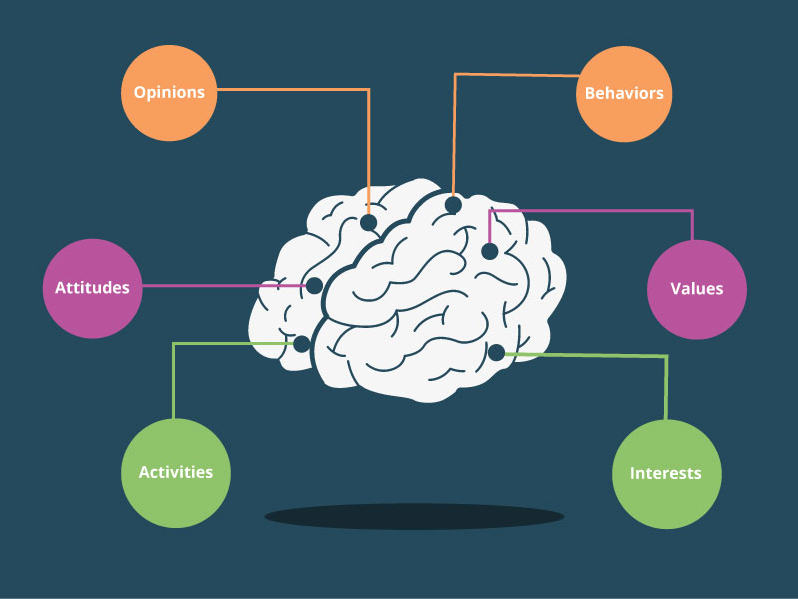
    Custom graphic displaying psychographic elements

    Looking at your buyer without understanding them as a whole is like ordering a hamburger without the toppings. Nobody wants a dry hamburger without cheese, bacon, tomatoes, pickles, or at least some sort of condiment. So why do some businesses only care that a buyer bought their product and not want to know why? This is where psychographics come into play. These provide insight on customers and why they do the things that they do.

    How Do Psychographics Complete A Buyer Persona?

    Psychographics are the toppings and the main flavor of your burger. If we are looking at it in terms of your customers, psychographics are the personality components that make your customers who they are as people.

    Psychographics help you dive further into a person’s feelings, thoughts, decisions, opinions, and attitudes. The whole idea behind psychographics is relating to your customers on a deeper level. It provides an opportunity for a business owner to truly understand who their customers are, what they like to do, who they’re friends with, what TV shows they love, or even what they dislike.

    Think about your closest friend or significant other and why you love and trust them. Is it because of what they do for you or is it because of how they make you feel? That feeling can be related to the psychographics of your friend or significant other. It shows you the heart and soul behind the person who is consistently doing nice things for you.

    Now let’s relate that to your business.

    Who do you think is more beneficial to your business: a one-time customer or a repeat customer? Obviously, repeat customers are more valuable because they drive your ROI and tell other people about your business. Their positive reviews help build a positive reputation that encourages other people to give you a try. But if you hadn’t truly connected with that first customer, they wouldn’t have vouched for you.

    As business owners, we need to understand that it’s more than just what a client can do for you, it’s about who they are as a person. Why do they trust you, come back to your business, and share their exciting news with you? It’s because you’ve built trust and spent time understanding who they are as a real person. You took the time to see them not just as a price tag but as a genuine hardworking and loyal person.

    You bought into who they are and in return, they bought into your business.

    How Do You Obtain Psychographic Information?

    It’s time to sit down and really dive deep into what is important to you about your customers.

    This is where you can gather your team and brainstorm. Maybe sit around and talk about some of their favorite customers. Have your team provide a memorable story, what they love about that customer, describe their relationship to the customer, and give personality details about who they are.

    After you’ve spent the afternoon bonding as a team and connecting over how great your customers are, it’s time to focus your efforts on making connections with future customers.

    So how do we do this?

    Simple, those customers that were spoken highly of can provide insight better than anyone else. Utilize this. Hold interviews with your customers where you can ask them all about how they feel about your company, what they like and dislike, and what keeps them coming back.

    Next, you can send out surveys to other customers via email asking them similar questions. As a business owner, you can go a step further by connecting with them on their social media accounts.

    Social media can be a useful resource for learning more about your customers. You can see which types of music they listen to, where they spend their free time, what their family life is like, and even their feelings on a plethora of topics.

    From here, you can enter all of this information into your own Customer Relationship Management (CRM) system. This will come in handy when you want to create look-a-likes for your Facebook Remarketing or Google Display Remarketing advertisements. Not only that, but it can provide concrete data that can pull similar interests that connect your customers to one another.

    So remember, a burger will always taste best fully dressed, and a buyer persona is better with a psychographic to support it. Not sure where to start creating your psychographics? From strategy to social media management, Search Influence is here to help. Get started by contacting us today.

    Images

    Tablet Payment

  • Top 10 Truly FREE Tools for Nonprofits + Even More Resources

    Nonprofit organizations are what I like to call “ballin’ on a budget,” which means strategically selecting resources that won’t break the bank. But where do you start?

    Here are our top 10 picks for the best free resources for nonprofits you should utilize to get your organization… organized.

    Make this world better with non-profit marketing tips from Search Influence

    [wp_express_checkout product_id=”24730″]

    Free Tools for Nonprofits

    1. G-Suite

    The mecca of high-powered email and productivity tools is free for nonprofits through its basic plan, and it includes the usage of your domain name for your team’s email addresses. Beyond your domain, you have access to G-Docs, Calendar, Drive, and so much more.

    2. Canva PRO

    Photoshop out of your skill range? No worries, Canva is here to make your social graphics POP! With tons of templates available, you’ll be able to create anything from a quick Facebook post to an entire presentation. Features include saving preset branding color palettes as well as premium fonts and graphics, with the ability to save your work in a variety of formats.

    3. Social Good by Facebook

    Social Good is Facebook’s hub for all of the tools offered to nonprofits, such as Charitable Giving (Facebook’s fundraising/donation tool), Crisis Response, Health (Blood Donation, Suicide Hotline, and more), and Mentorship (connecting people in need of support with people who have the expertise to help!)

    4. HotJar

    Want to know how your users are behaving on your website? HotJar has the hookup with “heatmaps” that help you visualize user behavior and see where they are getting stuck or what is really motivating them. With this knowledge, you can better optimize for a great user experience. Their more advanced tracking tools are also 100% free for select nonprofits.

    PSA: This is available to nonprofits who are nongovernmental, nonacademic, noncommercial, and nonpolitical in nature, with no religious affiliation. Their goal is to assist organizations working to “further charitable causes.”

    5. Follow Facebook’s @nonprofits

    Stay updated with all of Facebook’s nonprofit free resources and tools! They periodically announce fundraising events that your organization can participate in. For the last two years of #GivingTuesday, Facebook has secured a partner to match donations through Facebook’s Charitable Giving tool, first with the Bill & Melinda Gates Foundation and then with PayPal. #FreeMoney

    6. YouTube Nonprofit Program

    Video content is king, and YouTube wants to help your organization with creating inspiring content. If you have over 1,000 followers, they’ll give you access to all of their production studios countrywide, as well as their powerful editing tools. Click here to find the closest studio near you!

    7. Action Sprout

    Grow your following by seeing actionable insights to your posts, and optimize them to further engage your followers for the most reach. You no longer have to wonder why a post performed well… or didn’t. Action Sprout is now free for nonprofits everywhere!

    8. Hootsuite

    For smaller organizations with less than two channels to manage, Hootsuite offers a “free-limited” plan with a 50% discount on the unlimited set-up, which lets you manage more than two social channels. With this software, you can schedule and manage your social media posts all in one place with built-in analytics.

    9. Google Ad Grants

    We’re back again with #FreeMoney! Google Ad Grants gives your organization $10,000 to create and deploy text-based ads, and up to $40,000 for organizations that participate in Grantspro. There are a few limitations, but all are easy to work within.

    PSA: “Governmental entities and organizations, hospitals and medical groups, schools, academic institutions, and universities are not eligible for Google for Nonprofits, but philanthropic arms of educational institutions are eligible.”

    10. CallHub

    For smaller organizations, you can sign up for free and have 5,000 calls on CallHub’s tab for their “Collective Calling Campaign.” This free-for-nonprofit software helps organize and track your fundraising outreach via call and text, and it’s all capable of automation for ultimate efficiency.

    Graphic of hands being raised for nonprofit volunteering

    [wp_express_checkout product_id=”24730″]

    BONUS: 5 Heavily Discounted Tools

    Communicate effectively with your team with an 85% discount, plus a free plan for organizations with under 250 employees.

    Find volunteers, employees, and so much more with a LinkedIn nonprofit account. Discounts are available upon request for nonprofits at [email protected]

    Analyze what content works best with your demographic, or what’s working best for similar organizations to optimize your marketing campaigns. For discounted pricing for nonprofits, email [email protected]

    A work and project management platform that offers a 50% discount for all nonprofits that qualify, which will assist your employees in keeping track of their to-do lists and projects.

    Big workload that can use some automation? Zapier offers a 15% discount on thousands of automation “triggers” that integrate with most of the apps and programs you use daily, including the many listed above.

    Learn More About Free Things for Nonprofits

    Nonprofits can have access to robust marketing tools and spare their wallets at the same time!

    Though some of these are limited by the size of your nonprofit, many aren’t. If you’re in healthcare marketing, higher education marketing, or any other sector, these discounts can be a great way to get the most out of your budget.

    Don’t forget to take advantage of the free trials and discounts available! With a little research, you can find plenty of software that fits your needs — and your budget.

    Check out some of our educational resources and our blog for more great marketing and SEO advice.

    Ready to break new ground in marketing your nonprofit?

    Allow us to present you the latest in pick axe technology — Search Influence’s new eBook, Unlocking Free Resources for Nonprofits: Your Roadmap to Using Ad Grants and Free Marketing Tools.

    This eBook is your key to unlocking countless nonprofit marketing capabilities without breaking the bank.

    Our team compiled a list of over 15 free services for nonprofits that encompass every aspect of marketing, including:

    • Copywriting
    • Graphic design
    • Email marketing
    • Analytics & lead tracking
    • Social media marketing
    • Search engine optimization
    • Project management
    • Online advertising (Google Ad Grants & Microsoft Ads for Social Impact)

    As you read along, you’ll learn how to access these tools and the best ways to use them to boost your marketing ROI.

    From Hemingway Editor and Canva to Google Analytics and Ahrefs, gain access to a whole new world of marketing capabilities for your nonprofit for just $9.95 when you purchase Unlocking Free Resources for Nonprofits: Your Roadmap to Using Ad Grants and Free Marketing Tools.

    [wp_express_checkout product_id=”24730″]

    Images:

    Hands

    Signage


  • Seven New Employees Join Search Influence

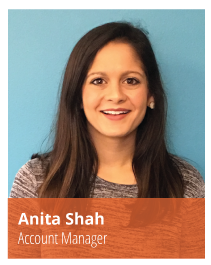
    New Search Influence Account Manager Anita ShahAnita Shah 

    Anita Shah has been hired as an Account Manager.

    Anita is a Midwest native, growing up in Michigan. She attended the University of Michigan where she received a bachelor’s degree in Economics. Outside of work, Anita loves to travel; specifically, backpacking trips are her favorite. A bucket list item is she wants to make her way through every national park in the US.


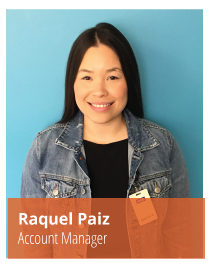
    New Search Influence Account Manager Raquel Paiz

    Raquel Paiz

    Raquel Paiz has been hired as an Account Manager.

    Raquel is from Reston, VA but has lived in New Orleans for ten years. Raquel joined the Marine Corps out of high school and then ultimately received her B.A. from Tulane University in Public Relations. Her most recent experience includes working at a full-service agency in NC and doing Public Affairs work for the Marine Corps. Raquel loves food, music, and travel almost as much as working in the communications field. You can usually find her binging Game of Thrones on a continuous loop while eating some sort of Asian food.

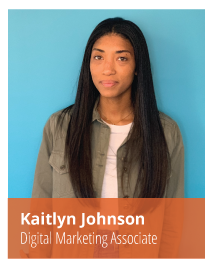
    Kaitlyn “KJ” JohnsonNew Digital Marketing Associated Kaitlyn "KJ" Johnson

    Kaitlyn “KJ” Johnson has been hired as a Digital Marketing Associate.

    Although she is a native of New Orleans, she traveled to Southeastern Louisiana University in Hammond, LA for school where she earned a B.A. in Mass Communication and a minor in Publishing. After graduating, she entered the digital media industry and never looked back. Like a true NOLA local, food and music are two of her favorite things. So, you can always spot her at a local festival reveling in her southern roots. KJ also enjoys going to concerts, traveling, and visiting art museums. She is a firm believer that immersing yourself in different forms of art and culture is the key to a well-balanced life…When life is well-balanced, good things will always find you.

    New Search Influence Senior Web Developer David FransenDavid Fransen

    David Fransen has been hired as a Senior Web Developer.

    David is in his second stint with Search Influence, having joined the company as an IMA in 2012 and moving into Development, where he worked on all varieties of clients and projects for nearly five years, eventually making a move to start building out full websites elsewhere in 2017. After soaking up a lot of knowledge and experience over nearly two years in this role building websites, he realized his best skills and general energy was far better suited to Search Influence, and he was fortunate to be welcomed back home. He is a native of Kenner but has lived in Uptown New Orleans for the last 5+ years. Naturally, David studied English—and nothing even remotely related to Web Development—at Trinity University in San Antonio. He is a hopeless music nerd, having played in bands and DJ’d throughout his roaring 20’s and beyond, and he spent seven strange, exciting years in Brooklyn chasing ill-advised rock n’ roll dreams before moving back to the New Orleans area and deciding to grow up. He is a borderline psychotic NBA fan who takes any opportunity to be smug and pompous about the extended success of his beloved San Antonio Spurs.

    Paige Nulty New Search Influence Digital Copy Editor Paige Nulty

    Paige Nulty has been hired as a Digital Copy Editor.

    A GNO native, Paige majored in English at UNO, concentrating in local literature as an excuse to read more Kate Chopin than she already was. Since then, she has worked freelance gigs—contributing to Gambit and New Orleans Magazine—as well as cut her copywriting chops in the B2B world. When not writing, Paige can be found trying too hard to be funny with her improv troupe and growing her comic collection. She’s excited to be a part of the team at Search Influence and keep growing creatively.

    New Search Influence Content Marketing Team Lead Crysten PriceCrysten Price 

    Crysten Price has been hired as a Content Marketing Team Lead.

    Crysten is a native Louisianan and loves the outdoors. She obtained a bachelor’s degree in Public Relations and French from Loyola University New Orleans. Prior to her career at Search Influence, Crysten worked in several industries: information technology, nonprofits, and advertising. Outside of work, she can be found participating in pickup volleyball games and traveling.

    Katie Whittington New Search Influence Account Manager Katie Whittington

    Katie Whittington has been hired as an Account Manager.

    Katie has a unique story to where she was born and raised like many residents of Louisiana. She is originally from St. Bernard Parish where she spent most of her childhood until Hurricane Katrina, which caused her to move to Covington. Katie is excited to be back on the Southshore living right outside of the New Orleans Metro Area. She attended Southeastern Louisiana University where she earned a B.A. in Social Work and continued her education at Tulane University where she earned an M.A. in the same discipline. For the last few years, she has been working as a school counselor and softball coach and she is extremely excited to finally follow her passion in marketing. She is joining Search Influence as an Account Manager and she is hungry to help her clients grow. Outside of work you will find her biking through the city, trying out new restaurants and bars, working out at her gym, or creating content for her blog, The Bailey Method.

    If you’ve been hoping to expand your business’ digital marketing campaign, look to Search Influence. Our experts, whether tenured or new to our team, can help boost your company’s online presence while tracking leads and analyzing trends. We’re committed to helping you reach your marketing goals. Start a conversation with one of our strategists today.

     
    Interested in joining our team? Check out our open positions!


  • Year-end Trends: What’s Been Driving Local Search in 2018?

    Annually, the brightest minds in the local search field come together to provide their input on the major changes and trends in the industry via the Local Search Ranking Factors Survey. Coordinated by Darren Shaw from Whitespark and the fine folks at Moz, the 2018 review of local ranking factors helps to coalesce the general sentiment around the most impactful inputs as they relate to local searches. This survey is a great resource for digital marketers because it not only helps us understand the changes in the last year, but also how to better focus our efforts and energy moving forward.

    Here at Search Influence, we are fortunate to be one of the contributors to this survey. With our experience in the local search realm across numerous industry verticals, we are well-equipped to help add more context to an, at times, confusing digital marketing landscape. As expected, much of what we saw in the day-to-day management of our clients’ local search campaigns was reflected in the results of this year’s survey.

    What’s the Biggest Local Search Trend for 2018?

    According to the results of the survey, the biggest local search trend is Google My Business management.

    For those of us who spend countless hours wrangling Google My Business (GMB) and/or Google Maps accounts, the attention Google has put into the product is obvious. With the addition of Google Posts, Google Q&A, website builder, services, expanded attributes, primary and secondary categories, etc., it became clear that GMB was being re-positioned as a social, activity, and information hub for potential customers, current customers, and the business, in some part to offset the loss of Google+ as a business platform.

    Understandably, digital marketers have found GMB signals increasingly important year-over-year. It is pretty straightforward, intuitively—use the new features introduced by Google to help with local search performance. However, many businesses and digital managers fail to follow up once these new features are rolled out.

    Of the eight signals measured in the results, GMB makes up 25.12 percent. As you can see in the image above, this is a large increase from the previous year’s data. Ensuring that your business has a properly optimized listing will go a long way in determining the vitality of your business in a local search context.
    31 questions to ask a marketing agency

    Reviews Are an Increasingly Relevant Local Search Ranking Factor

    Along with increased profile options, Google has started taking steps to help increase review participation on the Google My Business listings themselves. Through new mobile app features, new messaging features, and other small tweaks, Google has made it clear that they do not just want users leaving reviews for the business; they want to make sure businesses are interacting with their reviewers as well. One prevailing thought derived from the data points is that Google is making an effort to create a quasi-community around business listings, making it so users do not even feel the need to click through to a client’s website. There is ample room for discussion about the pros and cons surrounding that concept, but, as a practical matter, digital marketers and businesses should be keenly aware of this trend and know how to best leverage it to convert potential customers.

    This fact is reflected in the breakdown of the influence of review signals. As seen in the table above, the influence of reviews on listings has increased significantly year-over-year. As businesses begin to compete more and more for the “Local Pack,” reviews may be a large factor in whether or not your business becomes listed. Encouraging your customers to review you on Google, whether positive or negative, will help Google know your business is active. What’s more, if you, as a business, respond to the positive and negative reviews, you are adding a valuable signal to Google, as well as displaying good customer service.

    But, What Happened to Links and Citations?

    One important thing to consider in regards to this survey is that just because something has become less important relative to other factors does not mean that it has lost significance. A good local search strategy encompasses a holistic approach that implements strategies for all of the different factors, of which linking and citations are a significant portion.31 Questions Checklist square image

    Part of the reason these factors have seen a dip in relevance is because the other factors have become more influential—in other words, the overall results have become a bit diluted due to the increasing number of factors. To rephrase, linking and citations are still a large, integral part of a good local search campaign; however, you might want to get a wrangle on your Google My Business and review situation prior to embarking on a full-fledged link/citation-building campaign.

    So, What Are the Other Factors?

    A large portion of the review is the section-by-section breakdown, along with a helpful glossary, to help you fully understand how each factor is weighed and what digital marketers think. It is important to distinguish between organic search results and the “Local Pack,” as both have different considerations when it comes to ranking signals. In lieu of breaking that down here, I suggest reading the data supplied in the post on Moz’s blog, as well as Darren Shaw’s companion piece explaining the survey.

    Local search is a constantly evolving, dynamic field that requires actively monitoring changes to platforms and signals, and to Google’s new product rollouts. Undoubtedly, there will be some disruption in the local search field via a new product, new algorithm, or cosmetic changes, but these surveys give us the historical context to better understand why these changes might have occurred and how they might impact future usage. If you’d like help building a dynamic marketing strategy that encompasses these trends, reach out to Search Influence to request your free marketing analysis.

    Images:

    Laptop

  • How to Set S.M.A.R.T. Marketing Goals

    Think Tank Around Measuring Diversity - Search Influence

    Once you’ve identified the metrics that matter most to your business (download our guide: “Marketing: What Metrics Matter?” for our 4-step process), goal setting is the next step in achieving success. Setting business goals can be a daunting undertaking for some, but it’s much simpler if the right method is followed. Don’t set goals just because you feel as though you should have them—goals are only beneficial when there is value in achieving them.

    What Are S.M.A.R.T. Goals?

    S.M.A.R.T. goal setting is a simple, trackable method that allows people to create clear and achievable business objectives, instead of vague resolutions. It is one of the most effective tools for achieving goals in the corporate world due to its scalability, ease of use, transparency, and proven success.
    New call-to-action

    What Does S.M.A.R.T. Stand For?

    S – Specific

    M – Measurable

    A – Attainable

    R – Relevant

    T – Time-bound

    6 Step Process For Establishing a S.M.A.R.T. Goal

    Step 1: Make it Specific

    Goals should be written simply and clearly define what you are setting out to do.

    Answer the Following Questions:

    • What do you want to accomplish?
    • How will you accomplish it?
    • When will it be accomplished?
    • With whom will it be done?
    • Why do you want to do this?

    Example:

    • Increase the average number of prospective student leads by deploying a Facebook Lead Generation campaign in order to ultimately enroll more students and increase revenue to the school.

    Step 2: Make It Measurable

    Having a measurable goal means that someone can see, feel, hear, or identity in some way when it has been achieved. This may sometimes mean breaking your goal into several measurable elements.

    Answer the Following Questions: Goal Setting Guide Image

    • By what metric will you know the goal has been reached?
    • What precise amounts can you include?
    • Can you use words like “increase by X %; improve by X amount”?

    Example:

    • Increase the average number of prospective student inquiries (through phone calls or website form fills) to 325 per month.

    Step 3: Make It Attainable

    Review your specific/measurable goal to make sure it seems reasonable with a little bit of stretch. Are you confident this goal is achievable and sets realistic expectations?

    Answer the Following Questions:

    • Do you have enough time to reach your goal?
    • Do the involved parties have the tools and skills they need to accomplish it?
    • What obstacles would prevent me from reaching this goal?

    Example:

    • The average number of prospective student inquiries is currently 290, so an increase of 35 leads seems achievable.

    Step 4: Make It Relevant

    Making sure your goal is relevant assures it is aligned with the broader business goals. Reaching goals is only beneficial when they contribute to the company’s success in some way.

    Answer the Following Questions:

    • Why am I setting this goal now?
    • What is the company’s overall objective?
    • How it this goal aligned with the overall objectives?

    Example:

    • The school has decreased the cost of tuition, requiring an increase in enrollment to 100 total students. If the “close rate” of prospective students remains constant, then the total number of prospective students must increase to 325 per month in order to ultimately enroll 100 students.

    Step 5: Make It Time-bound

    Goals should exist in a timeframe that creates a practical sense of urgency appropriate to the importance of achieving it. If the end date is many months down the road, set milestones throughout the period to evaluate progress.

    Answer the Following Questions:

    • When is the deadline?
    • Do I need additional milestones to keep this goal on track?
    • Do I have enough time to accomplish it in the given time frame?

    Example:

    • The deadline is January 30th, giving us 90 days to increase the average number of prospective student inquiries.

    Step 6: Finalize Your Goal By Putting Them All Together

    Review what you have written, and craft a new goal statement based on what the answers to the questions above have revealed.

    Example:

    By January 30th, increase the average monthly prospective student leads to 325 per month by deploying a Facebook Lead Generation campaign.

    Putting S.M.A.R.T. Goals Into Action

    Now that the goal is defined, create an action plan by asking:

    • What strategies will you deploy in order to achieve this goal?
    • When will you deploy them?
    • How will you keep track of its progress?
    • Who needs to be notified of its progress and how often?

    S.M.A.R.T. Goals Worksheet

    Wondering how to put this into action? Download our Marketing Goal Setting Guide, which includes a S.M.A.R.T. Goals Worksheet as well as a 4-step process to setting Metrics that Matter.

    Need some human support? Contact us today to speak with one of our strategists about how we can support you in setting marketing goals for your business at (504) 208-3900 or fill out the form to the right.

    Images:

    Chalkboard

  • Trust Your Marketing to a Team, Not a Machine

    You’ve probably heard something like this before: “Automated marketing is bad for business!” But, actually, I’m not sure I 100% agree with that—I know, you’re surprised, right? A marketer telling you that machines and automation are a good thing? Well, hear me out. Artificial intelligence is growing at a rapid pace, and in the field of digital marketing where there is data OVERLOAD, you’d be silly not to take advantage of this technology. I’ll admit, I’m one of the silly ones that have, at times, been afraid to trust machines with my campaign performance. But, as AI has become smarter, the real value lies in combining the best that humans have to offer with the speed and data processing capabilities of machines to achieve total marketing domination.

    What Can Technology Do for You?

    SO. MUCH. DATA! Does it make your head spin?! Luckily, machines don’t get dizzy easily, and they are able to process many more data points than we could ever hope to. The more data and history a machine is able to analyze, the more it can learn to make decisions for the future—this is the machine learning aspect. CUE THE FEAR: THE MACHINES WILL TAKE OVER! Just kidding (but more on this later).

    Machines were built to automate simple tasks. If it is a mundane task that is done over and over and over and… well, you get the point. These are the types of things that are perfect for machines to take on. Why pay someone for hours of work when a machine could do this in minimal time? This frees up your time to focus on the more important and creative work that you enjoy doing.

    This technology is now more readily accessible than ever. Google, Facebook, HubSpot, Salesforce, and many other platforms invest heavily in machine learning so that you as a business or marketer don’t have to. Google alone has continued to release new features (such as Smart Bidding options and responsive ad types) that make it easier to set up, run, and manage a successful campaign. They’ll also typically release these features in beta and test them first to assure they have the intended impact before releasing them to the public, so you know that these tools are reliable.
    31 questions to ask a marketing agency

    What About People?

    Wow, machines sound pretty amazing! What’s left for us mere humans to do? In marketing, the most important thing a human can do is to understand your business and marketing goals. With that understanding, marketers can devise strategies to reach your target audience and accomplish your goals. Marketers can deploy these strategies and understand the intentions behind them.

    Humans have two other amazing attributes that give us an advantage over AI: we are innovative and we are creative. We need humans to drive the innovation to test new theories and ideas. Automated systems and machines can only produce the same results if provided the same data, and it’s our innovation that continues to drive machine learning. With machines, however, we are able to test new ideas faster and with better accuracy.

    Because machines have gotten rid of all that boring work, we have more time to be creative and to apply that creativity to your marketing. Marketers can understand your business, what makes you unique, and why you love doing what you do, and they can assure that this message is prevalent throughout your marketing. They can come up with creative concepts and imagery that define your brand and make you stand out among your competitors. Could a machine do all that?

    Human + Machine = WINNING

    In other industries, we wouldn’t let the machines take over, so why would we do that in marketing? Think about it: autopilot technology has existed since 1912, yet we still have human pilots fly planes. Self-driving cars still have a human driver behind the wheel. Even machine assembly lines are often spot-checked for quality by human beings.

    “We need to stop thinking of machines as rivals. Instead, we should see them as an opportunity to take our creativity to the next level,” says Ben Jones, Google’s global creative director.

    So how can humans work together with machines? Let’s go through a few examples.

    1. Use human creativity to write ad copy and create compelling ad graphics, then use machines to make it more personalized. For example, Google’s responsive display ads allow us to put in a combination of assets that the algorithm integrates to be specific to the person it’s targeting, including the content the ad is shown next to and the size of the ad placement. Now that’s powerful! Otherwise, we’d have to create hundreds of combinations of ads to be able to show in all of the available inventory, and on top of that, we’d have to spend a lot of time organizing these ads.31 Questions Checklist square image
    2. Once a marketing strategy is created, marketers can set up campaigns and machines to manage it. However, it’s not a “set it and forget it” mentality. Machines can make decisions based on past performance and data, and they are capable of processing data, but they can only process the data provided. And while machines are getting better at reconciling offline and online data, humans should have the oversight to determine if campaigns are driving the bottom line.
    3. Marketers can work with businesses to define KPI targets, which are then fed into machines to optimize campaigns and work toward these goals. As mentioned above, it helps to have the human oversight to understand that marketing is doing what it is intended to do.

    How Can an Agency Help?

    Agencies have access to more technology, humans, and data. With larger marketing budgets, they are able to invest in some pretty powerful marketing automation tools, those that aren’t so readily (cough*inexpensive*cough) available. And as an important investment, they have likely researched and evaluated several platforms before choosing the one that would help them best achieve client goals most efficiently.

    Agencies also have the benefit of working with many clients across various industries with different objectives, so they’ve been able to put the machine through many different scenarios to figure out what works best in each situation.

    So rather than trusting your marketing to just a team or a just a machine, combine the power, speed, and intelligence of the machine with the creativity and empathy of a human team for a truly winning combination. The experts at Search Influence can help you integrate automated systems into your marketing strategy while providing creative feedback to ensure that your marketing campaign reaches its full potential. If you have any questions about implementing these tactics, start a conversation with one of our marketing strategists today.

    Images:

    Girl with AI

    So.Much.Data.

    Code

  • How to Align Your Marketing Team Around a Successful Strategy

    How to Align Your Marketing Team Around a Successful Strategy

    With the explosive growth of the marketing technology landscape in the last several years, it can be easy to get completely lost in tactics, technology, and metrics. “Digital marketing is so awesome,” they say, “because you can track everything,” they say.

    True, but what’s also true is that the 6,000+ vendors of MarTech platforms overwhelm us with SO. MUCH. DATA. How does a company know they are making the right decision when one can easily twist and turn data and draw correlations to tell a desired story? Confirmation bias is a real thing, and it can plague the effectiveness of any given marketer’s plan.

    So how does one manage to take advantage of the right data and make strategic marketing decisions without finding themselves adrift in a sea of marketing bologna? It’s easy to say, but less simple to execute: start with a solid strategic plan.

    In this post, I’ll review the essential steps to creating a highly organized and well-researched marketing strategy, which should then serve as the anchor for all future decision-making in your marketing journey. That is, until the next time you review and update your strategic plan (a bit of foreshadowing: it’s an ongoing process).

    How to Create a Successful Marketing Plan

    Start With Gaining Alignment

    The most successful marketing plans we’ve developed for clients have started with gaining alignment from all the stakeholders involved in marketing the business. From the top of the marketing department to the most front-line sales executives, making sure all parties are heard is important to gaining an understanding of the current state of sales and marketing and gathering input on the future ideal.

    Get an Outside Perspective

    Bringing in professionals for the research and development of a strategic marketing plan can help to make sure your plan is truly objective. Wrangling a lot of stakeholders, some of whom are more dominant than others, can leave you feeling like you’re chasing your tail and not making progress. When you hire a marketing agency for the development of your marketing plan, the third-party perspective can help to ensure the project not only stays on track, but also that all voices are heard.

    One way we’ve done this is to host workshop-style meetings with all stakeholders, facilitating discussions of their ideas on strengths and weaknesses, opportunities and threats, as well as their best customers, gaining insights on what marketing tactics were perceived as successful or not in the past.

    We bring to the table some initial research, like competitor profiles and trends in their marketing, as well as data analysis of existing customer profiles, if provided in advance. This information serves as the foundation for the discussion, and we prompt the stakeholders with specific questions to get them thinking more deeply about where and how marketing can help the business grow. In this process, we’ve seen clients experience some internal revelations and uncover operational opportunities for improvement, which are incredibly valuable to identify.

    We take away all the inputs and begin the fun part: planning a strategic marketing plan that accomplishes a measurable goal. And on that note…

    Define a Measurable Goal

    It’s critical for a marketing strategy to be informed by a S.M.A.R.T. goal. Digital marketing is indeed awesome because it’s measurable, but you have to know WHAT to measure up front. Otherwise, you’ll waste a lot of time on the wrong tactics and pulling reports on the wrong metrics.

    It’s critical for your sales and marketing stakeholders to be aligned on this measurable goal. If you have enough data to understand your sales pipeline, you might be able to identify a specific number of inbound leads that marketing should deliver per month or week. As a part of planning your marketing strategy, make sure you align everyone on how you will determine whether the marketing strategy was successful, at both a high level and an individual-tactic level.

    What to Include in a Marketing Plan

    There are tons of resources out there regarding what to include in a marketing plan, but the key elements are:

    • Competitive Analysis
    • SWOT Analysis
    • Buyer Personas
    • The Buyer’s Journey
    • Strategic Tactics
    • Key Performance Indicators

    Competitive Analysis

    In order to know where you stand in the marketplace, it’s important to take a close look at the competition your prospects are likely considering. Typically, we like to note basic business information for context, such as the number of employees, revenue (if available), years in business, and how they compare from a pricing perspective. Next, we review their marketing and brand presence, specifically noting key differentiators, how they’re appealing to the audience via messaging and measurable-goal visual communication, and, of course, the products or services for which they are a true competitor.

    SWOT Analysis

    SWOT stands for strengths, weaknesses, opportunities, and threats. Strengths and weaknesses are meant to look inward, whereas opportunities and threats look to the external marketplace, industry, and geographic landscape. An in-depth analysis here on the state of your business, not just marketing, can be incredibly insightful from the top down, and the key to a successful SWOT is stepping back and being as objective as possible. Questions you can ask yourself and your team include the following:

    Strengths

    • What advantages does your company have?
    • What do you do better than anybody else?
    • What unique resources can you draw on that your competitors cannot?
    • What are the reasons your clients choose you?

    Weaknesses

    • For what reasons might your prospective clients not choose your company?
    • What do other companies offer that your company does not or cannot?
    • What could be improved about the products or services that you offer?
    • What types of clients are you at risk of not serving well?

    Opportunities

    • What opportunities do you see in the marketplace?
    • What new ideas could you be taking advantage of?
    • What trends are popping up in your industry?
    • What positive changes in the market do you see?

    Threats

    • What obstacles does your company face in growing sales?
    • What are competitors doing? Is competition increasing?
    • What negative changes in the market do you see?

    Buyer Personas

    A buyer persona is intended to serve as a representation of a business’ “ideal” or target customer. It should be based on research and data about your existing and prospective customers, including their demographics and psychographics. The best process for buyer persona development involves surveying or interviewing actual customers, asking them deeper information than simply gender, age, and household income. An ideal buyer persona may include the following: background, demographics, identifiers, goals, challenges, how you help their challenges, and what marketing messaging will speak to the persona. You may find that you have several personas, or maybe you have just one. There’s no hard and fast rule about what a buyer persona should include or how many a business should have.

    The Buyer’s Journey

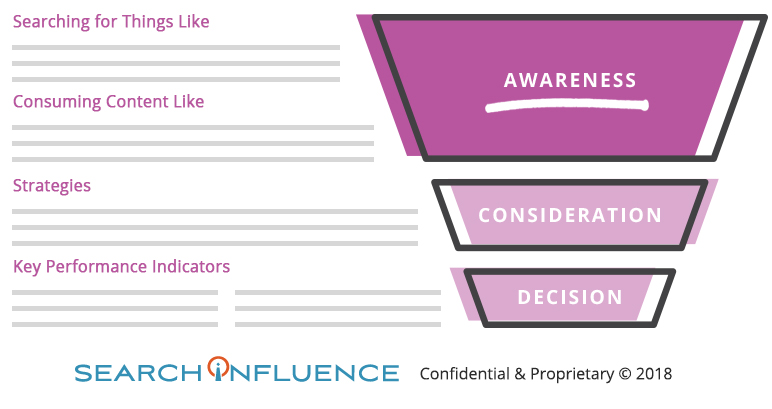
    When the Search Influence team develops a marketing plan for a client, the buyer’s journey is where we spend the majority of our time and is what informs the strategic tactics and key performance indicators (KPIs). Once your buyer personas are identified, the buyer’s journey maps out your prospective customer’s behavior at each stage of the marketing funnel, which allows you to think strategically about how you can reach the audience at each stage. When complete, our buyer’s journeys typically look something like this:

    Strategic Tactics

    Specific marketing tactics you hope to employ to achieve your goals are outlined here. This may include everything from traditional media and print collateral all the way through your digital campaign strategies and creative direction. It’s a good idea to spend time evaluating these tactics and considering a realistic budget required to deploy them all. Perhaps you will need to do a phased implementation due to your budget or internal resources. Now’s the time to make that plan.

    Key Performance Indicators

    In addition to outlining a marketing plan’s overall goal and objective, we recommend that your plan defines Key Performance Indicators (KPIs) for each phase of your marketing strategy and, if necessary, specific tactics. Defining this up front will help ensure that all stakeholders fairly evaluate the performance of a given tactic as time goes on and keep them anchored to the ultimate goal.

    Finish With Gaining Alignment…Again

    Remember the work you did with your team to collect their input early in the process? Call another meeting with them and present the finalized plan. Use this as an opportunity to set expectations for ongoing roles and responsibilities and get the team moving on the plan. They’ll enjoy seeing how their input shaped the finished product and be more willing to pitch in to make it happen. Trust us, you will need their support!

    We’ve led the charge through this arduous process several times with our clients. I say WITH our clients because, if you couldn’t tell by now, it requires a lot of collaboration and partnership. If you are looking for full support in leading this endeavor or even just some hours consulting with our team on the process, we’ve got your back! Speak with a strategist today at (504) 208-3900 or fill out this form to ask for a consultation within 24 hours.