Key Insights
- Paid search and paid social do not compete. They complement each other. Paid social creates demand and brand awareness, while paid search captures high-intent users actively searching for solutions.
- AI has compressed the marketing funnel. Users now move fluidly between social media feeds, AI Overviews, and search engine results pages, making an integrated strategy more important than ever.
- Paid search is now a validation channel as much as a conversion channel. In AI-influenced SERPs where organic visibility is shrinking, paid placements reinforce credibility and brand trust.
- Paid social drives measurable downstream search demand. Strong social campaigns increase branded search queries and high-intent traffic that paid search can convert efficiently.
- Full-funnel orchestration drives stronger performance than channel silos. When paid social and paid search share messaging, data, and optimization insights, brands achieve greater efficiency, higher ROAS, and sustained growth.
Search Influence approaches paid search vs. paid social as a unified strategy designed to connect demand creation, intent validation, and conversion across the modern marketing funnel.
The traditional marketing funnel hasn’t just shifted. It has compressed. AI accelerates the speed at which users move from discovery to decision, collapsing awareness, consideration, and conversion into overlapping, nonlinear moments.
Today, influence happens across algorithmic social feeds, AI Overviews in search engine results pages, short-form video content, conversational search experiences, and branded search queries. A user may first encounter a brand through paid social ads, validate it in search results, scan an AI-generated summary, and then click a paid search ad, all within a single session.
One of the biggest misconceptions in digital marketing is that paid search and paid social compete. They don’t.
Paid social creates awareness and demand among targeted audiences. Paid search captures that intent when users actively search for solutions. When aligned, they amplify each other.
This isn’t a search vs paid social debate. It’s a guide to orchestrating both channels together for measurable growth in an AI-influenced world.
AI’s Impact on Digital Advertising
AI compresses the marketing funnel into overlapping micro-moments. Users no longer move predictably from awareness to research to purchase. Instead, they:
- Discover brands in social media feeds
- Validate through AI-generated summaries
- Compare via search engines
- Click paid search ads when immediate intent peaks
AI Overviews reduce organic search visibility, pushing organic search results further down search engine results pages. Paid search ads often remain one of the most stable and visible placements.
At the same time, conversational discovery changes when intent forms. Users don’t always start with specific keywords. We’ve shifted from keyword-first journeys to influence-first journeys.
In this environment, channel silos fail. Users move seamlessly between platforms. A digital marketing strategy that isolates paid search advertising from paid social advertising misses the interconnected behavior of modern consumers.
Search and paid social must be planned together to capture qualified traffic at every stage of the entire marketing funnel. Learn more about how AI search affects paid ads.
What Is Paid Search?
Paid search involves paying for ad placement in search engine results pages when users actively search for answers, comparisons, or solutions. Through platforms like Google Ads, advertisers bid on specific keywords and search queries to appear in front of high-intent prospects.
Unlike paid social, paid search captures existing demand. It doesn’t create awareness; it intercepts it at decision moments.
In an AI-powered search environment, the role of paid search has shifted from early discovery to validation and confirmation.
AI feels authoritative but abstract. Users understand that AI aggregates sources, but they can’t always see nuance, depth, or accountability. Paid search ads, by contrast, are explicit and brand-backed. When a recognizable company appears consistently in paid search results, it signals investment and legitimacy.
Repetition builds credibility. Seeing a brand appear in AI summaries, organic search results, and paid search ads reinforces familiarity. And familiarity increases trust.
In AI-influenced SERPs where organic visibility is shrinking, paid search is essential for:
- Brand protection
- Competitive defense
- Capturing demand at the moment of immediate intent
- Maintaining immediate visibility in high-competition spaces
Pros of Paid Search
- Captures users actively searching with immediate intent
- Performs strongly for branded, transactional, and solution-aware search queries
- Benefits from AI-enhanced bidding, automation, and cost per click optimization
- Provides clear attribution through Google Analytics and conversion tracking
- Delivers immediate visibility in competitive search engine results
- Functions as a reliable pay-per-click conversion engine when demand already exists
Cons of Paid Search
- Limited ability to create demand or introduce new audiences
- Dependent on existing awareness and search volume
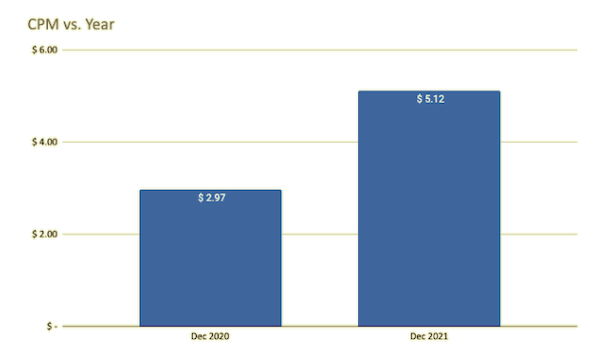
- Rising CPCs as advertisers bid more aggressively using AI automation
- Vulnerable to diminishing returns without upper-funnel support
- Less effective for shaping early-stage perception
You’re competing over a fixed pool of in-market users. Without channels that increase brand awareness and consideration, you limit audience expansion and eventually cap conversion volume and efficiency.
For some industries, particularly those classified as Your Money or Your Life (YMYL), such as healthcare, finance, and legal, additional compliance layers apply. Without accreditation or verification (like LegitScript), paid search ads may be rejected. These sectors face stricter advertising policies and higher E-E-A-T expectations.
What Is Paid Social?
Paid social is algorithm-driven advertising designed to reach users before intent is fully formed.
Unlike paid search, paid social does not rely on users actively searching specific keywords. Instead, AI-powered social media platforms analyze behaviors, engagement patterns, and demographic signals to place social ads in front of highly targeted audiences.
Paid social shapes perception. It frames problems. It introduces solutions.
Social exposure often plants the initial seed of awareness. Users then conduct branded or category searches later for validation, comparison, and confirmation before converting.
Importantly, social media posts are increasingly included in AI Overviews, further blurring the lines between social and search visibility. This phenomenon, along with the increased number of users searching directly on social channels, is called social search.
Paid social operates earlier in the funnel, but its impact often shows up later in paid search performance.
Pros of Paid Social
- Powerful at generating awareness and introducing new brands
- Reaches highly targeted audiences without relying on search intent
- Leverages AI algorithms to expand reach efficiently
- Enables visual storytelling through engaging ads and video ads
- Strong performance in early and mid-funnel stages
- Influences future search behavior and branded search volume
Cons of Paid Social
- Lower immediate conversion intent compared to paid search
- Longer path from first touch to measurable conversion
- Attribution complexity across devices and platforms
- Requires continuous creative testing to stay efficient
- Performance can fluctuate as platform AI algorithms evolve
Strategies for Integrating Paid Search and Social
- Social-to-Search Funnel: Use highly visual, engaging paid social ads (Meta, TikTok) to create demand and introduce your brand. Users often turn to search engines to learn more after seeing a social ad, which you can capture with branded paid search campaigns.
- Search-to-Social Retargeting: Capture high-intent traffic through search, then use platform pixels (like the Meta Pixel) to retarget those visitors on social media with nurturing content, testimonials, or special offers.
- Synchronized Messaging: Ensure that ad copy, visuals, and offers are consistent across both platforms to create a seamless, trustworthy user experience.
- Data Sharing for Audience Targeting: Use search query data to create targeted interest groups in social campaigns. Conversely, use social data (like Page Insights) to understand the demographics and interests of your audience to refine keyword targeting.
- Remarketing Lists for Search Ads (RLSAs): Use social media interaction data to build custom audiences in Google Ads. This allows you to bid higher for users who have already engaged with your brand on social.
- Leverage Social for Keyword Insights: Monitor the language, questions, and comments in your paid social ads to identify new high-performing search keywords.
Real-World Example: Hospitality Client Synergy in an AI Environment
One of our hospitality clients provides a clear example of how paid social and paid search work together to drive measurable results in an AI-driven landscape.
Meta Performance: Demand Generation & Efficiency
In January 2026, Meta delivered exceptional efficiency without increasing budget:
- Revenue: $152,020.58 (29.1% increase month-over-month)
- Spend: $34,197.79 (essentially flat)
- ROAS: 4.45 (29% improvement)
- CPC dropped 51% to $0.39
- Reels-only promoted ads drove higher engagement at lower costs
This performance wasn’t accidental. Highly visual, engaging ads in Reels created awareness among the right audience. AI-driven delivery expanded reach to highly targeted audiences most likely to engage.
Meta served as the demand generator, increasing brand exposure and consideration.
Google Paid Search: Demand Capture & High-Intent Revenue
At the same time, paid search delivered:
- Revenue: $80,550.26
- Spend: $20,162.22
- ROAS: 4.00
- CTR: 20.81%
- $59,734.49 driven by the “Locals In Market” campaign
- 173% year-over-year growth in conversions and revenue
As Meta increased brand awareness, branded search queries and high-intent searches increased. Users who first encountered the brand in social media feeds later searched for tickets and local offerings.
Paid search captured that demand when users were ready to book.
Channel Synergy in Action
This is what full-funnel orchestration looks like:
- Paid social increased awareness and engagement.
- Increased awareness led to measurable increases in high-intent search queries.
- Paid search captured those users when they were actively searching.
- Consistent messaging across platforms reinforced trust and reliability.
- AI-driven optimization improved efficiency on both platforms simultaneously.
In an AI world where users validate across multiple touchpoints, this synergy becomes even more important.

Paid Search vs. Paid Social FAQs
Is paid search the same as paid social?
Paid search and paid social are not the same. Paid search captures existing intent while paid social creates demand before intent exists.
Paid search ads appear when users are actively searching for specific keywords in search engines. Through platforms like Google Ads, advertisers bid on search queries to show up in search engine results pages at the moment of immediate intent. These users are already evaluating solutions.
Paid social advertising works differently. Social ads appear in social media feeds based on user behavior, interests, and engagement patterns, not specific search terms. Instead of responding to explicit queries, paid social shapes perception earlier in the marketing funnel.
Which is better: SEO or SMO?
SEO and SMO are complementary strategies that work best together by reinforcing visibility, authority, and demand across AI-driven discovery.
Search engine optimization builds long-term organic search visibility by aligning content with user intent and search engine algorithms. It drives organic search traffic and strengthens brand authority in search engine results.
Social media optimization amplifies reach and engagement on social media platforms, helping brands connect with highly targeted audiences before intent is fully formed.
As AI-powered search engines blend signals from multiple sources, including website content and social media posts, visibility across organic search and social media increasingly reinforces credibility. Brands that invest in traditional SEO, AI SEO, and social media create multiple touchpoints, increasing familiarity and perceived trust.
How is AI affecting paid search?
AI is reshaping paid search by reducing organic clicks and making paid placements more critical for visibility, validation, and competitive defense.
AI Overviews now answer many search queries directly within search engine results pages. This reduces clicks to organic search results and compresses visible real estate. Paid search ads often remain one of the most prominent placements on the page.
At the same time, AI-driven bidding systems optimize pay-per-click campaigns dynamically based on the predicted likelihood of conversion. Advertisers bid more efficiently, but competition increases, raising cost per click in many industries.
AI also changes user psychology. When users see a brand appear consistently in AI summaries, organic search results, and paid search ads, familiarity increases. That repetition reinforces credibility.
How is AI affecting paid social?
AI is transforming paid social into a primary discovery engine by using algorithms to surface content before users actively search.
Social media platforms rely heavily on artificial intelligence to determine ad placement. Instead of relying on specific keywords, algorithms predict which highly targeted audiences are most likely to engage with particular ad formats, video ads, or messaging.
This means paid social advertising plays a growing role in creating demand. Engaging ads in social media feeds often influence what users search for later in traditional search engines. Social exposure increases brand recall and branded search queries.
AI also introduces volatility. Platforms frequently auto-enable new AI features related to copy generation, image optimization, and targeting. Advertisers must adapt quickly to maintain performance.
In an AI-influenced journey, paid social shapes the early narrative. Paid search captures the resulting intent. When aligned strategically, both channels strengthen performance across the entire marketing funnel.
Talk to Us About a Full-Funnel Paid Media Strategy
At Search Influence, we don’t execute isolated channels. We design integrated digital advertising strategies aligned with real user behavior.
Our AI-enabled digital marketing approach:
- Increases campaign efficiency by allocating ad spend where performance is strongest
- Reaches the right audience with precision targeting across search engines and social media platforms
- Delivers qualified traffic from high-intent prospects
- Uses AI to analyze performance in real time and continuously refine campaigns
We combine paid search advertising, paid social advertising, SEO, analytics, and data insights into a unified strategy designed for how users search, scroll, and decide today.
If you’re ready to move beyond search vs paid social and build a performance-driven marketing strategy across the entire marketing funnel, meet with our Director, Paula French.