Tag: marketing

  • What You Can’t Do On LinkedIn: Hacking LinkedIn and Getting Results

    Hypertargeting. Automated bid management. Ad scheduling. We take for granted these social media advertising features available on platforms like Facebook. But, what do you do when these “advantages” are not available on other sites, like LinkedIn? Here at Search Influence, we decided to design some experiments to see if we could manually hack these features within the LinkedIn advertising platform.

    Targeting Options

    We all know how great Facebook’s targeting is with purchase behaviors and in-market audiences backed up by actual third-party data. There’s no way that LinkedIn can touch Facebook in this realm, right?

    According to Business Insider, LinkedIn is gradually increasing its user base, even as other platforms like Facebook and Twitter have seen decelerating growth. What LinkedIn has to offer is the opportunity to reach one of the fastest-growing groups of business-minded professionals when they are in “work-mode,” browsing for new career opportunities, exploring professional affiliation groups, and researching industry-specific content. In fact, Buffer reports that 60% of LinkedIn users are interested in seeing industry-related content with company news as a close second. So how can you capitalize on this information-hungry audience?

    LinkedIn offers the opportunity to target all levels of the professional hierarchy, from young company influencers, performing research and reporting on their findings, to higher-level corporate decision-makers looking for their next business partnership. The targeting opportunities on this platform are specifically geared towards a professional audience. With these options, you can:

    • Target specific Companies by name and narrow in your Job Titles to reach the exact people you want to hear your message,
    • Use specific Degrees or Skills to seek out only the users who meet your qualifications or
    • Sift through Member Groups to find people with similar or desirable professional or educational affiliations.

    With all of these occupation-oriented targeting options, LinkedIn offers advertisers the ability to closely align your social engagement goals with your company’s brand and mission to reach users who are demanding industry-relevant content.

    Ad Scheduling

    Facebook offers ad scheduling, and while it’s not as granular as other platforms, such as AdWords, which allows you to schedule your ads in 15-minute increments, it still provides a heightened level of control over when your ads are shown.

    Unfortunately, LinkedIn does not afford advertisers these same features, so we took it upon ourselves to apply manual ad scheduling to see if the benefit was worth the time. Research has shown that the best time to publish content on the LinkedIn platform is Mondays through Fridays, during business hours. Makes sense, right? Target working individuals with work-related content during work hours.
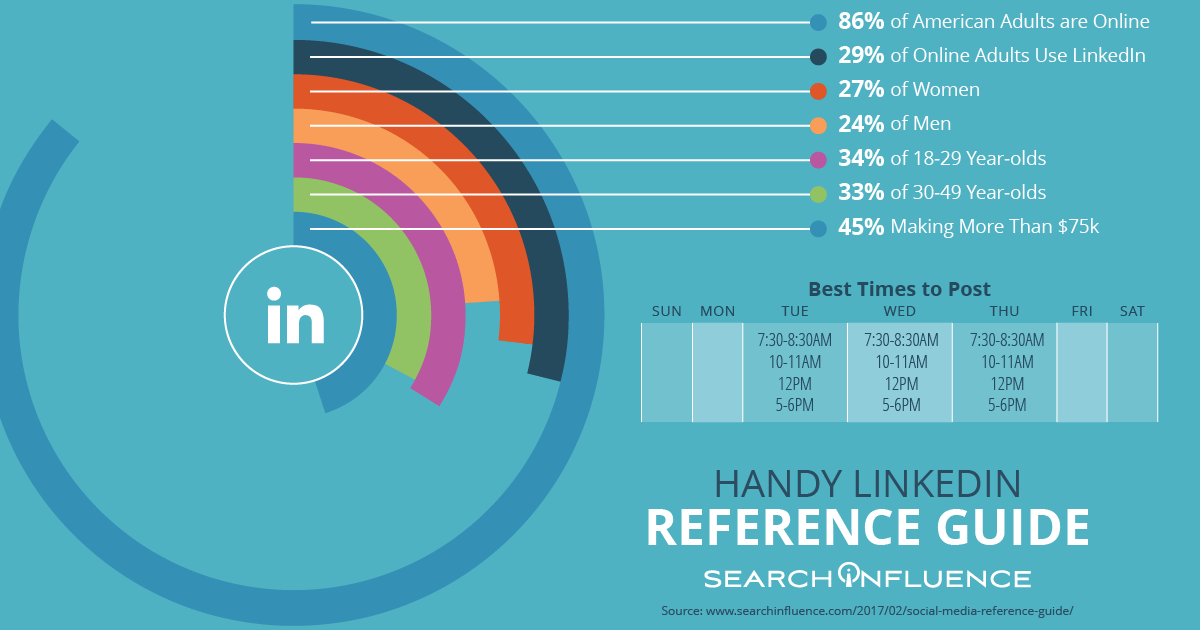
    Linked-In-Best-Times-to-post imge - Search Influence

    Our online advertising team put this premise to the test. Many of our clients suffer from budgets that are too small to run ads for the duration of the month. When you factor in LinkedIn’s $10 daily minimum and the fact that the platform allows you to spend up to 20% more than your daily budget on any given day, and you most often will, this effectively makes the minimum daily spend $12. If we extrapolate that figure across a 31-day month, an individual campaign needs AT LEAST $372 to run. To be most effective with our clients’ monthly spends, we wanted to capitalize on the users who are most likely to engage with the content, i.e. people who are on LinkedIn during the weekdays.

    We implemented a “Weekend Pausing” test for a few of our clients. This test included Sponsored Updates campaigns, and we ran our test from November of 2016 through December 2016, pausing on weekends and holidays when users are least likely to be browsing the platform with intent.

    We began by establishing baseline performance for each of the clients and decided that our main metrics for measurement would be engagement and cost per engagement.

    Image Of Engagement Metrics For Online Advertising LinkedIn - Search Influence

    So, what did we find? One client saw a 28% decrease in cost per social action and an 18% overall decrease in spend for a 14% overall social action increase. One client spent 23% less budget and received 63% more social actions for a cost per social action that was 53% less than the baseline. However, when we looked at overall engagement, which includes clicks as well as social actions, we saw an overall engagement decrease of 13% and a 39% decrease in engagement rate, refuting the idea that LinkedIn users are most active during weekdays. An extended period of testing would be required to investigate the full impact of weekend pausing on LinkedIn engagement rates.

    Bid Management

    Other platforms offer automatic bidding options to get you the lowest cost per result. Facebook does this across all of its placements, including Instagram and the Audience Network, to achieve the lowest average cost per result. There are also manual bidding options on the Facebook platform for those advertisers who want a little more control.

    Luckily, LinkedIn does provide some competitor bidding data so that you can make an informed decision when setting your manual bids, which is the only option available on this platform. Previously, the consensus for LinkedIn bidding best practices was to bid as high to the top of the bidding range provided by LinkedIn in the Bid & Budget tabs of the campaign manager as the client’s budget allows.

    Image Of Competitor Bidding Data For Online Advertising LinkedIn - Search Influence

    What we were curious to test was whether we could maximize clicks and decrease overall cost per click by strategically bidding down, towards the middle of the bidding range. Our online advertising team devised a test across multiple clients in various industries with different budgets. Since our goal was to maximize clicks and engagement, we chose clients with Sponsored Updates campaigns. We established baseline metrics for each of our client’s prior performance and began strategically lowering and raising our bids from the top of LinkedIn’s provided range to the bottom in predetermined increments each day.

    Once our bids were set towards the lower bound of the range, clicks and impressions significantly decreased. After moving up and down the range a couple of times, we hit a “sweet spot” right around the middle of LinkedIn’s bidding range where performance was optimized. We discovered that bidding around the middle of LinkedIn’s bidding range resulted in an average click increase of 39%, an average CTR increase of 14%, and an average CPC decrease of 30%. Through the manual manipulation of our bids, we were able to generate more engagement for our clients at a lower price!

    What Can You Do With LinkedIn?

    While many advertisers might suggest channeling efforts from LinkedIn to Facebook, I suggest rethinking the platform’s purpose. What our experiments have revealed is that if you can devise a strategy that considers the platform’s utility as a connector of business-minded individuals, and you’re willing to put in the effort to manually optimize your campaigns for the highest level of budget efficacy, you can churn out excellent results.

    If you have strategic questions about using Linkedin or need support getting started with Linkedin advertising, contact a member of our team.
  • Up Your Social Media Game With This Handy Reference Guide: The When, How, and Where of Social Posting

    Up-Your-Social-Media-Game-With-This-Handy-Reference-Guide - Search Influence
    Another year, another seemingly endless parade of social media posts gone by. If you haven’t jumped on the social marketing bandwagon yet, 2017 is the year to begin because things are continuing to go up and up. Here are some highlights.

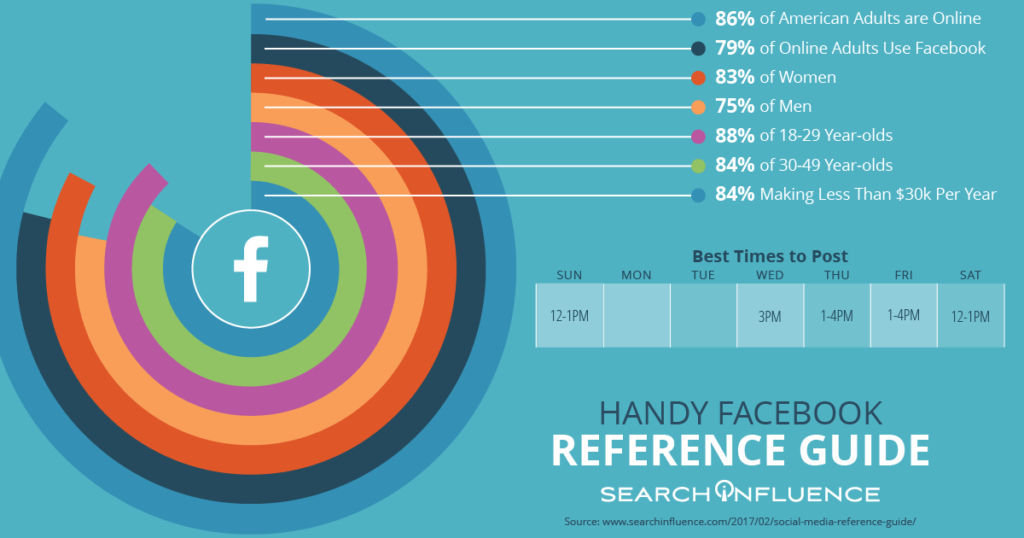
    79% of Online Adults Use Facebook

    The Pew Research Center has done a lot of work tracking the social media usage of American adults. Of all platforms, Facebook has a staggering reach among adults across demographics.

    Handy-Facebook-Reference-Guide - Search Influence

    Of these Facebook users, 76% check in every day and use Facebook as a way to learn about the news, local businesses, trending topics, and more. Facebook is truly on the way to becoming all pervasive, even among adults aged 65 and older.

    57% of Consumers Are Influenced by Online Information

    More than half of internet users surveyed said that they are influenced to think more positively of a business after reading positive reviews or comments about the business online. This means that creating a space for customers to give reviews and interacting with these reviews has tangible benefits and can convert potential customers that are lurking in the background of your social media.

    Social Media Ad Spending Has Hit $35.98 Billion – and Keeps Climbing

    Businesses are learning the advantages of using social media to market to their customers and using that knowledge to their advantage. Social media advertising is becoming the new normal, and we have abundant experience creating campaigns that convert. Contact us if you are ready to get started with paid ad campaigns for your institution or business.

    Sources:

    http://www.pewinternet.org/2016/11/11/social-media-update-2016/

    http://webbiquity.com/social-media-marketing/47-superb-social-media-marketing-stats-and-facts/

    http://www.pewinternet.org/2016/11/11/social-media-update-2016/

    http://coschedule.com/blog/best-times-to-post-on-social-media/

    https://www.emarketer.com/Article/Social-Network-Ad-Spending-Hit-2368-Billion-Worldwide-2015/1012357#sthash.eESedQLL.dpuf

    https://www.emarketer.com/Article/Facebook-Twitter-Will-Take-33-Share-of-US-Digital-Display-Market-by-2017/1012274#sthash.0WToy3rM.dpuf

  • Want to Grow Your Medical Practice? Here’s 4 Ways Facebook Ads Can Help

    A How-To Guide for Growing Your Practice Using Facebook Image - Search Influence

    The world is filled with many ways to advertise a product or service. Simply hoping that your message makes its way to the perfect target audience certainly isn’t the best practice to ensure that your medical advertising efforts are a success. For medical professionals, it may be particularly tricky to target those individuals in your practice’s geographic reach, specialty area, or even other physicians looking to refer their patients to another trusted healthcare provider. Though it can seem nearly impossible to reach the perfect audience through traditional mediums like television or radio, Facebook is continuing to provide proven results for advertisers in the medical realm. A rich and unique resource of user personal interests and behaviors, Facebook is truly a health care advertiser’s dream!

    Image Of Baby Making A Joke About Doctors - Search Influence

    Whether you’re a specialist or a general family doctor, Facebook has the right tools to not only narrow down your ideal patient but also present your service in a way that truly connects these individuals with the personalized healthcare you can provide them.

    Here are 4 ways to use Facebook ads to your advantage:

    1. Use Facebook Display Ads to portray real people and satisfied patients in your ads.

    Facebook Display Ads can be the perfect way to send your audience to important areas of your website using striking images and creative calls to action. When using these types of ads, appealing to more potential patients is key. Using photos of real people and happy patients not only shows the success of your practice but makes ads more relatable to the audience. Finally, Facebook allows you to utilize their call-to-action buttons to tell users exactly what you want them to do when they see your ad. Consider using “Contact Us” or “Learn More” to drive potential patients to convert to actual patients!

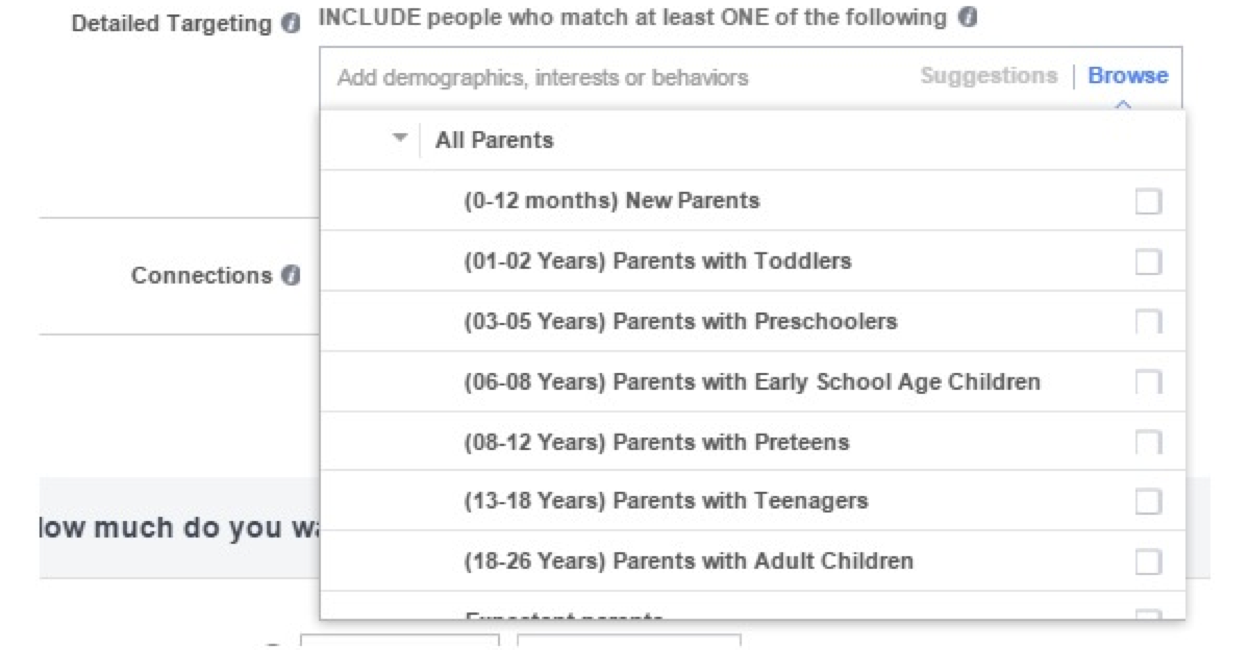
    2. Use Facebook’s ‘Detailed Targeting’ to your benefit.

    Facebook comes equipped with a number of targeting options that can be extremely helpful in identifying individuals that fit your target demographic. Everyone needs to see a doctor at some point, right? How about targeting people who have recently moved into your geographic area who might be looking for a new physician? You could also try targeting women who have recently become pregnant or seniors who might make more regular trips to the doctor.

    Picture Of Facebook Detailed Targeting Tool - Search Influence

    3. Referrals are your friend.

    Targeting other healthcare practitioners might not seem like the most effective idea at first, but using Facebook’s ‘Detailed Targeting’ to show your ads to other physicians or important referral sources always helps to keep your name at the tip of their tongue when talking to their staff and patients. Likewise, we all know that people seek advice on health care providers from their friends and family. It might be beneficial to target the connections of people who currently follow or Like your page. These tactics can only help drive more business!

    4. Don’t forget about HIPAA!

    It is always important to remember to follow HIPAA rules and regulations. When writing Facebook ad copy, never imply that you have knowledge about a sensitive health condition. Also, never collect or share personal information such as phone numbers or addresses. There are many successful ways to use Facebook ads to grow your practice that still align with HIPAA’s guidelines.

  • Get More Views on Your Company’s #Facebook Page

    The term “pound sign” has become obsolete and even deserving of ironic quotes these days. The “#,” now the almighty hashtag, is generally associated with where it originated: Twitter. The hashtag’s aim was to unify groups of individuals discussing similar topics across the social media platform. However, hashtag usage has now expanded to Facebook, and using them properly can guide more traffic to your business’s page.

    How Do Hashtags Work?

    The popularity of hashtags is still on the rise, and more and more Facebook users are typing in “#[insert topic]” to seek common ground with others online. Want to promote your nonprofit organization? When typed into a Facebook search bar, hashtags such as #nonprofit and #donate will lead to news articles, Instagram posts, and more that discuss these topics. Used appropriately, your hashtag can generate engagement among social media users who are browsing for a service that your company offers.

    Image Of Schmidt From New Girl Being Excited #Excitement - Search Influence

    #Don’t #Get #Carried #Away

    When deciding what hashtag seems the most appropriate, using a trending topic just for the sake of site traffic is a bad idea. If you’re looking to promote your law firm, adding #KanyeWest to a post would probably generate views, but ultimately would make your page look spammy —and desperate. Plus, doing so could result in ruining your online reputation. It’s also important to keep it short and sweet. Will Facebook users be typing in “#IneedatriallawyerinNewJersey”? Probably not. But #NewJersey and #TrialLawyer could certainly yield some positive engagement while sounding natural.

    Image Of Jimmy Fallon And Justin Timberlake Singing The Hashtag Song - Search Influence

    Facebook as a Search Engine?

    With Facebook generating around 1.5 billion searches per day, it’s easy to say that the platform is getting used as a search engine. With the proper use, hashtags can be excellent in online promotions and business news. However, too many hashtags can generate less traffic, so choose no more than two relevant tags per post. Once you’ve gotten a couple of trial runs with your hashtags, watch your analytics and see where the strengths lie. If a post’s views are going down as a result of your tags, try different ones!

    Photo Of Spongebob And Patrick - Search Influence

    Being clever with Facebook hashtags can enhance your business’s discoverability. Try inserting them into posts and let the results speak for themselves.

  • Top 10 Search Influence Blogs of 2016

    The year 2016 was filled with memes, the Olympics, superhero movies, and the election. You can bet, with over 46% of people now online worldwide, there were plenty of changes to online marketing, too. If you haven’t kept up, here are the top 10 blogs of 2016 to make sure your business is poised for the #bestyearever.

    Lieutenant Dan And Forest Gump At New Years - Search Influence

    1. What Happened to Facebook’s 20% Text Grid Tool?

    Our Internet Marketing Team Lead, Michelle Neuhoff Boyd, created this informative blog post that eased the confusion of Facebook’s 20% text grid tool. Find out how this new rule may affect your business.

    2. An Update: How to Get Rich (Answers, That Is) with Google

    Jim Carrey Typing - Search Influence

    Not rich with money, but with Google. Over the years, Google has changed their algorithm, and our team at Search Influence is making sure to stay on top of every change. Read this post from 2015 to learn more about rich answers.

    3. Getting Hands on With the New Google My Business

    Having a hard time understanding the new Google My Business? This engaging blog post can clear up any confusion on listings, editing, and more.

    4. Three Top Picks for The Big Idea at New Orleans Entrepreneur Week

    During New Orleans Entrepreneur Week, The Big Idea picked 10 entrepreneurs’ ideas in front of a large crowd, and everyone got to vote their favorite. See the top three picks that Paula Keller, our director of sales and marketing, enjoyed the most by reading this post.

    5. Email Marketing for Small Business: 9 Things Not to Do

    Find out how not to email your customers when just starting your business. Originally published in 2010 by a Search Influence Alumni, read all about effective email marketing.

    6. A Dentist’s Guide for Choosing Target Audiences on Facebook

    Jean-Luc Picard Star Ship Enterprise - Search Influence

    Ever wondered how to market your dentistry on Facebook? This guide will help you understand the most successful dental campaigns in the industry. You’ll know what age group and interests to target.

    7. Should You Be Using Google’s URL Shortener in Your Social Media Campaigns?

    Are you still unsure if you should use Google’s URL shortener? This blog post talks about the benefits of using their shortener, such as the URL analytics, redirects, ease-of-use, and more.

    8. Barnacle SEO – Local Search Engine Optimization for the Sam’s Club Crowd

    Will Scott, CEO and co-founder at Search Influence, published this post back in 2011. Learn more about the term Barnacle SEO and which sites to trust for small businesses.

    9. Nix the Wix SEO Challenge: Tips & Tricks

    This post from 2015 helps you make the most out of your Wix website by guiding you on the meta tags updates, sharing your site on social media, making your site visual, and more.

    10. 10 SEO Blogs You Should Be Following

    Do you want to read reliable SEO blogs? Here’s a list of the most informative SEO blogs that Monica Shariffskul put together. Many of these are on my top list, too.


    Be sure to subscribe to our Search Influence blog, and you’ll be the first to know when a new blog has been posted. Also, Happy New Year!

  • Google’s Ascent With User Experience

    Being found on the internet is essential to any business. We all know it, but few understand what it takes to be found. Luckily, there is an easy approach to beginning your own online marketing journey.

    Start by looking at Google, not as a search engine where businesses tirelessly compete to appear at the top spot, but as a user tool. Back in the ancient times of the internet, Yahoo had a $125 billion market cap, and Google was hoping to be acquired for $1 million. As time marched on, Google surpassed Yahoo as the number one search engine because of one key difference between them: the user experience. Google didn’t provide results promoting Google brands or its own material. Instead, it happily delivered the most relevant search results to the user. Results that took the user to a different website.

    While this may seem counter-intuitive—helping users leave your site and go to another—it has proved successful. Sure, users temporarily left Google by clicking on a third party’s link; it also guaranteed their return. Such a great user experience will entice anyone to return time and again for a similar experience. This is how Google surpassed Yahoo as the leading search engine, and it’s the best way for you to start your online marketing process.

    User Experience Vs. Design - Search Influence

    The lesson for you to take away as you embark on your journey is to put user experience first. When creating your website or content, don’t try to be overly fancy or technical. Start by making it simple and convenient. Websites become popular when users can easily navigate and find content that is relevant to their search. Don’t try to force your consumer into a Corvette when they are really looking for a minivan. Your customers will thank you when they can easily access your website, it loads quickly, and the information they are searching for is plain for them to see and understand.

    Going forward, as you build out your website, keep the consumer in mind each step of the way. How would you want to interact with the website of a business like yours? If you don’t know where to start, talk to the friend who doesn’t quite understand what you do. They can be your guide, explaining how they would want to navigate your site and their desired outcome. Use this to cater each step of the user experience to your actual users.

  • The Do’s and Don’ts of Content Syndication for SEO

    A few weeks ago, I received a question about the value of content syndication in marketing strategies. Because it’s one that I also asked when I first started at Search Influence and began learning about SEO, I wanted to actually address this question in a full blog post.

    The Magic Of Mobile - Search Influence

    What Is Content Syndication?

    Content syndication is the process by which a piece of content (blog, news article, graphic, video, etc.) is pushed out to other sources. You see this, for example, when online news outlets pick up press releases or other articles and repost them verbatim to their own sites.

    From a UX point of view, this can be a great way to increase your reach to potential customers. From an SEO point of view, content syndication can garner valuable backlinks and help to increase website authority. And from an overall marketing point of view, the efforts spent on syndicating content can also build great relationships with other websites and organizations.

    Backlink and Authority Building

    The process for syndicating content is similar to that of general link outreach and is for a similar purpose as well: to generate authoritative backlinks that, down the line, contribute to your own site’s authority. Coupled with the opportunity of increasing reach to your business’s original content, this can be a worthwhile tool in your marketing arsenal.

    The Caveats of Content Syndication

    That said, there is a right and a wrong way to syndicate content when it comes to SEO. Here are some things to think about when considering it for your marketing strategy:

    1. Duplicate Content

    Syndication is inherently creating duplicate versions of your content and putting them on other websites. In the case of written content, this can actually detract from your SEO efforts if done incorrectly. It’s important to understand the policies and practices of the websites you’re syndicating to and ensure they are declaring yours the primary version.

               Genie From Aladdin Multiplying - Search Influence

    This can be done a number of ways but the primary ones are:

    – Rel=canonical – This is a meta attribute that basically tells search engines that the page they are on is the same as another page. In this scenario, syndicated versions of your content will set your original URL as the canonical. For more information, check out Google’s own post on the rel=canonical attribute.

    – Noindex – This is a robots meta tag that tells search engines not to index a page at all so that it won’t appear in search results. Ideally, in this case, syndicated versions of your content will be set to noindex so your original post isn’t competing for rankings with them.

    2. Backlinks

    Remember to include an actual backlink to your content when syndicating. This can be forgotten when you get caught up in pushing your content out there or when syndicating images and videos. Ideally, this would go to the original content’s URL, rather than another page on your website.

    3. Site Authority

    This is an oft forgotten consideration when choosing a syndication site. Quality and quantity both have their place when creating your syndication strategy.

    In an ideal situation, if you were to get one backlink from content syndication, you’d want it to be from a site with the authority equivalent of Google itself, and you’d want it to have a follow link back to your website.

    But, we don’t live in an ideal world, so it’s important to keep in mind the actual authority of syndicating websites and find out if the links you’re getting are follow or nofollow. Check out this resource to learn a little more about the importance of follow and nofollow links.

    With all this in mind, content syndication can be a great opportunity for websites. But, like I said in my last post “The Importance of Content Marketing to Your SEO Strategy,” it doesn’t matter if you don’t have great content to start with.

  • Search Influence Year in Review: Our Top 10 SEO Blog Posts of 2016

    With this year drawing to a close, now is the time to reflect on the year and prepare for a successful and productive 2017. In keeping with this, we’ve highlighted our top SEO blog posts of 2016 to get you extra pumped for your New Year’s re-SEO-lutions.

    Image Of Happy New Year Script - Search Influence

    1. An Update: How to Get Rich (Answers, That Is) With Google

    In 2016, it’s estimated that approximately 40 percent of queries on Google resulted in “Rich Answers.” So what are these Rich Answers, and how can your website get selected for a Rich Answer on Google’s search engine results page (SERP)? This updated post gives you all the details.

    2. Barnacle SEO – Local Search Engine Optimization for the Sam’s Club Crowd

    3745255

    For small businesses with small budgets, the “Barnacle SEO” approach may have big payoffs. Learn how attaching yourself to the white whales of the SEO world can expose you to new markets and customers.

    3. Nix the Wix SEO Challenge: Tips & Tricks

    Sure, Wix is the uber-easy-to-use, code-free web developing platform for dummies, but just how well do Wix sites get along with search engine optimization? Thanks to these quick tips and tricks, it’s easier than you may think for Wix sites to play nice with SEO.

    4. 10 SEO Blogs You Should Be Following

    Fancy yourself a true SEO connoisseur? This list outlines all the insider blogs you should be reading to stay up to date on the constantly changing world of search engine optimization. Hey, even if you’re new to the game, resources like the Google Blog and MOZ Blog provide a plethora of information to get started.

    5. These 10 Expert Tips Will Drive Traffic to Your Business’s Website

    Driving traffic to your website means driving sales for your business. Our in-house experts share their insights when it comes to getting people in the online door. Hint: If you’re promoting on Facebook and publishing press releases, then you’re off to a good start.

    6. 5 Tips to Improve Local Search Rankings Even If You Don’t Have a Physical Location

    Many businesses are opting for prime real estate on the interweb instead of brick and mortar locations, but that doesn’t mean you need to sacrifice website optimization. Check out these five tips for increasing your ranking.

    7. Google My Business for Doctors: Visibility, Authority, & SEO

    Claiming or creating a Google My Business listing can have big search impacts for medical practices. Follow this step-by-step guide for single practitioner practices, multi-practitioner practices, and multi-location practices.

    8. Local SEO: How to Clean up Citations for Better SERP Visibility

    A citation is the presence of a business’s name, address, and phone number (NAP) on any website. The consistency and accuracy of your NAP across sites will improve your local SEO rankings. Learn the four basic steps to complete an effective citation cleanup.

    9. 12 Things You May Not Know About Online Marketing

    Are you ready to be shocked and awed by the amazing (and hard to predict) world of online marketing? Here’s a list of some of the things that caught our Search Influence team members by surprise when they were rookies in the game.

    10. The Importance of Content Marketing to Your SEO Strategy

    Content marketing is the bread and butter of your SEO strategy and, in many ways, the success of your brand. Are you telling a relevant and compelling story about your business? Are you targeting the right audiences? This post will help you answer these important questions.

    What better way to bring in the new year than with a new online marketing strategy? We hope these posts offer some helpful insights and maybe even a little motivation for a productive and optimized 2017.

  • A Day in the Life of an Account Manager at Search Influence

    Twitter Takeover Presley Broulliette

    With all of the great positions available at Search Influence, it’s easy to wonder what each department or each position does every day. Earlier this week, I took to Search Influence’s Twitter to break down what my day-to-day as an Account Manager looks like. Though each day is different, they all share a common theme: client communication, meetings, and managing my team.

    Responding to Client Questions

    Mornings always consist of answering emails. Each person on the Account Management team has clients from across all industries and locations, all of which communicate with us primarily through email and phone. I like to take the mornings to open up all emails, check for emergencies, and answer any questions our clients may have. It’s great to know that our clients are getting reliable customer service, as we strive to answer all requests within a 24-hour span.

    Search_Influence_Jobs Tweets

    One of my favorite aspects of being an Account Manager is getting to work with clients from all industries. On a daily basis, I talk to everyone from a plastic surgeon to a mortuary cooler provider! Our client rapport is incredibly diverse.

    Our Morning Whiteboard Meetings

    Every morning at 9:30, the entire Account Management Team meets by our whiteboard to go over metrics and tasks for the day. We also use this time for giving other members of the team “kudos” for being CHARGED.

    Paid Search Meeting

    On Tuesdays, members from all departments meet to talk about our paid search, or PPC, clients. This meeting is a great way to discuss successes as well as potential roadblocks in our campaigns.

    Paid Search Meeting Search Influence

    Managing Your Team: Weekly 1-on-1 Meetings

    The biggest difference when you are promoted from an only client-facing position to a management position is managing your team. One of the best things about being in a management position at Search Influence is being able to work closely with my team and watch their careers grow.

    In order to stay up-to-date with my team, their clients and any questions they have, we have weekly 1-on-1 meetings. This hour-long meeting is a dedicated time for my team to ask any client or career-related questions, as well as a time for me to follow up with any projects that are pending or in progress. This time isn’t specific to the Account Management position either—all departments at Search Influence have these dedicated 1-on-1 times!

    Other management duties consist of leading employee reviews at the 6-month and annual mark and reviewing my team’s tasks/projects.

    Wrapping Up Big Projects

    Search_Influence_Jobs Tweets

    After lunch, I typically dedicate my time to working on big projects. These can be client-related, internal, or team-related. I’m most productive in the afternoon, so this is the time that works best for me, but it’s different for all members of the Account Management team.

    Search_Influence_Jobs Tweets

    The project that I am most recently working on consists of revamping the presentation deck that we use when we kick off a new client. It was a great opportunity, and I’m so excited to see this project through!

    My Account Management Career

    Search Influence has been a great career experience so far within my almost three years here. Because I was hired fresh out of college (Geaux LSU!), I’ve worked my way up from Junior Account Associate to the management position I hold now. I’m thankful for the opportunity I’ve been given and would encourage anyone looking for a client-facing role to apply!

  • #NOLATech Week 2016: How To Drive More Traffic To Your Site

    In conjunction with NOLATech Week 2016, Search Influence hosted a workshop to help support small businesses in their online marketing efforts. Paula Keller and Mary Silva presented on how to boost your local search rankings and ways to drive traffic to your website respectively.  

    Paula Keller’s “How To Boost Your Local Search Rankings”

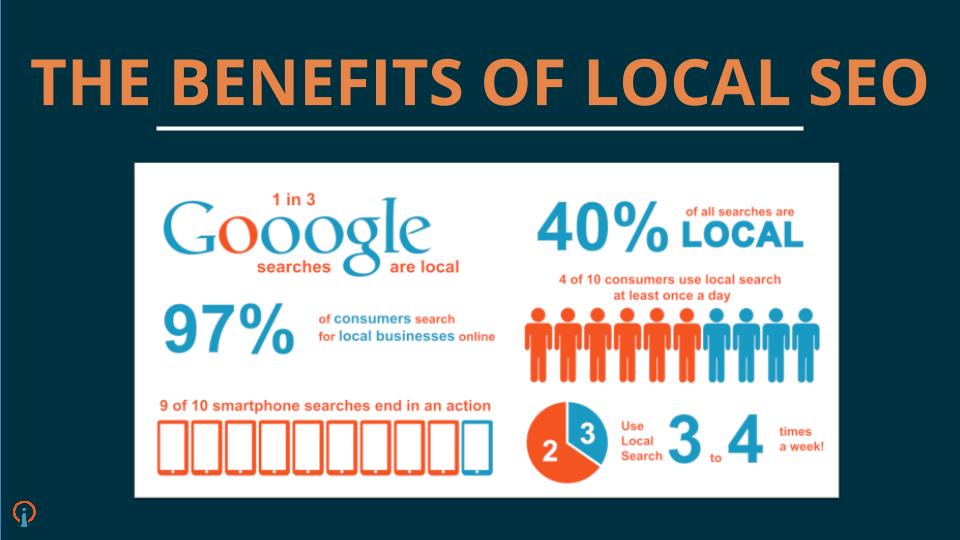
    Paula’s “How To Boost Your Local Search Rankings” presentation took the audience through what types of businesses benefit from local SEO efforts. It also detailed the different types of Google My Business pages and how to use them. With the insight from Paula’s presentation, business owners can better understand how to optimize their business both onsite and offsite to gain better local search rankings.

    search-influence-university-how-to-boost-your-local-rankings-10-11-2016


    Mary Silva’s “10 Ideas To Drive Traffic To Your Website”

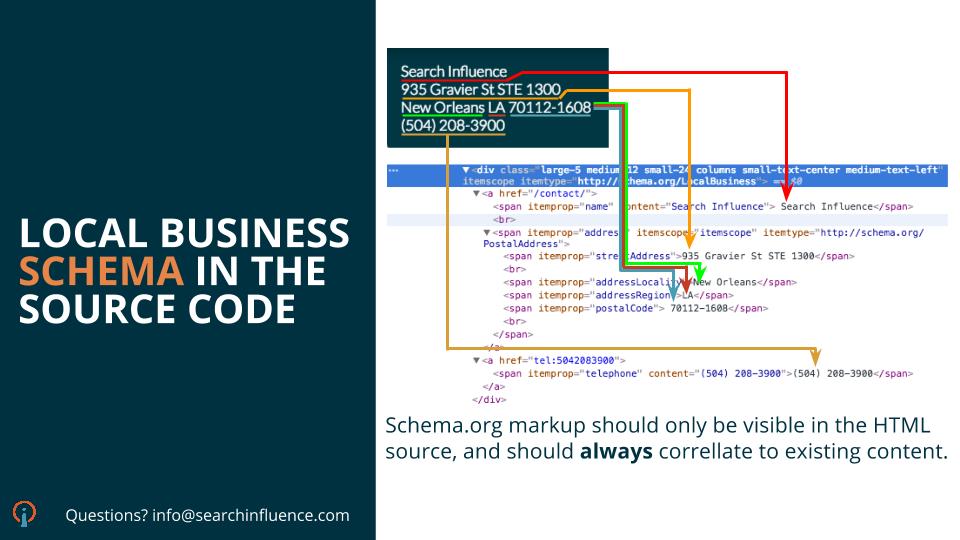
    Mary’s “10 Ideas To Drive Traffic To Your Website” presentation tackled concepts that influence your site’s user experience and actionable ways to help improve traffic to your site. It covered topics ranging from highly technical concepts like Schema markup and Google Search Console Analysis to less laborious efforts like directory and authoritative link earning. She explained how to use Schema.org rich snippets to create more engaging search results for your website on Google. Her presentation also went into detail on how to use social media efforts effectively to not only post but also promote engaging content like infographics. “Think of your online marketing efforts as a service,” said Mary, Internet Marketing Team Lead at Search Influence. “We know our users, and we’re getting them closer to their end goal faster. Make your overall goal to give users a cleaner, better experience and make users lives easier. ”

    search-influence-university-10-ideas-to-drive-traffic-to-your-website-5-26-2016

    In utilizing some of the tips and tools explained in these two presentations, guests could help increase their business’s online success in many ways including, but not limited to, improved visibility in local search results and increased traffic to their sites.

    For more information on the event, visit townsend.bunksite.com/ or contact the office directly at 504-208-3900 or Search Influence, 935 Gravier St #1300, New Orleans, La. 70112.