Tag: link building

  • Disavowing a Backlink: When Is It Okay to Say Bye Bye Bye to a Backlink?

    If the internet was high school, websites would be the students and Google would be a top of the line, elite institution. Think of Google’s search engine algorithm as their admission’s department because it decides which students (websites) are worthy of being apart of their academy (The Top Search Results).

    Keeping with this analogy, one of the ways The Top Search Results’ admissions department decides which students to let in is letters of recommendation, aka backlinks. Letters of recommendation from prominent, trust-worthy people put a nice polish on any application, right? On that same note, letters from sketchy people or from yourself can have a negative effect. No letters at all… Well, you get the point.

    Thinking of backlinks as letters of recommendation is an excellent way to simplify a multifaceted part of SEO because that’s how search engines treat them when deciding which websites are most authoritative. Backlinks from reputable, popular sites (e.g. CNN.com, Forbes.com, Rollingstone.com) can do wonders for your domain authority and keyword rankings.

    A backlink from a spammy site can have the opposite effect.

    Although you can’t control who/what links to your site, you can disavow an unwanted link. Disavowing a link lets Google and other search engines know that even though a site is linking to yours, you have no association with it.

    Disclaiming a backlink can do wonders for your SEO because it pulls out associations that could be hurting your rankings, and it makes backlinks from authoritative sites stand out even more. If you let link-building-professional Liam Cook tell it, “Link disavowing is almost as important as link-building for SEO.”

    The trick (because there’s always a trick) comes in deciding which backlinks are harmful enough to your domain authority that they need to be disavowed. To help you out, here are a few good reasons to think about disavowing a backlink.

    Gif from the film The Hangover

    1. The link is coming from a spammy site

    If you find that a link to your site has ended up on a spammy site, it is probably best to disavow the link right away. How can you tell that a site is spammy? According to Hamish Fitzhenry, three telltale signs are:

    • Having tons of links on one page
    • Taking a really long time to load
    • Having an abnormal amount of pages and links that 404

    Cameron Conaway, one of Klipfolio’s senior marketing managers, says that a red flag for him is if the anchor isn’t in English.

    However, if it is too hard to tell just by looking at a site, you can always check its Spam Score. As defined by Moz.com, a Spam Score is the portion of a site with attributes that are typically “penalized or banned by Google.” It is believed that a backlink from a site with a Spam Score that’s higher than 7 can raise the Spam Score of the receiving site.

    2. The Link Isn’t Relevant to Your Industry

    Let’s return to the analogy we started with.

    Imagine that your application to The Top Search Results is impeccable. And then… admissions goes to read your letters of recommendation. You have two superb letters from Barbara, who runs a flower shop in your hometown, and your cousin Joey, who you babysat one summer. But none from academic relationships like past teachers or principals.

    The two letters you have may be great, but they won’t be that helpful because they’re completely unrelated. The same thinking can be applied to a site’s backlink profile. If a website for used cars has a backlink from Foodnetwork.com, that could be a red flag that something isn’t right, so it’s worth checking out. Evaluate whether or not the backlink is organic and makes sense. It’s worthy to note, though, that an unrelated backlink probably won’t be from a recognizable website like Foodnetwork.com; it’ll likely be a domain that you’ve never heard of before.

    (On a similar note, you should also think about disavowing backlinks from sites that are linking to URLs that you’ve removed from your site.)

    3. The Link Isn’t Organic

    Google values authenticity. It likes to keep it real (in this case). If a link wasn’t honestly earned, you may want to think about disavowing it.

    Show us the real you gif

    If a large percentage of your backlink profile is comprised of inorganic links, tread carefully. You’d do well to remember these words by Justin Metros: “The long term gain for positive SEO isn’t the number of backlinks you have but the quality of backlinks. Get rid of anything questionable.”

    How Do You Keep a Handle on Your Backlink Profile?

    Once you clean up your backlink profile, implementing a plan that will keep it squeaky clean will save you time in the future. You can use one of these backlink monitoring tools.

    Majestic Bulk Backlink Checker

    Majestic.com’s Bulk Backlink Checker is a subscriber-only service that lets users check 400 to one million URLs (depending on how you upload them). The program offers metrics like “Trust flow,” “Citation Flow,” and the number of NoFollow links on a site.

    Ahrefs

    Ahrefs’ Backlink Checker “has the second most active web crawler after Google.” This platform offers URL metrics like the total number of backlinks, “Domain Rating” and “URL Rating.” It also offers a Backlinks report, which shows users every single site that links to theirs.

    SE Ranking

    SE Ranking uses Google Webmaster Tools data to show users their backlinks. You can use it to monitor your backlink profile and disavow links using a file the site will generate for you. This service comes with a small monthly fee, but the tool also allows you to track your site’s keyword rankings, do a website audit, and generate keywords.

    Deciding which backlinks to disavow is no easy feat. So, here’s one last piece of advice from Mike Kawula, the CEO of Social Quant who also was named as one of the Top 100 Marketing Influencers in 2017: “My biggest piece of advice on deciding whether to disavow a link pointing to your site is to be sure SEO is your area of expertise. If it isn’t, either hire someone to handle it for you or bring on a contractor who specializes in this area.”

    Luckily, Search Influence has a team of SEO experts who can help you develop a comprehensive backlink strategy. To learn more about our SEO services, call (504) 208-3900 or schedule a consultation.

    Images

    The Hangover

    The real you

    Workers

  • What Are Good Backlinks Vs. Bad Backlinks?

    Backlinks are one of the many components of behind-the-scenes SEO strategy. A backlink is essentially a link on a site that leads users to a different site. Think of backlinks as a continuous chain that links websites to one another; some chains are firm, strong, and reliable (good backlinks) and others are rusty, neglected, and not doing their job (bad backlinks).

    The Role of Backlinks in an SEO Strategy

    Before diving into the nitty-gritty of backlinks, let’s differentiate between backlinks and internal links. While both sound similar and have substantial SEO value, they play different roles. An internal link is clickable text (a.k.a. a hyperlink) on your site that leads to another page within your site. We go into more detail about internal links and their juicy SEO power in our past blog post. (See? I just made an internal link!)

    A backlink is a hyperlink that lives on another site and links back to yours. WPBeginner points out that backlinks are one of the many tools used by search engines to calculate search result rankings. (And just like that, I gave a backlink to WPBeginner’s site!). Think of backlinks as an approving nod from one site to another. When used correctly, backlinks acknowledge the authority of another site.

    Dr. McCoy and Captan Kirk nodding in agreement about backlinks

    Google has used backlinks as a ranking signal for keyword searches for almost two decades. Google didn’t really differentiate between the quality and quantity of backlinks until their Penguin algorithm update rolled out in 2012 to closely monitor backlinks and prevent spammy “black hat” SEO backlink tactics. This update gave the SEO world a clearer picture of what Google considers legitimate backlinks that actually add to sites’ authority. Now, the strongest backlinks come from authentic, well-known sources, such as newsworthy press releases, trusted editorials, news articles, or webinars.

    For the sake of consistency, we’re going to focus on Google’s backlink policy and how sites are affected in Google search results in the remainder of this post. Because backlinks can have a significant impact on search rankings, we’re going to explore what separates strong backlinks from rusty ones.

    What Is a Good Backlink?

    A good backlink is a relevant outbound link to a trusted, authoritative site. Generally, a site is viewed as trustworthy if it has lots of strong backlinks pointing to it. Google views these backlinks as one way to confirm that your site contains helpful, quality content.
    New call-to-action
    Now, let’s break down some key factors of a good backlink.

    It Comes From an Authoritative Site

    Earlier we mentioned that a backlink should link to an authoritative site, but what exactly does this mean? An authoritative site provides trustworthy, well-sourced content that is updated regularly. It’s considered an expert in its field. For example, readers interested in sustainable building requirements may read multiple online blogs or articles on the topic, but they would likely consult the Environmental Protection Agency’s site, epa.gov, to reaffirm this information and treat it as the most authoritative source on the topic.

    Not all quality backlinks have to come from a source as renowned as the EPA, but keep in mind similar characteristics when searching authoritative sites.

    The Anchor Text Is Specific

    Hyperlinking to a page with clear, specific anchor text is a big win for both the user and search engines. Concise anchor text will give users an idea of where this link will bring them if they choose to click on it, while search engines will use the keywords in said anchor text to figure out the topic of the page it lives on.

    Let’s put this advice into action—which anchor text would you feel more comfortable clicking?

    1. Click here!
    2. Dive even deeper into why anchor text matters in backlink strategies.

    I hope you went with number two.

    Barack Obama gif related to importance of anchor text in backlinks

    It’s Relevant to On-page Content

    Backlinks aren’t just there to take up space and serve as an SEO metric—they should enhance the reader’s experience. Backlinks need to be relevant to the content they’re in and actually provide supplemental information. Think of it from the reader’s perspective—backlinks won’t add any value if they’re bringing readers to completely unrelated sites.

    Google aims to provide users with helpful, rich content that answers queries. Unrelated, distracting backlinks just get in the way of that. Google considers relevant backlinks to be much more valuable than a backlink from a random, unrelated site. A dermatology clinic site that links to a used car Q&A forum would probably send a red flag to Google (and also confuse readers browsing the site).

    What Is a Bad Backlink?

    Don’t let anyone tell you any backlink is a good backlink; it’s simply not true. Since Google focuses mostly on quality over quantity, they track and evaluate backlinks to flag potentially spammy practices.

    Here are a few clues that a backlink may be rusty and untrustworthy.

    They Come From One Site

    The well-known saying “variety is the spice of life,” may not be referring to backlinks, but it’s a mantra we can use here. If a site has a plethora of backlinks, but almost all of them come from one site, this will look spammy to Google. You should actively strategize to build strong backlinks from a range of relevant sites.  

    It’s Hidden or Paid

    Yes, a hidden backlink is basically what it sounds like—it is invisible to a user and Google. Sounds sketchy, right? It is. A backlink that is hidden—whether by manipulating text and background colors or hiding the link in a punctuation mark—is a “black hat” SEO strategy that clearly defies Google’s best practices.

    Gif of Homer sliding into bushes after violating Google's linking policy

    Paid backlinks are a grey area because some methods of paid links are viewed as legitimate. Just because a link has been paid for doesn’t automatically mean it’s bad. Since this a gray area, you should be highly selective with paid methods. If the site’s content is related to your industry, you won’t be penalized for paying for ad space. Paid directory business listings are also fine, as long as they’re reputable.

    It’s Sourced in Spammy Forum Comments

    New call-to-actionThis relates back to the importance of backlinks being relevant and actually helpful to readers. Linking back to your site from off-topic discussion forums just for the sake of a backlink will look suspicious. Like most things in SEO, the intent of posting links to forums may have originally been authentic, but this strategy can too easily turn from trustworthy to spammy.

    Acquiring Good Backlinks and Ditching the Bad

    Congratulations, you’re now armed and ready to differentiate good backlinks from the not-so-good! Because strategic link building is so effective for search rankings, it can be one of the most challenging SEO strategies. But great news—you don’t have to do it alone! Search Influence can help increase your website’s authority by building a strong backlink strategy that’s relevant to your business. Our range of SEO services can also help increase your online presence and ability to reach customers. Let’s start a conversation about how we can help you.

    Images

    Lock and chain

    Star Trek

    Barack Obama

    Homer

  • How Small Businesses Can Build Quality Backlinks in 2019 and Beyond

    A man drawing a graph representing backlink growth through Search Influence in New Orleans, LA

    Backlinks have traditionally been one of the most important ranking factors in Google’s mysterious SEO algorithm. So what exactly is a backlink, and why is it important? A backlink is simply a link on someone else’s site that leads to your site. Google values them because your site must be reputable and authoritative if lots of other sites value your content enough to share it. The classic ways to acquire backlinks can still be useful, but the landscape of link building is changing.

    What Makes a Good Backlink?

    The main thing about link building is that quality and quantity both matter. Google values links from sites with strong domain authority (think national sites that everyone in your niche has heard of) and relevance to your industry. For example, if a small business gets a backlink on The Wall Street Journal, they’re getting a top-notch link. That being said, a handful of great links won’t necessarily outweigh hundreds of decent links. For SEO purposes, a “follow” link is better than a “nofollow” link, as nofollow links are not technically backlinks. However, while they shouldn’t be a large focus of a link-building campaign, nofollow links help with branding and shouldn’t be discounted.

    A hand drawing a graph from current to target representing goal setting for Search Influence in New Orleans, LA

    Beware of Spammy Link-building Tactics

    Before Google’s Penguin algorithm update, the quantity of backlinks was most important, so businesses invested tons of money in “black hat” link-building tactics that placed backlinks on random sites with software. Though some sketchy SEO companies still employ software to build links, Google is not only aware of this tactic, they will actively punish a business’s rankings if they find that most of their backlinks are bought.

    The Penguin update came out in 2012, so the “quality over quantity” issue is well known throughout the SEO world, but many small businesses or recent start-ups aren’t aware of it. If you are paying a company to build backlinks for your site with software or other black hat methods, you are paying to penalize your search engine rankings.

    What Are the Tried-and-true Ways to Build Links?

    Building quality backlinks isn’t an easy task—that’s why links are still highly valuable in Google’s algorithm. These link-building strategies have been covered ad nauseam, so we won’t go into too much detail here. Most of the ways to get links back to your site start with an outreach campaign to other website owners and businesses.

    A woman on a laptop representing the backlink strategies at Search Influence in New Orleans, LA

    One of the simplest ways to find a potential backlink is searching for business mentions of your site that are unlinked and asking the site owner to add a link. Another straightforward tactic is to use competitive research, wherein you find who links to your competitors’ sites and target those businesses with your outreach campaign. A similar strategy, which we’ve already delved into, is to search for broken links on relevant sites and either ask them to replace the broken link with one to your own content or point out the error and ask for a different backlink on the page.

    How Do I Build Backlinks in 2019 and Beyond?

    The digital marketing industry received confirmation that SEO trends are changing when Moz published their survey of 2018’s local ranking factors, which found that interacting with Google My Business is one of the most important factors in Google’s local ranking system. So while this may mean that backlinks hold less value than they have in the past, link building is still crucial to a well-rounded SEO plan, as we explained in our analysis of Moz’s survey. The traditional methods of link building still apply, but, in today’s world, businesses need to remember that…

    Content Quality Is King 

    Link building nowadays relies heavily on getting people to share your content, and the main way to get people to share your content is—wait for it—to have great content that people want to share.

    An image of someone pantomiming their mind being blow at Search Influence in New Orleans, LA

    So, then, what qualifies as great content?

    One of the biggest factors for Google, and your audience, is that your content meets Google’s E-A-T guidelines. This means that your content demonstrates expertise, authority, and trustworthiness. It should thoroughly cover the topic and answer your audience’s questions, especially because most people find sites through indirect queries. In addition, useful content that draws people in is one of the main principles of inbound marketing. There are some more specific tactics to create fantastic content, but the main goal is that it helps your audience with their pain points.

    Once you’ve got high-quality content, how do you get people to share it?

    Include images or video. Articles with an image receive up to 94 percent more views than plain text articles, and social media posts that include an image or video get up to 10 times more engagement than content without one. Of course, you need to find a good image to include. You should also focus the content on channels targeted to your audience (so making your content easily shareable on Instagram is going to be different from posting it on YouTube).

    It should go without saying that you should share your awesome content on all of your social media channels (and get your friends to do so, too). However, sitting back and hoping it goes viral and is featured on Ellen isn’t exactly practical. You need to build networks with influencers in your niche, reach out to them, and ask them to include a link to your content.

    Optimize Your Outreach Strategy

    The businesses that you target for your link building campaign should find your content useful—as in, their audience will find it useful. You need to demonstrate to them why it’s worth their while to share your content or link to your site. And, while it’s best to have backlinks on websites with strong domain authority, don’t ignore smaller businesses that are relevant to your industry. Smaller businesses may be more likely to include your link in their content, and any backlink will help build brand awareness, which is a growing part of modern SEO strategies.

    A man at a desk representing the marketing strategies of Search Influence in New Orleans, LA

    Don’t Be Impersonal

    No one wants to read spam emails, and if your outreach emails have obviously been carbon-copied and sent to 200 people, it’s likely that the recipients won’t want to take their time to help you. Sending emails to tons of people does take a lot of time, so it’s fine to use the help of a template, such as these from Hubspot. But you should still make sure that the contents of your email are specific to the person you’re sending it to. Better yet…

    Find Content on Their Site That Could Use a Link to Your Content

    You’re going to be more successful building links if you find a specific article that would benefit from including your link in it, rather than just sending an email saying “Hey, I wrote this. Can you stick it on your site somewhere? Thanks!”

    Let’s say you’re a smoothie company, and you’ve written an amazing, super-detailed article about the nutrients in common smoothie ingredients. After scoping out businesses that would benefit from this information, such as a nutritionist’s website or a lifestyle blog, see if they have any pages that relate to your article. Maybe you find a parenting website that has a blog about making sure kids are getting enough vitamins from their food, and you know that your article would provide helpful additional information. The writer will likely be more receptive to including your link because you’ve shown them exactly where it should be on their site.

    Reciprocate the Link Love

    Website owners love seeing their name and work out there as much as you love seeing yours, so including relevant links to another business’s content on your own site is a great way to open the door. At the very least, they are more likely to share the article and could help create a partnership. You can offer to guest blog and invite them to guest blog on your site. You can even syndicate your content to get the most out of your work while maintaining a good relationship with influencers in your field.

    Link-building Tips for Local Businesses

    A local business owner representing the local seo services of Search Influence in New Orleans, LA

    To bolster their local SEO strategy, small businesses need to ensure that they create brand awareness, both on- and offline. You should build relationships with other related businesses. For example, a restaurateur could reach out to a local farmer’s market. Try to go even further and create strategic local partnerships, where you and another business leave reviews on each other’s sites and share each other’s content. You should also network and reach out to influencers in your industry.

    Link building can be one of the most challenging aspects of boosting your search rankings, but it doesn’t have to be. At Search Influence, we can help you find the right link-building strategy through both tried-and-true methods and by creating quality content to build brand awareness. If you’re ready to take your link building to the next level, start a conversation with one of our SEO experts today.

    Images:

    Mind Blown

    Internet, So Helpful

    No, Thanks

  • Why Link Building Is Important for Dentists

    Why Link Building Is Important for Dentists

    Another Day, Another Molar

    Up until last year, I had gone to the same dentist since I developed my first tooth, maybe before. Once a year, I would visit the office, get a nice teeth cleaning, and pick out a prize. I might be in my twenties but, dangit, I like prizes.

    When I moved to New Orleans, I had to start all over and find a new medical “squad” to take care of me. I didn’t mind a new doctor (urgent cares, amirite?), but I was worried about finding the right dentist. Will I like them? How much paperwork will I need to fill out? Do they let “children at heart” get prizes?

    Is This Real Life? David Gif

    To find a new dentist, I first asked people around the office: “Do you like your dentist?” and “How did they fix your cavities?” I asked people who I trusted and some people who I didn’t trust but had nice teeth. After a few word-of-mouth referrals, I ended up turning to the internet to read reviews, rankings, and credentials.

    Many practices used to grow solely on word-of-mouth referrals, and while referrals from family and friends still provide a direct path to your dental chair, the internet’s influence on how patients find new dentists is growing. If trends continue, more and more patients will find their new dentist on search engines. To increase your practice’s visibility and rank high on SERPs, you need an SEO campaign.

    Which brings us to link building. If you are struggling with business outside of personal referrals, I have a solution for you! If your patients have grown up and moved cities, I can help you out! If you give prizes out to adult patients, let me lend you a hand!

    The Wisdom Tooth of Linking

    Linking is the SEO equivalent of a personal referral. Search engines are like busy bodies: They interact with every website, and the more your site interacts with other sites, the more trust and authority your site will receive from search engines. But how do you get your site to interact with other sites? How do you build trust?

    To find new patients, you need to interact, or link, with industry websites. Sites like HealthGrades and RateMDs are specifically for medical professionals. These websites require verification information such as license numbers, which is why search engines trust them. These sites also allow users to post reviews for their dentists, creating another platform for interaction between you and your patients. (If you want to learn more about the benefits of reviews and how to get more from your patients, check out this blog post by a friend or this blog by yours truly).

    There are also sites specifically for the dental industry, such as Every Dentist. You can create a profile, get links, and build even more trust and authority for your website. When a patient searches “dentists,” links from specific dental sites tell search engines, “Hey! I’m a trusted dentist!” The search engines, in return, will give your site a higher ranking.

    So, if you want to get more patients, get to linking! Who knows? I could be your next patient. I promise I won’t lie about how much I floss…

    And That's the Tooth Simpson Gif


    Gif 1 Credit |  Gif 2 Credit

  • YUUUGE Link-building Opportunities for 2016 and Beyond

    In the SEO world, we say, “a link is like a vote.” The idea being the more links you have, the better. There was a magical time when it didn’t matter where the links came from or how many links came from one source. In a sense, all votes were created equal, and they were all beneficial.

    In recent years since the rollout of Google Penguin, that theory doesn’t really stand up anymore. Today, links are still like votes, but they’re similar to votes in a presidential election. Think of the electoral college, celebrity endorsements, and loyal campaign supporters.

    1603-SI-Newsletter-0331-KG-C-02

    Your Website Is a Presidential Candidate

    Every day, you and your competitors are trying to win the race for #1 on Google. A great way to do this is to build a diverse backlink profile. Every time another website links to you from their site, it’s basically an endorsement from them that tells Google, “Hey, I know this guy—he’s my friend. You like me! You should like him too!”

    Win the Electoral College, Not the Majority

    While it’s great to get links from as many sites as possible, it is important to know that links from some sites are better than links from others. For example, it’s better to get all the votes from Ohio and California than from Puerto Rico and Alaska. The same is true for the links you get from other sites. The more authority, trust, and clout a site has, the better links from that site will help transfer that authority to your site.

    A diverse link profile is important as well. This means in order to boost your site authority, you can’t only get links from sites like California and Ohio. It is important to put in the work and get links from sites like Texas, Florida, and New York, too.

    24643522420_30e914a00f_k

    How Do I Do This?

    First, you need to be able to identify what sites are and are not authoritative. For example, websites that end in .org or .edu are golden. These are your Ohio! You want links back to your site from sites like these.

    Second, you need to find ways to obtain links from these sites. Does your business sponsor or support any local community groups? If so, ask them to add your business as a sponsor on their website and include a link back to your site. You can do the same for any local charities your business supports too! Think of these links like an endorsement from a well-liked, non-controversial celebrity. Has your business been featured in the news recently? If so, reach out to them and ask for a link back! These are great links, and these endorsements will help you win that first-place spot in the search engine results.

    Third, don’t forget about basic guaranteed links. These links are like loyal supporters on the campaign trails and will help you get the top spot in the search engine results. This includes links from directory sites like yellowpages.com or niche directory sites specific to your industry like locateadoc.com. The more links from different sites, the better. One link from one site might not earn you the victory like a celebrity endorsement, but a lot of these from a lot of different sites really add up.

    Lastly, avoid links from sites that can harm your site. Just like a bad endorsement from a hate group or controversial celebrity can harm your chances of winning the top spot, so can links from spammy, irrelevant sites. Ask yourself these questions: “Is this relevant to my business? Does it make sense to have my business listed on this website?” If the answer is no, don’t do it. For example, if you don’t sell designer purses or male enhancement pills, don’t let them link to your site.

    24120120029_54ebe1d8ba_k

    You Can’t Buy Votes, and You Can’t Buy Links!

    If you’re offered a too-good-to-be-true offer like 10,000 links for $1,000, or whatever bogus links are going for these days, don’t do it! I repeat, don’t do it! Just like true votes can be hard to win in an election, so can natural backlinks to your site. It takes time to build a diverse backlink profile, but the reward is much greater than getting caught link farming by Google. Just like a shady politician, once your dirty dealing is found out, you’ll get slammed with a manual action, you may never be able to fully regain trust, and you’ll officially lose out on the #1 position.

    When in doubt, trust the reputable experts to guide your business. Just as an experienced campaign manager can take a presidential candidate to win, an experienced SEO company can guide your business to the #1 position in the search engine results. It will be YUUUUGGEE!

    Image Credits:
    Google Logo Image
    Hillary Clinton Image
    Donald Trump Image

  • Five For Fridays: How To Get Yourself an Assistant, Get Rid of Spammy Links, and Go Evergreen!

    Screen Shot 2014-12-17 at 3.26.46 PM

    1. Think Like a User – Search Engine Land

    Sometimes we can get so caught up in trying to get attractive links that we forget why we are writing a piece of content in the first place. We try so hard to get people to read it that we fail to remember who it’s for. In one of her latest columns, Julie Joyce describes the importance of thinking like a user when trying to integrate links to our content. She gives us tips of where users really want links and how it could be helpful to go offline to see things from a different perspective.

    2. Go EverGreen! – Search Engine Land

    Why is it that some pieces of content seem to get more traffic year after year, while others die away to Internet uselessness? Neil Patel shows us the benefits of incorporating evergreen qualities to your content. These qualities can help your content continue to gain traffic and readers regardless of how long ago it was published. Even though it might take some ongoing work, he stresses the importance of relevance and quality so that your content can be seen for ages.

    Screen Shot 2014-12-17 at 3.42.31 PM

    3. Penguin, What Have You Been Up To? – Search Engine Land

    There has been a lot of debate about what magnitude the new Penguin algorithm update is going to have. In this article, Philip Petrescu shares data on Penguin’s latests impact. His data shows the effect the algorithm has had on low ranking websites and how it’s affected other countries of the world. He argues that the impact the algorithm has had depends on the rankings you currently have, the industry you are in, and who you’re competing against.

    GoogleNow

    4. Say Goodbye to Spammy Links – Moz

    Recently, Marie Haynes wrote a handy guide on how to use Google’s disavow tool. Even though this tool has been around for a while, it can still be confusing to use. With the constant updates Google is doing on its algorithms, it’s imperative to be on top of getting quality links to your site. This guide shows a step-by-step process to get rid of those spammy and unnatural links that are pointing to your website.

    5. Stressed at Work? How About a Personal Assistant – Mashable

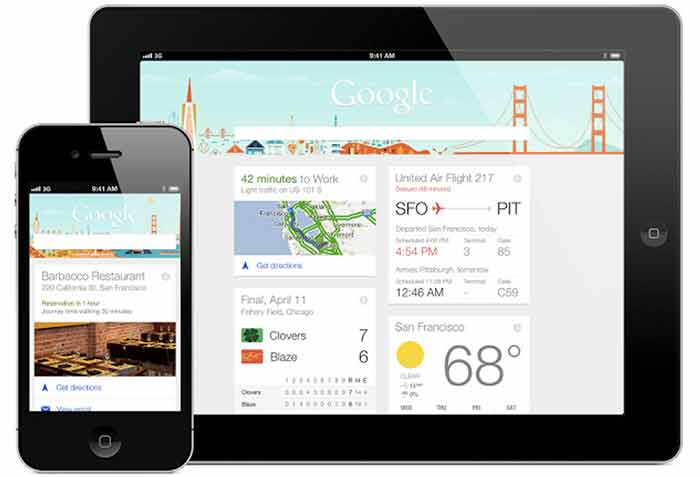
    In this hectic world that we live in, most of us could use a little help. I know that I would love to have my own little minion. These five apps are here to become your own digital personal assistants. They can help you get organized, check the best route to work, store boarding passes, remind you of tasks, vocalize your social media feeds, and much more. Who would you hire as your virtual assistant?

    Image Sources:

    Thanks to Bill Selak for the number five image, Maria Sarfraz for the Google now image, and Splatito8127 for the Sequoia National Park image.

  • Five For Friday: Google Language 101 – Metas, SEO, & Link Building Without Content

    12507215604_e7408e02c4_z1. Link Building Without Content Creation  – Search Engine Journal

    A common misconception about link building is that content creation is a necessary part of it. While new content certainly helps, Jon Ball recently posted an article arguing that updating content is not always necessary, especially for small businesses that lack the resources to invest in new content. Small businesses, he claims, shouldn’t dismiss link building just because they think it is too costly or time-consuming. Fortunately, Ball offers five link building approaches that do not require content creation.

    2. Google+ Finally Lets Us Pin Posts! –  Marketing Land

    Finally, Google+ users can highlight certain posts to make them stand out. Early last week, Google+ announced that users can now pin posts to the top of their pages. Google+ is a little late on the trend, as Facebook and Twitter have already offered this feature to users. So far, Google+ pinned posts are only visible on a desktop or Android device. What does this mean for businesses? With this new feature, you can increase the visibility of posts you want your users to see.

    3. 2015: Over Half of Search Spending Goes to Mobile – Marketing Land

    5143183460_944dd8ac97_z

    A new study conducted by eMarketer shows that in 2015, spending on mobile paid search ads and SEO is predicted to be at 50.1%. This is due to a change in consumer behavior, which has veered away from searching on desktops to show a preference for searching on tablets and smartphones.

    4. Caution: Don’t Ignore Meta Descriptions – Search Engine Land

    Google has continually stated that meta descriptions do not impact search engine rankings, which has led many people to disregard them. However, Neil Patel argues that these descriptions are still important. While the content in a meta description is not considered in Google’s search ranking algorithm, the click-through rate (CTR) is part of Google’s search ranking algorithm. Instead of ignoring meta descriptions, businesses should write optimized meta descriptions to increase CTR and overall site rankings.

    5. Five “Googley” SEO Terms Explained – Search Engine Watch

    Misunderstanding search industry terms could cost you an entire SEO campaign. Kristine Schachinger discusses five commonly misunderstood Google terms that can lead to negative implications in the long run. In Schachinger’s opinion, the most commonly misunderstood Google terms are:

    1. Robots.txt
    2. Google DNS
    3. Penguin, Panda, Penalties
    4. Duplicate Content Filter
    5. PageRank

    To avoid accidental negative SEO implications, she offers the correct definition and usage for each commonly misunderstood Google term.

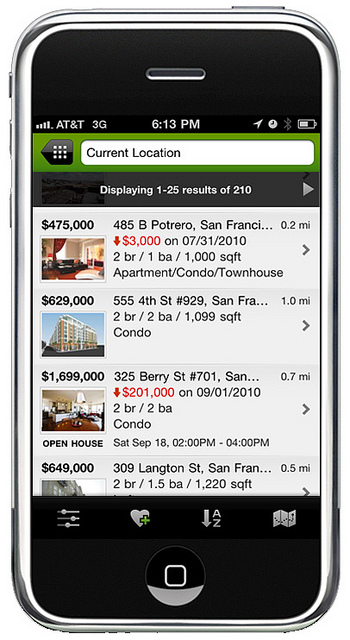
    Thanks to Christopher Sessums for the blue five and Trulia for the mobile app images!

  • A Tale of Two Strategies: PR & SEO

    MozPrandSeoImageLast month, I sat in on a webinar with a few fellow Influencers about how to integrate PR into SEO strategy. Given that I used to work in PR and am constantly looking for ways to combine the two industries, attending this was a no-brainer.
    Integrating SEO & PR Best Practices

    Samuel Scott, Senior Director of SEO & Digital Marketing at The Cline Group in Tel Aviv, took us through how to best integrate SEO and PR best practices into a holistic, integrated marketing strategy. After all, traditional public relations is the best way to build brand awareness and earn quality, authoritative backlinks – the SEO dream.

    Authoritative Link-Building

    “If I had to choose between your average link builder and an expert PR professional, who knew how to approach and interact with media outlets and presented well on camera, I’d go for the public relations person any day of the week.” -Everett Sizemore, seOverflow.

    Now obviously if you have to choose between your average anything and an expert, you’re going to choose the expert. What Everett is saying here is that good PR leads to optimal placements, and that placements lead to links.

    PR+SEO In Action

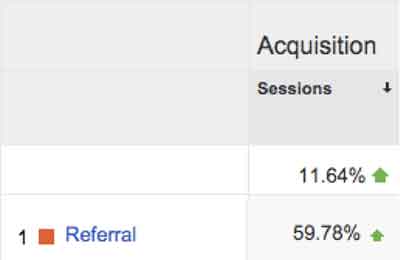
    A press release we recently wrote for a client was picked up by WGCL-TV and Digital Journal, two sites with extremely high domain authorities (74 and 85, respectively). Without even really trying, we were able to build the client links on two very authoritative sites! In the week and a half following the press release, overall traffic to the client’s site increased by more than 10 percent and referral traffic increased by nearly 60 percent.

    ReferralRatesImage

    Working Together Makes Everything Better

    There are a few things that SEO pros can learn from PR experts, and vice versa:

    • What PR can learn from SEO:
      • Which traffic from what outlets tend to convert the most and bounce the least?
      • Are PR efforts increasing branded searches?
    • What SEO can learn from PR:
      • From what outlets (and types of outlets) is it easiest to get coverage & links?
      • How are reporters and others are responding to the company’s online presence?

    Both SEO and PR should utilize data such as placements, traffic, conversions and bounce rate to answer the questions above and further hone their strategies into a single streamlined, holistic, integrated strategy. It’s time to stop thinking about “traditional” and “online” marketing as two separate things – they’re quickly becoming just “marketing.”

    If you take one thing from the Mozinar (Moz’s punny-but-cute name for webinar), let it be this: Don’t think about how to get links. Think about how to get coverage and publicity! The links will then come naturally as a result.

  • Five For Friday: Paging Dr. Google, Panda 4.1 Is On The Loose, And More!

    GoogleKneePainAnswerImage

    1. Google Gets a Medical Degree
    -Mashable

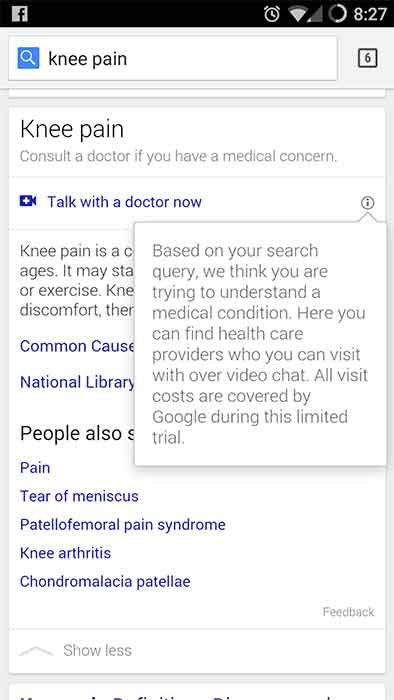
    In what may prove to be the coolest Google project all year, reports have surfaced that the search engine plans to implement a feature to their already lauded Helpouts initiative. The new project will attempt to take health-related symptomatic searches and connect users with real doctors online. All costs are being covered by Google during the limited trial period, however it may cost you as the service is refined. The impact this will have on health professionals is exciting, and could transform an entire industry. The opportunities this service poses are truly endless, especially when you consider the degree of Google’s philanthropic endeavors.

    2. The Forgotten Curriculum
    -Moz

    Carla Dawson of MobyDigital discusses the pros and cons of teaching SEO at universities.

    As a recent graduate frustrated with the absence of tech-related courses being taught at my alma mater, I strongly believe in this move to educate the average university student on the subject of SEO. The article poses quite a few points of contention and agreement, here are a few that stuck out:

    1) Pro: Everyone says they know SEO. Without a standard for learning SEO, there can be no true credibility among firms. Teaching these skills at universities will quell [most] questions about a persons knowledge base.

    2) Pro: Today’s student is tomorrow’s potential client. Students who learn SEO in a formal setting will be able to sell [and be sold] SEO services more effectively.

    3) Con: Google algorithmic changes are frequent, and transform the industry.  The single most significant obstacle to teaching a standard course on SEO is the fluid nature of the industry.

    3. Panda Does Not Approve of Average Content
    -Business 2 Community

    The most recent tweak to the Panda Algorithm is in full swing. Nothing about this update is drastically different from what we have seen before, but Google is making it clear that authentic, well-vetted content from small and medium sized businesses remains a staunch priority.

    This checklist, provided by Google, is a great resource for those writing content for their business:

    • Would you trust the information presented in this article?
    • Is this article written by an expert or enthusiast who knows the topic well?
    • Does this article have spelling, stylistic, or factual errors?
    • Does the page provide substantial value when compared to other pages in search results?
    • Was the article edited well, or does it appear sloppy or hastily produced?

    TheAngryPandaCommercialSquareGifImage

    4. The Semantic Future of Link Building
    -Moz

    In his most recent submission to the MOZ Blog, Paddy Moogan discusses the impact on link authority, as Google continues to prioritize semantic search over exact-match keywords. As Google continues to understand search intent more and more, the rules surrounding link building will change. Paddy argues that the quantity of links, the anchor text of the links, and deep linking will matter less and less in the coming years.

    5. What Is Your Take on B2B Marketing Strategy?
    -Search Engine Land

    The recent banishment of the Google Authorship markup inspired annoyance in people like Derek Edmond, of KO Marketing. The impact on B2B Marketing from this discontinuation is very real to a certain niche, but as the wild world of SEO ebbs and flows, Derek reminds us of four tactics employed by B2B marketers that have had success in the past. Will marketers continue to build on these tactics, or abort them entirely?

    1) Purchasers prioritizing “thought leaders” in their industry. This tactic was primarily employed by the use of Google Authorship and Derek believes some kind of platform will fill this void in the future.

    2) Infographics are well respected, and oft-cited, however the market for infographics is so saturated that it is becoming increasingly difficult to create effective infographics.

    3) Derek argues that guest-blog posting is tricky game. The useful expertise provided by credible commenters can boost your authority as a business. On the contrary, Google considers guest blogging to be spammy, and it is easy to have unreliable sources hurt your authority.

    4) Derek warns against the dangers of spammy content, and questions the SEO usefulness of using Twitter to market your business. Matt Cutts of Google has stated that the search engine does not consider social signals when it comes to rankings. However, Derek argues that using Twitter as a tool to build relationships proves to be invaluable.

    Thank you to Panda Cheese for the great angry panda commercial!