Tag: branding

  • 10 Winning Higher Education Marketing Strategies

    10 Winning Higher Education Marketing Strategies

    [ez-toc]

    Research shows that 93% of Americans think they are better drivers than average, 90% of teachers think they are more skilled than their peers, and this overestimation is pervasive across many skills — including logic tests.

    For the typical higher education institution, effective marketing strategies are like that.

    Mathematically speaking, it’s not possible for a majority to be “above average.”

    We analyzed the top 10 results in Google for “Higher Education Marketing Strategies” and extracted some really useful learnings. First, I’ll share the most commonly cited strategies, and then give you a skimmable summary of each article.

    Top 10 Higher Education Marketing Strategies

    These strategies are the most frequently cited in the following articles, in order of prominence.

    • SEO (Search Engine Optimization): Emphasized across multiple articles. Ensuring high visibility on search engines is critical for Higher Education SEO.
    • Social Media Marketing: Highlighted in almost all articles for engaging authentically on each social media platform preferred by younger generations.
    • Email Marketing: A recurring theme emphasizing personalization, automation, and AI-powered programs.
    • Video Content: Both short-form and long-form videos, including live streaming and platforms like TikTok and YouTube, are great ways to educate prospective students.
    • Personalization: Tailoring content and communication to individual preferences, including personalized messaging and content.
    • PPC (Pay-Per-Click) and Digital Advertising: Discussed in multiple articles for targeted advertising on platforms like Facebook Ads and Google Ads.
    • Content Marketing: The importance of creating engaging and informative content, such as blogs, podcasts, and videos.
    • Branding: Consistent branding across all marketing channels, including a recognizable voice and image.
    • Chatbots and Conversational Marketing: Highlighted in several articles for real-time, one-to-one connections and instant answers.
    • Data-Driven Strategies: Using data to inform marketing decisions, track KPIs, and understand the audience.

    Digital Marketing and Marketing Strategy Opportunities

    What we learned in the UPCEA SEO research study was that there are some big gaps in the university marketing strategy and the typical higher education website for attracting prospective students.


    When we got deeper into the data, we saw that the higher education industry is overly reliant on certain digital marketing channels. A good marketing campaign addresses the full funnel. To attract students, you must increase search engine visibility, maintain a strong social media presence, and ensure you’re doing all you can to target prospective students.

    So, with all the great tactics and technologies to attract prospective students (virtual campus tours, student ambassadors, and taking advantage of digital technology to highlight student activities), one has to wonder why other higher ed institutions seem to be attracting more new students.

    As I’m sure you’re aware, Google and the other search engines know everything, right? So, I thought, why not let Google guide me? I wanted to see how other higher ed marketers were thinking about the strategy to build brand awareness and get in front of prospective students.

    I think it’s important to take content created by marketers talking about a marketing strategy with a grain of salt. We can, however, learn a lot when we analyze the frequency with which these articles cite specific tactics, platforms, or strategies to get in front of prospective students for educational institutions.

    Effective Higher Education Marketing Strategies
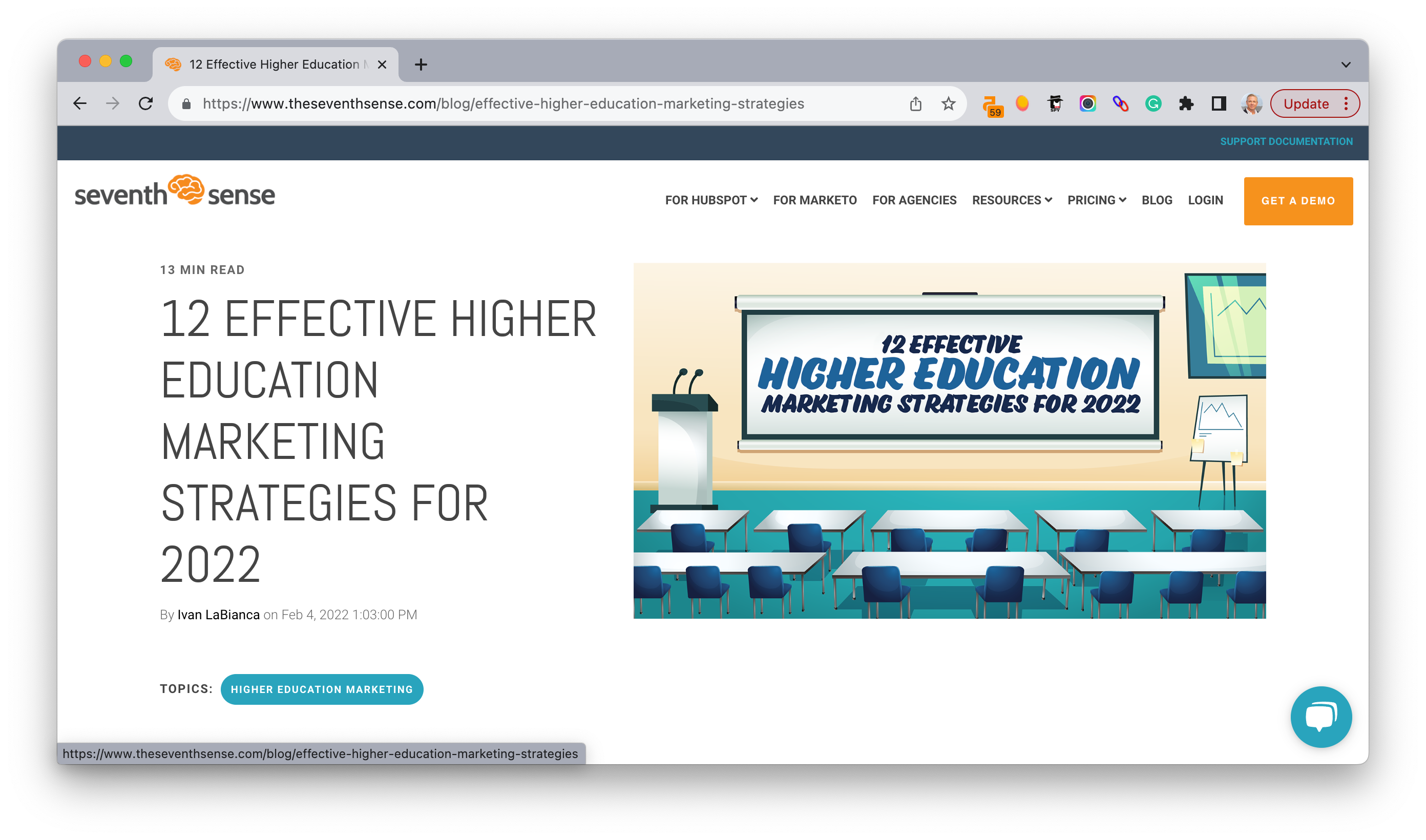
    Effective Higher Education Marketing Strategies -www.theseventhsense.com-blog-effective-higher-education-marketing-strategies

    https://www.theseventhsense.com/blog/effective-higher-education-marketing-strategies

    My perspective: It’s surprising to see this continued focus on the pandemic. From what we’ve seen, things are different — the pandemic is done in most people’s minds, and we’re now in the “new normal.”

    The article discusses the challenges faced by university marketers due to the pandemic and the downturn in undergraduate student enrollment. It provides 12 strategies for higher education marketing:

    1. Centralize Strategy and Reporting: Emphasizes the importance of centralizing marketing expenditures and standardizing KPIs.
    2. Track the Right KPIs: Highlights the importance of tracking call-to-action conversion rates, traffic sources, social media engagement, and cost of acquisition.
    3. Use Marketing Automation: Discusses the benefits of tracking digital interactions with prospective students.
    4. Optimize Your Email Program With AI: Offers email deliverability and engagement solutions.
    5. Improve SEO: Stresses the importance of using relevant keywords and answering prospective students’ queries.
    6. Build a Digital-Friendly Brand: Talks about updating branding to be more digital-friendly.
    7. Live Streaming: Suggests using live streams as an authentic way to connect with potential students.
    8. Personalized Communication: Emphasizes the importance of segmenting audiences and tailoring communication.
    9. Higher Education Marketing on Social Media: Provides various strategies to maximize social media efforts.
    10. Personalized Mobile-Friendly Website: Highlights the importance of a responsive and personalized website.
    11. Chatbots for Higher Education Marketing: Discusses the benefits of using chatbots for immediate responses.
    12. Don’t Forget Visuals and Aesthetics: Emphasizes the importance of appealing visuals for the Gen Z audience.

    Unique Positions:

    • The article emphasizes the importance of data-driven strategies, especially in the context of the challenges posed by the pandemic.
    • It highlights the significance of understanding and catering to the preferences of Gen Z, who are the next in line for higher education.

    Conclusion: The article concludes by emphasizing that marketing shouldn’t be stagnant but should evolve with the university’s overall goals.

    Higher Education Marketing: Strategies and Trends to Know
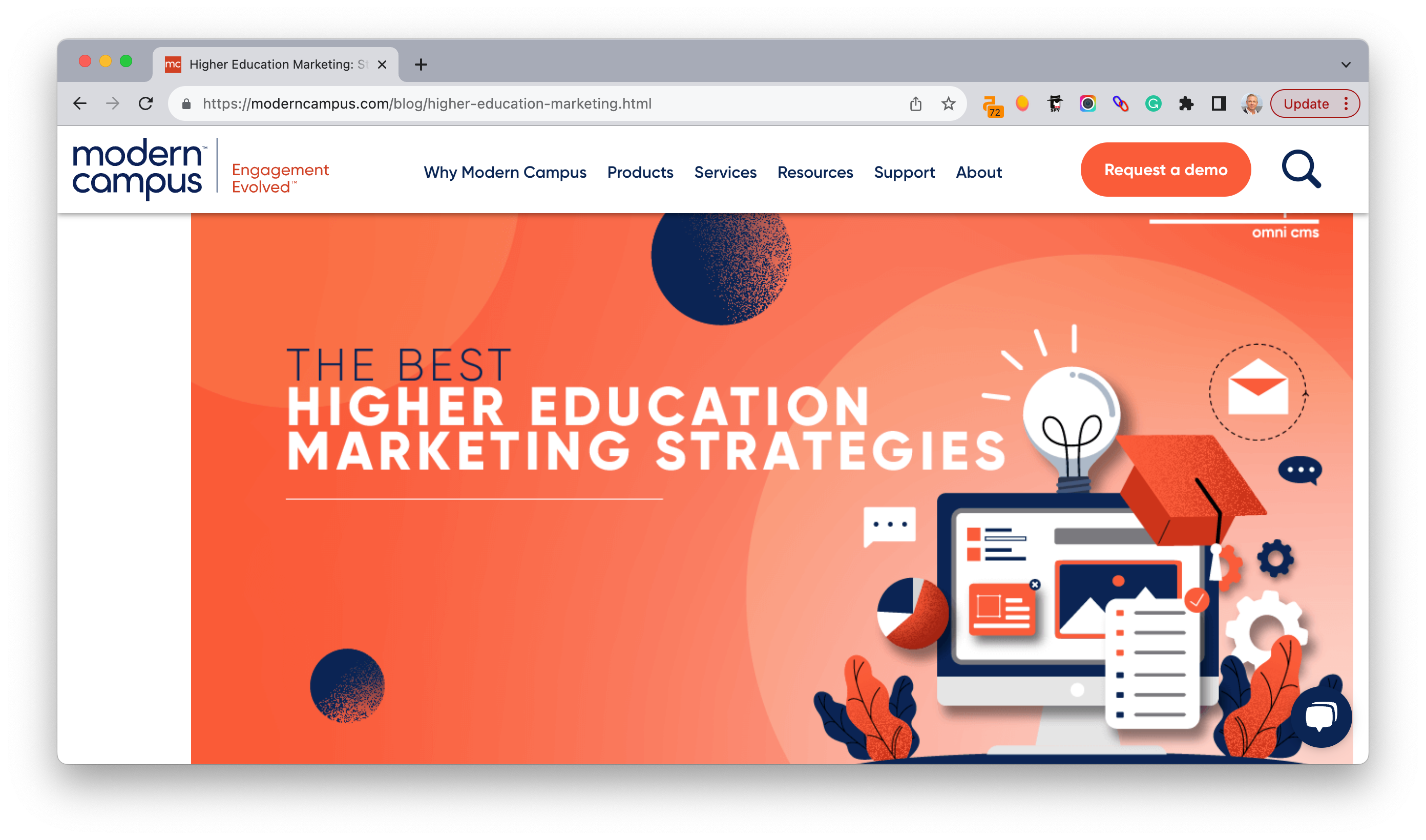
    Higher Education Marketing - Strategies and Trends to Know-moderncampus.com-blog-higher-education-marketing

    https://moderncampus.com/blog/higher-education-marketing.html

    My perspective: It’s interesting to see a focus on the rise of Instagram. TikTok is more timely and clearly the place where Gen Z and beyond are starting their product experiences.

    The article emphasizes the importance of refining marketing strategies for higher education institutions, especially in light of decreasing college enrollments.

    It provides insights into current higher ed trends and offers strategies to enhance student recruitment.

    Key Questions for Your Higher Education Marketing Plan:

    • Identifying target audience and personas.
    • Determining KPIs for engagement.
    • Establishing the cornerstone of the marketing plan.
    • Differentiating from other institutions.

    Platforms to Market Your Educational Offerings:

    • Text messages, especially during the student enrollment process.
    • Social media platforms like Twitter, Facebook, LinkedIn, Instagram, and Snapchat.
    • Email, direct mail, phone calls, and websites.

    Higher Education Marketing Strategies:

    1. Use a CMS Built for Higher Education: Implement a quality web content management system (CMS) tailored for educational institutions to address challenges like outdated content, complicated coding, inconsistent branding, and low search rankings.
    2. Get Current Students Involved: Engage existing students to provide authentic insights into campus life.
    3. Choose a CMS With an Email Module: Emphasizes personalized and targeted email marketing.
    4. Focus on Video Content: Highlights the importance of integrating video content into marketing strategies.
    5. Keep Track of Your Brand: Monitor the digital image and reputation of the institution.
    6. Use the Power of Social Media: Utilize a mix of social media platforms for effective messaging.
    7. Use Videos and Images on Social Media: Emphasizes the growing preference for visual content on platforms like Instagram, YouTube, and TikTok.
    8. Personalize at Scale: Deliver personalized content across various platforms.
    9. Include SEO and Conversion in Your Program Pages: Optimize program pages for search engines and conversions.
    10. Target Parents: Recognize the influential role of parents in students’ college decisions.

    Unique Positions:

    • The article underscores the importance of authenticity, especially when involving current students in marketing efforts.
    • It highlights the shift in the relevance of different social media platforms, noting the rise of Instagram and the decline of Facebook in the context of college planning.

    Conclusion: The article concludes by emphasizing the significance of a quality website and the potential of a CMS to fine-tune a college or university’s marketing strategy.


    Analyzing Effective Higher Education Marketing Strategies
    Analyzing Effective Higher Education Marketing Strategies-www.ama.org-analyzing-effective-higher-education-marketing-strategies

    https://www.ama.org/analyzing-effective-higher-education-marketing-strategies/

    My perspective: I wonder if the author’s suggestion of the value of traditional marketing is pandering to the old guard. Sure, brochures, commercials, etc., may appeal to the parents, but the students are on social media and search.

    The article delves into the unique challenges of marketing in the higher education sector, emphasizing the need for institutions to create a superior academic environment while facing intense competition.

    It underscores the importance of an effective marketing strategy blending traditional and digital methods to achieve institutional goals.

    Why Is it Important to Prioritize Marketing?

    • Higher education institutions need to maximize enrollment and diversify their student and faculty demographics.
    • They must cater to various stakeholders: students, parents, faculty, and donors.

    Traditional Marketing in Higher Education:

    • Print: Newspaper or magazine ads, billboards, and stationery.
    • Mail: Targeted ads, imagery, and product samples.
    • Radio: Over-the-air ads, jingles, and testimonials.
    • Television: Video ads, customer reviews, and product demonstrations.
    • Unique Assets: Campus tours and visits, research and development, arts, music, and sports.

    Digital Marketing Strategies:

    1. Email Marketing: Deliver branded messages, newsletters, and offers.
    2. Social Media Marketing (SMM): Disseminate content across channels and engage with influencers.
    3. Content Marketing: Use blogs, podcasts, videos, etc., to enhance branding.
    4. Search Engine Optimization (SEO): Enhance online presence and search engine ranking.
    5. Search Engine Marketing (SEM): Utilize paid placement and digital ads.
    6. Pay-Per-Click (PPC): Cost-effective advertising where payment is made only when the ad is clicked.

    Ideal Marketing Strategy for Higher Education:

    • Blend traditional and digital methods.
    • Maintain a dynamic website showcasing institutional value.
    • Engage in SEO and SEM efforts.
    • Execute a comprehensive digital advertising strategy.
    • Implement a multifaceted SSM plan.
    • Produce diverse content across various media.
    • Secure advertising spots in local, regional, and national media.
    • Leverage unique assets like research, campus visits, arts, music, and sports.
    • Highlight notable faculty and alumni.

    Unique Positions:

    • The article emphasizes the two-way nature of digital marketing, allowing institutions to have meaningful conversations with interested parties.
    • It suggests that, while traditional marketing methods remain relevant, digital marketing has taken precedence in the modern age.

    Conclusion: The article concludes by promoting the benefits of joining the American Marketing Association (AMA) for institutions looking to elevate their marketing strategies.


    The Ultimate Guide to Higher Education Marketing Strategies
    The Ultimate Guide to Higher Education Marketing Strategies-myemma.com-blog-the-ultimate-guide-to-higher-education-marketing-strategies

    https://myemma.com/blog/the-ultimate-guide-to-higher-education-marketing-strategies/

    My perspective: Ultimate is a bit of a stretch, but I do appreciate the view on good copy and the needs of various university stakeholders, like advancement, athletics, and current students.

    The article addresses the challenges higher education marketers face in today’s digital age. It emphasizes the shift from traditional mass marketing methods, like glossy brochures, to more personalized strategies that resonate with modern students.

    Defining the Goals of Your Higher Education Marketing Strategies:

    1. Marketing for Enrollment: With declining enrollments, targeting prospective students and their parents using digital channels is crucial. Strategies include:
      • Publishing informational blog posts and podcasts.
      • Engaging authentically on social media.
      • Collaborating with micro-influencers.
      • Creating video content, including live streams.
      • Adopting a mobile-first marketing approach.
    2. Marketing for Advancement: This focuses on building relationships with alumni and friends of the institution, often for fundraising purposes.
    3. Marketing for Athletics: Promoting athletic programs to boost interest, spirit, and revenue.
    4. Marketing for Student Involvement: Inform enrolled students about on-campus activities and opportunities.

    The Role of Email in Higher Education Marketing Strategies:

    • Email marketing offers a high return on investment (ROI) across various aspects of higher education marketing.
    • Effective email strategies include automation, mobile-friendliness, relevant content, inclusion of images and videos, and personalization.

    Using Segmentation and Personalization for Prospective Students:

    • Personalized email subject lines are more likely to be opened.
    • Segmentation ensures content relevance, further increasing open rates.

    Consistent Branding:

    • Emails should maintain consistent branding, using recognizable colors, fonts, and logos.

    Killer Subject Lines and Captivating Content:

    • Subject lines should be personable, actionable, and unique.
    • Content should be relevant and valuable to the reader.

    The Importance of Testing:

    • A/B testing or split testing is crucial to determine the effectiveness of email campaigns.
    • Testing provides data to refine campaigns for optimal results.

    Conclusion: Higher education marketing strategies are essential for institutions to overcome challenges and achieve their goals. Email marketing, in particular, is a powerful tool that can be tailored for various purposes, from boosting enrollment to promoting athletic programs. The article emphasizes the importance of personalization, segmentation, and consistent branding in email campaigns to engage and convert recipients effectively.


    12 Higher Education Marketing Strategies for 2022
    12 Higher Education Marketing Strategies for 2022-comboapp.com-higher-education-marketing-agency-higher-education-marketing-strategies

    https://comboapp.com/higher-education-marketing-agency/higher-education-marketing-strategies

    My perspective: I find the idea of marketing “Higher Education” as a concept compelling. I recently had a conversation with one of our summer interns in which he asked, “Do I even need a degree?”

    There are definitely fields, like computer science, for instance, where we’re learning that degrees don’t necessarily separate the wheat from the chaff.

    The article emphasizes the long-term changes in higher education institutions due to the pandemic, highlighting the importance of distance learning programs, local student outreach, and improved campus safety. It presents 12 techniques for an effective higher education marketing strategy:

    1. Branding: Focuses on crafting an identity that represents both the school and its student body. Authenticity is key.
    2. Search Engine Optimization (SEO): Highlights the importance of high rankings on search engines and lists several SEO techniques.
    3. A Great Website Experience: Stresses the importance of mobile-first design, speed, and ease of use.
    4. Social Media Marketing: Discusses the significance of authentic engagement on social media platforms, especially for Gen Z and millennials.
    5. Live Streaming: Emphasizes the use of platforms like Facebook Live, Instagram Live, and YouTube for events, Q&A sessions, and classes.
    6. Email Marketing: Highlights the preference of students for email communication and the importance of personalization and segmentation.
    7. Interactive Advertising: Describes the potential of interactive ads, such as games and story-based video ads.
    8. Leveraging Alumni and Students: Discusses the power of word-of-mouth marketing and the importance of reviews and testimonials from current and former students.
    9. Distance Learning: Highlights the increasing demand for distance learning options post-pandemic and the opportunities it presents for institutions.
    10. Pay Per Click Advertising: Discusses the benefits of targeted advertising on platforms like Facebook, Google Ads, and Bing Ads.
    11. Short-Form Video Content: Emphasizes the importance of platforms like TikTok, Instagram Reels, and YouTube Shorts in engaging potential students.
    12. Focus on Positive Career Outcomes: Addresses the ongoing discussions about the value of higher education and the importance of showcasing the tangible benefits of a college education, such as high-paying jobs after graduation.

    Unique Positions:

    • The article stresses the need for institutions to market themselves and the very idea of higher education in light of recent discussions questioning its value.
    • It highlights the blend of traditional and modern marketing strategies, emphasizing the importance of authenticity in all communications.

    Conclusion: The article concludes by promoting ComboApp as a full-cycle higher education marketing agency that can assist institutions in crafting a comprehensive digital marketing strategy.


    8 Higher Ed Digital Marketing Tactics & Trends for 2023
    8 Higher Ed Digital Marketing Tactics & Trends for 2023-www.oho.com-blog-8-higher-ed-digital-marketing-tactics-trends-2023

    https://www.oho.com/blog/8-higher-ed-digital-marketing-tactics-trends-2023

    My perspective: Social will continue to be a tremendous way to get in front of future university students. Even though we’re no longer talking about the “Zero moment of truth” (thank goodness), students will continue to be exposed to our schools and programs before they even know they’re looking.

    The article sheds light on the evolving landscape of higher education marketing in 2022, emphasizing the need for institutions to adapt to the digital age and the unique preferences of Gen Z.

    1. Understanding the Crowdsourcing Habits of Gen Z: Gen Z’s decision-making is described as “crowdsourcing,” where they seek opinions from peers, influencers, and reviewers. Institutions should involve them in conversations and connect with their sense of humor, especially on platforms like TikTok.
    2. Reaching Gen Z With Conversational Marketing: The trend of “conversational marketing” is growing, emphasizing real-time, one-to-one connections to answer questions and assist consumers. University websites should incorporate a human voice and chat opportunities.
    3. Data Insights Shedding More Light on Higher Ed Audiences: Research indicates that understanding the audience leads to better marketing outcomes. Universities are using CRM systems and other software to analyze the student journey and understand their motivations.
    4. Growing Emphasis on Personalized Messaging: Digital content engages young people, but they are wary of overt marketing. Personalized, targeted messaging helps universities connect with students and boost conversions.
    5. Growing Preferences for Short-Form Video: Universities should incorporate short-form videos (around 90 seconds) into their marketing strategies. Examples include video campus tours, answers to FAQs, and student-guided mini-tours.

    Unique Positions:

    • The article emphasizes the importance of understanding and connecting with Gen Z’s unique preferences, especially their reliance on crowdsourcing for decision-making.
    • It highlights the significance of conversational marketing and the need for human interaction, even in the digital age.

    Conclusion: The article concludes by promoting Unibuddy, a platform designed for students that offers tools to enhance higher education marketing strategies in line with current trends.

    15 Best Marketing Strategies for Universities
    15 Best Marketing Strategies for Universities- penji.co-marketing-strategies-for-universities

    https://penji.co/marketing-strategies-for-universities/

    My perspective: It’s not surprising Penji would focus on social and ad creative since they are a marketplace for creative work. I’m not familiar with Penji, but it looks like a new-style iteration of a “99 Designs” concept.

    The article underscores the importance of marketing in universities, especially given the competitive nature of higher education marketing. It provides a comprehensive list of strategies to enhance university branding and appeal to a younger audience.

    1. Social Media: Emphasizes the shift from traditional mail to social media platforms to engage with prospective students. Universities should be present where students are active and ensure their content aligns with the platform’s audience.
    2. User-Generated Posts: Encourages universities to monitor and engage with content created by students about the institution. This provides insights into the university’s perception and offers opportunities for authentic engagement.
    3. Define Your Brand Image: Universities should have a consistent voice and image across all marketing channels. This helps in creating a recognizable and trustworthy brand.
    4. Focus on the Students: Marketing strategies should prioritize the needs and interests of students, both current and prospective. This includes promoting events, assistance, and showcasing the university’s supportive environment.
    5. Video Marketing on All Platforms: Highlights the increasing importance of short-form video content on platforms like YouTube. Videos offer a dynamic way to showcase campus life, events, and more.
    6. Statistics: Using data to showcase the university’s achievements, such as high graduation rates, can be a compelling marketing tool.
    7. Promote Sitting in Classes Before Enrolling: Offering prospective students the chance to experience lectures can help in their decision-making process.
    8. SEO (Search Engine Optimization): Ensuring the university’s website ranks high on search engines is crucial for visibility.
    9. Showcase Success: Highlighting the achievements of alumni can serve as a testament to the quality of education provided.
    10. Embrace Diversity: Marketing campaigns should reflect the diverse student body and cater to non-traditional students as well.
    11. Use Infographics: Visual representations of data can be more engaging and easier to digest than text-heavy content.
    12. Paid Traffic: Utilizing paid ads, especially on platforms like Instagram, can help in reaching a wider audience.
    13. Interactive Webinars: Hosting webinars can provide valuable information to prospective students and give them a taste of the university’s teaching style.
    14. Downloadable Guides: Offering resources to help students prepare for college can be a valuable tool in the decision-making process.
    15. Email Marketing: Automated email series tailored to the student’s application process stage can provide personalized guidance.

    Unique Positions:

    • The article emphasizes the importance of understanding the younger generation’s preferences and adjusting marketing strategies accordingly.
    • It highlights graphic design’s role in enhancing marketing campaigns’ effectiveness.

    Conclusion: The article concludes by promoting Penji, a graphic design service, as a valuable tool for universities looking to enhance their marketing strategies with quality designs.

    16 Effective Digital Marketing Strategies for Higher Education in 2023
    https://www.thinkorion.com/blog/digital-marketing-for-universities

    My perspective: I appreciate the focus on real-time and alumni engagement. We’ve been spoiled by instant responses and always on media.
    And, students want to know what’s out there after attainment of that degree or certificate. Alumni can help tell this story much better than administrators or (gasp) marketers.

    The article delves into the competitive landscape of higher education marketing, emphasizing the importance of standing out to attract the best students. It provides a comprehensive list of strategies to enhance university visibility and appeal:

    1. Maximize Organic Traffic through Optimized SEO Techniques: Emphasizes the importance of SEO for attracting the right students. It covers aspects like keyword research, internal linking, backlinking, technical audits, and on-page optimization.
    2. Accelerate Your Sales With Proven PPC Techniques: Discusses the benefits of pay-per-click advertising for promoting university programs and increasing web traffic.
    3. Attract, Engage, and Retain Students With a Winning Content Marketing Strategy: Highlights the importance of creating engaging and informative content to resonate with potential students.
    4. Elevate Your Brand Visibility With Google Display Advertising: Discusses the effectiveness of digital display ads over traditional billboard ads, especially on Google’s Display Network.
    5. Unlock the Power of Social Media: Explores the role of social media platforms like Twitter, Instagram, LinkedIn, and Facebook in connecting with potential students.
    6. Use Exclusive Email Marketing Campaigns to Promote: Emphasizes the continued relevance of email marketing, stressing the importance of personalization and using AI-powered email programs.
    7. Make Informed Decisions With Advanced Analysis and Tracking: Discusses the importance of setting specific tracking goals beyond what Google Analytics provides.
    8. Utilize Video Marketing to its Fullest Potential: Highlights the engagement potential of video content, both in long and short formats.
    9. Inspire Student Success With Real-Life Stories: Advocates for sharing student success stories to showcase the value of the university’s programs.
    10. Maximize Your Reach With Influencer Marketing: Discusses the power of influencer marketing, especially leveraging successful alumni.
    11. Boost Engagement With Short and Snappy Video Content: Emphasizes the importance of short video content, especially in the wake of reduced on-campus visits due to COVID-19.
    12. Optimize for Featured Snippets: Discusses the importance of ranking in Google’s featured snippet for increased visibility.
    13. Reach Your Ideal Customers With Lookalike Audience Targeting: Highlights the benefits of using lookalike audience models to improve brand reach.
    14. Improve Customer Service With Chatbots Integration: Discusses the rise of conversational marketing and the effectiveness of chatbots in providing instant answers.
    15. Build Connections With Live Streaming: Emphasizes the engagement potential of live streaming over traditional content.
    16. Hire a Professional Higher Education Digital Marketing Agency: Advocates for seeking professional assistance if universities lack the resources or expertise for effective digital marketing.

    Unique Positions:

    • The article emphasizes the blend of traditional and modern marketing strategies, highlighting the importance of adapting to the evolving digital landscape.
    • It underscores the importance of personalization, real-time engagement, and leveraging alumni for effective marketing.

    Conclusion: The article concludes by emphasizing the importance of current marketing strategies for universities to attract future leaders. It also suggests hiring a higher-ed marketing agency for those lacking the time or resources to run effective campaigns.


    Effective Higher Education Marketing Strategies
    Effective Higher Education Marketing Strategies-shorthand.com-the-craft-effective-higher-education-marketing-index.html

    https://shorthand.com/the-craft/effective-higher-education-marketing/index.html

    My perspective: OK, I know it’s shallow, but I like the look and feel of this site. It’s got a very medium-esque vibe.

    On a more serious note, the authors point out one of my constant refrains: The decentralized nature of a higher education marketing strategy is costing universities dearly. Very few schools have central oversight and are therefore cannibalizing their own messaging and budgets.

    The article delves into the complexities of marketing in higher education, highlighting the unique challenges faced by universities. One of the primary challenges is the siloed nature of marketing in universities. While universities typically have a central marketing team focused on boosting student enrollment and driving donations, there are also numerous smaller teams across various academic departments and schools, each with slightly different target audiences.

    These smaller teams often work independently on their marketing strategies, employing a wide range of tactics such as social media, SEO, email marketing automation, PPC campaigns, live streaming video content, direct mail, in-person events, and even chatbot scripts. This decentralized approach can lead to several issues:

    • Dilution of the Brand: Inconsistent application of messaging and brand guidelines can weaken the overall brand identity.
    • Missed Opportunities: Due to weak communication channels, potential marketing opportunities might be overlooked or not fully capitalized upon.
    • Decreased Morale: Teams or individuals working in isolation can experience reduced morale.

    Despite these challenges, the article offers hope by suggesting nine strategies to promote more cohesive and effective higher education marketing. While the specific strategies aren’t detailed in the provided excerpt, the article emphasizes the importance of cohesive marketing efforts across the institution.

    Unique Positions:

    • The article highlights the unique challenges higher education institutions face due to the decentralized nature of their marketing efforts.
    • It underscores the importance of a unified approach to marketing to ensure consistent branding and messaging.

    Noteworthy Mentions:

    • The article references recent engagement examples related to the pandemic, suggesting that universities have proactively created content around COVID-19.
    • The University of Queensland is highlighted for its digital publication, “Contact,” which offers an engaging and interactive user experience while catering to those who prefer traditional print magazines.

    Final Thoughts

    As you can see, there are a number of ways to get in front of students for your school.

    The consensus seems to be that SEO, social media marketing and advertising, email, and PPC are great ways to invest your marketing dollars.

    It’s surprising to see how little attention is paid in the articles to analysis, tracking, and reporting, given how many of the UPCEA Higher Education SEO Study respondents indicate this is lacking.

    As management icon Peter Drucker is famously quoted, “What gets measured gets managed.” All the landing pages, tactics, and strategies in the world won’t make us successful if we don’t know what’s working.

    For more tips to create a winning higher education marketing strategy, check out our Higher Education Marketing Resources & Guides. For more information about higher education marketing – and to learn more about services like our SEO Roadmap for universities, contact our team at Search Influence today.


     

  • Want to Learn the Key to Raving Fans for Your Brand? Authenticity!

    Want to Learn the Key to Raving Fans for Your Brand? Authenticity!

    Brand authenticity is in the eye of the beholder. It’s easy to see when a person or a brand is inauthentic, but it’s not as easy to put one’s finger on what actually is authentic.

    When actions don’t match words, it’s easy to see the inauthenticity. Boeing, for instance, previously a vanguard of quality, recently covered up a very deadly error. Milli Vanilli, right?

    I can point to a small handful of brands that strike me as truly authentic. Two, in particular, are at opposite ends of the spectrum.

    Burger King

    Burger King, the #2 burger, has done a great job of using humor to demonstrate their brand ethos.

    Their mascot is creepy, no doubt. The head of the King used in their commercials and advertising is weird and discomforting.

    Instead of treating this and the associated press as a problem requiring management, Burger King humorously embraces the freaky King as an authentic representation of their brand. And, they do it while embracing other brands and current events to enhance their relevance.

    Take, for example, Burger King taking McDonald’s head-on in a Halloween-themed commercial with the tagline “Come as a clown, eat like a king.” Or, the pantomime King’s first words, a throwback to a classic Budweiser commercial “Whassup”?

    Man with Burger King hat with burger and Budweiser attached and woman drinking soda

    More recently, Burger King Argentina reached out to the Duke and Duchess of Sussex as they seek to step back from their royal duties with an offer of a different source of income.

    As you can see, these are humorous and on-brand with a consistency that’s lasted a decade or more.

    I mean, come on, “Cheetos Chicken Fries!?”

    Picky Bars

    On a very different scale is a small sports nutrition brand in Bend, Oregon called Picky Bars.

    Picky Bars is the brainchild of three current and former professional athletes, two of whom are husband-and-wife team Lauren Fleshman and Jesse Thomas. Fleshman is a former professional runner and Thomas a former professional Ironman triathlete. For this brand, authenticity is apparent in their relationship and their sporting credentials.

    The two produce a weekly podcast called Work, Play, Love, where they talk about their lives, their kids, and their respective business ventures. There are moments when you feel like you just walked into a dinner party where the hosts are uncomfortably tense, having just finished a big argument. Lauren and Jesse both talk about their challenges with their kids, childcare, and the not-so-glamorous parts of their entrepreneurial adventures.

    Jesse Thomas posing in front of I Love Carbs bumper sticker

    It’s educational, funny, and sometimes sad, but very, very real.

    As a vehicle for getting to really know the minds behind the products, the podcast format is great.

    And, they’re equally transparent about the business, as exemplified in Jesse’s 2019 Year in Review blog post, which is a study in brand authenticity.

    Beyond the podcast and blog, Jesse’s humor shows through in the marketing for Picky Bars, particularly on Instagram.

    Jesse takes part in sporting events wearing an inflatable dinosaur costume he calls Barosaurus. In one of their more popular videos, Jesse places an I (heart) Carbs bumper sticker onto his car, which is immediately driven away by the couple’s pre-schooler.

    Pickybars owners posing in the Barosaurus costume at a race
    Original Instagram Post

    While these are very different examples, each is authentic in its own way, ultimately making us feel as though the brand or, in the case of Picky Bars, the founders are speaking to us directly.

    Capturing brand authenticity in marketing is a great way to build brand awareness and trust, but consumers often don’t appreciate when it feels forced. Finding this delicate balance is often a challenge as businesses create their brand voice. The marketing professionals at Search Influence can create advertising campaigns that capture your brand voice and showcase your products and services in a way that speaks to your customers in an effective way. Start a conversation today to learn how we can optimize your potential.

    Images

    Burger King

  • Why Branding Is Vital in Your Marketing Campaigns

    Branding and marketing are terms often associated with each other. Though they’re not synonymous, they should be harmonious. Your brand is what you market. The colors, logos, voice, tone, and so much more dictate how you should market your products or services and ultimately show the world (or a tiny segment of it) exactly who you are.

    But wait a moment…what does that even mean?

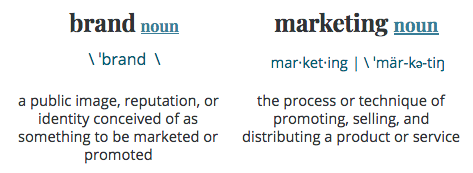
    Let’s break it down with Merriam-Webster:

    Brand vs. marketing graphic for Search Influence blog post

    As a New Orleans native, I like to think of a brand as the roux of a delicious marketing gumbo. Your branding, much like the roux, is the foundation and soul you put into your overall marketing campaigns. Without it, you’re simply not going to get the results you were hoping for.

    Your branding encompasses who you are as a company and what your customers see. Your culture, core principles, values, and ideas are the foundation of your brand, along with the way you present your company visually. An effective marketing plan will take who you are as a company and personify that as a character who is able to interact and relate to your customers. While your campaigns will have many objectives and goals, the overall structure, tone, and theme of these efforts should be consistent and more importantly, recognizable.

    So with that being said, what makes your company unique? What truly sets you apart, or how do you want to set yourself apart from the competition? Your brand is your company personified, so get creative! You may be incredibly focused on your commitment to quality, customer service, or your community. Customer loyalty may be an issue you need to improve, so build your brand around that key metric. While a marketing plan can exist separately from your values, the most successful campaigns will include your key strengths in the eyes of your current customers and broadcast them to your potential target base.

    Man screaming into megaphone about branding

    So We Got Branding Down…What Next?

    The connection between your brand and your marketing lies within the confines of what will have the biggest impact on the most important part of any campaign:

    Elvis dancing with conversions written in red

    Conversions!

    Getting potential customers to take action and engage with your business is critical. Marketing plans based on Google keywords and Facebook data alone won’t pack the punch needed to grab the attention of a market that is perpetually bombarded with the messaging of your competitors. Simply put, thoughtful and effective branding helps produce engaging content. In a world where the average consumer reads 11.4 pieces of content before making a decision, content reigns supreme in this crazy, competitive battle for attention.

    When your branding is developed and reinforced over time, you can use this foundation to create content that educates customers about your products or services, differentiates you from competitors, and influences your perceived value in the eyes of your customers. This brand-rich content should be utilized in every holistic approach of the digital marketing campaigns you create. (Or we create for you!)

    Gale Henry portrait photo for Search Influence blog

    Don’t Stop Now!

    You got the brand down, and people are converting, but you can’t stop there. This is an ongoing, endless ride, my friend. Between the continual upkeep of your search engine optimization, email marketing, content marketing, social media, and paid advertising, branding never stops! Your customers are hungry for more information from you, so it’s time to put on your thinking cap and start a blog. You can use blogs to demonstrate your industry expertise and meaningfully connect with your audience. It can also help establish your company’s authority in the eyes of search engines to increase your rankings in search results.

    The combined efforts of your marketing and branding can create a powerful message to the customers that you already have the ones you need to target to keep growing. A comprehensive marketing plan will bring in new business, while your branding and customer service will ensure their satisfaction and loyalty.

    Interested in learning more about how your brand is perceived online and how to build a successful campaign around it? Start a conversation with us today! As you can see, we’ve been doing this for a while…

    Old time-y photo of Search Influencer founders Will and Angie Scott

    Images

    Camera

    Megaphone

    Elvis

    Gale Henry

  • 7 Tips for Eye-Catching Social Media Posts

    For years, social media has been the most cost-effective place to advertise your business, but it takes planning to stand out from the competition. In the up-to-the-minute marketplace of memes, it pays to use eye-catching colors, animated images, and consistent, compelling branding. Fortunately, once you develop a digital marketing strategy that reflects the strengths of your company, you’ll be able to create and share content with a minimal investment of time and effort.

    1. A “Social Media Strategy” is Key.

    Every month, 30 percent of millennials interact with a brand on social media platforms like Facebook. Consumers expect to find information about your business on social media, and they want to be able to reference your company’s page when bragging about their positive experience at your establishment. Pictures of meals have been some of the most popular content on Instagram, and a lot of those pictures are copied to other social media platforms. When the friends of your customers ask where they can get that ice cream fudge volcano, wouldn’t it be great if your business page was suggested as a hyperlink? Customers are already talking about your business online, but your business has to be on social media to join that conversation.

    Social media photographer holding up lens to nature scene

    2. Source High-Quality Images.

    We’ve all learned to spot them: bland stock photos show smiling employees or hands at a keyboard, but they don’t inspire trust in the business. Instead of using generic, one-size-fits-all images, consider hiring a photographer to take real photos of your business and products. Alternatively, grab your iPhone and take a few pictures yourself. DIY photos convey relatable authenticity, and they can work as short-term images on social media, but a professional photographer will take lighting and composition into account, digitally adjusting images as needed. Whenever you can afford the expense, make quality images a priority, especially for the long-term images that become profiles and header images on your social media pages.

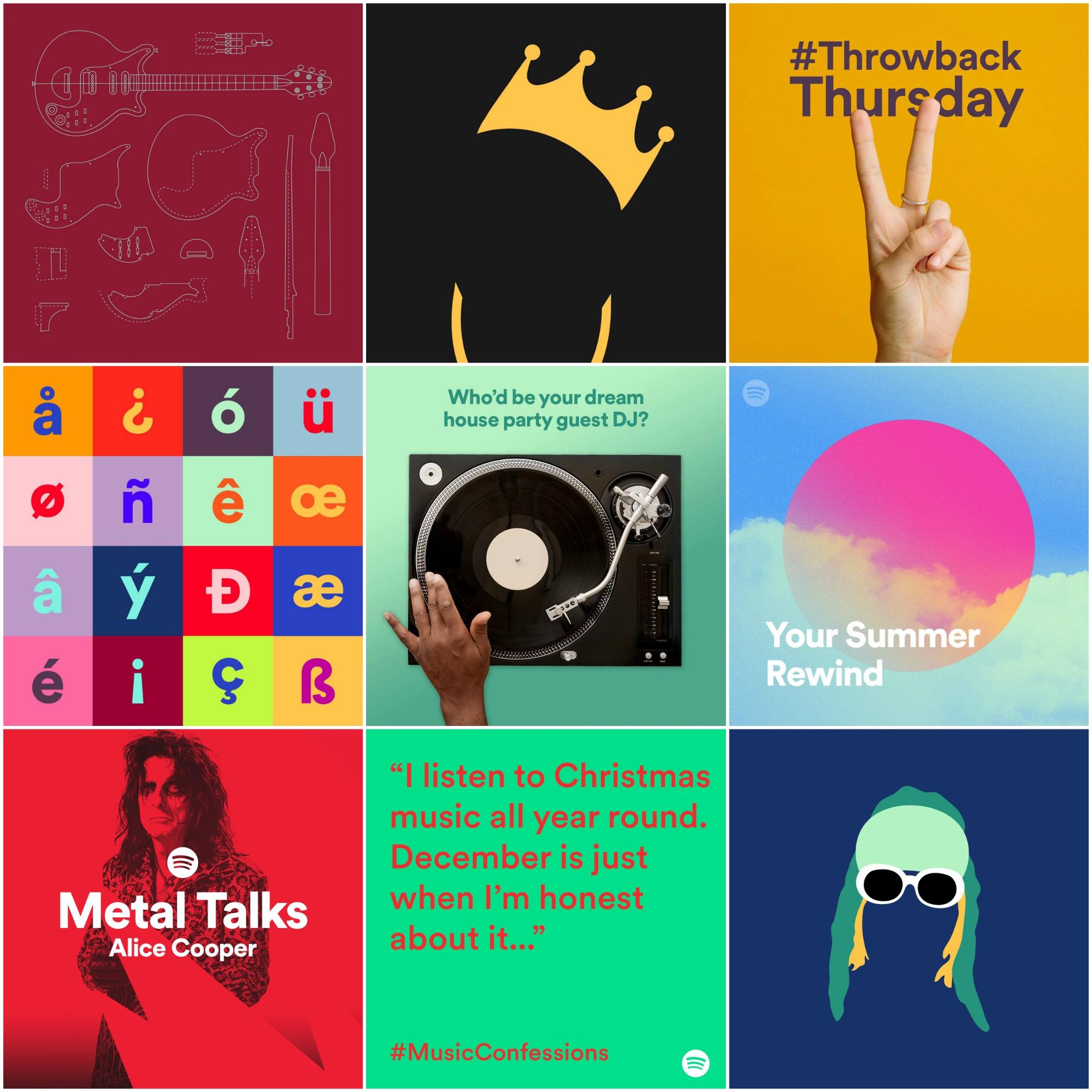
    Example of Spotify leveraging Instagram post

    3. Pay Attention to Color Schemes.

    Does your branding consistently utilize a couple of key colors? Great! But consider using slightly different (but still complementary) colors for different lines of products and services. Spotify is a great example of a brand that makes use of dynamic color schemes but still manages to keep it consistent. In the image from Venngage above, you can see how they’re easy to recognize but hard to forget.

    Colors convey a personality and warmth, and it’s worth a little time to evaluate whether to choose bright and bold colors or something more subdued and approachable. Rather than defaulting to flat reds and blues, use light and dark gradients to achieve something more unique than the local high school’s color scheme. Choose unconventional colors to make your posts more recognizable on social media. Spotify makes use of dynamic color schemes throughout all of their branding designs. This creates a stronger visual for their brand and allows visitors to instantly recognize their graphics and associate them with their company.

    Taylor Swift drinking a Diet Coke

    4. Make Your Own Custom Branded GIFs.

    A step beyond quality still images, GIFs are animated bitmap images. While its pronunciation is debatable, the acronym stands for graphics interchange format. Clips from TV shows and other videos are popular fodder for GIF images, where a gesture or a moment of action is captured and repeated in a short loop. Moving images naturally stand out in the newsfeeds of customers, and humorous GIFs inspire a lot of organic engagement. GIFs are recirculated for free online, but creating your own has distinct advantages. First, when you create your own content, it’s easier to avoid potential copyright issues. Second, when your custom GIFs are fun and compelling, those GIFs can lead people back to your website, helping you build authority online.

    Reeds blowing in the wind

    5. Leverage Cinemagraphs.

    Cinemagraphs can be made in video or GIF format, so there’s naturally some confusion and overlap. Still, GIFs tend to be loops of a video where the beginning and end are clear, not unlike an instant replay from a sporting event. Cinemagraphs, on the other hand, tend to be artistically made in a way in which it’s hard to tell when the image begins to repeat, giving the effect of a live picture or streaming video. A steaming cup of coffee, a waterfall, and a drink being poured are examples of subject matter for cinemagraphs. Naturally captivating, this type of media is harder to DIY, but it can make a crucial difference at the moment when users decide whether to stop or keep scrolling.

    Happy Father's Day custom graphic for Search Influence social media channels

    6. Keep It Consistent But Exciting!

    While experimenting with different types of media and formats, remember to keep your messaging on track. Don’t get bogged down with details, either in perfecting a single post or cramming as much information as possible. With the short attention spans on social media, clarity and brevity are essential.

    – Bullet points and clear headers are helpful with any text. If you haven’t hired a professional graphic designer, then avoid the temptation to use artistic (but hard to read) fonts.

    – Big, clear lettering is safest, especially when your target audience includes older demographics.

    – Numbers, percentages, and impressive statistics can help catch the reader’s eye.

    – Don’t be afraid to try different techniques and learn what works best for your audience, but stay close to home base while you develop your image as a reliable, professional authority.

    Alternatively, a broader presence in the community can make your business a topic of conversation, but that type of campaign can have a more gradual impact on walk-in clients and leads.

    Search Influence employees posing on Canal Street for social media channels

    7. Always Keep Your Marketing Goals in Mind

    Especially when you’re first getting started, it’s a good idea to check out the social media presence of others in the same industry. You may find businesses in the same industry that have a different service area, and therefore they aren’t direct competition. Take a look at how different types of posts inspire different amounts of engagement, and you may find ideas for developing content of your own. As with any type of marketing, it’s also important to clearly define your goals at the outset. Is your objective to build a following and make your brand more recognizable in the community? Or are you mainly looking to generate leads for potential clients? Depending on your industry, dominating local search may be the most effective way to get clients to call your company.

    If you don’t have the time to juggle business operations with digital marketing, then you can always outsource your social media management to professionals. The experienced team at Search Influence can provide a digital marketing and SEO consultation, identifying opportunities to strengthen your online presence. Follow our blog for the latest tips on GIFs and marketing trends.

    Images:

    Camera lens

    Spotify covers

    Taylor Swift

    Cinemagraph

  • Connect Your Brand With Your Community

    Human beings are social animals, but what kind of community would form around your company’s online branding? Brand loyalty is easily observed in beverage and automotive industries, and fans of a particular brewery or manufacturer often consider that brand preference a part of their personal identity. Coke or Pepsi, Chevy or Ford, and Windows or Mac: these rivalries and preferences elicit emotions like the choice between sports teams. The fans of a brand develop a tribal sense of community, but it doesn’t happen with just any company. What if you could make your brand inspire that degree of enthusiasm and loyalty?

    A collection of company branding icons - Search Influence

    Make Your Brand Relatable

    When kids try to make friends, the classic advice is to “be yourself.” Similarly, your online branding strategy needs to come from a genuine place if it’s going to build a following. Big promises and low prices will motivate a purchase, but you need to meet or exceed a customer’s expectations in order to make them a fan. When you think about brands that have been popular for decades, they have earned the lasting support of repeat customers. Quality products and reliable service aren’t just slogans, they’re perceptions that match the experience of satisfied customers.

    A branding campaign should not require an overhaul of the way you do business. It can be as simple as identifying your strengths or making your marketing more consistent. But where do you go once you’ve got your brand established? The first step is finding those that relate to your brand the most. Target the interest groups and demographics most likely to identify with your brand through online advertising, and track their progress along the consumer journey. After they’ve visited your site or clicked on an advertisement, keep your brand visible with targeted remarketing. Every impression and interaction is an opportunity to confirm the value and reliability of your brand.

    Three women having coffee and a business conversation at a diner - Search Influence

    Emphasize Human Interaction

    Automation is great for business efficiency, but customers appreciate interacting with your human employees. When an existing customer calls with a problem or question, they react differently when answers come directly from a person instead of a recorded message. We’ve all experienced the frustration of answering a dozen automated questions in order to complete a simple task. In contrast, it’s easy to imagine how it feels to interact with a single employee throughout an interaction with a business. Whether they’re contacting a travel agent, realtor, or secretary at a law firm, people have a different experience when they have the chance to repeatedly connect with the same human being. Their connection with that individual becomes their connection with the whole company.

    Of course, the conduct of your employees can have a positive or negative impact on the way your brand is perceived, depending on how they interact with customers. When training and managing employees, remember how their treatment of customers can impact the long-term reputation of the business. Efficiency is important, but be sure to acknowledge and reward employees who go the extra mile for customers. It can be as simple as remembering a name or some other personal detail. A friendly voice and attention to detail can make customers feel valued by your company, even when you’re offering a no-frills product or service.

    Find Followers on Social Media

    Find a voice that resonates with your target audience and sets your business apart from the competition. On social media, your company’s response to news and trends will give the public additional opportunities to identify with your brand. Whether you develop a presence on Facebook, Instagram, LinkedIn, or Pinterest will depend on your target audience and what’s appropriate for your industry.

    You’ll want to post frequently in order to keep your business visible, but the majority of the posts should not be directly promotional. That doesn’t mean you have to spend all your time writing your own witty blogs. Not everyone is rocking the digital marketing industry like Search Influence. Rather, you can share news stories and articles related to your industry and community. By sharing authoritative, newsworthy content, you prove to followers that your business is keeping up with the latest trends. Not only are you building your brand, but you’re also making your business a valuable resource to potential customers, even when they aren’t currently in the market for your services.

    One of the biggest benefits of social media is that it provides a more detailed view of your target audience. As your following grows, you’ll gain a more detailed understanding of the interests, demographics, and preferences of people interested in your company. This information enables you to develop customer profiles and more specifically define your target audience. Identify the trends that groups of your fans have in common, and you’ll have an edge on the competitors who still advertise indiscriminately to the public at large.

    How Does Community Generate Revenue?

    Your customers understand how traditional advertising works. Across all platforms, paid content and advertisements get a lower CTR than personal content generated by close friends and family. When a friend recommends a business or vacation destination, that recommendation is more impactful than a commercial. By building a connection with the community, your online branding can make itself a topic of conversation. You can design promotions that encourage fans to show their support on social media. When people see that a close friend voluntarily supports your business, that recommendation carries weight. Get customers to advocate for your tourist attraction, dealership, or boutique, and you have a powerful alternative to conventional ads.

    Establish Your Brand As a Community Ambassador

    Members of the public are generally skeptical about the motivations of corporations and businesses. The global economy never ran on gumdrops and compliments, but consumers like to see brands that make a visible effort toward conservation, disaster relief, and other causes with a broad base of support. Politically controversial issues are a gamble because they needlessly turn away potential customers. It’s far better to publicly give to a popular cause and leverage social media so that fans can share the news of your good work. Many of your donations to non-profits can be tax-deductible. Improving the image of your company isn’t a fast process, but it has the potential to greatly increase your revenue by converting potential customers into supportive fans.

    If you need help clarifying your brand or marketing your business online, our team can help. Grounded in a foundational understanding of SEO, we know how to build authority and make your business stand out. Digital marketing isn’t just a way to generate new leads—it’s an increasingly vital part of remaining competitive in today’s marketplace. Request a proposal from Search Influence to amplify the digital voice of your online branding.

    Images:

    Brands

    Facebook

    We Like You

  • Successful Franchisers Do These 5 Things to Find More Leads Online

    Blog4

    Ok, so you finally made that leap of faith and decided to franchise your business. And why not? You have a proven business model that works. Your operational systems are tried and tested. You know how you want to grow and the best locations for success. It is equally important to build and protect your brand. Trust me, I have seen what can happen when you blindly give your logo to someone with publishing software without brand standards in place. You will end up with ads like this.

    As a franchise owner, you may have already seen the difficulties with maintaining brand consistency across all of your marketing. Before pushing into online advertising, take a deep breath and then read this blog or view this SlideShare that provides five tips that will help you land more leads online.

  • A Brand by Any Other Name: The Importance of Brand Consistency

    In the world of SEO, consistency really is key. Any deviation from the norm can negatively affect you in search results and in the eyes of your potential customers. Consistency with your NAP (name, address, phone number) is important throughout your website, social channels, and on any directories you’re listed on. Your NAP isn’t the only thing you should be concerned with when it comes to being consistent, however. Branding consistency is also something everyone should consider.

    Branding isn’t exactly something a lot of small businesses can budget to have concern for. The term itself implies hiring graphic designers, brand management firms, or other big-budget solutions you may not be able to even consider. For the sake of this blog, however, let’s assume branding only refers to your image and content consistency.

    Your Image

    For a lot of small businesses, branding ends at your logo. You may be working with WordPress or other do-it-yourself CMS systems that allow you to plug in your logo and make a few tweaks here and there to how things look, but that’s usually as far as it goes. Maybe you threw some of your colors in there too to liven things up a bit. Now, not all of us can be WordPress experts, but it can be worth the extra effort to make sure things look consistent throughout your site. Is your logo flat and modern looking? Make sure any elements, buttons, or boxes on your site are also flat and modern. If your logo is round and poofy, it might make sense to find some round and bold options instead. It doesn’t have to be perfect, but your logo and website should have the same look and feel.

    The goal here is to have consistency throughout your site. When a potential customer clicks through your pages, you want them to always know where they are, what company they’re looking at, and to be greeted by pages that look like they go together. Much like consistency with your NAP, all you’re doing here is ensuring that the customer knows they can trust your business.

    3-logo-website

    Your Content

    Other than your image branding, another important thing customers factor into whether or not they’ll do business with you is your content branding. You want the customer to be able to search for something, see consistency with your brand being associated with that search, and trust you for that. Use your brand name as much as you can in your content. Not to the point where it seems spammy, but sprinkled in there enough for it to be associated with what people might be searching for.

    When looking for someone to do business with, your potential customers are looking for someone they can trust. If they’re fumbling around a site that uses different color schemes than your uniforms or fleet, they might think they’re in the wrong place. Having consistency in your online presence is as important as your name these days, so get to it!

    Consistent Logo Example Image

  • More Locations, More Problems? Optimize Your Franchise SEO—Part 1

    Franchise SEO tips image - Search Influence

    Do you ever feel like your efforts to market your business with more than one location are ineffective? Do you live with the constant doubt about whether or not you did as much for one location as you did for another, or if your franchisees are doing something counterproductive that will painfully squander your efforts? You may also be wondering how to get users from all of your markets to find their corresponding local franchise business. How much is too much when it comes to overstuffed keywords for franchise SEO and duplicate web pages with franchise marketing?

    You don’t need to be an industry professional to know that comprehensive search engine optimization (SEO) requires a balance of more than a dozen simultaneously active elements. From consistently monitoring your targeted keywords to constantly generating new, compelling website content, maintaining high search engine rankings proves to be a multidimensional effort. It seems like all it takes is one surprise update or manual action from Google, and your entire SEO strategy can collapse like a house of cards. For multi-location businesses and franchises, this balancing act becomes even more complex, which is why Search Influence is here to help you not only maintain, but maximize the results of your Internet marketing and digital franchise efforts.

    In this two-part series, you will receive a five-step guide that should answer all of your questions about multi-location or franchise SEO. This first piece will focus on building the corporate brand—a frequently forgotten necessity in effective franchise marketing for any business, regardless of the number of locations.

    Build Your Brand

    This may seem logical, but many times, webmasters and marketers get so caught up in the challenges that come with the individual locations that they forget they have a brand to promote. These recommendations have nothing to do with location-based information; however, they are just as significant to your franchise SEO and Internet marketing success.

    1. Focus on the Main Pages

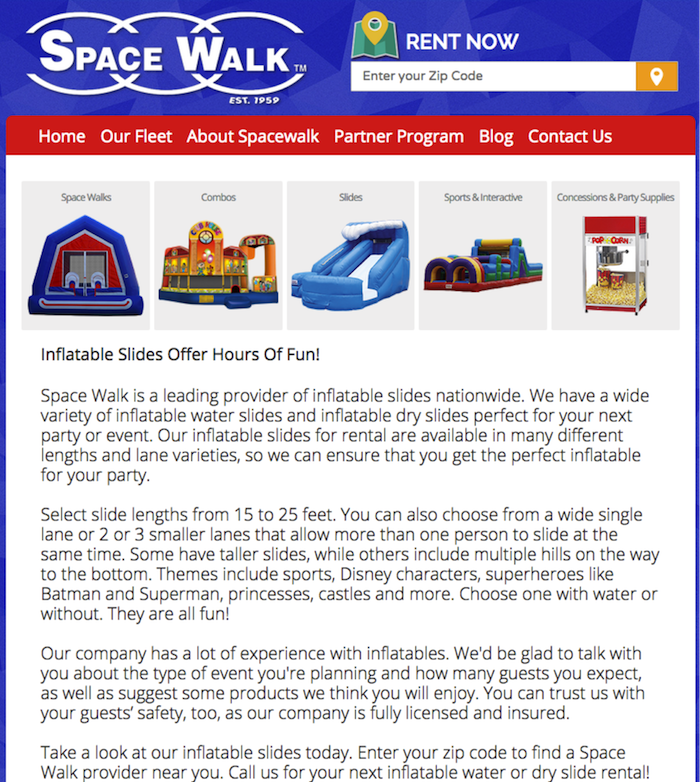
    When I refer to the main pages, I am referring to the homepage, the “about us” page, your blog, and your products and services pages—in other words, any page that contains content that is applicable to the brand and its offerings.

    These pages need to contain the best content on your site, as they will likely be the most visited. Depending on how many locations you have, you may want to include each location in the title tags of these pages, but I would avoid this practice if you have more than three, as title tags should not appear forced or spammy.

    Space Walk Franchise SEO Image Search Influence

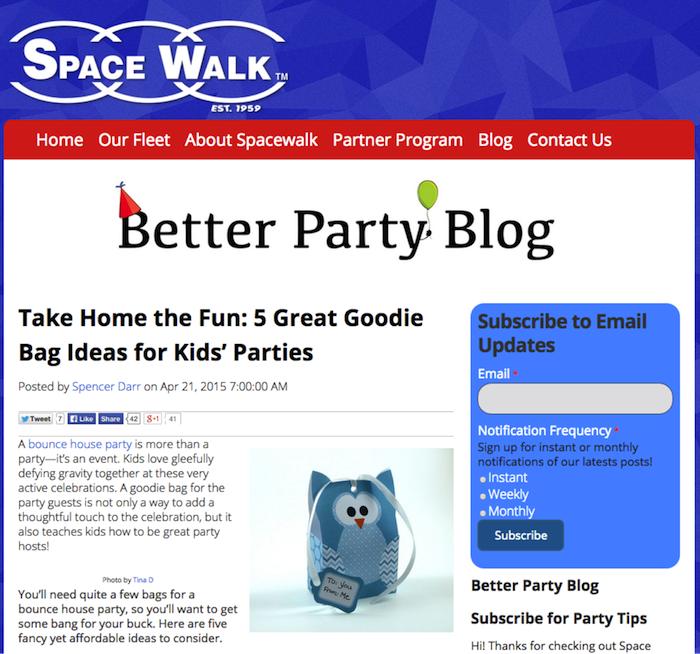
    The blog, on the other hand, can be more versatile with regards to the content that you create. Your blog should be focused mainly on industry-specific topics, but it should also have a touch of personality. Things like showcasing your community involvement or a franchisee’s achievement are both great blog topics. Search engines love active blogs, because they show that you are keeping your site up to date by offering the latest and greatest industry knowledge in a timely fashion.

    Better Party Blog Space Walk Fanchise Image - Search Influence

    Having a mobile-friendly site is important to your franchise’s digital marketing efforts, especially with our heavy reliance on smartphones today. As Google rolled out one of its most significant algorithm updates in April 2015, your site could have been practically wiped off the map if it was not mobile-friendly, and the same is just as true today.

    2. Off-Site Authority for Your Brand

    Since Google’s more recent Penguin updates, the link building game has changed. Instead of worrying about getting links to your website and becoming keyword obsessed, we need to be thinking about building authority and a stronger overall presence for the brand.

    The simplest way to do this is by creating social profiles for your brand. This is not to say that franchisees cannot or will not create their own individual pages, but you should own the brand and its voice by claiming and being active on the major social channels.

    What are the major social channels, you ask? Google+, Facebook, and YouTube are all surefire winners here. But why Google+ and YouTube? One, they are both owned by Google, and you always want to make friends with the decision maker. Two, YouTube is the second biggest search engine in the world. By regularly posting content to these profiles, search engines will get a better sense of what you offer and, in turn, what you should be found for. Note: you will have to rely on your franchisees to help you verify their individual Google+ listings.

    Listing your company in categorical directories can also help the cause of brand building. If there is a relevant directory for the product or service you offer, your business should be listed, along with all of the details of your offering. In this scenario, becoming a part of industry associations can have as much of a benefit online as off.

    There is nothing that can beat real, newsworthy press. Whether it be a press release, a magazine article, or a blog post, when your brand is mentioned online, Google is going to recognize it and correlate the content around it to your website. A link back to the site in these cases can prove helpful as well.

    Now that you have a better sense for basic brand building, stay tuned for part two of this blog series, which will explain how to manage the optimization of all of your individual locations. At Search Influence, we are best equipped to help you succeed with your franchise marketing plan and franchise SEO efforts. Contact us today with any inquiries regarding how we can guarantee a successful online marketing strategy for your company.

  • #Ibelievethatwewillwin #Ole! #WorldCup

    As the world gathers in sport bars across the globe to watch the gorgeous and very talented FIFA team members, I’ve realized that the World Cup is kind of like the Super Bowl, just bigger, better, and hotter!

    Besides the commercials and the fact that the Super Bowl is only something America partakes in, one distinguishing difference between the World Cup and the Super Bowl is the branding. While the Super Bowl has consistent branding and logos every year, the World Cup continuously changes. For example, the Super Bowl uses a consistent hashtag (#SB14) that is created by the NFL and encouraged by fans to use in the days leading up to the big night. With the World Cup, there is no consistent branding.  Which is ironic since this is the one sport the world comes together to participate in and cheer on — the original football league. Which got me thinking, sports franchises should be treated just like any other business, as should the structure of their social media campaigns. The leagues should maintain a consistent brand, continue to publish content throughout the series, and encourage fans to get engaged.

    1) Consistent Branding

    It’s funny how one word can change your branding so much!

    #football vs. #soccer
    #brazil vs. #brasil

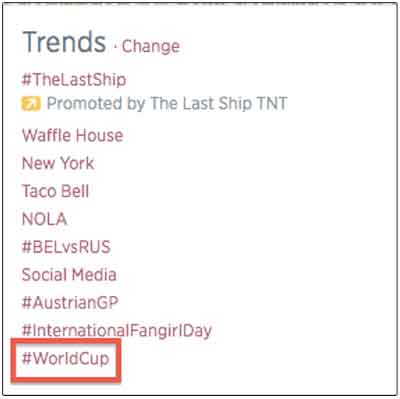
    Regardless of which country a team is from, the league should constantly present their branding on a worldwide scale. T-shirts, jersey logos, mugs, soccer balls (or footballs) and of course, hashtags.  The most commonly used hashtags for the World Cup is #worldcup with a 71.8% of tweets containing #worldcup in content published on Twitter. Other popular hashtags include:

    #brazil – 31.5%
    #fifa – 17.22%
    #football – 19.09%
    #fifta2014 – 13.29%
    #brazil2014 – 3.8%
    #soccer – 3.8%
    #brasil2014 -3.8%
    #france – 3.5%
    #fifawordcup – 3.5%
    And my favorite #Ibelievethatwewillwin

    TrendsWorldCup

    Although the league has no control over what countrymen and women are going to post or which team they are going to support, encouraging a hashtag is one way to control the branding of your business.

    2) Content is king

    The biggest social network participating in the World Cup is Twitter

    TwitterWorldCup

    With 645,750,000 people on Twitter, fans are just waiting for the latest tweet by a team member or the team. Publishing content to keep fans informed is key to a successful social media campaign. Publishing updates to the team’s status such as posting superstitions of the game results, or posting pregame photos, is what the soccer fans want. Don’t forget that your employees — or team members! — are extensions of your brand too. Encouraging employees to publish content and post pictures is also important to the overall brand image, and its success.

    TwitterESPNWorldCup

    3) Keep ‘em engaged!

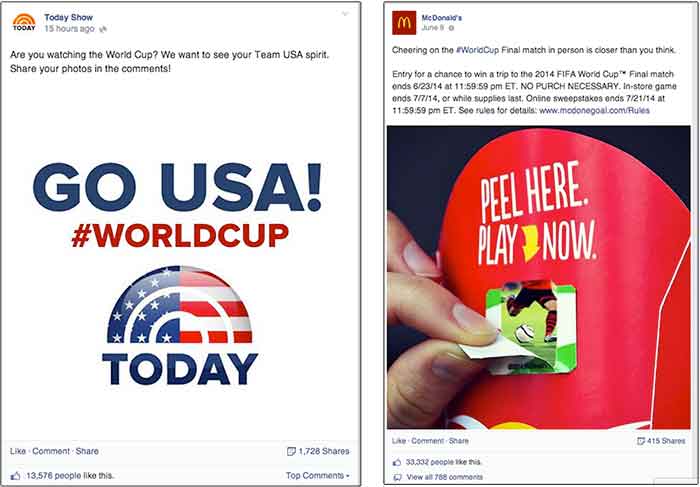
    In addition the informational content, make sure you are keeping your fans engaged with your brand. Many brands encourage engagement by asking fans to participate in poles, questions, or even contests. One of the biggest World Cup sponsor’s, McDonalds, jumped on this bandwagon in their offline “Peel, Play, Ole, Ole” campaign.

    TwitterPostsWorldCup

    For those businesses that aren’t FIFA sponsors, engaging with fans on Instagram and Foursquare are great for brand awareness. Asking fans to post pictures with your product, or check-in specials at locations are easy ways to increase a brand’s presence while engaging with fans.

    Regardless if your business is in a worldwide event that only comes around once every four years, or if it is the neighborhood corner grocery, these three tips can benefit any social media campaign.

    So y’all get ready Russia! #fifa2018 #worldcup #fifarussia #USA #USA #USA