Tag: ai seo

  • How Marketing Supports SEO and Helps You Score Big With AI Search

    How Marketing Supports SEO and Helps You Score Big With AI Search

    How Marketing Supports SEO and Helps You Score Big With AI Search

    Key Insights

    • AI search engines reward brands that align SEO with all marketing channels, including social, PR, paid, and email.
    • Social media content marketing reinforces SEO performance by increasing entity signals and driving engagement.
    • Earned media and PR build domain authority and citations that support higher search engine rankings.
    • Email and paid campaigns indirectly boost SEO by influencing user behavior signals like CTR and repeat visits.
    • AI SEO tracking tools and Google Search Console help track how your marketing efforts affect AI search visibility.

    AI-generated search has changed what a winning digital marketing strategy looks like.

    To stay competitive in search, you need more than keywords, high-quality backlinks, and old-school content marketing.

    You need a coordinated offense.

    If AI-powered search is your end zone, then SEO is your quarterback, calling the plays.

    And your other marketing channels (social media, earned media, email, and paid campaigns) are the wide receivers, running backs, and tight ends moving the ball downfield.

    When they work together, you don’t just show up in search —  you win the search results.

    Search rankings success now hinges on how well your entire marketing strategy supports visibility in Google’s AI Overviews and tools like ChatGPT and Perplexity.

    Learn how content marketing, social media, PR, paid ads, and email all reinforce your search engine optimization efforts and help your brand dominate the AI-driven digital playing field.

    How Marketing Supports SEO and Helps You Score Big With AI Search

    Why SEO Needs a Team Effort in the Age of AI Search

    AI search engines reward brands that align SEO and other forms of marketing for maximum authority.

    Search engines like Google Search no longer rely solely on keywords and link building to decide what ranks. AI-powered search pulls from trusted sources, structured content, and recognizable entities.

    Brands that show up consistently across the web, in blog posts, press releases, social profiles, and paid placements, are more likely to be recognized and cited in search engine results pages, including AI Overviews.

    That consistency helps solidify your brand across the three key AI SEO pillars: entity recognition, semantic relevance, and authoritative citations. When your content, PR, and paid efforts echo the same message, it signals trust to both users and search engines.

    Building SEO Momentum Across Your Marketing Channels

    Social media: the unsung SEO MVP

    Social media posts amplify your SEO by reinforcing entities and driving engagement signals.

    Platforms like TikTok, Instagram, and LinkedIn are now part of the search journey. With social content appearing in search results, these channels are critical for reinforcing relevance, brand awareness, and your online presence.

    Best practices for social search optimization include:

    • Using keywords in bios and captions/text posts to reflect your brand and services.
    • Linking consistently to your core SEO pages.
    • Repurposing high-quality content into bite-sized posts to boost visibility.
    • Using hashtags strategically to build topical associations and reach your target audience.

    Even more importantly, optimized social profiles with consistent NAP (name, address, phone number) data contribute to local SEO and entity alignment.

    By driving traffic and user engagement, social also sends quality signals that search engines interpret as ranking factors. This not only improves on-page SEO but also strengthens your presence in organic search results and social search algorithms.

    PR & earned media: link-building powerhouse

    Earned media strengthens SEO by building authoritative citations and backlinks.

    A press hit or podcast appearance isn’t just good publicity; it’s an SEO asset. Media mentions and thought leadership build domain authority and keyword associations that help you rank higher in organic search.

    Ways to reinforce SEO in PR efforts:

    • Include locked-in phrases (your preferred product or service descriptions) in boilerplate bios and releases.
    • Syndicate press releases via newswire services to generate multiple backlinks and citations.
    • Contribute guest posts to relevant industry blogs with links to cornerstone content.
    • Promote media wins on social channels and your website to extend reach and reinforce relevance.

    These earned links and mentions feed directly into Google’s understanding of your authority.

    They can also boost brand awareness and credibility, which in turn fuels more engagement, links, and overall SEO success. In AI search results, those citations often become the deciding factor in whether your content gets featured.

    Paid advertising & email campaigns: driving SEO clickstream data

    Paid campaigns and email traffic support SEO by sending quality signals to key pages.

    While paid search/PPC, digital ads, and email don’t directly influence search rankings, they impact user behavior metrics like pageviews, bounce rate, and time on page, all of which contribute to overall SEO performance.

    Use paid advertising (paid search/PPC and digital ads) and email to:

    • Drive targeted traffic to SEO-priority pages.
    • Retarget users to increase return visits and page engagement.
    • Feature blogs or cornerstone content in newsletters to boost visibility.

    When users consistently visit and engage with your site after a paid ad or email click, analytics and tools like Google Analytics pick up on those signals.

    They show that your content meets user intent and delivers value. In AI search engines, where quality content and user signals are ranking factors, this kind of reinforcement is critical.

    Tracking Your SEO Wins in AI Search

    How Marketing Supports SEO and Helps You Score Big With AI Search

    Tracking tools reveal how your marketing impacts SEO visibility in AI-powered search.

    You can’t improve what you can’t measure. Fortunately, new tools make it easier to track your AI search website traffic.

    Here’s what to monitor:

    • Referral traffic from generative AI sources
    • Presence in AI Overviews or AI-generated responses.
    • Entity recognition for your brand and key pages in tools like Scrunch AI.
    • Search engine rankings and keyword rankings in traditional search. You should still care about organic search rankings because they are still used by most audiences, and they influence AI search results.

    Despite popular belief, AI SEO isn’t a black box.

    At Search Influence, we recommend AI SEO tracking tools for clients who want visibility into how their content is retrieved and referenced in tools like Google’s AI Overviews or ChatGPT.

    Tools like Scrunch AI, Semrush, and Advanced Web Ranking are rolling out new features to help track keyword visibility and AI answer inclusion across different search results.

    The ability to measure these AI SEO metrics gives your team the confidence to double down on what’s working and identify new content marketing opportunities that align with search intent and digital marketing best practices.

    Higher Ed Example: When Marketing Plays as a Team

    An integrated marketing strategy helps universities dominate AI search with consistent brand signals.

    Let’s take higher education as a case study. Universities have complex websites with multiple departments, programs, and voices. When every touchpoint supports a unified SEO strategy, it makes a measurable difference in organic traffic, visibility, and user experience.

    Despite this, 51% of higher ed marketing departments lack an SEO plan.

    That’s like getting ready to snap the ball without having a play drawn up.

    Here’s what it looks like when all higher ed digital marketing channels play like a team to support SEO:

    • Press mentions are strategically related to, and link to, key website pages.
    • Faculty speaking engagements are published on YouTube and social media.
    • Social media posts present the same info as your blogs in a format designed specifically for that platform.
    • Faculty bios link to relevant departments, publications, and press mentions.
    • PR campaigns and social posts highlight research topics tied to search intent.
    • Paid ad teams run ads to SEO-targeted website pages and blogs.
    • Podcast appearances link to and mention key degrees and programs alongside your brand name.

    At Search Influence, we’ve helped higher ed clients align SEO strategy with marketing efforts by identifying opportunities to promote targeted programs and degrees through traditional methods that support SEO, and by republishing assets online in a way that is best found and leveraged by search engines and AI models.

    When SEO, PR, social, paid, and content marketing teams share data and strategy, the result is a powerful flywheel that delivers relevant content, builds domain authority, and earns organic traffic.

    Bringing It All Together: Your Winning SEO Playbook

    To win in the AI search era, you need every part of your digital marketing team working toward one goal: SEO success.

    Here’s how your marketing supports the core principles of AI-driven SEO:

    • Entities: Use structured content and consistent messaging to help search engines understand your brand and offerings.
    • Semantic relevance: Align content across platforms to reinforce semantic relevance and meet user intent.
    • Citations: Earn trust and build authority through strategic outreach, earned media, and consistent engagement.

    A data-driven, coordinated approach ensures you’re not just showing up, but standing out.

    FAQ: Marketing, AI SEO, and Brand Authority

    How does social media help SEO rankings?

    Social media boosts SEO by increasing entity mentions and driving engagement signals.

    Search engines and users alike take note of your brand’s presence across platforms. Social profiles with complete business info, regular content posts, and linked landing pages help clarify who you are and what you do. When your content is widely shared, it gains visibility and relevance in the eyes of search engines.

    How does earned media drive SEO success?

    Earned media strengthens SEO with backlinks and authoritative citations.

    Publications, podcast appearances, and industry blogs serve as third-party validators. These citations build trust and domain authority, two key elements in both traditional SEO and AI-driven rankings.

    What’s the relationship between PPC and SEO?

    Paid search (PPC) supports SEO by driving traffic and reinforcing branded search terms.

    Paid search helps fill gaps while organic SEO takes time to build. When users see both your ad and your organic listing in the search engine results pages, they’re more likely to click. That overlap improves brand recognition, click-through rate, and long-term search performance.

    How do you track AI search visibility?

    AI SEO tools measure your brand’s presence in AI Overviews and conversational search.

    Emerging platforms like Scrunch AI are designed specifically to track AI search visibility. They track how often your content appears in Google’s AI Overviews, ChatGPT citations, and other AI-driven results. Pair that with traditional metrics in Google Analytics and Google Search Console for a complete view of performance.

    Why is branding important for AI search visibility?

    Strong branding improves AI search visibility by helping engines recognize and prioritize your brand as a trusted entity.

    When your name, offerings, and messaging are consistent across the web, from your website and social channels to business directories and review platforms, you build trust. That clarity and consistency make it easier for AI to pull accurate information about your brand and include it in AI-generated responses.

    Ready to Win With SEO? Let’s Talk.

    Want your marketing efforts to work harder for SEO and get results in AI search?

    At Search Influence, we help brands align every part of their marketing strategy to drive visibility, authority, and engagement where it matters most. Our experts bring together quality content, technical SEO, paid media, and brand strategy to help you rank in search engine results and show up in AI-generated answers.

    We specialize in working with higher education, healthcare, and hospitality brands that need long-term, scalable SEO strategies rooted in best practices.

    Contact us today to learn how we can help you create a winning SEO strategy tailored to your goals.
    Images:
    Unsplash
    Unsplash

  • The Future of SEO Is AI: Will Scott on What’s Changing and What’s Next

    The Future of SEO Is AI: Will Scott on What's Changing and What's Next

    You’ve probably noticed search isn’t what it used to be. The “10 blue links” are buried under AI-generated answers, featured snippets, and who-knows-what pulled from who-knows-where.

    So if you’re in SEO, the obvious question is: what now?

    That’s the focus of a recent conversation between Will Scott, CEO of Search Influence, and Will Brooks on the Partnerships for Profit podcast. They didn’t talk theory. They talked about real-world shifts in how AI is reshaping search and what marketers can do to stay relevant.

    🎧 Watch the full episode on YouTube

    The Big Shift: From Keywords to Context

    One of Will’s most important points is that SEO isn’t going away. It’s just evolving.

    “It’s not about chasing rankings anymore,” he says. “It’s about making sure the machine understands that you are the best result.”

    That means writing for both humans and machines. Google’s AI Overviews, ChatGPT, and Gemini all rely on systems that prioritize context, relationships, and structure — a big change from the days of exact-match optimization.

    What This Looks Like in Practice

    If you’re thinking, “Okay, so what should I actually be doing differently?” here’s what came out of the episode:

    • Structure matters more than ever. Use schema, clear headings, and answer-based formatting. Will explained how internal linking and semantic cues are essential to showing up in AI results.
    • RAG is real. That’s Retrieval-Augmented Generation — how AI pulls from sources like your website to answer a question. If your content isn’t clear and accessible, it won’t be pulled. Tools like the Web Content Chunker can help structure content for better AI processing.
    • AI tools can help, but don’t replace strategy. Will talked about using AI SEO tracking tools to speed up workflows, but emphasized they’re only effective when used by people who know what they’re doing.

    “The AI’s not going to save you,” Will joked. “But it might save you time if you use it right.”

    One example he shared: A healthcare client where AI-assisted content helped speed up landing page creation by 40%, but only after a strategist built a proper outline and prompt structure first. Without that, the outputs were generic and flat.

    So, What Should You Do Now?

    Here’s the short version:

    • Audit your content. If it’s full of fluff, unclear, or hard to navigate, it’s probably invisible to AI systems. Comprehensive site audits can help identify these gaps.
    • Write with structure. Think FAQs, summaries, and natural language, not walls of text.
    • Understand your entities. Your brand, products, and topics need to be clearly defined so search engines know how they connect. Technical SEO expertise plays a big role here.
    • Experiment with AI, but don’t blindly trust it. Use it to brainstorm, draft, and revise, but always edit with human judgment.

    Why This Conversation Matters

    This episode is worth your time not because it has “hot takes” but because it grounds big ideas in practical reality. Will doesn’t hype the tech. He talks about what’s working (and not) across real campaigns, including insights from the latest SEO trends and challenges his team is navigating.

    If you’re trying to figure out how to keep your content visible in an AI-powered search environment, this is a solid place to start.

    🎙️Here’s the full episode if you want to dig deeper.

    One Last Thought

    SEO isn’t dead. It’s just growing up. And like any maturing system, it rewards clarity, credibility, and consistency over gimmicks.

    If you’re willing to adapt, there’s a real opportunity to stand out, not just in search results, but in the answers users actually see. Want to see how AI-ready your website is? Check out our AI Website Grader for a comprehensive assessment.

    👤Follow Will Scott on LinkedIn 🏢Learn more about Search Influence

  • The July Influencer: Can AI Search Affect Your Paid Ads Strategy? Plus: AI SEO Tracking Tools

    Stay ahead in digital marketing with The Influencer, Search Influence’s monthly newsletter covering SEO, digital advertising, and content strategy. Get top tips to fuel your online growth, expert insights from the Search Influence team, and our latest company news. Don’t miss out!

    Graphic for How Will AI Search Affect Paid Ads? What Marketers Need to Know blog post

    How Will AI Search Affect Paid Ads? What Marketers Need to Know

    AUDREY REYNAUD | 11-MINUTE READ

    How will AI search affect paid ads? Get answers and ROI-boosting tactics from Search Influence. Act now to adapt, cut costs, and stay ahead in AI SERPs.

    Read More


    SI Essential AI SEO Tracking Tools

    The 8 Best AI SEO Tracking Tools: A Side-by-Side Comparison

    WILL SCOTT | 19-MINUTE READ

    AI search is changing everything about SEO. Learn about the best AI SEO tracking tools that turn data into strategy with Search Influence

    Read More


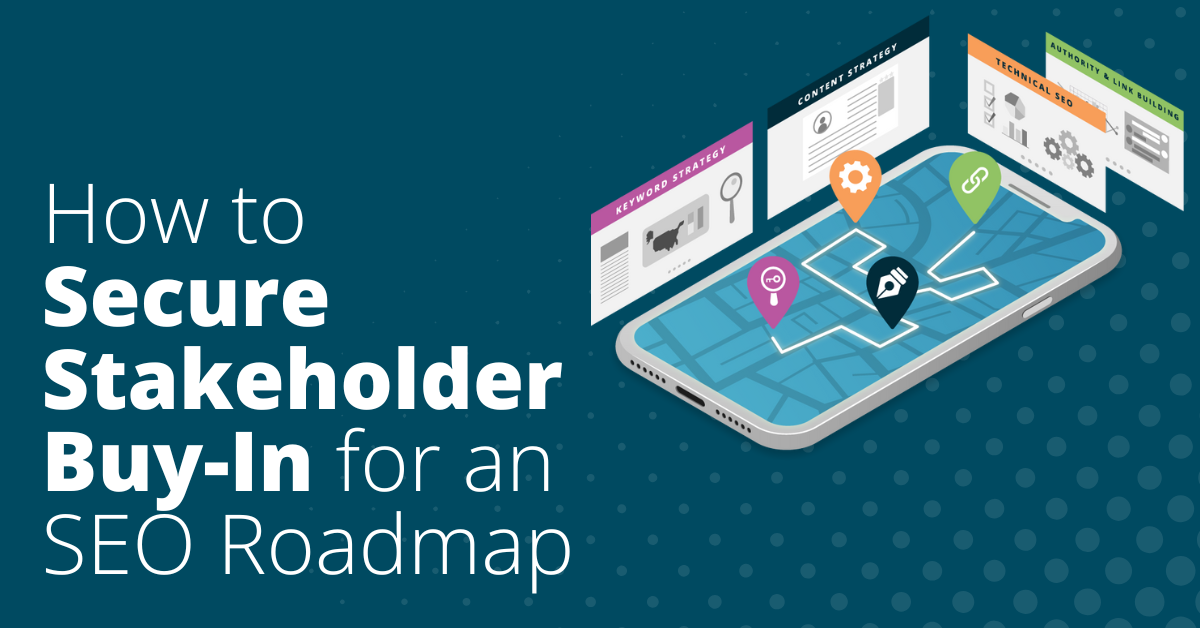
    How to Secure Stakeholder Buy-In for an SEO Roadmap

    PAULA FRENCH | 18-MINUTE READ

    You know you need SEO. A roadmap will show you exactly how and why you need it. Now, with AI inside.

    Read More


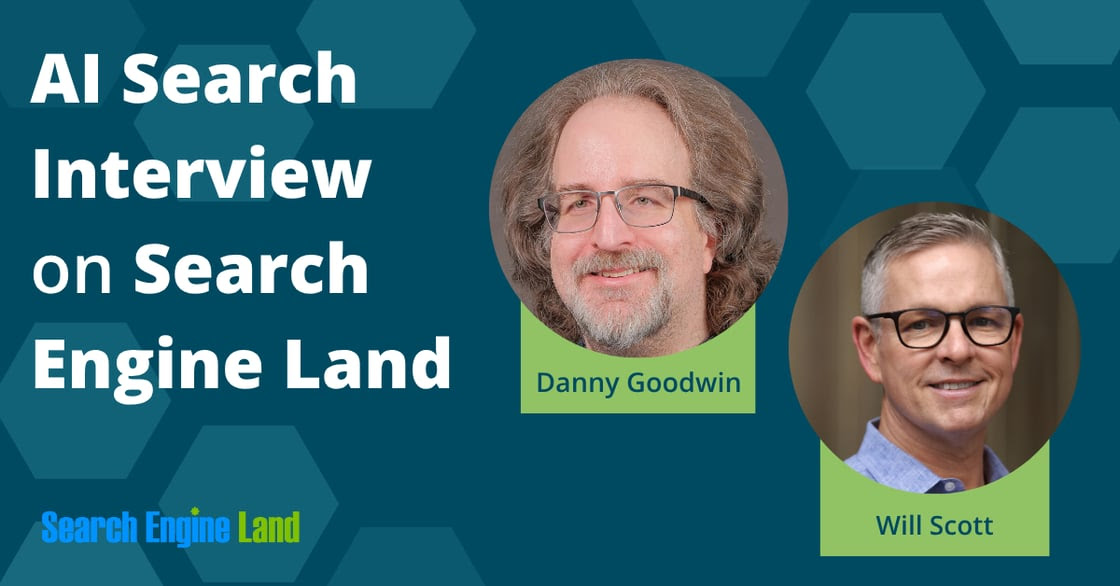
    AI Search Interview on Search Engine Land showing Danny Goodwin and Will Scott

    Video Interview: Will Scott on AI content reuse, schema and semantics, and generative engine optimization

    WILL SCOTT | 27-MINUTE WATCH

    Hear the latest on AI SEO in a video interview with Will Scott by Search Engine Land editorial director, Danny Goodwin.

    Read More

  • SEO Automation: How I Built an AI-Powered Question Discovery System with Make.com

    SEO Automation: How I Built an AI-Powered Question Discovery System with Make.com

    SEO Automation: How I Built an AI-Powered Question Discovery System with Make.com

    I recently automated an SEO process that used to take our team hours of manual work. 

    It now runs in 5 minutes. This isn’t about replacing experts. It’s about getting them out of spreadsheets so they can actually solve strategic problems and get creative with content. 

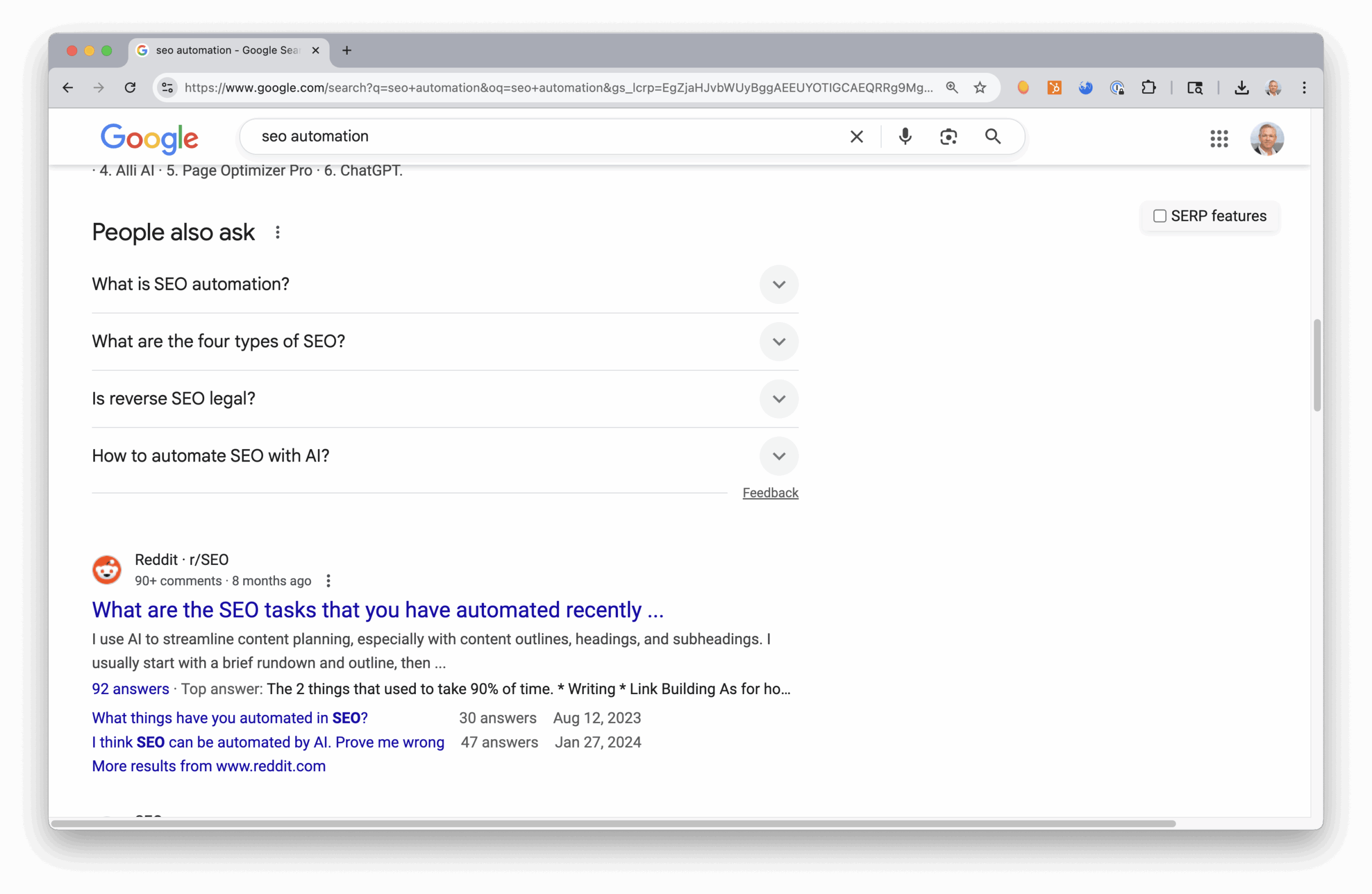
    Here’s how I built it using Make.com, Google Search Console, Semrush, and People Also Ask data from AlsoAsked, and why every SEO team should be doing this.

    SEO Automation: How I Built an AI-Powered Question Discovery System with Make.com

    The Manual Question Discovery Process We Had to Kill

    Here’s what our question discovery automation process looked like before implementing SEO automation with Make.com:

    1. Google Search Console Export: Pull search queries for specific URLs and domains
    2. Semrush Research: Cross-reference GSC data with broader keyword opportunities
    3. People Also Ask Research: Manually collect AlsoAsked questions for FAQ optimization
    4. AI Search Analysis: Hunt through competitor frequently asked questions for AI Overviews
    5. Related Topic Research: Expand into connected topics for broader search visibility
    6. Relevance Assessment: Manually score questions for content fit and business value

    This took 2-3 hours per analysis. Multiply across clients, pages, and team members, and you’re wasting 15-20 hours weekly on work that doesn’t require strategic thinking.

    The turning point came when I realized our senior strategists were spending more time pulling data than actually optimizing for the things that matter – like getting featured in Google’s AI Overviews and other search features that are reshaping SEO.

    How to Build Your Own SEO Automation with Make.com

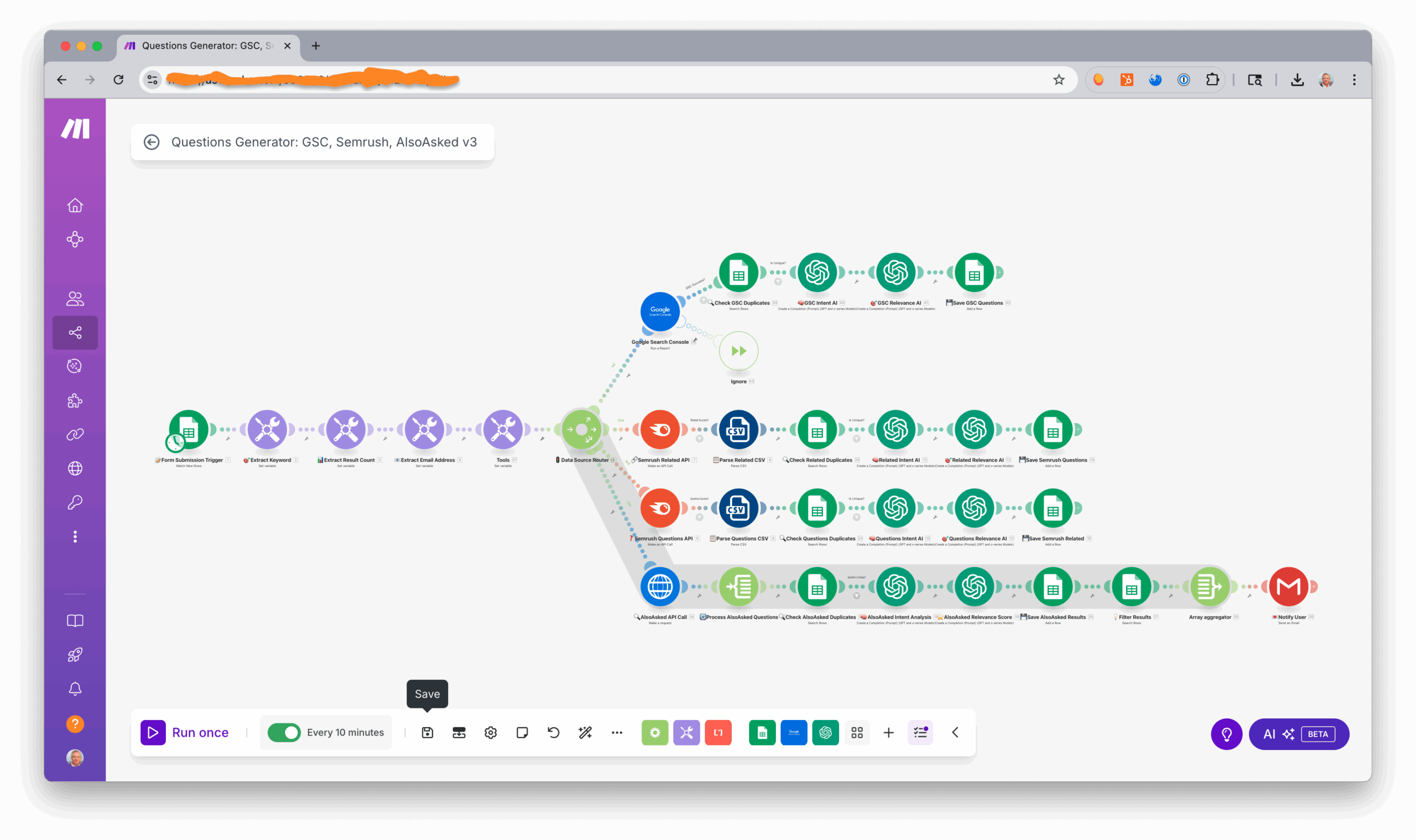
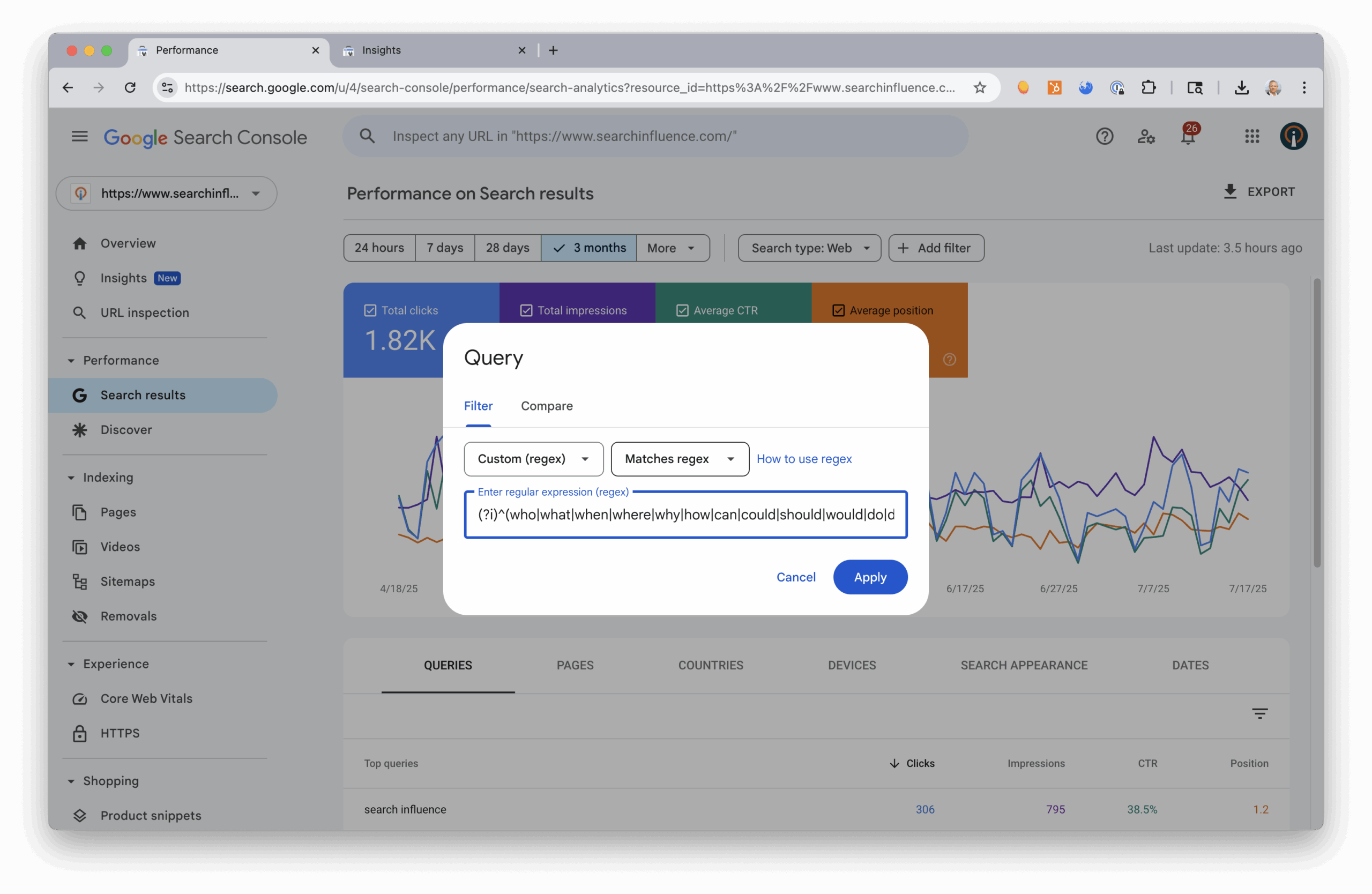
    I built the SEO automation in Make.com to actually analyze, not just move data around. The workflow connects Google Search Console, Semrush, and People Also Ask into one system. If a URL has enough data in GSC, it pulls questions from there. If not, it automatically looks at the whole domain for context. Then it grabs related questions from People Also Ask, pulls keyword data from Semrush, and uses AI to score every question based on what you’re actually trying to accomplish with that page.

    High-Traffic Pages: Get laser-focused questions with direct GSC processing, plus related questions from People Also Ask for thorough FAQ development.

    Newer Content: Enhanced with domain-wide context and AI question discovery to find content gaps and optimization opportunities.

    Strategic Analysis: Semrush integration helps us spot competitive keyword opportunities and find gaps in the market.

    AI Search Optimization Through Automated Question Discovery

    Raw question data from Google Search Console and Semrush tells you what people search for. AI-powered analysis tells you what’s relevant for AI search optimization and FAQ schema implementation.

    The automation looks at two things most tools completely ignore:

    Page Context: What’s this page actually trying to accomplish? Is it a service page, blog post, product page? What’s already covered in FAQs? What could work better for AI search?

    Business Context: What industry you’re in, who you’re targeting, and what actually matters for your goals.

    Then it scores each question on several factors: how relevant it is to your page topic, whether the search intent matches what your page does, how likely it is to show up in AI Overviews, whether it’s good for FAQ sections, and how much business value it could drive.

    This isn’t search volume analysis—it’s contextual intelligence that considers what you’re actually trying to accomplish with AI search optimization and semantic SEO.

    Benefits of SEO Automation for AI Search Optimization

    The real value of question discovery automation isn’t the 20 hours we save weekly. It’s consistency in AI search optimization. Automation doesn’t cut corners or make mistakes when deadlines are tight. It looks at opportunities with the same care every time, and it’s specifically built to work with AI Overviews, People Also Ask boxes, and FAQ schema markup.

    More importantly, the Make.com automation handles all the grunt work so the team can focus on what actually requires human expertise: figuring out why competitors are winning, developing content strategies that align with business goals, and solving complex technical SEO problems.

    As Google’s AI Overviews and other AI search features change how people find content, having good answers to specific questions matters more than ever. The teams that will win are those using automation for data collection while putting human expertise toward strategy and execution.

    Here’s something important: Google’s AI search features literally pull answers from web content to populate results. If your content answers the questions people are actually searching for, you show up. If it doesn’t, you don’t. The automation helps identify exactly which questions your content should answer to get maximum visibility in these new search features.

    Implementing SEO Automation: Make.com Blueprint for Question Discovery

    I made the complete blueprint open source because everyone should be doing this instead of manual data collection. Everything you need—the Make.com workflow, Google Search Console setup, Semrush integration, and People Also Ask automation—is at https://github.com/willscott-v2/get-questions.

    What took us months to build, you can set up in an afternoon. The blueprint has everything: smart routing logic, AI scoring for relevance, People Also Ask automation, Semrush workflows, plus optimization features for AI search.

    The automation can also help with FAQ schema markup, How-To schema, and other structured data that search engines love.

    Strategic Advantage: Human Creativity Unlocked Through SEO Automation

    If your team is still spending time manually sourcing questions for FAQ optimization and AI search, you’re losing strategic ground in AI-driven SEO.

    As AI search and Google’s AI Overviews continue to change search, the choice is simple: let your best people do work that Make.com automation can do better, or free them to do the strategic work that actually wins in AI search optimization.

    SEO automation isn’t about doing less work—it’s about doing different work. The kind that requires creativity, strategic thinking, and industry knowledge that machines can help with but can’t replace.

    Every hour spent manually pulling questions is an hour not spent on competitive analysis, content strategy, or optimizing for AI search features. The tools exist to fix this trade-off.

    The complete SEO Automation blueprint is available on GitHub, including setup guides, People Also Ask integration, Semrush workflows, Google Search Console automation, and FAQ optimization features.

    You like it? Link to it. Link to this post, please: SEO Automation, or AI Search Optimization.


  • AI SEO Leader Will Scott to Speak at Two Sessions at Pubcon Pro 2025 in Austin, TX

    AI SEO Leader Will Scott to Speak at Two Sessions at Pubcon Pro 2025 in Austin, TX

    Search Influence is proud to announce that our CEO and Co-Founder, AI SEO Expert, Will Scott, will be speaking at Pubcon Pro 2025.

    The event will take place in Austin, TX, June 19–20, 2025.

    On Thursday, June 19, Will will bring his AI SEO expertise to two high-impact sessions:

    • AI-Powered Agencies: Automate 80% of Your SEO Work
      In this session, Will will reveal how agencies can use AI SEO tools to streamline content workflows, scale optimizations, and maintain quality while accelerating delivery.
    • AI and SEO Content Generation
      As the moderator, Will will guide a dynamic discussion on how AI is reshaping the content lifecycle, from ideation to optimization to AI Overview readiness.

    A Recognized Leader in AI SEO Strategy

    Will Scott is an AI SEO Expert and a digital marketing pioneer known for coining the term “barnacle SEO” and for championing the intersection of automation and strategic SEO. 

    As a founding faculty member at Local U and a frequent speaker at SMX, past Pubcon conferences, and industry associations across the country, Will brings decades of SEO wisdom into today’s generative search era.

    Under his leadership, Search Influence has become a go-to AI SEO (also known as Generative Engine Optimization) agency for organizations in higher education, healthcare, and hospitality, amongst other industries. From content creation and semantic optimization to AI search visibility tracking, our team helps clients adapt to the realities of AI-powered search.

    Learn more about Will’s approach by reading some of his recent blogs:

    Why This Matters: Visibility in a Generative Search World

    AI SEO isn’t a trend, it’s the new foundation of online visibility. With AI Overviews now live in Google Search and large language models shaping what users see, brands that fail to optimize for AI risk falling behind.

    Search Influence has long anticipated this shift. We’ve equipped our clients with agile solutions, including content structured for AI retrievability and scalable workflows using AI SEO tools. 

    Ready to Future-Proof Your SEO?

    If you’re attending Pubcon Pro 2025, don’t miss Will’s sessions.

    From automation strategies that can scale your SEO output to real-world guidance on AI-powered content generation, Will will share practical insights you can put into action immediately.

    Can’t make it to Austin? No problem. 

    Our award-winning AI SEO agency is ready to help you launch your strategy into the future.

    In higher ed? 

    Start with our Higher Ed SEO Roadmap to assess your visibility in an AI-driven search world.