Author: Gabrielle Woodard

  • 6 Steps To Align Your Healthcare Marketing With Business Growth Goals

    Key Insights

    • Set specific, attainable goals that are important to all stakeholders
    • Implement measurable tactics to monitor campaign performance
    • Track patient booked rate and patient lifetime value to analyze the quality of new business

    Introduction

    Without clearly identified goals or strategies to measure results, your healthcare marketing efforts may be met with this question, “What are we getting for our marketing investment?”

    As a marketer, you should have the ability to point to well-structured, outcomes-focused data to answer this question each time it’s posed. Build ROI-focused marketing goals for your hospital or practice with this guide.
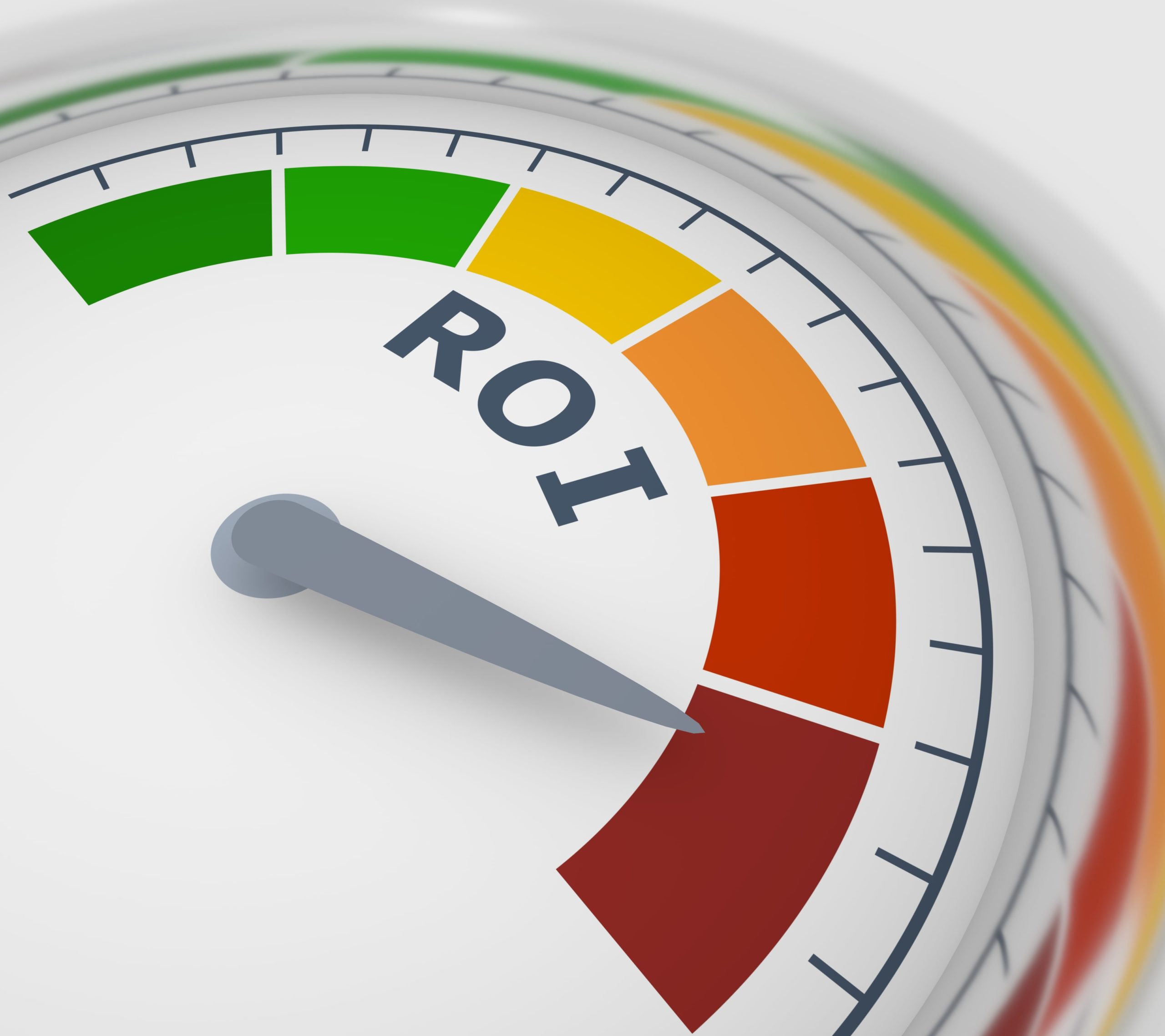
    Return on investment meter in the red

    Step 1: Understand Your Needs and Goals

    Typically, when stakeholders meet to discuss business growth and development, they discuss marketing needs and opportunities. Key points can include:

    • Patient retention
    • Filling the number of open beds
    • Building patient base to hire more physicians
    • Increasing utilization of surgical hours
    • Booking available appointment slots

    Understanding not only the significance of every need but the opportunity cost of underutilized appointment slots or surgical hours (i.e., missed revenue) is an effective way to triage goals.

    When setting goals, communication and accountability are imperative between marketing and operational stakeholders. The team should discuss campaign expectations, what success should look like, and how to measure results.

    Some great questions to ask yourself as you’re creating goals are:

    • What does success look like?
    • What kind of growth do we want to see in 6 months/12 months/2 years?
    • What organizational metrics will we track to know if we’re successful? How often can we report on these metrics?

    Step 2: Clarify the Product or Services You Want to Promote

    Now, let’s connect the “need” to “services” we’ll be promoting. If the need is to increase the number of surgeries and the goal is to increase surgery revenue by 8%, identifying which surgeries have the highest revenue and the greatest opportunities for promotion can drive your campaign strategy.

    You can also look at each of the needs in Step 1 by procedure/surgery to help understand the areas for growth.

    By doing this, your team will ensure that marketing activity funnels patients to the areas that need and can handle the increased volume instead of funneling more patients to an already overbooked area of the business, where you risk creating unhappy patients.

    Step 3: Determine Your Campaign Objectives

    Your goals (from Step 1) are the destination of where you want to be, and your campaign objectives are the driving force that get you there. The goals above are big picture organizational impact goals (For example: “Increase appointment time utilization to 90%”), whereas campaign objectives are more specific to the marketing campaigns themselves (For example: “Achieve 50 patient inquiries”).

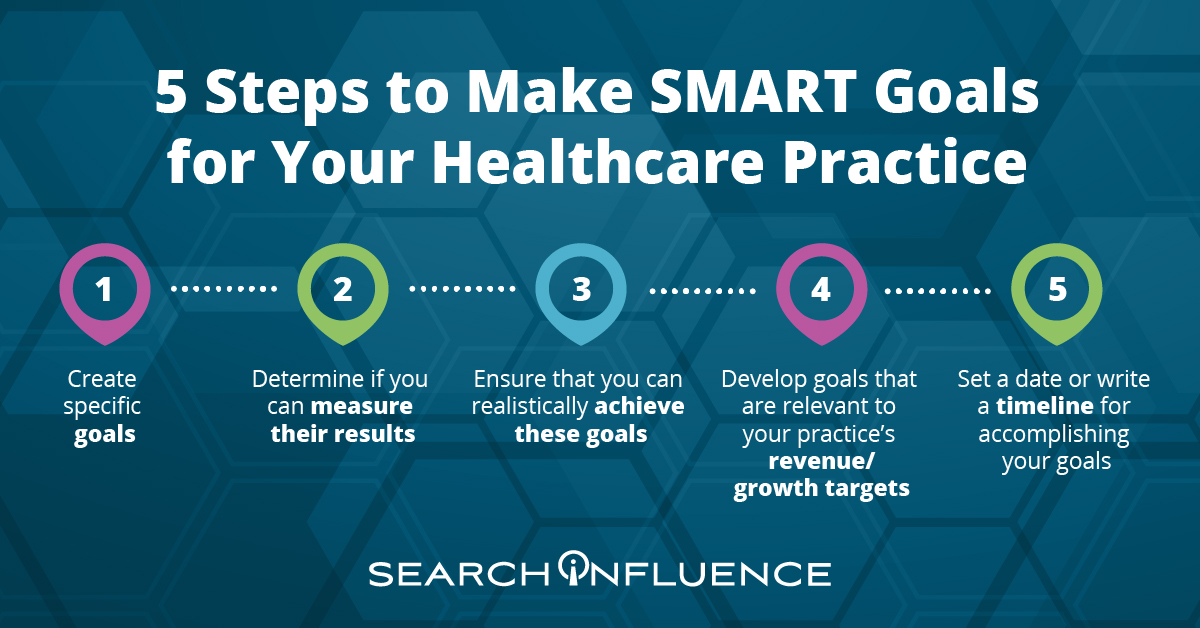
    Objectives keep specific campaigns on track and serve as the foundation of every marketing strategy. At Search Influence, we’re BIG on SMART goal-focused campaign objectives.

    • S – Specific
    • M – Measurable
    • A – Attainable
    • R – Relevant
    • T – Time-bound

    Five steps to creating a SMART healthcare marketing plan

    We found this to be one of the most productive ways to work toward an achievable goal and hold our campaigns accountable. The more specific you can be in defining your goal, the better.

    For example:

    • A campaign objective: “Increase appointments booked.”
    • A SMART campaign objective: “By June 1, increase ENT appointments booked by 20 new patients a month by implementing a Google Paid Search campaign.”

    To determine if your goal is attainable, compare your current state to where you want to be. Use any historical data or estimates that you can get your hands on.

    Using the example above, historical data may show your practice is only seeing an average of 2 new patients per month; a campaign objective that targets 20 new patients within the same timeframe is likely too aggressive for you and your staff. Adjust to something more modest.

    Consider how much more effort or how much you’re increasing your investment to drive those additional patients. If you know or can estimate your historical cost per new patient, that is the absolute best way to determine if it’s realistic to drive the number of new patients you want/need with the budget you are adding to your investment. This will help assure your goals are realistic AND profitable for your business.

    Step 4: Establish How You’ll Measure ROI

    Return on investment (ROI) can be looked at in several ways, with the calculation always being similar:

    (Revenue – Marketing Investment) / Marketing Investment

    How you apply that calculation may be different. You can look at:

    • Overall increase in revenue compared to overall marketing budget
    • New patient revenue compared to overall marketing budget
    • Procedure-specific revenue compared to procedure-specific marketing budget
    • Individual patients acquired by marketing activity compared to the cost to acquire them

    Additionally, some may choose to calculate ROI specifically by looking at profit as opposed to revenue. For others, that number may be far too complicated to obtain, so leveraging revenue is most often the more straightforward.

    • How can ROI help?
    • Justify next year’s marketing budget
    • Make your case for an increase in budget
    • Help you assess and report on improvements to marketing success for a given period and over time

    Step 5: Calculate Your Patient Lifetime Value or Average Revenue Per Patient

    Overhead shot of a doctor's desk

    You can look at Patient Lifetime Value and Average Revenue as a true average for your facility or you can look at it by department/unit. You can also look at year 1 value of a patient if that’s something that is important to you.

    Your patient management system may either provide this information for you or provide you the info you need to calculate this data point.

    If you want to come up with an estimate, you can do a simple equation of average cost per visit multiplied by # of visits. If you cannot get actuals, use estimates based on your experience—using estimates is better than having no data at all!

    For example, a pediatrician may expect to see a new patient at least 8 times within the first year. That frequency decreases as the patient ages—let’s say you expect 2 well visits and 3 sick visits in year 2. The estimate of sick visits could be based on actual numbers from your patient system, or you can estimate based on your experience. Let’s say the average revenue per visit is $200. This makes the value of the first 2 years is $2,600 (13 visits x $200 per visit). Even if this isn’t exact, it’s helpful to know the value of the patients that marketing is driving in order to use this figure in ROI calculations.

    If you really want to use exact numbers, pick a time period, say, the last 2 or 5 years, and pull data and find an average.

    One ROI measuring strategy is to center your ROI goals around new patient value. You can use this patient value number as a proxy for revenue in your ROI calculation. This is one way of getting around the need to have access to real revenue data.

    Step 6: Consider Your “Close Rate“ or Patient Booked Rate

    Now you understand the importance of attainable goals and factoring this into lead acquisition. However, does the number of patient inquiries matter if they aren’t converting via consultations, scheduling surgeries, or attending their follow-up appointments?

    Understanding your patient booked rate can build confidence in the attainability of your campaign objective.

    To find your patient booked rate, ask yourself:

    • If you had 10 inquiries last month, how many of them ended up visiting your facility?
    • What factors may have prevented someone who called your office or scheduled an appointment online from qualifying as a good candidate for a procedure?
    • Are there internal opportunities to improve how many inquiries turn into in-office visits?

    After evaluating the patient booked rate, consider the probability of your team booking 20 new patients a month before finalizing your goal. For example, a practice with a close rate of 80% would need fewer new inquiries to increase their in-office visits than a practice with a 20% close rate. You can also find opportunities internally to increase your booked rate so that you can book more of the inquiries that you want marketing campaigns to deliver.

    Understanding these data points will help you have informed, concrete discussions about marketing. They are helpful in budget, performance, and growth conversations.

    Search Influence builds your patient pipeline and helps you stay productive. We work with you to set measurable and transparent campaign goals to help you understand how your medical marketing activity impacts your healthcare practice’s success.

    Gain professional insight into how to calculate these metrics and set yourself up for success by calling (504) 208-3900 or filling out our form to get the conversation started!


     

  • How to Bounce Back From a Bad SEO Experience

    If you or someone you love is struggling to bounce back from a bad SEO experience, please call 504-208-3900 today.

    Let me first start by saying, I am truly sorry. I hate to hear our competitors are delivering anything less than a successful (and profitable) SEO campaign, and I really hate to know these companies are giving a great company, like mine, a bad name. Shame! I hope this blog can be therapeutic and we can strengthen your trust in SEO and humanity… together.

    If you’re reading this, you don’t need me to tell you how SEO is an investment and how it should be included in your marketing strategy. Actually, the more I think about it… maybe you do. Maybe the value was never clearly communicated or our competitors did a poor job in setting expectations. Again, on behalf of the industry—I apologize.

    Frustrated business owner after a bad SEO experience with Search Influence competitor

    A big step in therapy is acceptance. Together, let’s accept that an immediate impact is not possible with SEO. Let’s also accept that in the SEO world, Google controls life. If we understand the algorithm and play by the rules, there’s no reason this experience should be negative. As a reminder, Google is responsible for 94% of total organic traffic, so yes, we play by the rules. If you think I’m just drinking the Google Kool-Aid, know that 61% of marketers say improving SEO and growing their organic presence is their top inbound marketing priority.

    If you’ve ever sat in on one of my webinars or pitches, you’ve heard my analogy—SEO is the marathon and paid search is the sprint. SEO is organically strengthening a brand’s authority, and it’d be illogical to believe anything organic can efficiently mature and be optimized in a short period of time. If you’ve heard “we can increase rankings immediately” or “I promise you’ll be on page one,” SEO wasn’t the right campaign for you. If you are looking for immediate results, it’s possible with paid search. I don’t want to beat a dead horse, but expectation-setting and communication is key to any partnership. It’s possible that your previous SEO campaign was strong and could have been very successful, but expectations on results and return wasn’t effectively or honestly communicated.

    Over the last seven years, I’ve worked with and regained trust of many business owners and marketing executive who’ve come to Search Influence a little gun shy. Over the years, I’ve had time to think of all the things I wish clients would have asked our competitors when they weren’t doing their job. I’d also like to share some of our unique selling points that aren’t broadcasted because it’s so natural to our team and part of our core, we sometimes forget to share.

    Anyone investing in SEO, especially while recovering from a negative experience, should consider the following when interviewing new marketing partners.

    Partner With a Transparent Agency

    Like any relationship or partnership, communication and trust are crucial. At Search Influence, we truly see our team as an extension of your company and brand, and we want you to trust and challenge us as much as you would your own. In employee interviews, you ask for references and work experience. Why should hiring a marketing partner be any different?

    When you’re vetting through agencies, ask for client references. We know that customers are 88% more likely to trust a review or testimony from a complete stranger as much as family and friends. If numbers are all you care about, ask for success stories. I encourage you to not only ask for references and case studies within your own industry, but in others, as well. Analyzing an agency’s ability to target different types of audiences like college freshman vs. concrete manufacturers or write strong legal web content vs. e-commerce ad copy shows willingness to understand your audience and shows they aren’t cookie cutter.

    Team collaborating on SEO marketing efforts

    Don’t Be Afraid to Ask the Hard Questions

    No relationship is perfect, but before starting a new partnership, don’t you want to know why it didn’t work out with all the other ex-girlfriends? Don’t you want to know who broke up with who and why, and if we ever break up, are you going to be salty and never return my stuff?  

    The first cut is the deepest, so let’s cut to the chase and ask the hard questions that are extremely important. I strongly encourage you to ask the following questions:

    • What happens if it’s not working and I’m not seeing results?
    • What’s the number one reason clients part ways with your company?
    • How do you hold yourself accountable?
    • If you create logins on behalf of my company, will you share them with me?
    • Should I ever leave, will you remove work from my site?

    In my opinion, how the agency responds to these direct and powerful questions says more about their core values than the strategy alone.

    See What’s Behind the Curtain

    If Search Influence sees ourselves as an extension of your company, don’t you want to know how we operate? If I were in your shoes, I’d want to understand a day in the life of my campaign. I’d want to understand the frequency of internal communication, who Q/A’s site edits before they go live, how many editors sign off on press releases, and how frequently will I be hearing from my team.

    Maybe you’re not interested in a list of references or reading success stories, but are instead interested in what’s behind the curtain. To tease a little bit of the magic, I’ve listed just some of our day-to-day activities that are so routine we almost forget how glamorous it is to the other side of the curtain.

    • Results-Driven
      • Every campaign starts and ends with your goals. The strategy, the work, and the focus is centered around what we need to do in order to deliver success. We track conversions and measure success so we can confidently show you a positive ROI.
    • Think Like Your Target Audience
      • We evaluate the entire consumer journey and create buyer personas to understand their behavior online. We analyze their interests, triggers, frequented sites, content consumption, and more to implement a strategy to target and convert your audience into customers.
    • Transparency and Accountability
      • We’ve created a reporting dashboard to how you how your campaign is performing 24/7. Not only can you see campaign success, but you can see what our team is actively working on and tactics coming up the pipeline.
    • Proactive, Not Reactive
      • We’re constantly learning from each other through our daily department huddles and weekly company meetings. Our constant collaboration allows us to share what’s working and what’s not working and how we can improve. With every learning, we confidently and proactively bring new ideas to each campaign.

    Don’t let one bad breakup keep you off the SEO market forever. Get in touch with the SEO experts at Search Influence today so we can help you create and implement a targeted digital marketing plan.

    Images

    Frustration

  • Unfamiliar With “SEO?” Here’s Why Search Engine Optimization Is Important

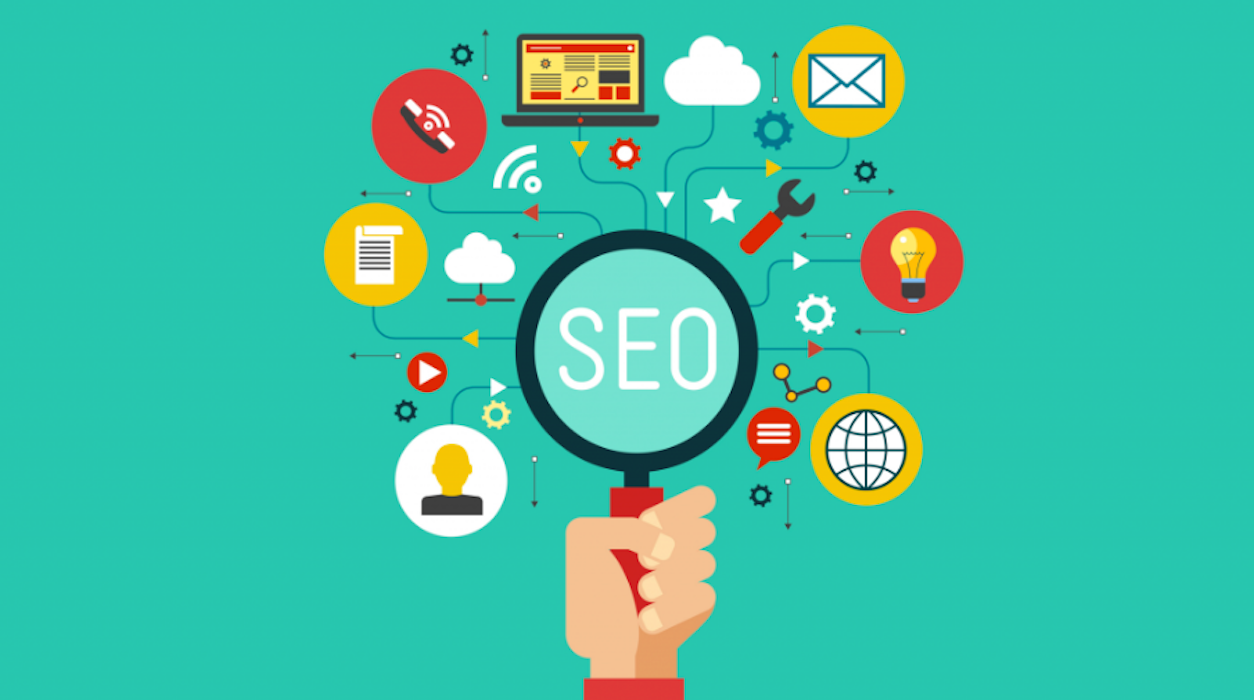
    Magnifying glass zooming in on SEO

    I entered the digital marketing industry in 2012 when Search Engine Optimization was a simple blend of keyword stuffing and link building. If anyone suggests those strategies still hold up, then they’re living in the past. SEO has changed because the search behavior of consumers has changed. According to Google, 84% of Americans are shopping for something at any given time, in up to six different categories. During their journey, shoppers are searching online, verifying references, reading reviews, connecting with local businesses, and (the most important step of all) converting.

    The once linear buyer’s journey has become a multilateral experience full of content consumption, brand impressions, strategic ad targeting, online searches, remarketing, and email marketing. To be successful, brands must be present in the ever-changing and always competitive online market.  As digital marketers, our job is to connect searchers to the right businesses, and SEO is one of the most effective ways to do that.

    What Is SEO?

    SEO allows businesses to connect with the right audiences by increasing the quality and likeliness to convert traffic to a website while improving brand recognition.

    The way Google connects businesses with audiences is through its algorithm, which changes about 500-600 times a year. The algorithm is intended to keep up with consumer behavior and keep searchers from ending up on untrustworthy websites. To quickly connect searchers to businesses, Google’s algorithm includes some of the most popular “checklists” that searches have indicated are important.

    Can I trust them?
    Are they located close to me?
    Do they offer the service I need?

    New call-to-action

    How SEO Works

    The three most effective constituents for any SEO campaign include content, brand authority, and local presence.

    Content

    Content helps answer the question “Do they offer the service I need?”

    It looks like on-site content, blogs, videos, whitepapers, email marketing, infographics, content marketing, product descriptions, information about the business’s history, and social posts.

    Shoppers consume content differently on mobile devices than on desktops and through different avenues like video, blogs, graphics, and social posts. Content is the most effective way to communicate who you are and what you do to search engines and your audience. This gives businesses a great opportunity to get creative and engage with audiences outside the traditional text of website content.

    Website content

    Create and optimize unique content for each service or product that you want to rank for next time a user is searching. For example, a lawyer who specializes in personal injury should have dedicated pages for each practice area they offer like medical malpractice, car accident, wrongful death, etc. Having dedicated pages for “medical malpractice” precisely and effectively communicates to Google that the content on these pages strictly focuses on “medical malpractice.” This strongly impacts content relevance and organic rankings when people search “medical malpractice lawyer.”

    A click to a site, organic or paid, is a very strong sign of a user’s level of intent and conversion. On-site content should be used to communicate competitive advantages, prices, products, and services. Onsite content should deliberately be written in to drive conversion behavior, with strong calls to action like “call now”, “sign up for our newsletters”, “contact us today”, or “buy”.

    Videos

    Research by HubSpot suggests that using videos on landing pages will increase conversions by 86 percent.

    Businesses need to communicate their message and engage with their audience. A video can be a 30-second teaser for a series of blogs, 2-minute testimonials of a happy client, or 5-minute highlight summary of a recently sponsored community event. Videos are great for users engagement and even better for product promotion.  Almost 50 percent of internet users look for videos related to a product or service before visiting a store.

    Blogs

    According to HubSpot, companies that published more than 16 blog posts per month got about 4.5 times more leads than companies that published zero to four monthly posts.

    This type of content should be slightly more engaging and address identified topics and related topics interesting to the audience. Blogs should always be shared on social, and including videos is a great way to complement the content and increase engagement.

    Brand Authority

    New call-to-actionThis helps answer the question “Can I trust this businss?“

    It looks like earned media like press releases and brand mentions, industry recognition and noted awards, customer reviews, backlinks for all off-site work and publications, and Google posts.

    88 percent of people trust a review from a stranger as much as they would a referral from a friend or family member. Having reviews on your site builds trust with readers while highlighting customer satisfaction. Potential customers trust user-generated content, and all businesses should encourage their clientele to leave reviews or have a dedicated strategy in place to generate them.

    Other ways to increase brand awareness off-site are through earned media publications like brand mentions and press releases. Anytime a business has a newsworthy topic like a major event, community sponsorship, new leadership, or a new location, creating and publishing a press release can establish brand trust and awareness while gaining reputable backlinks.

    Brands should always assure they are receiving link backs from any third party publications and sponsorships. Not only do links build trust with Google, but it also provides a way for referral site traffic from other sources and sites.

    Local Presence

    This help answer the question “Are they conveniently located to me?”

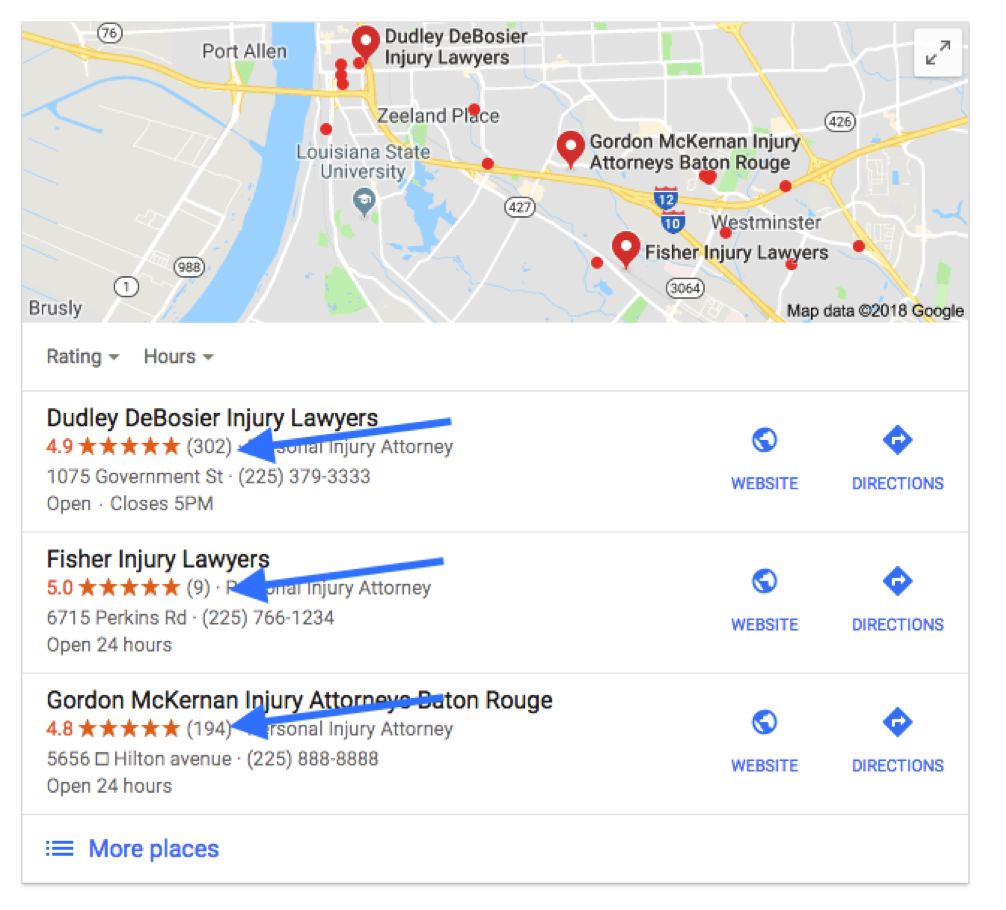
    It looks like local on-site content, correct and consistent listings on maps like Google, Apple, Yelp, and Bing, and showing up in Google’s Maps Pack.

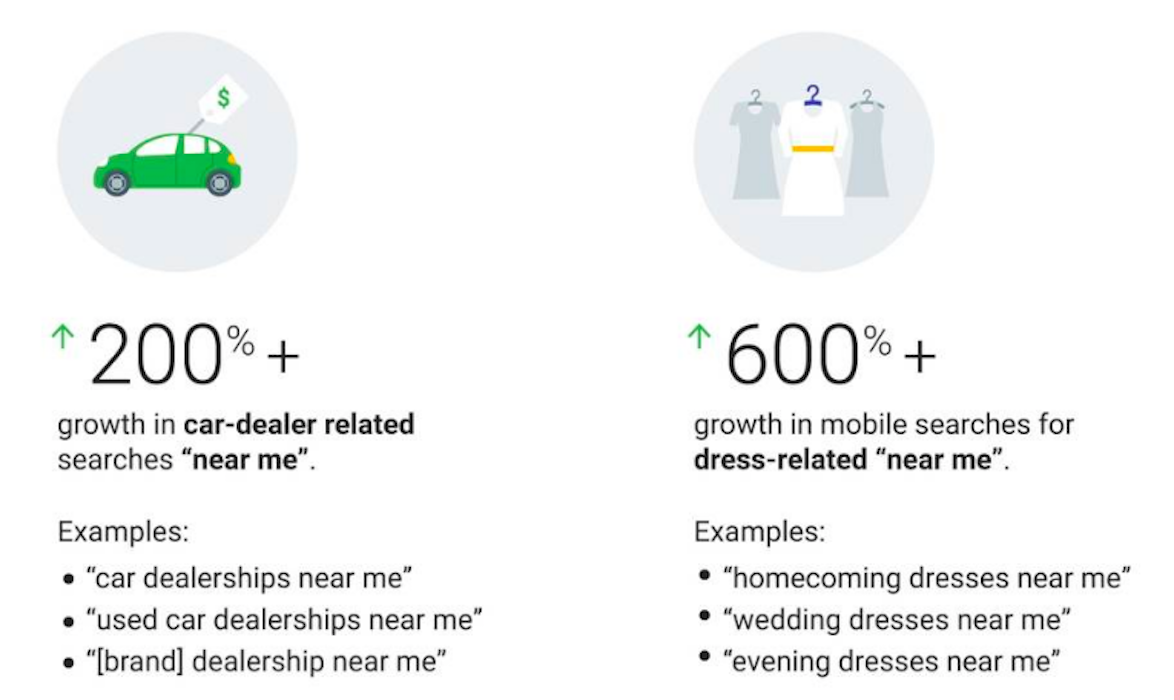
    While consumer behavior continues to move off of the streets and onto the internet, communities supporting local businesses stay strong. In 2018, HubSpot’s data stated that 72 percent of consumers who did a local search visited a store within five miles. Being found locally is crucial, especially for businesses in the service industry like landscapers, restaurants, groomers, mechanics, etc. According to Google, mobile searches that include the phrase “near me” have grown by 500 percent in the last two years.

    Google graphic showing the dramatic increases in near me searches

    So how can businesses communicate they are in fact “near” searchers? First, make sure that you claim and optimize the correct name, address, and phone number across the major local directories like Google, Apple, Yelp, and Bing. Also, build out local landing pages for each location on-site to include a map, local content, hours of operation, and directions. Check out our location page for a concrete example.

    The way consumers search for dresses, landscapers, and car dealers will continue to change, and therefore the digital marketing industry will too.  Just as our campaigns have strayed from the simplicity of keywords and link building, our marketing campaigns will continue to develop and change. In an everchanging and competitive industry catered to consumers, businesses must have a strategy to be successful. If you don’t, Search Influence’s digital marketing experts can help you develop one. Call us at 504-336-3379 to learn more.

    Images

    Magnifying Glass

    Google Data


  • Your Referral-Based Business Still Needs Digital Marketing

    Most referral based businesses are pretty happy watching the dollars come in without having to invest in marketing. The business model usually looks a little something like this: company does good work → client is happy → client tells a friend they are happy with great work by company → friend works with company. Badabing.

    But wait, we missed a step! How’s the referral going to find you? Even if your name, number, address, and directions are written down, laminated, framed, and handed to a referral, they will still search online to find any business. According to Google, 97% of consumers use the web to search for local businesses.

    • 96% of people seeking legal advice use a search engine
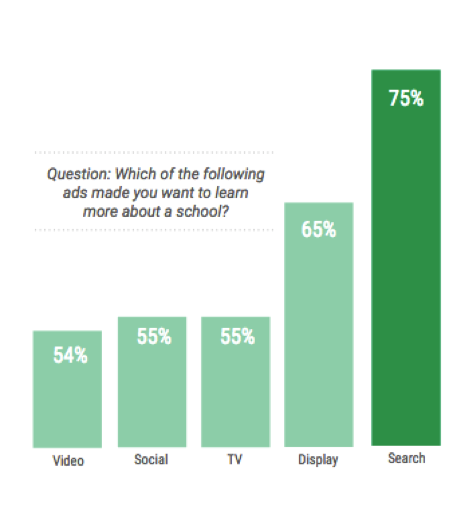
    • 56% of students turn to search when research programs/degrees
    • 78% of local-mobile searches result in offline purchases

    These stats prove search is the best opportunity to influence your audience buying decision and shape their perception of your company. If your business isn’t investing in digital marketing, which of your competitors will the referral contact once they can’t find you online?

    Who’s Representing Your Law Firm Online?

    Only 13% of people are referred to an attorney by a family or friend. If you don’t have a strong brand or search presence online when the referral or new lead is searching for you, what does this say about your reputation? Some may think, “How good can this guy be if I can’t even find him on Google!” Even if you have a compelling slogan, your law firm needs to be competitive in local search results.

    If your law firm generates cases based on client or attorney referrals, make sure to get that word-of-mouth online! Ask for and publish reviews and testimonials on your site. Don’t forget to spread the word and feature testimonials on avvo.com, lawyers.justia.com, findlaw.com, and other industry related platforms.

    72% of people searching for legal advice only contact one attorney. So let’s make sure they find and contact you first!

    Google’s Power in the Universities

    According to Fortune, Millennials spend 27 hours a week consuming media. Getting in front of and grabbing the attention of millennials is becoming more competitive for universities. With educational resources and easy access to student loans, students are no longer applying to universities simply based on legacy or location. According to a Google Ipsos Research study in 2017, 20% of students read 3rd party ratings and reviews to compare schools, but you can expect that a higher percentage of searchers are influenced by the overall online reputation of a school.

    Building Your Reputation Online

    Reviews aren’t promotional advertisements full of promises; they’re hard evidence that your company goes above and beyond for customers. Don’t just sit back and wait for reviews to appear. With 88% of people likely to trust a review from a stranger as they would a referral from a friend or family member, you need to encourage happy clients to leave reviews on your site and on 3rd party sites. Since Google reviews appear alongside search results, those reviews are particularly important for referral-based businesses.

    For 3rd party sites like Findlaw, Angie’s List, and Houzz, claim your profile and make sure all of your business information is accurate and updated. But don’t stop at conventional review sites! Video testimonials can be a great way to make online reviews more relatable. YouTube videos are easy to upload, and they can directly impact your search rankings. Before and after photos and videos for home renovations visually engage with an audience in ways content can’t. However you serve customers, look for a variety of ways to confirm that your services really set your company apart.

    The Market Is Wide Open

    Customers are searching for the products and services you provide, and they are influenced more by trusted and recognizable brands they engage with digitally. Google uses over 200 trust factors to rank websites and is constantly updating its algorithm. If you aren’t actively competing for searched products, services, and your audience’s attention, then you’re giving those undecided potential customers to the competition. So I’ll ask you again, if your business isn’t investing in digital marketing, which of your competitors will your referral contact once they can’t find you online?

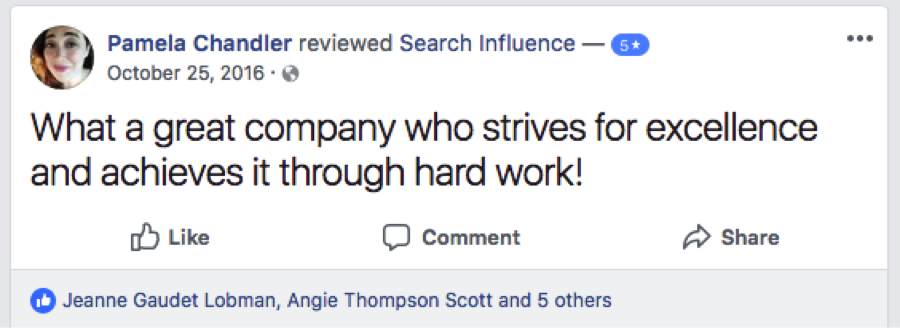
    Contact the team at Search Influence for a consultation, and learn how to shift your digital marketing strategy into high gear. Find out about our company’s reputation by reading reviews from other industry leaders in SEO and digital marketing. You know your industry, and we can help make your expertise more evident online. Request a marketing analysis, and we’ll find opportunities to amplify the visibility of your referral-based business.

    Images:

    Search for Universities

  • 42 GIFs: The Answer to Life At Search Influence, the Universe and Everything

    If you haven’t noticed already, we really love animated GIFs here at Search Influence. They are sent around in company-wide emails about promotions, they might appear in shared team meeting agenda documents, webinars, and presentations, and sometimes we even debate the proper pronunciation of GIF on our “Question Of The Day” board. I even asked my manager if just for one day I could respond to emails entirely via GIFs and no words. She’s still thinking about it …

    All the GIFs got me thinking lately … We’re always hiring, and these newbies might be wondering what it’s like to have a Search Influence job! What would a day in the life of an Influencer look like if depicted entirely via GIFs? Check out the 42 moments below that basically all Influencers have experienced at one point, brought to you by the letters “G,” “I,” and “F!”

    When one of your coworkers sends an email about the coffee pot, the dishwasher, too many dishes in the sink, the fact that no one ever cleans the dishes in the sink, or about making coffee …

    When you hear “Did you try what Leigh’s mom made? It’s in the kitchen!”

    When you are walking out of the kitchen as Lauren walks in with Costco-size bags of candy …

    … But then one week later and the only candy left is yellow Laffy Taffy, grape Jolly Ranchers, and 3 Musketeers …

    When CEO Will Scott comes running (seriously, running) through your department (for no reason) and scares the shit out of you …

    When you’re trying to make an awkward keyword string fit in a resource box …

    When someone is 10 minutes late to a 30-minute meeting …

    one direction animated GIF

    When you pull out your earbuds and you thought your music was off, but it’s not and everyone now knows you listen to “Disney’s Classics” on Pandora …

    When Amy sends out an email about the most recent life-changing algorithm update …

    When the client doesn’t have any edits to your content …

    When a client says “I’m thinking about launching a new site”…

    … and then does without telling you.

    When you hit send on an email, but you really, really, really shouldn’t have …

    When a client asks “Are you planning on buying links on my behalf?” (which is something we will never do …)

    When your kudos is called out in a company meeting …

    When you get your task list down to zero …

    dancing animated GIF

    When someone kicks you out of Hootsuite by accident …

    When someone sends you a Google Doc and you don’t have access …

    When there’s a shared spreadsheet or Google Doc that all employees are frantically adding jokes to (against the will of its creator) as you watch the joy unfold …

    When you run out of Copyscape credits …

    When you get excited about something then realize everyone around you has their headphones in …

    When it starts to rain outside and everyone acts like they’ve never seen rain before …

    When your access card doesn’t take and the door won’t open ….

    When you prepped for two days for a conference call and you realize the client stood you up after you listened to hold music for 15 minutes …

    When somebody else already wrote code to solve the exact problem you spent hours trying to solve on your own …

    When your client starts ranking #1 organically for a super-competitive keyword like “personal injury attorney …”

    When you totally screw up a project manager task, but it actually ends up working out …

    When your client’s organic traffic is up when comparing year over year EVERY. SINGLE. MONTH …

    How you feel after you lead your first kickoff call …

    When you need to write content for a very technical/niche client and there is no information available on what they do …

    When someone brings up that time when you first started and didn’t know all the search engine optimization lingo …

    When someone takes forever to respond to your Gchat and you just see the three little dots that say they are typing …

    When it’s your birthday and you get a card from everyone …

    When you actually have a great answer for the question of the day …

    When you figure something out that helps another department …

    When a client’s username and password to access their site are the same as their domain name …

    When somebody else uses your custom code solution to address the exact problem you spent hours writing a solution for months ago …

    When GDocs, project manager, or the ticketing system decides to stop working … at 4 o’clock … on a Friday …

    It’s 4:30 p.m. on a Friday and your task list has one item left to do, but YOU GOT THIS …

    And finally, when that 5 o’clock Friday song comes on …

    backstreet boys animated GIF

  • #Ibelievethatwewillwin #Ole! #WorldCup

    As the world gathers in sport bars across the globe to watch the gorgeous and very talented FIFA team members, I’ve realized that the World Cup is kind of like the Super Bowl, just bigger, better, and hotter!

    Besides the commercials and the fact that the Super Bowl is only something America partakes in, one distinguishing difference between the World Cup and the Super Bowl is the branding. While the Super Bowl has consistent branding and logos every year, the World Cup continuously changes. For example, the Super Bowl uses a consistent hashtag (#SB14) that is created by the NFL and encouraged by fans to use in the days leading up to the big night. With the World Cup, there is no consistent branding.  Which is ironic since this is the one sport the world comes together to participate in and cheer on — the original football league. Which got me thinking, sports franchises should be treated just like any other business, as should the structure of their social media campaigns. The leagues should maintain a consistent brand, continue to publish content throughout the series, and encourage fans to get engaged.

    1) Consistent Branding

    It’s funny how one word can change your branding so much!

    #football vs. #soccer
    #brazil vs. #brasil

    Regardless of which country a team is from, the league should constantly present their branding on a worldwide scale. T-shirts, jersey logos, mugs, soccer balls (or footballs) and of course, hashtags.  The most commonly used hashtags for the World Cup is #worldcup with a 71.8% of tweets containing #worldcup in content published on Twitter. Other popular hashtags include:

    #brazil – 31.5%
    #fifa – 17.22%
    #football – 19.09%
    #fifta2014 – 13.29%
    #brazil2014 – 3.8%
    #soccer – 3.8%
    #brasil2014 -3.8%
    #france – 3.5%
    #fifawordcup – 3.5%
    And my favorite #Ibelievethatwewillwin

    TrendsWorldCup

    Although the league has no control over what countrymen and women are going to post or which team they are going to support, encouraging a hashtag is one way to control the branding of your business.

    2) Content is king

    The biggest social network participating in the World Cup is Twitter

    TwitterWorldCup

    With 645,750,000 people on Twitter, fans are just waiting for the latest tweet by a team member or the team. Publishing content to keep fans informed is key to a successful social media campaign. Publishing updates to the team’s status such as posting superstitions of the game results, or posting pregame photos, is what the soccer fans want. Don’t forget that your employees — or team members! — are extensions of your brand too. Encouraging employees to publish content and post pictures is also important to the overall brand image, and its success.

    TwitterESPNWorldCup

    3) Keep ‘em engaged!

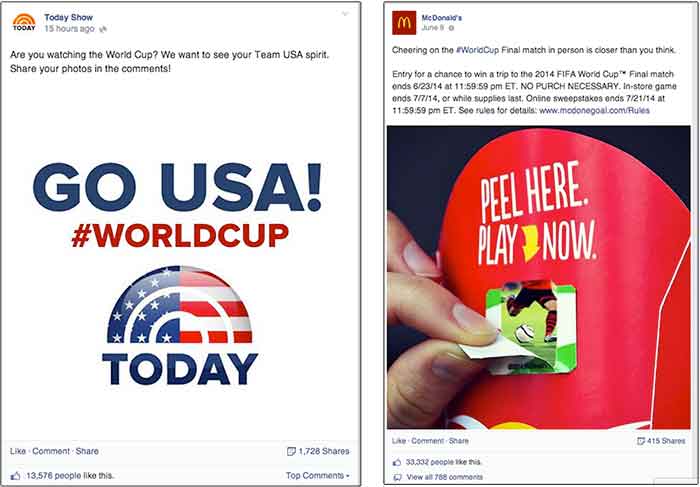
    In addition the informational content, make sure you are keeping your fans engaged with your brand. Many brands encourage engagement by asking fans to participate in poles, questions, or even contests. One of the biggest World Cup sponsor’s, McDonalds, jumped on this bandwagon in their offline “Peel, Play, Ole, Ole” campaign.

    TwitterPostsWorldCup

    For those businesses that aren’t FIFA sponsors, engaging with fans on Instagram and Foursquare are great for brand awareness. Asking fans to post pictures with your product, or check-in specials at locations are easy ways to increase a brand’s presence while engaging with fans.

    Regardless if your business is in a worldwide event that only comes around once every four years, or if it is the neighborhood corner grocery, these three tips can benefit any social media campaign.

    So y’all get ready Russia! #fifa2018 #worldcup #fifarussia #USA #USA #USA

  • 5 Ways Technology Has Changed the Olympic Games

    Just like the rest of the world, the XXII Winter Olympics has captured my attention ever since Team USA walked out in those hideous sweaters Friday night. For 16 days the world will sit in front of the TV, eat King Cake, and watch every move, detail, and technique performed by these athletes. Six days in and I feel like a complete failure at life because I’m not an Olympian. I complained throughout the mere three weeks of training I put into the Rock-N-Roll half marathon, so how these athletes dedicate years of their lives to training is mind blowing. In addition to the support of family, friends, and coaches that help inspire and guide these athletes to Sochi, the growth of technology has also played a big part in reaching the gold.

    Here are five ways technology has changed the Olympics.

     1) Slim, Trim, and Faster Than the Speed of Light – Custom-Fit Track Suits Shave Off Seconds

    5 Ways Tech Changed the Olympics - Blot

    Far from the flowing tanks and short shorts our parents remember on seeing Bruce Jenner, Nike’s custom-fit track suit has allowed for a faster, sleeker champion. Besides the fact that it may or may not take an hour for someone to squeeze themselves into this skin tight suit, athletes are able to move faster than ever. With the help of Nike, in 2008, Team Jamaica’s Usain Bolt broke the 100 meter record with a 9.63 second run, earning the title Fastest Man on Earth.

    2) Not a Long Shot – Dual Lens Innovation for Measuring Long Jumpers

    In 2012, Summer Olympic sponsor BMW launched a dual-lens camera with 3-D imaging to measure track and field long jumpers in motion. This piece of technology immediately measures velocity and calculates the athlete’s body motion and positions. In years past, analyzing movement at this level would rely heavily on the coach’s eye and basic video. Now, this data is immediately available for review and improvement to technique.

    5 Ways Tech changed the Olympics - Phelps

    3) What a Drag – Speedo Creates Full-Body Swimsuit to Speed Up Swimmers

    In 2008, Speedo introduced us to the very toned quads of Michael Phelps as he and the rest of Team USA sported the full-body swimsuit. The compression of this bodysuit is made to improve swiftness and reduce drag in the pool. I think it’s pretty obvious that this suit helped Phelps become the most decorated Olympian of all time – leaving Mark Spitz in the bubbles.

    4) Every (One-Millionth of a) Second Counts – Finish Times Fine Tuned

    What’s worse than winning silver? Losing to Phelps by one hundredth of a second! In the 2008 Summer Olympics in Beijing, Serbia’s Milorad Cavic finished second to Phelps by one hundredth of a second, helping Phelps earn his seventh gold medal.  How did they find that time? Forget stopwatches and timers! Thanks to technological advancements in capturing finish times, athletes are measured by one-millionth of a second, making the games more competitive than ever.

    5) Beyond Fame and Gold Fortune – Athletes and Host Cities Go Viral on Social Media

    From athletes posting pictures of the atrocious living conditions in the Sochi Olympic Village, to news sources leaking pictures and interviews of athletes biting the gold, social media has taken over the Olympics. In postings, pictures, and tweets going viral, athletes invite viewers into their lives from training days in the US to the slopes in Sochi.

    For example:


    McKayla MaroneyAt the 2012 London Summer Olympics, McKayla Maroney’s look of disappointment as she received her silver medal went viral! From generating memes to photoshopping her into pictures, “
    McKayla is not impressed” blew up on social media. At this year’s Winter Olympics, it was bound to happen again when Ashley Wagner’s similar face of disappointment lit up the screen after receiving her fourth place score in a team figure skating program.

    Social media has allowed viewers back home in the States to stay updated with team members and make a personal connection with athletes. Not only does this help with support, it invites us to feel closer to Team USA than we’ve ever felt before.

    Got a favorite social media update about the Olympics? Post in the comments!


  • 3 Tips for Measuring Your Online Success with SEO and Beyond

    Lately I’m finding more and more clients focused on increasing site traffic. Some are setting goals to double, triple, or even quadruple their current site traffic in as little as 3 months with an SEO campaign. I’m all for a challenge, but there are other metrics to measure the success of an SEO campaign than just site traffic. Here are 3 helpful tips to running a successful and fulfilling online campaign!

    Focus on conversion traffic

    Having 2 million site visits a month is phenomenal! But when these 2 million visitors come to a site, how are they engaging or interacting? Do they click on one of your display ads or make a purchase? Are they filling out a form or calling for more information? A site can generate 2 million visits a month, but if your phone isn’t ringing or if products aren’t being sold, those visits aren’t very valuable. I’ll take less site traffic and a higher conversion rate any day.

    I worked in a retail boutique for 7 years, and as anyone who has ever worked in retail knows, there is nothing worse than a busy day with no sales. You are constantly catering to a customer’s every need with the hope that they might buy something, only to have them say, “I’ll think about it and come back later,” and walk out the door. It gets tiring after a while. Now, try doing that 2 million times a month.

    Traffic coming to your site and not converting is the same as having a full retail store with no sales. You not only want to drive traffic to your site; you want to drive the traffic that is most likely to convert into sales, leads, or better yet, repeat customers.

    Site-Conversion-Image

    Market your business through other online marketing avenues

    In addition to SEO, a great way to increase your site traffic is to make sure you have a presence on other social platforms and engage potential customers through other online marketing campaigns. Launching a paid search campaign is a great way to increase your site traffic immediately if you just can’t wait the 6 – 12 months it will take to organically grow your visibility with SEO.

    A strong social presence can potentially impact your organic search rankings as well. Having optimized and branded social networks throughout the web not only helps your SEO but also allows for another branding opportunity.  Different market segments interact and connect differently.  Having a presence on Facebook, LinkedIn, and Google+ and running a paid search campaign gives you the opportunity to expand your reach and potentially increase conversion traffic.

    Look at other metrics to track success

     When analyzing the success of any online marketing campaign, a great way to see how your audience is interacting when they come to your site is to look at bounce rate, pageviews, and the average time spent on site.  Having a low bounce rate indicates that visitors are coming to your site and finding the information or products they are looking for. A high bounce rate suggests that a visitor came to your site and wasn’t pleased with your content, couldn’t find a form or contact number, or had difficulty finding your products or services and left your site feeling frustrated.

    Another metric to look at is pageviews. A high number of average pageviews shows visitors are staying on your site and engaging with your content. The more pageviews, the more engaged your visitors are on your site. Paying attention to the average time spent on site is another indicator to show that visitors are spending time reading content, looking at products, learning about services, or viewing before and after photos. Keeping  visitors engaged on your site is key. The longer they are on your site, the lesser chances are that they will leave and go to another competitor.

    Lastly, consider calculating and tracking your total site conversion rate. Of all the visits to your site in a given time period, how many of them “converted,” or performed the desired action? If you’re interested in monitoring this metric, the ultimate tracking would include organic and paid call tracking, form inquiry tracking that captures the source and medium of the visitor and strategic event tracking in Google Analytics.

    There’s more to online success than a high number of website visitors. Even with a slight decrease in traffic, if metrics such as bounce rate, pageviews and conversion rate are up you will know that you are targeting (and capturing) the right audience!

  • Pinterest Announces Analytics for Business Profiles

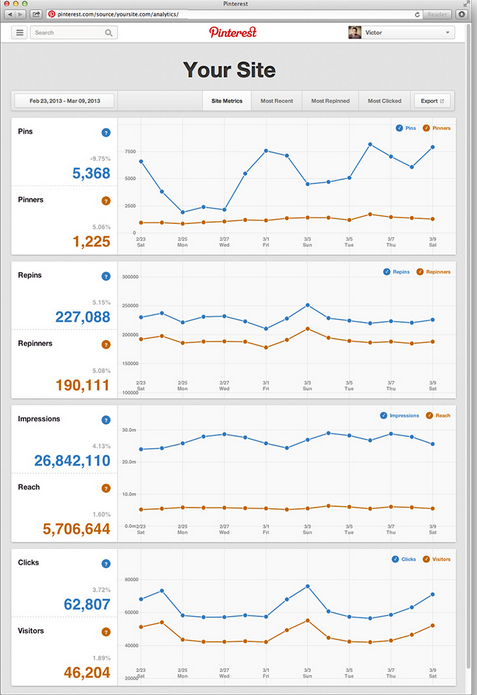
    Recently, Pinterest launched its Web Analytics, allowing for businesses with verified accounts to track how many users are pinning from their site, the number of impressions from each pin, and incoming site traffic that is being generated directly from Pinterest.

    pinterest

    Outside of SEO and social media campaigns, many may argue that there is no way to successfully tracking branding and traditional advertising efforts.  Pinterest will argue this as this data now allows businesses to successfully track how users are interacting with their pins, products, and most importantly – how they are most likely to convert.

    The launch of Pinterest for Business in late 2012 welcomed businesses to develop professional profiles and the implementation of “pin-it” widgets. Naturally this has been great for businesses across the board! Not only does having a professional Pinterest board increases brand awareness and a brand’s social presence, but also provides another avenue in generating site traffic.

    By implementing social sharing widgets on a new product page, allows for users to quickly view a product they are interested in, and repin this great finding to the world of Pinterest.

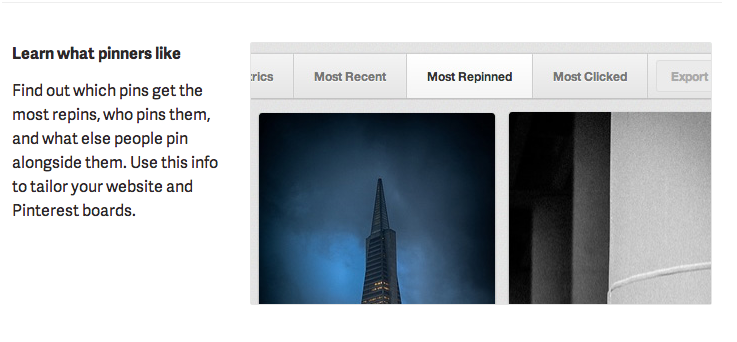
    So, yes we know how great Pinterest is, but what we really need to know is how it can make us money! As a business owner, our job is to create shareable content to promote products, and Pinterest’s job is to push it out. With this tool, we can track exactly how our marketing content is being socially pushed out! Businesses can now track how many pins are being pinned from the site, the impressions generated by each pin, and the number of repins generated by the original pin.  Tracking of clicks and social reach is also available.  Pretty cool we can now track the click through rate (CTR) for a specific product or pin!

    pinterest1

    Successfully tracking how customers pin their favorite blouse to a board where all their followings can see it (impression), allowing for new followers to visit your site (traffic), and potentially buy that same blouse (conversion), is a dream come true for e-commerce sites!

    From a business perspective this allows us to really understand what our target market is interested in.  Tracking which pin is the most successful allows us to analyze specific, engaging content that may lead to a higher conversion rate.

    With social media constantly growing and changing, and the need to market businesses on social platforms only increasing, the launch of this new tracking device may even convince other business to get on board with Pinterest.

    Now, how much longer until we see ads on Pinterest?

  • 5 For Friday — Links, Stories & Posts For Your Weekend

    Ranking the 100 Most InDemand Employers Using LinkedIn Data [INFOGRAPHIC] – LinkedIn

    In pulling professional data from their 175 million users, LinkedIn creates an infographic to display which companies are most attractive to potential job candidates. Software and technology dominating the top 5 positions, with Google taking the lead and Apple placing second. Makes you wonder if job candidates are willing to stick it out in hopes for landing their dream job with the top dogs of tech!

    5 Important Post-Penguin Guest Post Prospecting Questions – Search Engine Journal

    With Google’s most recent algorithm update, many have noticed an impact in their SEO efforts and rankings. However, having a well optimized link building approach may include guest posting or blogging. As guest posting is still imperative in SEO, SEJ explains how finding niche blogs, relevant topics, and having quality content can help your SEO in a place of Penguin!

    5 Ways to Improve Your Facebook Engagement – Social Media Examiner

    Promoting your brand or company on Facebook allows you to not only to engage with your demographic, but also reach potential customers. Check out Social Media Examiner as they explain the right time to post, best character count for posts, appropriate URL length, and the most engaging content to better interact with your fans!

    Why the iPod Still Matters to Apple – Mashable

    Apple’s most recent launch of the iPhone 5 has all the Apple lovers flocking to the closest metaphorical orchard. Now the Mac bigwigs are the spotlight on one of its older products. On Wednesday night, Apple launched a new campaign featuring the redesigned iPod. With the iPod initiating the re-positioning of the brand over 11 years ago, Apple won’t be fading this product out anytime soon. Turn it up!

    What’s The Best Time of Day To Send Emails? [Infographic] – Read Write Web

    Between newsletters, online marketing updates, and the countless emails we receive in a day how can we guarantee the recipient is actually reading our emails? This infographic illustrates when emails are opened the most, and shows at what times throughout the day people are engaging in their emails. Don’t stress if you forgot to send that email out at 5:15 PM — data shows it may be best to wait til tomorrow!