Author: Chris Henson

  • #FreelancerFriday: 10 Common Rookie Freelancing Mistakes and How to Overcome Them

    In his rookie season, Peyton Manning threw a league-high 28 interceptions as his team struggled to a 3–13 record. As a rookie, Tom Brady was third string and only managed 1 completion for six yards.

    Even a pair of all-time greats had to start somewhere as newcomers in the league. The point is, they got better—much better—but not without first learning from their rookie mistakes.

    Freelancing is not professional football, but like most things, it requires a set of skills that are built up through time, practice, continued education—and most importantly—learning from your past mistakes.

    No matter if you are freelancing your way through college or retirement, there will always be a few bumps in the road. Here are the most common rookie freelancing mistakes and tips on how to overcome them:

    1. Using an unprofessional email address

    This is the most common and frustrating, yet easiest-to-fix mistake a rookie freelancer can make. Avoid anything that is immature, ambiguous, cutesy, or just unnecessary to your freelance business. This includes nicknames and writer-based names like “SEOwriter” or “MommyBlogger.” To keep things simple, your email address should be your actual name and little else.

    2. Exaggerating your experience

    Just like a resume for any job, it is not acceptable to lie about your writing and freelancing experience. Don’t say you wrote for a publication when you didn’t. Don’t say you are an expert in technical writing when all you’ve written are lifestyle blogs. It will always catch up to you, and it will ultimately cost you jobs and payment when the truth is discovered.

    3. Not marketing yourself or building your brand

    As a freelancer or contract worker, you are essentially setting up a business for yourself. And just like any business, marketing is very important. Without marketing, you are leaving a lot of business out there. Craft your own unique selling proposition on how you are different from other freelancers. Next, create a comprehensive marketing plan through various channels, including email and social media. Daily activities focused on brand building and business development will help increase your visibility and build interest in your services.

    4. Never turning down work

    I know, it seems counterproductive to turn down work, but accepting every job only creates problems, including poor time management. Not all jobs are created equally. You have to learn to identify and turn down the bad ones, or you’ll just end up wasting your time, often with more stress and less money. You can’t just accept work for work’s sake; it’s not the best path to earning more.

    5. Missing deadlines

    Lots of people miss deadlines, not just newcomers. But since rookies are more prone to mistakes, this is especially important when you are first starting out and are trying to establish a positive professional reputation. If missing the deadline is unavoidable, tell your editor as soon as possible. Don’t pile on the excuses—just apologize and accept responsibility. The next step is to confirm when it will be completed or ask for an extension.

    6. Ineffectively balancing your workload

    It is common to underestimate how long and how much effort a certain project will take, especially if you are a new freelancer or fighting others to land the gig. Be honest with yourself, and remember, it is usually better to under-promise and over-deliver. Avoid taking on a lot of new work all at once, or before you fully complete a big project. Find and take advantage of your most productive time of the day, make and stick to a schedule, stay organized, and know your limits.

    7. Being afraid to ask your editor questions

    The writer-editor relationship is a special one that needs to be nurtured over time. When a writer is just starting out, there is a lot of uncertainty on both sides of the table about one another. Undoubtedly, questions will arise for new writers working for a new client. You cannot be afraid to ask these questions. Experienced editors should be expecting questions from freelancers and always be eager to answer them. Asking editors questions is the best way to avoid simple misunderstandings and ensure the project is completed exactly as they wanted.

    8. Not accepting criticism & refusing to learn new things

    As a freelancer, feedback is just part of the job—it’s unavoidable. You must learn to accept criticism gracefully, or better yet, use the feedback to improve your work. Of course, not all criticism is justified, but more often that not, it is. Don’t be argumentative. Make your case politely if needed, or accept the feedback, thank them, and make the changes.

    Another stubborn trait that many new freelancers possess is the refusal to learn new things or even adapt their skillset—whether it is their style, habits, equipment/applications, etc. Nothing reveals amateur status more than a stubborn refusal to adapt. Freelancers should always be working to improve themselves, which includes additional training, earning certifications, and keeping up with current market trends.

    9. Not standing up for yourself or reading your contract

    As a contracted worker, not an employee, it should go without saying that, eventually, someone is going to try and take advantage of you and your work. This can include deadline changes, endless rounds of edits, pay discrepancies and delays, or any additional countless ways freelancers can be unfairly treated.

    This goes hand-in-hand with contract negotiations. Unfortunately, many freelancers do not even read their contract upfront before signing, which only opens you up to unfair treatment and/or legal issues down the line.

    10. Poor Communication

    Freelancing these days is rarely a face-to-face thing. Communication is largely done via email, phone and video calls, or text and instant messaging. Because you are not an in-office employee, maintaining communication is very important. Equally important is the tone, clarity, and detail in your communication. You likely will not talk to your editor or project manager on a daily basis, so you want to be sure both parties are always on the same page to avoid delays and mistakes.

    Mistakes are going to happen when you’re first starting out in the freelancing game. But, with practice, some patience, and by following these pointers, you can be a freelancing pro in no time.

    Images:
    Tom Brady

    Betty White

  • #FreelanceFriday: 8 Essential Skills You Need to Be a Successful Freelancer

    Most people do not fully consider the multi-faceted nature of freelancing before they try their hand at making money online, which is why so many abandon it before ever really getting started. Thankfully, many of the skills needed to be a successful freelancer can be learned or improved upon to help put you in a better position to thrive and prosper.

    So, what kinds of skills are we talking here? In short, freelancers need to be a jack of all trades. Freelancing makes you your own boss at what amounts to essentially a one-person company. And while that sounds great (and it is!), there are a lot of roles to fill within that mini company and only one person (you) to occupy them all.

    1. A Marketable Skill

    This might seem obvious, but first and foremost, you have to possess a certain skill that potential clients are in need of. Writer, graphic designer, photographer, programmer, or whatever it may be, you have to not only harness this skill but also broadcast it and display your proficiency. In the end, freelancing is so much more than this, but it all must start here.

    2. Communication

    Freelancing is all about communication–both giving and receiving. As a freelancer, you have to be able to listen attentively to what clients need and expect from you, while also expressing your ideas and requirements back to clients. You must ask the right questions to get the information you need to complete the job.

    How you communicate is equally important. You should always conduct yourself in a professional and thorough manner. Return calls and emails quickly, make sure you cover all questions and details in your correspondence and read through your emails multiple times before sending.

    3. Project Management

    With freelancing, you are your own supervisor. There is no one above you to keep track of the big picture. You need to be able to manage all the details—big and small—involved in the projects you are working on. Effectively managing your work means you’ll never miss a deadline.

    Thankfully, there are a number of online tools and apps that can help shoulder this responsibility—everything from to-do lists to content managers (Trello, Basecamp, Wrike, and Asana—just to name a few).

    4. Time Management

    Time management is a crucial job skill for everyone, and freelancers are no exception. An extension of project management, you need to be able to allocate your time effectively to prevent working crazy hours and suffering missed deadlines. Avoid over-committing yourself, and gather data to effectively determine estimated time—a good mantra is to always underpromise and overdeliver.

    In a previous blog, we detailed numerous tips on how to improve your time management, including making schedules, estimating time, prioritization, and compartmentalizing.

    5. Finance

    This is one most people seem to struggle with, but it is certainly one of the most vital. Organization and documentation go a long way in helping freelancers keep track of their finances. Most importantly, make sure you are keeping track of income and expenses. You should also develop a way to easily invoice, track progress, and receive payments from clients. You may also want to hone your negotiating skills to avoid getting the short end of the stick in regards to payment.

    And while you might not need an accountant or financial advisor on retainer, reaching out to one every now and then would be beneficial, especially during tax season and during start-up when you setup either as an independent contractor, LLC, or LTD.

    6. Interpersonal and Networking

    The common depiction of a freelancer is someone at home, alone, in their pajamas, hunched over a computer. That stereotype may not need interpersonal skills, but for real freelancers, that is a myth. Freelancers must be able to network both online and offline to develop relationships with current and potential clients, as well as fellow freelancers.

    7. Business Management and Growth

    To establish and grow their business, freelancers must first define goals, both long- and short-term. From there, the right strategies must be implemented to encourage and support that growth. As a solopreneur, business management skills like self-motivation, accountability, and decision-making are crucial. The growth of your freelancing business can be accomplished in many ways, including engaging networks on social media, diversifying your skills, or partnering with other freelancers.

    8. Problem Solving

    Like many of the best workers in any field, good freelancers are often problem solvers. It’s extremely common for unexpected problems to arise over the course of a project, and an experienced freelancer must tackle these problems swiftly and effectively to avoid time loss and more headache. A freelancer who can identify problems, brainstorm possible answers, and execute the chosen solutions will always be in a better position than those who cannot.

    In the end, the more you put into freelancing and improving your skill set, the better and more successful you will be in making money. These are certainly the most important and overarching skills, but anything you can do to improve yourself will benefit you and help you navigate the freelancing game.

    Images:
    Particular Set of Skills

    Silver Linings Playbook


  • #FreelanceFriday: What Freelancers Need to Know Before, During, and After Doing Their Taxes

    This blog is part of our Freelance Friday series, where we discuss everything and anything related to freelancers. For more freelance information, tips, and trends, follow us on Twitter.

    It’s the end of yet another year. Mixed in with all the holiday celebrations is a sense of closure on the past year and the beginning of a new one. Helping bridge the gap between the old and new is everyone’s favorite time of year–tax season!

    Okay, tax season is probably not most people’s favorite time of the year, but it is an extremely important one nonetheless. Everyone who is gainfully employed–including freelancers–are required to pay taxes. And even though Tax Day isn’t until April, you should start preparing for it now (if you haven’t already).

    Determining Your Income

    Most freelancers work with several companies and/or clients, as well as other jobs and side gigs to make ends meet. Before tax season gets started, it’s important to gather all sources of income so that everything is accounted for and reported. Search your desk, your computer, under the couch, and everywhere else for all the receipts and invoices you accumulated throughout the year.

    Taxes are different for everyone, especially freelancers. Freelancing is a unique job in many ways, including major perks like more freedom and flexibility. So, it should come as no surprise that taxes for freelancers is a little different as well.

    Self-Employment Taxes

    The first major thing that sets freelancer taxes apart is the self-employment tax, which covers Social Security, Medicare, and additional state taxes for individuals who work for themselves. This main part of the self-employment tax comes out to 15.3%. 7.65% covers your share of Social Security and Medicare and another 7.65% for the share an employer would normally pay (though you can deduct all or some of the employer portion). Additional state self-employment taxes vary by location.

    Whereas regular wage earners have these taxes withheld from their paycheck, if your independent freelance business generates more than $400 annually, you have to pay this tax during tax season. It is best to plan ahead and set aside some money throughout the year to cover this obligation. This will keep it present in your mind, alleviate pressure, and help eliminate any surprises year after year.

    Paying Estimated Taxes Quarterly

    Paid periodically throughout the taxable year, estimated taxes are fractional payments of your final year-end tax liability that you ultimately responsible for. The payments are required to be paid by specific dates throughout the year (Apr 15, Jun 15, Sept 15, Jan 15) using specific IRS forms. If you fail to make these payments throughout the year, the IRS will tack on late fees to the total you ultimately owe.

    To accurately determine your estimated tax payments, it is crucial that you keep up-to-date and accurate financial records that will allow you to keep an ongoing calculation of your business’ profits. Knowing your profit in any given quarter will help you determine how much you should pay to the IRS for these quarterly payments.

    If you have a full or part-time job where you receive a W-2, you can likely void paying estimated taxes simply by increasing your withholding at that job.

    Necessary Tax Forms

    The main form you will need depends on what kind of freelancer you are. If you freelance as a side gig or as an established LLC, you will report your income and make payment via your annual Form 1040 individual return.

    If your freelance business is on a larger scale than that–such as a structured multiple-member LLC or a corporation–you will need to file a separate return for your business. For example, a partnership return requires a Form 1065, a C-corp needs a Form 1120, and an S-corp return uses a Form 1120S. No matter what federal form you end up using, make sure you to all get the corresponding state forms as well!

    Next up, is your 1099. If you are paid more than $600 from any one client, they are obligated to send you a Form 1099-MISC. Companies are required to provide contract workers with this form by January 31, so that you have plenty of time between then and Tax Day.

    If your freelance payments are sporadic and/or not your main source of income, you can list them under the “Other Income” section of your main tax return. However, if your work is substantial enough to be considered self-employed, you must report this income on a Schedule C attachment to your tax return.

    Itemize and Record Business Expenses

    One of the advantages of being self-employed and having a 1099 is more flexibility with deductions. The IRS guideline for freelancer tax deductions is that expenses must be ordinary and necessary. A good thing to keep in mind is: if you would have purchased something even if you weren’t running a freelance business, it will likely not qualify for a deduction. And remember to always keep those receipts!

    According to TurboTax, freelancers can write off some expenses for: business-related travel and food (up to 50%), office expenses, and required equipment and supplies, as well as continuing education, certifications, registrations, and licensing fees.

    Close out the Year and Start Prepping for the New One

    Being your own boss means making sure things get done. The biggest part of this is making sure you get paid promptly and accurately. Find out who still owes you money and make sure you get it in time for that year’s taxes.

    Another major responsibility is organization, particularly accurate record keeping. If you are scrambling this tax season and in years before, make a commitment to help yourself throughout the year rather than in just the final weeks. Develop a filing system for receipts and invoices (both paper and digital), create spreadsheets to track all work and payments,

    Ask Questions and Get Help

    Freelancing comes with a lot of perks, but the trade-off is that you have to do your own taxes. It can be difficult, time-consuming, and generally overwhelming. Don’t be afraid to ask for help.

    Certified tax preparers and accountants know what needs to be done and how to do it. Take advantage of the offseason to meet with these professionals, because once tax season gets into full swing by February, March, and April their schedule fills up quickly.

    Images:

    Tax Season

    W-2’s, W-9’s 

    Prince John 

  • #FreelanceFriday: Freelancing Tips for College Students

    This blog is part of our Freelance Friday series, where we discuss everything and anything related to freelancers. For more freelance information, tips, and trends, follow us on Twitter.

    College is expensive. Tuition is sky high, textbooks cost an arm and a leg, and everyone needs a little extra income to go out and fully enjoy the college experience. Even with scholarships and saving accounts, it is nearly impossible to avoid some kind of financial strain during these years pursuing higher education.

    So, with time and experience typically at a premium for students, are there any legitimate ways to make some extra money on the side?

    Yes! Freelancing!

    Freelancers, digital nomads, work-at-home parents, and all independent workers currently comprise 33% of the U.S. workforce (approximately 53 million people). Freelancing is an umbrella term that encompasses writers, editors, graphic artists, designers, photographers, videographers, and many more people with specialized, in-demand skills. And, what’s great about freelancing is that it is open to anyone, including cash-strapped students.

    President Obama Asking You To Join The Movement - Search Influence

    Freelancing is a great way to get relevant work experience, which–whether through part-time jobs, internships, or freelancing–is incredibly important for a college student.

    Where freelancing offers a distinct advantage over a normal job is in its flexibility. Most jobs have a fixed schedule, whereas freelancing (in most cases) offers you the chance to work on your own schedule. It also allows you to work from anywhere–your dorm room, apartment, library, classroom, or when you go home for the holidays.

    If you decide to give freelancing a shot (and you totally should!), here are a few things you need to consider first, as well as a few things you need to do to position yourself for success.

    Figure out How Much Extra Time You Have

    Life as a college student is busy. You are already balancing classes, labs, papers, exams, presentations, and various extracurricular activities. Adding freelancing to the mix is only going to make you busier.

    A commitment to weekends and holidays will help you as a freelancer, but no matter when you work, prioritization and productivity are key. Because you are a student, schoolwork should also come first, but beyond that, you will need to figure out how to find more time in your schedule to freelance. You can prioritize your freelance work based on things like deadline, pay, research/planning/setup, estimated time to complete, and other markers.

    Determine What You’re Good At

    Your freelancing side gig does not need to relate to your major, but it can’t hurt. Freelancing opportunities can fall into all, one, or a combination of three things: something you are passionate about, something you are knowledgeable or skilled in, or something that is in high demand.

    Every topic with a web presence needs content creators. There are tons of niche markets you can work your way through, especially as a writer. If you really want to flourish, especially at first, stick to what you know best, but don’t be intimidated by exploring something new. College is the time when you should be exploring new things to help discover what you want to do in life.

    Identify Your Goals

    What do you want to gain by freelancing? More money? Of course. Experience? Always a plus. But what else are you looking to gain from this? Are you looking for a gateway to a full-time job? Do you just want to try out a field before committing to it? Will you continue freelancing after college?

    These are all great questions to ask yourself before and during your time as a freelancer. The answers should not dictate whether or not you do it, but they should provide guidance and purpose to what you are doing.

    Get the Right Tools

    What do you need to be successful as a freelancer? For most, a computer and reliable internet access should go without saying, but what else?

    Well, that depends on the field you are operating in. For some, that is all you need. The internet can help with the rest. Other more specialized skills will need more–graphic designers may need the latest software programs, while photographers will need a good camera, lighting, and other equipment.

    Know what you need upfront and familiarize yourself with these tools. Freelancing may be a side job for many, but that doesn’t make it any less important when it comes to planning, preparedness, professionalism, and time management.

    Understand You Will Have to Start From the Bottom

    This is a tough pill for many to swallow. Like most jobs, you have to start at the entry-level position. It’s a nearly unavoidable rite of passage. Accept it and work your way up. Thankfully, ascending the freelance food chain is typically easier and quicker than climbing the corporate ladder.

    It is important to build your skills and constantly improve your services and presentation. The more you freelance, the more you will learn how things are done, what you should and should never do, etc. Reaching out to other freelancers for advice and support is always a great idea.

    Betty White Informing Us That She's On The Twitter And On Facebook - Search Influence

    Self-Promote

    Once you have been working for a while, it is important to create a portfolio of your best work as an example of your skill and proficiency. This is a crucial tool for landing other gigs. You can even include some pertinent school assignments as well, especially when you are just starting out.

    Creating a personalized website or blog as well as engaging on social media are also great ways to showcase past projects and seek out new work. Many freelancers today use Twitter and Facebook to stay up to date on industry news and find relevant opportunities.

    You shouldn’t feel bad about this kind of self-promotion. It is a crucial part of freelancing. And speaking of the importance of self-promotion, check out our freelance Twitter account. We frequently share the latest freelancing trends, tips, and best practices.

    Build Your Professional & Adult Skills

    Freelancing can help you build valuable workplace skills. Just like school, deadlines are extremely important, as are promptness and efficiency. Similarly, freelancing often calls for collaboration with a wide variety of people. While you may already be using these skills in school, freelancing will allow you to put better hone them in a more professional setting.

    As an independent contractor, you will learn to deal directly with your clients and gain valuable experience handling a variety of situations as they arise. You will also learn more about contracts as well as taxes.

    Treat Freelancing Like a Real Job

    Many people have made this mistake, especially those who have never freelanced before. They contract for a little while before quickly realizing that it is a real job. You are getting paid to provide a skill or service. You have to consider deadlines and often collaborate with others. How is that not a real job?

    In essence, freelancing is even more than just a job. You are essentially starting your own microbusiness. If you go into it knowing this, you can somewhat avoid the learning curve and work through any missteps early on that could cause you to lose clients, doubt your own abilities, or even quit.

    Use Your Freelance Career to Jumpstart Your Post-College Career

    Because freelancing is a real job, don’t be hesitant to include it on your resume and discuss it a significant positive in job interviews after you graduate. The work you’ve done has given you experience in the workplace–use that to your advantage! Be confident about your transition into the job market. You will have more experience than your fellow graduates.

    Of course, you can also continue, and likely expand, your freelancing business after school. You have spent the time and effort to build these relationships and skills, why not continue utilizing them!


    Image Sources:

    President Obama

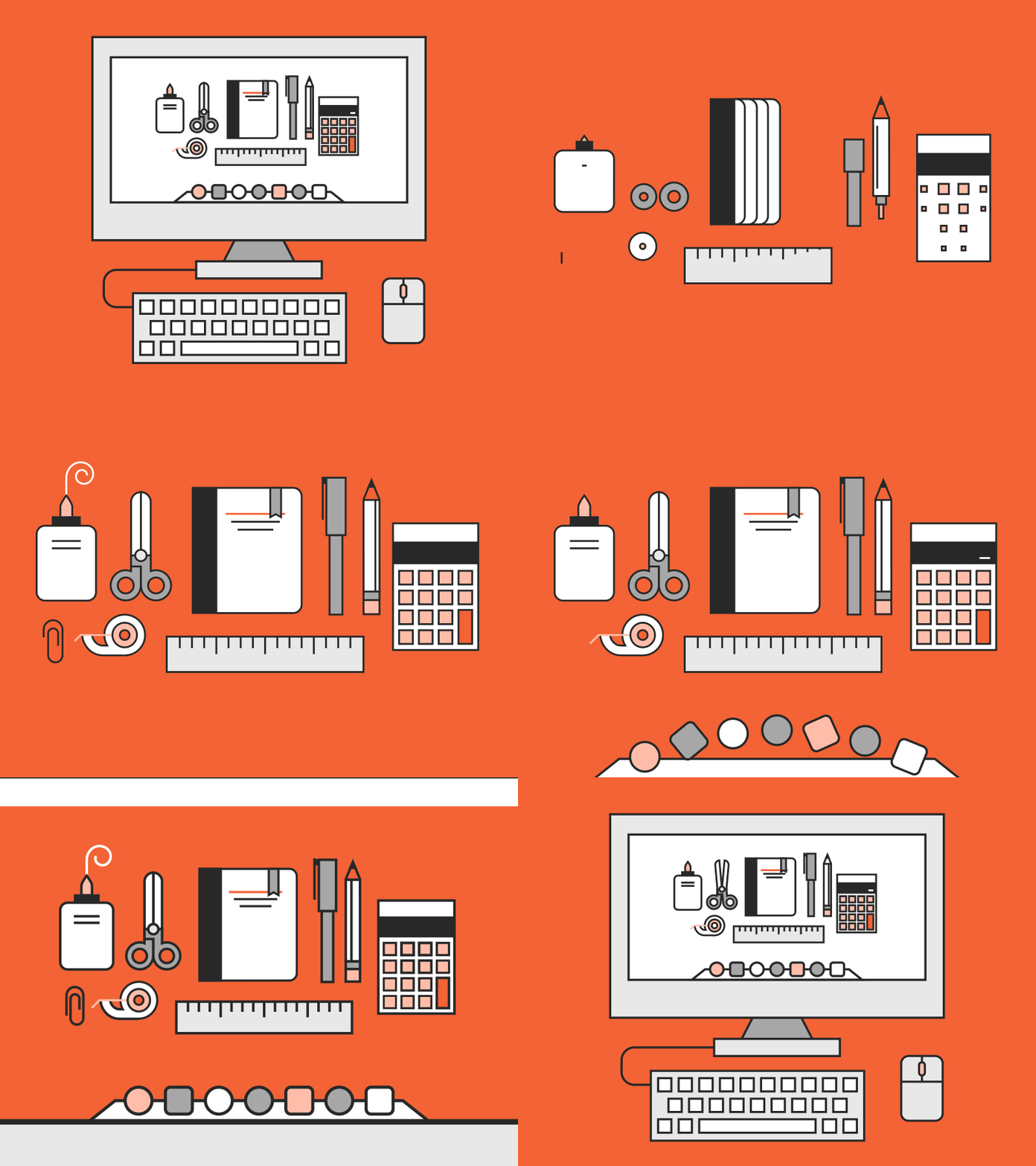
    School Supplies Animation

  • #FreelanceFriday: 8 Sanity-Saving Tips for Work-at-Home Parents

    This blog is part of our Freelance Friday series, where we discuss everything and anything related to freelancers. For more freelance information, tips, and trends, follow us on Twitter.

    Everyone has seen it, but you have likely already forgotten about it. Sure, it was funny and readily made for internet mass consumption, but for many work-from-home parents, it is an all-too-real reality. I am talking, of course, about the dad who had his BBC News interview interrupted by his two spunky children on live television.

    Newscaster interrupted by child while working at home - Search Influence

    If life with kids teaches you anything, it is to expect the unexpected. Accidents and interruptions are going to happen no matter what, but that doesn’t mean you shouldn’t try to avoid them as much as possible, right?

    For parents who work from home, this is even more important. Working from home provides tremendous flexibility and freedom. But in order to get any work done while at home, rules and boundaries have to be set, preparation and organization are key, and you have to learn to adapt.

    Here are few tips for work-at-home parents for keeping the interruptions to a minimum.

    1. Use a Dedicated Workspace

    This alone will go a long way in setting boundaries. Though as the BBC News example proves, even this is by no means foolproof. In addition to having a positive effect on your productivity and work-life balance, having a dedicated workspace presents children with the kind of necessary boundaries that they can easily be mindful of–office door shut = no interruptions. It’s as simple as that. A dedicated workspace will also help you detach from all of the other distractions working from home can bring, such as dirty laundry, a sink full of dishes, and the never-ending allure of TV.

    2. Set Clear Expectations for Interruptions

    Major injuries, fires, tornadoes. These are good excuses. Petty arguments, tattletales, and boredom are not. Examples and expectations of good and bad interruptions need to be laid out ahead of time and reinforced after every interruption, positively or negatively.

    Even better, create a way for kids to get your attention without causing a big fuss, such as a nonverbal cue, especially if you are on the phone. If there is a time when you absolutely cannot be interrupted, make sure everyone knows.

    Could you let me finish - Search Influence

    3. Plan for Interruptions

    As any parent knows, you can plan all you want, but these things will still happen. They key is not getting frustrated and overwhelmed by them. If you go into your day knowing that at least one unplanned interruption will occur, then you can pad some of that extra time into your daily schedule. And if no interruptions happen, then even better and now you’ve got extra time!

    It also can’t hurt to plan for the worst-case scenario, kind of like crisis planning. What would you do if your kids barge in while you are conducting a live TV interview (or whatever situation applies to you)? If you have given it some thought before, then you should be able to handle it in the moment.

    4. Keep Kids Active and Entertained

    The best way to keep kids out of your way is to distract them and keep them occupied. Set aside toys your kid can play with, or introduce special movie time when you need a few spare hours–but it has to be more than just TV or computer games. You need projects that will occupy their time but do not need hands-on supervision from you.

    You can set up a kid’s desk next to your’s so they can color or play “work” independently. Playdates are great to help shoulder the load as well, and babysitters and mother’s day out programs can be a last resort when you really need to focus and get things done.

    5. Get Everyone on a Schedule

    The first thing that needs to be understood is that “work from home” is still work, no matter where you do it. Because of this, you need to set regular working hours. This will go a long way in helping others respect your time, space, and productivity. Treat your work from home like a “real job” and everyone else will too.

    To-do lists are also crucial tools to help stay on task no matter what is going on around you. Organization, planning, and prioritization are the keys to productivity.

    6. Be Strategic About Your Schedule

    You need to be tactical about planning, scheduling, and making the best use of your time. Find the optimal time of day when you can take care of your most thought-intensive work, perhaps early in the morning or late at night when the kids are sleeping.

    Parents with infants and toddlers also must take advantage of that most glorious time of day–nap time! Save the less intensive tasks (emails, planning, administrative, etc.) for when the chance of interruptions is high. This is where prioritization of tasks will also improve your efficiency.

    Meals being prepped - Search Influence

    7. Prep for the Week

    Prepping for the week should be something everyone does, whether you work from home or not. Get your schedule organized and plan meetings and phone calls. Find ways to save time later by doing what you can early, including weekly meal prep on Sunday.

    8. Just Go With It

    In life, especially with kids, sometimes, you just have to go with it. What’s the worse that can happen? A client finds out you have kids? Most will be understanding. As long as you plan ahead, are cognizant of deadlines, and your work isn’t negatively impacted, everything will usually be just fine.


    Images:
    Newscaster Interruption

    Jason Segal

    Meal Prep

  • Once Upon a Time… The Power of Storytelling in Content Marketing

    Once upon a time, there was a lonely copywriter. All day long, he wrote blogs and web content, press releases and social media posts. He spent hours toiling away at his computer, but no one ever seemed to care about what he wrote. Saddened by this, yet hungry to improve his plight, he set off on a perilous journey across the mysterious internet to find greater purpose in his writing.

    His journey brought him far and wide–from the slippery slopes of search rankings in the north to the massive backlink mines in the south. Along the way, he fought the bloated keyword stuffing behemoth and the two-headed monster of duplicate content, but he never felt any closer to his ultimate quest. Dire and lost, he thought he would never find the answer.

    When he had all but given up hope, the Content King appeared to him. Impressed by the copywriter’s perseverance and quest for knowledge, the Content King gave the copywriter one final test to prove his worth.

    The Content King asked the determined copywriter to describe his long journey and all that he had accomplished so far. Bolstered by his newfound experience, the copywriter recalled his voyage with great energy, weaving a cohesive narrative sprinkled with all the right details. The Content King ooh-ed and ahh-ed and gasped in all the right places.

    When he was done, the copywriter felt confident and proud. He knew this was just the boost he needed to continue his quest. He thanked the Content King and told him he was ready to set off again. The Content King chuckled and told him there was no need. He had already found the answer—for the power of storytelling is the true key to writing amazing content!

    Once upon a time..the power of storytelling in content marketing - Search Influence

    Everyone loves a great story. We learn from them. Stories can convey a wide range of emotions. They pique curiosity and are meant to be shared.

    From a marketing perspective, stories are also more interesting to read than standard copywriting. They also help garner trust between the storyteller and reader. With a story, a reader can establish just how much your business matches their needs and interests.

    Ultimately, your goal is to sell your audience something. But first, focus on having a conversation with your audience—that will open them up more to the sale. Telling a story adds humanity to any sales pitch, and the overwhelming majority of purchase decisions are influenced by emotion.

    Storytelling can be applied to any form of content writing—from blog posts and social media to newsletters and videos. The key is knowing your audience and appealing to them. Think about what emotion you want to communicate and plan to how to bring that out on paper (or on the screen).

    Knowing this, how do you translate that into writing better content? Here are 5 ways to incorporate storytelling into your content creation:

    Create Characters, Structure, and Drama

    It is said that there are only 7 basic story plots (the quest, overcoming the monster, rags-to-riches, etc.). Every story must have a beginning, middle, and end—or in literary terms, an introduction, rising action, and climax. So, how do these basic plots and the traditional 3-act structure fit into content marketing?

    First, you set your scene and introduce your main character. In marketing, this character is the main connection between you and the target audience, aka the customer. Because of this, it must be compelling and relatable.

    Next, create conflict (physical, emotional, psychological). Your audience needs to empathize with your story. Drama makes everything seem more real. For this, you really have to know your audience and their buyer’s journey.

    And finally, you’ll have to read to the end of this post for the third act….

    Personalize and Relate to Your Audience

    To get a reader to identify closely with the story, personalization and parallels are key. Telling the story from either your perspective or a related person’s point-of-view will help provide that connection and evoke empathy by sharing experiences, problems, and concerns. Being authentic is another important factor in making this connection. Without authenticity, you lose credibility.

    Get emotional - Search Influence

    Get Emotional

    Storytelling is an imaginative and clever way to get people to feel something. Stories spark emotions. People can feel happy, sad, afraid, and angry, as well as multiple layers of each, often overlapping another.  This complex nature of emotions is what makes storytelling so effective in marketing.

    Studies show content that evokes emotion is more popular, and those that leave the reader happy (as opposed to sad) are more likely to go viral. What people share on social media proves this every day When crafting a story, decide what emotion you want to arouse and then provide the necessary information and support for the reader to arrive at that emotion.

    Don’t Just Tell Something, Show It

    You want your targeted audience to know about the benefits and advantages you are offering. Do not just tell them matter-of-factly, but rather show them with a story. Integrate these crucial tidbits into the story and fill it will examples, details, and data so that your audience can experience and connect with these elements, and hopefully, make decisions based on the experience. Blankly stating a benefit or advantage will not cut it—they need to be shown how and why.

    Give a resolution - Search Influence

    Give a Resolution

    Finally, in Act 3, you resolve the conflict. The resolution should be your company and the products/services that you offer coming to the rescue. It fulfills the purpose behind the story. To seal the deal, the resolution should also include a clear call-to-action for your audience. And don’t forget, everyone likes a happy ending!

  • #FreelanceFriday: How to Remove Unnecessary Filler and Fluff From Your Writing

    In digital marketing, it used to be good enough just to write content—about anything and everything. But now, and rightfully so, it is not enough for you to just have a well-written website. It needs to be one filled with original and high-quality content. What you write is important, but how you write it is equally critical.

    So, with the ever-increasing demand for top quality content creation, how do you make your writing even better? How do you make your content stand out in the crowd of competitors?

    One of the best (and easiest) ways to make your content more valuable is to remove any and all unnecessary filler and fluff from your writing. In general, filler is part of a sentence, whereas fluff refers to whole sentences in a piece of content that exist just to pad the word count, which ultimately dilutes the nutritional value of the overall content.

    Image of character from Despicable Me with a toy unicorn - Search Influence

    By focusing more on substance, your content becomes richer and more beneficial to the reader. Don’t pad your content with the superfluous; it just isn’t necessary. Visitors to your site come for information about your business, don’t allow them to get lost or bogged down sifting through content that is redundant or pointless.

    Here are 6 ways to make your blogs better by removing unnecessary fluff and filler:

    1. Create a Plan and Outline First

    Your writing should always be clear and concise. When it comes to fluff, rambling is often one of the major culprits. Organization and planning (which can include creating an outline), will help you stay focused and avoid fluff even before it happens. It can also help to strategize any necessary research before writing.

    2. Avoid Redundancy

    Redundancy makes your writing dull and laborious to read. It can also reveal gaps in your knowledge of the subject. Required high word counts unnecessarily force many writers to say the same things over and over again instead of expanding on the topic. More content is worthless if it is redundant.

    Image of Sherlock Holmes character stating the obvious - Search Influence

    3. Nix the Common Knowledge

    Removing fluff is not just about having a succinct and smooth writing style, it’s also about creating content that adds real value. Trying to make all content accessible to everyone is not only nearly impossible, but it also increases the risk of fluff. You cannot explain everything to everyone. Know your target audience going in and gear the writing toward them.

    4. Remove the Unnecessary

    You might be surprised by how many words you can easily cut from your writing. Focus on word economy over exceedingly descriptive or unnecessary exposition–which includes excessive adjectives, most adverbs, and qualifiers that can weaken your writing. Unnecessary words and phrases are easy to find and remove because they don’t change the meaning of the sentence when deleted.

    Image of character from The Hangover calculating mathematics - Search Influence

    5. Eliminate Complexity and Density

    Unless you are writing content for a highly technical client or industry, overly complicated sentences with jargon should be avoided. If a reader has to reread a sentence to understand it, then it needs to be rewritten.

    The same goes for overtly flowery language—it may seem well written, but it will make it harder to comprehend the meaning. The goal of your content should be to make it easy-to-read so that you can get through to the reader. Don’t bury your point in decorative language.

    6. Don’t Be Afraid to Edit Yourself

    When editing, it is essential to detach yourself—and be merciless even. When giving your first draft a close second read, you will almost certainly find words and phrases that are completely unnecessary or misleading. Write, edit, repeat until your final draft reveals itself. Getting your point across should be your primary concern, while style remains secondary.

    Improving your writing this way takes practice. First, you have to learn how to identify fluff and filler, and then you have to force yourself to remove it. The better you get at recognizing the unnecessary from the start, they less you will have to edit later, thus making you a better and more efficient writer.

    Images:

    Fluffy Unicorn

    Holmes

    Alan

  • #FreelanceFriday: Finding More Time in Your Schedule to Freelance

    This blog is part of our Freelance Friday series, where we discuss everything and anything related to freelancers. For more freelance information, tips, and trends, follow us on Twitter.

    Image Of Michael Scott Saying No Time - Search Influence

    “I don’t have time…”

    As writers, we have all said it at one time or another, most likely as an excuse for not writing more. And let’s not kid ourselves here, it is most certainly an excuse. There are 24-hours in the day for everyone. So, why can only some people pull off a freelancing side gig?

    Deciding to add freelancing to your daily schedule probably didn’t seem like that big of a deal at first. You can make your own schedule and work from anywhere at anytime. That all sounds great (and it really is!), but you still have to find the actual time to do it. It can certainly be tempting to let freelancing take a back seat to other tasks and priorities in your life—but don’t let it happen!

    For those who truly want to do it, they find the time. Freelancing (and writing in general) are choices. Likewise, you have to choose to find the time. Time management techniques and organizational skills can be developed and utilized easily. In the end, freelancing is all about scheduling and prioritization, especially when you are still working full-time at another job. Make those and other strategies for time management work for you and you will discover the time.

    Of course, this is all easier said than done. Here are a few tips that will help you fit your freelance business into your schedule.

    Image Of Parks And Recreation Saying Jammin On My Plane - Search Influence

    Assess and Make A Schedule

    We have talked about time management tips a lot—and for good reason. It is the key to freelancing. Start by evaluating your daily schedule. When do you wake up? Eat lunch? Work at other jobs? Go to bed? Fill in the intervening times with potential availability to freelance. Not all of it; just when it works well for you. There are tons of time management tools to help you with this.

    When you are getting started or overhauling your time management, try timing how long it takes you to complete this work. Work on improving that time, as well as adjusting your schedule as you need or see fit.

    Strengthen Time Management Skills

    Even if you are able to find the time, it is equally important to use that time well. Because this time is so valuable, you need to have a clearly defined time management schedule—prioritize, avoid distractions, stay organized, etc.

    Try working in small pockets of time in between bigger tasks. While you are waiting for the water to boil while cooking, on breaks at your normal job, during your commute, etc. The start and stop nature of this doesn’t work for everyone, but all of these small increments can add up quickly for those who can make it work.

    Image Of John Candy Saying No - Search Influence

    Don’t Be Afraid to Say No

    Such an easy word to say, but one that most people are so hesitant to utter. Learning to say no can help your freelance life in more ways than one.

    First, it allows you to decline jobs that you are not fully interested or invested in. Why waste precious time on something you don’t want to do in the first place? Doing this could prevent you from working on an assignment or project that is more aligned with your thoughts and aspirations.

    Second, saying no can also be employed in order to free up more time to do the actual work. If you made previous plans for multiple nights of the week, think about canceling or turning one of them down beforehand. A lot of work can be accomplished in a single extra evening.

    For best performance, you also need to learn how to say no to TV, social media, and other time-consuming forms of entertainment as often as possible.

    Find Your Peak Hours

    Most people already know if they are night owls, early birds, or in-betweeners. Whatever time of day, it’s all about finding that time period where your drive and mental capacity are at their highest and you are able to do your best work (speed and quality-wise).

    That is not to say that your peak hours have to be consecutive. Maybe you can work well at multiple points throughout the day. In fact, you can probably train yourself to work better at one time or another. Try to get as much done as you can in those times—as long as you keep things consistent and don’t waste time figuring out where you left off before.

    By finding and using these hours effectively, you will be able to get more done faster without the common plague of interruptions. Whether you like working into the wee hours of the morning or you are an early riser who can get things done with a hot cup of coffee, there exists a time especially for you.

    Image Of Dog Doing Chores - Search Influence

    Outsource Your Work

    Admittedly, this tip may not be for everyone. But, if you are capable, it can be a huge timesaver to help you budget time. By subcontracting out lesser, but still necessary, chores, you can free up time to perform your freelance work.

    So many things (some obvious, others not so much) can be outsourced, including house cleaning, bookkeeping, laundry, cooking, lawn maintenance, house repairs, child care, pet care, and grocery delivery. Not all of these are needed, of course. But find one that fits your budget and schedule, then get to work—this isn’t new found free time, it’s extra time.

    In the end, to find more time for freelancing is a gradual process. Find what works for you and allow for adjustments and new routines along the way. Freelancing is still a job, no matter how much time you devote. The changes may not be easy at first, but they are more than doable if you want your freelance career to succeed.

    Image Sources:

    No Time

    John Candy—No

    Dog Doing Chores

  • Freelance Friday: Spring Cleaning for Freelancers

    This blog is part of our Freelance Friday series, where we discuss everything and anything related to freelancing. For more freelance information, tips, and trends, follow us on Twitter.

    Image Of Spring Cleaning For Freelancers With Cleaning Tools - Search Influence

    Spring cleaning is as ubiquitous to this time of year as April showers, May flowers, and allergies. Spring signals revitalization, a chance to refresh yourself and your home. Every year, people around the world pull out the vacuums, dusters, and furniture polish for this annual cleaning spree.

    For freelancers who work from home, it can be more than just house cleaning; it is also a great chance provide a much needed therapeutic pause to help rejuvenate your business. In fact, spring cleaning provides the perfect opportunity to clean, organize, update, and refocus your freelancing career.

    Here is a comprehensive, three-pronged approach to freelancer spring cleaning:

    First things first, clean your home office or workspace—this is still spring cleaning after all.

    Image Of A Man Flipping His Desk - Search Influence

    Declutter Your Desk

    Albert Einstein once said, “If a cluttered desk is a sign of a cluttered mind, of what, then, is an empty desk a sign?”

    Far be it for me to argue with the one name everyone associates with ‘genius,’ but trying to find something you need amongst the piles of papers, old mail, discarded post-its, empty coffee mugs, and trash is beyond frustrating (and a big waste of time). Rid your desk of the unnecessary, outdated, and anything else that can impede your productivity and creativity.

    Deep Clean Your Workspace

    While the desk is the heart of productivity, the whole office is your workplace—and hiding in every corner is a pile of clutter filled with distractions. Dust, vacuum, wash the windows, take out the trash—make your office relaxing and inviting so that you can and want to go to work in there.

    And don’t just gloss over the surface of things, clean under the chair/sofa, behind cabinets, and on top of bookshelves. Bundle wires and plugs neatly, re-organize the placement of things, and rearrange the furniture for better accessibility. A clean office is a happy (and productive) office—even if your “office” is just a corner of your bedroom or your laptop on the kitchen table.

    Decorate for Inspiration

    Clearing and cleaning your workspace also affords you the opportunity to add key items in previously underused places, particularly your walls. Bulletin boards, calendars, white boards, and shelves can all add much-needed organization and visibility to your work while optimizing space. If you want to go even further, a fresh paint job or the right artwork can elevate your workspace even higher.

    Image Of A Woman Scrubbing A Laptop With Soap And Water - Search Influence

    Next, after cleaning your workspace, it is time to tidy up your most valuable piece of equipment as a freelancer—your computer. Just like your desk and office, your computer can accumulate clutter at an alarming rate. Optimizing your computer’s performance can only benefit you in every other aspect of your job.

    Declutter Your Desktop

    If you have failed to notice the pattern developing here, it is decluttering! Like your physical desktop, your digital desktop is also a magnet for junk—outdated docs, obsolete images, and random folders. Go through them with a fine-toothed comb, combine what is still needed, and purge whatever is now expendable.

    There are a few other simple upkeep tasks you can perform, including organizing bookmarks, clearing your cache and history, and making sure your computer, its programs, and your various applications are all fully updated.

    Image Of An Inbox Reducing To Zero - Search Influence

    Clean Out Your Email

    There are two types of people: empty inboxers and crazy people. To each his own, but just because you are one of those people who doesn’t mind seeing your inbox in the thousands, that doesn’t mean you can’t organize your email.

    Start by expunging junk and spam, cull your email subscriptions, archive old but important threads, and then delete any no longer relevant mail clogging your inbox (and unnecessarily bogging down your storage capacity). You can also get more organized by setting up filters and creating various folders, tabs, and labels to help you find the right email when you need it.

    Back Everything Up

    Even if you haven’t personally experienced a computer crash, you’ve likely had a nightmare about it. Though never a good thing, the damage caused can be alleviated by dutifully backing up your files, whether it be with a USB drive, external hard drive, or the cloud. Backups are essential in the digital age.

    Virus Scan and Updates

    Like backing up your files, running virus/malware scans and updating your computer and apps should be done on a regular basis anyway, but spring cleaning makes for a good reminder. It is crucial for the overall health of your computer to make sure everything is up-to-date to avoid any potential vulnerabilities. You also need to make sure that no malicious files have infiltrated your system via email or websites you have visited.

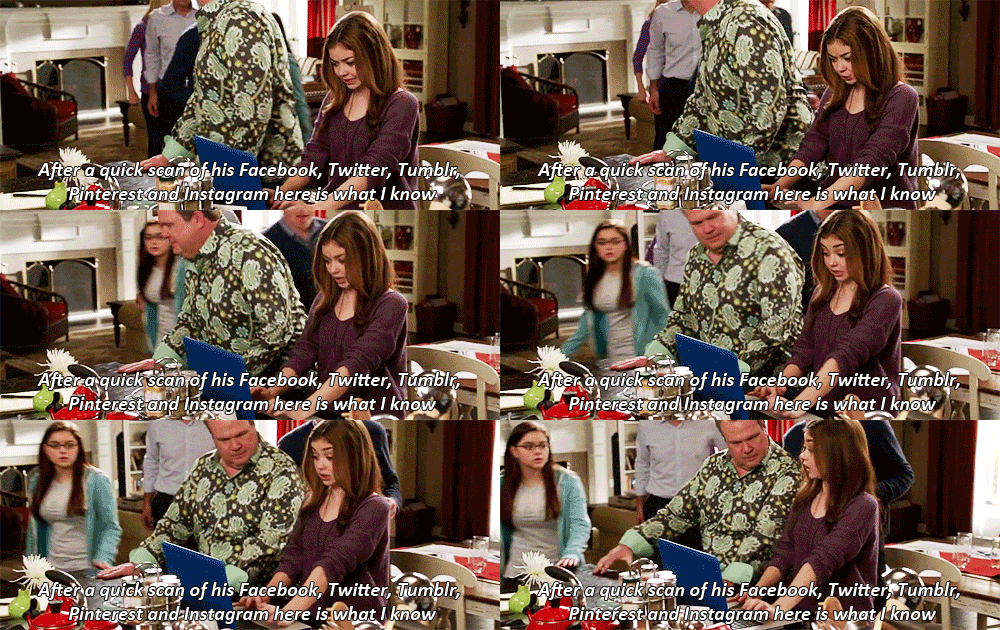
    Image Of Sarah Hyland's Character On Modern Family Using Social Media - Search Influence

    Now that your workspace and computer are clean, it is time to turn your cleaning attention to your overall freelancing business.

    Social Media TLC

    Like everything else in your life, your social media profiles need a little TLC occasionally. Make things easier for yourself and attempt to make social media less of a time suck for your freelancing business. Update your profiles; review your Likes/Follows to optimize your feed/timeline; setup lists, groups, circles, etc. to better find what you are looking for; and consider a new photo or bio to go along with any updates you may have about your freelancing career. Also, you may want to look back and delete anything too embarrassing from the past—you never know who is looking.

    Freshen up Your Portfolio and Resume

    Similar to a resume, your portfolio needs to be regularly updated. Besides updating your personal or contact info, take this time to add in any big projects you have worked on lately, as well as any new services you provide or skills you have acquired. Your portfolio should show the true range of what you have accomplished in the past. Even if you are not looking for additional work at the moment, revising as you go will ensure complete and up-to-date materials for when you do need them.

    Reevaluate Your Freelancing Business

    Finally, take some time to evaluate your freelance business on a grand scale. Are you satisfied with the work you produce and the money you get paid? Do you want to add more services, styles, or sources? Or drop some? Does communication between you and clients need to improve? Are your taxes and business expenses in order? Are you effectively marketing yourself?

    As stated in the beginning, spring signals revitalization, a chance to refresh yourself and your business. Let this inspire to make changes (If necessary) to how you operate. Drop what isn’t working. Seek out new and challenging changes. Make your freelance career work for you, not the other way around.

    Images:

    Desk 

    Clean Laptop

    Social Media Snooping

  • #FreelanceFriday: Tips and Trends for Freelancing After 40 (and 50)

    There is a false perception that freelancing (and the gig economy in general) is a young person’s game. But now more than ever, older individuals are making their presence felt in the freelance community.

    Proving that age doesn’t matter, writers and other creatives over the ages of 40 and 50 have come to embrace the freedoms and flexibility of the freelance lifestyle. A recent study conducted by UpWork found that 28% of Baby Boomers are freelancing either full or part-time.

    While that is still less than the total for 18-24-year-olds freelancing (48%), these so-called “silver self-employed” are gaining ground quickly. The Association of Independent Professionals and the Self Employed (IPSE) found a 46.5% increase in freelancers over 50 since 2008.

    Actor Tom Hanks preparing to type on his laptop

    What draws older individuals to freelancing?

    Unsurprisingly, it is the very same reasons that draw younger people to it:

    Flexibility

    Everyone–no matter what age–is trying to find the perfect work-life balance. For many, the flexibility of freelancing offers a step in the right direction towards that harmony. Freelancing is also a viable option for those in need of a more flexible schedule when raising children or caring for sick loved one.

    Independence

    Confined to an office for most of their lives, many older freelancers crave the independence that also comes with the freelance lifestyle.

    Creative Fulfillment

    While some 50+ creatives are supplementing their retirement with freelancing, others who are still working have found the same creative outlet that draws most younger freelancers to the game as well. Performing the same job for several years can leave a creative person yearning for more. Freelancing provides a much-needed outlet for all of that bottled up imagination.

    Availability

    And finally, the widespread availability of freelancing gigs makes it easy for older creatives to find work, especially if that person has been unexpectedly laid off. It is significantly easier to take skills culled from your years of work experience and apply them to freelance side gig or use this background to kick off a fresh new direction in your life. There are plenty of freelancing jobs available these days for everyone.

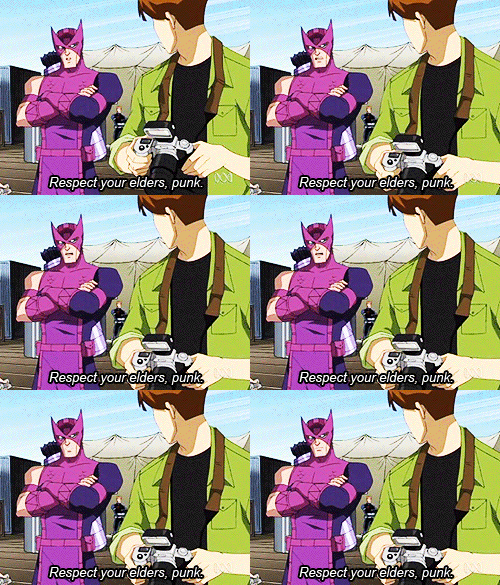
    Respect your elders, punk from Marvel animated series - Search Influence

    Why older freelancers are actually an asset

    In the recent past, people over 40 and 50 have been filled with doubt and trepidation about entering the freelance world. They may have felt that they were too old, lack the proper experience, or were not tech-savvy enough.

    Despite those fears, the exact opposite was often true. First off, no one is too old to freelance! All/any experience is important. There are so many avenues you can explore as a freelancer; you just need to find the one that works for you.

    Older freelancers typically have a greater desire to learn and prove one’s self—this goes for technology too. It may seem intimidating, but you will be surprised how quickly you catch on.

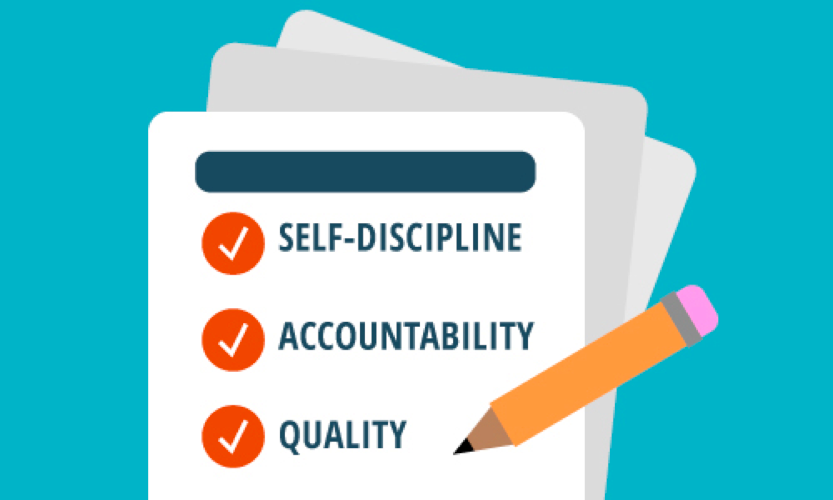
    Self-discipline, accountability, and overall quality are the most important factors to a successful freelancing career.  It is no secret that older adults are proven to be more reliable and focused than most 20-year olds. This will go a long way with those looking to hire freelancers. In the end, being older can actually be an asset to potential clients and employers.

    High-quality Standards Image

    Tips for those over the age of 40 and considering becoming a freelancer

    In addition to general advice for ALL freelancers (stay organized, prioritize, eliminate distractions, don’t take on more than you can handle, etc.), here are a few more tips specifically for the more mature freelancer:

    Be conscious of, but not afraid of the learning curve

    Yes, freelancing is different, in many ways, from your traditional job. Even for the well-prepared, the first time you do something new, it is a bit daunting and full of “what ifs.” Venturing out into a new world will bring with it new processes, new considerations, and new experiences. Rely on what you already know and build on that. Seek out the information you need and gain experience when you can.

    Freelancing may require you to change how you write (at least a bit)

    There are many different avenues you can explore as a freelancer, with many different writing styles attached to each. An experienced, talented writer should be able to adapt their style when needed. In the end, no matter what the style, successful writing usually comes from honesty, connecting with your audience, and provides a direct benefit to the reader (answers questions, entertains, etc.).

    Accept that not every gig is right for you

    While older freelancers can be a tremendous asset to clients, that does not mean they are right for every assignment—just as younger writers are not right for all as well. Whether that reason is based on knowledge or experience, you just may not be the right fit. There is an audience out there for everyone; you just need to find it. Faking it is never easy, and will ultimately be exposed.
    As a more mature writer, you bring a wealth of experience and knowledge, plus a stronger eye to see beyond the challenges a new freelancer will possibly encounter. Combine this with a passion for high-quality work and yearning for more freedom in your life; you should have no regrets for shaping your own track as a freelancer—no matter your age!

    Images:

    Tom Hanks

    Hawkeye