Author: Ariel Tusa

  • Stairway to Higher Ed Website Heaven: Seven Steps to Engage Prospects and Students

    This post was updated by Ariel Tusa on September 24, 2020 to reflect recent trends and refreshed statistics. It was originally published on May 2nd, 2019.

    Key Insights

      • Make sure your website is an easily accessible tool that prospective students can use to find information.
      • Cater to mobile users by having a mobile-friendly site that loads quickly.
      • Maximize your public relations staff and media contacts for mentions and high-quality backlinks.

    Universities have a leg up in search rankings, thanks to the authority of “.edu” domains and brand recognition. However, many university websites aren’t set up to make the most of these advantages, and the added uncertainty of COVID-19 has put a strain on the marketing budgets of organizations around the world. So, what’s an educational institution to do? Maximize the potential of your university’s brand with our seven tactics to improve your search visibility among prospective students!


    A stairwell covered and surrounded by clouds leading into a blue sky

    To market effectively, it’s important to understand the buyer’s journey—or in the case of higher education—the student journey. Online searches are a critical part of the student journey that help people decide where they will apply.

    According to a study by Google, 58% of students use search engines to begin their research for higher education.

    With that in mind, let’s dive into our seven steps! We’ll take a look at some examples from one of our education clients, Tulane School of Professional Advancement.

    1. Mobile Experience: Mobile Experience Must Be on Par With (or Better Than) Desktop

    Beginning in the summer of 2018, Google rolled out their “mobile first” algorithm, making your mobile site more important than ever. Sometimes, developers edit websites on a computer without testing them on both a desktop and a mobile device. However, most prospective students will only visit your site on a mobile device. For Tulane SoPA, mobile traffic has increased from just under 43% in 2016 to nearly 75% in 2020.
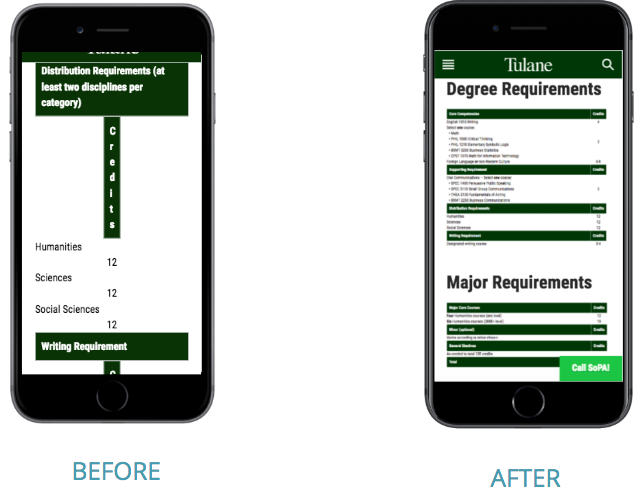
    Before and After of Tulane School of Professional Advancement's mobile website

    Many websites end up with a user experience that looks like the “before” image when their design focuses on desktops. When you set your sights on improving the mobile version of your site, you’ll end up with something that’s more like the “after” image. Providing a high-quality experience to mobile users can improve your conversion rates and boost your search rankings.

    PRO TIP: Google offers a free Mobile-Friendly Test that reviews the size of graphics and technical elements to assess the user experience on mobile devices. The test’s assessment generates feedback you can pass on to your web development team to review and update your website.

    2. Site Speed: Your Site Should Load Quickly

    Keep more of your visitors on your site by solving the most common speed issues for websites. Google wants to provide a seamless experience and answer a user’s query as quickly as possible, meaning that site speed is becoming a more important factor for keyword rankings.

    This chart illustrates how important your site’s speed is to users. A study by Google equated the cognitive load of waiting for a slow mobile website to be on par with solving a math problem and watching a horror movie… and worse than standing on the edge of a cliff!
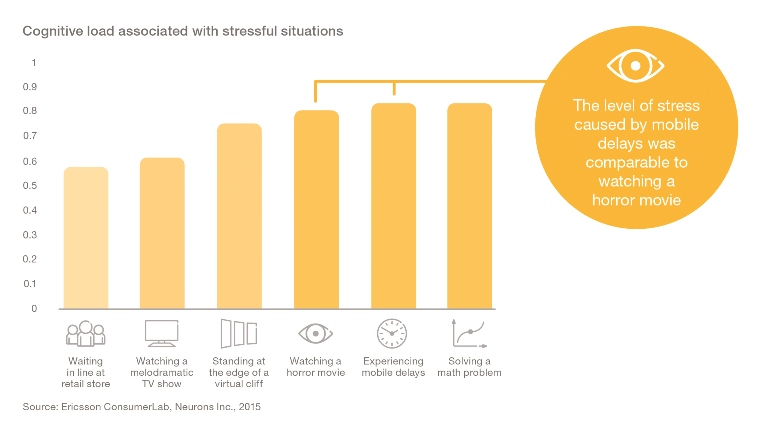
    A bar chart showing cognitive load associations with stressful situations

    On a more positive note, sites with load times under 3 seconds garner the most sessions and peak conversion rates, showing that load time has a real impact on user experience and, therefore, conversion. The ideal load time is 3 seconds or less. Even just improving load time from 3.3 seconds to 2.4 seconds, you can increase your conversion rate by 27%.
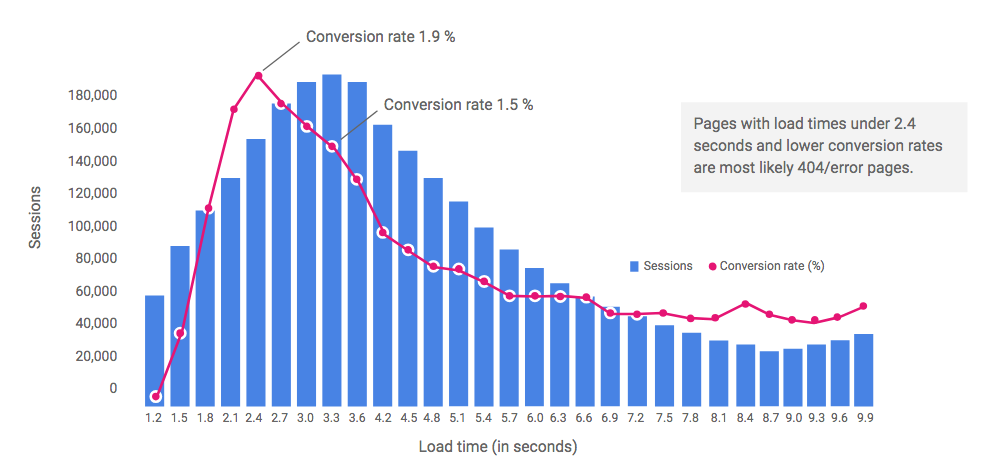
    Correlation chart between sessions and load times

    Google free Mobile Site Speed Test tool can demonstrate how your site compares to those of other universities. The report generated by the Mobile Site Speed Test estimates how much you’ll speed up your load time by implementing its recommended changes.

    3. Content: Should Provide Helpful Information to Prospects (and Search Engines)

    Universities often think of their websites as tools for current students and less about prospects. When creating your content strategy, think about where users may be in the student journey—their decision making process—and speak to them at all levels:

        • Some are just starting to search for answers to everyday problems
        • Some might be further along in their journey, researching options at your school
        • Some may be even further in their journey and are ready to take action and need to find a way to contact you QUICKLY!

    Many universities lack specific content for their programs, degrees, and courses, requiring prospects to speak to an advisor to get details. Instead, break down barriers for prospects by assuring this info is easily accessible on the site. As you begin identifying ideal content for a page, whether it’s a homepage or internal page, think about the different ways people consume content:

        • Skimmers read the headings, bullets, and key stats to quickly make a decision on how to move forward.
        • Swimmers may read some of the sub-content, watch a video, and click onto a deeper page.
        • Divers will read all of the content on the page, watch a video, and most certainly would go to other pages on the site.

    Having a dedicated page for a topic also makes it more accessible to search engines, which helps prospects find the information more easily. When building content for your university’s website, use this content checklist:

    ✓ Does your site have dedicated pages for each program/degree?
    ✓ Is content crafted to speak to “skimmers, swimmers, and divers” (a mix of bullets, infographics/media, and paragraphs with details)?
    ✓ Are online and on-campus options clearly stated?
    ✓ Do you have one-pager downloads that require visitors to input their email address to build a prospect pool for email marketing?
    ✓ What are the top five questions your front desk and advisors are asked?

    4. Optimize for Branded Searches

    Branded searches describe searches conducted by prospects that include your school’s name in the query. They may search by name only or with a combination of your name and a degree, major, or academic program. Optimizing for branded search supports prospects who are in the consideration and decision phase of their journey—they’re already familiar with your school and searching for it by name.

    Help prospects and students find information more easily when searching for specifics like “Tulane SoPA Tuition” or “Parking on Smith campus” by optimizing for branded searches.
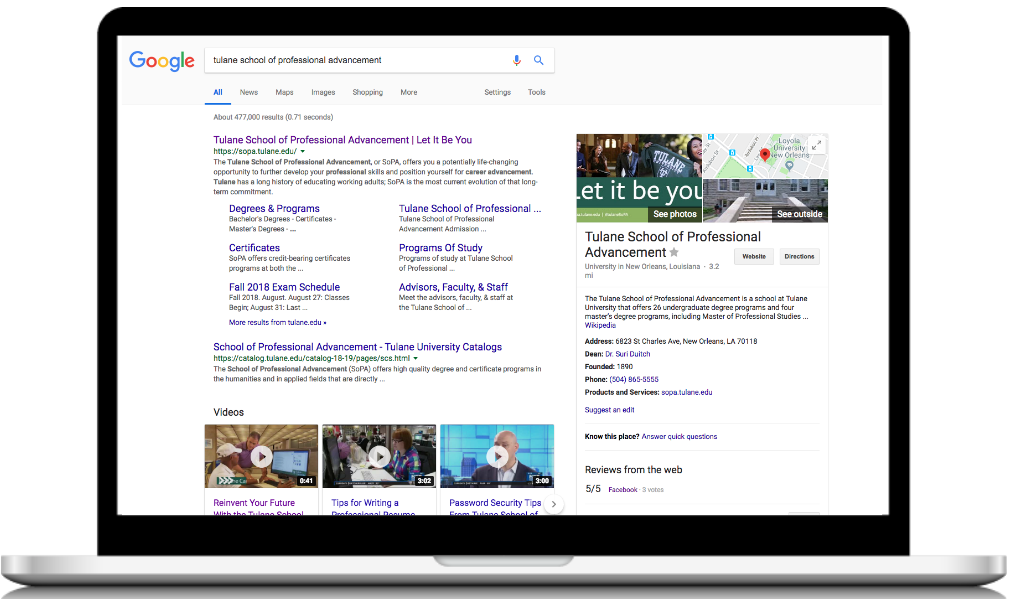
    A laptop showing a google search for tulane school of professional advancement

    When performing a branded search for your own university, you should see your website. If your site is established, you’re also likely to see “sitelinks,” which are Google’s top suggested pages for users. The Knowledge Panel on the right offers location information from Google My Business, Wikipedia, and reviews from around the web. Of the many parts of the SERP (search engine result page), there are pieces you can and cannot control.

    What you can control:

          • Your website
          • Info on Google My Business (photos, accurate location data, posts)
          • Content you’ve posted on other websites (YouTube videos)
          • First-party reviews

    What you can’t completely control, but can work on:

          • Third-party reviews, including Google
          • Third-party mentions
          • Wikipedia (more on this later)

    5. Earn Backlinks That Are Relevant to Your Target Audience

    Links to your website from other sites are like positive reviews to search engines. Building links supports your university’s website ranking by building authority and relevance. Google uses backlinks to judge if you are a trustworthy and relevant source for a topic. Which websites link to your site is more important than how many. Backlinks from authoritative national sites, like The New York Times or Wall Street Journal, give you national authority in Google’s eyes. Earning backlinks can be a challenge, but approach this tactic with a quality-over-quantity mindset. A strong PR strategy is critical to earn genuine, valuable links.

    Any accredited university should also pass the “notability” test and be listed on Wikipedia. If you are established, you likely already have a Wikipedia page. Wikipedia pages can be edited for accuracy and provide links to your website. However, the language should be strictly factual and have a neutral tone.

    When authoritative local sites, like a local news outlet, link back to your site, this adds to your local authority.

    Sites that are both relevant and authoritative, like a list of the Top 10 humanities programs on USnews.com, support both your relevance and authority even when you are simply on the list and don’t get a backlink! Some lists require payment for inclusion. Here are the key questions we ask when considering paying for placement:

    ✓ Is it a reputable website?
    ✓ Does it rank well on Google compared to competitors within its industry?
    ✓ Does the feature include a link back to your website? (Remember, if not, that’s okay)
    ✓ Do you get to approve the content that will be listed about your school or program?

    6. The Press and Media Are Highly Effective Tools

    Media mentions are one the best sources of links and branding. Your university may receive some attention from the media, but you can’t sustain or control this without a PR strategy. Local media sources are often excellent contacts to work with.

    The key is finding a strong PR partner—someone who already has relationships in the industry—and a process. Most colleges and universities have enough going on to produce newsworthy stories consistently. With a dedicated PR effort for Tulane SoPA, they are earning an average of five to six media appearances per month. To be successful, you need to frequently communicate with your PR team, as well as ensure that your staff is available for interviews, providing quotes, and more.

    Here’s a checklist your marketing team can use for quality backlinks and media mentions:

    ✓ Wikipedia
    ✓ Top lists
    ✓ Partner community colleges, universities, and high schools
    ✓ Scholarship search websites
    ✓ Scholarship partners
    ✓ Local directories
    ✓ Local media outlets
    ✓ National media outlets

    PRO TIP: When responding to requests for quotes, be sure to include which specific page should be linked to (don’t always choose your homepage).

    7. Technical Elements Support Search Success

    Key technical settings on your site can help Google understand and process the info on your webpages, which leads to a stronger search presence. Master these four elements:

          1. Your site runs HTTPS and you have purchased and properly installed an ”SSL certificate.” This tells Google and users that any information a user inputs on your site (such as their name, email, or phone number) is being transmitted securely. Google’s most recent version of Chrome calls out non-secure sites more strongly by making the text red, instead of a subtle gray warning.
          2. The robots.txt file is the first file that Google crawlers read when they visit your website. It provides a directory that tells crawlers which pages you want to appear in search results and which you do not. If configured improperly, prospective students may see this in search results. There’s a technical check your web developer can do to assure this setting is accurate.
          3. An updated sitemap hands your list of URLs to Google on a silver platter. HTML sitemaps are good for users and search engines. XML sitemaps are more technical and exist primarily for search engines. While this may sound redundant, you want to take advantage of all of these elements to make it as easy as possible for search engines to index all of your important website pages. Your developer can list your sitemaps within your robots.txt file, which, again, gives Google what it needs to know.
          4. Schema is a technical tactic for labeling your data on the backend of your website to help Google better understand the content. Google can usually understand and parse content easily, but this helps avoid any ambiguity. The simplest example of schema is labeling your address and phone number data. On the front end, it looks the same to the user. On the backend, you’re saying “Hey, Google. I have three distinct locations. This is location one, and this is the address and phone number.” Things get really interesting when you start to mark up more niche types of content on your website, like your course information. Schema.org is your source for the details you need to do this. This can improve your rankings for niche keyword searches because Google can then understand very specific details about your offerings. Leveraging schema markup language can also help you achieve “rich answer snippets,” which is when Google serves up the answer directly to the user in the search result, citing your website as the source.

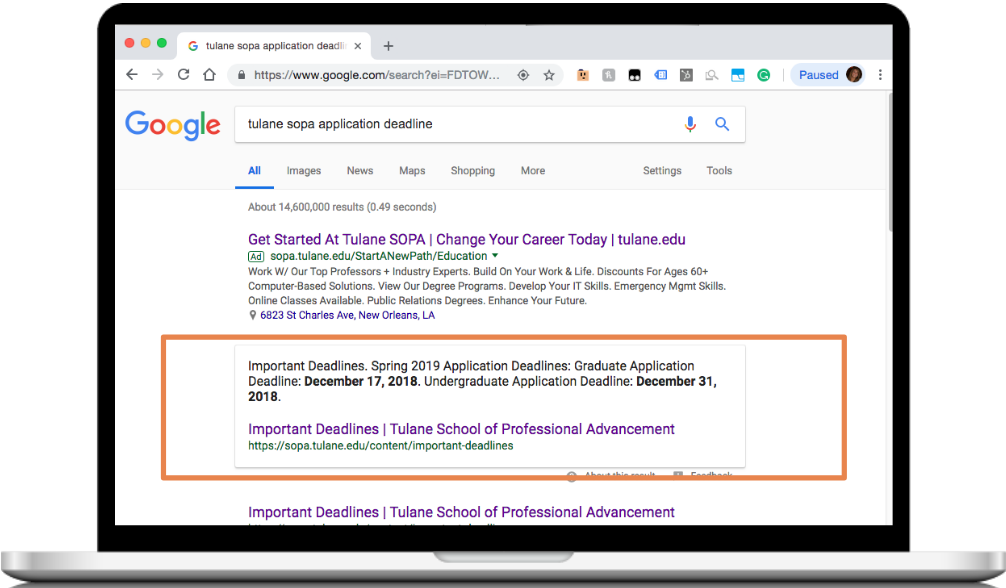
    A laptop showing a google search for tulane's application deadline

    Here is an example of a very specific search, for which a “rich answer” comes up—this is also often referred to as “Position Zero.” Google is beginning to show more and more of these “rich answers.” Schema markup is the first step to earning them.

    PRO TIP: Once you’ve worked on these four technical elements, create a custom 404 Page for your university’s site. When a user lands on a page that no longer exists, they’ll then be taken to a page on your site that can help them find the information they were looking for initially.
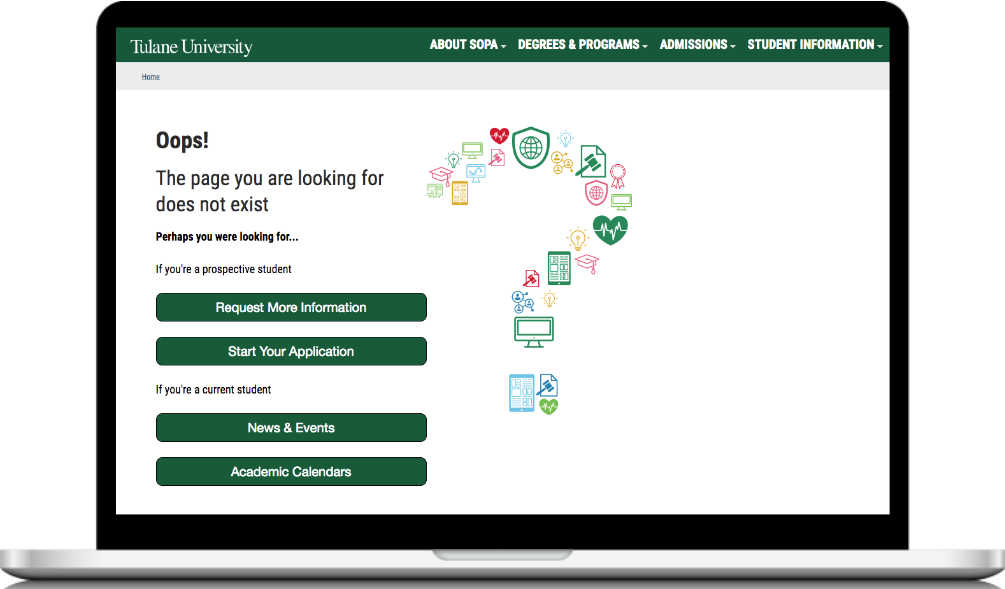
    Tulane University's 404 page

    Congratulations! With our seven key steps to search success, you’ve officially graduated! Wondering how to take your learnings and apply them to your institution’s website? Download our self-assessment to score your marketing strategies and uncover the opportunities you have to drive leads into and down the funnel!

  • 4 Campaign Strategy Changes During COVID-19

    MacBook Pro, white ceramic mug,and black smartphone on table photo

    COVID-19 has impacted every person and business across the globe, and the environment changes daily. Updating your marketing and advertising strategies during this time can be overwhelming.

    We can help you figure out where to start and what to change! This guide covers four campaign strategy changes to help navigate your business through COVID-19:

    1. Adjust advertising spend
    2. Evaluate targeting
    3. Tailor offerings and messaging
    4. Employ machine learning

    Before making any drastic adjustments, look at the data. Be aware that traffic and behavior on your site is likely impacted by the move to remote work.

    • For example, you may observe an influx of traffic but a decrease in conversion rates. Many businesses filter out internal traffic via IP address and this can be extremely difficult as your team has begun working from home.
    • First, ask your team to filter out traffic per device using the Google Analytics Opt-out Browser Add-on.

    4 Campaign Strategy Changes During COVID-19

    1. Adjust Advertising Spend

    You may initially consider stopping or reducing your ad spend. Based on your customers’ behavior, your industry, and your offerings, a reduction may make sense.

    If your business offers an essential need (food, medical, etc) or a product or service with a longer buyer’s journey (education, legal, cosmetic surgery) you may want to consider increasing your paid advertising. Especially for those industries with a longer buyer’s journey you need to keep feeding your marketing funnel to ensure you’re able to push prospects to convert when we all get back to (the new) normal—an empty funnel now means no business later.

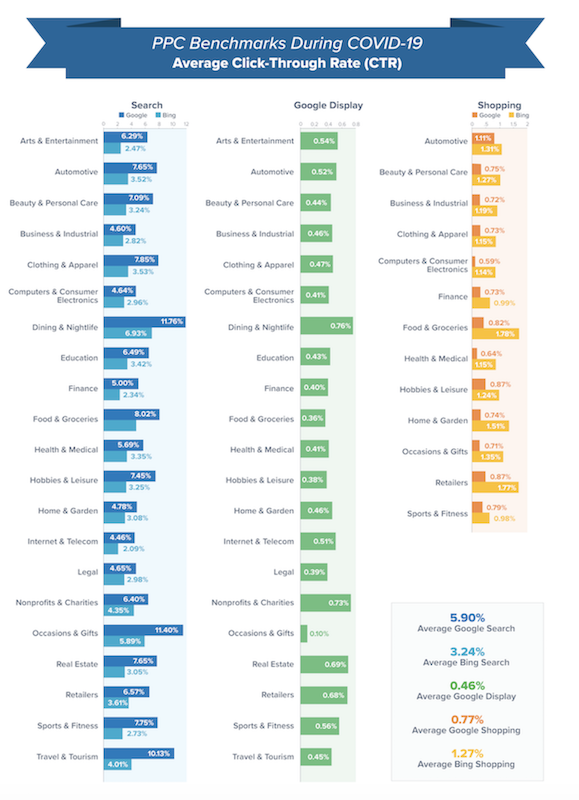
    We also see that CPMs, CPCs, and conversion rates are in flux. With fewer businesses competing in ad auctions, it is cheaper to compete. According to Wordstream, pay-per-click campaigns during COVID-19 are seeing both positive and negative impacts.

    • Pros: CPCs and CTRs are up.
    • Cons: many businesses are struggling with Conversion Rate.
    • Your advertising platforms can inform your decision to pause, reduce, maintain, or increase your advertising investment at this time.

    PPC Benchmarks during COVID-19 Average Click-through rate

    2. Evaluate Your Targeting

    Keep a pulse on the performance of your targeting methods (geographic, demographic, interest-based, custom audiences, etc) and their segments.

    • If your business has moved entirely online and thus is available to a wider audience (for example, a neighborhood gym that has moved to livestreams), you way consider expanding your geographic targeting.
    • A restaurant that typically caters to tourists and now offers pickup and delivery may narrow their targeting to hone in on the local market.

    3. Tailor Your Offerings and Messaging

    Consumer behavior is changing rapidly in response to the constant change in our environment. How can we, as business and marketing professionals, be more helpful to our customers in these fluctuating moments? The answer—tailor your offerings to the environment and consumers needs. Google’s data on online behavior and search trends can give us insight into those changing needs and how we can best serve others.

    Across markets, Google searches fall into 5 behaviors:

    • Assembling critical information
    • Discovering new connections
    • Adjusting to changes in their routines
    • Praising everyday heroes
    • Self care

    Tailor your offerings and messaging to complement these 5 consumer behaviors:

    • Provide clear, regular updates about your businesses operations. These should appear on your website, social platforms, and business listings. Highlight local delivery/pickup, online, and virtual options in your ad copy and creative.
    • Create new relationships with customers and other businesses. Connect with your audience, your larger community, and look for opportunities to work together with other partners (local, regional, etc.)
    • Adapt to changing needs and routines. Consider your target audience, and ask yourself what else they might need at this time. People are turning to at-home hobbies such as cooking, dancing, exercising, and crafts. How can you educate or serve these new interests? More parents than ever are juggling childcare and working from home. Use your ad copy and creative to highlight how you can support them during this time.
    • Celebrate heroes across your community, employees, and customers. Healthcare workers and others providing essential needs and services put their lives on the line to take care of us. Share genuine praise and support for our everyday heroes.
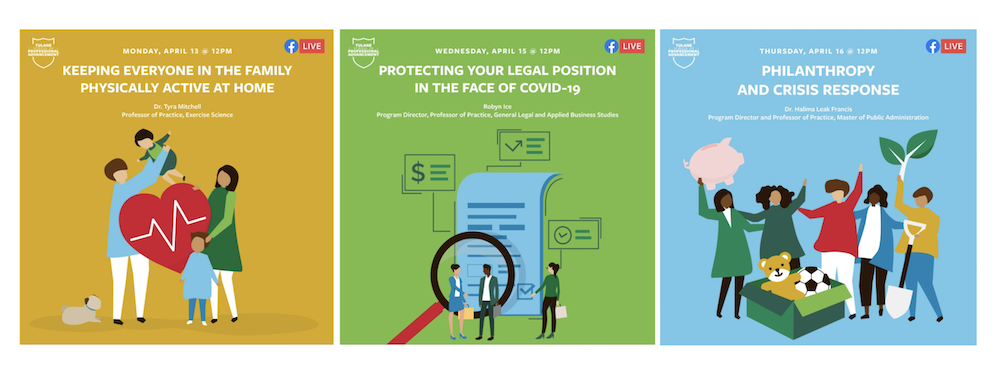
    • Find ways to add value. Host Q&A sessions, webinars, or provide free services when possible. For example, the Tulane School of Professional Advancement hosted a series of free, public Facebook Live events addressing COVID-19 topics.

    Tulane SoPA free, public Facebook Live event flyers

    “Eighty-four percent of U.S. consumers surveyed say that how companies or brands act during the current market is important to their loyalty moving forward.” – Google

    4. Employ Machine Learning

    Machine learning allows ad platforms, like Google or Facebook, to take informed actions based on the ever-changing data it analyzes in real-time. Smart bidding, automated targeting, and dynamic creative are just some of the ways you can take the guesswork out of your advertising campaigns.

    In this ever-changing environment and time of such great uncertainty, now more than ever we should take advantage of machine learning in our paid advertising. For example, Google recommends that retailers “enable automatic item updates in the Google Merchant Center to keep your product data up to date, especially for price and availability.”

    If you have the means, use this time to test and hone your advertising efforts; act lean and be critical of your digital campaigns. Set your businesses up for success, both now and post-pandemic, by remaining active in the advertising sphere. Stay home, stay safe, and optimize your business’s potential during COVID-19 with these campaign strategy changes.

    Need advice on how to best utilize Google credits or Facebook grant money? Contact one of our strategists today.

    Images:

    Laptop
    PPC Benchmarks

  • Planning Your Vacation Destination Using Instagram – Ariel Tusa on WWL

    Ariel Tusa, Account Supervisor at Search Influence, joined Great Day Louisiana to share how you can use Instagram to plan your vacation like a local. Learn how to build your next trip itinerary using:

    • Hashtags
    • Geotags
    • Creating and organizing Instagram “Collections”
    • Travel bloggers and travel magazines

    Instagram is a dynamic tool that can be used for more than just scrolling. At Search Influence, we know how to leverage Instagram for our clients, and we’re always up-to-date with social media best practices. Learn more about our digital marketing services and how we can help your business get found online. Reach out to a strategist today to get started.

  • 7 Best Social Media Platforms for Your Digital Marketing Strategy in 2019

    A group of people using social media on their mobile devices at Search Influence in New Orleans, LA

    Social media is an essential element of a holistic and integrated marketing plan. Different social media platforms allow you to create and share content, reach specific audiences, and accomplish your marketing and business goals. Before you begin expanding your current social media marketing, make a plan. Here are some questions to help you get started:

    • Who are you trying to reach?
    • Where does your target audience consume content online?
    • Which message(s) do you want to send your target audience?
    • What is your end business goal?

    Your answers to these questions will help you define your business goals and translate them into social media marketing goals. You will then be able to prioritize which social platform to use. If you are new to social media marketing, Facebook is where you should start. If you already have decent engagement on one platform, where should you go next? Most Americans are active on two to three social platforms, so why limit your marketing to just one?

    Screen shot of social media stats

    Which Social Media Platform Is Best for Marketing?

      1. Facebook – With more than 2.27 billion active monthly users, Facebook is definitely your number one choice. Through Facebook Ads Manager, you can target users based on their location, age, gender, level of education, relationship status, job title, interests, purchase behavior, device usage, and so much more. And it doesn’t end there! Facebook allows you to create Custom Audiences to reach current customers or patients. Custom Audiences can be created from the phone numbers or email addresses you’re already collecting, or from Facebook Pixel to target people who have visited your website. To reach new customers, use Lookalike Audiences; these are created from Facebook’s insights about Custom Audiences to target users with similar online behaviors. You may think “My target demographic isn’t on Facebook,” and you could be right, but Facebook Ads Manager takes the guesswork out of it. This platform allows you to create and serve your message to the right user on Facebook, Instagram, or (through the Audience Network) across the web. As stated by Facebook,

    “1 billion+ people see a [Facebook] Audience Network ad each month.”

      1. Instagram – Owned by Facebook, Instagram boasts more than 1 billion monthly active users and has the same advertising options as Facebook. First and foremost, it’s a visual platform, which provides you with an opportunity to showcase your business’s personality. There are a number of free tools you can use to improve your audience’s creative experience.
      2. YouTube – YouTube allows your business to post and share an unlimited amount of video content, which you can then share on social media, send via email, or embed on your website. As a product of Google, there is also an added SEO benefit of having a YouTube channel and producing video content on the platform. With more than 1.8 billion active monthly users worldwide, YouTube has essentially become the second largest search engine behind Google. When it comes to paid advertising on YouTube, it takes the lead over Facebook for video. Facebook charges your account for each 10-second view, while YouTube does not charge you until a user has consumed at least 30 seconds of an ad. According to expandedramblings.com,

    “YouTube overall reaches more 18-34 and 18-49 year-olds than any cable network in the U.S.”

    1. Google My Business – You may not consider Google My Business to be a social network per se, but this free platform offers features that Facebook, Instagram, Twitter, etc. do not. Posts are searchable via keywords, they positively affect your SEO rankings, and they provide an opportunity for backlinks. You can read more about why you should be posting on Google My Business.
    2. LinkedIn – This platform is known as the primary social networking platform for professionals. You can use LinkedIn to update customers on your business, connect with industry partners, and recruit new team members. As a professional network, it is the top choice for B2B social media marketing. According to Forbes, “LinkedIn is one of the best platforms for generating leads and now makes up 46 percent of the social media traffic generated to company websites for B2B firms.”
    3. Pinterest – Similar to Instagram, Pinterest is a visual platform. Pinterest allows your business to show off your product offerings, before-and-after images (great for home improvement, beauty, and cosmetic surgery industries), and curated pin-boards. As you are probably already aware, its audience is primarily female. Pinterest is an oasis for hobbyists, brides and grooms, and day-dreamers in general. Keep this in mind when sharing content. Travel itineraries, suggested packing lists, landscaping ideas, craft projects, and wedding inspiration are the bread and butter of this platform. But don’t think you’re limited to just engaging with your audience. According to Hootsuite, 87 percent of Pinners have made a purchase through the platform.
    4. Twitter – Twitter is a quick-paced platform that’s perfect for sharing the latest trends or your business’s take on current events. Its audience skews somewhat younger but is split pretty evenly between men and women. Your business can participate in a larger conversation by using hashtags for trending topics. These hashtags allow you to reach new potential customers in your industry. Twitter can also be used to monitor positive and negative reactions from existing customers, and you can use the platform to provide additional customer service.

    How Do You Decide Which Social Platforms to Use?

    So, now that you’re familiar with the seven best social platforms for your digital marketing strategy, you should keep these tips in mind. When trying to decide which platform(s) are best for your business, first review your goals and audience, and then make a plan. Then, meet your audience where they are engaging online. Once you have started sharing on one of these platforms, analyze your efforts and look for areas to fine-tune your targeting and content strategy before jumping to another platform. If you’d like more advice on how to use social media platforms to effectively target your ideal clients, start a conversation with our experts by calling (504) 208-3900.

    Whichever type of social media platform you decide to use in your marketing strategy, Search Influence has your back. Our social media experts can work with you to implement a strategy and track the campaign’s performance. Start a conversation with one of our strategists today to make the most of your social media.

    Images:

    Group of people using mobile devices
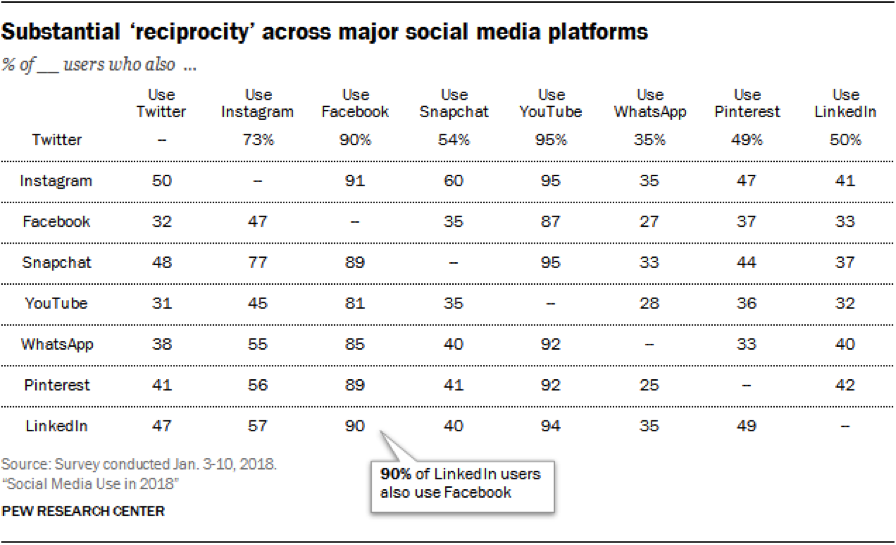
    Reciprocity Table
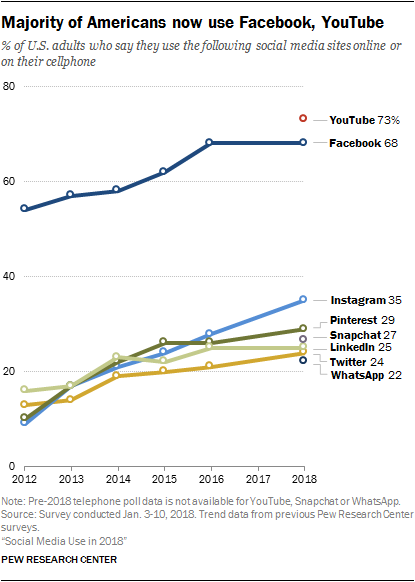
    Social Media Line Chart

  • Understanding Facebook’s Algorithm – Ariel Tusa from Search Influence on WDSU

    Ariel Tusa from Search Influence joins Christina Watkins on WDSU! She shares some knowledge about:

    • The Facebook Algorithm

    • Tips for tailoring your feed to show the types of posts you WANT to see


    These tips can be helpful for your personal Facebook page, as well as your business’s Facebook page. Social Media Optimization is beneficial for businesses in most industries, and understanding the basics of the Facebook Algorithm is the first step in developing a social media strategy for your business. To learn more about social media optimization, contact us at Search Influence.

  • Grow Your Business With These 7 Digital Marketing Tactics

    Members of the Search Influence team gave their insight on tried and true digital marketing strategies. These strategies apply to every industry, from plastic surgeons to attorneys, and many can be implemented across different channels of marketing. Using a mix of or all of the 7 tactics below is a sure-fire way to optimize your business’ online potential.

    1. Mobile

    Before updating the aesthetics or adding content to your site, it’s of the utmost importance that you make sure your site is responsive and functions properly on both desktop and mobile. More than half of users say they wouldn’t recommend a business if they encountered a poorly designed mobile site.

    “To me, the biggest trend (and this is as much a wish as it is a prediction) is that small businesses begin to take mobile optimization more seriously. I’m still surprised by the number of businesses I see in my day-to-day life that haven’t reacted to the continuous uptick in mobile search by having their site optimized for mobile users.

    My main focus, in terms of a trend, is the expansion of mobile search as a primary source of information. The trend will be more companies utilizing tools like Google AMP in order to improve the mobile user experience. Currently, far too many don’t take the number of leads they can get from a mobile-optimized site.” – Cory Agular

    Later in this post, I’ll go over AMPs and some more specific mobile moves, but I really want to emphasize that mobile should be incorporated in every aspect of your online marketing campaign. Google has stated that not only are 60% of users unlikely to revisit a mobile site they had difficulty visiting, but also 40% will then go on to visit a competitor’s site. You’re not supposed to judge a book by its cover, but if you can’t open the book, you’re not even going to try reading it.

    Image Of A Cell Phone Searching - Search Influence

    2. Schema Markup

    Schema markup, coding that can be added to a page on your site, makes information more easily readable to search engines like Google. This code labels pieces of important information on the page. Search engines not only understand the information better but they can also provide richer search results to users.

    “As far as I’ve noticed, Schema’s been underutilized… however I’m seeing a lot more talk acknowledging it for its on-site SEO value and correlation with rich snippets and Google’s knowledge graph. And as we’ve seen, Google’s been working to improve its algorithm and knowledge graph to really ‘understand’ content to better predict user trends.” – Kiersten Kampschroeder

    “It’s been increasingly popular to integrate schema into your content. I think that providing meta information using schema markup not only helps SEO, but it also aids the programmer and contributes to making better semantic websites. 2017 will be the year where instead of thinking how we can ADD schema to existing sites, we instead shift toward creating websites with schema markup baked into their design and writing content with schema markup in mind. I’d compare thiscoming year with what happened with responsive design 3–4 years ago. That was the shift where everything became mobile first. 2017 will be the year schema is integrated into the general development workflow.” – Member of Web Development Team

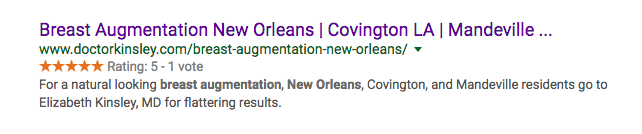
    A search for “breast augmentation new orleans” shows how review schema implemented on Dr. Kinsley’s site appears in results:

    Image Of Dr. Kinsley's Search Results - Search Influence

    3. GIFs

    While 2016 saw a rise in GIFs, an acronym for Graphics Interchange Format, they were first debuted by Steve Wilhite of Compuserve in 1987. They are the epitome of #thirtyflirtyandthriving. These dynamic, digestible pieces of content are easy to create and share and provide a more engaging user experience than a single static image.

    “GIFs are important to any brand aesthetic, be it personal or public, because they offer a truncated version of the desktop’s fluid experience (i.e. video).

    GIFs are a better option now since they’re more pervasive and different social media platforms accept them or give you a way to use them easily. Instagram, Twitter, Facebook, and Facebook Messenger are all compatible with GIFs now.

    Twitter actually integrated, similarly to Facebook, a GIF search within the post tool. [It has] allowed for a closer relationship between Facebook and Twitter, as well. You’ve always been able to link the two accounts, … [but] now, it looks like Twitter, when auto-posted to Facebook, is fully integrated into Facebook’s platform and presents the post as it would be presented on Twitter.” – Member of Graphics Team

    There are so many reasons you should incorporate GIFs into your marketing strategy this year. As mentioned, the fluidity of GIFs can make the creation of cross-platform content so much easier. They’re easy to create and even easier to share. Most of all, it’s a fun and unique way to reach your consumers!

    So, why not shake things up a bit?

    4. Social and Mobile Paid Advertising

    In 2016, we saw a rise in mobile advertising, but this year, with more than half of searches on mobile devices, it will be an essential component of an effective and well-rounded search engine marketing campaign. Expanded ads are now easily translatable between desktop and mobile, but it’s almost important to mobile users’ needs when determining the content, location, and timing of your paid ads.

    Social advertising like Facebook Paid Ads are showing increased popularity and effectiveness. The level of granularity continues to rise with Facebook audience targeting, and we have seen an increase in conversions even as CPCs remain low.

    “With the introduction of ‘new’ campaign objectives, such as lead generation and local awareness, Facebook really does seem to be a place for lots of growth. With Facebook trying to essentially phase out Fan Building campaigns, local awareness campaigns present an interesting opportunity for smaller budget clients who want to focus on a local market.” – London Fougerousse

    While Facebook ads are more cost-effective than traditional paid ads, that’s not a reason to rely on them solely. The decision to use Facebook vs. Google Adwords or a mixture of the two is truly dependent on a variety of factors, such as your location, industry, and goals. I recommend hopping on the mobile train sooner rather than later. Forecasters are predicting that by 2019, 72% of digital ad spend will be on mobile advertising!

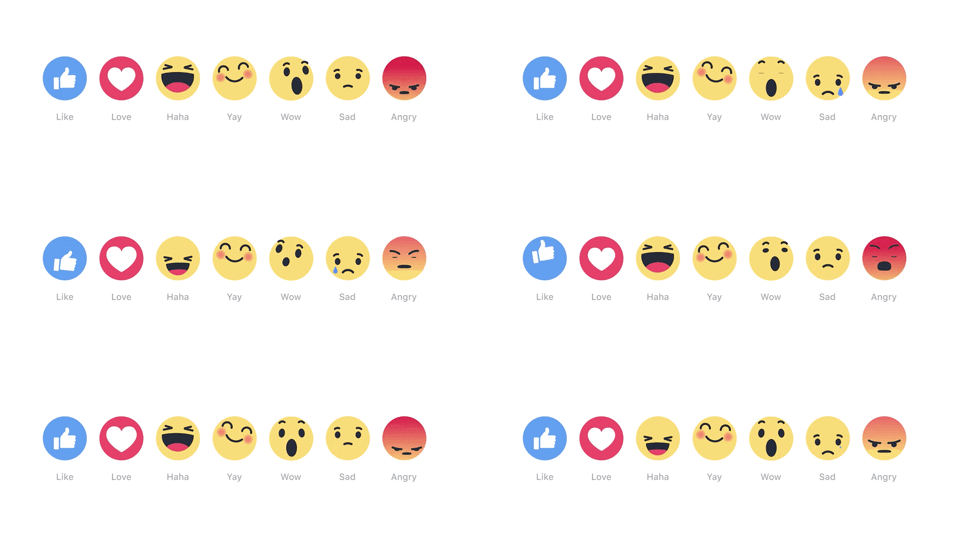
    Image Of Smiley Face Emojis - Search Influence

    5. Google’s Accelerated Mobile Pages

    As I mentioned at the beginning of this post, mobile should be a consideration for all of your online marketing efforts. Google’s Accelerated Mobile Pages (AMPs) are a way to take that focus even further. AMPs are not a ranking factor in Google (for now) but they can positively impact impressions, clicks, and user experience.

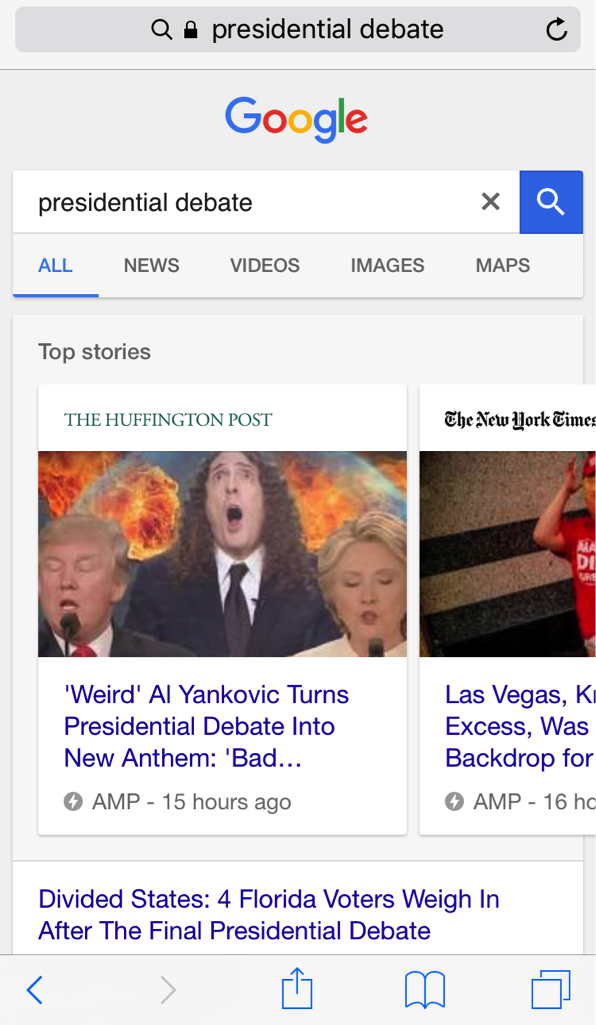
    “Since the rollout of AMPs in mobile SERPs this past spring, pages have typically only been found at the top of the results page in a carousel—which is still prime real estate—however, Google recently announced that AMPs will soon also begin showing in the organic results and supporting more content types. We’ve all heard the mobile-friendliness search stats, and adopting AMPs is another way to bring content to your consumers instantly and on the go.

    “Historically, AMPs have been utilized mainly by news publishers, but with the expansion to the organic results, I can see a future for almost every type of industry. Shopify, eBay, and Fandango recently announced their integration of AMPs, so this is a good trend for e-commerce clients especially to be conscious of. And Google also hinted that they will begin supporting more content types like live videos, galleries, etc., which can also open more doors for clients to take advantage of.” – Member of Account Management Team

    Image Of Google Search Of Presidential Debate - Search Influence

    The increased speed of Accelerated Mobile Pages leads to a better user engagement, and those (potential) customers/clients are more likely to return to your site if it was able to quickly provide them the information they were looking for. A recent study shows that with AMPs, The Washington Post saw a 23% increase in mobile search users who return in 7 days. If you’re a business receiving the majority of your site traffic from mobile devices, AMPs could be a strategic way to boost your online presence above and beyond your competitors.

    6. Video

    Video is not just for YouTube. It should be incorporated into as many of your online marketing efforts as possible: product/procedure pages on your site, email marketing, display ads, social platforms, and everything in between!

    “For online marketing rich content could include native video content and paid video ads on both YouTube and Facebook Video Display ads. Also, I think brands will begin to utilize Facebook Live more for events and branded content to engage their fans.

    “I believe these videos will be prominent cross-device! Today, people are constantly moving between devices throughout the day and advertisers need to be innovative and streamline their message to engage users across all devices.

    “For Facebook Live, I would recommend this for brands and businesses that have a strong Facebook following. Facebook Live is a tool to engage your audience, not necessarily build an audience. These videos are best for events, conferences, speaking engagements, big company announcements, etc. There are so many options to deliver creative, curated content!” – Sophie Kirk

    Rich video content is content that keeps on giving. One video can apply organic, paid, and social campaigns across devices, and can be broken down and repurposed to create a number of assets. Videos are not only attention-grabbing, but are also a great way to establish your brand’s message and have lasting effects in terms of brand recall.

    7. Links

    Links might not be the most exciting item on this list, but they’re certainly one of the most important. Link building is an essential aspect of a well-rounded SEO strategy! When the search engines crawl pages on your site, links are used to identify how it relates to other internal pages and other sites. Links connecting one site to another can indicate that a particular page/site is the authority on a given topic. But, as you should know, not all links are created equal!

    Google first launched its Penguin Update in spring of 2012 and rolled out its final update, Penguin 4.0, this past fall. Penguin is Google’s effort to catch sites that are using “black-hat SEO” techniques like spammy link acquisition to affect search rankings.

    “In 2017, ‘link’ will no longer be a dirty 4-letter word. For far too long, bad link building has been lumped in with quality link earning. Everyone got freaked out by Penguin and the industries either shied away from “linkbuilding,” or, if they were doing it, were hush-hush about it.

    “Google’s initial differentiator was to focus on links as votes, which is at the core of PageRank. Google has, in the past, described their foundational algorithm by stating: PageRank works by counting the number and quality of links to a page to determine a rough estimate of how important the website is. The underlying assumption is that more important websites are likely to receive more links from other websites.” – Paula French

    Google truly is looking for quality over quantity when it comes to link building, but that’s just part of the SEO puzzle. If your site is suffering from technical issues or lacking rich, natural content, links will not save you. Make sure your online marketing strategy includes both on and off-site efforts.

    Image Depicting Online Marketing Tactics - Search Influence

    These 7 online marketing tactics are an inexpensive way to boost awareness of your practice and bring in new, revenue-generating patients. With a little strategy and effort, you can have a comprehensive SEO campaign that brings your practice’s website up to speed!

    Image Resources:

    Cell Phone Image

    Facebook Emojis Image

    Social Network Image

  • 5 Medical Practices Effectively Using Instagram

    Instagram’s visual language is a great way to tell your brand and practice’s story. The layout is both straightforward and engaging. The platform is on the rise, and Instagram users are nearly 60 times more likely to share an image than those on Facebook. In a field that can be rather clinical, pun intended, Instagram provides medical professionals a means of showing their personality and building trust with their patients. Images spark engagement through follows, likes, and comments. A medical practice’s Instagram feed allows it connect with patients and customers through conversation, questions, and concerns. With the use of hashtags, you can find new audiences and grow your following.

    In this post, I highlight five medical practices that are effectively using Instagram to promote their practice.

    #1: Dr. Aamir A Wahab – @draamirwahab

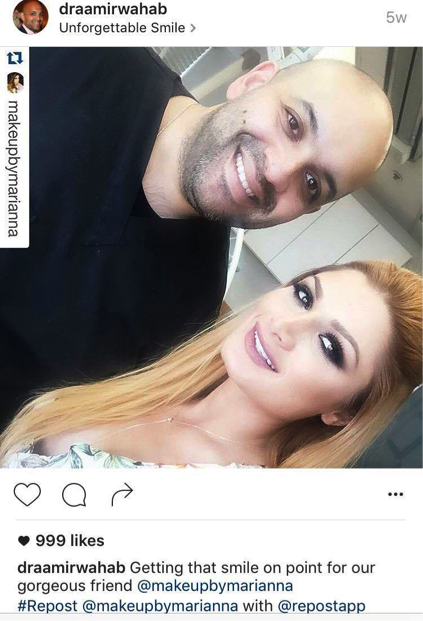
    Dr. Wahab’s dental practice Unforgettable Smile is located in Beverly Hills. He uses Instagram to promote the diverse dental and oral health care services he provides. Dr. Wahab counterbalances those more technical images, such as x rays, molds, and dental tools, with photos of himself with clients, both celebrity and unknown. Before and after images, with patient permission of course, are a great way to show client results. Not only do they demonstrate your skill, but it allows potential patients to see what’s possible. It’s also an ideal time to employ a hashtag like #transformationtuesday. Overall, Dr. Aamir’s Instagram is successful because it’s diverse in its content and constantly engaging—and it doesn’t hurt that he’s a “celebrity dentist.”

    Medical Practice Instagram Example #1

    #2: Dr. Chris Balgobin aka Dr. BBL – @ddr.bbl

    Dr. Balgobin is a cosmetic surgeon specializing in liposuction and Brazilian butt lifts, or bbl. He’s also a franchisee of Dr. Miami, also known as Dr. Salzhauer, whose Instagram is a little more eccentric than most medical practices. Dr. BBL’s Instagram feed is almost entirely before-and-after photos, and the majority of those are butt lifts. While some doctors on social media are more clinical and matter-of-fact, Dr. BBL’s Instagram takes very graphic results and portrays them lightheartedly. His use of emojis, selfies, and memes bring a more playful side to his medical practice. He’s done an expert job of displaying his niche in the larger field of cosmetic surgery while keeping his content engaging and tailored the platform on which it appears.

    #3: St. Charles Vision – @stcharlesvision

    St. Charles Vision is a doctor-owned facility providing comprehensive care. They have six locations serving the Greater New Orleans area. Their approach to Instagram is just as comprehensive. Their feed features new trends in eyewear, client portraits, celebrity spottings, and more! St. Charles Vision is also very active in the community, and their feed shows views around town. In a field all about the visual, it’s obvious that optometrists should be promoting themselves in graphic terms. Their feed features a lot of original images. Though they occasionally throw in an advertisement for a certain brand of glasses, the majority of the photos are unique to the business. They also connect their followers and encourage engagement with the hashtag #raiseyourglasses. St. Charles Vision’s new Distinctive series with artist Zack Smith features striking images of clients in fashionable glasses. This is a great way to promote your products and services, while also highlighting your wonderful customers!Medical Practice Instagram Example #2

    #4: Dr. Simon Ourian – @simonourianmd1

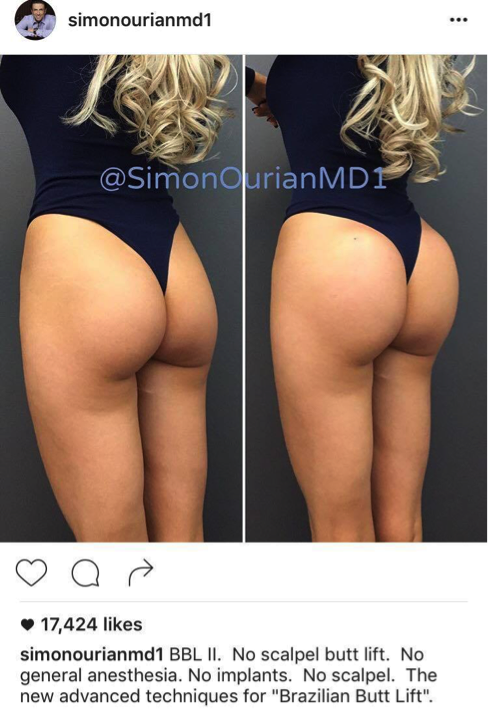
    Dr. Simon Ourian is a cosmetic dermatologist based in Beverly Hills. He uses Instagram to establish his expertise in his field. Dr. Ourian’s posts educate his clients about the causes of different cosmetic concerns, the various treatments, and even describe his consultation process and pricing. The classic before and after images of non-surgical butt lifts, laser treatments, and botox injections are visual testimonies of his work. These images foster both interest in the practice and trust in the doctor’s results. Dr. Ourian posts nearly every day and features a variety of images, as well as videos. This ensures his feed is diverse. He’s active on the platform but does not overwhelm his followers with multiple posts a day or anything overly promotional.

    Medical Practice Instagram Example #3

    #5: Dr. Sandra Lee aka Dr. Pimple Popper – @drpimplepopper

    Dr. Sandra Lee is another dermatologist that’s keeping it “poppin” on Insta, but definitely in a different way from Dr. Ourian. Dr. Pimple Popper has become an internet sensation, and this account is the perfect example of a medical practice using Instagram successfully. Be warned—her account is not for the faint of heart! Before Instagram, Dr. Lee’s YouTube channel had few followers, but now her Instagram account boasts 1.3 million followers! You can watch short clips of cyst removals, popped pimples, never ending blackheads, and literally everything in between. Want more? Almost every Instagram video on her account prompts users to visit her YouTube channel for longer clips.

    Dr. Lee posts photos and videos daily. She’s consistently engaged with users, even building anticipation for full videos with sneak-peek clips and teaser images. Fans come together under her hashtags #DrPimplePopper and #popaholicsunite. Instagram users comment with their delight and disgust, and share these videos with friends and families for amusement and shock value. Dr. Lee has built a loyal fan base that keeps coming back. The Dr. Pimple Popper Instagram account has been featured in the Huffington Post, BuzzFeed, and more!

  • 10 SEO Best Practices To Resuscitate Your Medical Practice’s Website

    Your 2017 Website Checklist Image - Search Influence

    What exactly is SEO, and why should your medical practice be applying it to your website? SEO, or search engine optimization, is a means for building a successful website. It is an on-going strategy for increasing your site’s visibility in the search engine results and helping prospective patients find you and the services and treatments you provide. A well-rounded SEO campaign employs both on-site and off-site work to gain new patients, excel in search engine rankings, and bring in high-quality traffic to your site. The focus of this post is specifically on-site optimizations, which are part and parcel to a successful Healthcare SEO campaign.

    With Google, Yelp, and Bing taking nearly 90% of the market share, your ranking in those search results is essential to the online success of your medical practice. In this post, I give an overview of the 10 SEO tactics that are crucial for not only building a strong and healthy website, but also growing your client base.

    1. Title Tags and Meta Data

    Title tags and meta data are implemented on the backend of your website. They are short and informative, acting as the title of a page of content on your site. Title tags are read by search engine bots as well as users. These title tags are visible at the top of a browser window and appear in search results as a bold blue link title. An optimized title tag includes branding information, your location, and what that specific page of content is about. This allows both search engines and potential patients to know who you are, where you are, and what services you can provide for them.

    There are four types of meta data: meta keywords, meta language, meta robots, and meta description. Most effort is applied to meta descriptions (or meta tags), which act as a summary or description of that page of content. In search results, this information appears in two lines of gray text under the title tag. Every page of your site should have a unique meta description. It is best practice to remain in Google’s 160-character limit while including information on what that page is about as well as a call to action. You want your patients to know not only that you offer tummy tucks, but also that they can easily learn more about the procedure on your website!

    Here’s an example of an optimized title tag and meta description:

    Optimized Meta Data

    2. Call to Action

    Your website should have a clear and bold call to action as soon as a patient arrives on your site. What do you want existing and prospective patients to do once they have found your site online? Do you want them to call for an appointment, or do you have online scheduling? Do you offer a weekly newsletter with tips for healthy habits, or maybe an email list with monthly specials on cosmetic procedures? Make sure your site tells patients what the next step is in learning more about your business or coming in for appointment.

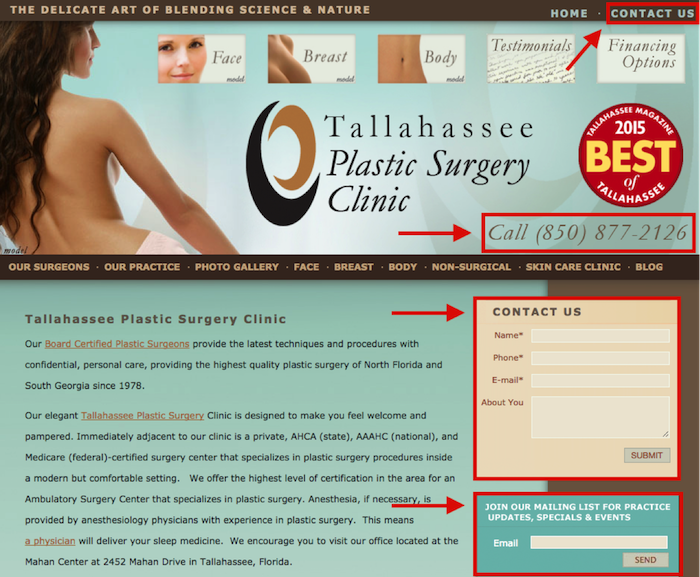
    Here’s an example of a call to action and two types of forms:

    Optimized Forms

    3. No Broken Links

    Just one broken link can gravely impact your ranking in the search engine results, create a poor user experience, and result in the loss of a customer. If a potential patient clicks on something in their search results and it 404s, they may never return to your site. 404s can be caused by the removal of content (PDF documents, videos, etc.), external links that are changed or moved, and the renaming or moving of pages within your own site. When possible, fix the problem at the source (update internal links on your site to reflect new URLs). You can also redirect any old URLs that have moved to a new URL. Careful: too many redirects can slow down the speed of your site. And remember, some pages are meant to 404, such as files that are not images or pages, or files that a normal site visitor should not have access to, such as an admin or login area.

    4. Topics and Keywords

    Topics are the more general themes assigned to pages on your site. Keywords are those phrases in your content that help people find your website through search engines. The pages of content on your site should include topics and keywords with the services that your practice offers. Keep in mind that these need to be terms that your patients would type into search engines. For example, there are on average over 40,000 monthly searches for “rhinoplasty,” but you don’t want to miss out on those 12,500 monthly users who are searching for “nose job.”

    The topics and keywords you choose for each individual page of your site should appear in the title tags, meta descriptions, on-page headings, alt tags of images, and on-site content. I will go more into content later, but keep in mind that you should be including one keyword for every 100 words appearing on the page. Google rewards those sites full of unique and fresh content.
    Google will reward you if all on-site content is unique and high quality.

    5. Mobile Friendly

    Your site must be mobile friendly! According to a study by Mobile Behavior Report, 27% of users will leave your site if it’s not optimized for mobile use. That’s a lot of business to miss out on! Many patients are calling for information or scheduling appointments on the go. You want to make sure they can easily access your site from their smartphone, and Google can help you with that! They offer a free tool to check how mobile-friendly your website is.

    6. Quick to Load

    If your site is slow, patients are likely to leave and visit another site in hopes of finding the information they are looking for. You want to create the best user experience by presenting an easily accessible and speedy site! Again, Google is here to save the day with their PageSpeed Insights tool. This tool measures both your desktop and mobile speed, gives it a score ranging from 0 to 100, and makes recommendations on how you can make your site speedier.

    7. Schema

    Schema is a piece of code that is placed on your site to help search engines provide richer and more informative results for your patients. It’s a way of “labeling” important information on pages of your site so that search engines can better read it and produce better search results for users. There are many types of schema that can be applied to your site. For a medical practice, one the most effective types of markup is ratings/reviews schema.

    8. Content

    Implementing optimized content on your site is one of the most important aspects of an SEO campaign. This is the actual text on your site where you describe your practice and the individual services that you offer. Google rewards sites with original, high-quality content. It needs to be unique to your site, natural, and fresh! A list of the services your practice provides may seem sufficient, but your site is an opportunity to show your new and existing patients that you are a knowledgeable expert in your field. Don’t just list that you provide rhinoplasty and breast augmentation; demonstrate that you are well versed in these procedures and their recovery process. Make your patients feel at ease and increase their confidence in choosing you as their physician.

    Unique and fresh content also reinforces your site authority with Google bots. New content implemented on your site brings those bots back to crawl the information on your site. Content should typically be about 500 words per page, but as the medical field is more technical, twice that length is usually appropriate. Use content as a means to stand out to patients and search engines as an authoritative and relevant source in your field!

    9. Blog

    Blogs are another way to place rich content on your site! Like on-site content, they boost your site’s authority, but they also allow you to relate to your patients. Regularly posting on your blog engages readers with valuable and useable information. Your website may have a page on melanoma, but a blog post on skin tips for summer is a friendlier way to attract patients to your site. Here are some helpful tips on choosing the length of your blog posts.

    10. Google Analytics

    Last but certainly not least on the list of must-haves for your website in 2016 is Google Analytics! With all of the items above, you’ll want to track the progress of your newly optimized site. With greater insight comes greater control. Google Analytics allows you to analyze your traffic data to better understand your audience. It also helps you understand which of your marketing strategies are working best for your practice. If you can hone in on your audience and which tools are most effective in reaching them, you can lower your marketing costs and bring in more business!

    These 10 best practices are an inexpensive way to boost awareness of your practice and bring in new, revenue-generating patients. With a little strategy and effort, you can have a comprehensive SEO campaign that brings your practice’s website up to speed!

    Image Credit:

    Nurse Phoebe Image